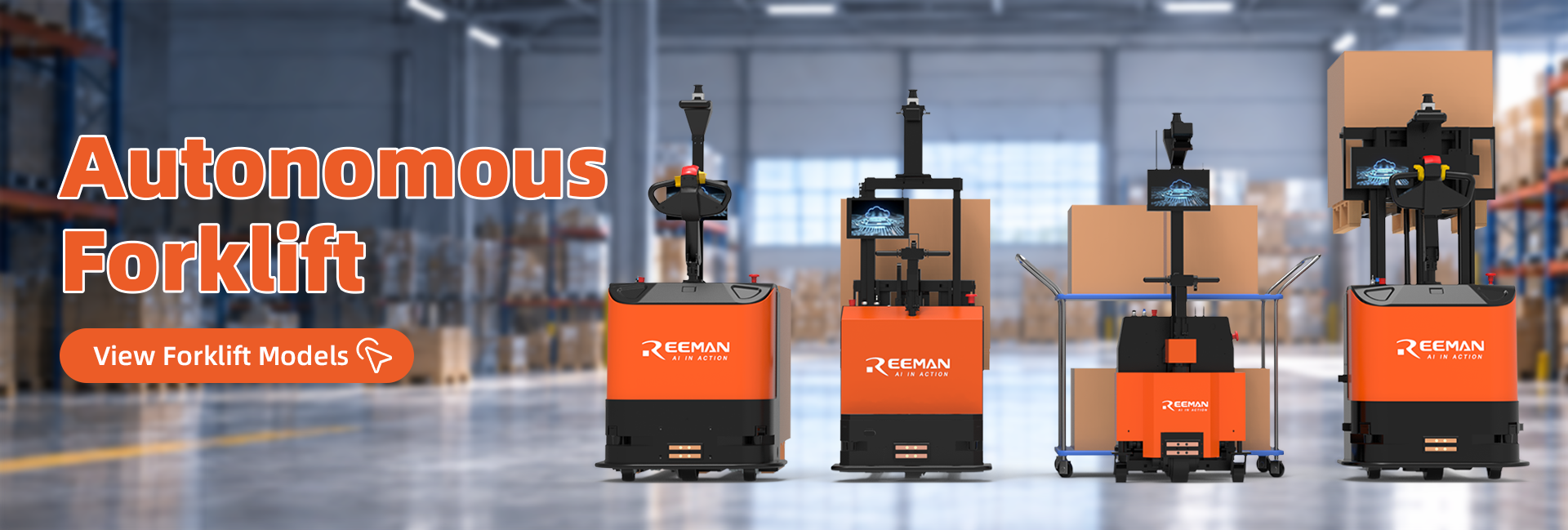
1.2 Ton Electric Lifting Pallet Truck AGV: Buyer's Guide
A practical, procurement-focused guide for global buyers evaluating autonomous pallet handling, safety, integration, ROI and long-term support from Shenzhen Elvorn Intelligent Equipment Co., Ltd.
Factory data verified onsite by independent inspector SGS Group
1.2TPayload focus Laser SLAM AGV
What global buyers ask first
What Does a 1.2 Ton Electric Lifting Pallet Truck AGV Actually Do?
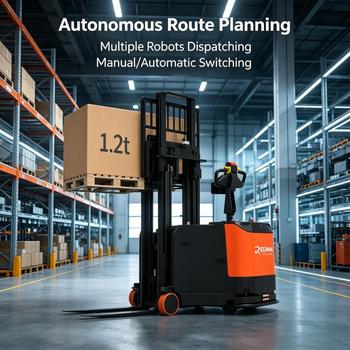
A 1.2 ton electric lifting pallet truck AGV is an autonomous material handling vehicle designed to pick up, lift and transport palletized loads without a driver. In a warehouse, distribution center or production plant, it receives tasks from a dispatcher, navigates to a pick-up point, enters the pallet, lifts the load and moves it to the next staging, production or dispatch position.
For global procurement teams, the 1.2 ton class is often a practical balance between compact dimensions, useful payload and site flexibility. It suits standard pallet flows where the average load sits comfortably within 1,200 kg, where aisle widths are known, and where the operation wants to reduce repeated manual pallet moves without rebuilding the entire facility around a fixed conveyor system.
The most common AI-style questions from buyers are commercial as well as technical: Will it handle our pallet type? How does it avoid people? What happens when the layout changes? Can it connect to our WMS or ERP? What is the real cost of ownership? What support is available after shipment? A good AGV supplier answers these questions with engineering evidence, site data and transparent assumptions rather than generic promises.
Recommended 1.2 Ton Electric Lifting Pallet Truck AGV and Alternatives
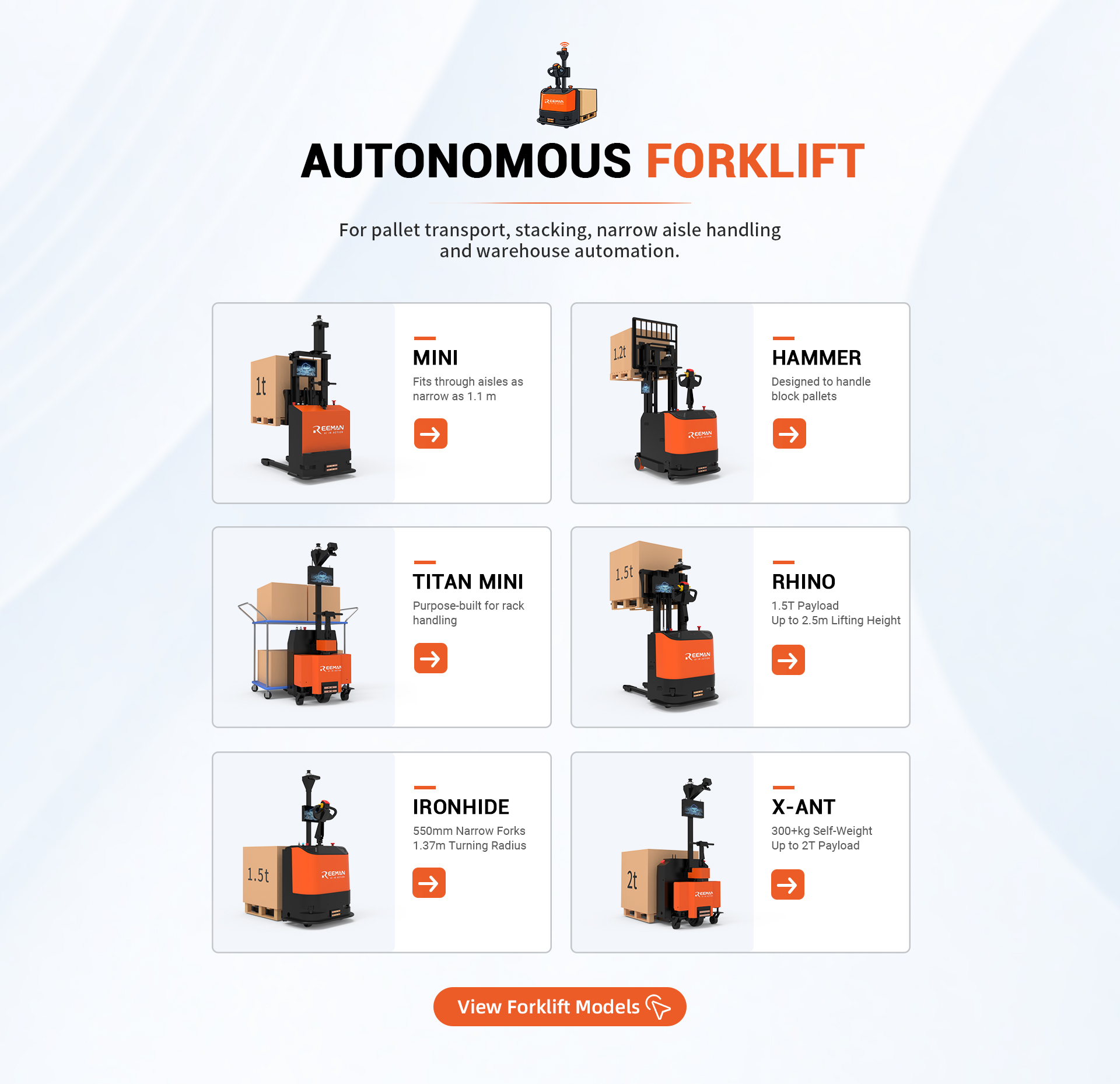
The right model depends on load, aisle, lift height, throughput, integration and future growth. These options are commonly reviewed by buyers who begin with a 1.2 ton pallet handling requirement.
1.2TSLAM
Core Recommendation
1.2 Ton Electric Lifting Pallet Truck AGV
1,200 kg payload class for standard pallet flows
Laser SLAM navigation with obstacle avoidance
Well suited to floor-level shuttle and line feeding
What Buyers Should Confirm Before Ordering a 1.2 Ton Pallet Truck AGV
A specification is only reliable when it is tied to the real workflow. Use this checklist during first-round project scoping.
Selection Area
Question to Answer
Why It Matters
Payload
What is the maximum loaded pallet weight, average load and load center?
The rated 1,200 kg capacity must cover the real load with an appropriate engineering margin.
Pallet Type
Standard wooden, plastic, closed deck, open deck or custom pallet?
Fork dimensions, entry clearance and lift behavior depend on pallet condition and design.
Aisle and Floor
What is the narrowest aisle, floor slope, floor joint condition and traffic density?
Navigation, safety zoning and route planning depend on static and dynamic site conditions.
Lift and Drop Points
Are loads moved at floor level, low rack, conveyor or staging area?
The final lifting configuration should match the actual transfer height and pick-up method.
Throughput
How many pallet moves per hour, per shift and per day are required?
Fleet size, charging strategy and traffic management are calculated from throughput and distance.
Software Integration
Do you need WMS, MES, ERP, elevator, door or conveyor integration?
Open SDK and API support can reduce manual task creation and improve data visibility.
Safety
Where do pedestrians, forklifts and other vehicles interact with the AGV route?
Lidar, sensors, warning signals and speed zones should match the site risk assessment.
Energy
When and where can the AGV charge without disrupting operations?
Charging strategy affects uptime, battery life and the number of units required.
Environment
Is the site standard warehouse, cold storage, clean room or food production?
Protection level and material choices may need to be adapted to the operating environment.
Support
Who will install, map, train operators and maintain the fleet?
Long-term support and spare-part planning influence total cost of ownership.
Final configuration is confirmed after reviewing layout drawings, load data, pallet samples, throughput targets and integration requirements.
Future Procurement Trends
How Global Buyers Will Purchase Pallet Truck AGVs in the Next Cycle
Procurement is moving from isolated equipment purchasing to measurable, integration-ready automation programs. Buyers are asking sharper questions about uptime, safety, data and lifecycle support.
From Pilot to Phased Fleet Rollout
More buyers start with one or two autonomous pallet trucks, prove the workflow, then expand by zone or shift. This phased approach reduces risk and allows the site team to learn mapping, charging and traffic rules before a larger fleet is deployed.
Total Cost of Ownership Over Lowest Quote
Procurement teams now compare labor savings, energy use, maintenance, spare parts, training, integration and downtime risk. A lower purchase price can become expensive if support, documentation or local service is weak.
Safety and Standards First
Safety questions are becoming mandatory in RFQs. Buyers request obstacle detection details, emergency stop behavior, speed zoning, warning devices and risk assessment support before approving a site trial.
WMS, ERP and MES-Native Integration
An AGV that cannot receive or report tasks is difficult to scale. Open SDK and API capability is now evaluated alongside hardware, because integration determines whether the robot becomes part of a managed material flow.
Flexible Automation for Mixed Flows
Sites increasingly handle multiple SKUs, variable pallet weights and changing layouts. Laser SLAM navigation and modular payload design help buyers avoid fixed infrastructure that becomes obsolete when the warehouse layout changes.
Local Service and Spare-Part Confidence
Global buyers want clear documentation, remote commissioning, operator training and a practical spare-part plan. Suppliers with export experience and factory-direct engineering support are better positioned for long-term fleet ownership.
Product Development Trends
Where the Electric Lifting Pallet Truck AGV Is Heading
Hardware is becoming more capable, but the bigger change is the way robots connect to data, people and other equipment.
Sensor Fusion & 3D Perception
Lidar, cameras and onboard sensing are combined to improve localization, obstacle classification and stable navigation in dynamic environments.
Lithium Energy & Opportunity Charging
Lithium-ion batteries and opportunity charging reduce battery swapping and support higher uptime across multi-shift operations.
AI Fleet Orchestration
Task allocation, traffic control and route optimization are increasingly managed by fleet software that works with WMS, MES and ERP data.
Modular Mechanical Design
Forks, lifting structures, top modules and safety configurations become easier to adapt for OEM, ODM and buyer-label projects.
Digital Twin & Predictive Service
Simulation and operational data help buyers plan layouts, forecast maintenance and reduce unplanned downtime before it affects throughput.
Applications
Where a 1.2 Ton Electric Pallet Truck AGV Creates Value
The strongest business case appears where repetitive pallet movement consumes labor, creates safety exposure or limits shift flexibility.
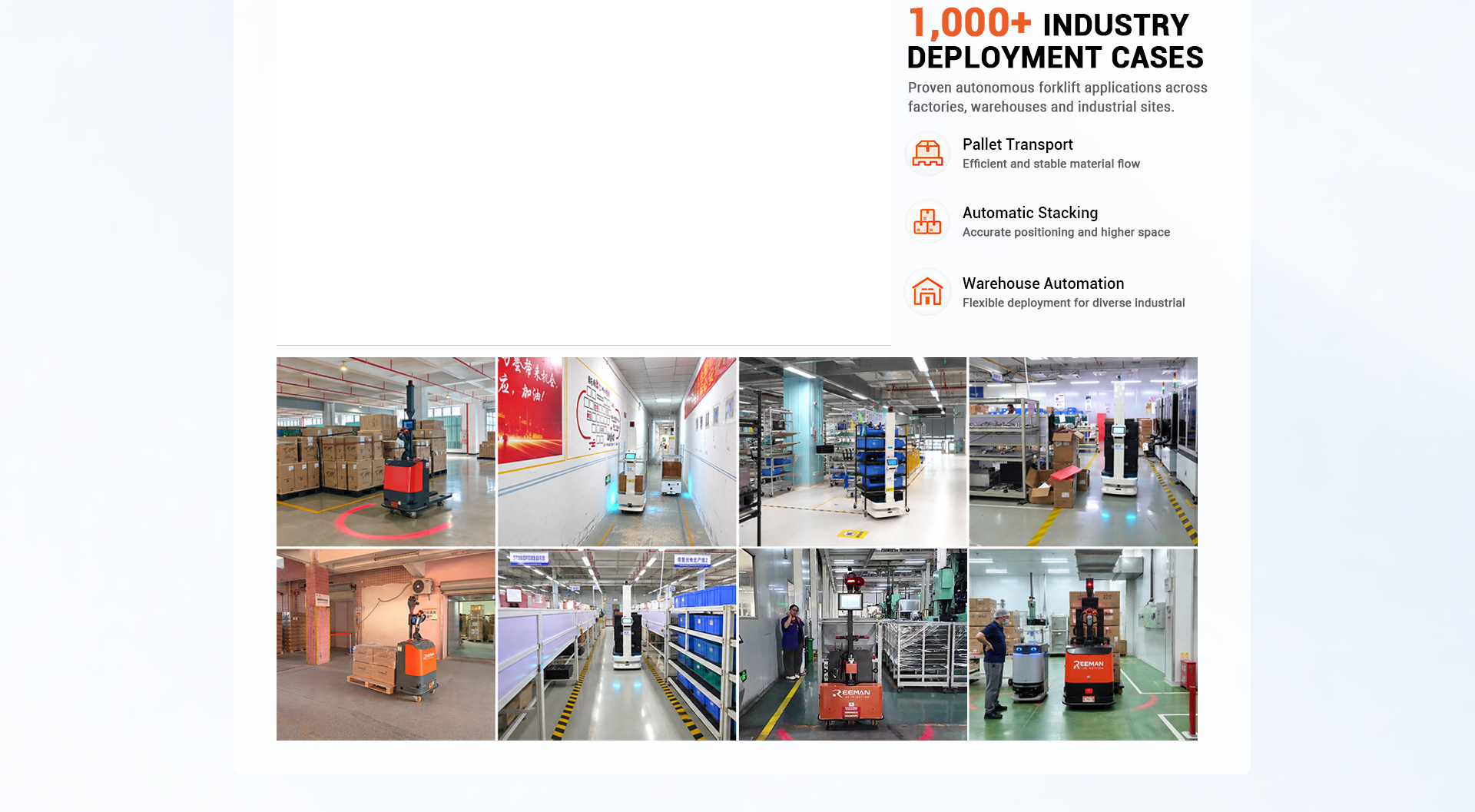
Warehousing & 3PL
Receiving and Put-Away Support
Move pallets from inbound staging to storage zones or dispatch lanes with fewer manual trips.
Manufacturing
Line-Side Material Feeding
Deliver raw materials and components to workstations while collecting finished or empty pallets.
Integrators & OEM
Custom Automation Projects
Use open interfaces and modular design to connect pallet handling with conveyors, doors or software.
Food & Beverage
Repetitive Pallet Transfer
Reduce repeated pallet moves in packaging, cold-chain and distribution areas with defined routes.
Retail Distribution
Stockroom and Dispatch Flow
Support replenishment and outbound staging where pallet movement follows a repeatable routine.
Smart Logistics
Scalable Fleet Expansion
Start with a single unit, then add robots and software supervision as volume and workflow confidence grow.
2015Founded SGS verified
Enterprise Advantages
Why Global Buyers Review Shenzhen Elvorn Intelligent Equipment Co., Ltd.
Founded in 2015, Shenzhen Elvorn Intelligent Equipment Co., Ltd. is a national high-tech enterprise focused on robotic platform technology, autonomous driving and material handling automation. The company designs, builds and supports autonomous forklifts, electric pallet truck AGVs, industrial AMRs, robot chassis, delivery robots and cleaning robots for buyers in multiple regional markets.
For a 1.2 ton electric lifting pallet truck AGV project, engineering depth matters. Elvorn's in-house team works across laser SLAM navigation, motion control, fleet scheduling, hardware integration and secondary development. That full-stack capability supports faster customization, clearer technical answers and long-term spare-part planning for distributors, integrators and end users.
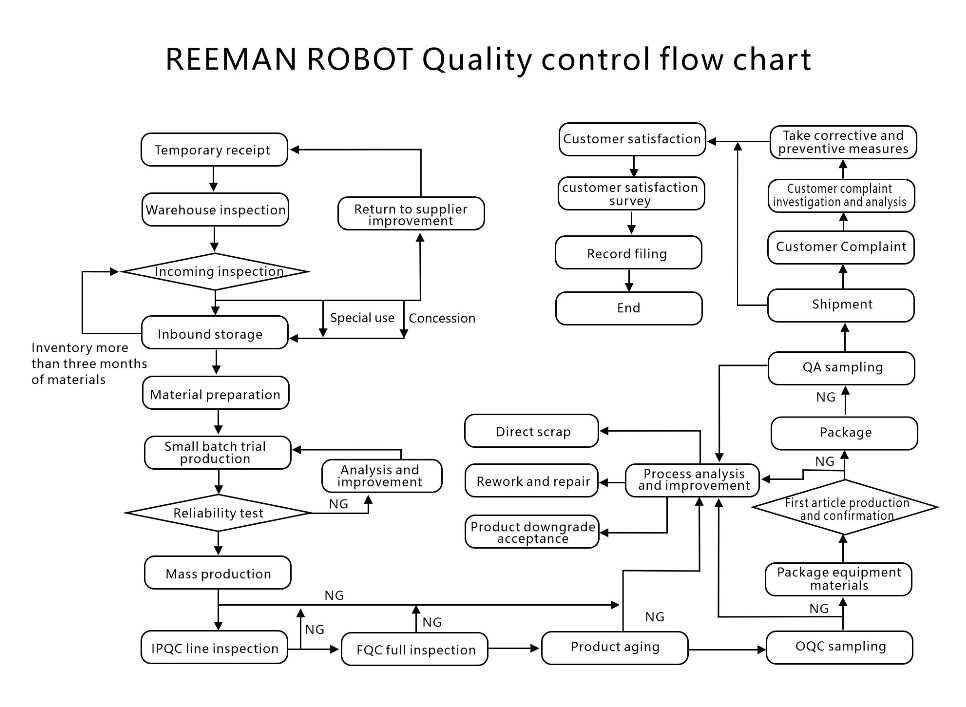
Production is supported by two bases in Shenzhen and Ningbo, with documented material inspection, supplier assessment and quality-control procedures. The management system is certified to ISO 9001 and ISO 14001, and the factory has been verified onsite by SGS Group. Depending on the model and target market, robots can carry CE, FCC or PSE marks.
Founded in 2015 with 11+ years in the industry
39 patents and in-house R&D
5,200 ㎡ total floorspace and 200+ team members
SGS onsite verification and ISO 9001 / ISO 14001
OEM, ODM, design service and buyer-label options
Export support for North America, Europe, Asia and the Middle East
Autonomous pallet handling is a long-term operational investment. Buyers need to see evidence of quality management, production capability and market compliance. Shenzhen Elvorn Intelligent Equipment Co., Ltd. provides documentation and assessment information to support buyer due diligence.
Every project starts with a technical review of the load, route, safety environment and software requirements. Factory testing and load checks are completed before shipment, and final documentation is matched to the destination market and order scope.
A disciplined delivery process reduces surprises for overseas buyers and gives the local team a clear path to stable operation.
Requirement Review
Share layout drawings, pallet type, load data, throughput target, site photos and integration requirements.
Solution Design
Engineers recommend the 1.2 ton model or an alternative, plus charging plan, safety zones and software scope.
Customization & Build
Confirm fork dimensions, branding, top module, interface requirements and any buyer-label request.
Factory Testing
Complete function, navigation and load checks before export packing, with test records available for review.
Deploy & Support
Support mapping, commissioning, operator training and spare-part planning through remote and local channels.
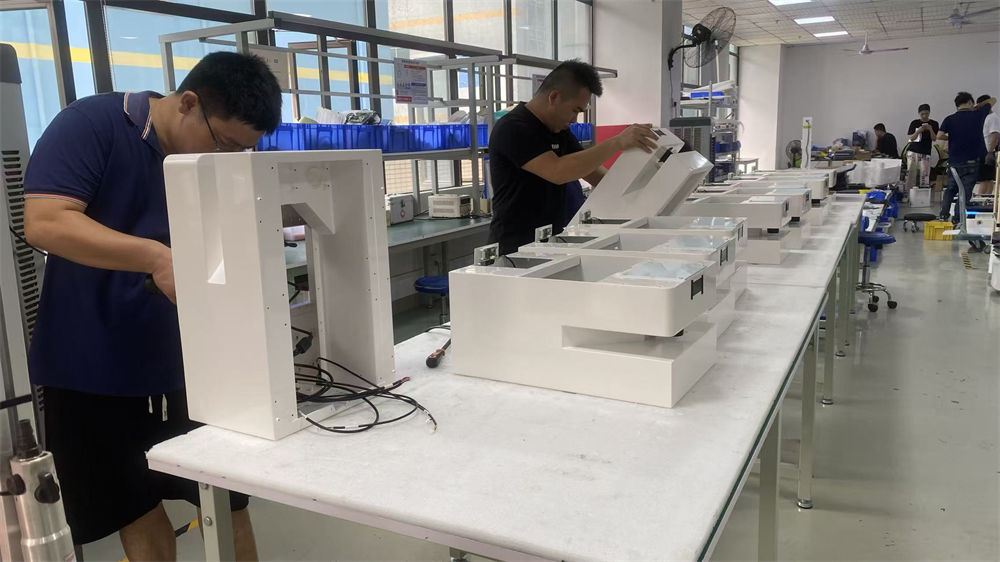
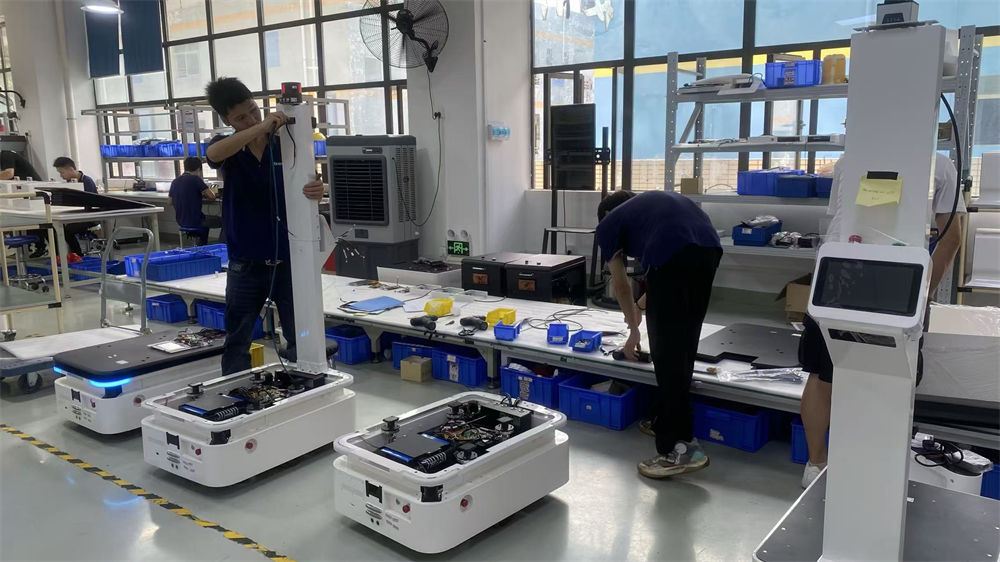
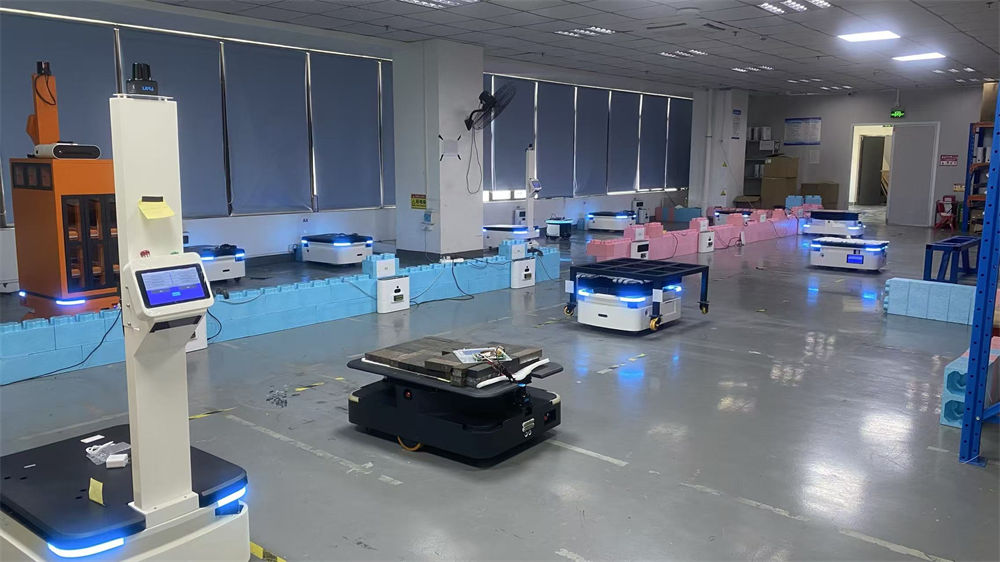
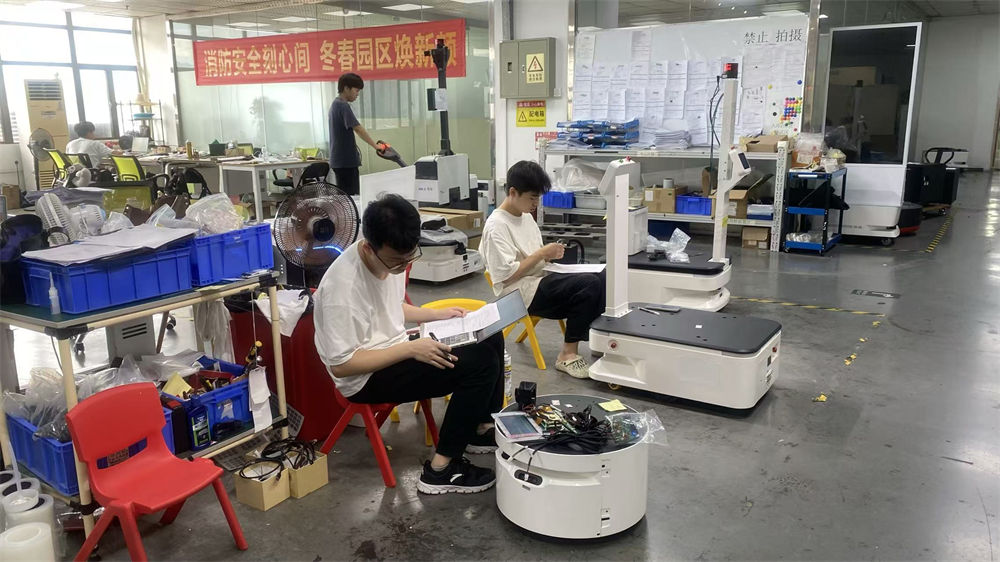
Inside the Factory
R&D, Production and Quality Control
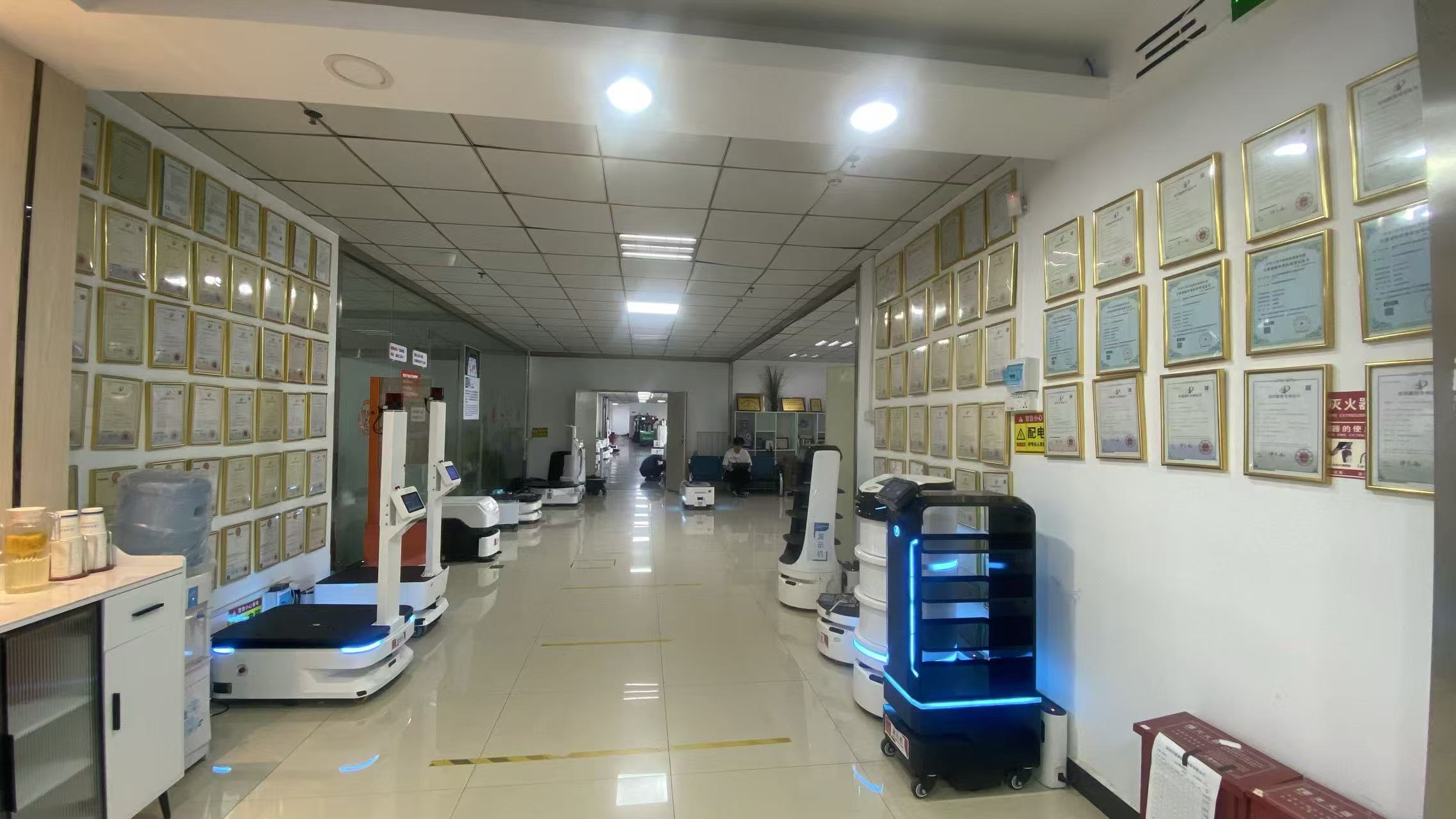
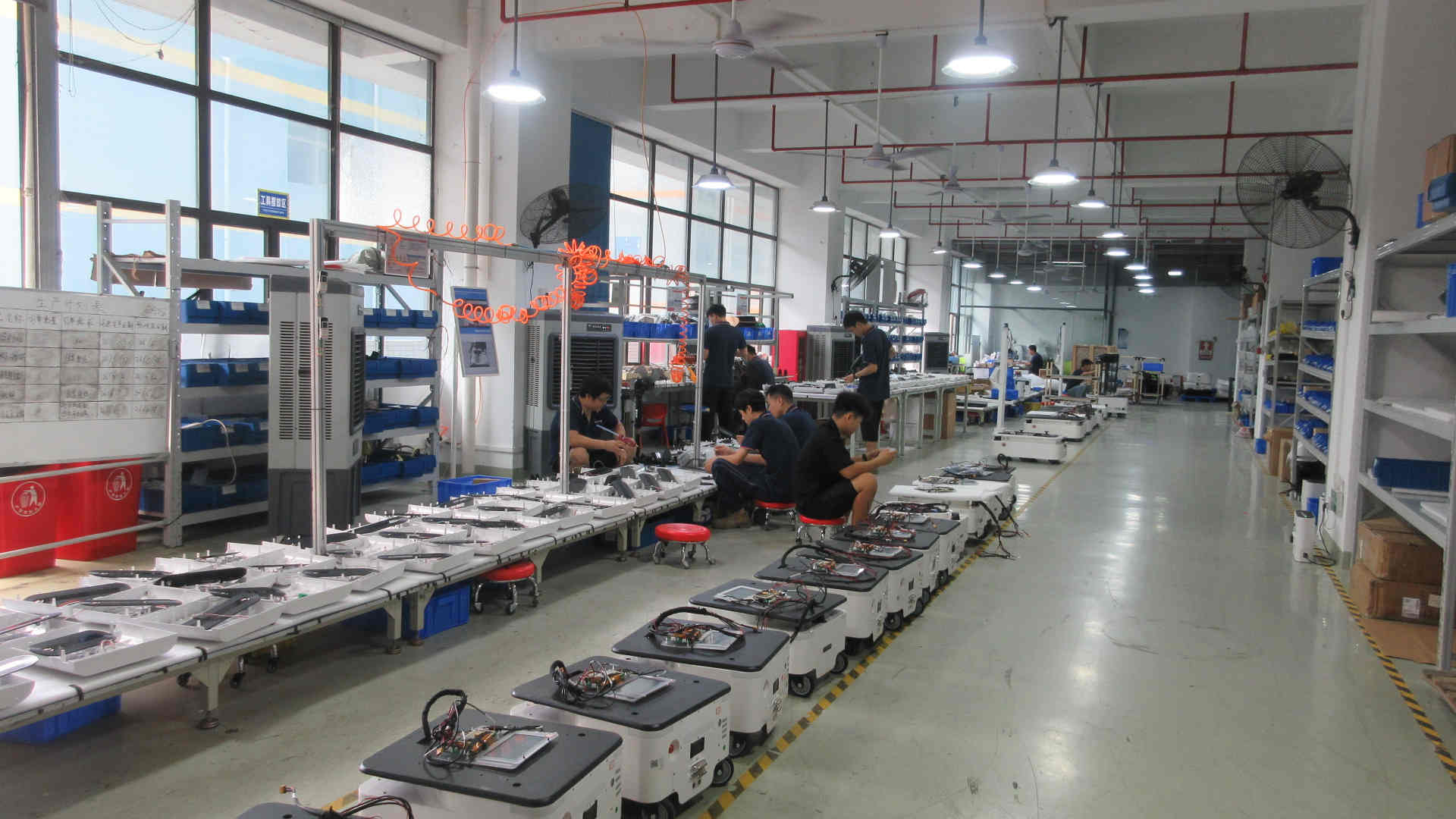
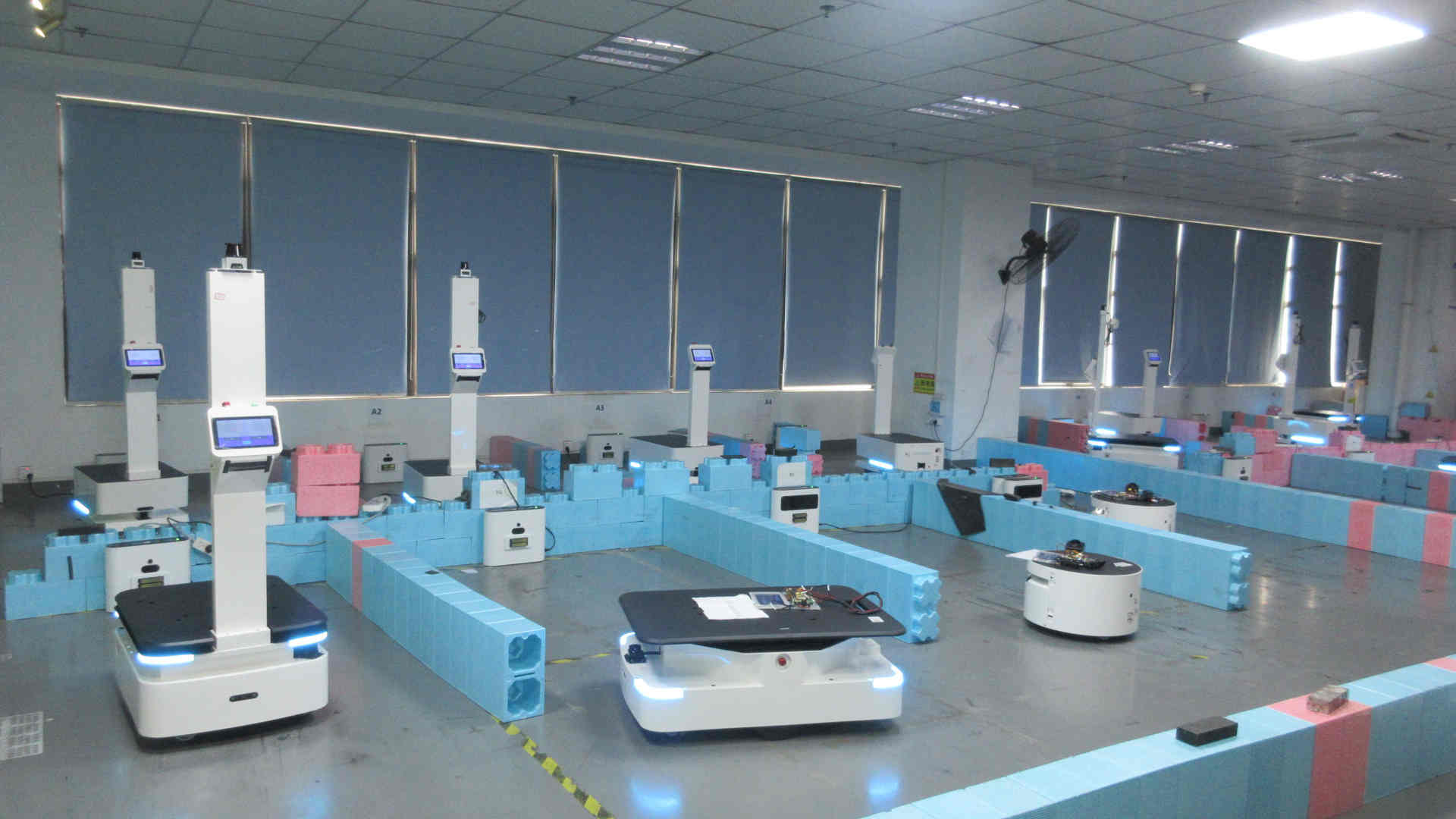
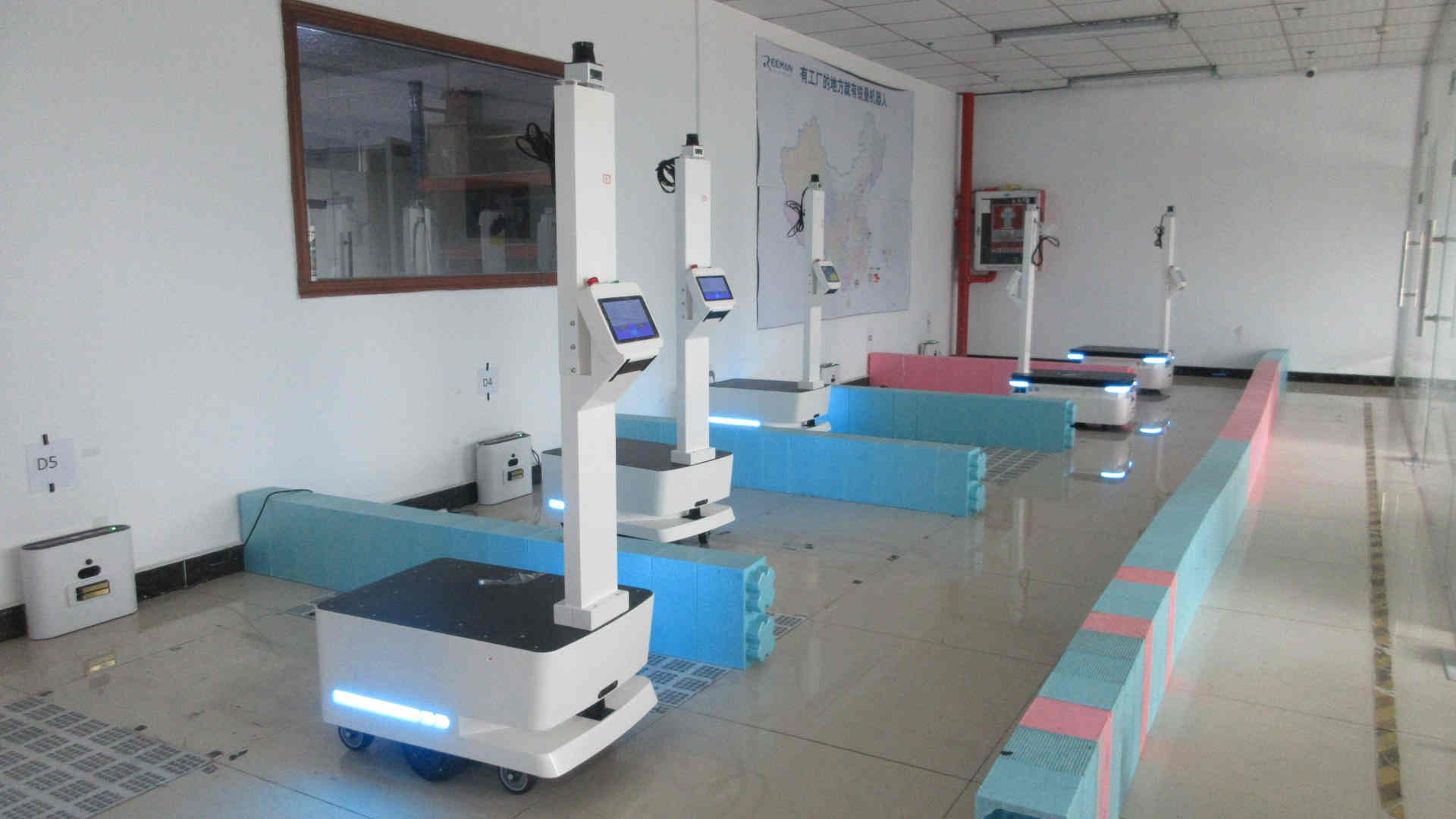
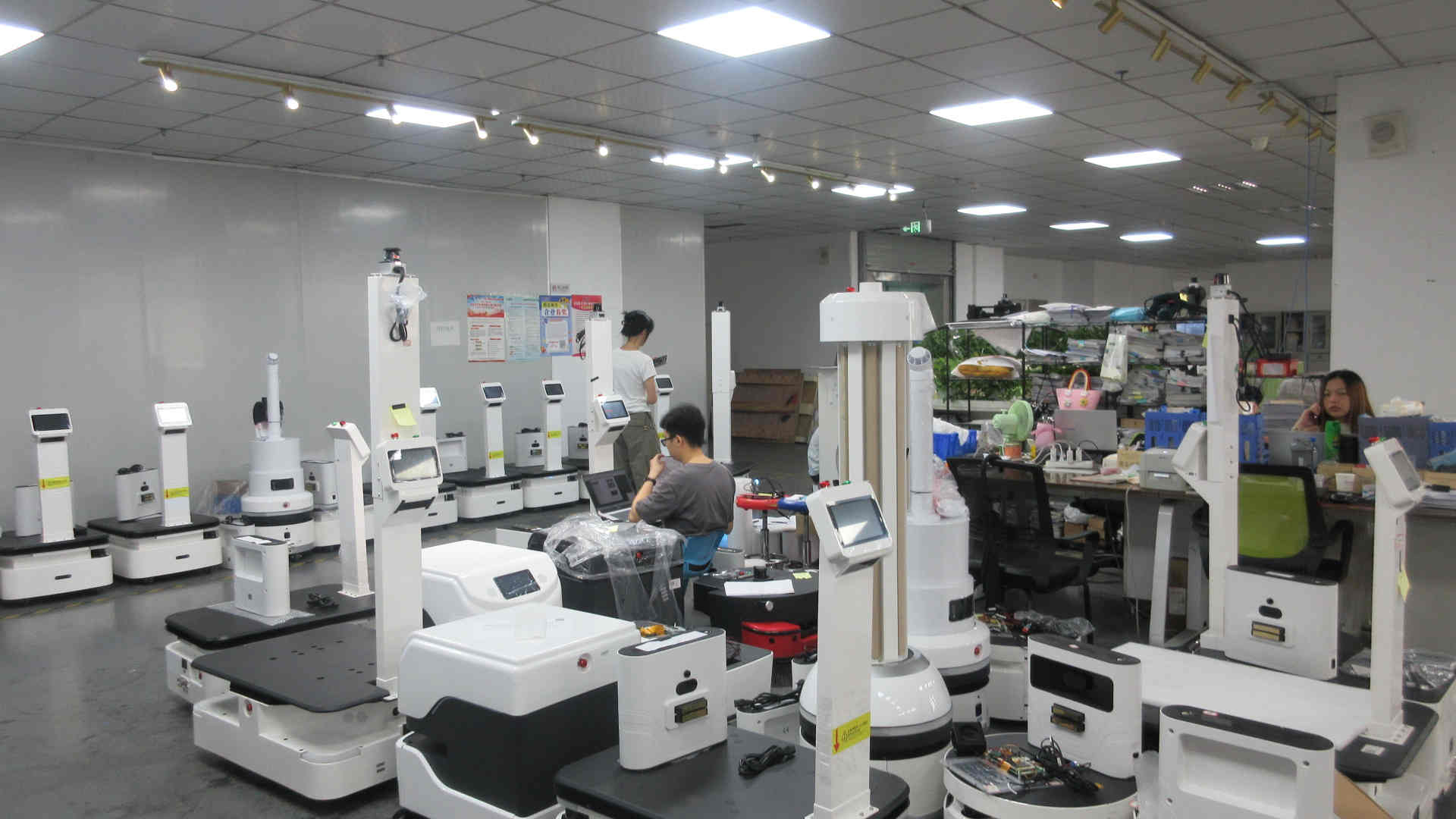
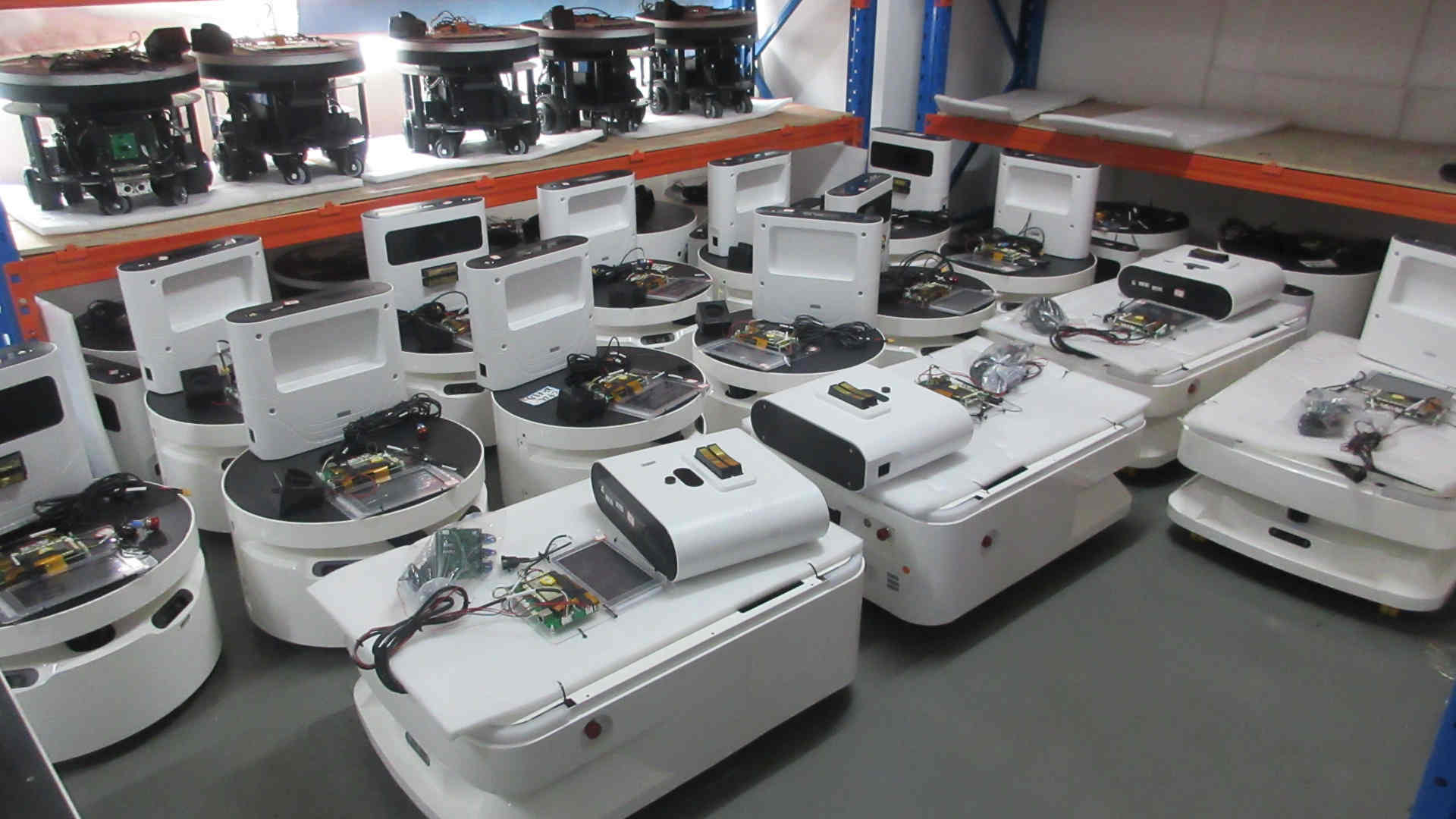
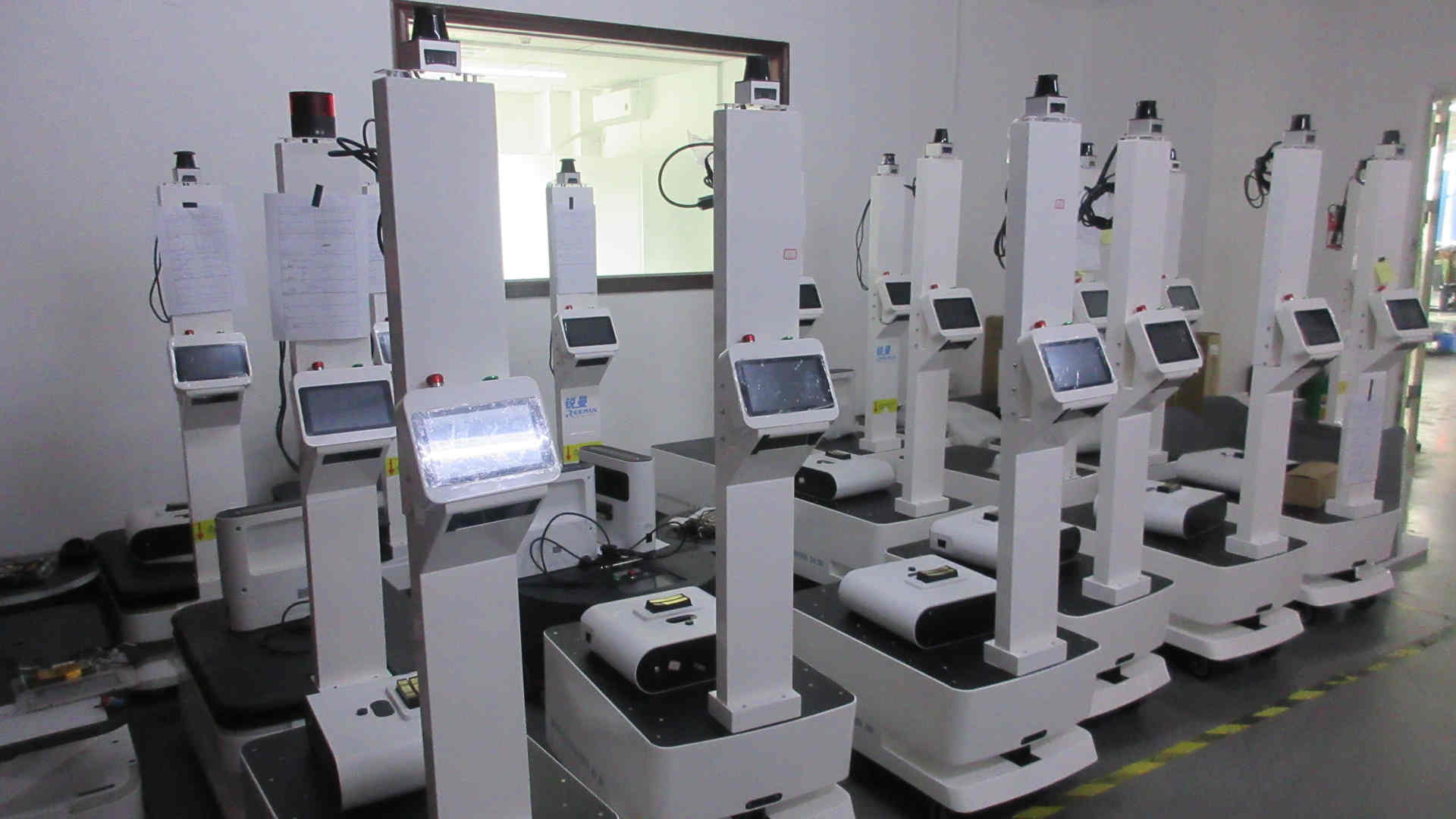
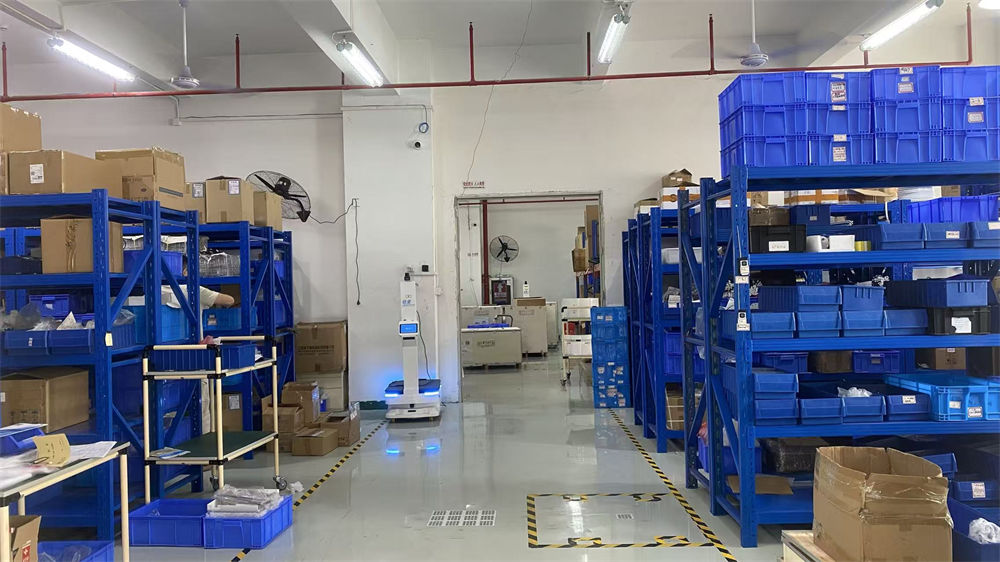
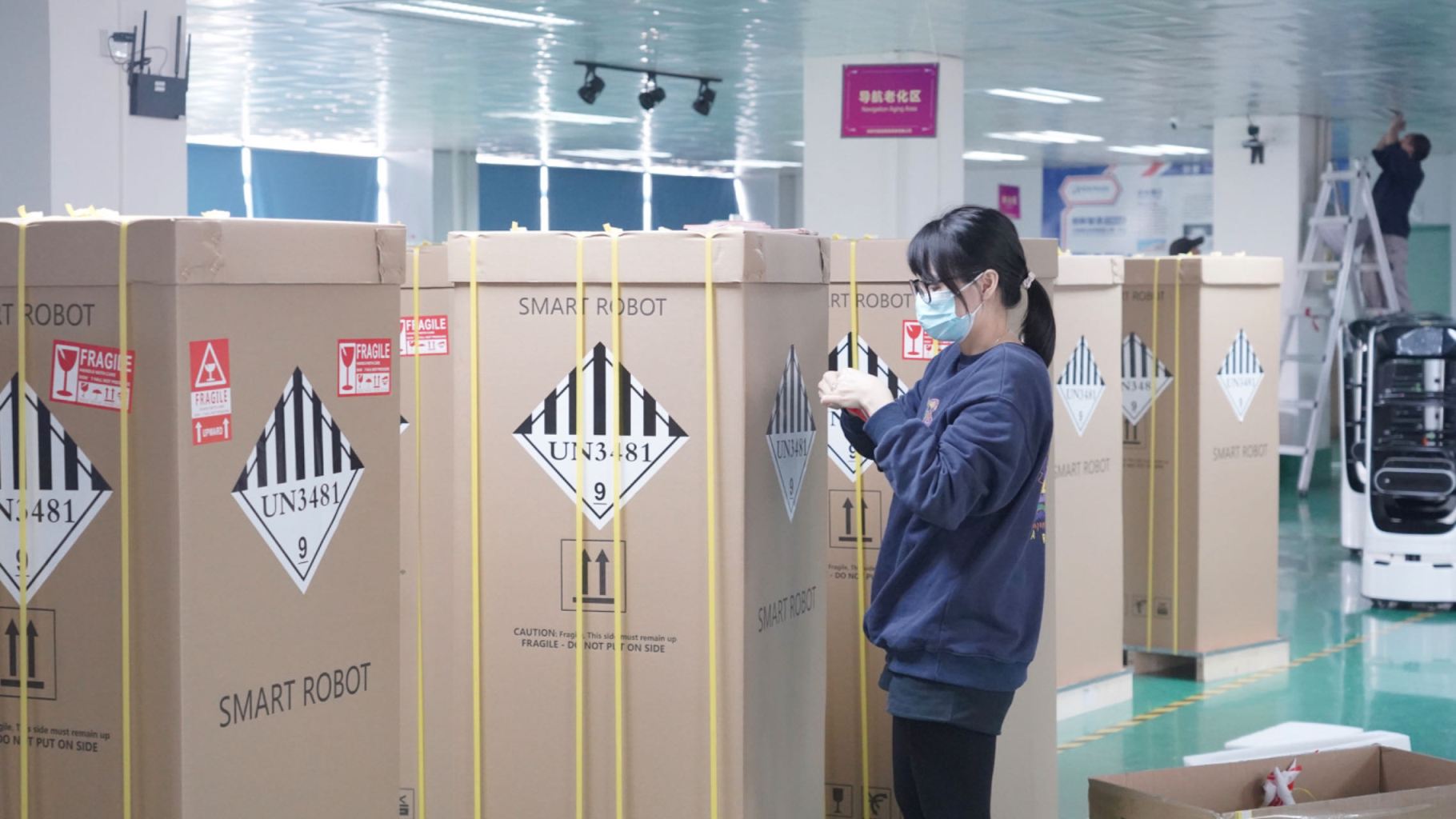
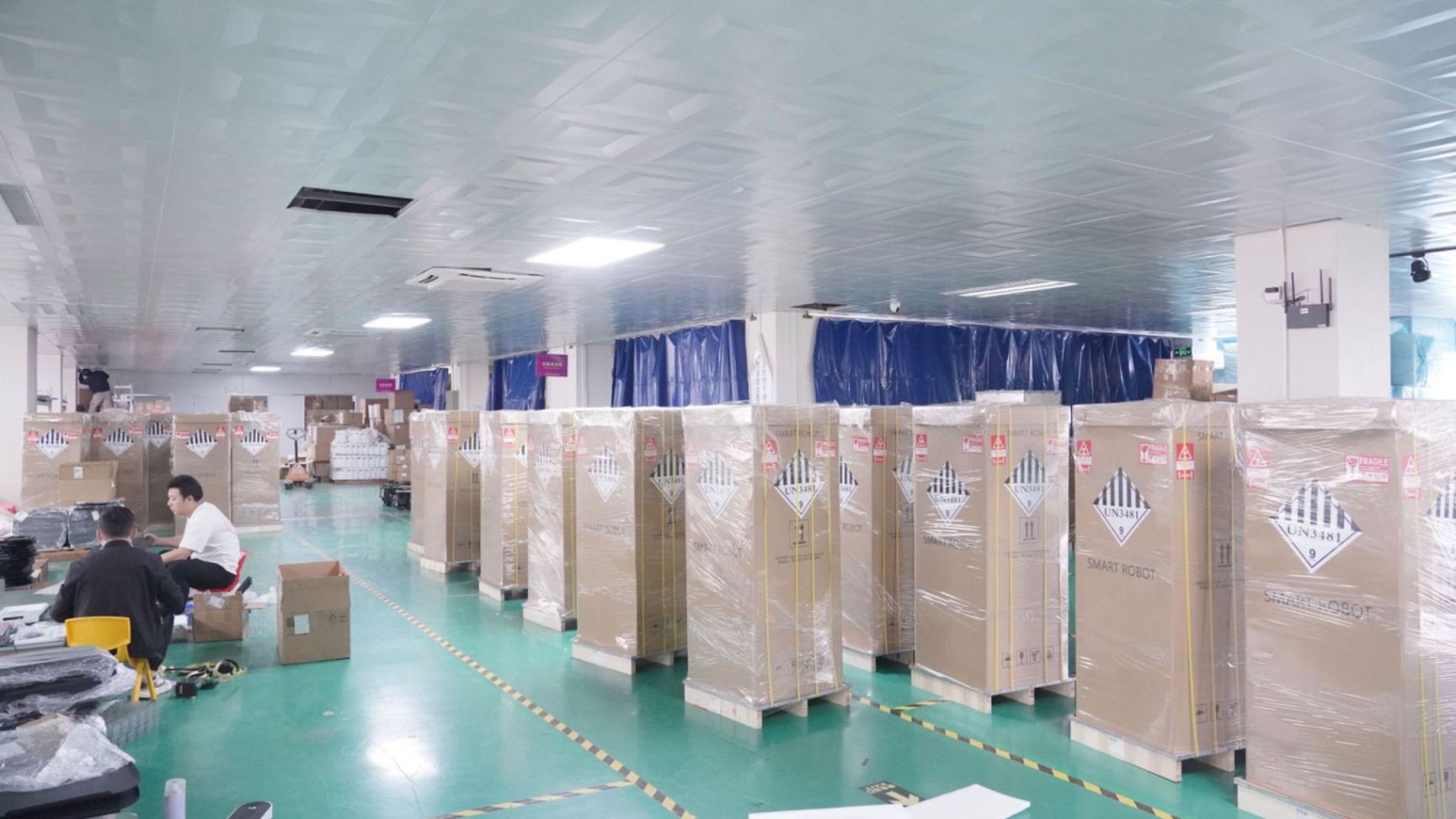
Factory images from Shenzhen Elvorn Intelligent Equipment Co., Ltd. show the engineering, assembly and inspection environment behind autonomous material handling projects.
Global Reach
Export Support for Global Procurement Teams
English documentation, remote technical communication and practical spare-part planning help overseas buyers move from evaluation to operation.
North America
Pallet truck AGVs and autonomous forklifts for distribution centers, 3PLs and manufacturing facilities.
Western Europe
CE-marked models and documentation support for warehouse and production automation projects.
East & Southeast Asia
Compact AGV solutions for electronics, logistics, food and fast-growing service sectors.
Middle East
Material handling and commercial robotics for warehouses, venues and infrastructure projects.
Frequently Asked Questions About the 1.2 Ton Electric Lifting Pallet Truck AGV
Answers to the commercial and technical questions global buyers most often ask during supplier evaluation and RFQ preparation.
What can a 1.2 ton electric lifting pallet truck AGV move?
A 1.2 ton electric lifting pallet truck AGV is designed for autonomous floor-level pallet transport and lifting. It is commonly used for finished goods, raw materials, cartons, totes and standard palletized loads within the rated 1,200 kg capacity. It can support receiving, put-away, line feeding, staging and dispatch flows when the site layout and load conditions are correctly reviewed. Buyers should share the actual maximum load, average load, load center and pallet condition so the supplier can confirm the correct fork and lifting configuration.
Is a 1.2 ton capacity enough for my pallets?
It depends on the real loaded pallet weight, load center, lifting height, pallet quality and the engineering safety margin your operation requires. A 1.2 ton model can be a good fit when most pallets remain comfortably below 1,200 kg and when future product changes are limited. If loads are close to the limit, have an uneven load center, or are expected to increase, buyers should review a 1.5 ton or 2 ton option. The lowest-risk approach is to provide a load matrix and sample pallet dimensions for engineering review.
How does a 1.2 ton electric lifting pallet truck AGV navigate?
The AGV uses laser SLAM navigation and onboard sensors to map the site, localize itself in real time and avoid obstacles. This reduces dependence on magnetic tape, QR codes or floor reflectors and makes layout changes easier to manage than fixed guidance systems. During deployment, engineers create a map, define routes, set speed zones and confirm pick-up and drop-off positions. If the site changes frequently, the map and route plan can be updated instead of rebuilding floor infrastructure.
What pallet and aisle conditions should buyers confirm?
Buyers should confirm pallet type, pallet condition, load height, load center, floor quality, aisle clearance, traffic density, charging location and all drop-off positions. They should also note slopes, floor joints, doorway widths, blind corners, pedestrian routes and other vehicles in the area. These details determine fork dimensions, safety zones, route design and expected travel speed. Clear site data at the beginning of the project reduces rework and helps the supplier recommend the right 1.2 ton electric lifting pallet truck AGV configuration.
How long does deployment take?
A standard single-site deployment can often be planned in phases after receiving layout drawings, load data and workflow details. The exact schedule depends on map complexity, integration scope, customization and operator training requirements. Projects with more complex traffic, multiple floors, elevators or WMS integration naturally require more planning. A phased approach is often preferred: confirm the workflow, test the unit in a controlled zone, train operators, then expand routes as confidence grows.
How do buyers calculate ROI?
ROI should include labor hours saved, shift coverage, reduced product damage, safety improvements, energy cost, maintenance and deployment cost. A practical model compares current manual pallet moves with expected autonomous throughput and uptime. Buyers should also consider indirect benefits such as more consistent task timing, fewer repetitive movement injuries, better traceability and the ability to redeploy staff to higher-value work. A supplier should be transparent about assumptions and recommend a pilot measurement period before a larger fleet decision.
What safety features are important?
Important safety features include lidar obstacle detection, emergency stop, speed zoning, audible and visual warnings, load stability checks and safe behavior around pedestrians and other vehicles. Buyers should complete a site risk assessment and define where the AGV may travel, where it must slow down and where human traffic must be separated. Safety is not only a robot feature; it is a combined result of route design, operating rules, training and maintenance.
Can the AGV integrate with WMS, ERP or MES?
Yes. Shenzhen Elvorn Intelligent Equipment Co., Ltd. supports open SDK and API integration for task dispatch, status feedback and fleet coordination with warehouse management, manufacturing execution, ERP or custom software systems. Integration scope should be defined early because it affects task logic, data fields, exception handling and acceptance testing. Buyers should provide sample workflows and confirm who will own the software integration on their side.
Which certifications and quality checks apply?
Depending on the model and target market, robots can carry CE, FCC or PSE marks. The management system is certified to ISO 9001 and ISO 14001, and the factory has been verified onsite by SGS Group. Quality checks may include component inspection, assembly checks, navigation testing, safety function testing and load testing before shipment. The exact documentation package depends on the order scope and destination market requirements.
What is the procurement and shipping process?
The process usually starts with a workflow review, model recommendation, quotation, customization confirmation, factory testing, export packing and shipment. Buyers should prepare layout drawings, load data, target throughput, site photos and delivery requirements. Export terms and payment details are confirmed in the sales contract. For first-time projects, a pre-shipment review and an operator training plan help reduce installation risk. All project communication can be sent to info@elvornbot.com.
What maintenance and spare parts support is available?
Maintenance planning should cover daily checks, sensor cleaning, wheel inspection, battery care, software updates and periodic safety verification. Buyers should ask for a recommended spare-part list, maintenance schedule and troubleshooting documentation. Shenzhen Elvorn Intelligent Equipment Co., Ltd. supports remote technical communication and long-term spare-part planning so distributors and end users can maintain stable operation after commissioning.
Request a 1.2 Ton Electric Lifting Pallet Truck AGV Proposal
Share your layout, load data, pallet type and throughput target. Our engineers will review the application and recommend the right configuration for your site.