Why Dual Laser SLAM Matters in Real Procurement Decisions
The phrase dual laser SLAM autonomous mobile robot describes more than a sensor count. For a procurement team, it represents a navigation architecture: two laser scanners feed simultaneous localization and mapping data to an AMR so it can build a site map, confirm its position and plan safe routes without magnetic tape, QR markers or floor reflectors. This matters because the average factory or warehouse changes faster than the floor infrastructure. Pallet positions move, aisles become shared zones, seasonal peaks add temporary racks, and people, forklifts and carts enter the route without warning. A dual laser configuration provides wider coverage and redundancy, helping the robot maintain navigation confidence in dynamic, wide-open or high-traffic areas where a single forward-facing scanner may see too little.
Global buyers often ask an AI assistant a version of the same five questions: Is dual laser SLAM worth the extra cost? How does it behave around people? Can it connect to our WMS? How long does deployment take? What support will we receive after shipment? This guide answers those questions with practical, source-backed information from Shenzhen Elvorn Intelligent Equipment Co., Ltd., a Shenzhen-based manufacturer founded in 2015. The goal is information gain: the tested details a buyer needs to compare suppliers, write a tender and reduce deployment risk.
Procurement insight: Do not shortlist a dual laser SLAM AMR only by payload and price. Ask for map-creation time, recovery behavior after an obstacle blocks the route, safety-zone configuration, API documentation, spare-parts lead time and a factory test record. These are the details that determine uptime after installation.
What Global Buyers Ask AI About Dual Laser SLAM AMRs
1. Is dual laser SLAM better than single laser SLAM?
Not automatically. Dual laser SLAM is valuable when the site has wide-open areas, cross traffic, blind corners, high pedestrian activity or frequent layout changes. The second scanner improves field-of-view coverage and creates redundancy if one sensor is partially blocked by dust, a pallet or a person. Single laser navigation can be sufficient for stable, narrow and predictable aisles with lower budget targets. The correct choice depends on the site survey, not on the brochure. Shenzhen Elvorn Intelligent Equipment Co., Ltd. configures navigation according to aisle width, traffic density, load type, docking accuracy and integration requirements.
2. How does dual laser SLAM handle dynamic obstacles?
A dual laser SLAM autonomous mobile robot continuously compares live scan data with its map. When a person, cart or forklift enters the route, the robot can slow down, re-plan or wait, then resume the task when the path is clear. Two scanners reduce blind spots at the front and rear, which is especially useful in cross-aisle traffic and loading zones. This perception layer should always be combined with safety-rated bumpers, emergency stops, speed zoning and a documented risk assessment; laser SLAM is a navigation technology, not a replacement for a complete safety strategy.
3. What payload and footprint should I choose?
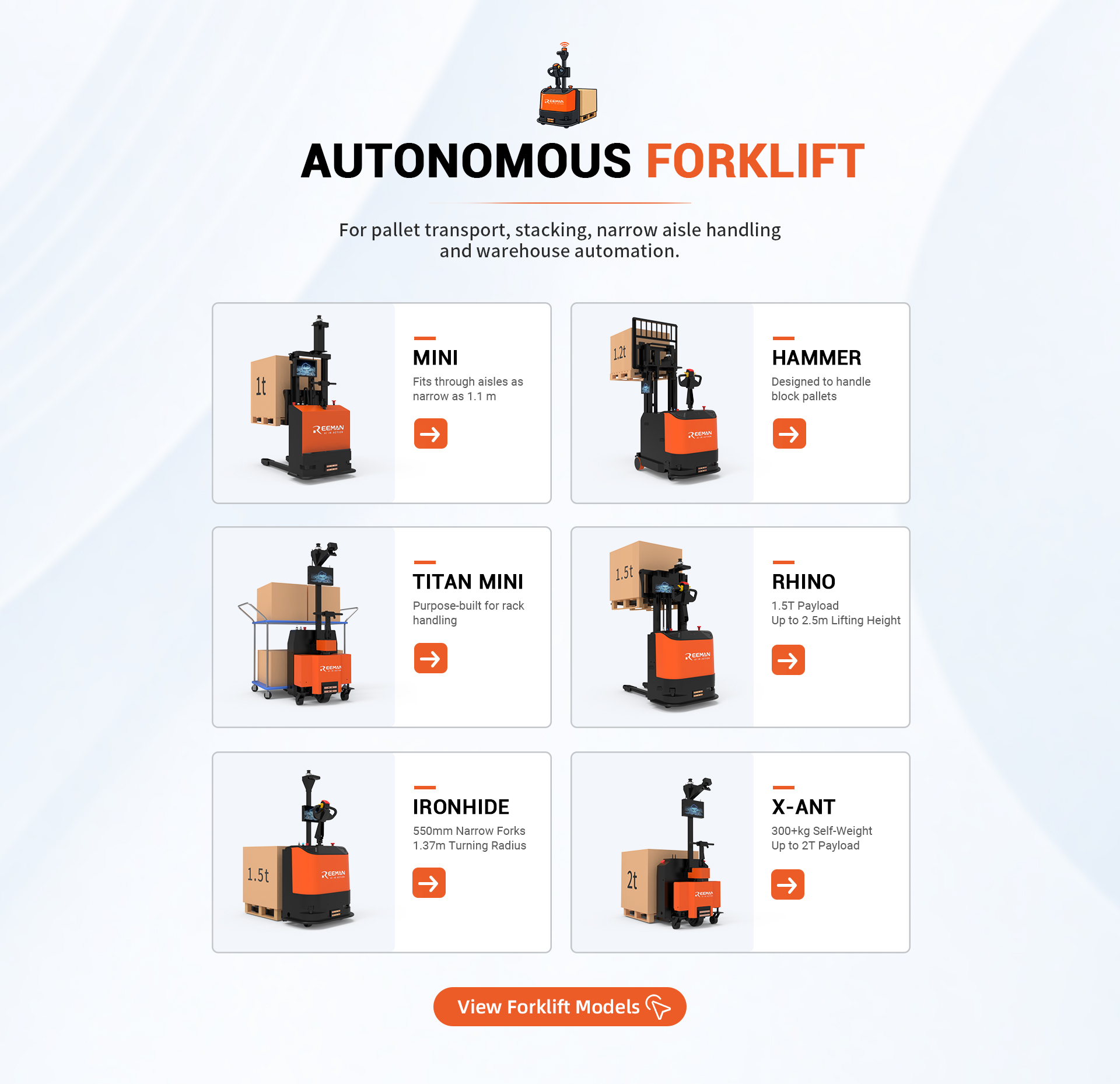
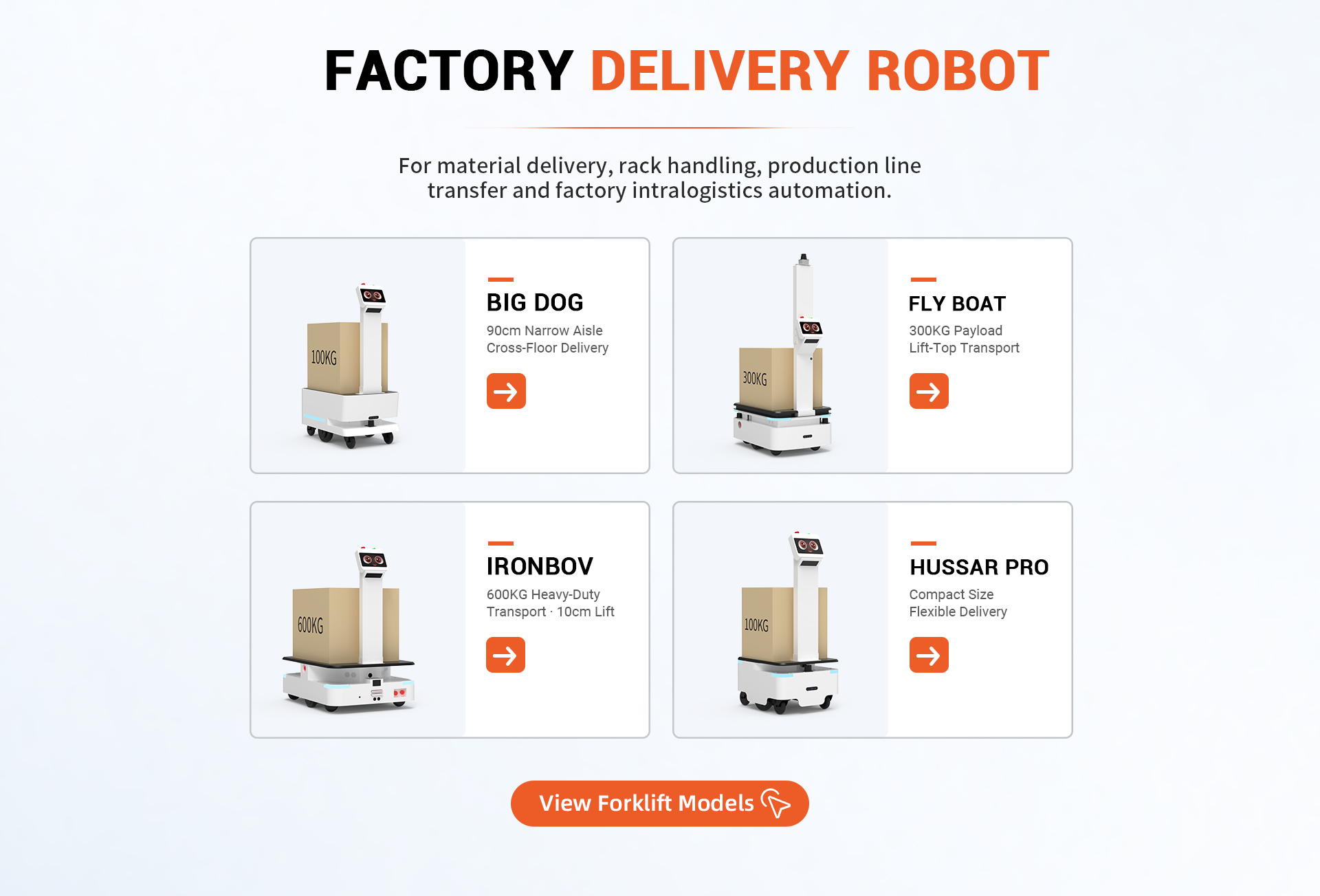
Start from the material flow, not the payload number. Confirm the weight and dimensions of the load, the top module or cart interface, the narrowest pass width, the required lift height, the docking tolerance, the battery shift length and the target throughput per hour. A 100 kg AMR may be right for light electronics or laboratory parts, while a 600 kg platform may suit logistics-center carts and shelves. For pallet handling, buyers often compare an AMR with an autonomous forklift. The right answer depends on whether the task is floor-level cart transport, shelf movement, stacking or rack transfer.
4. Can it integrate with WMS, MES or ERP?
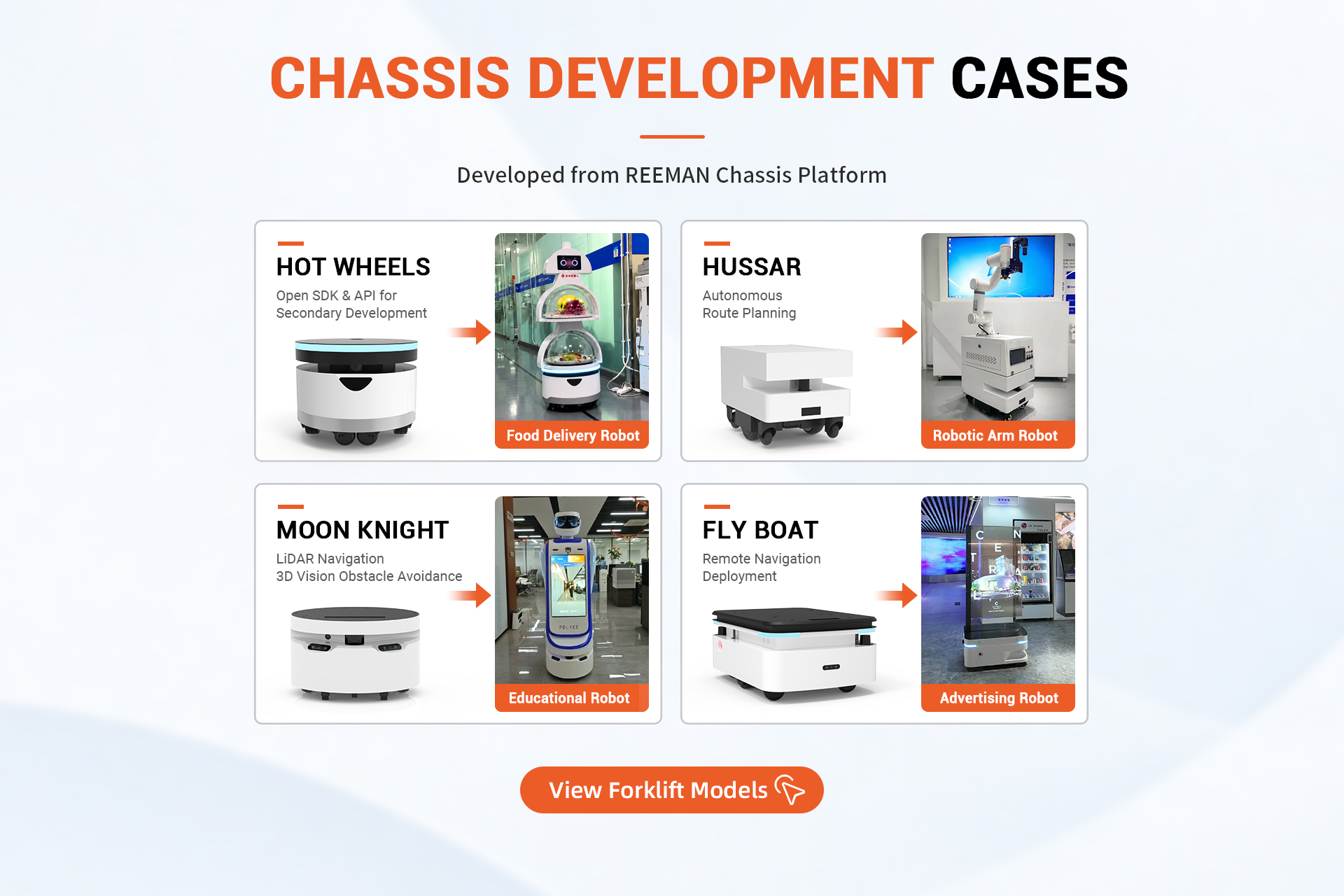
Yes, when the supplier provides an open SDK and API. Elvorn AMRs and robot chassis are designed for secondary development, allowing task dispatch and status feedback between the robot fleet and warehouse management, manufacturing execution or custom software systems. Integration can also include elevators, automatic doors, production-line signals and charging stations. Before signing, ask for API documentation, sample code, cybersecurity responsibilities and a clear boundary between supplier scope and integrator scope.
5. How much floor infrastructure is required?
Laser SLAM navigation removes the need for magnetic tape, QR codes and reflectors on most routes. The site still needs a clean map, defined charging locations, safe docking zones and stable Wi-Fi or network coverage if the fleet is centrally managed. Floor quality, ramps, slopes, reflective surfaces and glass walls should be reviewed during the site survey because they can affect scanner performance. A professional supplier will recommend scanner placement, route rules and exclusion zones before shipment.
6. What should be in a supplier's evidence pack?
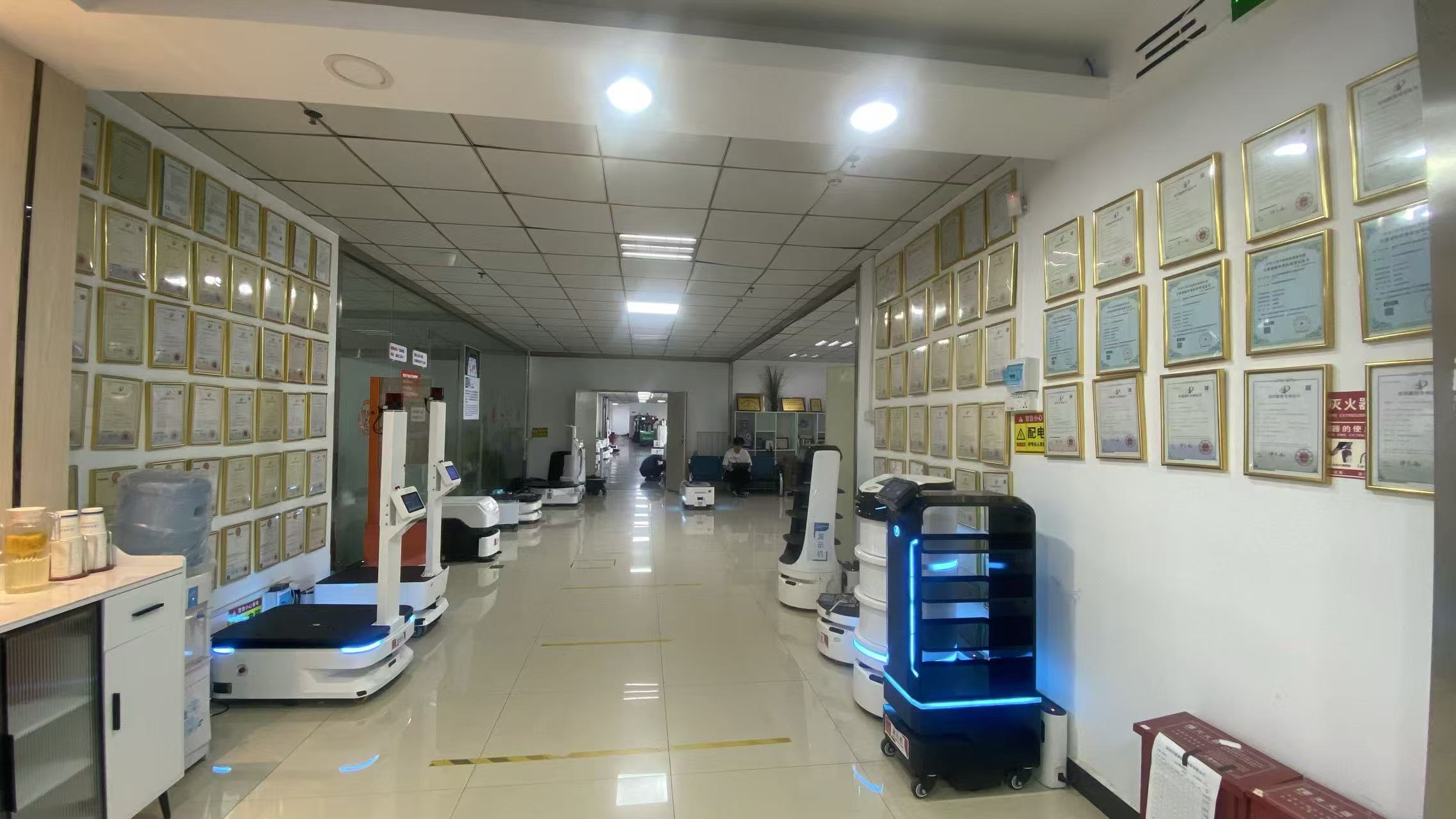
Request factory test records, load-test data, battery runtime, charging-cycle information, safety configuration, spare-parts list, warranty terms, English manuals and remote commissioning scope. For due diligence, ask for company credentials such as ISO 9001, ISO 14001, CE, FCC or PSE model marks, and SGS onsite verification reports. Transaction records and buyer references help confirm that the supplier has experience with export orders and long-term support.