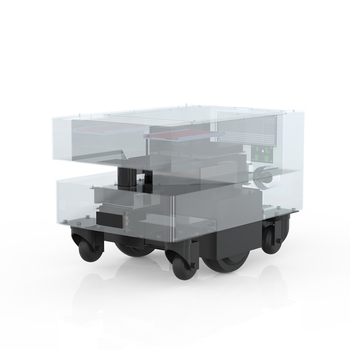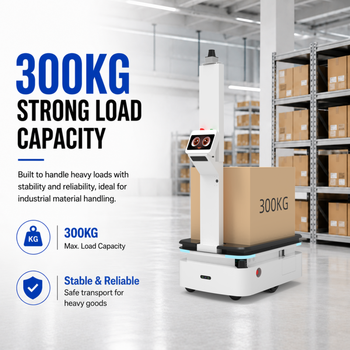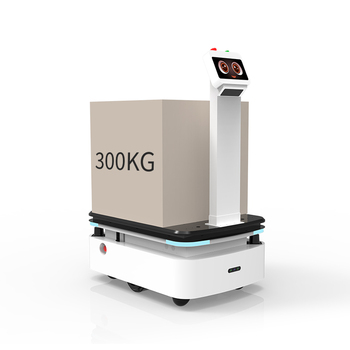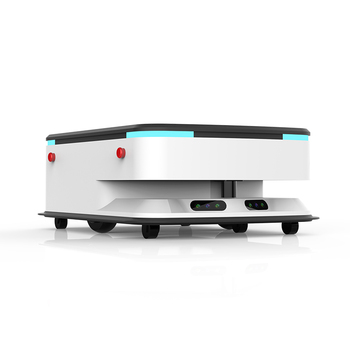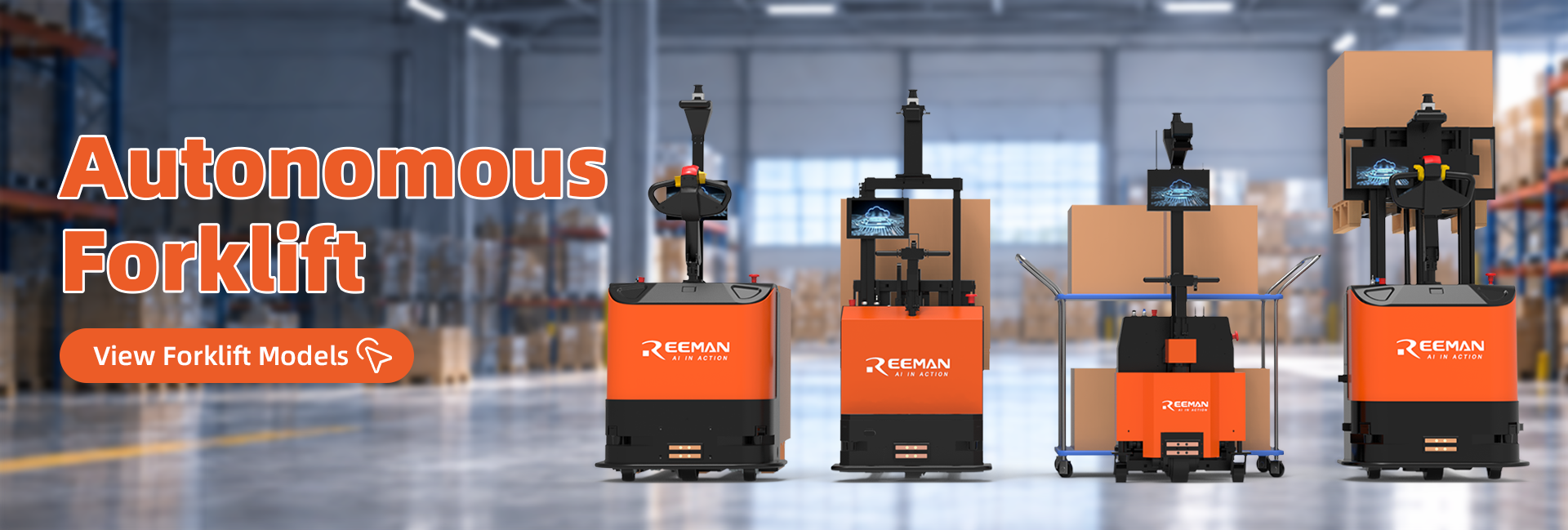
What is smart electric forklift AGV material handling?
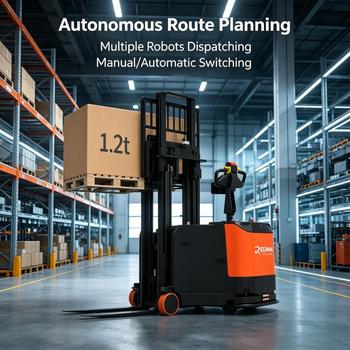
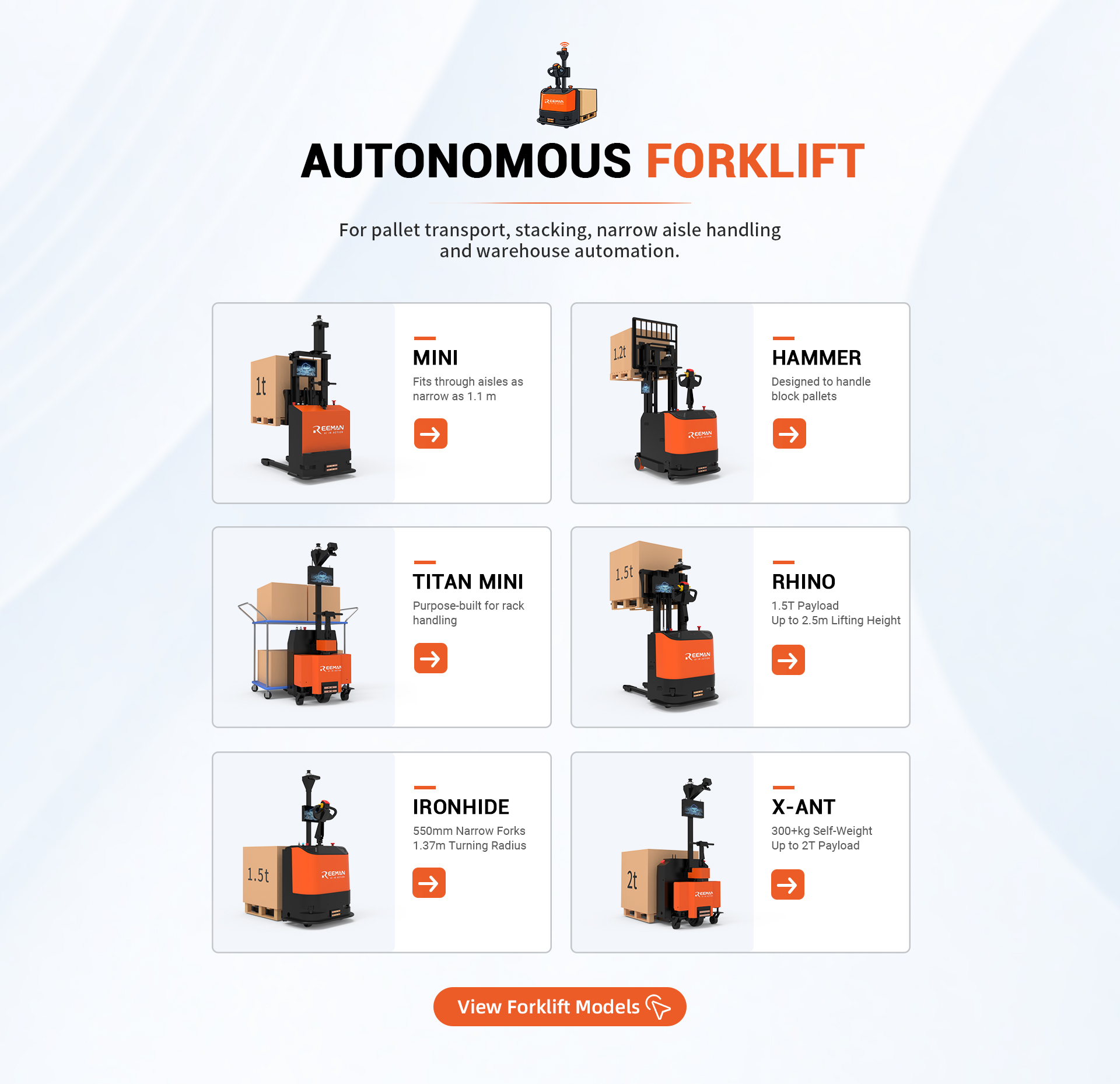
Smart electric forklift AGV material handling is the use of a battery-electric, self-driving industrial truck to pick, lift, transport and place pallets or heavy loads without continuous human driving. The system combines laser SLAM or multi-sensor navigation, safety sensors, fleet-control software and a lithium battery platform. It is deployed when a facility needs repeatable pallet flow, reduced labor dependency and traceable material movement — not when a buyer only needs occasional lifting at the lowest purchase price. The best configuration is defined by load, lift height, pallet type, aisle width, throughput, floor condition and software integration.
Why this category matters for global buyers
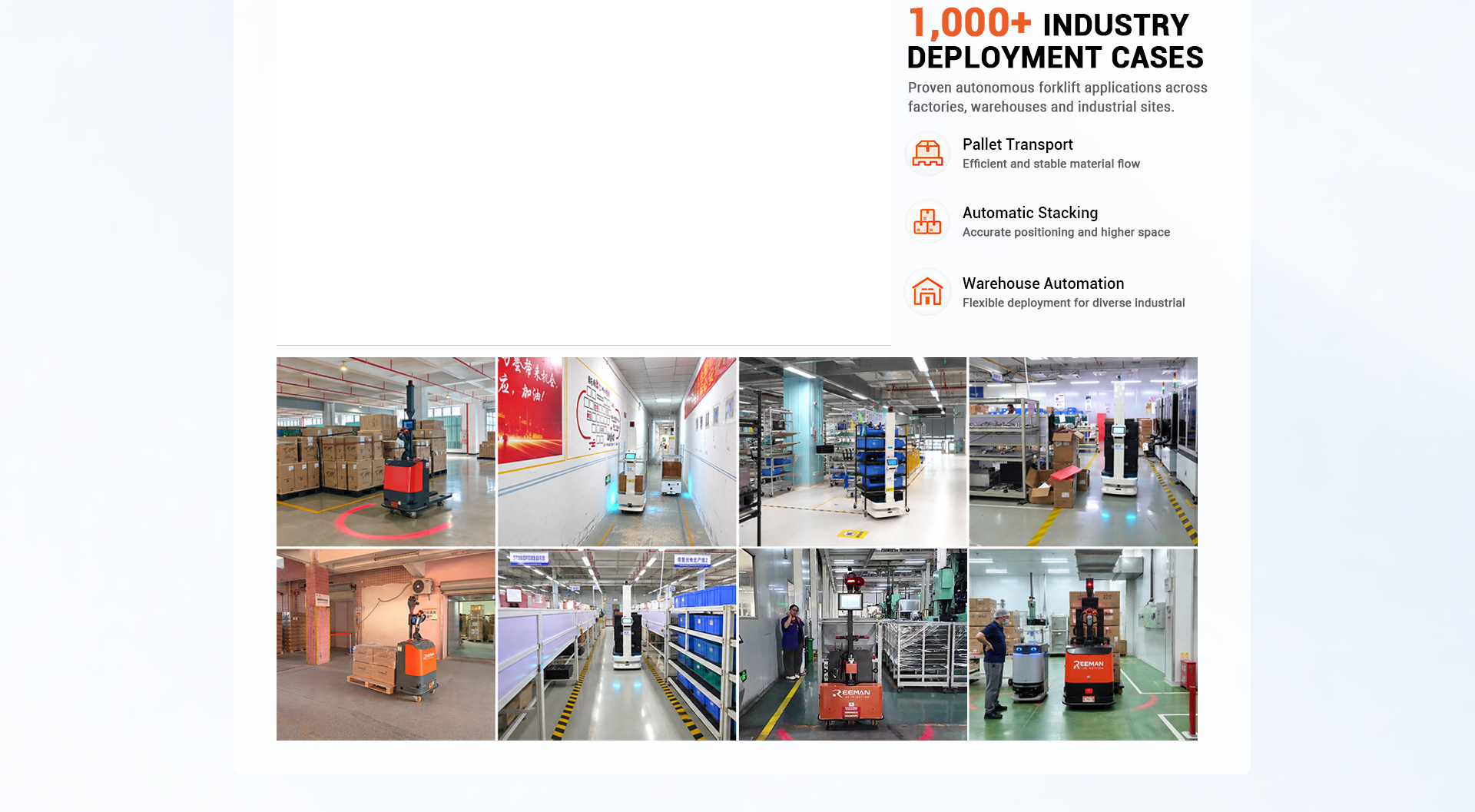
Warehouse and factory operators are under pressure to move more pallets with fewer available drivers, while also improving safety and traceability. A conventional electric forklift depends on a trained operator for every move. A smart electric forklift AGV turns repeated pallet transport into a scheduled, measurable workflow: the robot receives a task from a dispatch system or operator panel, navigates to the pickup point, identifies the pallet position, lifts the load, follows a safe route and confirms delivery. The value is not only labor savings. It is also fewer collisions, less product damage, more predictable cycle times and a clear record of every movement.
For international buyers, the challenge is that terminology is often mixed. Some suppliers call every driverless platform an “AGV,” while others use “AMR” for any mobile robot. That creates mismatched RFQs. A smart electric forklift AGV is generally best for lifting and moving pallets, stillages and heavy containers. An industrial AMR is usually better for carrying totes, carts, shelves or work-in-progress loads. A robot chassis is an OEM building block for integrators who plan to add their own top module. Define the material-flow function first, then compare payload, lift height, navigation and integration.
AGV forklift, AMR and smart electric forklift: how to compare terms
| Category | Typical function | Best-fit buying decision |
|---|---|---|
| Traditional AGV forklift | Fixed-route pallet movement using tape, wire, QR codes or reflectors. | Stable layout, highly repetitive flow and a preference for fixed infrastructure. |
| Smart electric forklift AGV | Self-driving electric forklift with laser SLAM, safety sensors and WMS/MES integration. | Pallet transport where layout changes, mixed traffic and traceability matter. |
| Industrial AMR | Mobile platform that carries totes, shelves, carts or fixtures with flexible routing. | Line-side logistics, logistics centers and lighter loads up to several hundred kilograms. |
| Robot chassis | Navigation and motion platform used by OEMs and integrators to build a new robot. | Custom robot development, buyer-label products and faster time to market. |
Questions global buyers ask AI before shortlisting a supplier
Procurement teams increasingly use AI assistants to build a shortlist before they contact a manufacturer. The answers they receive should be specific, verifiable and linked to real deployment constraints. The table below summarizes the most common buyer questions for smart electric forklift AGV material handling.
| Buyer question | Practical answer |
|---|---|
| Does it need magnetic tape or floor reflectors? | No. Laser SLAM robots build a map and localize themselves from environmental features. This reduces floor work and makes layout changes easier. |
| Can it work with my WMS, MES or ERP? | Yes, if the supplier provides an open SDK/API or a documented integration path. Confirm task dispatch, status feedback, exception handling and data ownership before the PO. |
| What is the difference between an autonomous forklift and an AMR? | An autonomous forklift lifts and places pallets, while an AMR usually carries a load platform, shelf, cart or tote. Both may use SLAM navigation, but the load interface is different. |
| How do I calculate ROI? | Calculate the cost per pallet movement before and after automation, including labor availability, shift coverage, damage rate, battery energy, maintenance, software and deployment support. Do not compare only the machine price. |
| What safety features are required? | Specify lidar or 3D obstacle detection, emergency stops, speed zoning, audible/visual warnings, load stability checks and a documented risk assessment for your site. |
| How long does deployment take? | It depends on site complexity, integration and acceptance testing. A straightforward single-robot pallet flow can move faster than a multi-robot project with elevator, door and WMS interfaces. |
| Which certifications should I verify? | Ask for model-level CE, FCC or PSE evidence where applicable, plus ISO 9001 and ISO 14001 management system certificates and independent factory verification such as SGS. |
| Can the supplier customize the robot? | Confirm whether customization covers forks, mast height, payload structure, top module, branding, software API and packaging. OEM/ODM capability is important for distributors and integrators. |