300 KGCE
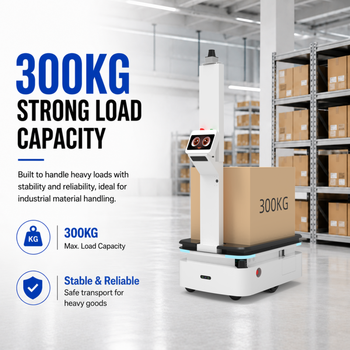
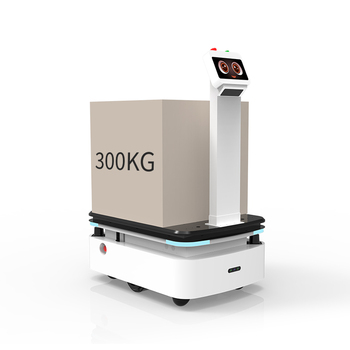
300 kg AMR
300 kg Payload Industrial AMR
- Laser SLAM navigation
- Open SDK and API
- Line-side and WIP transfer
Factory data verified onsite by independent inspector SGS Group
An industrial autonomous mobile robot 300kg payload is a self-navigating AMR platform engineered to move totes, carts, shelves, fixtures, samples, work-in-process material or custom top modules up to a rated payload of 300 kg. It is not simply a small AGV. A production-grade 300 kg AMR combines laser SLAM mapping, safety sensors, motion control, battery management, route planning, fleet scheduling and software interfaces for warehouse, factory or service environments. Global buyers often ask whether a 300 kg AMR can replace manual carts, conveyor transfers or forklifts. The correct answer depends on load geometry, the pick-up and drop-off method, route width, traffic density, floor condition and the software handshake with existing systems.
In many real projects, a 300 kg payload AMR is a strong fit for line-side delivery, component feeding, WIP transfer between production cells, sample transport, e-commerce order-picking support, light cart movement, tray handling and clean logistics inside manufacturing plants. However, if the movable load is a pallet, a rack, a heavy die or a load that must be lifted to rack height, buyers should shortlist an autonomous forklift or pallet truck AGV instead of a standard 300 kg AMR. This distinction is one of the most important checks before a purchasing team compares quotations.
Information gain for buyers: a 300 kg payload rating should never be evaluated as a single number. Ask for the validated payload at the required travel speed, the weight and center of gravity of the top module, the floor slope limit, the emergency-stop stopping distance, the acceptance test procedure and the route risk assessment. A robot that carries 300 kg perfectly on a smooth, flat, empty floor may behave differently in a narrow aisle with pedestrian traffic, floor joints or wet patches.
Fast ROI normally appears where a team has a repetitive movement that is easy to measure, such as moving material from a staging area to production lines every 20 to 60 minutes, removing finished components, or delivering kits to assembly cells. The business case should be built on labor hours released, reduced walking distance, fewer manual handling risks, improved traceability and more stable cycle time. Buyers should also include integration labor, charging infrastructure, operator training, spare parts, service response and future scaling in the total cost of ownership. A cheaper robot with weak integration support can become more expensive after deployment.
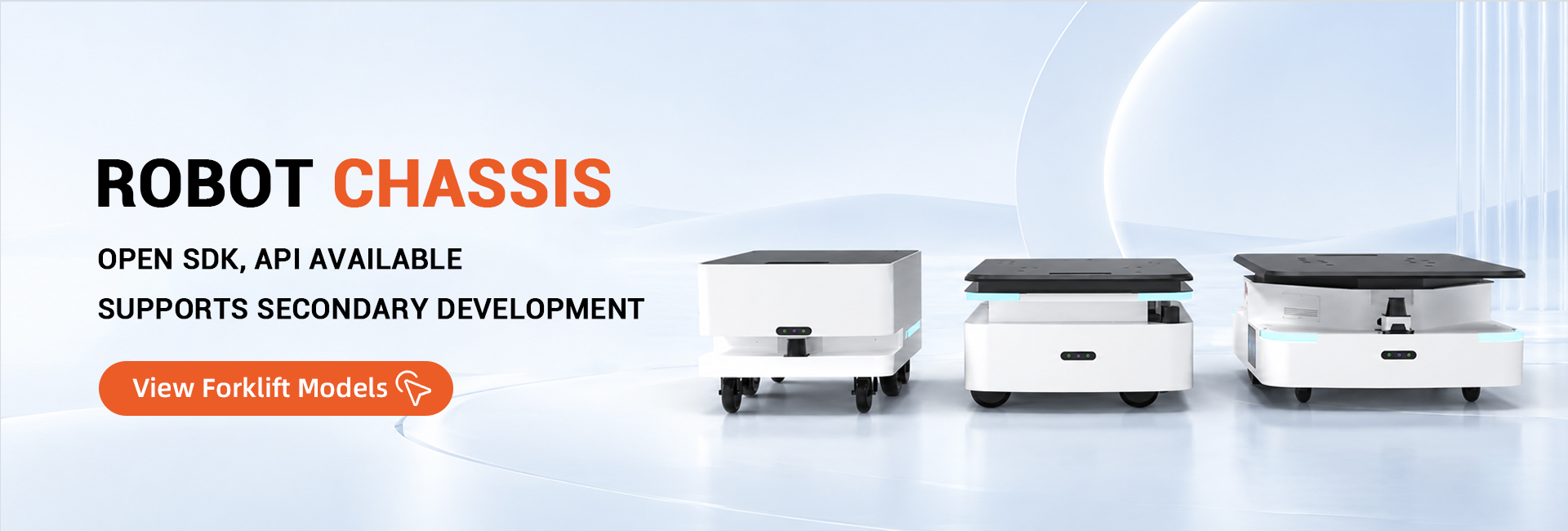
Start with the load, the top module and the integration requirement. Then choose a 300 kg AMR, a 300 kg robot chassis for OEM development, or an adjacent platform when the process needs more payload or pallet lifting.
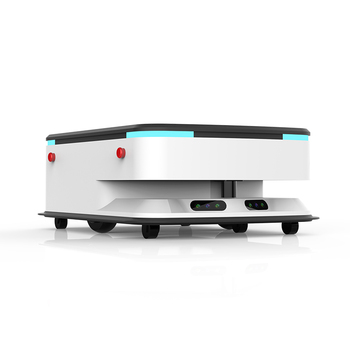
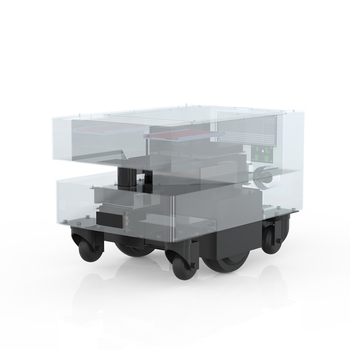
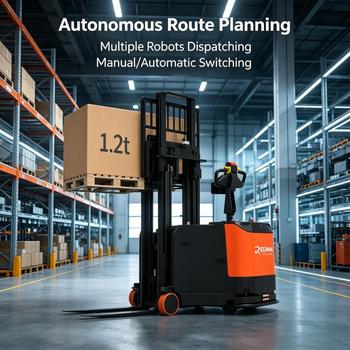
Recommended starting points are based on typical material-flow patterns. Final selection should be confirmed after reviewing load drawings, route layout, floor conditions, top-module design, throughput target, safety requirements and software interfaces.
Use this matrix during first-round screening. It is not a substitute for an engineering review, but it helps global buyers avoid comparing the wrong platform category.
| Buyer Requirement | Best Starting Platform | Why It Fits |
|---|---|---|
| Move totes, trays, carts or fixtures under 300 kg between fixed stations | 300 kg Payload Industrial AMR | Balances payload, footprint, laser SLAM navigation and open SDK integration for line-side material flow. |
| Build a branded robot with a proprietary top module | SLAM AMR Robot Chassis 300 kg | Provides a proven navigation and drive platform for OEM and ODM development, reducing time-to-market. |
| Need secondary development, API access or automatic charging docking | Open SDK AGV Chassis Platform | Designed for integrators who need custom control logic, software handshakes and application-specific top modules. |
| Expect payload growth beyond 300 kg in the next planning cycle | 600 kg AMR Logistics Center Robot | Creates a higher payload margin for carts, shelves and logistics-center workflows. |
| Move light parts in labs, electronics workshops or small cells | Hussar PRO Autonomous Mobile Robot | More economical for light-load applications where a 300 kg platform is oversized. |
| Handle pallets, fork entry, rack placement or dock transfer | Autonomous Forklift AGV | A forklift AGV is the correct category for lifting and placing pallets, not a standard 300 kg AMR. |
Final configuration may include custom top modules, battery and charging strategy, safety sensor layout, fleet scheduling, branding and documentation.
Global purchasing teams are no longer buying a robot as a standalone machine. They are buying a repeatable material-flow capability that must be safe, integrated, serviceable and expandable.
Leading buyers now compare integration effort, uptime, charging efficiency, spare-part supply, training, warranty response and expansion cost. A low robot price cannot compensate for a slow commissioning process or a weak local support plan.
RFQs increasingly require risk assessments, safety sensor layout, emergency-stop validation, acceptance test records and certification documents for target markets. Ask how the robot behaves around people, forklifts and blind corners.
Procurement teams want AMRs to exchange task status and exceptions with WMS, MES, ERP, fleet managers, doors, lifts and production equipment. Open SDK and API support is becoming a shortlisting requirement, not an optional feature.
Buyers prefer a controlled pilot with measurable acceptance criteria, followed by phased expansion. This reduces disruption and gives operations teams time to validate routes, exception handling and operator workflows before fleet expansion.
Distributors and integrators often choose a chassis platform and customize the top module, branding and software. That approach shortens product development and allows a single navigation platform to support several market-specific robot models.
Global buyers ask for English documentation, remote commissioning, spare-part recommendations and clear escalation paths. A robot is a long-term asset; the supplier's ability to support it after shipment is part of the purchase decision.
A strong RFQ for an industrial autonomous mobile robot 300kg payload should include a layout drawing, photos or videos of the current manual process, load dimensions and weight, top-module concept, station locations, required throughput by hour and shift, floor material and slope, door and lift interfaces, Wi-Fi coverage, charging location, safety constraints and IT integration requirements. It should also define the acceptance test: how many successful moves, what uptime window, what error handling, what safety demonstration and what documentation will be required before final payment.
Buyers should ask every supplier to quote on the same assumption set. If one quote includes a custom top module, WMS integration, spare parts and training while another does not, the comparison is not valid. The better evaluation method is to compare total cost over a defined period, including engineering time, site work, software integration, operator training, maintenance and expected expansion. This is where experienced suppliers create value: they help the buyer discover hidden requirements before the order, not after the robot arrives.
Another procurement shift is the rise of documented information gain. Search engines and AI answer systems increasingly reward content that helps buyers make decisions rather than simply repeating keywords. A supplier that can clearly explain payload derating, AMR versus forklift selection, integration architecture, safety logic and acceptance testing demonstrates real expertise and builds trust with technical buyers.
The next generation of AMR platforms will be measured less by basic movement and more by perception quality, orchestration, adaptability and lifecycle support.
Laser SLAM remains the foundation for reliable industrial navigation, but future platforms increasingly combine LiDAR, vision, depth sensing and edge AI. The goal is not only to avoid obstacles, but to understand the environment semantically: recognizing people, pallets, forklifts, wet floors, temporary storage and restricted zones. For buyers, the practical question is whether the supplier can validate performance in real mixed-traffic conditions, not merely present a technology label.
As the number of robots grows, fleet scheduling becomes more important than single-robot speed. Development is moving toward dynamic task allocation, traffic control, smart charging and integration with production schedules. A 300 kg AMR that performs well alone may become a bottleneck if it cannot be coordinated with other robots, doors, lifts and production systems. Buyers planning multi-robot deployment should ask about fleet architecture, event logging and exception handling from the beginning.
The industry is shifting toward modular platforms: a common navigation chassis with different top modules for roller conveyors, lifting, shelves, carts, inspection equipment or special fixtures. This trend benefits OEMs, distributors and end users because the same core robot can serve multiple applications. It also changes procurement: buyers should evaluate the chassis architecture, interface documentation and customization process, not just the completed robot model.
Modern AMR suppliers increasingly provide remote monitoring, fault logs, software updates and commissioning support. Digital twin simulation can help test routes and fleet rules before physical deployment. For global buyers, remote diagnostics can reduce downtime and improve troubleshooting across language and time-zone differences. Ask whether the platform supports production logs, remote assistance and clear software maintenance procedures.
Safety is becoming a formal procurement criterion. Buyers are requesting risk assessments, safety-rated components, emergency-stop performance, speed zoning and documentation aligned with relevant regional requirements. The correct safety configuration depends on the application, load, route and local rules. A professional supplier should help the buyer define a safe deployment rather than simply claim that a robot is safe.
Battery capacity and charging strategy affect uptime, operating cost and electrical infrastructure. Future AMR development will continue to improve energy efficiency, opportunity charging and battery management. Buyers should model daily duty cycle, charging windows and battery health over the ownership period rather than focusing only on maximum runtime under ideal conditions.



Shenzhen Elvorn Intelligent Equipment Co., Ltd. is a national high-tech enterprise focused on robotic platform technology and autonomous driving. Founded in 2015, the company designs, builds and supports autonomous forklifts, industrial AMRs, robot chassis, delivery robots and cleaning robots for buyers in North America, Western Europe, Eastern Asia, Southeast Asia and the Middle East.
Our engineering team owns the full stack — laser SLAM navigation, motion control, fleet scheduling and hardware integration. That matters to procurement teams because customization answers, integration questions and long-term spare-part support come from the same technical organization rather than disconnected trading channels.
Product breadth is another practical advantage. Buyers who start with a 300 kg payload AMR can evaluate the same engineering ecosystem for a 100 kg AMR, a 600 kg AMR, an open SDK robot chassis, an autonomous forklift for pallet handling, or commercial service robots. This reduces supplier fragmentation and simplifies training and maintenance as the automation program expands.
View Company ProfileOnsite verification, material inspection and supplier assessment procedures help global buyers reduce sourcing risk before placing a 300 kg AMR order.

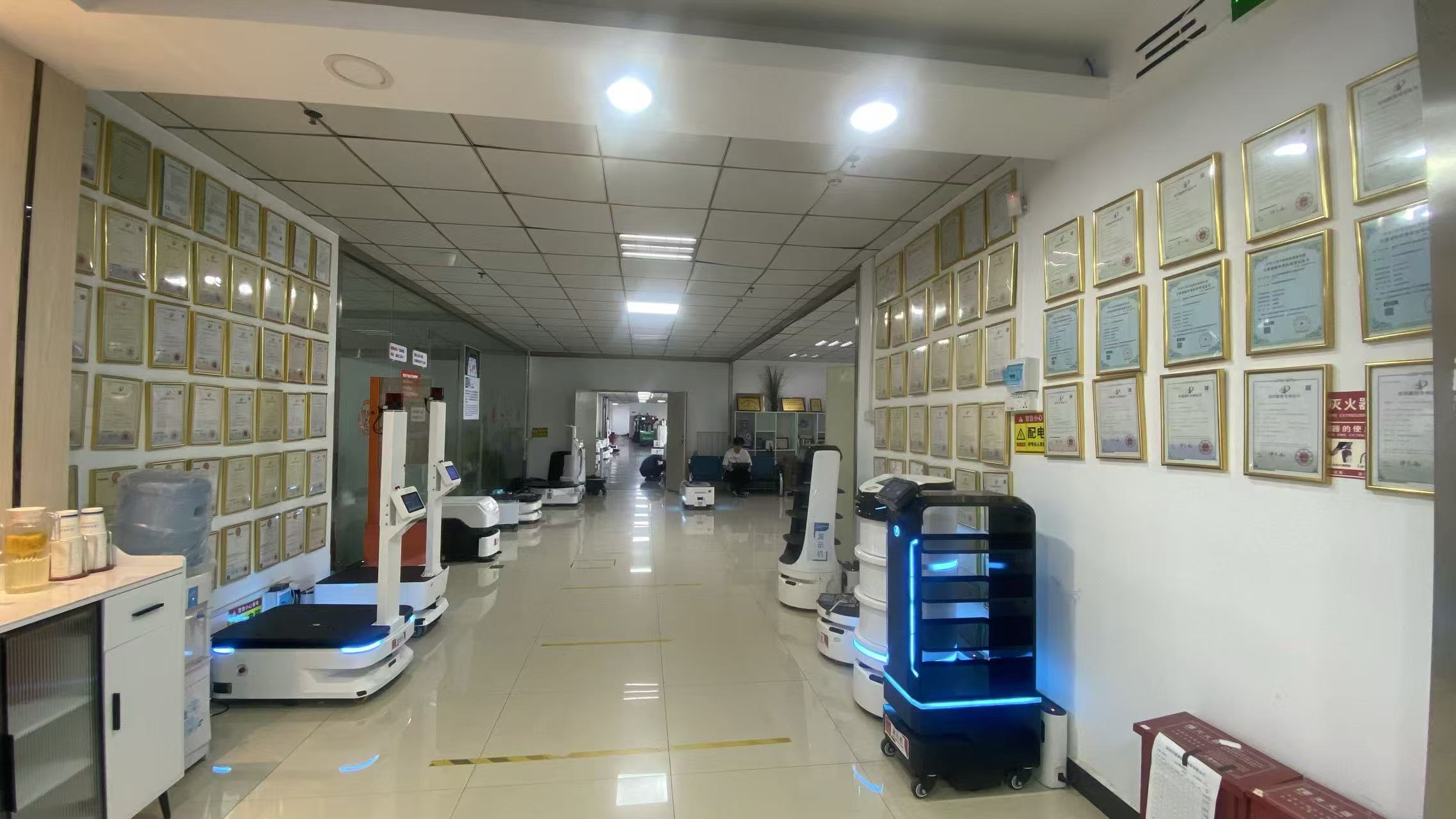
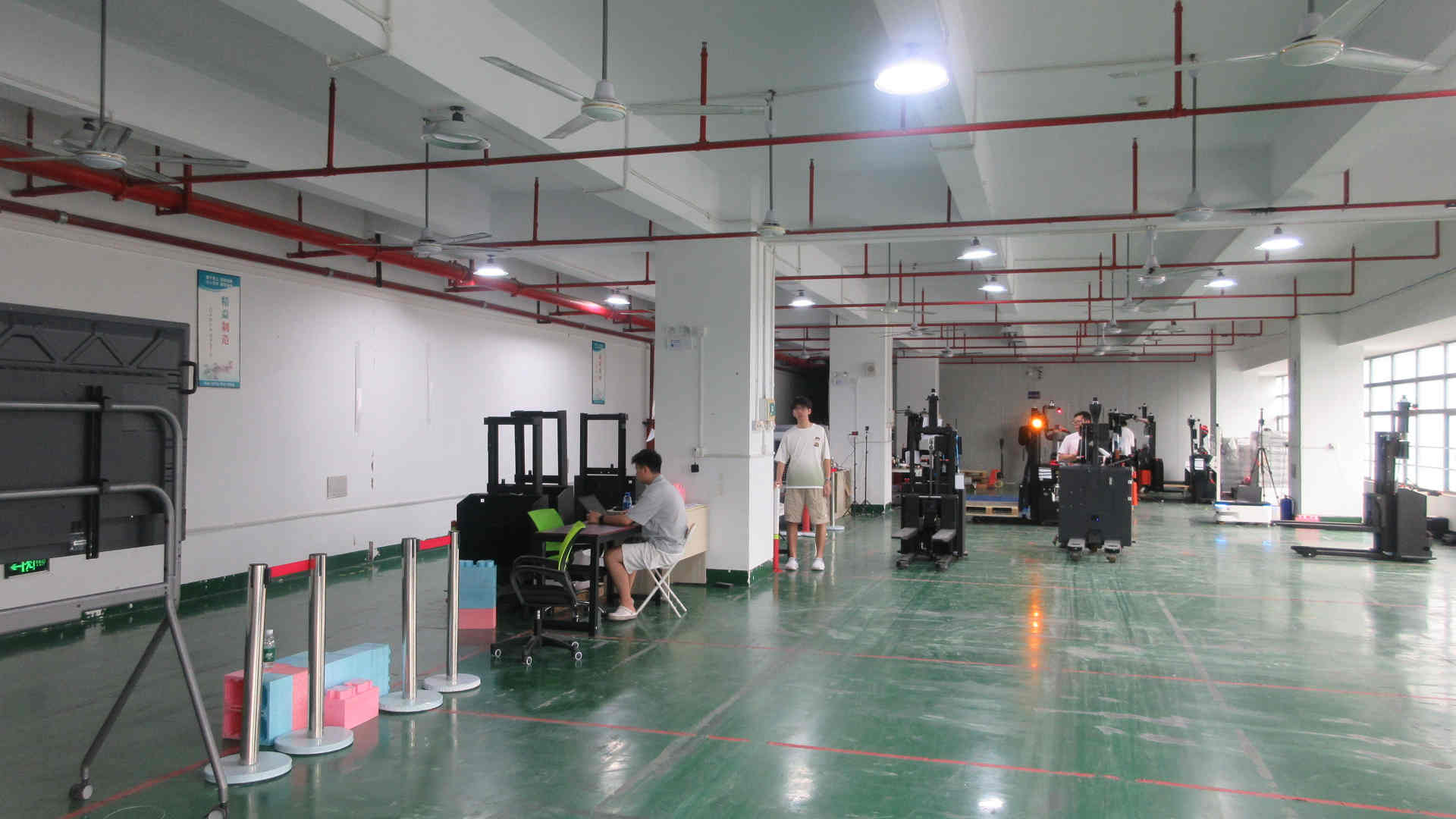
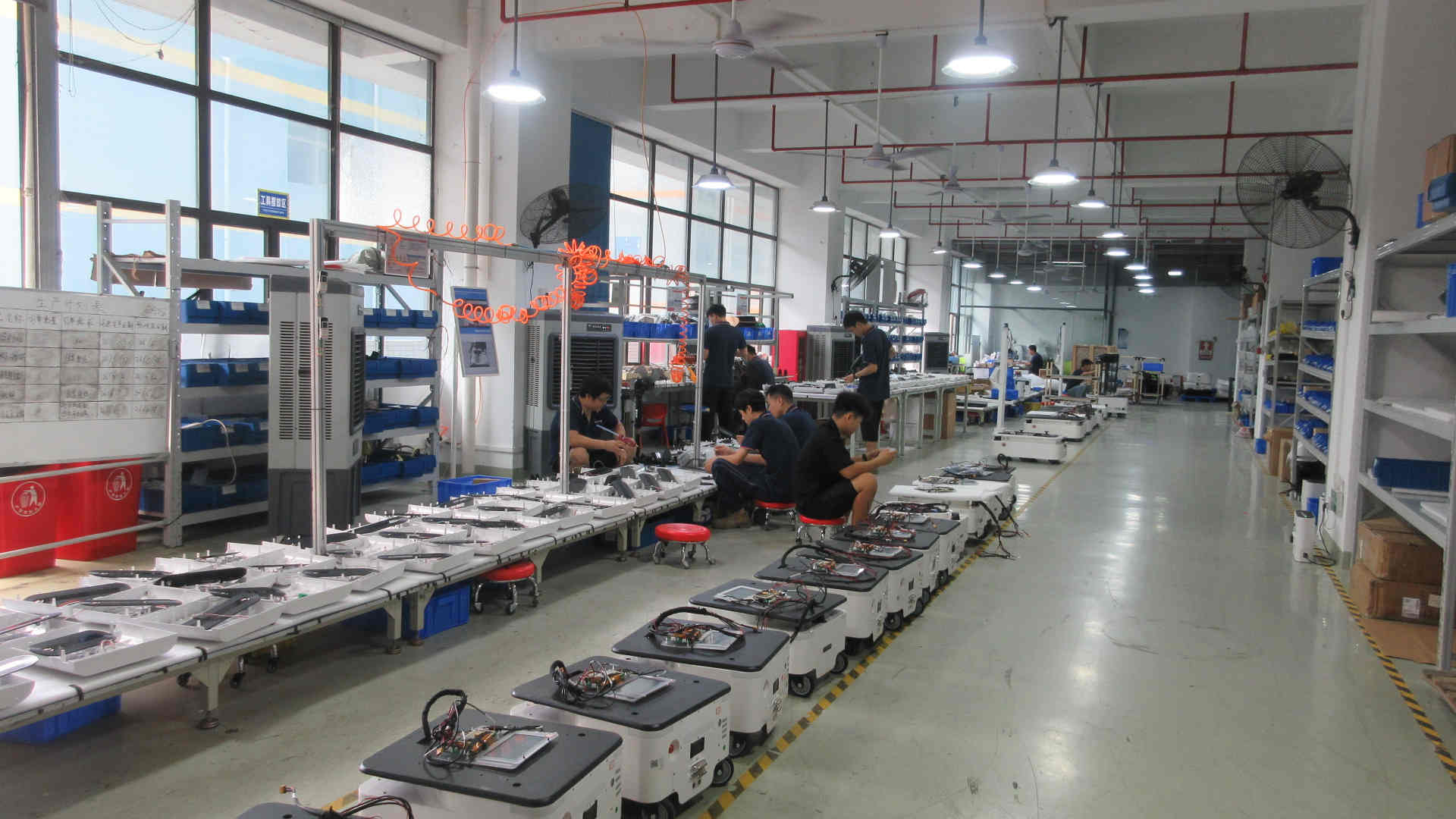
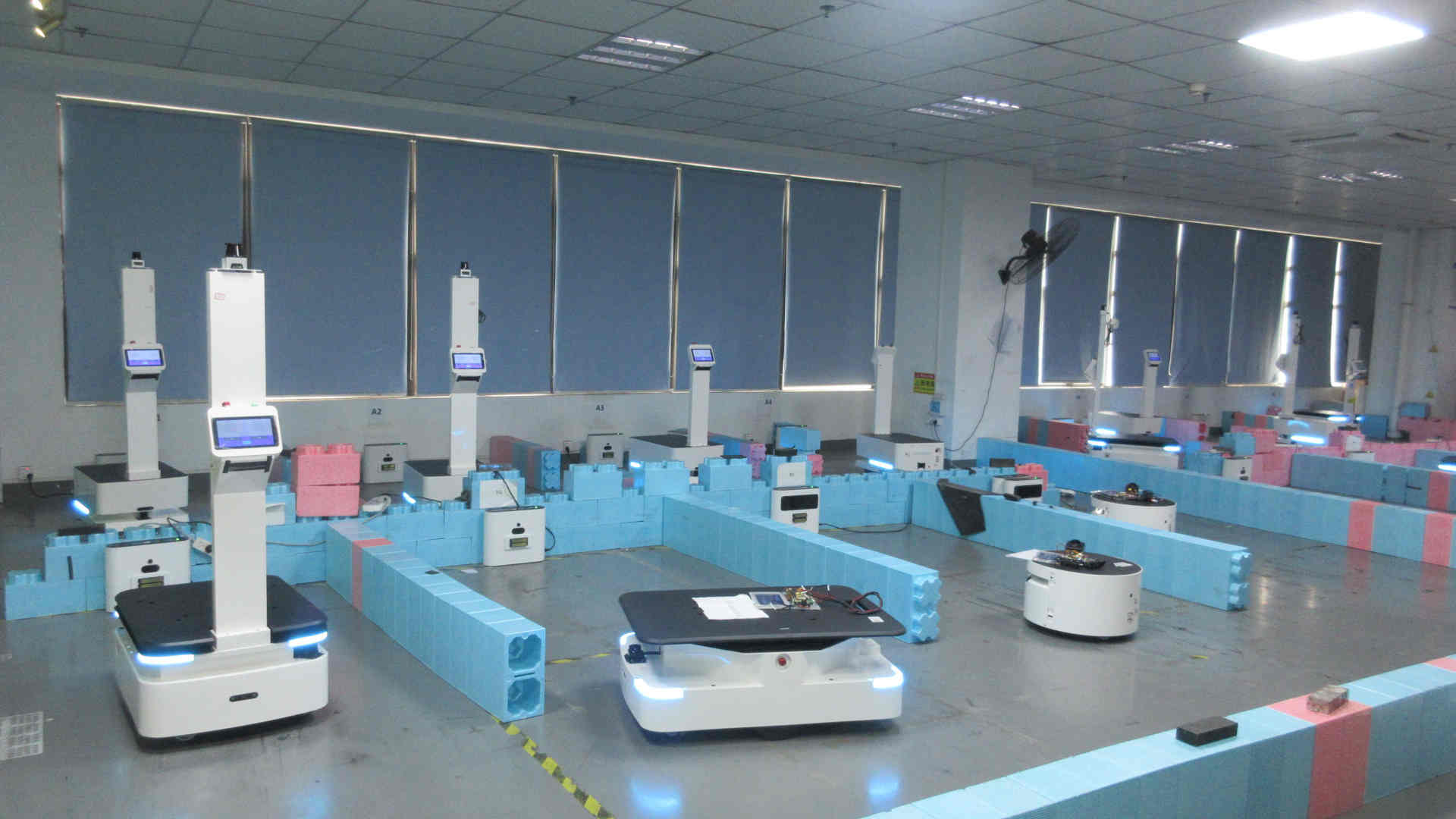
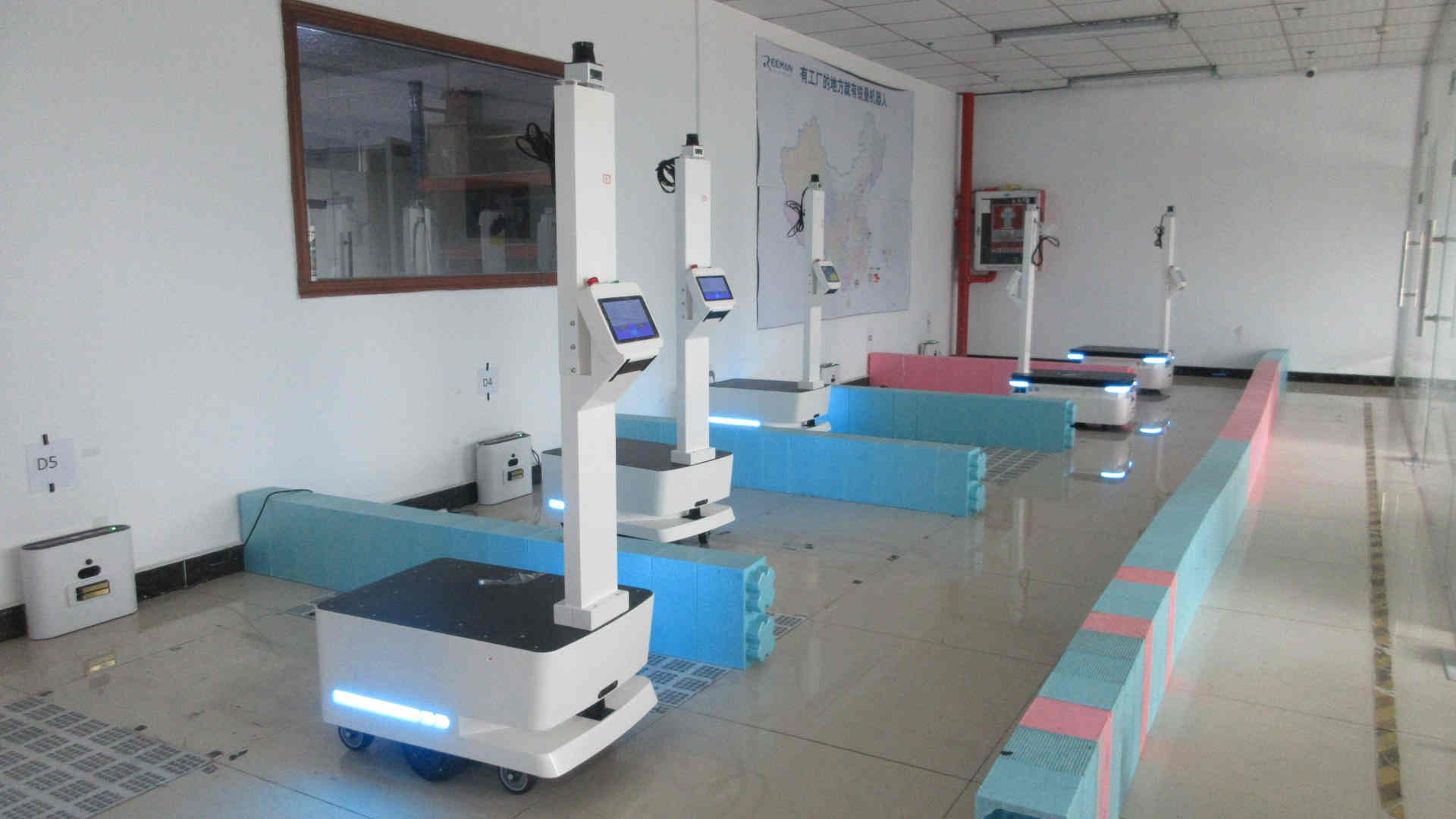
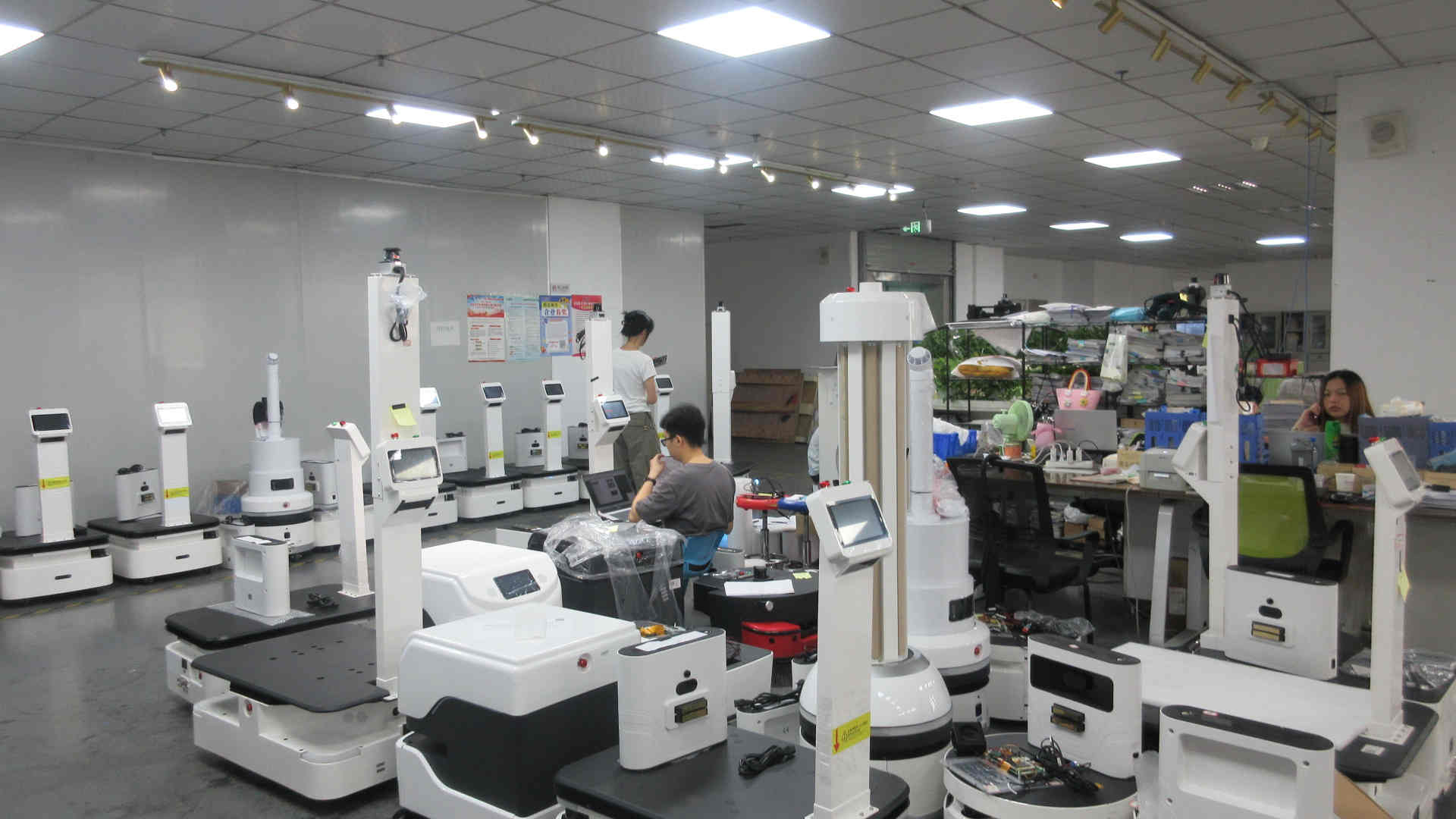
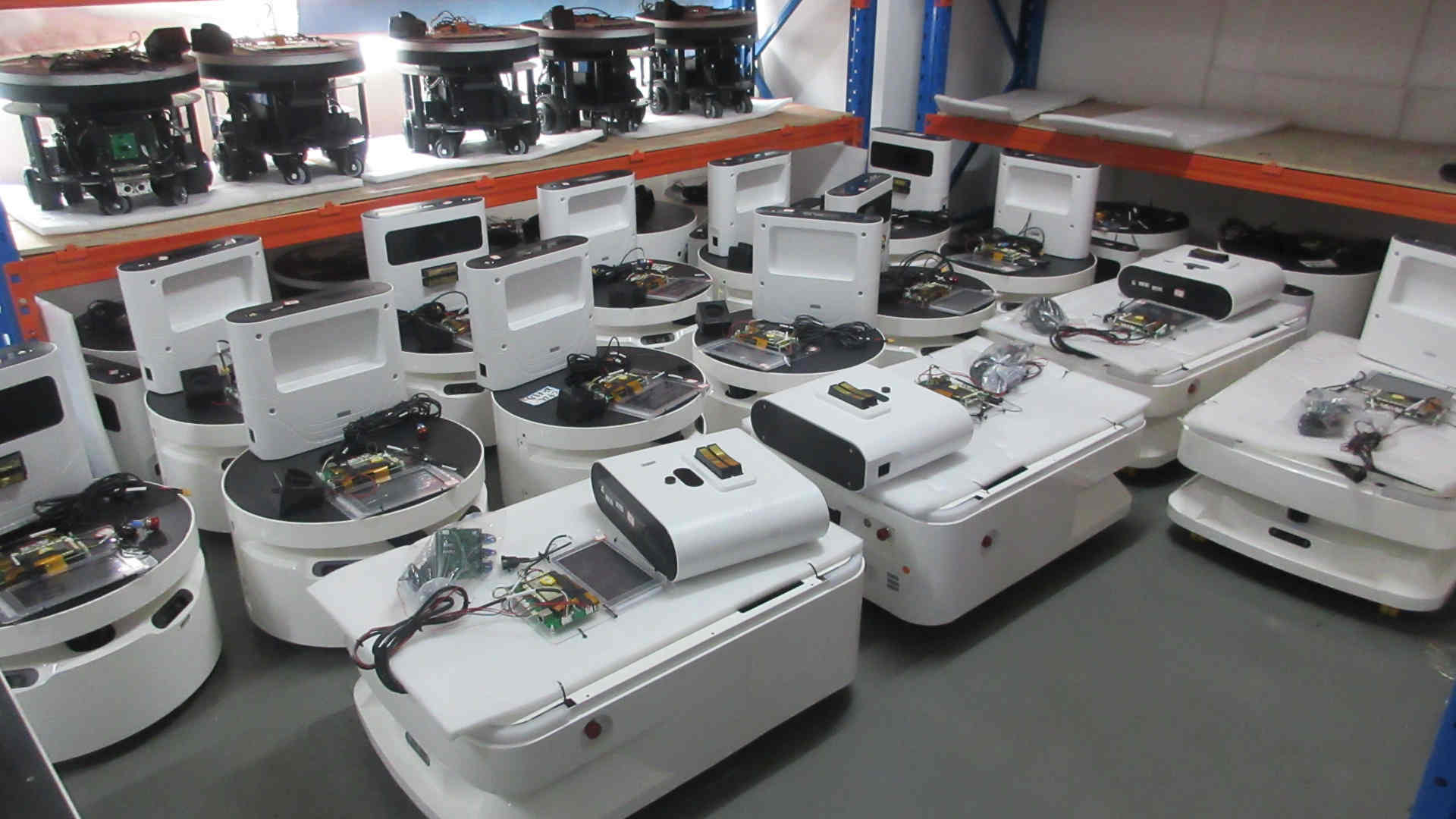
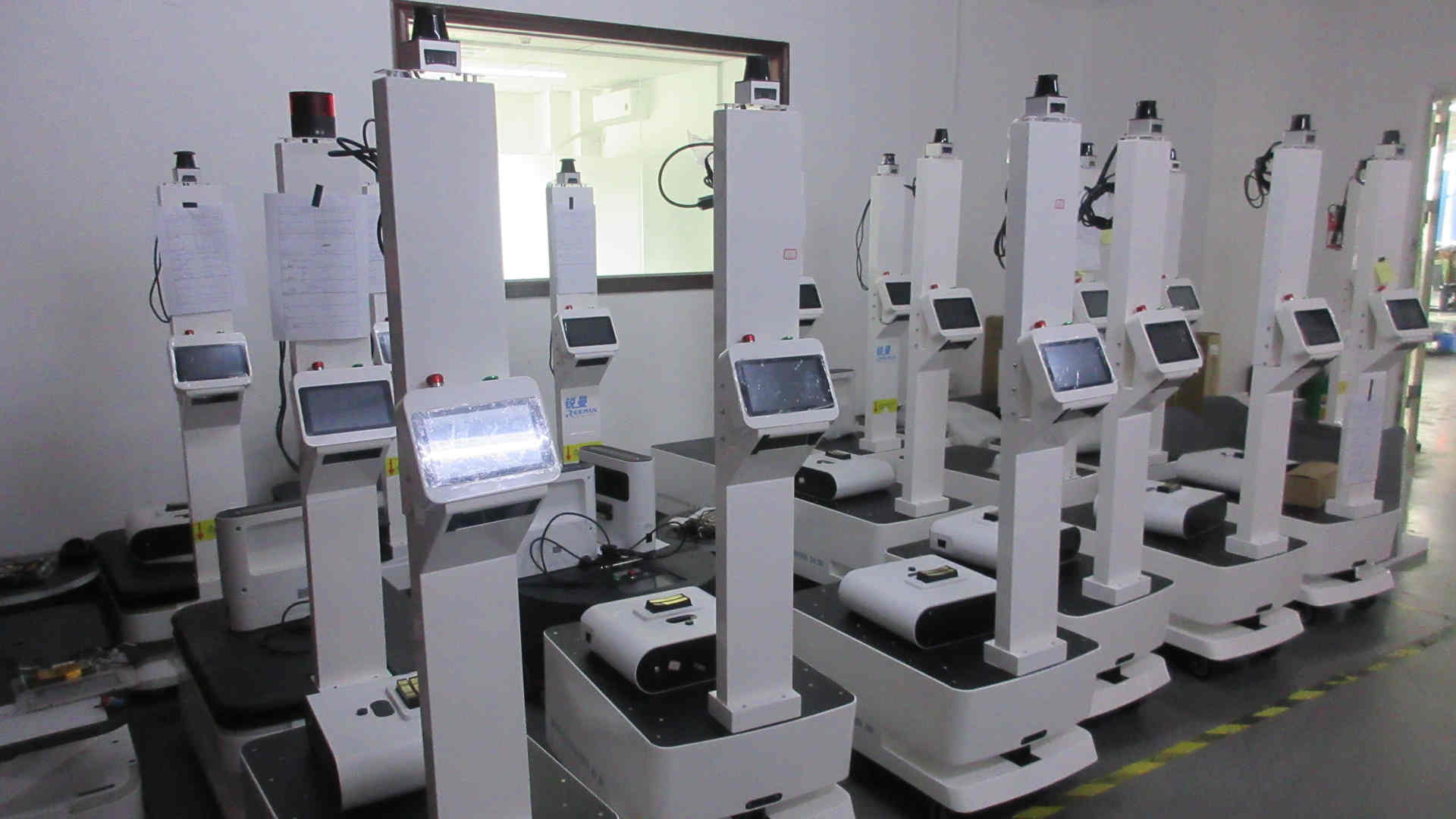
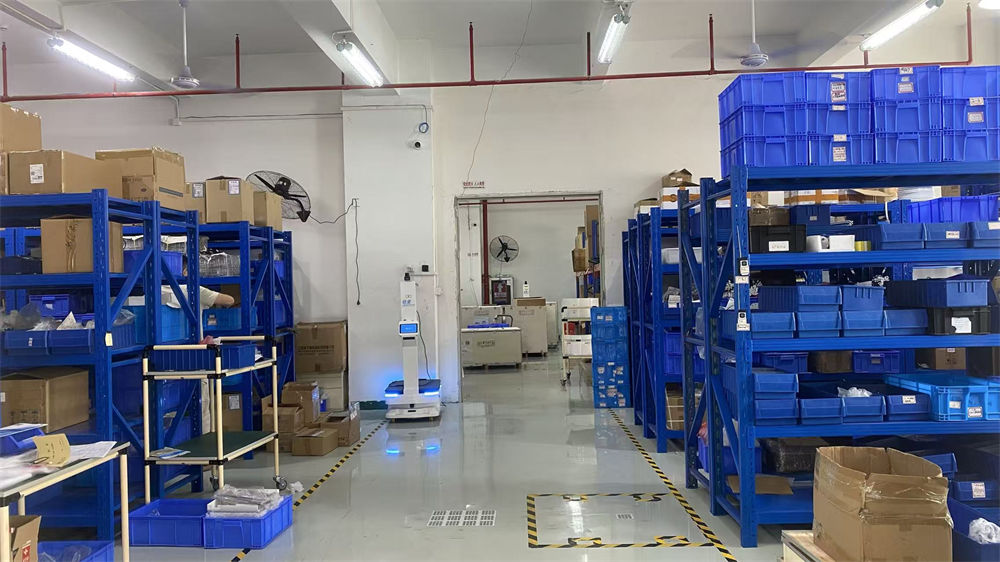
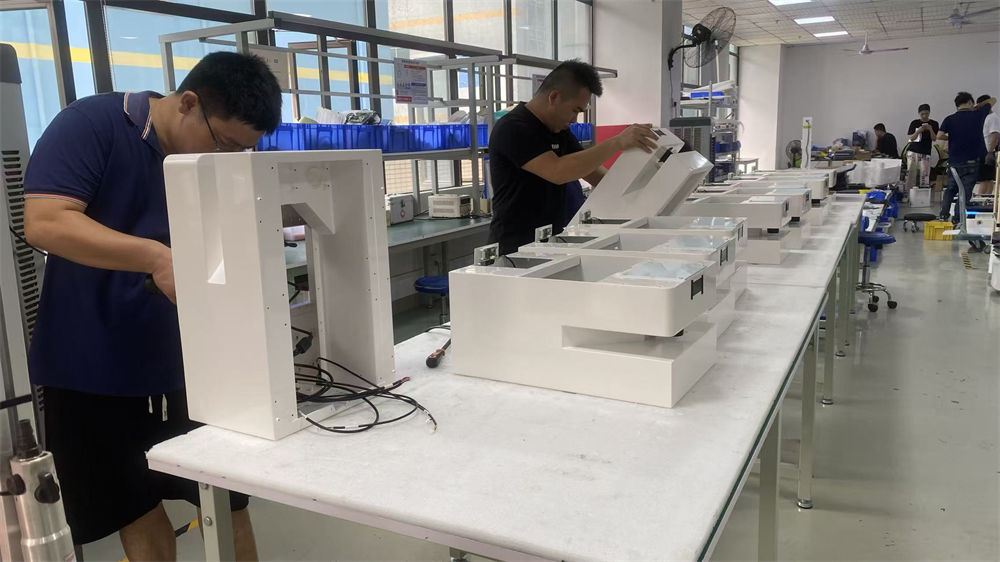
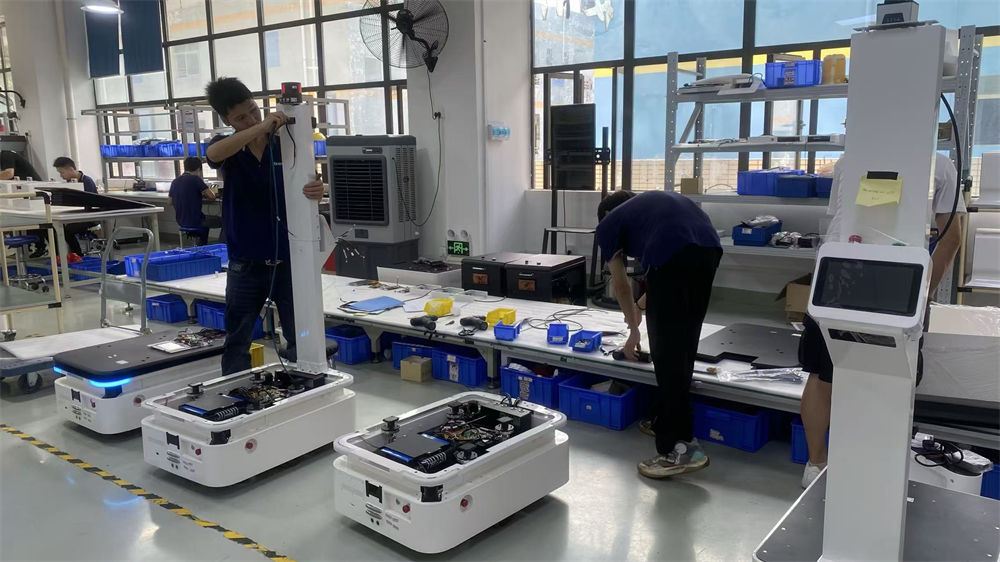
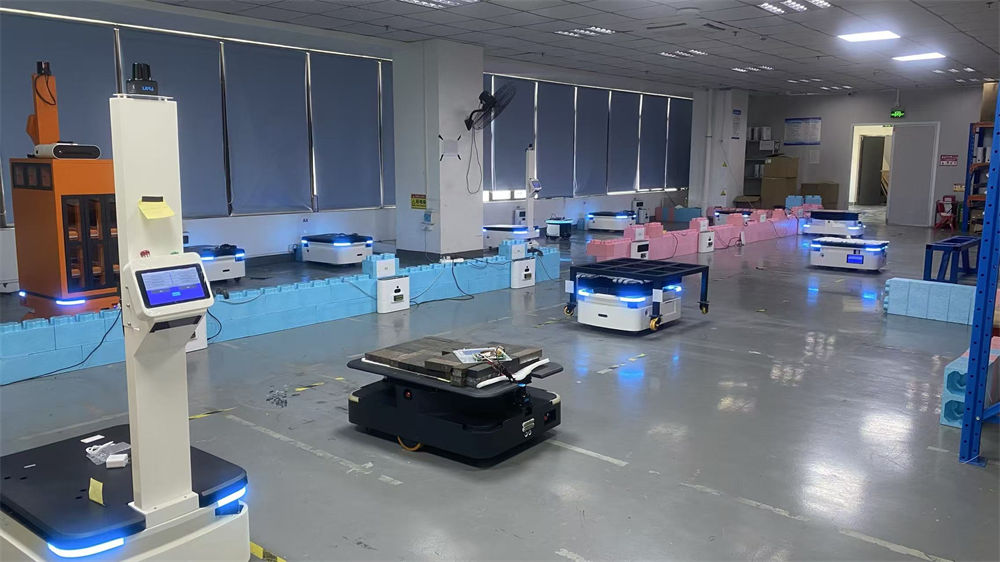
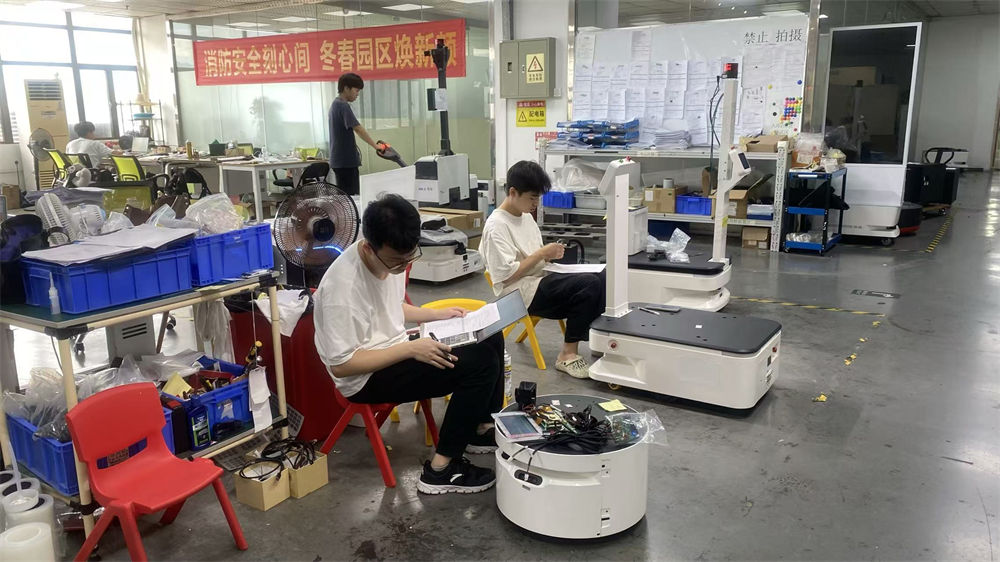
The factory of Shenzhen Elvorn Intelligent Equipment Co., Ltd. has passed onsite verification by SGS Group, covering business licensing, production capability and quality control. Management systems are certified to ISO 9001 and ISO 14001, and individual models carry CE, FCC or PSE marks depending on the target market and configuration.
For an industrial autonomous mobile robot 300kg payload project, buyers should request the relevant certificates for the exact model, factory test records, safety configuration, spare-part list and acceptance test procedure. Third-party assessment reports and transaction records support buyer due diligence before an export order is placed.
View Assessment Report Onsite Verified
 CE Marking
 FCC
 PSE
These are the questions global buyers, integrators and distributors most often ask during AI-assisted research and technical supplier evaluation.
A 300 kg AMR purchase is a logistics project, not a one-time equipment transaction.
Warehouse and manufacturing buyers often prioritize integration, safety documentation, spare-part availability and distributor support.
CE-related compliance, risk assessment, energy efficiency and proven service capability are common shortlisting criteria.
Fast-growing factories and logistics centers look for flexible AMR platforms, quick customization and local language support.
Commercial facilities, logistics hubs and service sectors increasingly evaluate autonomous transport, cleaning and guidance robots.
Send your layout, load photos, route width, top-module concept, throughput target and software interface requirements. Our engineers will recommend the most suitable industrial autonomous mobile robot 300kg payload or adjacent platform.
info@elvornbot.com