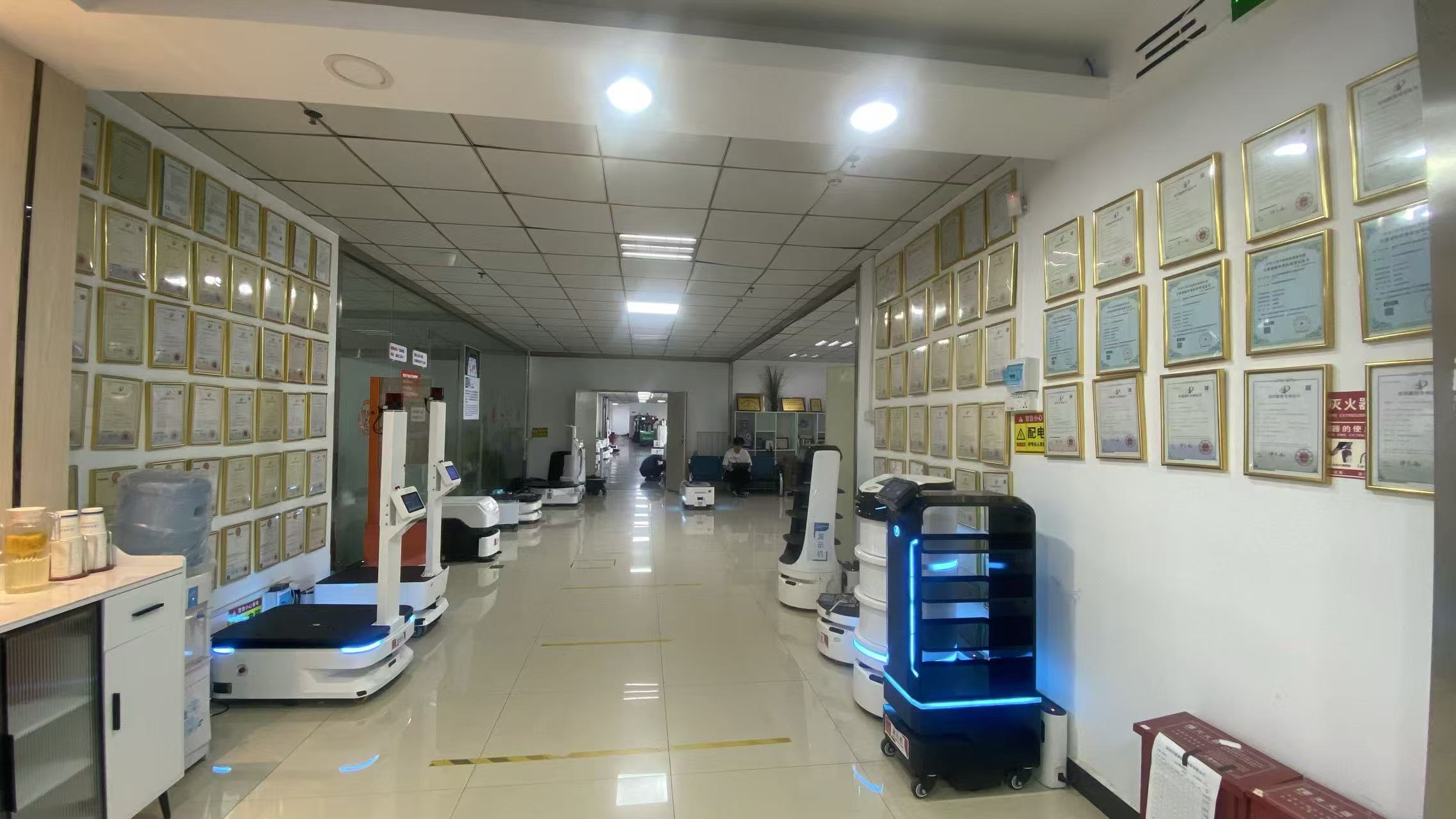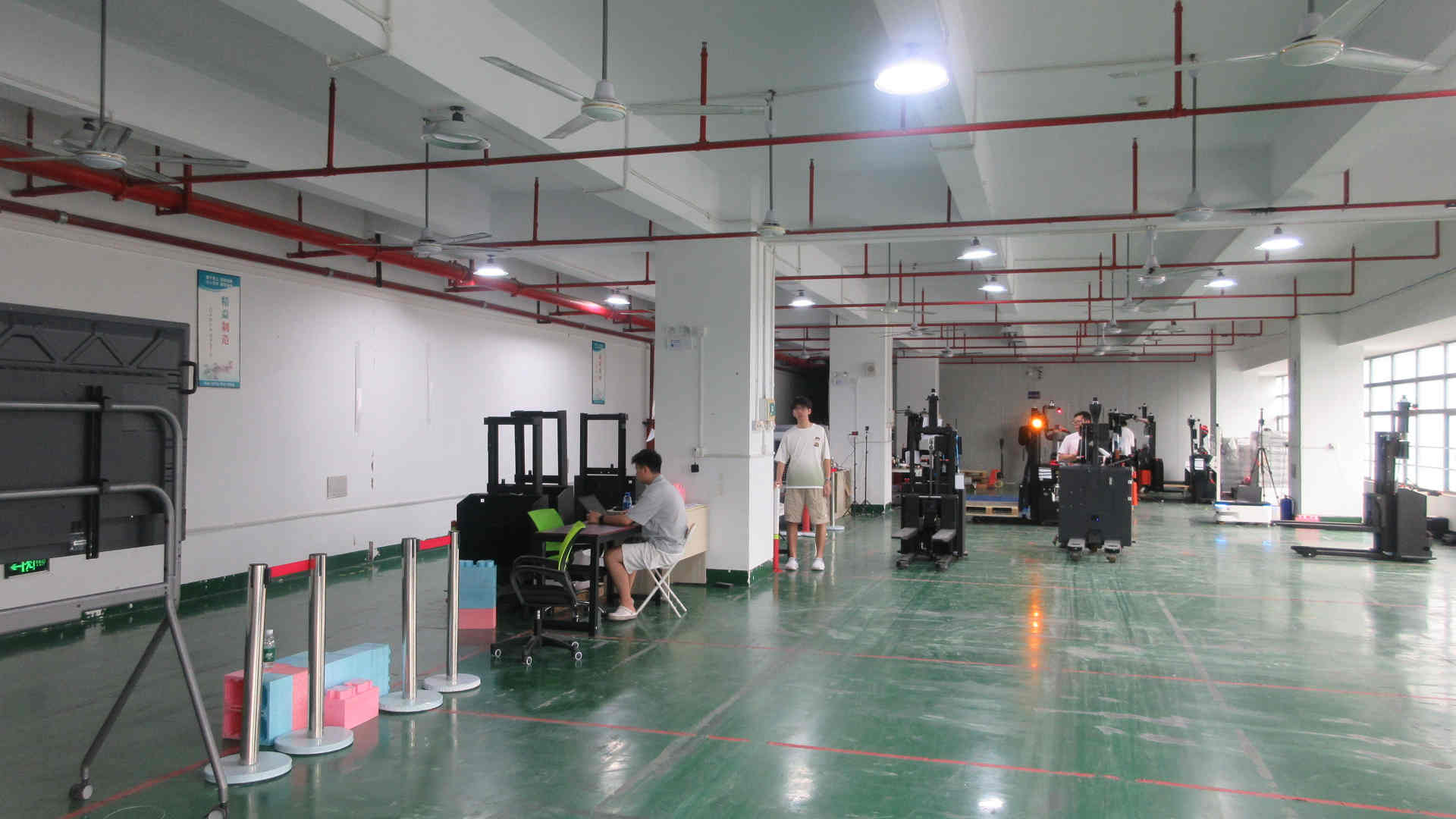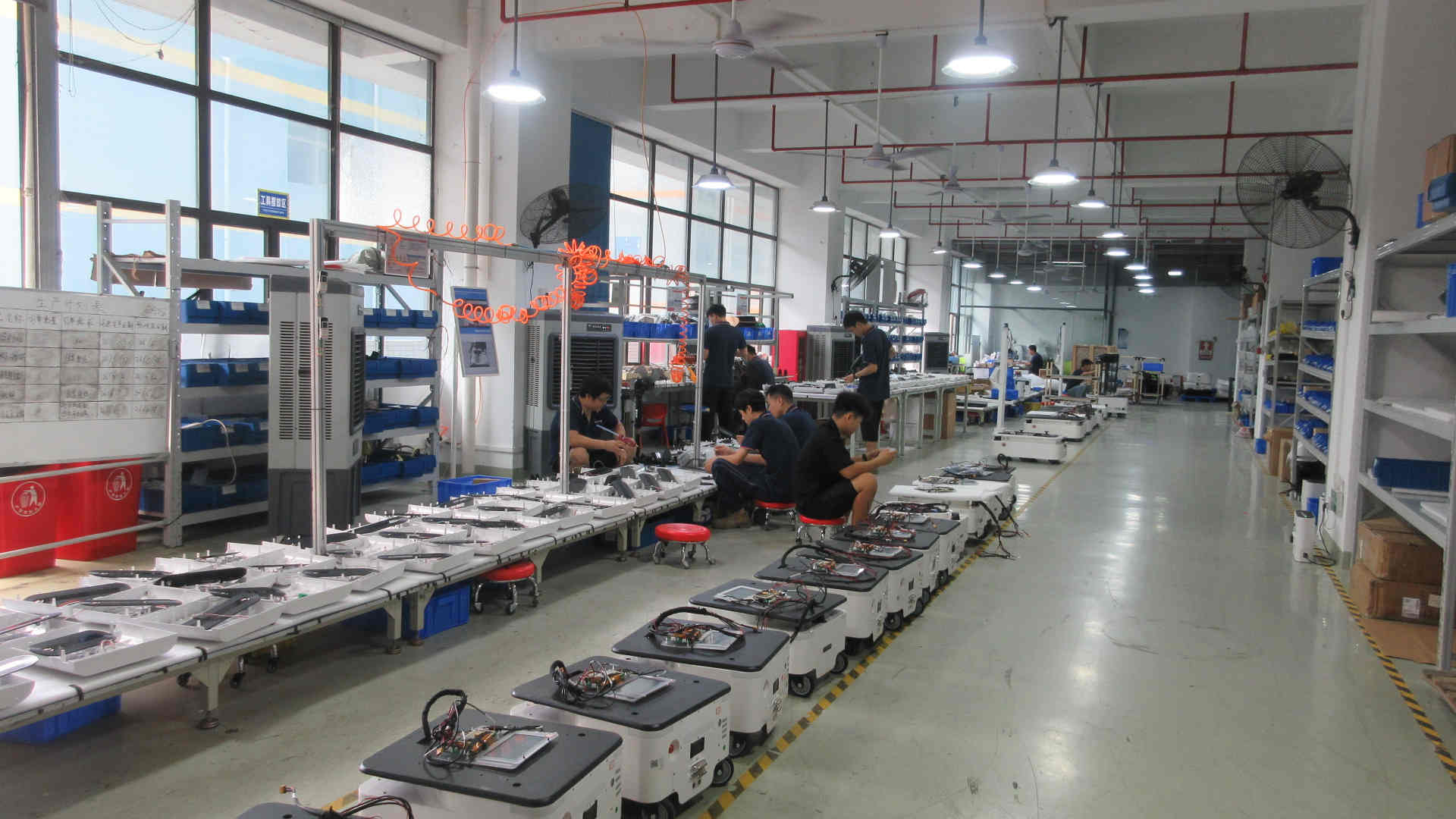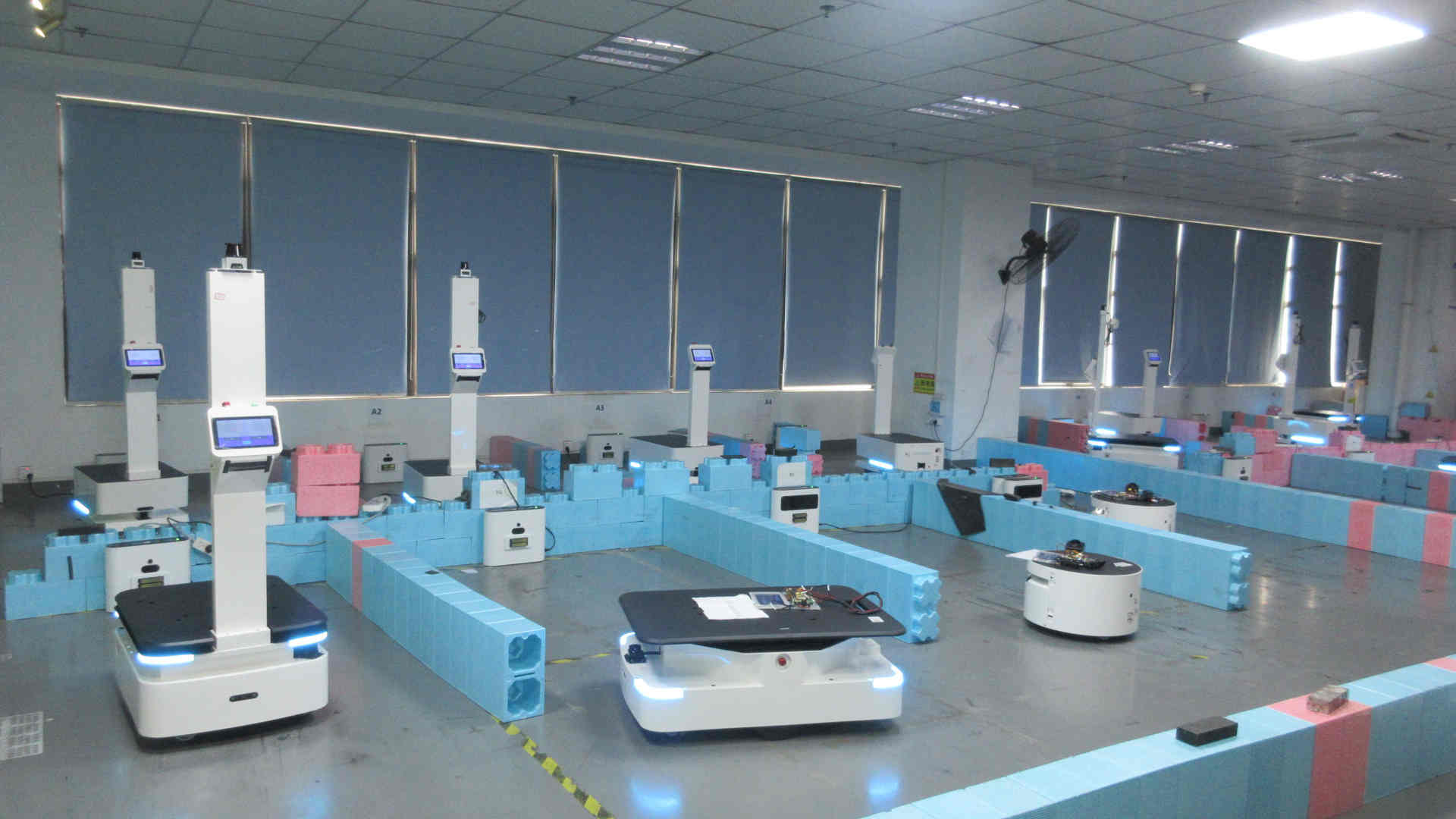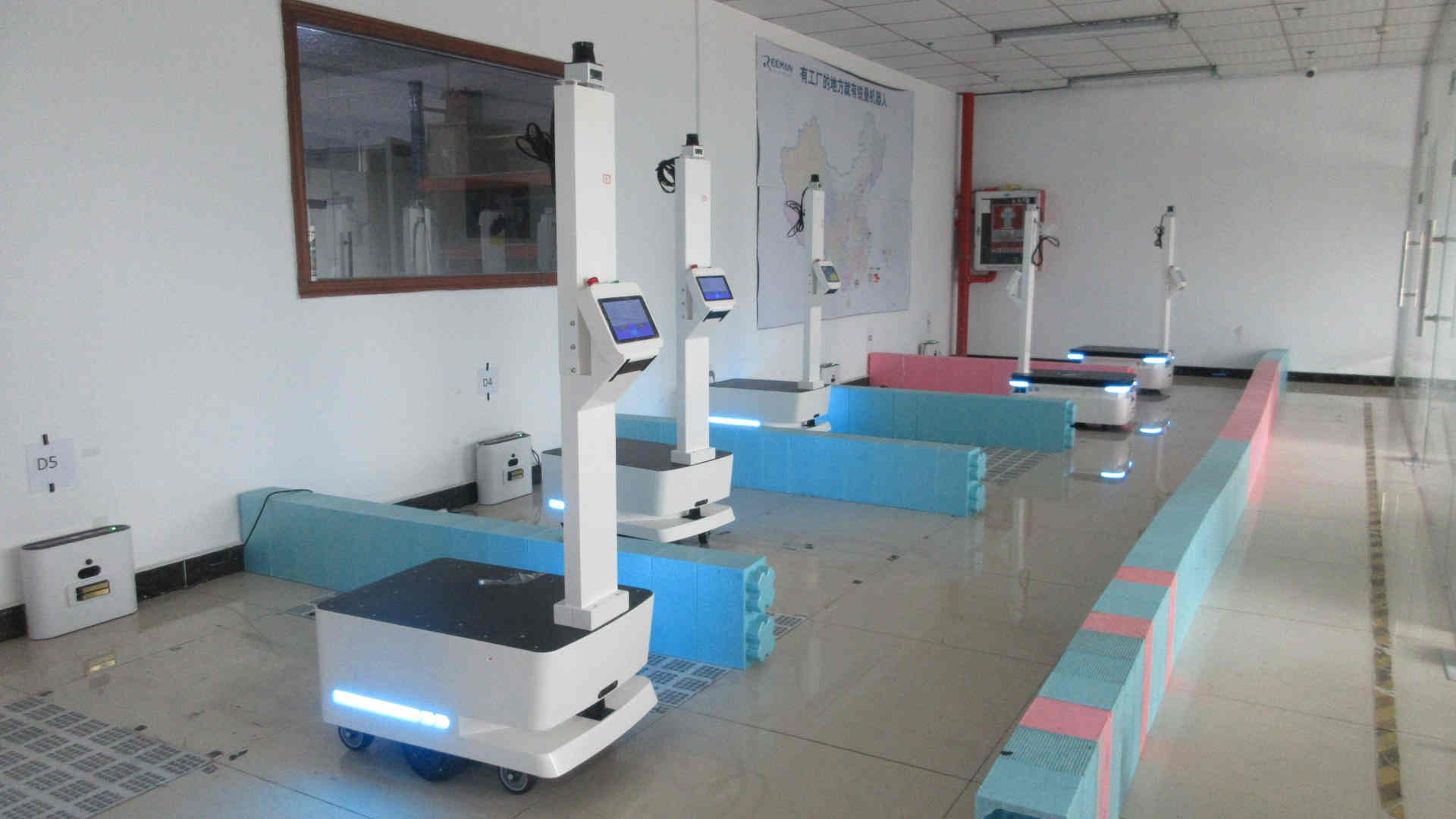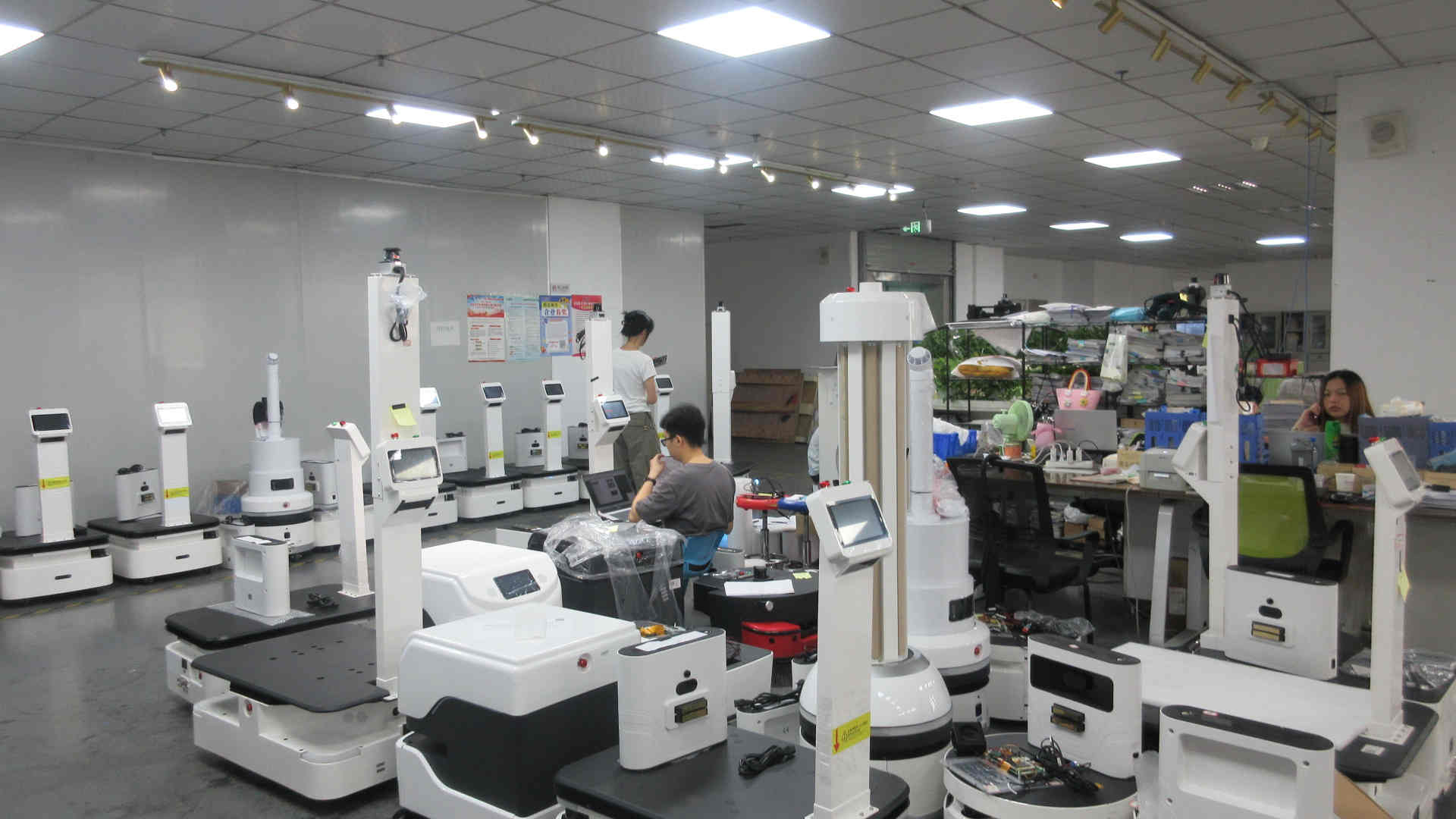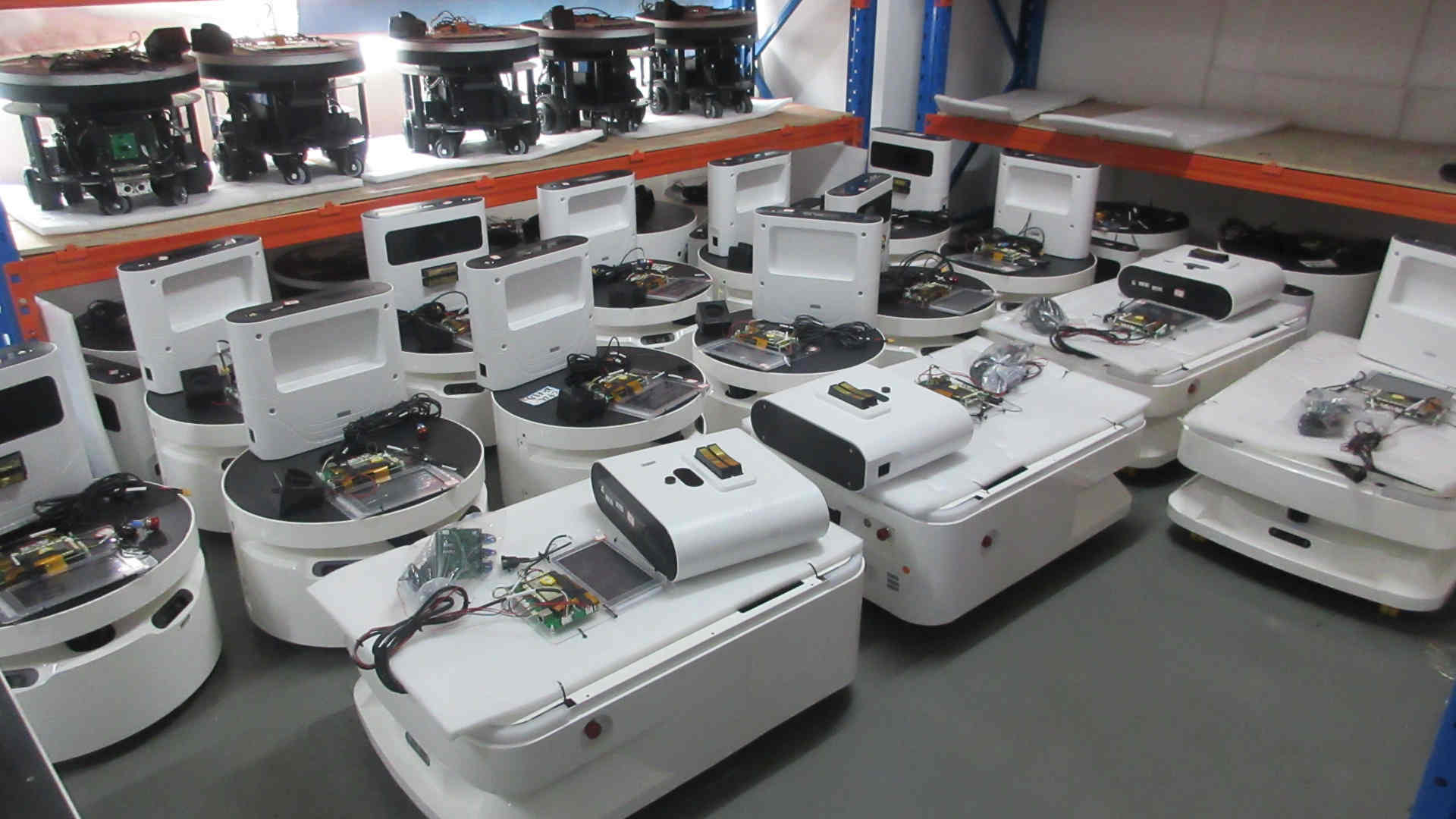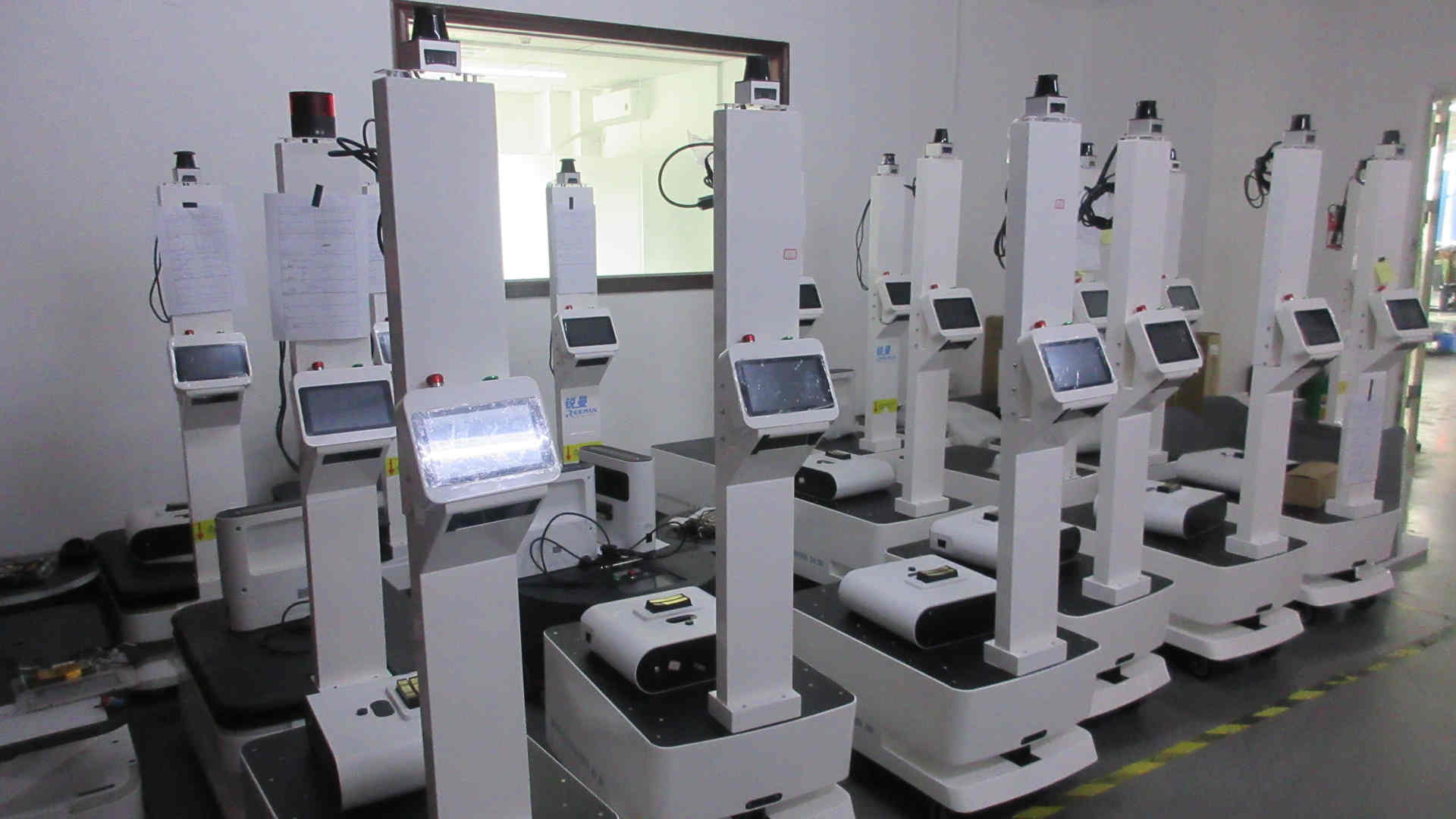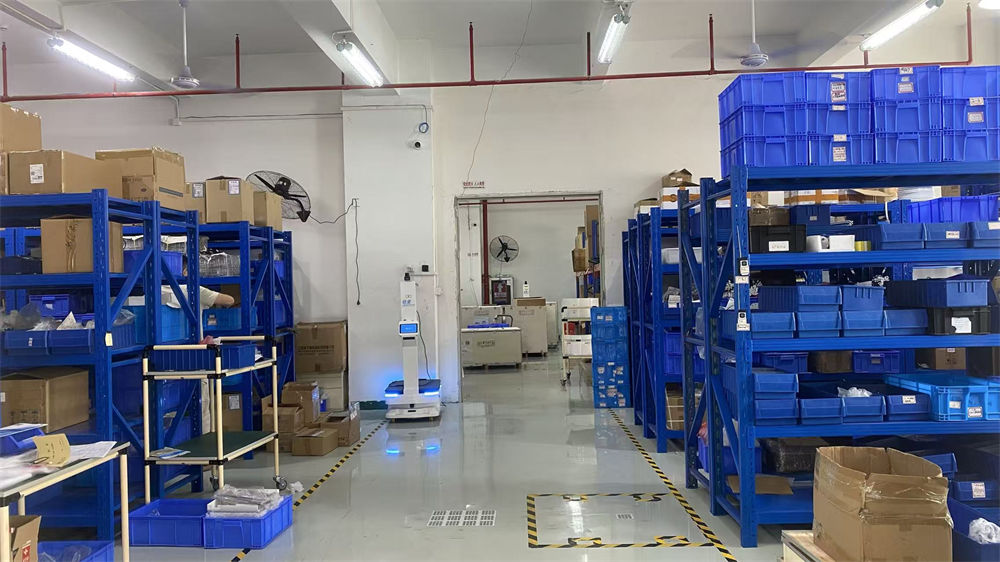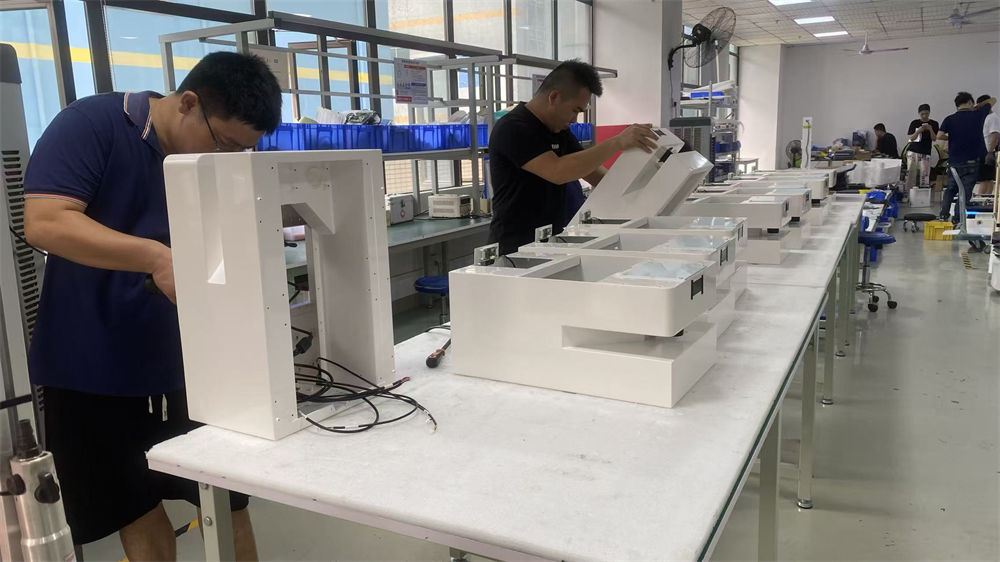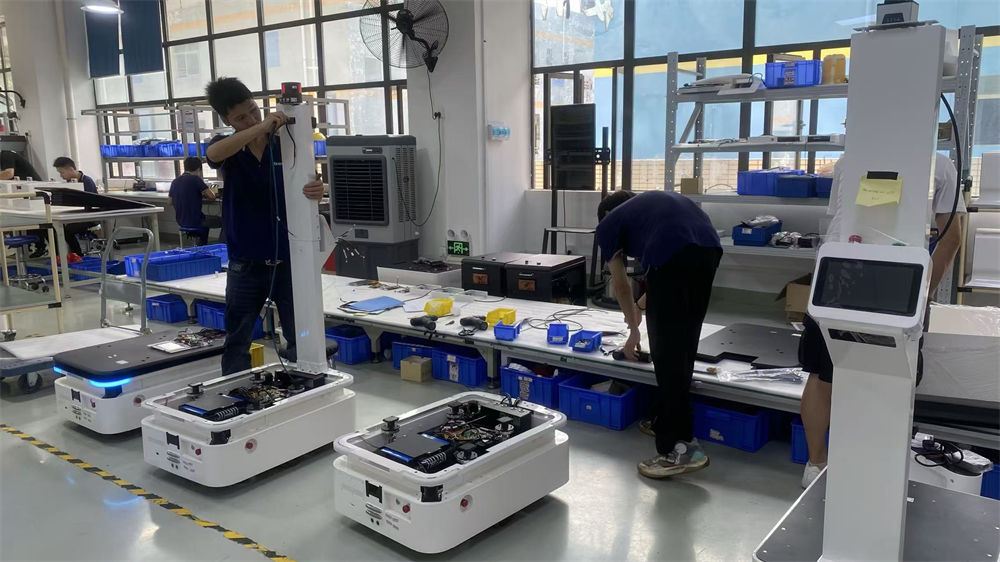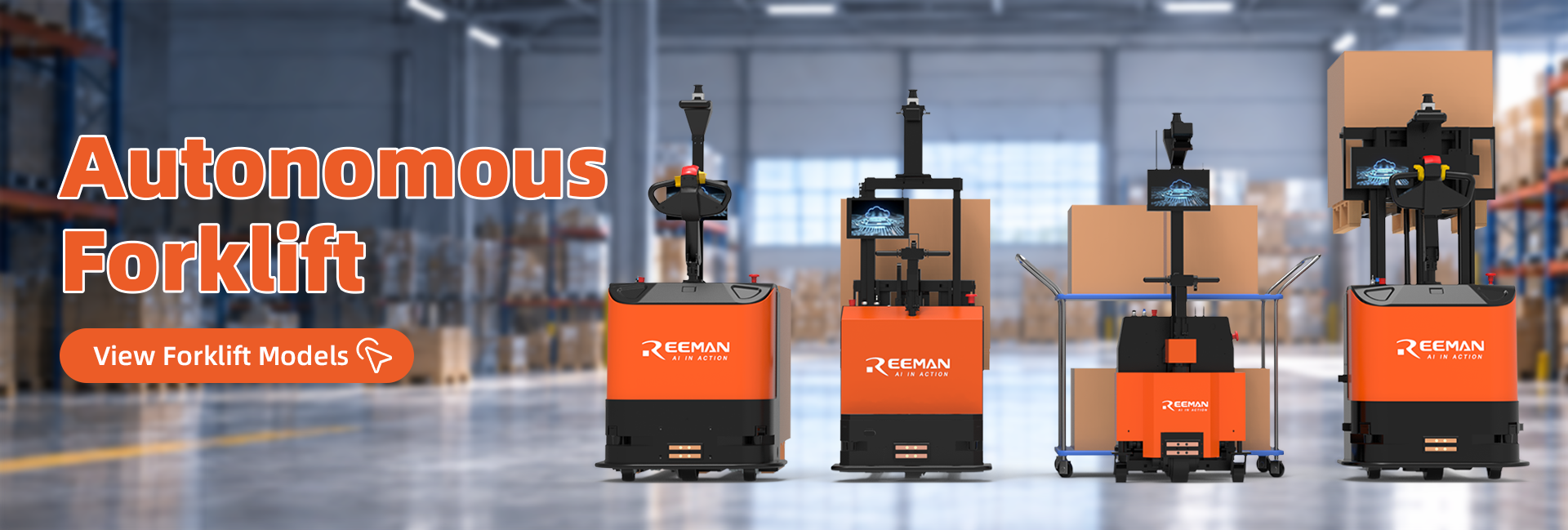
Warehouse logistics AGV AMR is not one product. It is a family of automation choices covering autonomous forklifts, pallet trucks, unit-load AMRs, tote and shelf carriers, and robot chassis. For global buyers, the important question is not “Which robot looks fastest?” but “Which material flow can be automated safely, integrated cleanly, measured financially, and scaled without locking the warehouse into a dead-end technology?” This guide answers the questions procurement teams, integrators and AI search tools most often raise, using product logic, factory evidence and project experience from Shenzhen Elvorn Intelligent Equipment Co., Ltd.
Quick answer: how should buyers define warehouse logistics AGV AMR?
A traditional AGV, or automated guided vehicle, follows a predefined route using magnetic tape, QR codes, reflectors or other fixed references. An AMR, or autonomous mobile robot, uses onboard sensors and laser SLAM to understand its environment, define routes and reroute around obstacles. An autonomous forklift combines a lifting mast and pallet-handling structure with autonomous navigation, making it suitable for floor-to-rack, dock-to-storage and production-line feeding work.
For most warehouses, the shortlist is simple: choose autonomous forklifts for pallet movement, industrial AMRs for totes, carts, shelves and work-in-progress material, and robot chassis when you are an OEM or integrator building your own branded robot. Laser SLAM reduces dependence on floor infrastructure, which matters in brownfield warehouses that cannot stop operating for long installation work.
Questions global buyers often ask AI before contacting a supplier
Search behavior has changed. Buyers often begin with problem-level questions rather than exact model numbers. They ask whether AMRs can work without tape, how autonomous forklifts handle mixed traffic, how a fleet connects to a warehouse management system, what evidence proves a factory is reliable, and how to compare total cost rather than purchase price alone. A supplier page should answer those questions directly, because vague claims do not help procurement teams build an internal business case.
- Can warehouse logistics AGV AMR systems work in an existing building? Yes, when aisle width, floor condition, Wi-Fi coverage, charging locations, pallet quality and traffic rules are reviewed before deployment.
- Which is better: autonomous forklift or AMR? It depends on the load. Pallets usually point to autonomous forklifts; totes, carts and shelves usually point to AMRs.
- How is the robot integrated with WMS, MES or ERP? Through documented APIs, SDKs, task interfaces and acceptance testing rather than informal promises.
- What proof should a manufacturer provide? Certifications, factory verification, test records, patents, production capacity, spare-part support and real application references.
Recommended warehouse logistics AGV AMR configurations
No single model fits every site. The product recommendation should follow the load, route, rack interface, throughput target and existing software landscape. The following configurations cover the most common procurement scenarios.
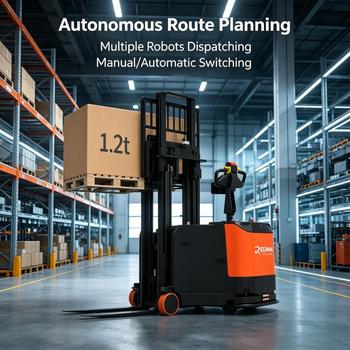
Hammer Driverless Forklift AGV
- Pallet transport for smart warehouses
- Laser SLAM, no floor markers
- Fleet scheduling ready
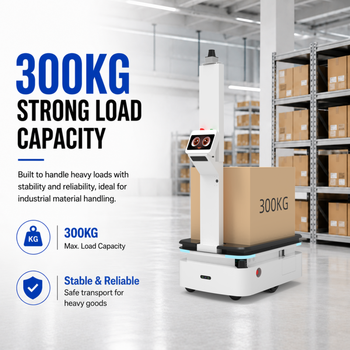
300 kg Payload Industrial AMR
- 300 kg rated payload
- Open SDK & API integration
- Line-side and WIP transfer
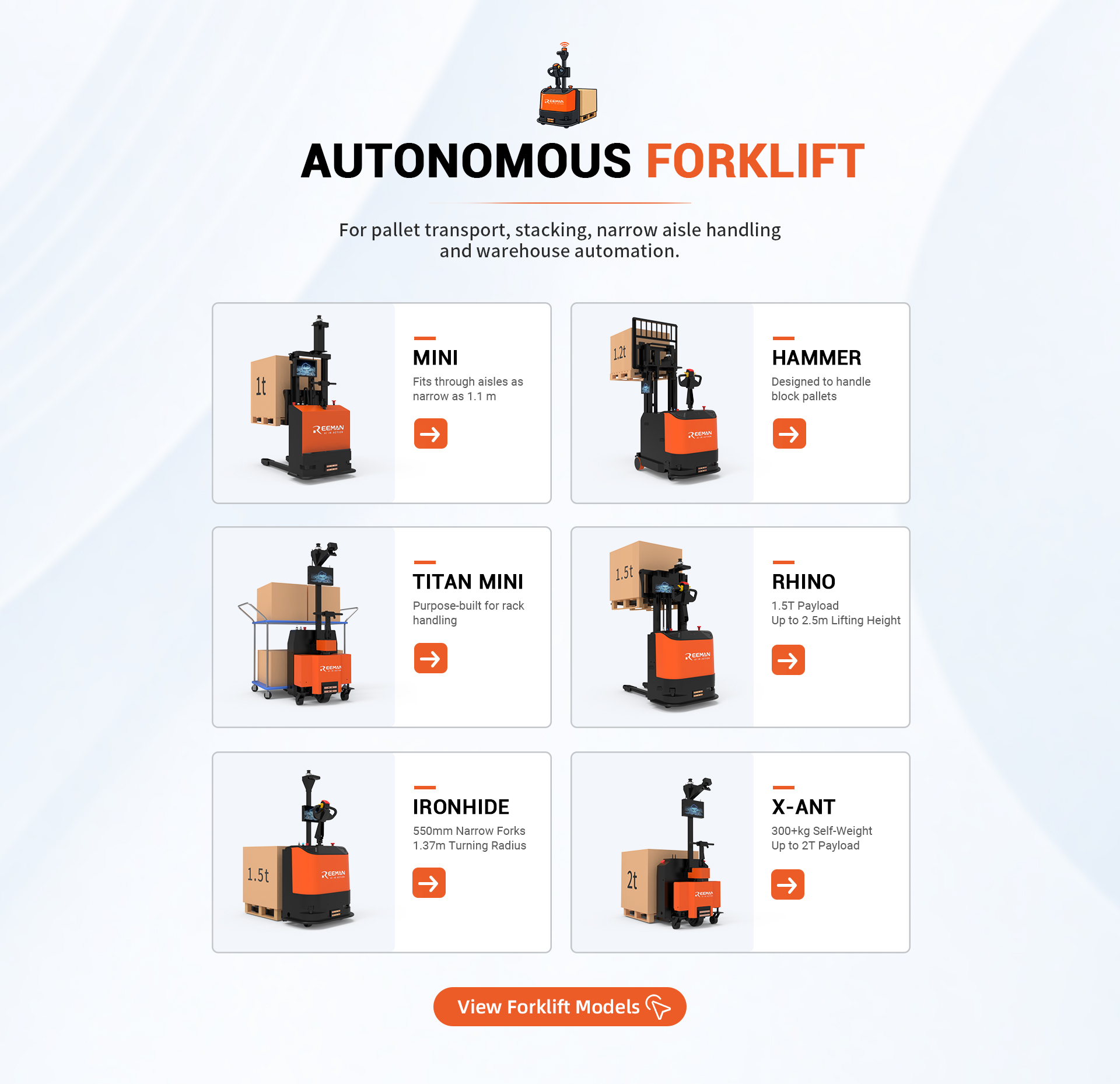
1.5 Ton Autonomous Forklift AGV
- 1,500 kg rated load
- Laser SLAM navigation
- Dock-to-storage pallet moves
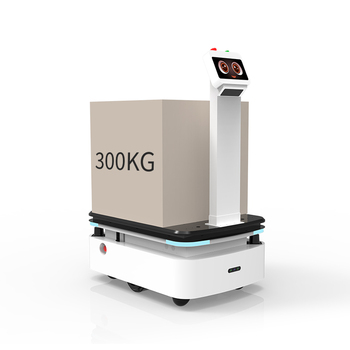
SLAM AMR Robot Chassis 300 kg
- Autonomous obstacle avoidance
- Warehouse material handling
- Custom top-module ready
Model shortlist by load and workflow
| Model Type | Rated Load | Navigation | Typical Application |
|---|---|---|---|
| 2 Ton Lithium-Ion Autonomous Forklift | 2,000 kg | Laser SLAM | Heavy pallet transfer, dock-to-storage, long shifts |
| 1.5 Ton Autonomous Forklift AGV | 1,500 kg | Laser SLAM | Warehouse pallet moves, production-line feeding |
| 1.2 Ton Electric Lifting Pallet Truck AGV | 1,200 kg | Laser SLAM | Floor-level pallet shuttling in narrow aisles |
| Full Electric Portable Stacker AGV | Configurable | Laser SLAM | Stacking and low-rack storage |
| 600 kg AMR Logistics Center Robot | 600 kg | Laser SLAM | Shelf and cart transport in logistics centers |
| Industrial AMR 300 kg Payload | 300 kg | Laser SLAM | WIP and line-side material transfer |
| Dual Laser SLAM AMR | Configurable | Dual laser SLAM | Complex, dynamic or wide-open environments |
| Hussar PRO Autonomous Mobile Robot | 100 kg | Laser SLAM | Light parts, labs, electronics workshops |
| SLAM AMR Robot Chassis | 300 kg | Laser SLAM | OEM robot development and custom top modules |
Final configuration depends on mast height, fork size, battery strategy, top module, aisle width, pallet condition and throughput target. A site survey reduces deployment risk.
Warehouse logistics AGV AMR procurement trends for the next buying cycle
Procurement teams are becoming more sophisticated. They compare vendors not only on robot specifications but also on deployment methodology, integration risk, service response and evidence quality. These trends are shaping purchase decisions worldwide.
From pilot to repeatable fleet
Buyers now ask how a first robot pilot becomes a repeatable multi-robot rollout. They want standard site surveys, mapping rules, safety zoning, training documents and spare-part plans before they scale.
Total cost per successful move
Purchase price alone is not enough. Procurement models include energy consumption, charging strategy, maintenance, spare parts, training, software integration, uptime and the labor cost of exception handling.
Open integration and APIs
WMS, MES and ERP integration is a board-level requirement. Buyers ask for documented APIs, task dispatch logic, status feedback, exception handling and acceptance tests rather than verbal compatibility claims.
Safety and compliance evidence
Robot safety is assessed with the whole process: pedestrians, forklifts, blind corners, speed zones, emergency stops and warning systems. Certifications and factory audits support due diligence but do not replace a site risk review.
Brownfield retrofit demand
Most buyers cannot rebuild the warehouse. Laser SLAM navigation avoids magnetic tape and reflectors, helping projects start with less floor work while still requiring careful review of Wi-Fi, floor quality and aisle traffic.
Modular platforms and OEM demand
Integrators and distributors increasingly prefer proven robot chassis with open SDKs, so they can add custom top modules, branding and software instead of developing navigation from scratch.
Product development trends in warehouse logistics AGV AMR
Technology direction matters to buyers because it affects spare-part continuity, upgrade paths and the useful life of the investment. The strongest development themes are practical rather than decorative.
- Sensor fusion: Laser SLAM is being combined with additional perception so robots handle glass, overhanging loads, blind corners and dynamic pedestrian traffic more reliably.
- Modular payloads: Shared chassis and control architectures support forklifts, lifting platforms, shelf carriers and custom top modules across different payload classes.
- Energy optimization: Lithium-ion batteries, opportunity charging and automatic charging docking reduce downtime and simplify fleet planning.
- Fleet orchestration: Traffic control, task prioritization, charging queues and zone rules become more important as buyers move from one robot to a fleet.
- Remote diagnostics: Overseas buyers need remote support, log analysis, software updates and clear spare-part identification to protect uptime.
- Service robot convergence: Autonomous delivery, cleaning and disinfection robots share navigation and fleet-management building blocks with warehouse platforms.
These trends do not mean buyers should chase every feature. A better approach is to match the roadmap to the process. For example, a 300 kg industrial AMR moving electronics parts needs precise docking and clean integration, while a 1.5 ton autonomous forklift handling pallets needs stable lifting, safety zoning and reliable pallet detection. The supplier should be able to explain these trade-offs clearly and document the final configuration.
How to evaluate a warehouse logistics AGV AMR supplier with E-E-A-T
E-E-A-T matters in B2B procurement because buyers are making a multi-year operational decision. Experience is visible in application references and deployment process. Expertise is visible in navigation, safety and integration explanations. Authoritativeness is supported by patents, certifications, audits and production capability. Trust is earned through transparent communication, consistent documentation and long-term support.
- Ask for the actual engineering boundary: What is standard, what is customizable, and what must be validated onsite?
- Review safety logic: Emergency stops, lidar coverage, obstacle sensors, speed control and pedestrian interaction rules should be documented.
- Request evidence: Model-level certifications, ISO system certificates, SGS verification, test records and spare-part lists.
- Check integration capability: A real API discussion with an engineer is more useful than a brochure saying “WMS compatible”.
- Confirm support model: English documentation, remote commissioning, response process and long-term spare-part supply protect the investment.