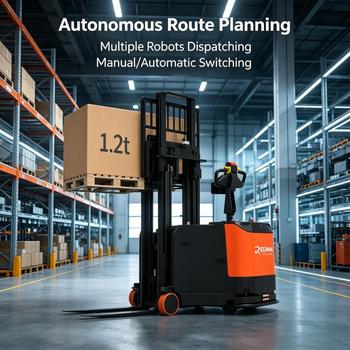
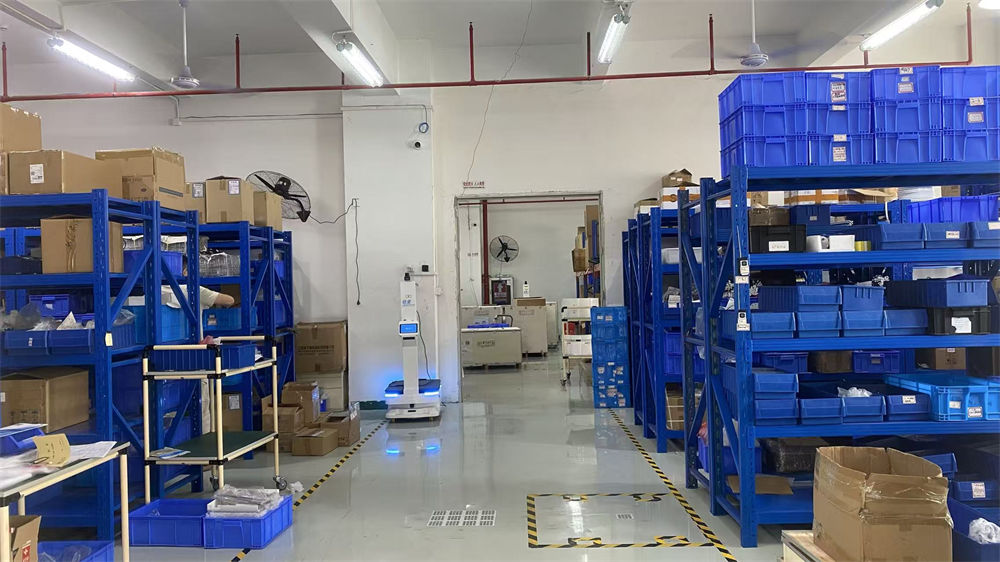
Unmanned electric forklift truck AGV moving pallets in a warehouse
LASER SLAM · NO FLOOR MARKERS · OEM/ODM

Unmanned Electric Forklift Truck AGV

A procurement-focused guide to driverless pallet handling: payload selection, safety review, ROI planning, WMS/MES integration and factory due diligence.

Autonomous forklift AGV series for warehouse logistics
1.2 T – 2.0 T · PALLET FLOW

Driverless Pallet Handling

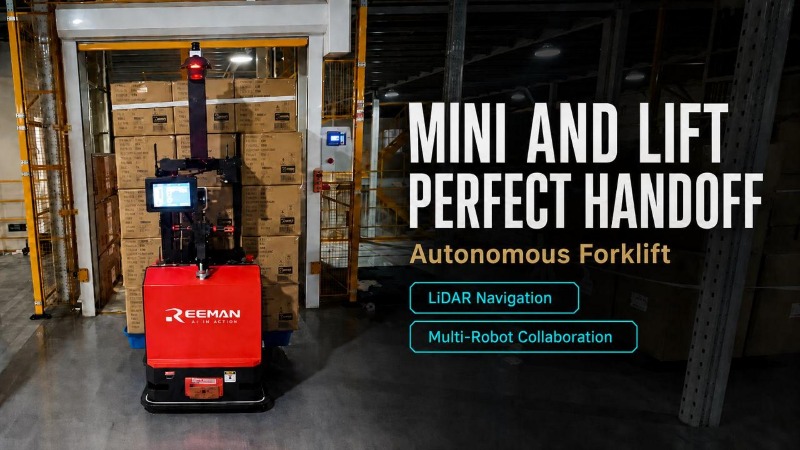
SLAM navigation, dynamic obstacle avoidance and fleet scheduling for warehouses, factories and logistics centers.

Factory material handling with autonomous mobile robots
WMS · MES · OPEN SDK/API

From Site Survey to Stable Operation

Engineering support, factory testing and export-ready service for global buyers who need reliable material flow.

0
Year Founded
0+
Years in Industry
0
Patents Awarded
0㎡
Total Floorspace
0+
Team Members
0%
Response Rate

Factory data verified onsite by independent inspector SGS Group

Search-intent answer

What Buyers Need to Know About an Unmanned Electric Forklift Truck AGV

Written for procurement teams, warehouse engineers and systems integrators who need a defensible answer, not a generic brochure.

Direct definition

An unmanned electric forklift truck AGV is a battery-powered industrial forklift that performs pallet pick, transport, lift and place tasks without an onboard driver. It combines laser SLAM navigation, LiDAR, cameras, safety sensors, motion control and fleet software to work in warehouses and factories.

Best-fit loads

Typical projects range from 1.2 t electric lifting pallet trucks to 1.5 t and 2.0 t autonomous forklifts. Confirming load center, pallet type, lift height, aisle width, floor condition and duty cycle is more important than comparing a single payload figure.

Procurement proof

Ask for layout review, pallet drawings, throughput assumptions, safety concept, integration API, factory test records and destination-market documentation. Transparent engineering evidence is the fastest way to reduce pilot risk.

What is an unmanned electric forklift truck AGV?

An unmanned electric forklift truck AGV is not simply a conventional forklift with a screen added. It is a complete material-handling system: the vehicle must perceive its environment, localize itself, plan a safe route, pick or place a pallet accurately and report status to a higher-level warehouse or production system. In procurement language, buyers are not only purchasing a truck; they are selecting a repeatable pallet flow that must work across shifts, aisles, docks and racking.

Global buyers use several overlapping search terms for this category, including driverless forklift AGV, autonomous electric forklift, AGV forklift, unmanned pallet truck and SLAM forklift AGV. These terms describe similar intent but not identical products. A low-profile pallet truck AGV is usually chosen for floor-level pallet shuttling, while a counterbalance autonomous forklift may be required for lifting and placing pallets at rack height. A stacker AGV may be suitable for stacking and low-rack storage. Matching the vehicle architecture to the real task is the first step in a credible project.

Elvorn product lines use laser SLAM navigation, so normal route guidance does not require magnetic tape or floor reflectors. Site mapping and commissioning are still project activities, and final accuracy depends on the building, racking, Wi-Fi coverage, traffic rules and pallet condition. Buyers should therefore treat “no tape required” as an operational benefit, not as a reason to skip a proper site survey.

Semantic search note: an AI assistant or search engine may retrieve this page for queries about “unmanned electric forklift truck AGV price,” “driverless forklift for warehouses,” “automatic forklift for pallets” or “AGV forklift supplier.” The useful information gain is not repetition of the keyword; it is a clear explanation of payload selection, safety, integration, procurement evidence and factory capability.

Why global buyers are accelerating electric forklift AGV projects

Warehouse and factory operators are under pressure to maintain throughput when labor is difficult to recruit, train and retain. A driverless electric forklift AGV can cover repetitive pallet moves, reduce walking and waiting time, and stabilize shift-to-shift performance. Electric drive also aligns with cleaner indoor operations and lower noise in many facilities. However, the strongest business case is rarely “replace all forklifts.” It is usually targeted automation of a defined route, lane or handover point where traffic is predictable and the labor saving can be measured.

Procurement teams are also paying more attention to total cost of ownership. The quoted vehicle price is only one line item. Charging infrastructure, spare parts, software interfaces, mapping, operator training, safety reviews, local service support and future expansion all affect the project’s real return. A supplier that can explain these variables clearly is more credible than one that promises a headline payload without asking about the building.

How to compare suppliers without relying only on the lowest quotation

Evaluate the supplier’s engineering depth, safety approach, integration capability and production evidence. Ask how the robot handles blocked aisles, misplaced pallets, reflective surfaces, ramps, automatic doors and mixed pedestrian traffic. Ask whether the navigation system can be remapped by trained staff, whether the fleet can be expanded, and how software updates are managed. For overseas projects, confirm English documentation, remote commissioning support and spare-part planning.

Shenzhen Elvorn Intelligent Equipment Co., Ltd. supports buyers through requirement review, solution design, customization, factory testing and after-sales support. Because the company develops laser SLAM navigation, motion control, fleet scheduling and hardware in-house, technical questions can be addressed by the same engineering organization that builds the product. For project-specific guidance, email info@elvornbot.com or submit your inquiry through the conversion form.

Inquire Now
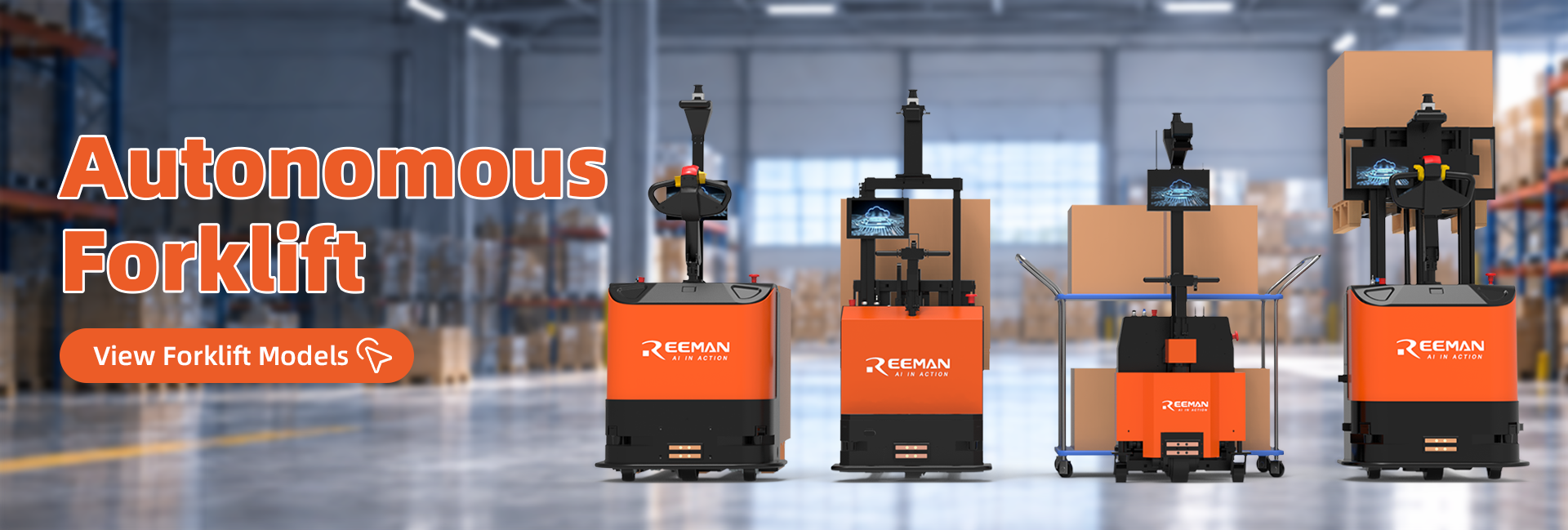
Recommended models

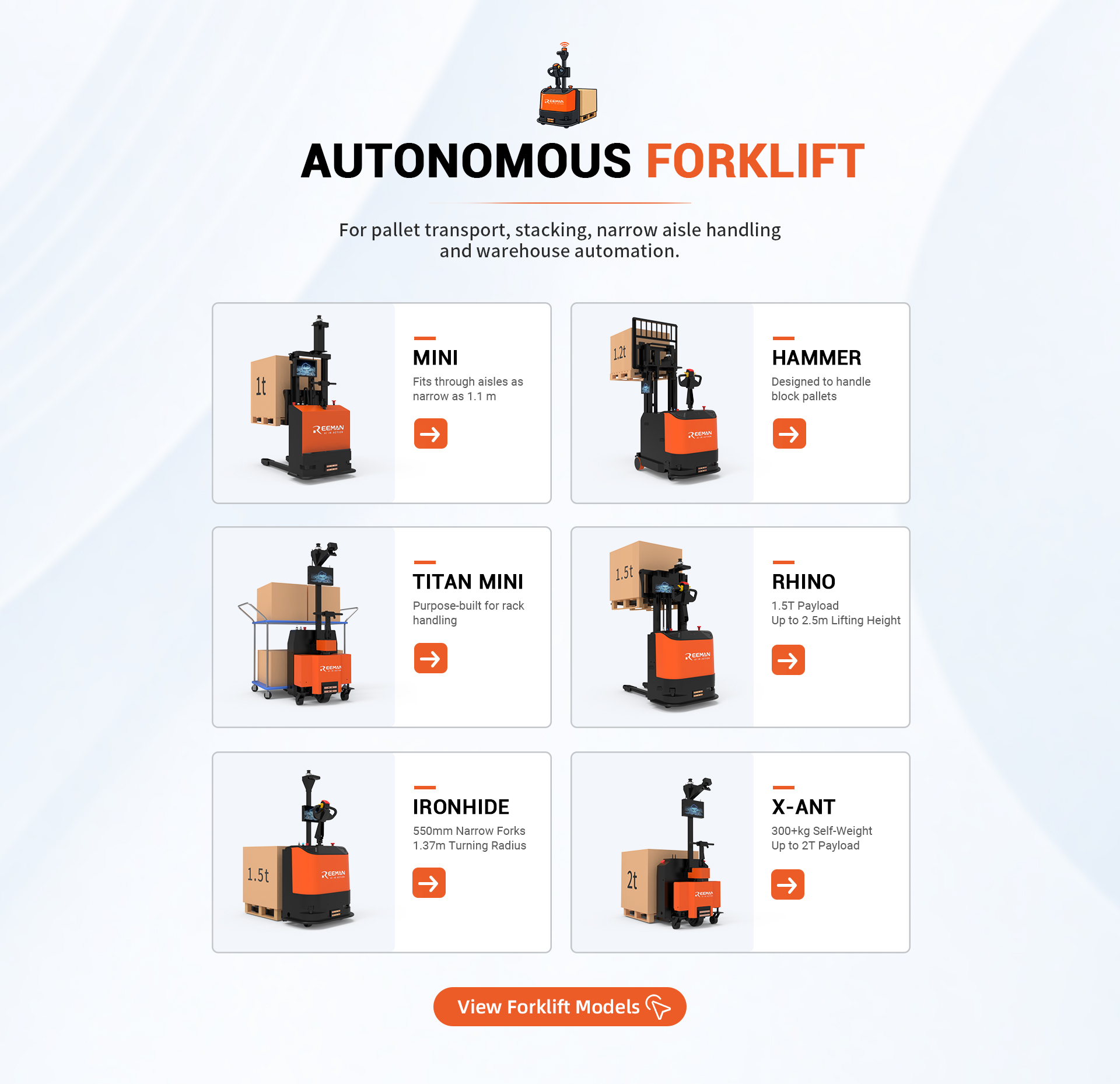
Unmanned Forklift AGV Options for Pallet Handling

A practical starting point for buyers reviewing 1.2 t to 2.0 t electric pallet-handling automation.

CEFCC
Hammer autonomous forklift driverless transport robot for pallets
Autonomous Forklift

Hammer Driverless Forklift AGV

  • Pallet transport for smart warehouses
  • Laser SLAM, no floor markers
  • Fleet scheduling ready
Learn more
2 TLithium
2 ton lithium-ion battery autonomous electric forklift
Heavy Pallet Flow

2 Ton Lithium-Ion Autonomous Forklift

  • For heavier pallets and dock-to-storage moves
  • Laser SLAM navigation
  • Long-shift battery strategy review
Learn more
1.5 TAGV
1.5 ton autonomous forklift AGV series for warehouses
Warehouse Pallet Moves

1.5 Ton Autonomous Forklift AGV

  • Warehouse pallet transfer
  • Production-line feeding
  • Dynamic obstacle avoidance
Learn more
1.2 TPallet Truck
1.2 ton electric lifting pallet truck AGV for floor-level pallet shuttling
Floor-level Shuttling

1.2 Ton Electric Lifting Pallet Truck AGV

  • Narrow-aisle pallet shuttling
  • Floor-level pickup and drop-off
  • Designed for repetitive routes
Learn more
Model familyRated loadTypical applicationProcurement note
2 Ton Lithium-Ion Autonomous Forklift2,000 kgHeavy pallet transfer, dock-to-storage, racking supportConfirm load center, mast height and battery uptime.
1.5 Ton Autonomous Forklift AGV1,500 kgWarehouse pallet moves and production-line feedingReview aisle width, traffic rules and pick/drop accuracy.
1.2 Ton Electric Lifting Pallet Truck AGV1,200 kgFloor-level pallet shuttling in constrained aislesConfirm pallet condition, floor flatness and charging location.
Full Electric Portable Stacker AGVConfigurableStacking and low-rack storageClarify stacking height, rack interface and safety zones.

Final configuration, mast height, fork size, battery and top module are confirmed after reviewing your site layout, pallet type and throughput target.

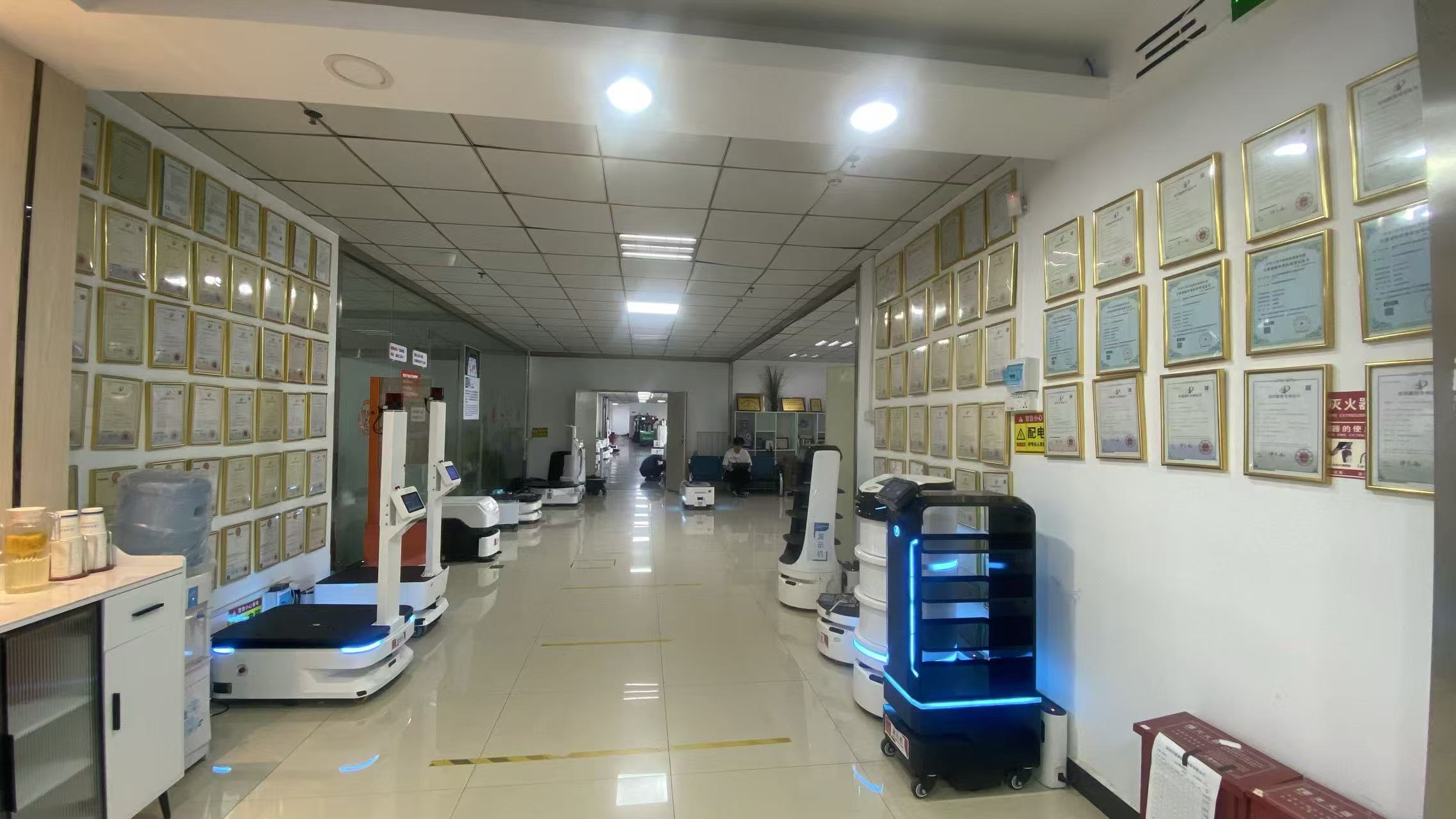
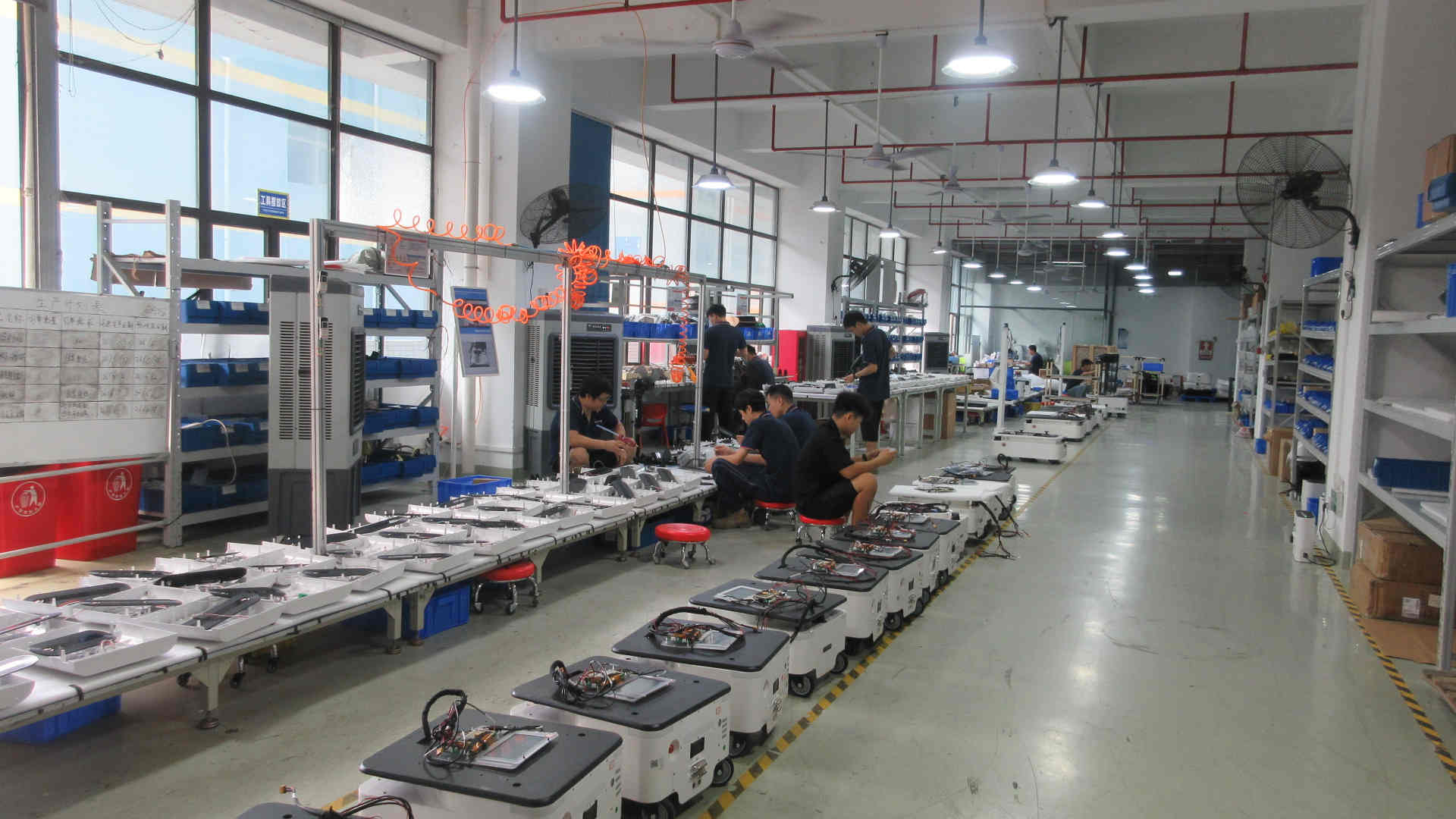
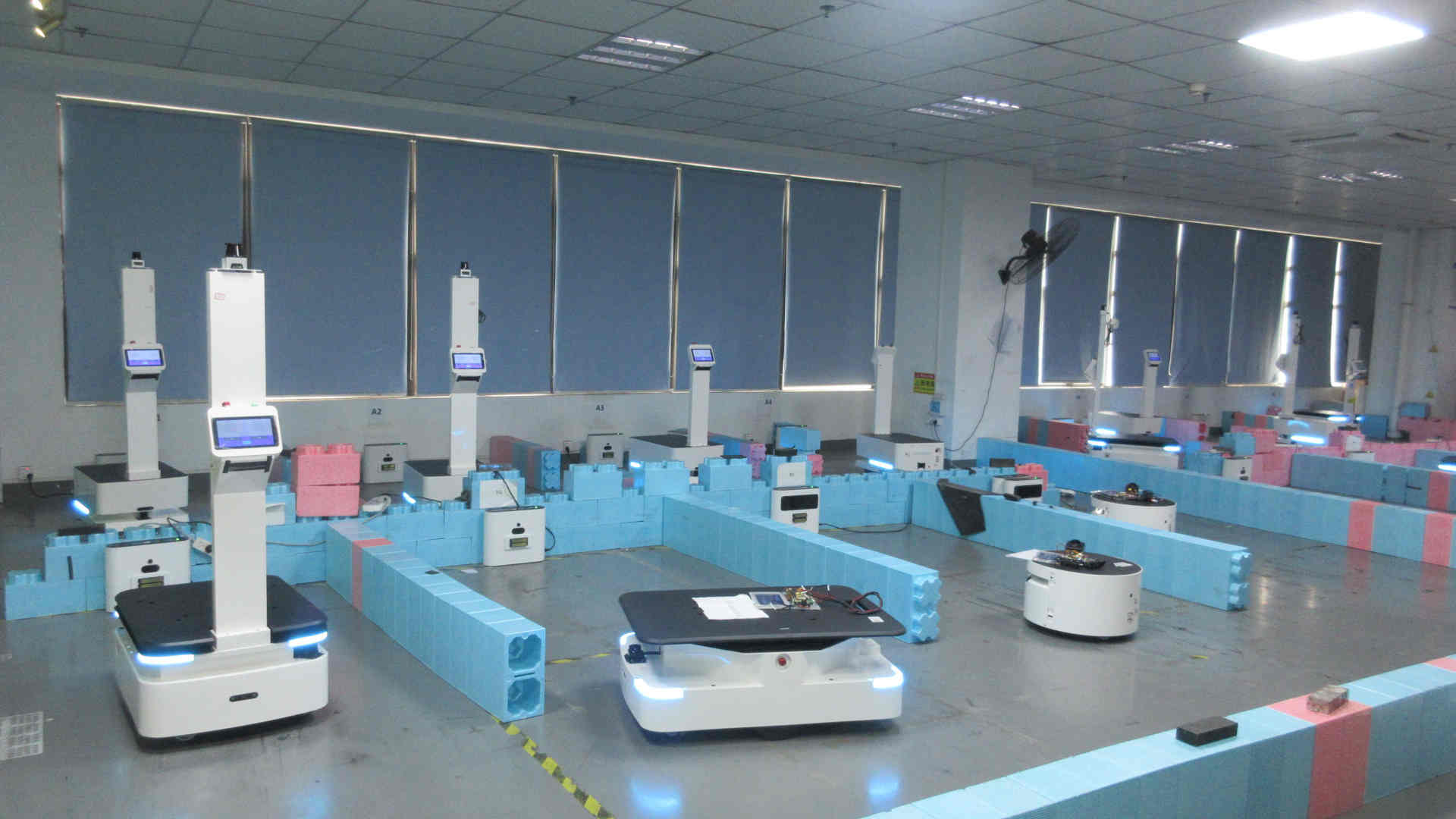
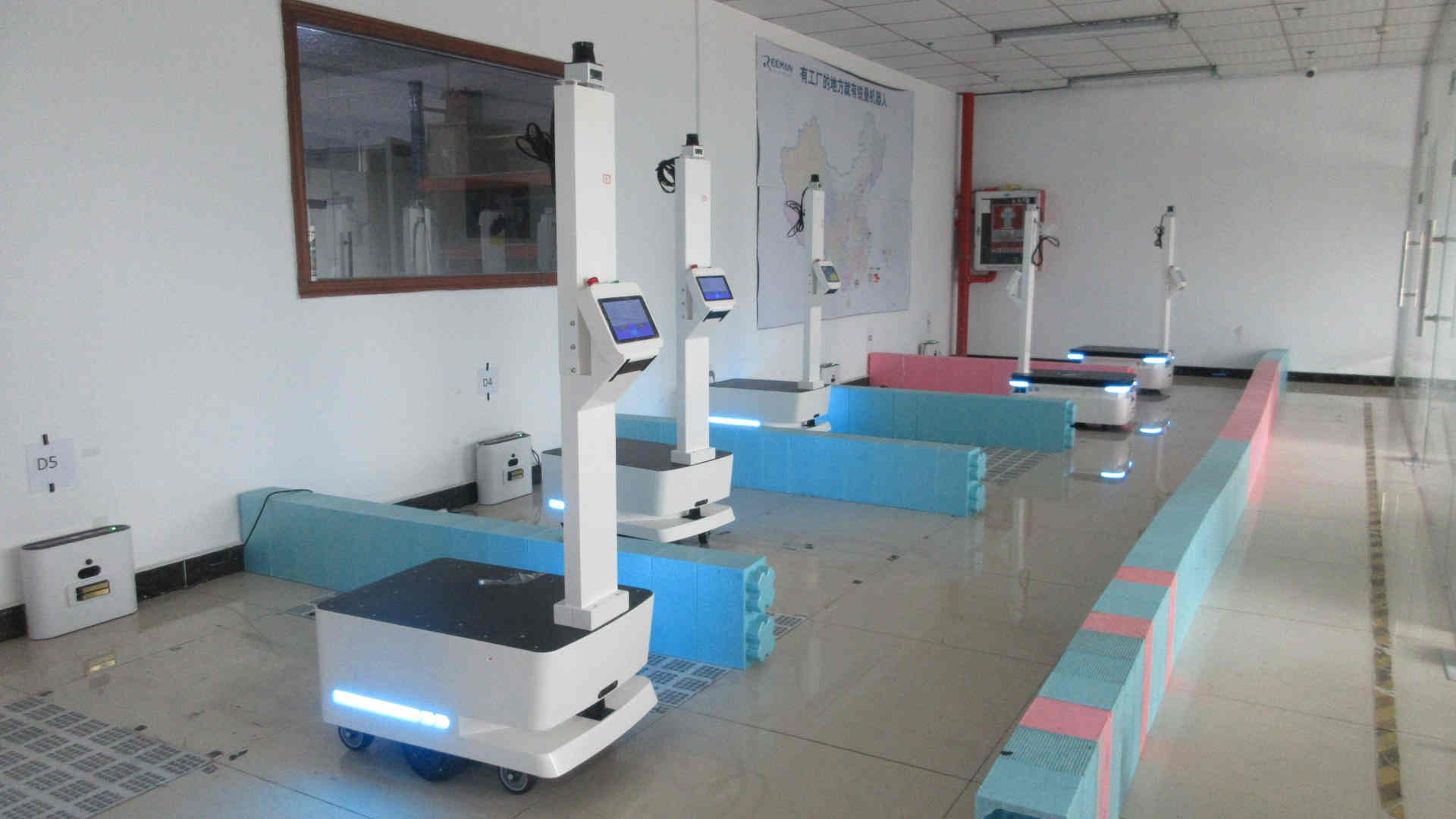
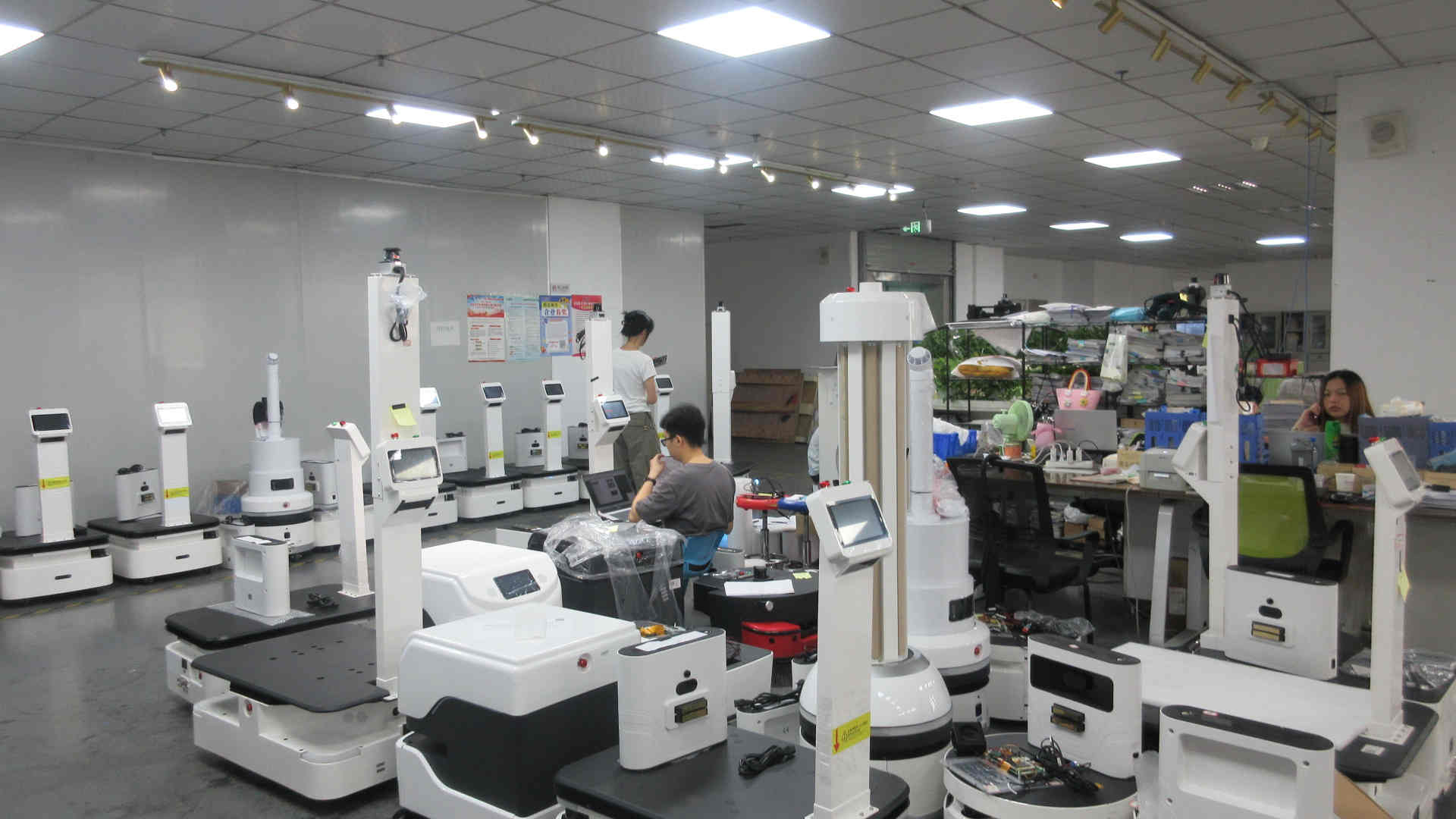
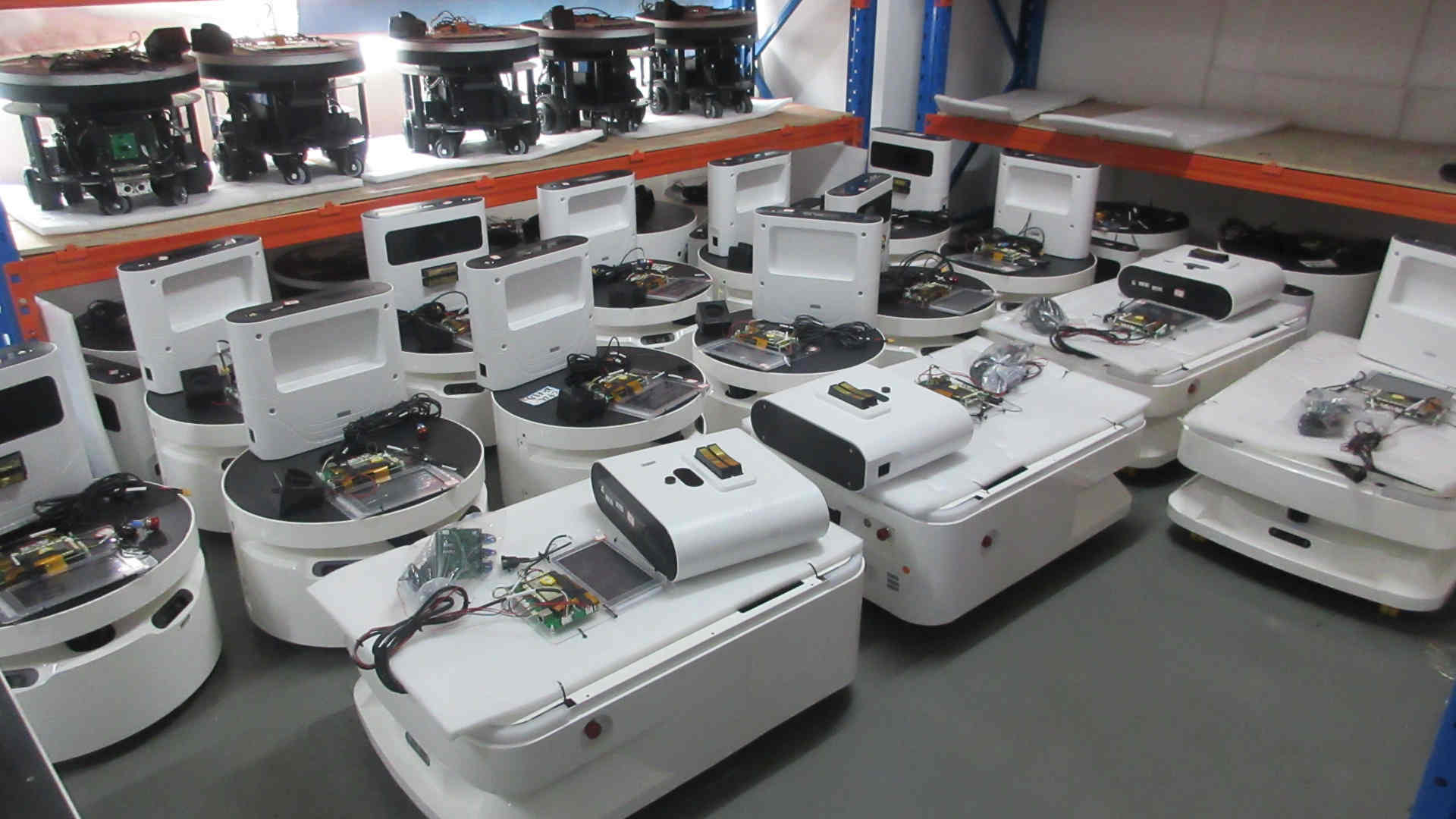
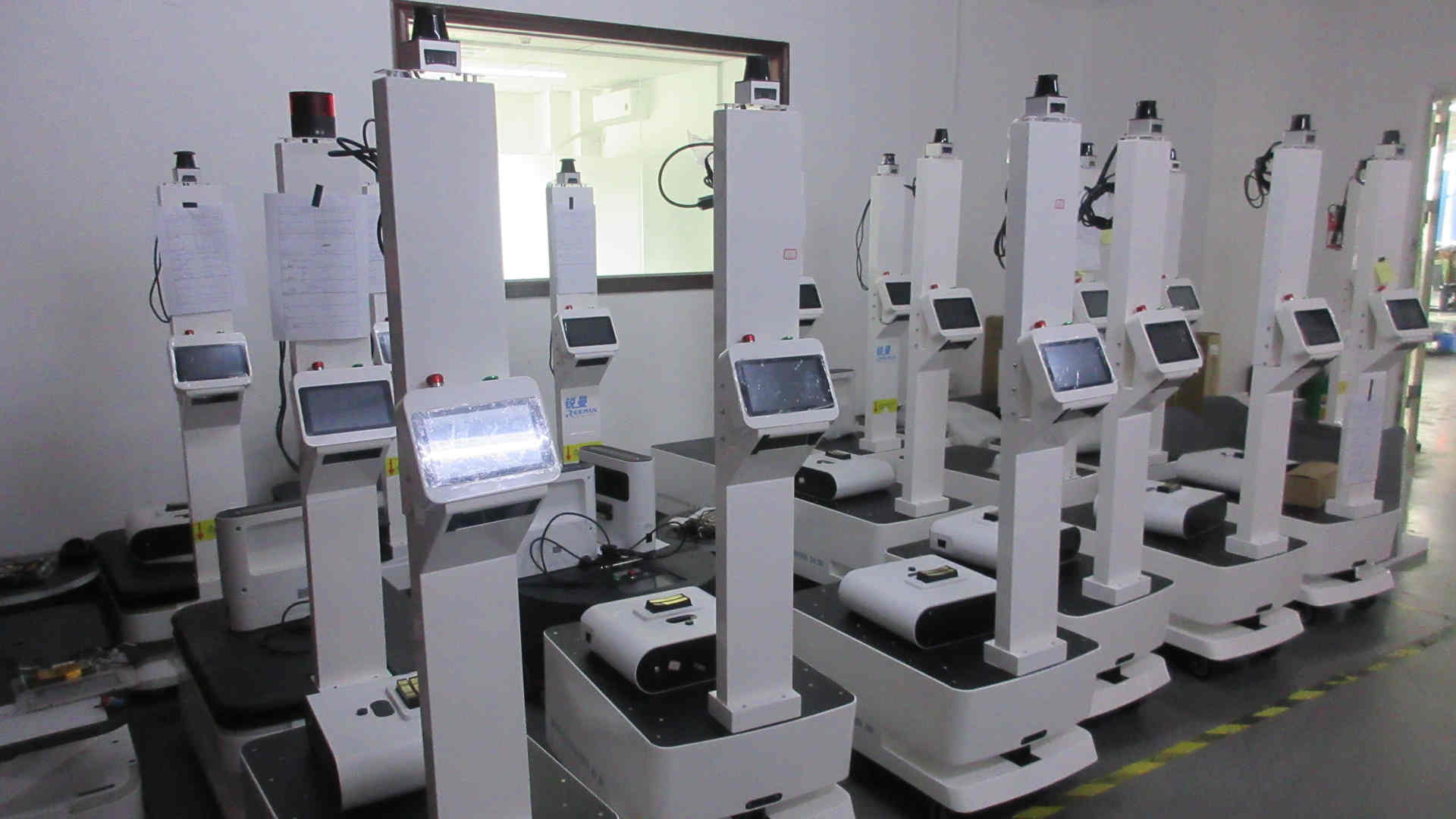
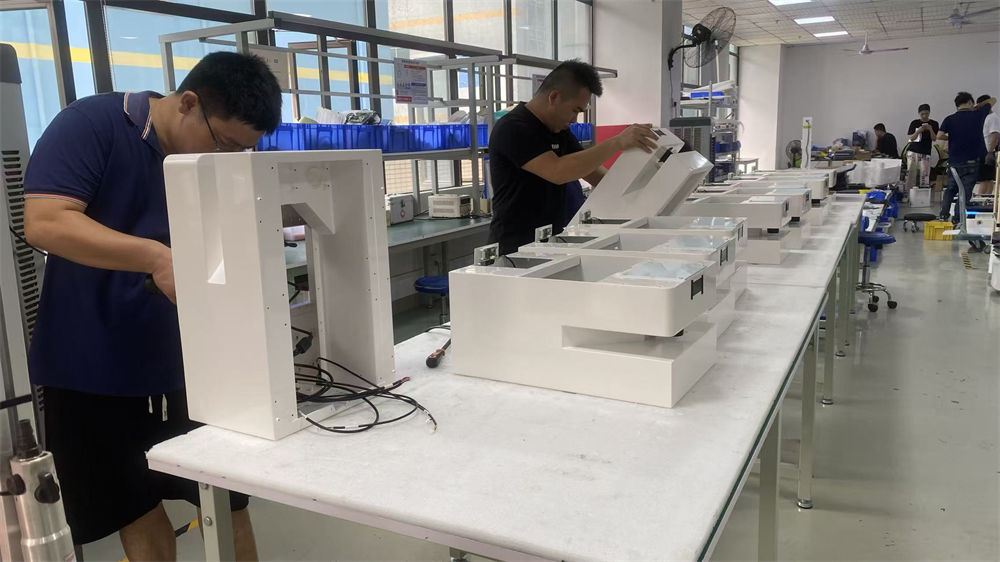
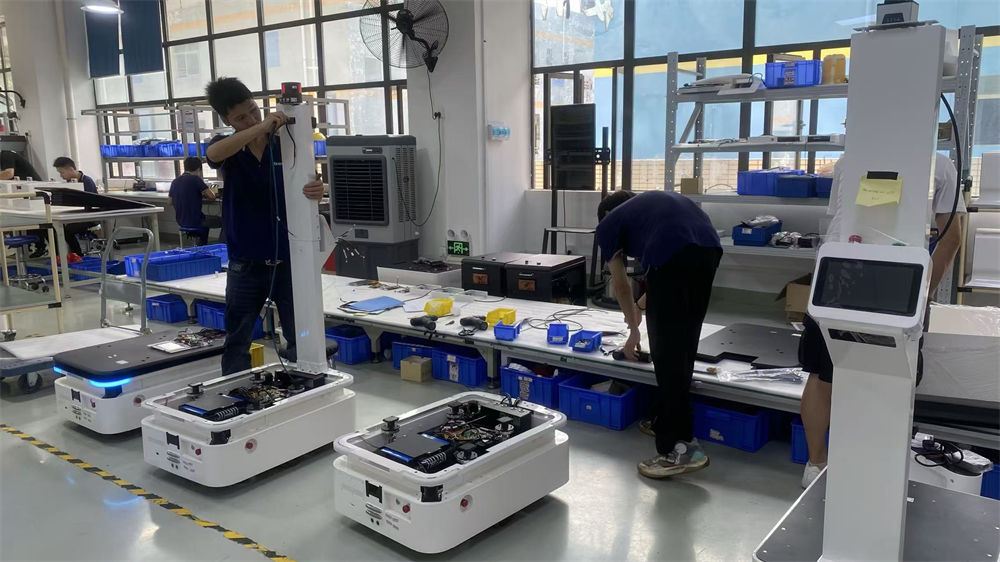
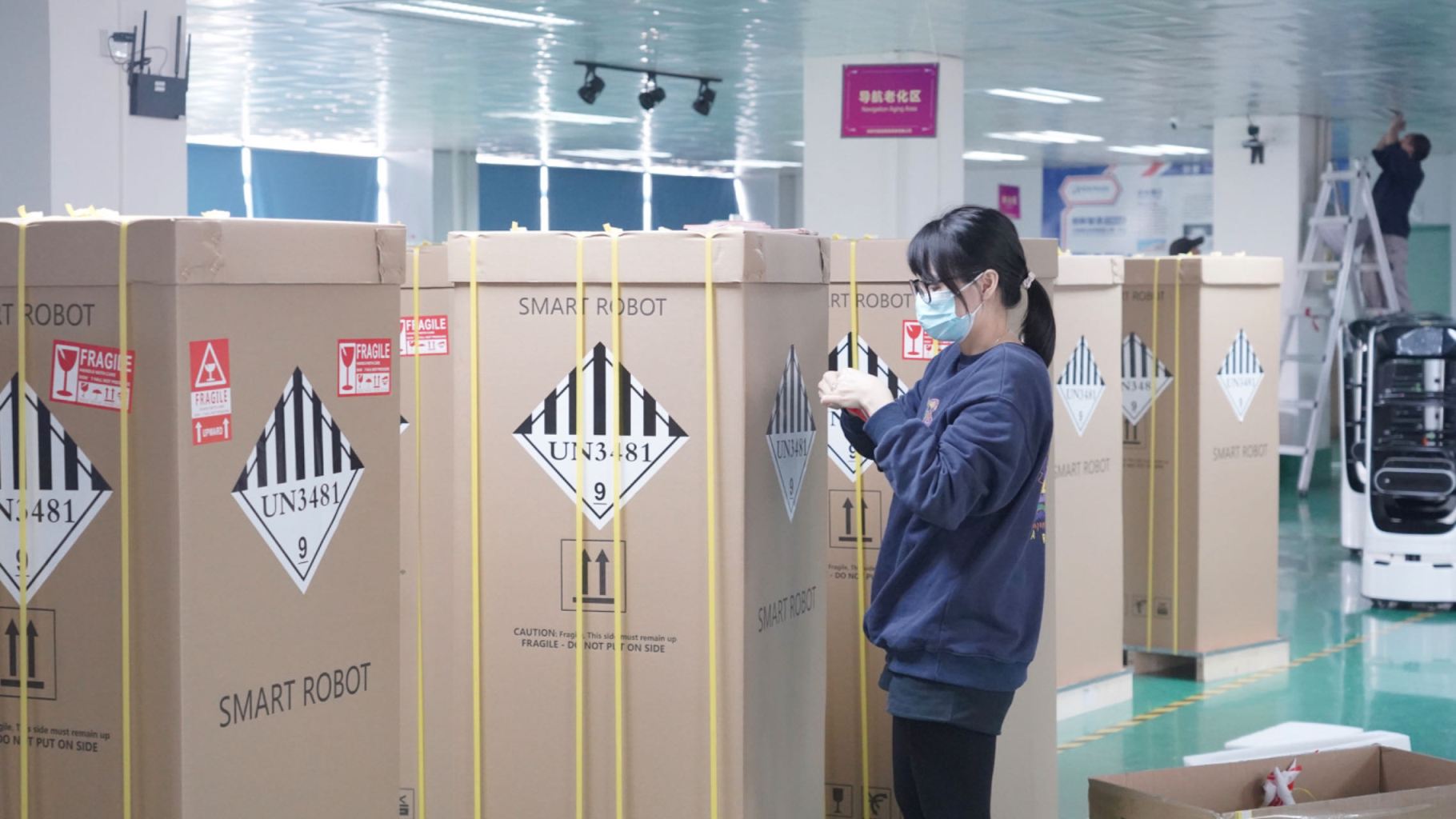
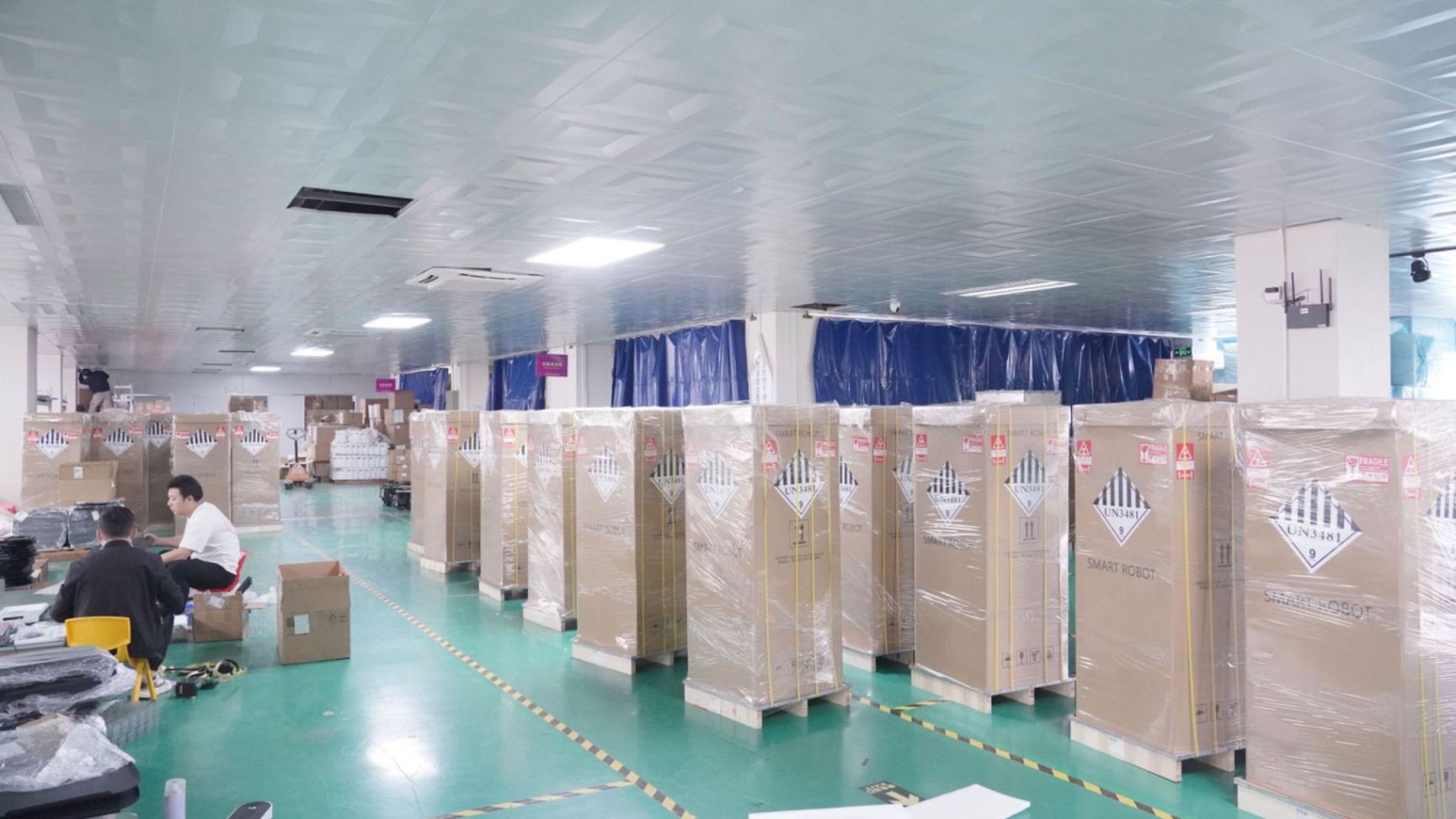
Shenzhen Elvorn Intelligent Equipment Co., Ltd. headquarters and production base Elvorn robot assembly and manufacturing line Elvorn engineering and quality testing team
2Production bases
Shenzhen & Ningbo
Manufacturer advantages

Why Procurement Teams Shortlist Shenzhen Elvorn Intelligent Equipment Co., Ltd.

Founded in 2015, Shenzhen Elvorn Intelligent Equipment Co., Ltd. is a national high-tech enterprise focused on robotic platform technology and autonomous driving. The company designs, builds and supports autonomous forklifts, industrial AMRs, robot chassis, delivery robots and cleaning robots for buyers in multiple regional markets.

The in-house R&D team owns the full stack—laser SLAM navigation, motion control, fleet scheduling and hardware—which supports faster customization, clearer engineering answers and long-term spare-part planning. For an unmanned electric forklift truck AGV project, this matters because the vehicle, navigation layer and integration path should be reviewed together.

Production and quality evidence is also part of the buying decision. The factory has been verified onsite by SGS Group, management systems are certified to ISO 9001 and ISO 14001, and models can carry CE, FCC or PSE marks depending on configuration and destination market. Buyers are encouraged to request the exact model documentation, test records and assessment reports needed for their own due diligence.

  • Verified custom manufacturer
  • ISO 9001 & ISO 14001
  • CE / FCC / PSE models
  • OEM, design & buyer-label service
  • Open SDK & API integration support
  • Export experience across multiple markets

For buyer due diligence, email info@elvornbot.com with your application details, and our team can advise on product selection, customization scope and factory documentation.

Inquire Now

Inside the factory

R&D, Production & Quality Control

A transparent view of the manufacturing environment behind Elvorn autonomous robots and robot platforms.

Quality & trust

Certified, Audited & Export Proven

For an unmanned electric forklift truck AGV project, trust should be verifiable. The factory has passed onsite verification by SGS Group, covering business licensing, production capability and quality control. Management systems are certified to ISO 9001 and ISO 14001, and individual models carry CE, FCC or PSE marks for target markets where applicable.

Every unit should undergo functional and load testing before shipment. Buyers should request the relevant test records, model-specific declarations and assessment reports for their own procurement file. Third-party assessment reports and transaction records can support due diligence.

For documentation requests and model recommendations, contact info@elvornbot.com.

View Assessment Report
SGS Group onsite verificationOnsite Verified
CE certificationCE Marking
FCC certificationFCC
PSE certificationPSE
ISO 9001
Quality Management
ISO 14001
Environmental Mgmt.
Buyer FAQ

Frequently Asked Questions About Unmanned Forklift AGVs

Answers for procurement, engineering and operations teams comparing driverless electric forklift solutions.

What is an unmanned electric forklift truck AGV, and how is it different from an AMR?

An unmanned electric forklift truck AGV is a battery-powered forklift that performs pallet pick, transport, lift and place tasks without an onboard driver. It combines laser SLAM navigation, LiDAR, cameras, safety sensors and fleet software. An AMR is a broader autonomous mobile platform that may carry totes, carts or shelves, while a forklift AGV is specifically configured for lifting and moving pallets.

Does an unmanned electric forklift truck AGV need magnetic tape or floor reflectors?

Elvorn product lines use laser SLAM navigation, so normal route guidance does not require magnetic tape or floor reflectors. Site mapping and commissioning are still required, and final navigation accuracy depends on building layout, racking, Wi-Fi coverage, traffic rules and pallet condition. Buyers should request a site survey before finalizing performance expectations.

How do I choose between 1.2 t, 1.5 t and 2.0 t models?

Start with maximum load, load center, pallet type, lift height, aisle width, floor conditions and duty cycle. A 1.2 t electric lifting pallet truck AGV is often used for floor-level pallet shuttling in constrained aisles. A 1.5 t or 2.0 t autonomous forklift may be more suitable for heavier pallets, dock-to-storage moves and racking support. The final model should be confirmed with layout drawings and load data.

What information is needed for an accurate quotation?

Provide layout drawings or CAD files, rack elevations, pallet dimensions and condition, maximum load weight, aisle width, floor condition, target throughput, shift pattern, charging area, software interfaces, site photos or video, and destination country. If the project involves automatic doors, elevators or conveyors, include those details as well. This allows the engineering team to propose a realistic vehicle configuration and deployment scope.

How does the forklift AGV avoid people, pallets and racking?

Autonomous forklifts use a combination of LiDAR, cameras, safety sensors, emergency stops and speed zoning to detect obstacles and reduce speed or stop when needed. The exact safety concept is project-specific. Buyers should request a risk assessment, operating-zone plan and model-specific documentation, and should verify the requirements of their destination market before deployment.

Can the forklift AGV integrate with WMS, MES or ERP?

Yes. Elvorn AMRs and robot chassis provide an open SDK and API for secondary development, allowing task dispatch and status feedback with warehouse management, manufacturing execution or custom software systems. Integration scope should be defined during solution design, including interface ownership, middleware, network requirements and acceptance criteria.

What battery and charging strategy should I plan?

Battery and charging strategy should follow the shift schedule, route length, load weight and required uptime. Lithium-ion power and opportunity charging are common considerations, but the charging area, power supply, fire and safety requirements and operator workflow must be reviewed. A larger battery is not always the best answer; the charging plan must match the fleet operating pattern.

Which certifications and due-diligence documents should buyers request?

Depending on the model and destination market, buyers may request CE, FCC or PSE documentation, ISO 9001 and ISO 14001 certificates, SGS onsite verification reports, test records, declarations and import documentation. Shenzhen Elvorn Intelligent Equipment Co., Ltd. has been verified onsite by SGS Group, and management systems are certified to ISO 9001 and ISO 14001. Always confirm the exact model and configuration in the quotation.

What does the deployment process look like?

A typical process starts with requirement review, followed by solution design, site survey or mapping plan, customization, factory testing, shipment, installation support, operator training and after-sales service. The exact timeline depends on vehicle configuration, interface complexity, site readiness and shipping schedule. Clear acceptance criteria should be agreed before shipment.

Does Shenzhen Elvorn Intelligent Equipment Co., Ltd. offer OEM and ODM customization?

Yes. As a verified custom manufacturer, Shenzhen Elvorn Intelligent Equipment Co., Ltd. offers OEM service, design service and buyer-label options, including custom top modules, payload structures, branding and packaging. Custom requirements should be reviewed against the base platform, safety scope, certification impact and production schedule.

What trade terms and payment methods are supported?

Elvorn ships worldwide on FOB terms and accepts T/T payment in USD or CNY. Main export markets include North America, Western Europe, Eastern Asia, Southeast Asia and the Middle East. Final trade terms, lead time and payment schedule are confirmed in the quotation and contract.

How can I calculate ROI for an unmanned electric forklift truck AGV?

Establish a baseline for labor hours, shift coverage, pallet moves per hour, waiting time, damage rate and safety exposure. Then compare the automated system’s purchase cost, charging infrastructure, software, commissioning, training, maintenance and expected throughput. A short pilot with measured acceptance criteria is often the most reliable way to validate ROI before scaling to a fleet.

Send Your Pallet Handling Requirement

Share your layout, load data, pallet type and throughput target. Our engineers will recommend the right unmanned electric forklift truck AGV configuration and deployment scope.

info@elvornbot.com
Inquire Now