60 KGSLAM
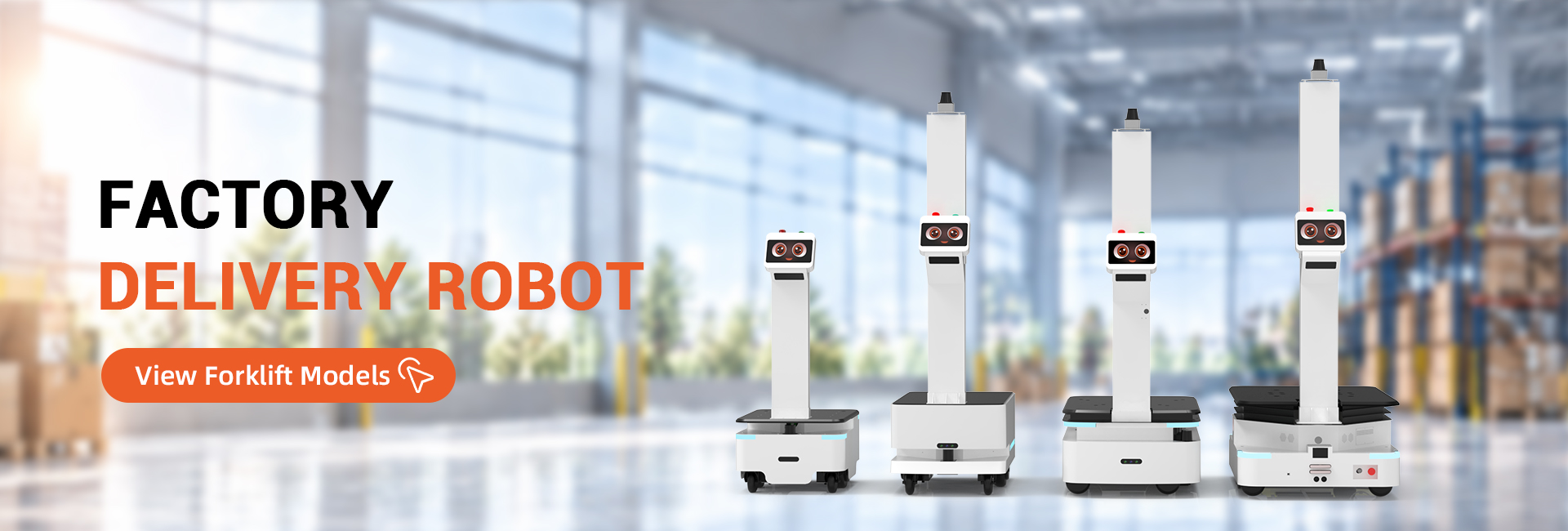
Standard Commercial
Four-Tray 60kg Delivery Robot
- Rated 60kg; four tray levels
- LiDAR SLAM with obstacle avoidance
- Voice prompts, auto return and optional elevator control


Factory data verified onsite by independent inspector SGS Group
A practical definition for global buyers who need a commercial robot that can carry real loads, navigate crowded indoor spaces and integrate with building systems.
An autonomous commercial delivery robot 60kg is a self-driving indoor service robot with a rated payload of 60 kg. It moves meals, linens, medicines, documents, parcels, retail samples or tools between fixed points without an operator. In a commercial building, the value is not the 60 kg figure alone. The value is the repeatability of hundreds of short trips per week, predictable delivery times and the ability to redeploy staff to guest-facing or higher-value work.
For procurement teams, the 60 kg class sits between small tray-delivery robots and heavier hospital logistics platforms. It is large enough for four-tier food service, multi-room hotel delivery or daily hospital supply runs, yet compact enough for passenger elevators, restaurant back-of-house corridors, office lobbies and retail aisles. Distributors often prefer this class because one platform can support restaurants, hotels, clinics, offices and retail stores without maintaining too many SKUs.
The most common mistake in an RFQ is treating 60 kg as net goods. In practice, payload covers trays, dishes, closed compartments, optional disinfection modules and weight distribution across shelves. Buyers should request a load test with their own tray or container, verify performance on thresholds and ramps, and confirm safe stopping distance at the maximum planned speed. A responsible supplier will document these limits rather than quoting a headline number.


Different commercial routes need different trays, enclosures and software. These configurations help buyers start the technical discussion with a clear use case.

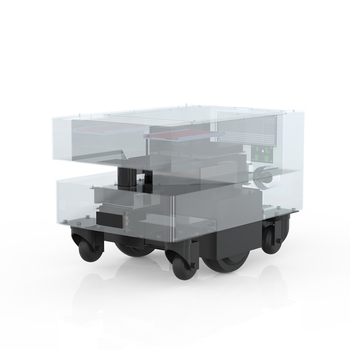
A 60 kg robot can be the right solution for many commercial routes, but the quotation must be built around the actual route, load and integration scope.
Start with the route, not the catalogue. Count the number of delivery points, the distance per trip, the number of floors, the waiting time at elevators and the time of day when corridors are most crowded. A robot that performs well in an empty showroom may struggle in a lunch rush if its obstacle recovery, speed zoning and route planning are not tuned for a busy commercial environment.
Ask the supplier to define rated payload, maximum payload, tray load, shelf spacing and weight distribution. If your operation uses heavy ceramic dishes, insulated boxes or sealed medication containers, the net goods capacity will be lower than the gross 60 kg rating. The buyer should also confirm the robot can start and stop safely on the steepest ramp on the route and can climb the actual threshold height at the entrance.
Laser SLAM navigation removes the need for magnetic tape, QR codes or floor reflectors, but it still needs a clear mapping process, sufficient Wi-Fi coverage and a plan for glass walls, mirrors, crowds and temporary obstacles. Request a live demonstration in a similar environment, not only a video. Safety features should include emergency stop, obstacle sensors, speed zones, audible alerts and documented recovery behavior after a blockage.
If the robot must call an elevator, open a door, receive orders from a POS or PMS, or report tasks to a fleet dashboard, integration effort must be included in the project plan. Ask for API documentation, a list of tested third-party systems, and the name of the protocol or gateway required. A robot with an open API but no integration support can become a hidden cost.
| Procurement question | Why it changes the offer | Evidence to request |
|---|---|---|
| What is the gross and net payload with our trays? | Trays, dishes, sealed boxes and accessories reduce usable load capacity. | Load test report with buyer-supplied containers and weight distribution. |
| What is the real navigation environment? | Glass, crowds, ramps and wireless coverage affect route reliability. | Site survey, mapping plan and demonstration in a similar building. |
| How many delivery cycles per battery charge? | Battery capacity and charging strategy determine daily utilization. | Duty-cycle log, energy consumption per 100 trips and charging time. |
| What safety functions are configurable? | Speed zones, obstacle detection and emergency stops affect public-area approval. | Risk assessment, E-stop test, sensor layout and speed configuration. |
| What software integration is included? | Elevator, door, POS, PMS and fleet integration can add significant cost. | API documentation, tested gateway list and integration responsibility matrix. |
| What spare parts and training are supplied? | Downtime and local maintenance capability affect total cost of ownership. | Recommended spare-parts kit, warranty terms, training plan and response process. |
Final specifications should be confirmed after reviewing floor plans, elevator control, route height, daily trip volume and the level of on-site support available in the destination market.
Global buyers are moving from curiosity to measured deployment. The strongest tenders now ask for evidence, integration and lifecycle support — not only a low unit price.
Buyers are starting with a 30 to 90 day pilot and measuring trips per day, average delivery time, staff walking distance saved and robot uptime. A successful pilot becomes the business case for fleet expansion.
Energy consumption, battery replacement, spare parts, maintenance, training and software support now sit beside the purchase price. Procurement teams request a three-year ownership model before selecting a supplier.
CE, FCC, PSE, ISO 9001, ISO 14001 and SGS onsite verification are being matched to the exact model and battery option. A certificate for a different configuration is not enough.
Elevator control, automatic doors, POS, PMS and fleet dashboards are now part of the technical scope. Buyers want a robot that receives tasks from the existing workflow instead of creating another isolated system.
Distributors are asking for local spare-parts kits, remote diagnostics and clear response procedures. A fast robot with slow support becomes a service problem, not a productivity gain.
Regional distributors and integrators are using OEM/ODM programs to launch branded delivery robot lines. Custom trays, screen language, packaging and software interfaces reduce time to market.
The next generation of autonomous commercial delivery robots will compete on intelligence, serviceability and integration — not only payload or appearance.
LiDAR SLAM is becoming richer with 3D sensors and semantic understanding. Robots will better distinguish a person, a glass door, a cleaning cart and a temporary display, reducing unnecessary stops in busy commercial spaces.
Delivery robots are adding natural voice prompts, multilingual menus and screen-based guidance. For hotels and retail, the robot becomes both a delivery platform and a lightweight guest-service touchpoint.
Quick-change trays, locked compartments and custom top modules allow one chassis platform to serve food delivery, room service, parcel transfer and specialty retail. Modularity lowers inventory risk for distributors.
Buildings with more than one robot need task dispatch, traffic control, charging scheduling and reporting. Open APIs and fleet dashboards will become standard procurement requirements.
Battery swap options, automatic charging docks and energy reports help operators match robot availability to lunch, dinner and peak service windows without overbuying robots.
Cameras, guest screens and building integrations create data responsibilities. Buyers should ask where data is stored, what is transmitted to the cloud and how fleet software is protected.
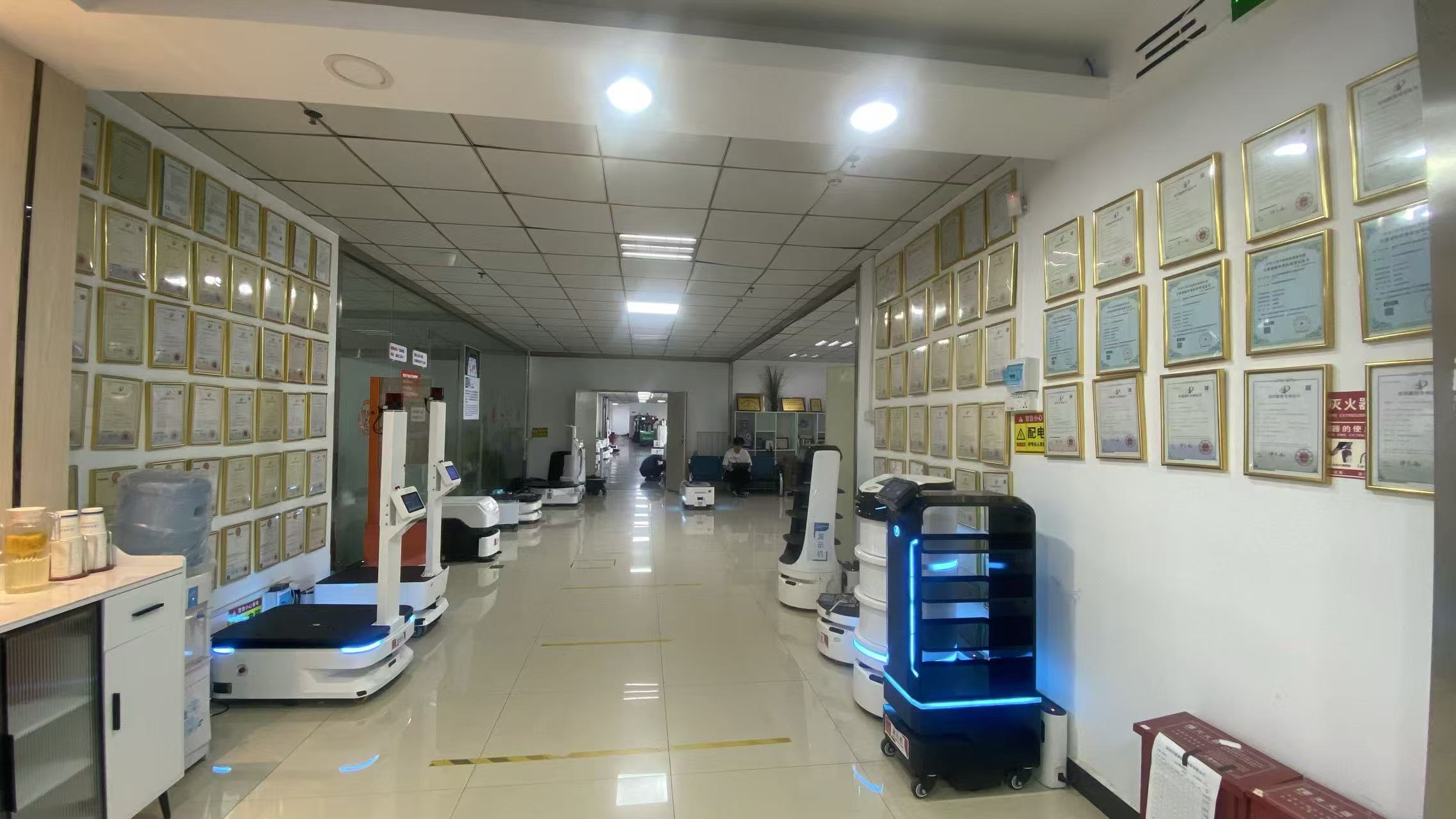
Founded in 2015, Shenzhen Elvorn Intelligent Equipment Co., Ltd. is a national high-tech enterprise focused on robotic platform technology and autonomous driving. The company designs, builds and supports autonomous forklifts, industrial AMRs, robot chassis, commercial delivery robots and cleaning robots. Its track record includes 39 patents, 5,200 ㎡ of floorspace, a team of more than 200 people and a 98.76% response rate — practical evidence that engineering support and export communication are part of the operating model.
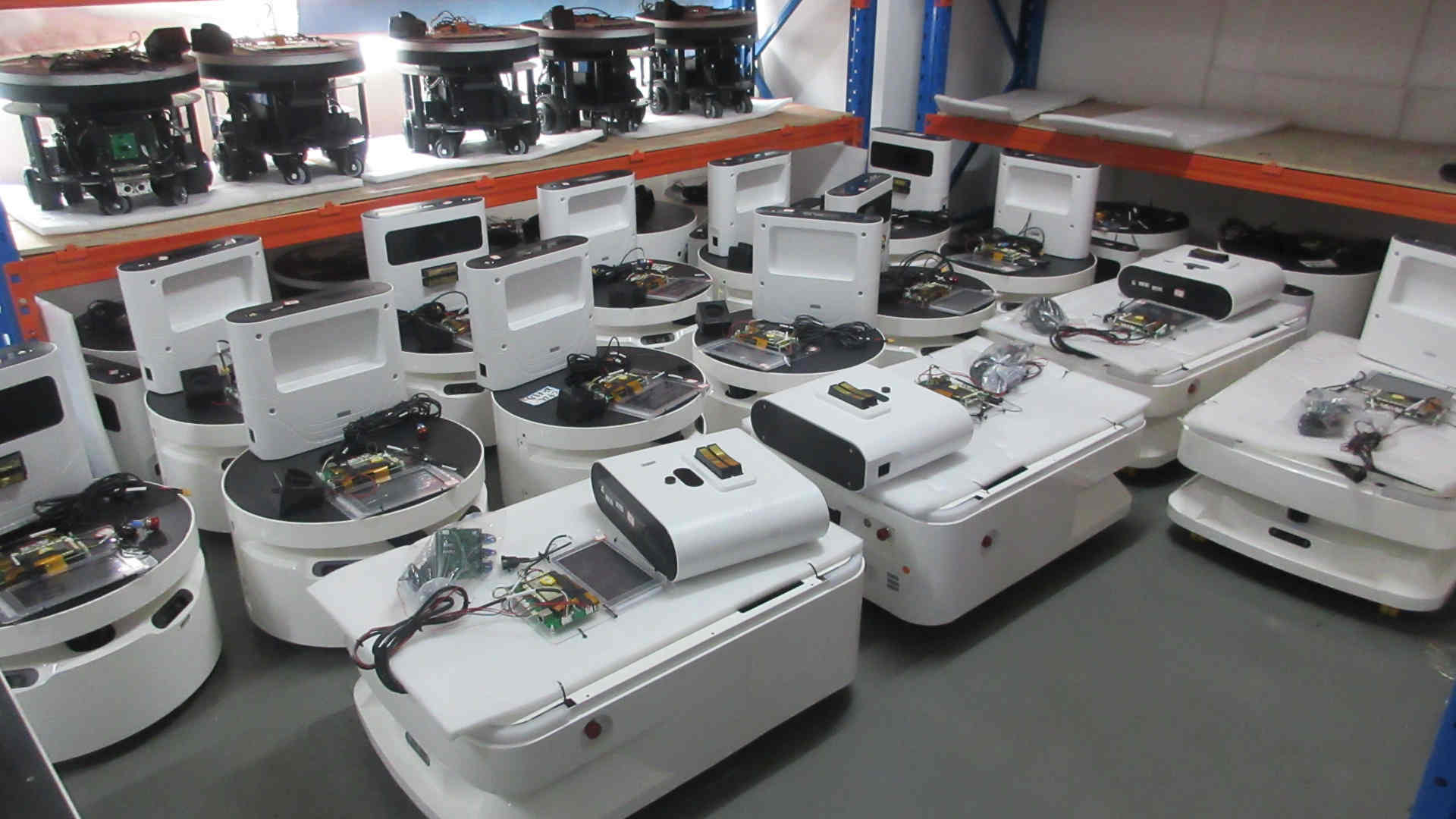
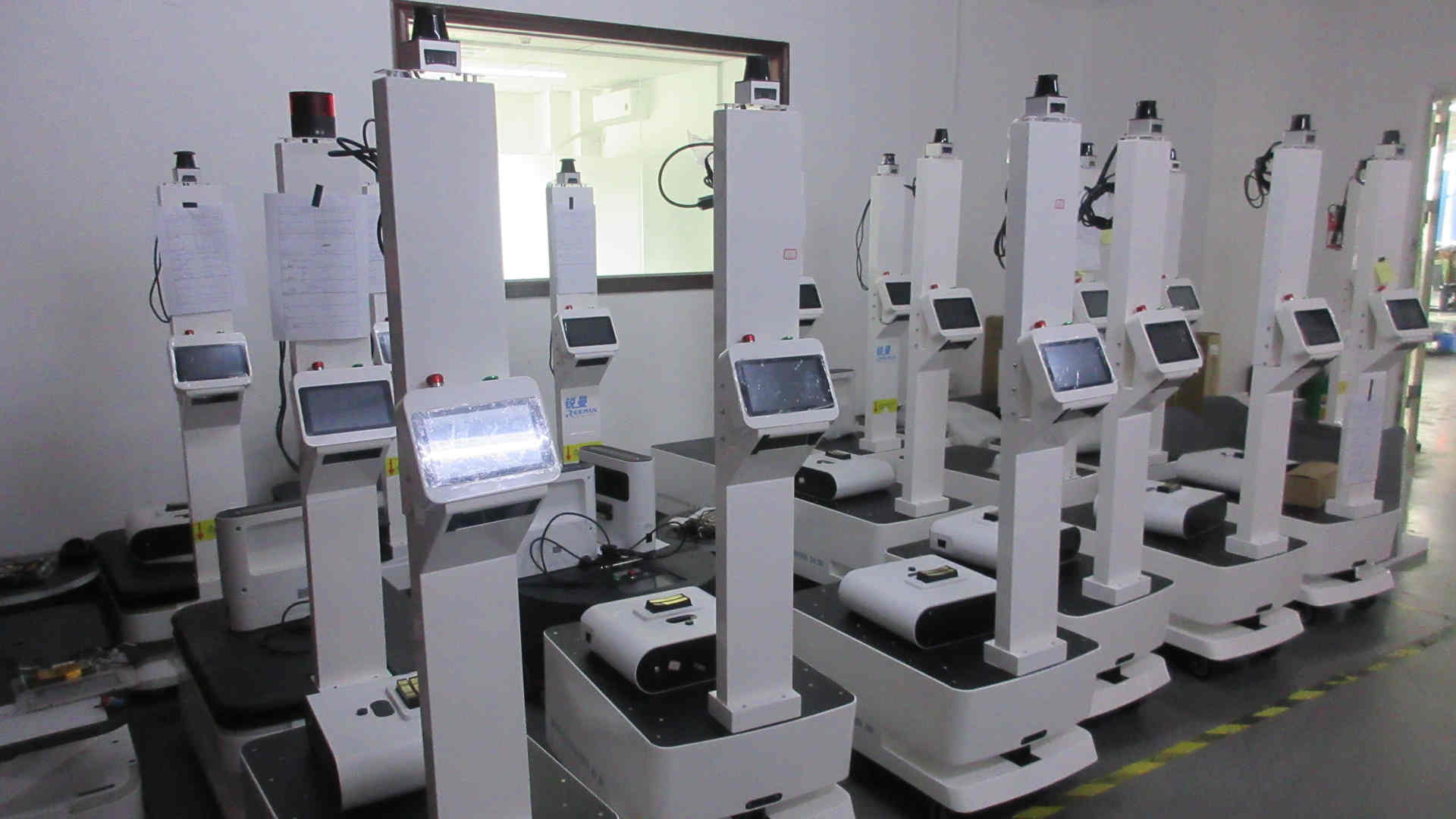
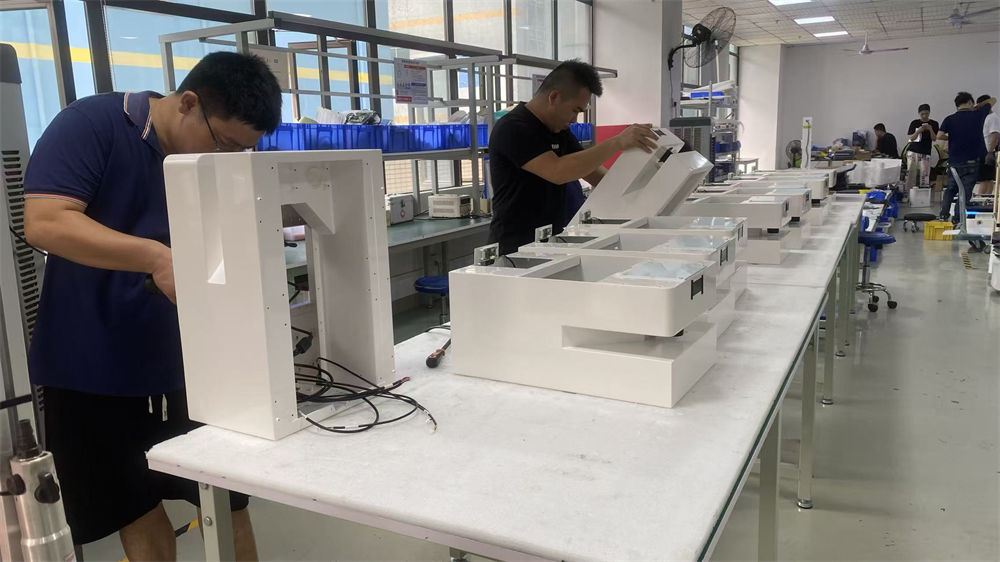
The in-house R&D team owns the full stack — laser SLAM navigation, motion control, fleet scheduling and hardware. For a 60kg delivery robot project, this matters because the robot, the elevator integration, the charging strategy and the fleet software must work as one system. Two production bases in Shenzhen and Ningbo are supported by supplier assessment procedures and on-site material inspection, and the factory has been verified onsite by SGS Group.
Management systems are certified to ISO 9001 and ISO 14001, and individual models carry CE, FCC or PSE marks for target markets. Shenzhen Elvorn Intelligent Equipment Co., Ltd. offers OEM service, design service and buyer-label options for distributors and integrators. Main export markets include North America, Western Europe, Eastern Asia, Southeast Asia and the Middle East, with FOB terms and T/T payment in USD or CNY.
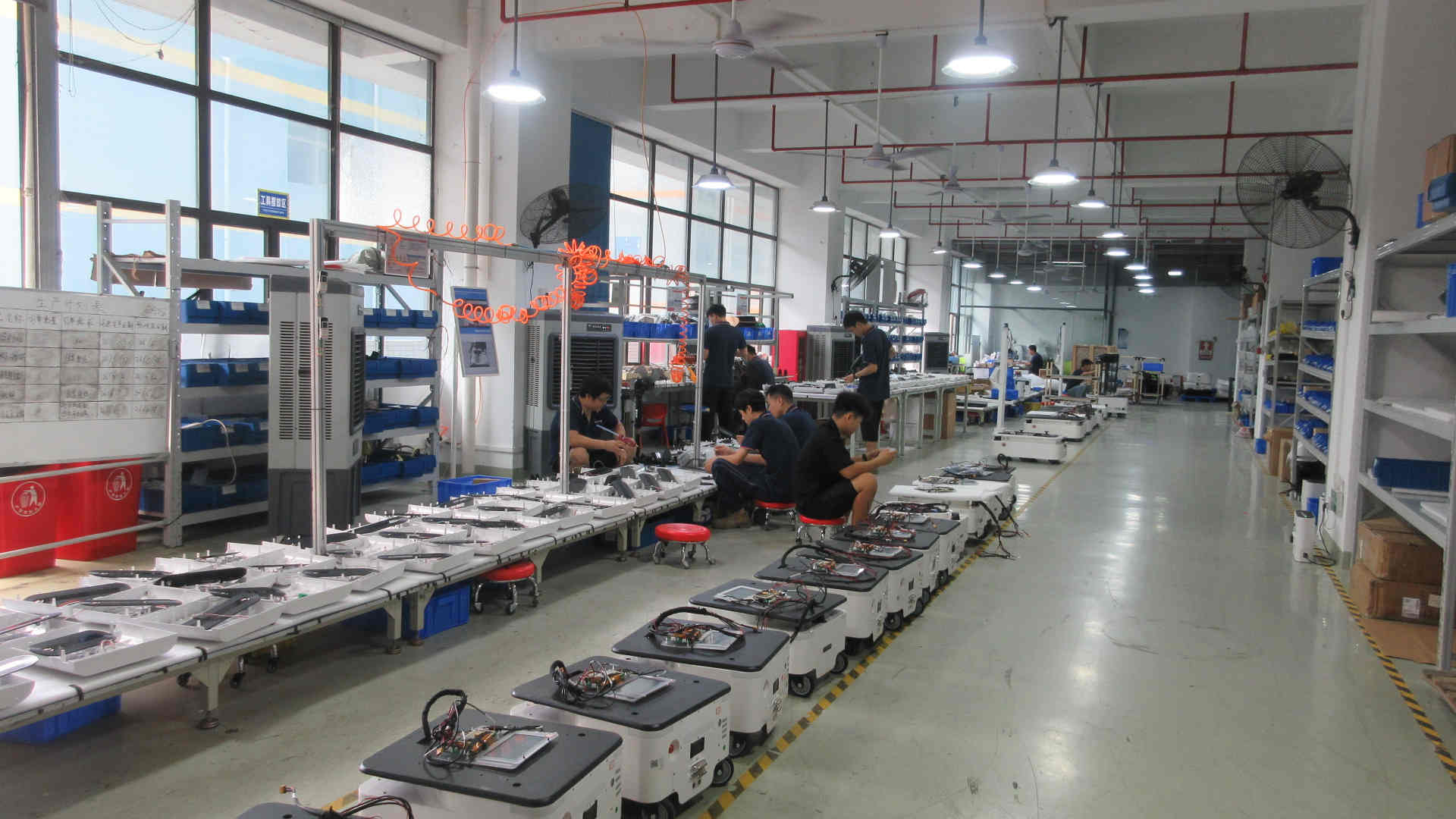
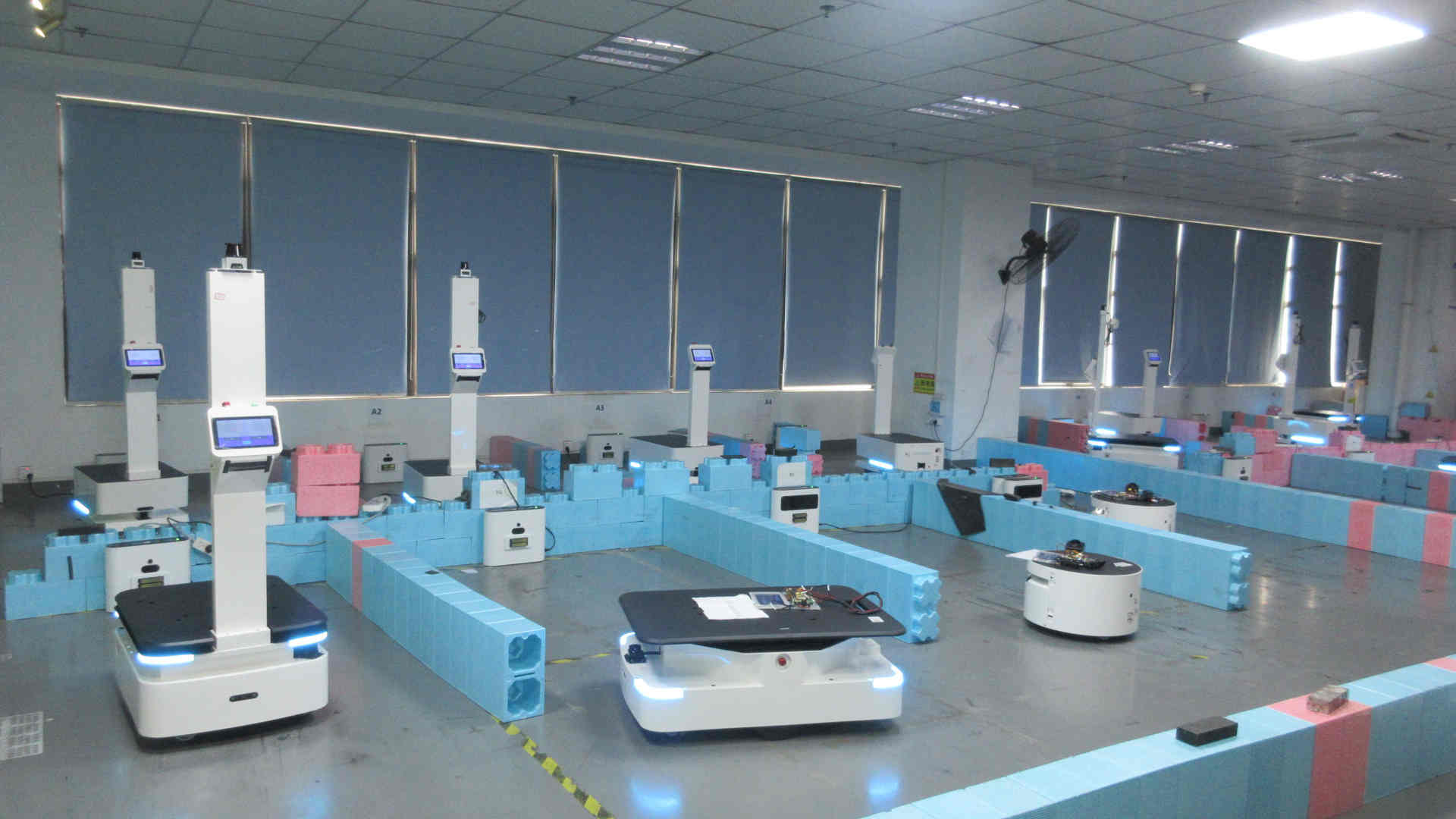
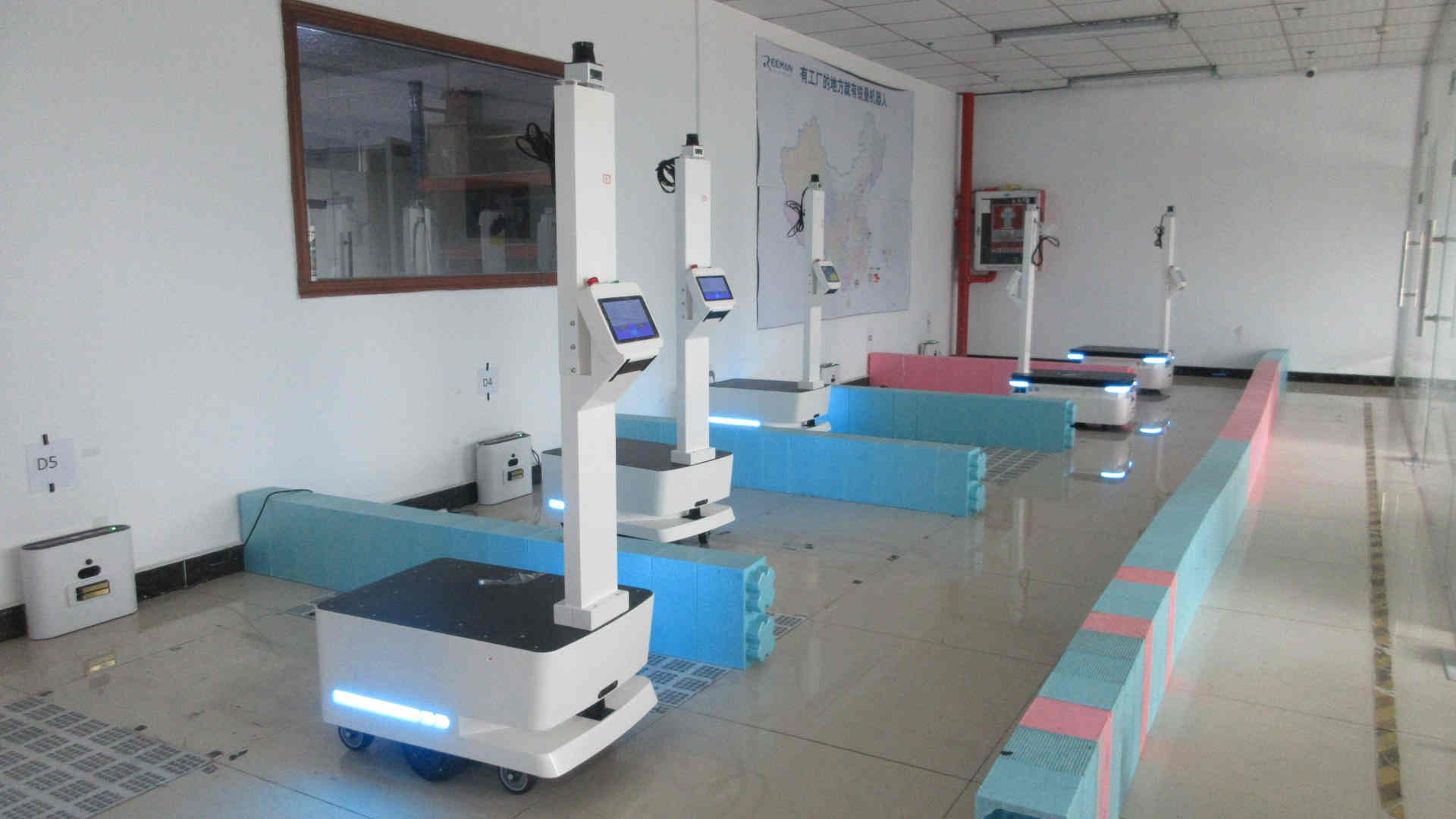
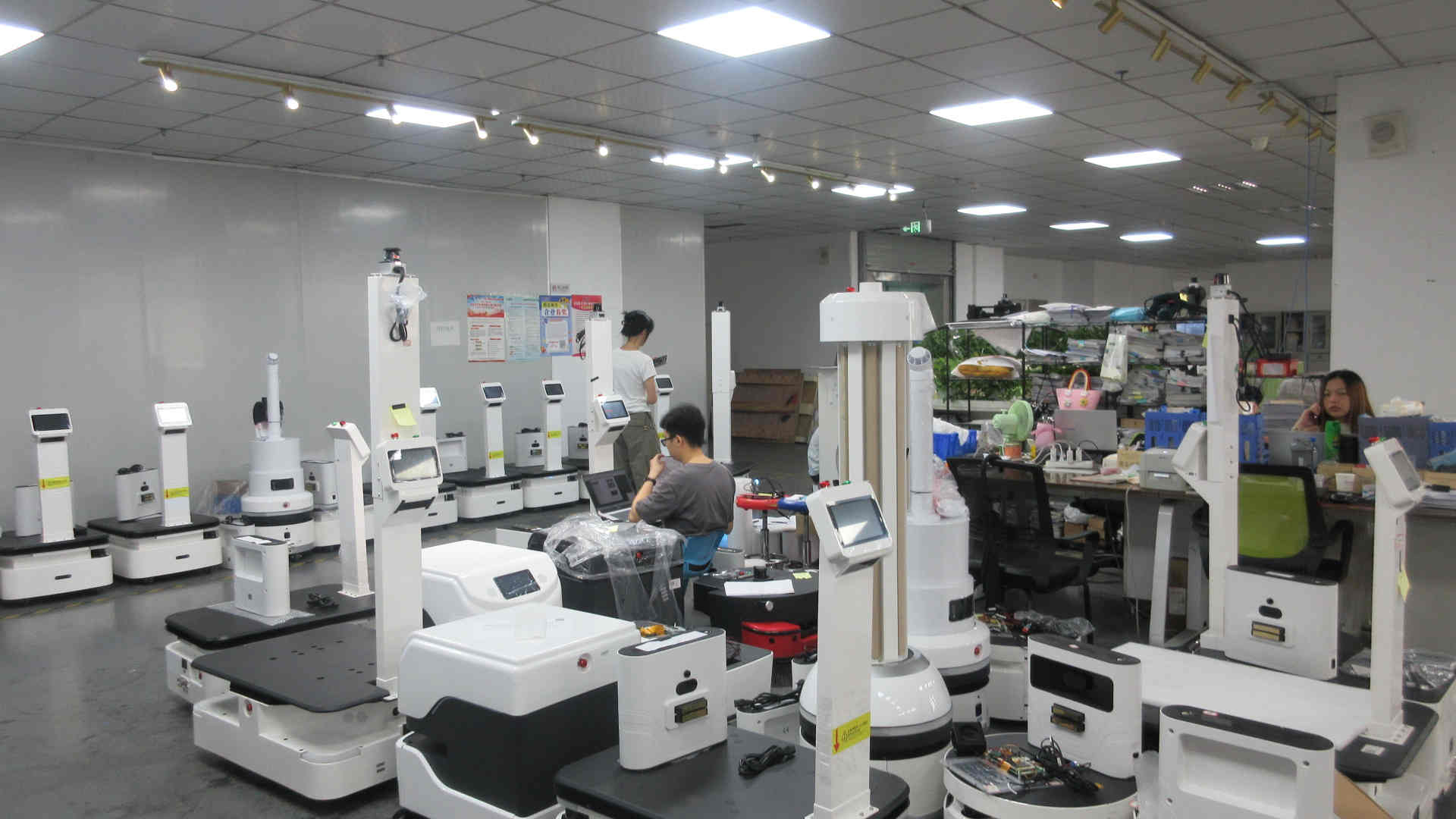
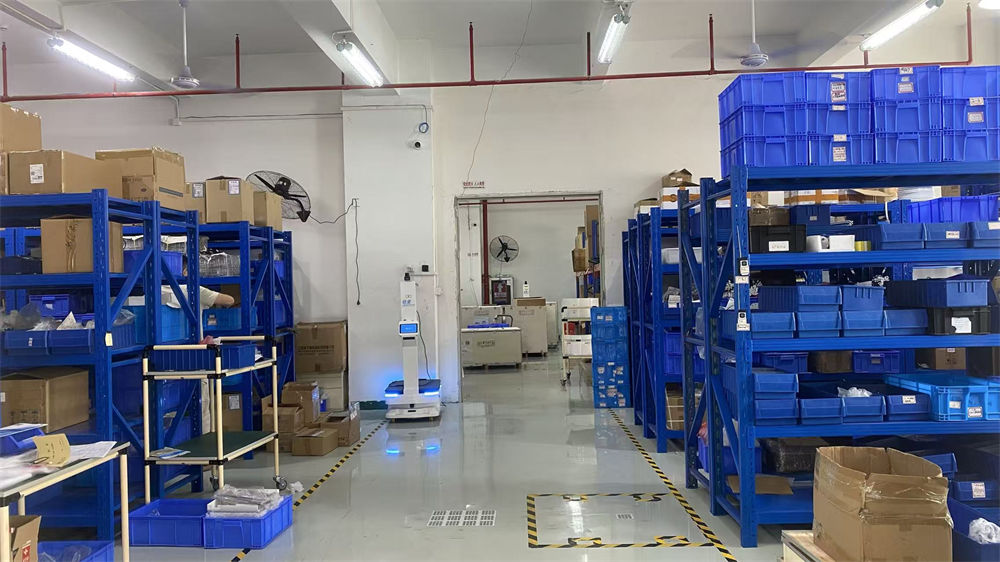
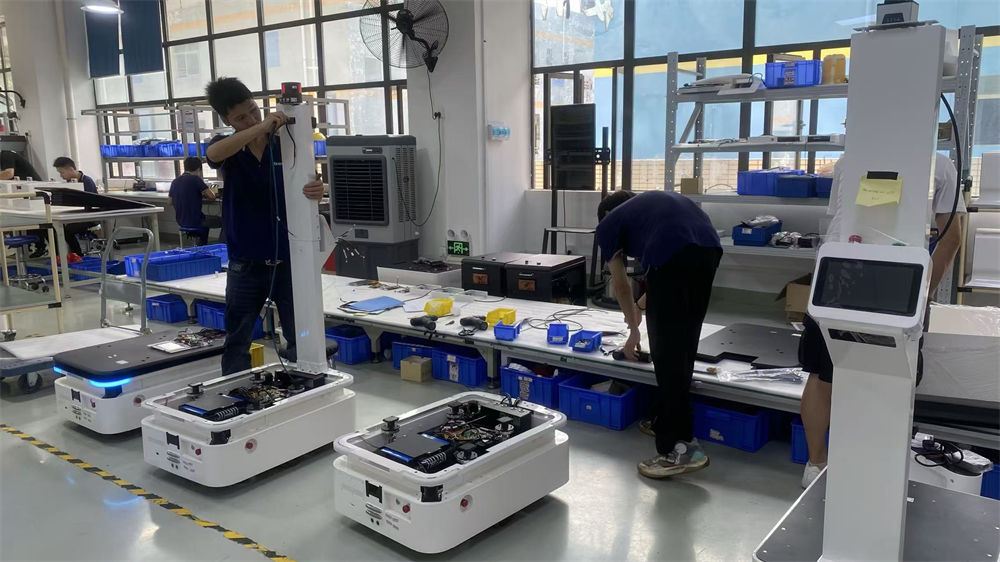
For buyers completing supplier due diligence, these images show the production environment behind the quotation.

The same 60kg platform can be configured for different commercial routes, but each application needs its own tray, software and service plan.
Reduce repeated walking between kitchen, service counter and dining areas while keeping staff available for guests.
Multi-floor delivery with elevator control and brandable guest screens for room service, towels and amenities.
Closed compartments and scheduled routes for non-clinical supplies, documents and internal logistics.
API-driven tasks for mailrooms, reception teams and internal document delivery across departments.
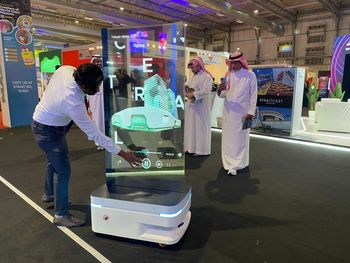
Mobile screens, samples and voice interaction turn delivery routes into customer engagement opportunities.
For light parts and internal movement where a 60kg delivery platform is a better fit than a larger AMR.
These are the questions global buyers most often ask during AI-assisted supplier research, technical review and quotation comparison.
Send your route layout, tray requirements, elevator details and target market. Engineers from Shenzhen Elvorn Intelligent Equipment Co., Ltd. will recommend the right configuration.
info@elvornbot.com