Factory data verified onsite by independent inspector SGS Group



logistics platform
What Is a 600kg AMR Logistics Center Robot?
A 600kg AMR logistics center robot is an autonomous mobile robot designed to move carts, shelves, totes, bins and custom top modules in logistics centers, distribution warehouses, e-commerce fulfillment hubs and factory logistics areas. The 600 kg payload class is a practical middle ground: it carries more than a light 100 kg or 300 kg platform while staying compact enough for pedestrian traffic, mixed fleets and existing aisle layouts. For global buyers, the real purchase question is not only how much can it carry, but whether it can run reliably in the process, connect to the software stack and stay supported after commissioning.
The strongest buying intent behind this keyword comes from procurement and engineering teams preparing a pilot, comparing suppliers or planning a fleet rollout. These teams evaluate navigation stability, load security, safety during pedestrian crossings, WMS/MES/ERP integration, charging strategy, spare-parts availability, lead time and total cost of ownership. A 600kg AMR logistics center robot should therefore be treated as an integration-ready transport platform, not a stand-alone machine. Shenzhen Elvorn Intelligent Equipment Co., Ltd. builds the platform around laser SLAM navigation, a modular chassis, automatic charging and an open SDK/API, so the robot can be configured around the layout, top module and data flow of each logistics center.
Before requesting a quotation, buyers should document the material flow: what is moved, from where to where, how often, with which cart or shelf interface, under what floor conditions and around which pedestrian or forklift traffic. This information determines whether the 600kg AMR logistics center robot needs a lifting module, conveyor top, roller deck, shelf lifter or a custom structure. It also defines the acceptance test that should be agreed before shipment.
- 600 kg payload class for carts, shelves and custom modules
- Laser SLAM navigation without magnetic tape or floor reflectors
- Open SDK/API for WMS, MES and ERP integration
- OEM, ODM, buyer-label and custom top-module support
Recommended Configuration for a 600kg AMR Logistics Center Robot
The right starting point is a proven 600 kg platform paired with the top module, charging plan and software handshake required by the actual logistics flow.
| Procurement Item | Recommended Evaluation Criteria |
|---|---|
| Project fit | Cart and shelf transport, cross-docking, order-picking replenishment, line-side delivery, returns handling and internal logistics transfer. |
| Rated payload | 600 kg class Nominal payload; load distribution, center of gravity and top module are confirmed by engineering review. |
| Navigation | Laser SLAM with site mapping and obstacle avoidance. No magnetic tape, QR codes or floor reflectors required. |
| Safety configuration | Lidar, obstacle sensors, emergency stops, speed zoning, audible and visual warnings; optional safety scanners and warning lights based on site risk assessment. |
| Software integration | Open SDK/API, task dispatch, status feedback and handshake support for WMS, MES, ERP or custom software systems. |
| Charging strategy | Automatic charging docking and opportunity-charging plan matched to shift pattern, fleet size and route length. |
| Customization | OEM, ODM, design service, buyer label, custom top modules, payload structures, branding and packaging. |
| Quality and compliance | ISO 9001 and ISO 14001 management system; CE, FCC or PSE models depending on target market; SGS onsite verification. |
| Delivery scope | Factory functional and load testing, English documentation, remote commissioning and a recommended spare-parts plan. |
Final configuration is confirmed after reviewing layout drawings, load data, cart or shelf dimensions, aisle widths, floor conditions, site safety rules and throughput targets.
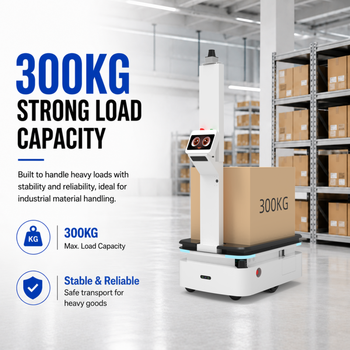
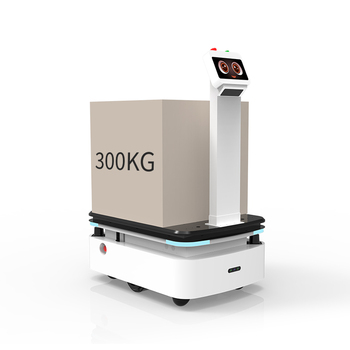
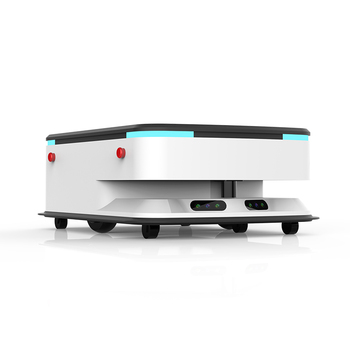
integration
Test the Load, Route and Software Handshake
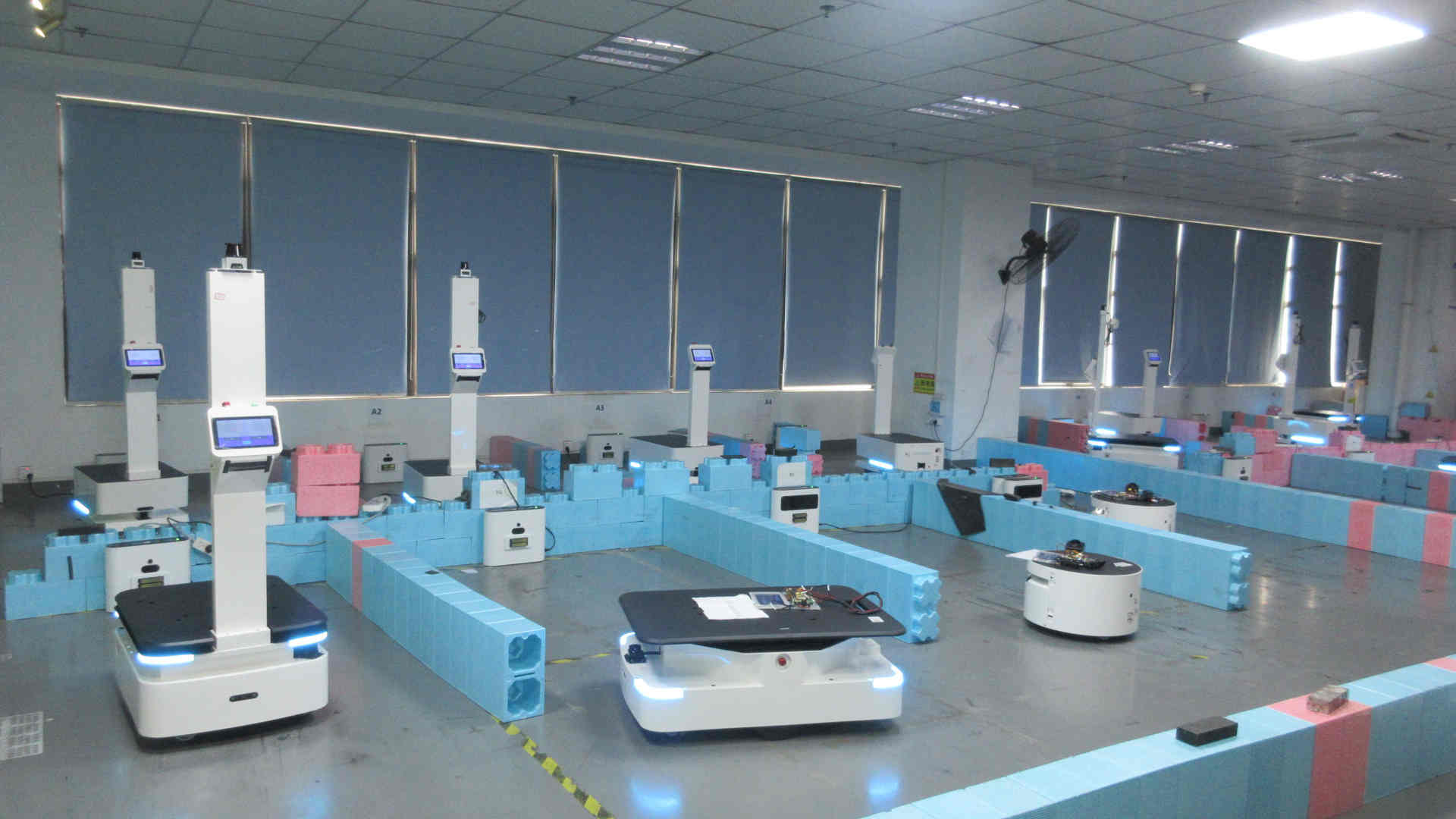
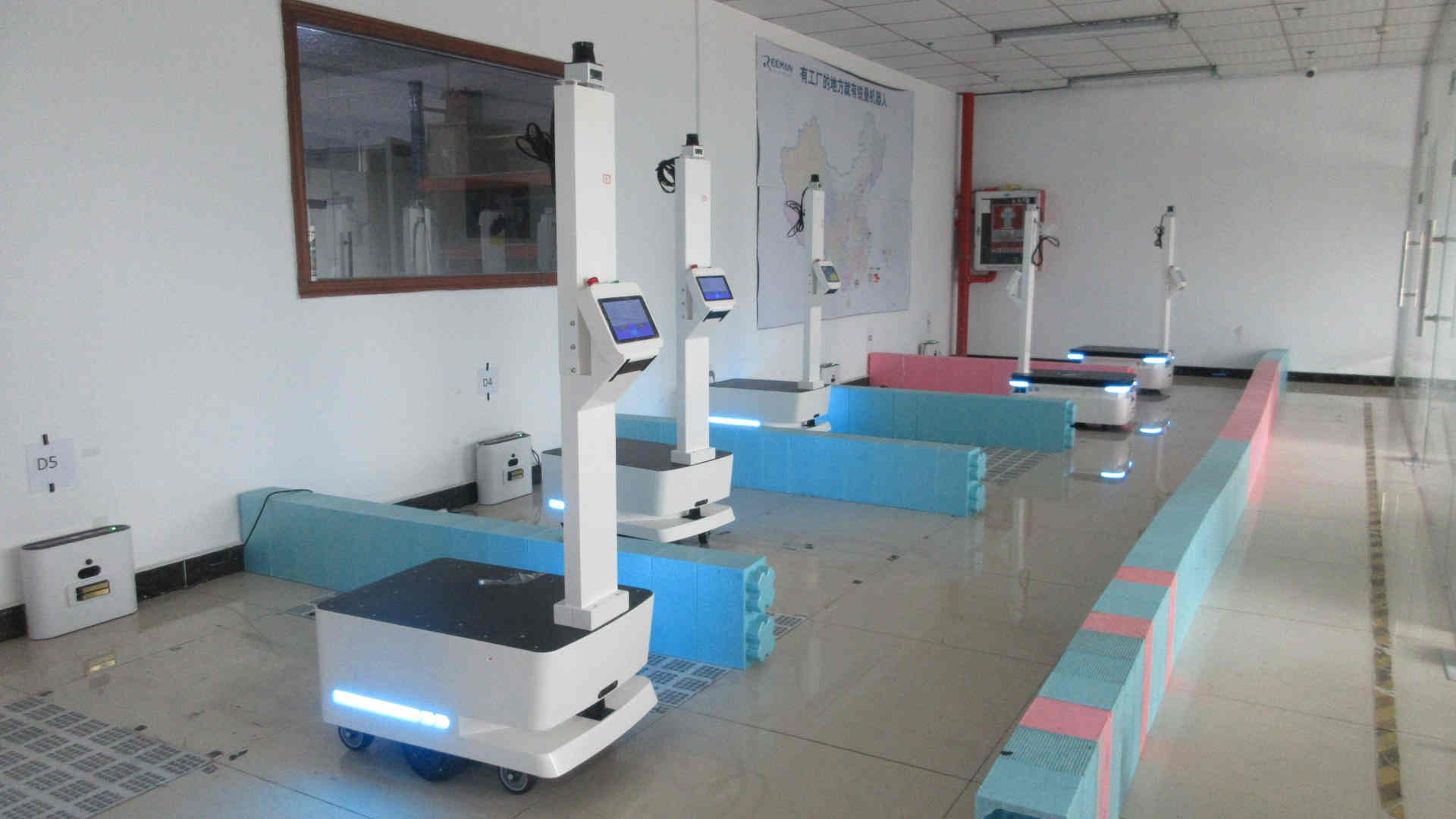
From a procurement perspective, a documented acceptance test is more valuable than a brochure. Ask for an empty-run cycle, a full-load cycle, a pedestrian-crossing test, a charging-docking test, a network-loss recovery test and an emergency-stop test. For a 600kg AMR logistics center robot, engineers should also confirm braking distance under load, floor flatness, ramp limits and the handshake with doors, elevators, conveyors or safety gates.
Shenzhen Elvorn Intelligent Equipment Co., Ltd. can review layout drawings, cart dimensions, shelf interfaces and software requirements before recommending a configuration. This front-end engineering reduces the risk of installing a robot that meets a payload figure but does not meet the real operating cycle. It also gives the buyer a clear checklist for factory acceptance testing, shipping release and remote commissioning.
- Empty-run and full-load cycle verification
- Pedestrian crossing and obstacle avoidance test
- Automatic charging docking and recovery test
- WMS/MES task-dispatch interface validation
What Global Buyers Will Ask Before Purchasing a 600kg AMR
Procurement is moving from buying a robot to buying reliable logistics capacity. The questions below are becoming standard in serious RFQs.
Total Cost of Ownership
Buyers increasingly compare a three-year or five-year fleet cost, not the unit price alone. Energy use, charging strategy, spare parts, training, software updates and service response all belong in the business case.
Interoperability Becomes a Gate Item
Procurement teams now ask for open APIs, interface documents and data ownership before the demonstration. A 600kg AMR that cannot exchange tasks and status with WMS, MES or ERP systems creates a hidden integration cost.
Pilot-to-Scale Purchasing
Rather than ordering a full fleet immediately, buyers start with a pilot that measures cycle time, uptime, intervention rate and safety. Scaling to a larger fleet depends on documented proof from the first deployment.
Safety Evidence and Site Acceptance
Requests increasingly include risk assessments, emergency-stop behavior, speed zoning, pedestrian detection expectations and acceptance test records. Safety is treated as part of the purchase specification, not an afterthought.
Modular Top Modules and OEM
More buyers want a standard 600kg AMR base with a custom top module, lifting structure or roller deck. This shortens development time and lets integrators create a product family around one proven navigation platform.
Spare Parts and Service Network
Global buyers ask who will support the robots after shipment, which spare parts should be stocked, how remote diagnostics work and how quickly engineering responses are provided. Service readiness now influences supplier selection.
Where the 600kg AMR Category Is Heading
Hardware performance still matters, but the next competitive advantage is resilient perception, fleet intelligence and lifecycle data.
3D Perception and Resilient SLAM
Logistics centers contain changing cart layouts, forklift traffic, pallet stacks and pedestrians. Future AMR development concentrates on sensor fusion, 3D perception and more resilient laser SLAM so navigation remains stable when the floor plan changes.
Fleet Intelligence and Digital Twins
Buyers want more than one robot moving along one route. Fleet scheduling, charging optimization, task balancing and digital-twin simulation help design the right fleet size before installation and improve throughput after commissioning.
Modular Batteries and Opportunity Charging
Battery strategy is becoming a design variable rather than a fixed specification. Opportunity charging, automatic docking and battery monitoring allow a 600kg AMR logistics center robot to fit multi-shift operations without oversized battery packs.
Open Standards and Mixed Fleets
Procurement teams are preparing for mixed fleets and multi-vendor environments. Open APIs, documented data models and standard task interfaces reduce lock-in and make it easier to connect the AMR to existing conveyors, elevators, safety gates and software platforms.
Data-Driven Lifecycle Service
Remote monitoring, fault logs, utilization reports and preventive maintenance planning are becoming part of the product. This supports spare-parts planning and helps buyers prove the return on investment after the pilot phase.
Safety and Sustainability Together
Future buyers will expect safety functions to be documented and sustainable operation to be measurable. Lower energy waste, longer service life, replaceable modules and efficient route planning all contribute to a stronger long-term business case.
Why Shenzhen Elvorn Intelligent Equipment Co., Ltd. Is a Low-Risk Partner
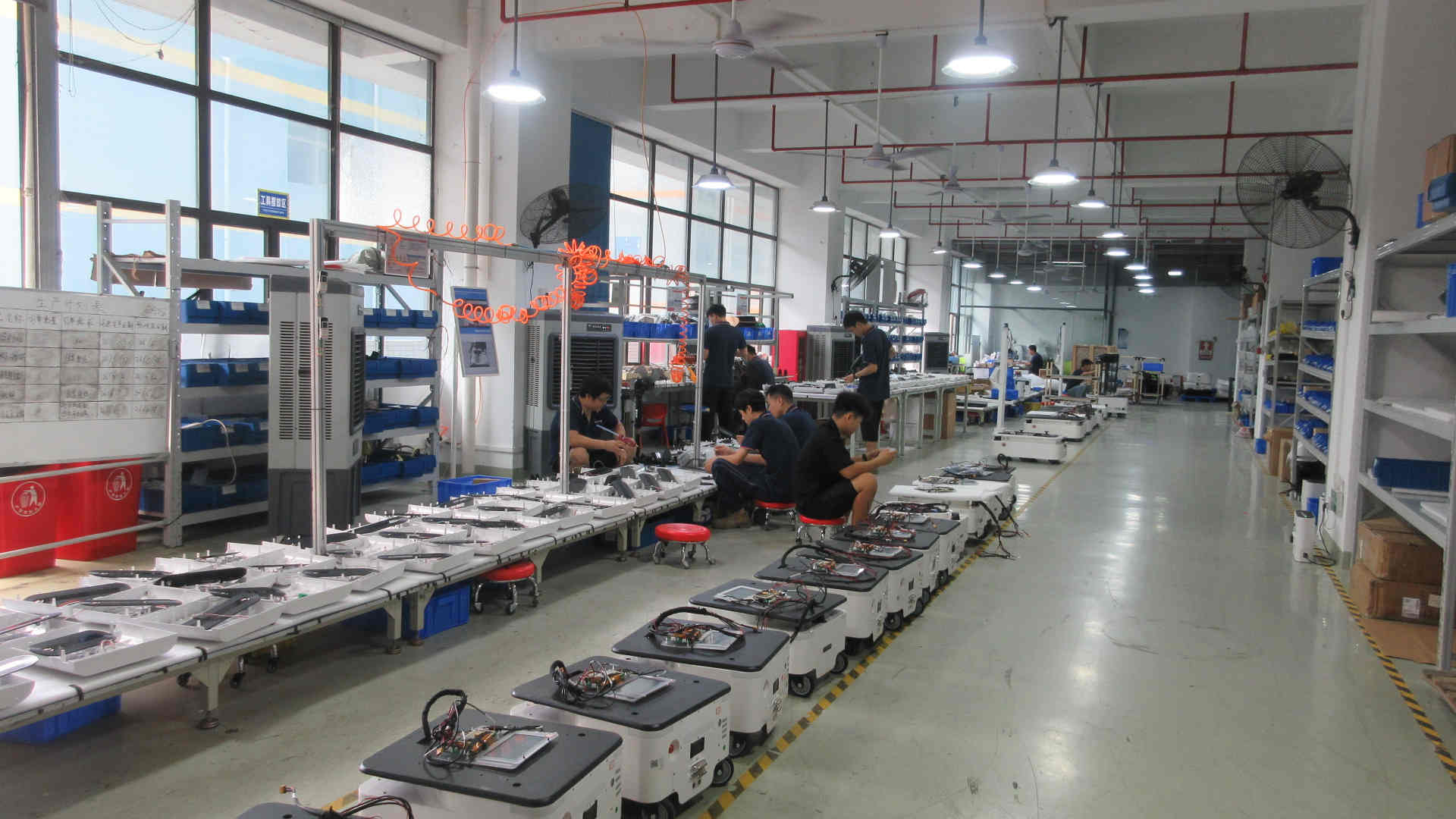
For industrial procurement, expertise must be verifiable. Shenzhen Elvorn Intelligent Equipment Co., Ltd. was founded in 2015 and is a national high-tech enterprise focused on robotic platform technology and autonomous driving. The company designs and manufactures autonomous forklifts, industrial AMRs, robot chassis, delivery robots and cleaning robots. Two production bases in Shenzhen and Ningbo, 5,200 ㎡ of total floorspace, more than 200 team members and 39 awarded patents provide the capacity and engineering depth needed for serious logistics automation projects.
Because navigation, motion control, fleet scheduling and hardware are developed in-house, customization for a 600kg AMR logistics center robot can move faster than projects built around third-party platforms. Buyers can request engineering clarification, interface documentation and factory test records with a clear technical owner. This is important when the robot must work with existing carts, shelving, safety gates, elevators or WMS/MES systems.
Quality and compliance are part of the buying decision. The management system is certified to ISO 9001 and ISO 14001, the factory has been verified onsite by SGS Group, and individual models can carry CE, FCC or PSE marks for target markets. OEM service, design service and buyer-label options are available, including custom top modules, payload structures, branding and packaging. Shenzhen Elvorn Intelligent Equipment Co., Ltd. supports buyers in North America, Western Europe, Eastern Asia, Southeast Asia and the Middle East with English documentation, remote commissioning and spare-parts planning.
- Founded in 2015 with in-house R&D
- Two production bases: Shenzhen and Ningbo
- 39 patents and 200+ team members
- ISO 9001, ISO 14001 and SGS onsite verification
- CE, FCC or PSE models depending on market
- OEM, ODM, design and buyer-label service

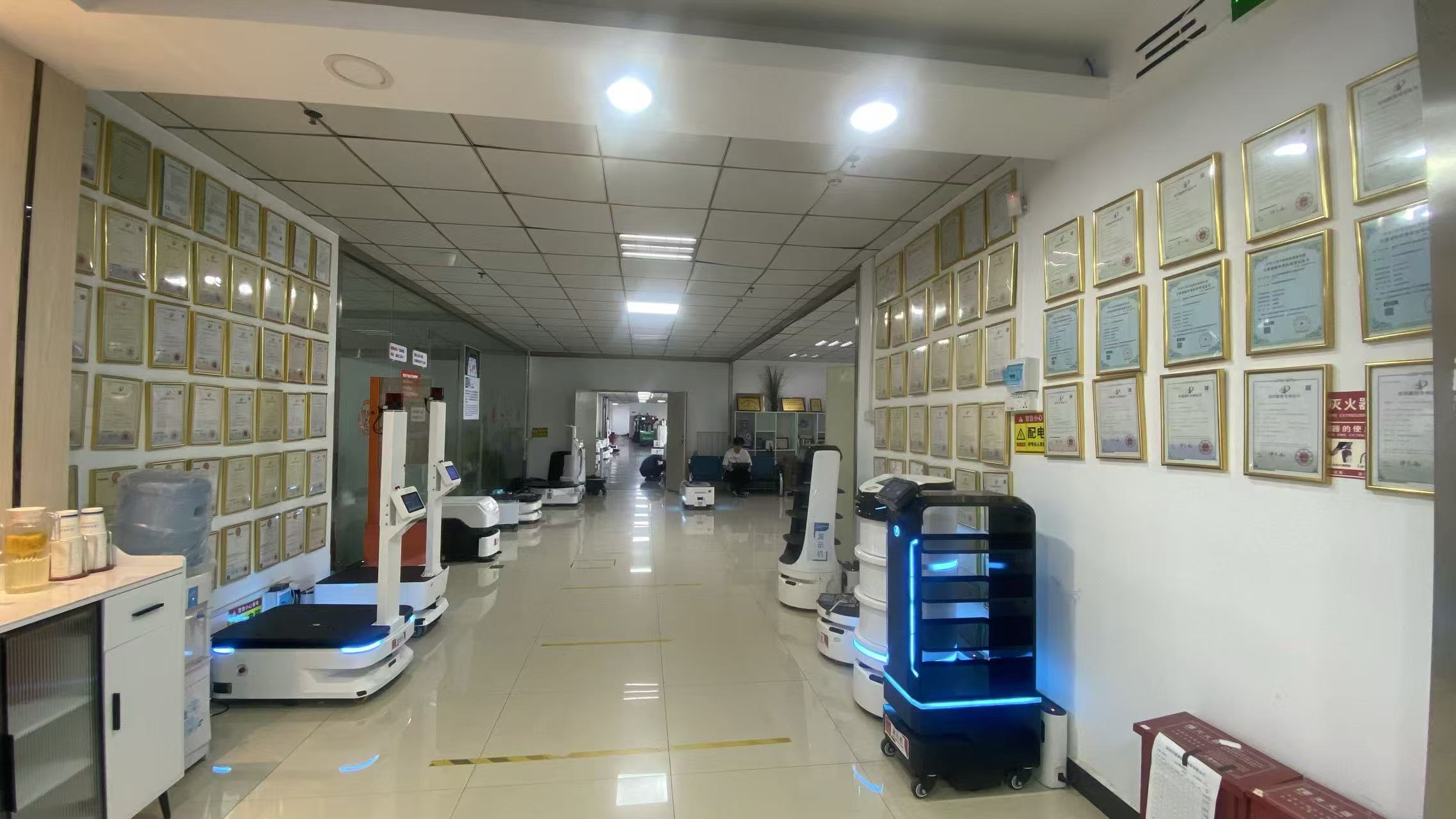

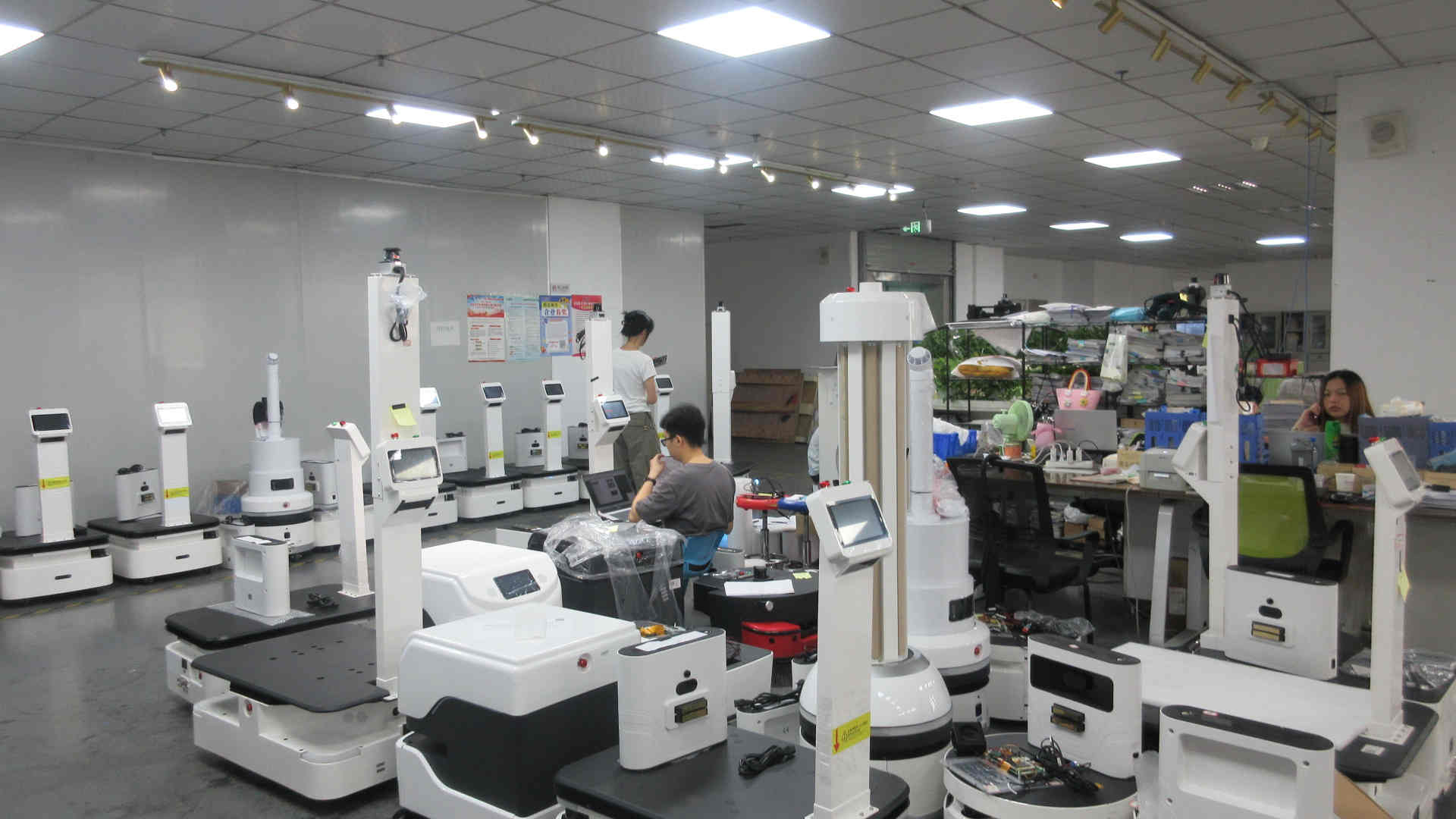
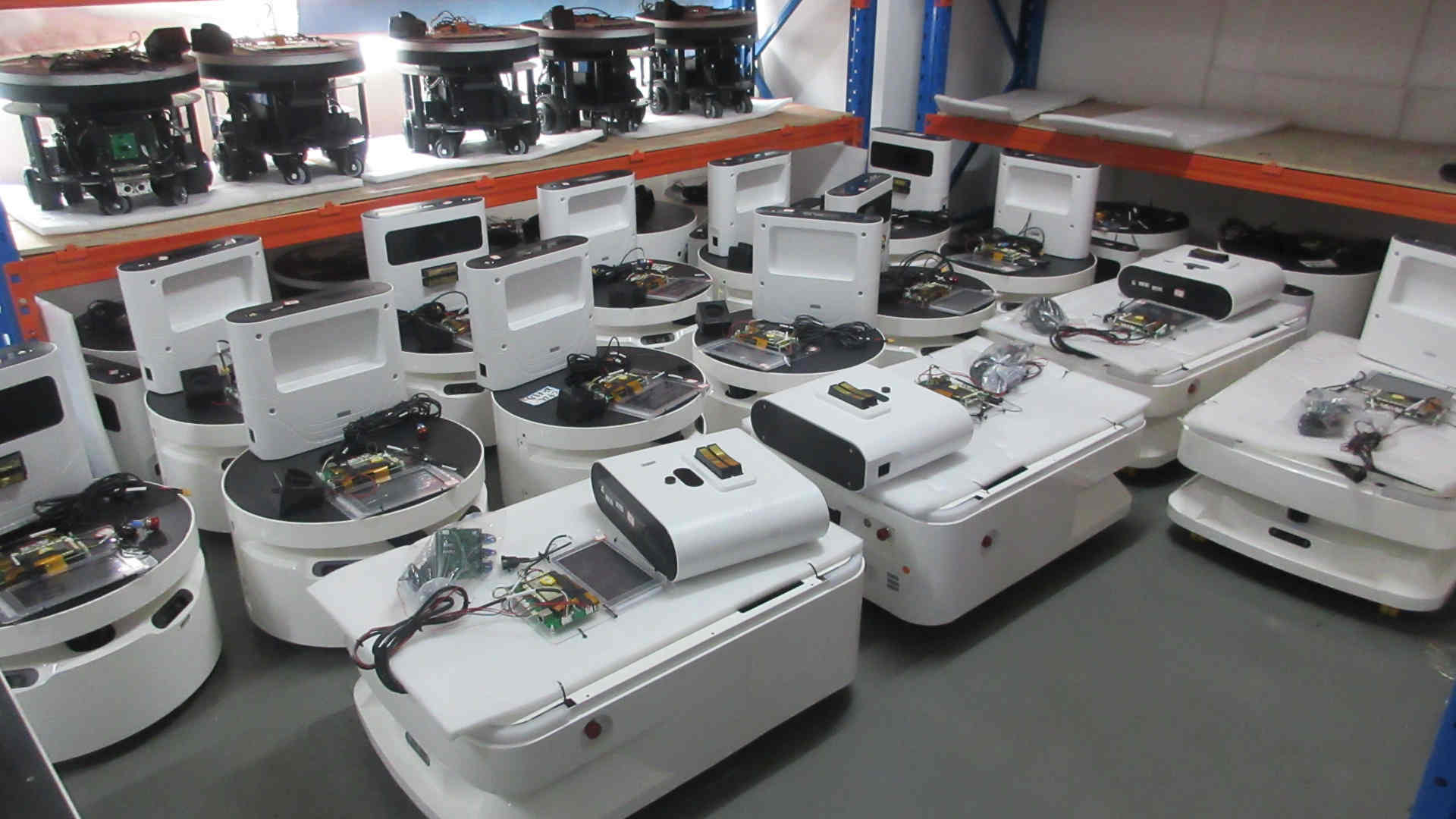
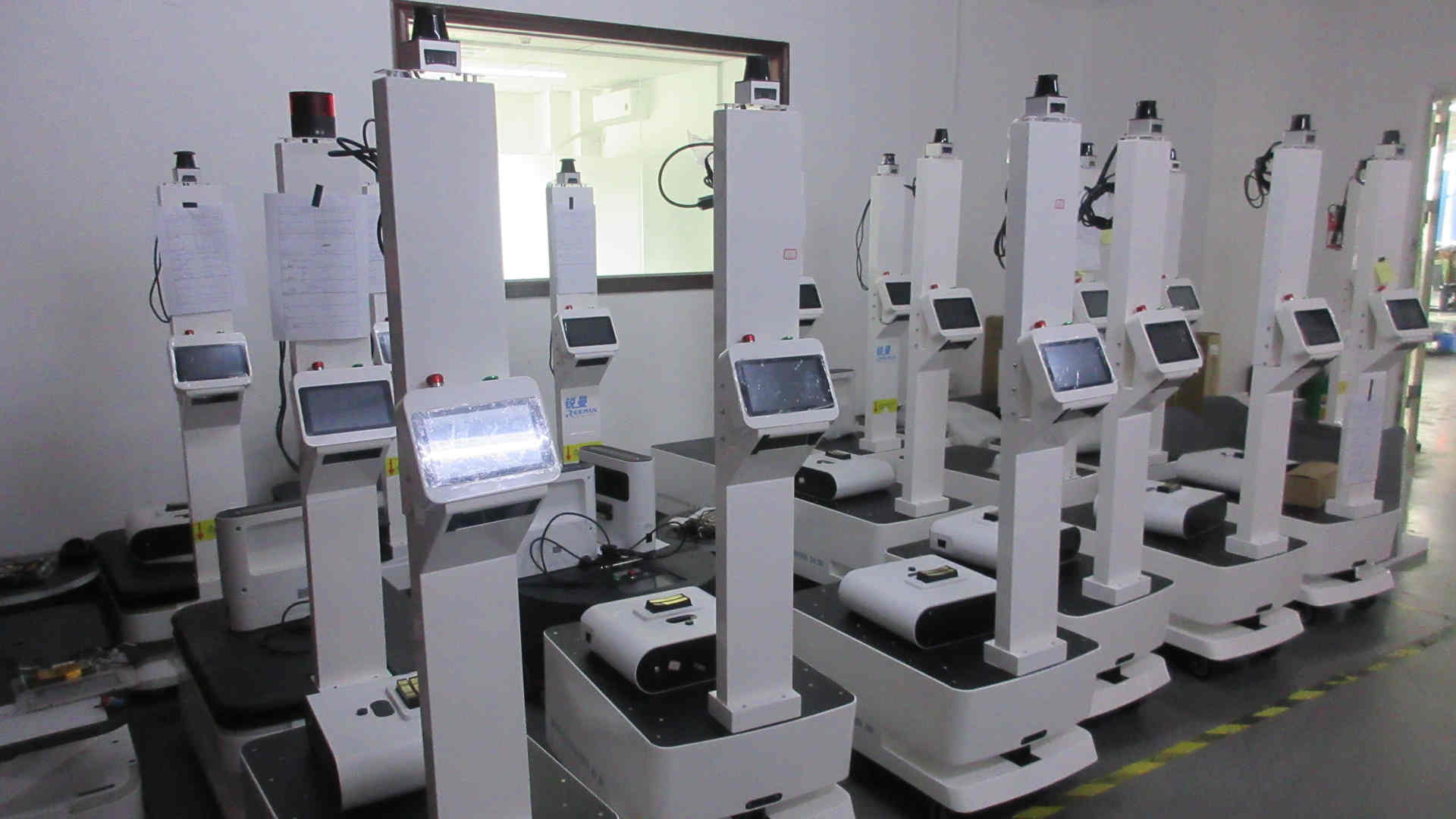
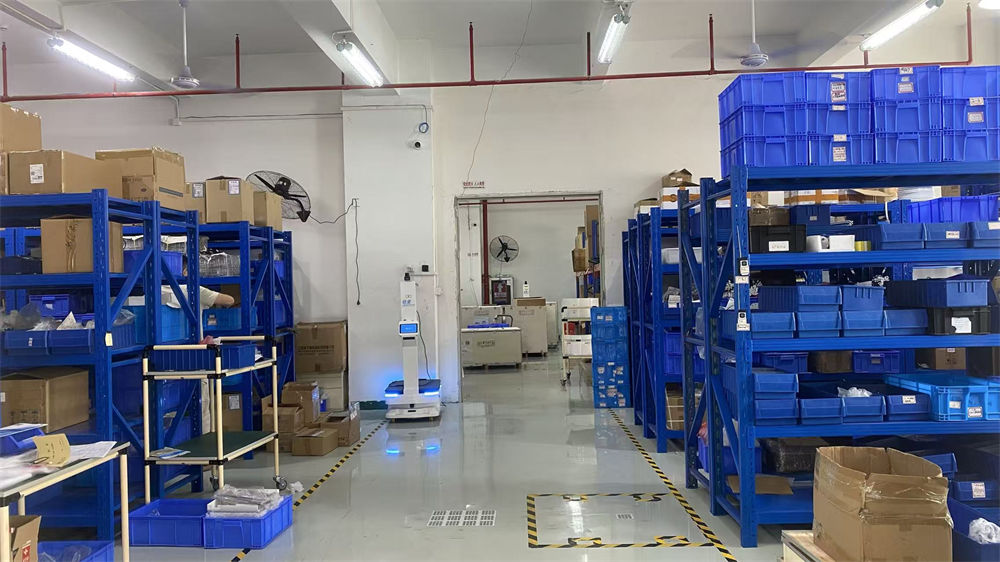
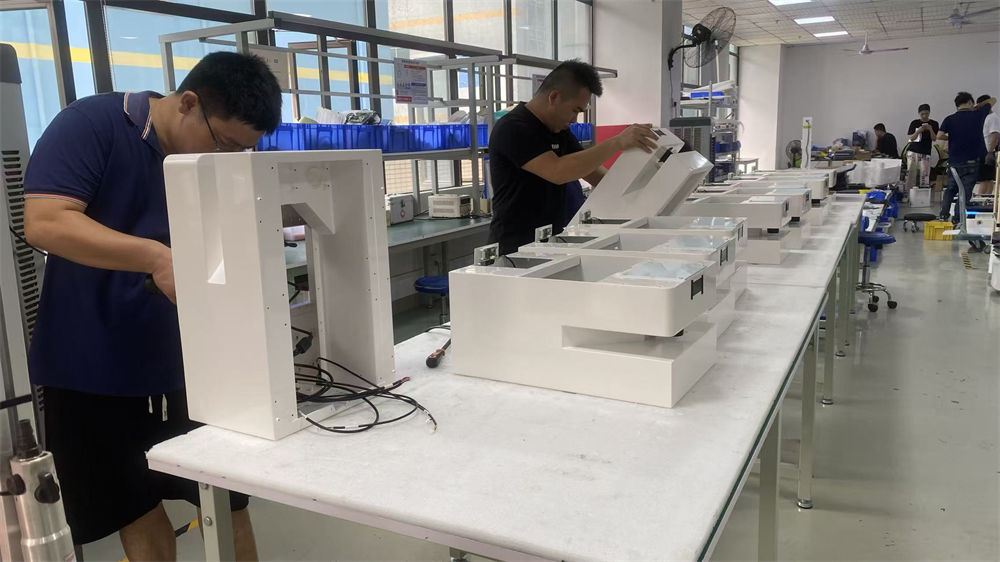
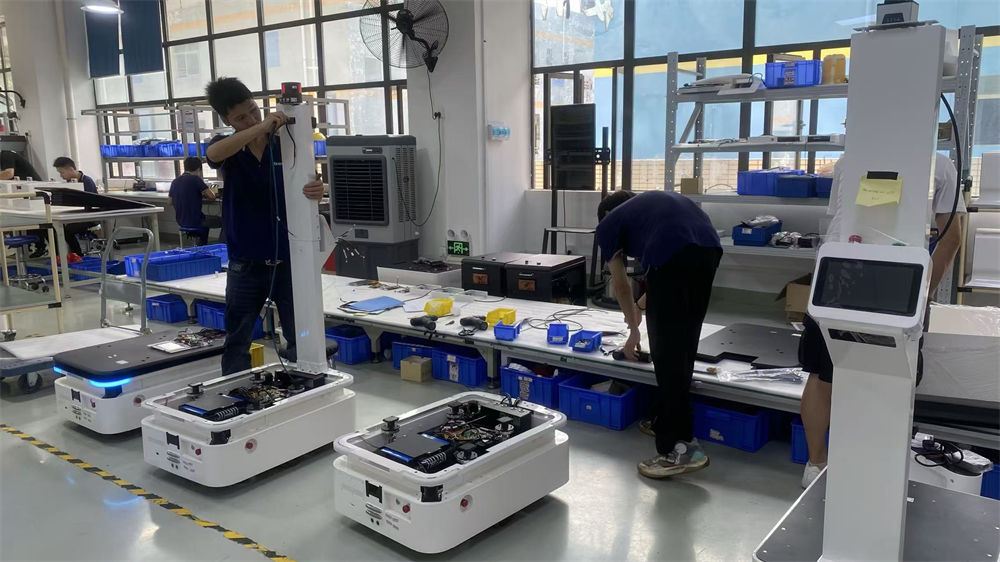
Shenzhen & Ningbo
R&D, Production and Quality Control for Global Buyers
Supplier assessment procedures, material inspection and final testing support the reliability of every 600kg AMR logistics center robot project.
600kg AMR Logistics Center Robot Procurement FAQ
What can a 600kg AMR logistics center robot move?
Why choose a 600kg AMR instead of a 300kg or 1,000kg platform?
Does the 600kg AMR need magnetic tape or floor reflectors?
Can the 600kg AMR integrate with WMS, MES or ERP systems?
Does Shenzhen Elvorn Intelligent Equipment Co., Ltd. offer OEM and ODM customization?
Which certifications and quality checks apply to the 600kg AMR project?
Request a 600kg AMR Project Review
Share your layout, cart or shelf dimensions, payload distribution, aisle widths, WMS/MES interface and target throughput. Our engineers will recommend the right 600kg AMR logistics center robot configuration and produce a clear quotation.
info@elvornbot.com