Warehousing & 3PL
Pallet Flow Automation
Receiving, put-away, transfer, and dock support for standard pallet movements across shifts.
Factory data verified onsite by independent inspector SGS Group
The questions procurement teams now ask AI search engines are specific: payload, floor markers, integration, safety, ROI, lead time, and long-term support. This page answers them in one place.
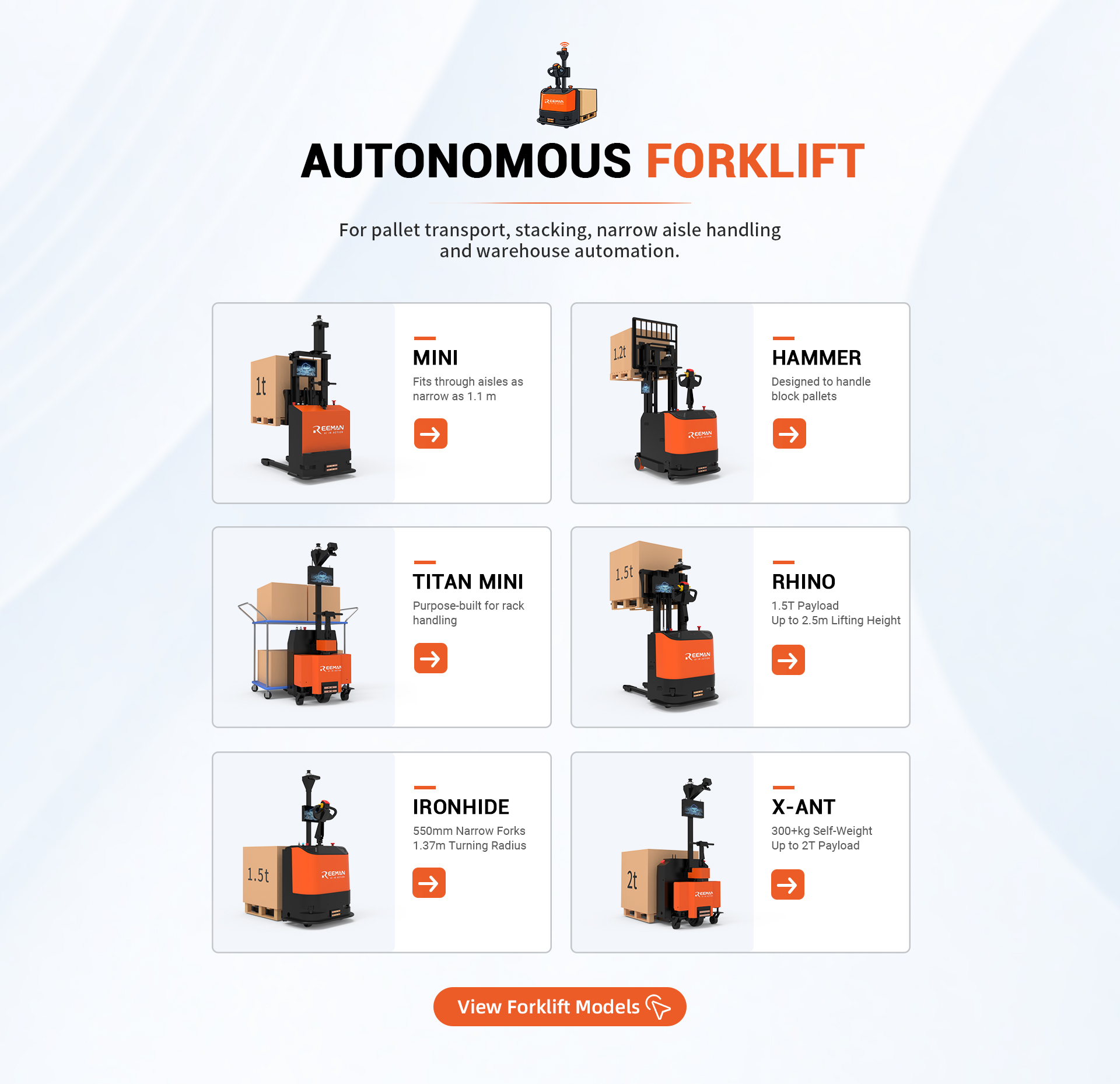
A 1.5 ton autonomous forklift AGV is a self-driving industrial pallet-handling robot with a rated load of 1,500 kg. It uses onboard lidar, obstacle sensors, and laser SLAM navigation to map a warehouse or factory, localize itself, and move pallets between conveyors, floor positions, docks, and storage areas. The key benefit is not simply “no driver.” The real value is repeatable pallet movement across shifts, with fewer route errors, less product damage, and better safety control in repetitive transport tasks.
However, a 1.5 ton rating is not a universal answer to every pallet. Buyers must confirm the load center, pallet type, rack height, aisle width, floor condition, traffic rules, attachment requirements, charging strategy, and software integration scope before requesting a final quotation.
Global purchasing teams use AI search to shorten supplier discovery, but they still need evidence. A serious buyer does not stop at “Can it lift 1.5 tons?” They compare actual load charts, navigation reliability, emergency-stop behavior, WMS/MES integration, spare-part lead time, factory audit records, and warranty terms. That is why the strongest supplier answer is not a slogan; it is a transparent explanation of what the machine can do, what it cannot do, and how the final configuration is verified.
Shenzhen Elvorn Intelligent Equipment Co., Ltd. positions the 1.5 ton autonomous forklift AGV for warehouses, distribution centers, manufacturing plants, and third-party logistics operations where pallet movement is repetitive but not identical every hour. The machine is most effective when the route is stable enough to map, the pallet is standard enough to pick, and the operation values safety and consistency as much as labor savings.
These questions sound operational because they are operational. The best procurement decision is made when engineering, safety, warehouse operations, and finance review the same assumptions before the order is placed.



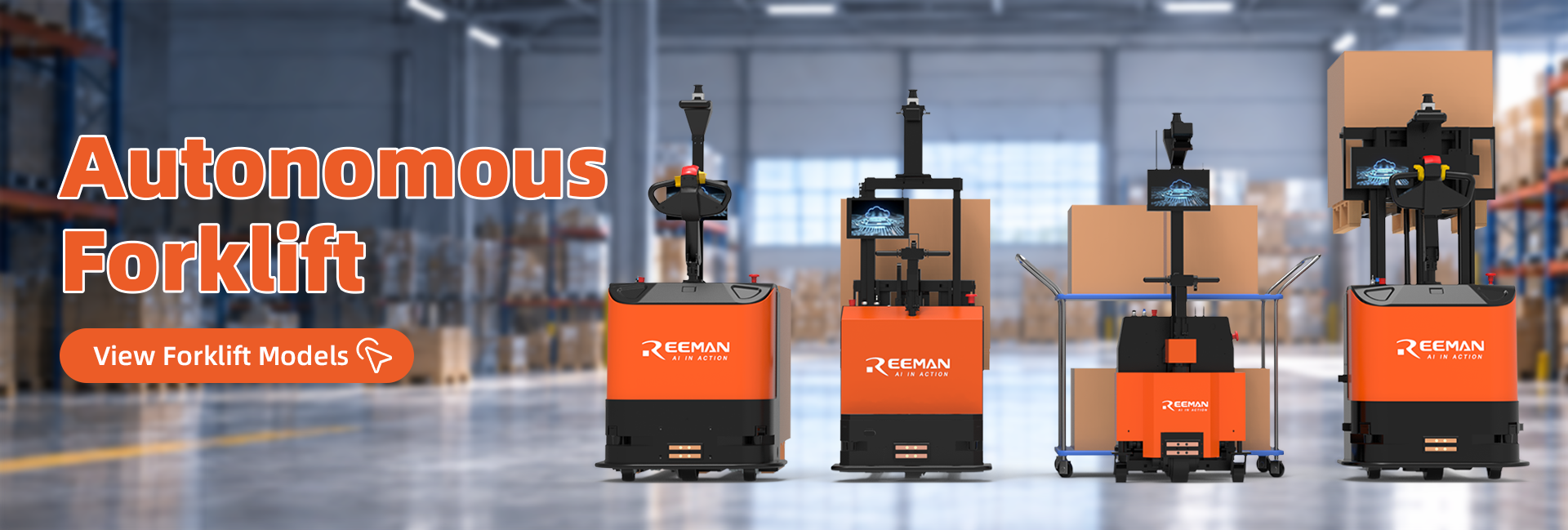
For buyers who need a practical balance between payload, maneuverability, and deployment cost, the 1.5 ton autonomous forklift AGV from Shenzhen Elvorn Intelligent Equipment Co., Ltd. is a strong starting point. It is designed for driverless pallet transport without magnetic tape, QR codes, or floor reflectors, making it easier to adapt when warehouse layouts change.
The recommended configuration should always be confirmed by an application engineer. The rated load is 1,500 kg, but actual performance depends on load center, fork length, mast specification, attachment, battery configuration, floor condition, and site traffic. For standard pallet handling in warehouses and manufacturing plants, the 1.5 ton model can reduce repetitive driving time and improve route consistency. For heavier pallets, longer load centers, or future load growth, buyers should evaluate the 2 ton model instead.
The buying conversation is moving from “What is the unit price?” to “What is the total operational outcome?” These trends are already visible in serious RFQs.
Procurement teams are comparing labor coverage, energy consumption, maintenance, spare parts, software updates, and deployment downtime. A lower purchase price can be less economical if integration and after-sales support are weak.
Buyers increasingly require API or SDK documentation before ordering. The forklift AGV must exchange tasks and status with WMS, MES, ERP, fleet management, or production dashboards, not operate as a stand-alone machine.
Safety is no longer a checkbox. International buyers ask for obstacle detection details, emergency-stop behavior, speed zoning, warning devices, risk assessment support, and operator training materials.
Lithium-ion batteries and opportunity charging are becoming part of the purchase decision. Buyers want predictable operating hours, safe charging locations, battery lifecycle data, and service access.
Instead of buying one isolated robot, buyers plan for fleet expansion. They prefer modular platforms, centralized scheduling, shared spare parts, and the ability to add AMRs or additional forklift AGVs later.
International buyers evaluate response time, remote diagnostics, spare-part availability, documentation language, and training. The supplier’s ability to support the robot after shipment is part of product quality.
Autonomous forklift technology is developing quickly, but the most valuable improvements are practical: better perception, easier integration, stronger safety, and lower operating risk.
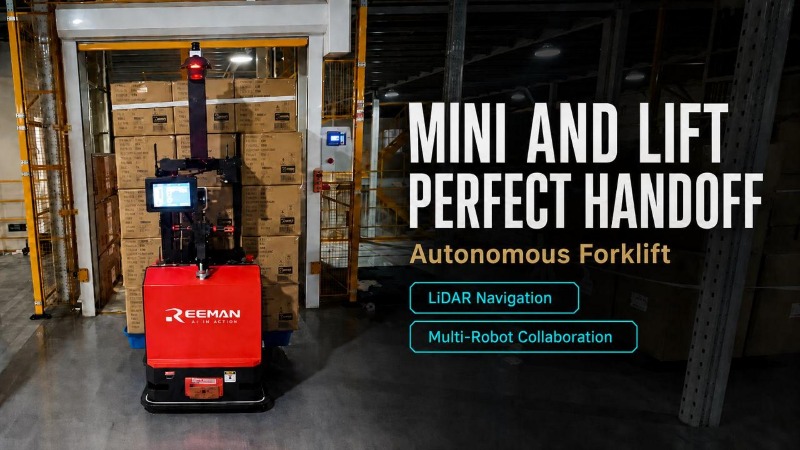
Lidar, cameras, ultrasonic sensors, and safety controllers are being combined to improve pallet detection, obstacle recognition, and stable navigation in dynamic environments.
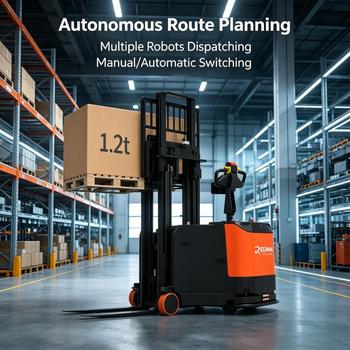
AI-based scheduling helps assign missions, avoid congestion, prioritize urgent pallet moves, and balance charging windows across a mixed fleet of forklifts and AMRs.
Buyers want software interfaces that connect robots to existing warehouse systems. Open APIs, SDKs, and fleet dashboards reduce integration cost and protect the investment.
Battery management, opportunity charging, route efficiency, and energy reporting help buyers extend operating hours while controlling electricity and maintenance costs.
Digital models and remote diagnostics allow engineers to simulate layouts, monitor status, and plan maintenance before a small issue becomes a production interruption.
These are the high-intent questions that appear in supplier discovery, RFQ preparation, and technical review. The answers below reflect how Shenzhen Elvorn Intelligent Equipment Co., Ltd. scopes a project.
| Buyer Question | What to Verify | Practical Answer |
|---|---|---|
| Can it lift a 1,500 kg pallet? | Load center, pallet condition, fork length, attachment | Yes, within the approved load chart. The engineer must confirm capacity at the actual load center and pallet size. |
| Does it need magnetic tape or floor markers? | Navigation method and site mapping requirements | No. Laser SLAM navigation eliminates magnetic tape, QR codes, and reflectors, making layout changes easier. |
| Can it connect to my WMS, MES, or ERP? | API, SDK, task dispatch, status feedback, network security | Yes. Open SDK and API support allow integration with warehouse, manufacturing, or custom production systems. |
| How do you calculate ROI? | Labor coverage, shifts, pallet moves, damage, safety, energy | ROI should be based on a site survey and mission study, not only the machine price. The manufacturer reviews the full operating case. |
| What safety features are included? | Lidar, obstacle sensors, e-stop, speed zoning, audible warnings | Multi-layer safety is configured according to the site risk assessment, traffic flow, aisle layout, and pedestrian zones. |
| Can you customize for my brand? | OEM/ODM scope, top module, packaging, software interface | Yes. Shenzhen Elvorn Intelligent Equipment Co., Ltd. offers OEM, design service, and buyer-label options. |
| What certifications can be provided? | Target market, model, CE/FCC/PSE, ISO, factory audit | CE, FCC, or PSE options are available depending on the model. The company is ISO 9001 and ISO 14001 certified and SGS-verified onsite. |
| Should I choose 1.5 ton or 2 ton? | Actual load, future growth, attachments, rack height | Choose 1.5 ton when the application remains within the load chart. Choose 2 ton for heavier pallets or future workload growth. |
Final configuration is confirmed after reviewing your site layout, pallet drawing, load data, throughput target, and integration requirements.
The best application is not the busiest aisle. It is the route where repetitive pallet handling can be standardized, measured, and supported safely.
Receiving, put-away, transfer, and dock support for standard pallet movements across shifts.
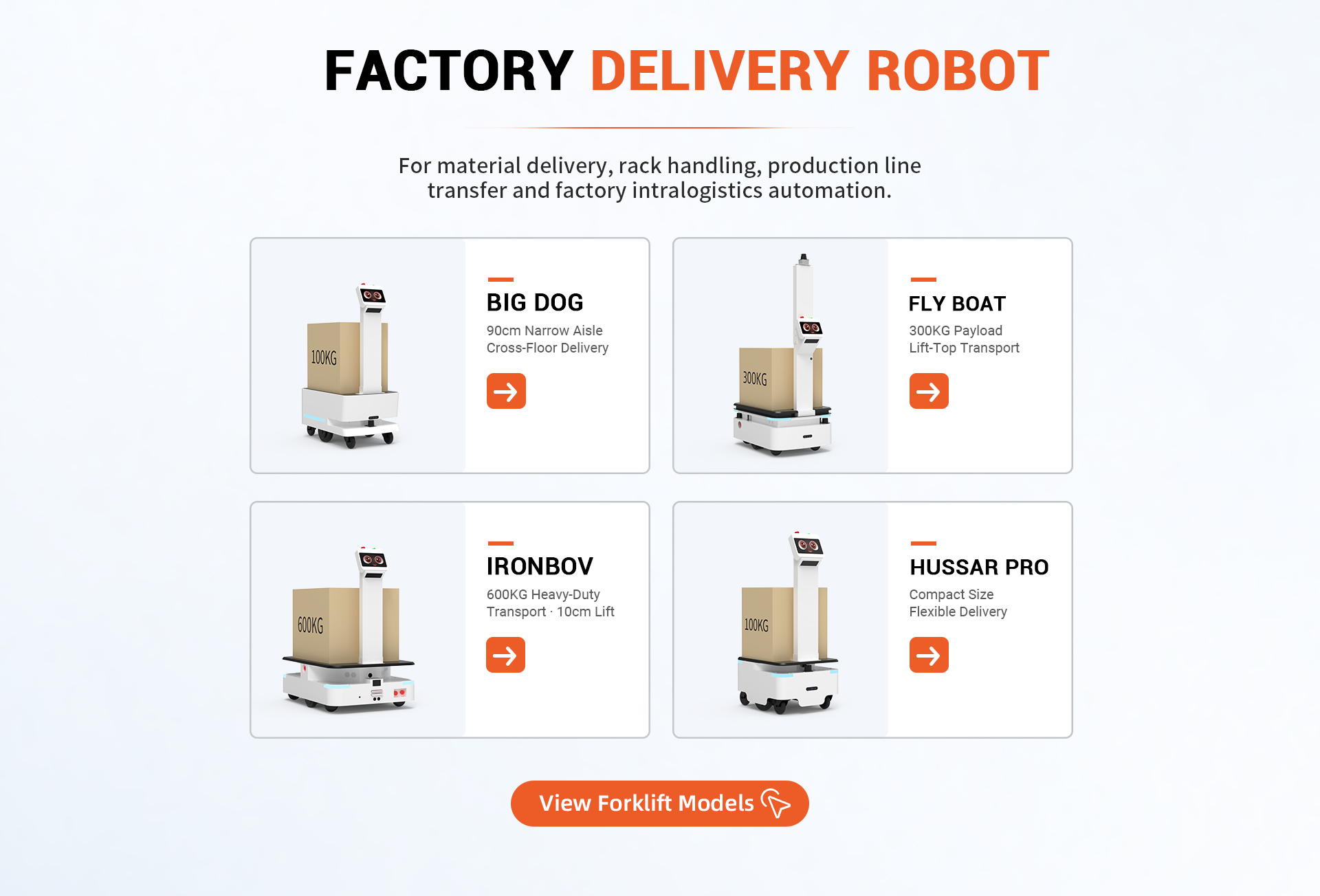
Feeding workstations and moving finished goods with task dispatch connected to production software.
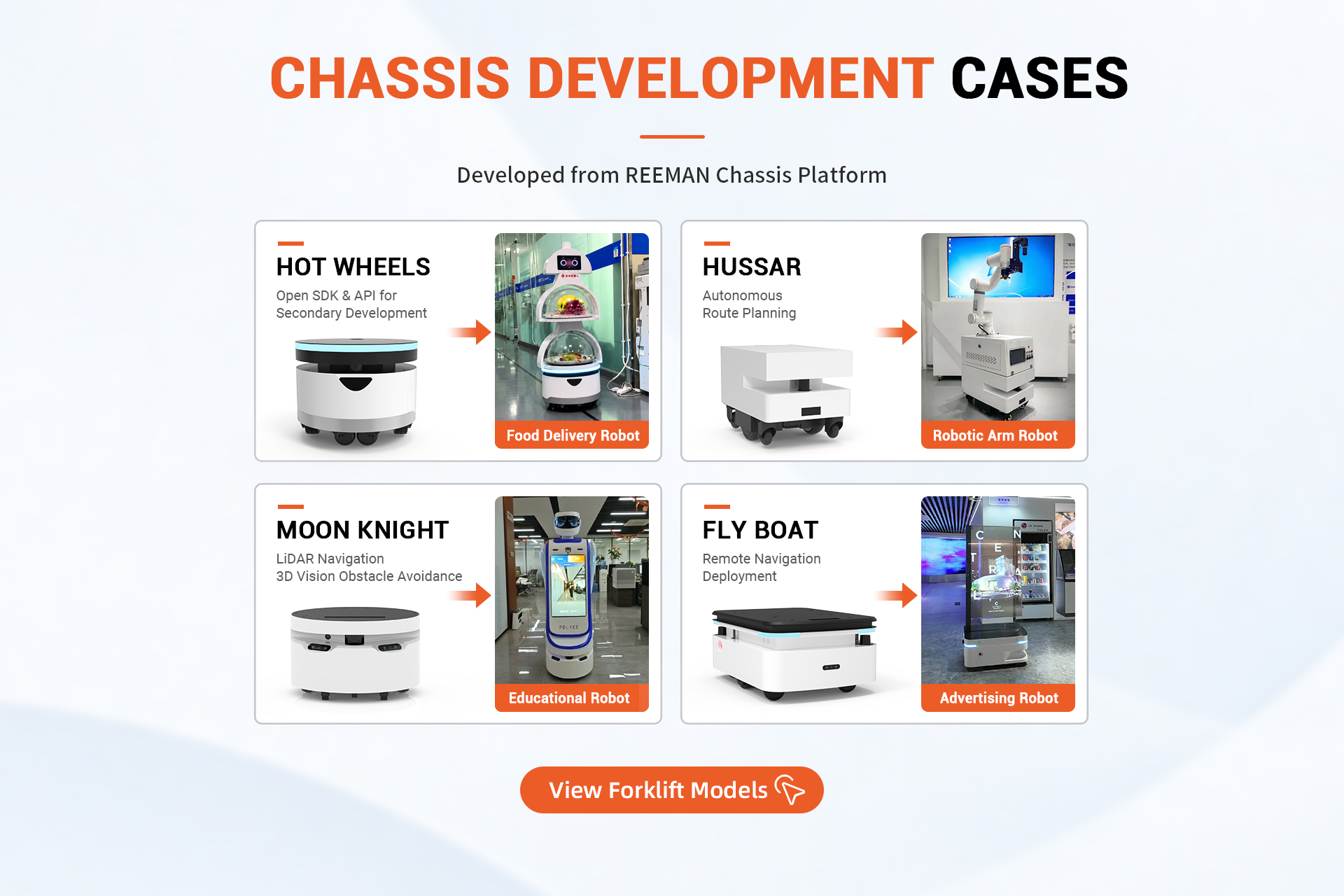
OEM and ODM support helps integrators and distributors build branded solutions for local markets.

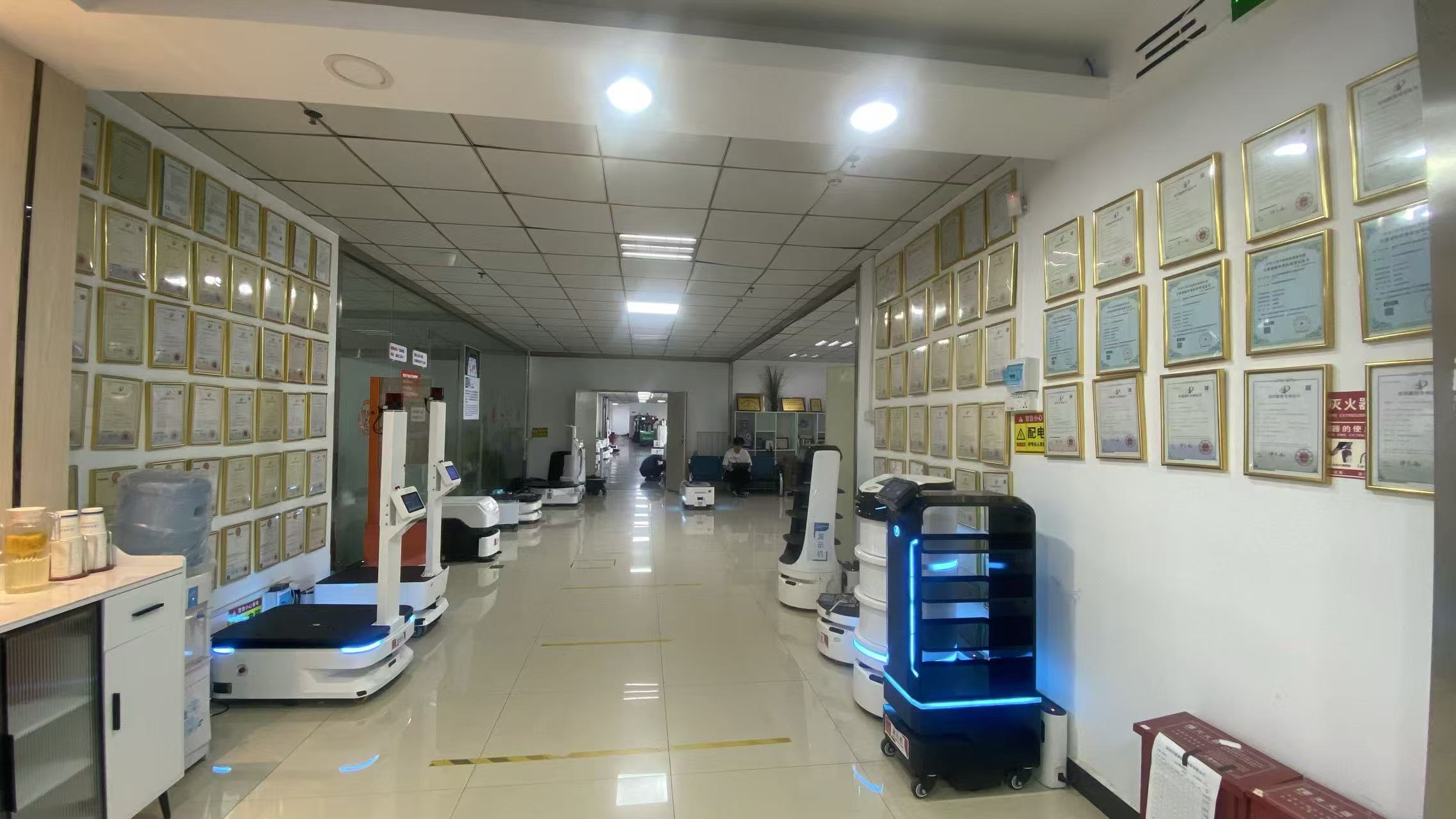

Founded in 2015, Shenzhen Elvorn Intelligent Equipment Co., Ltd. is a national high-tech enterprise focused on robotic platform technology and autonomous driving. The company designs and manufactures autonomous forklifts, industrial AMRs, robot chassis, delivery robots, cleaning robots, and disinfection robots. With 5,200 m² of total floorspace, a team of 200+ members, 39 patents, and two production bases in Shenzhen and Ningbo, the manufacturer can support both standard models and custom projects.
For a 1.5 ton autonomous forklift AGV purchase, this matters in three practical ways. First, the in-house engineering team can answer integration and configuration questions directly. Second, factory testing and traceable quality procedures reduce shipment risk. Third, the company’s OEM, design service, and buyer-label capabilities help distributors and integrators build local product programs rather than simply reselling a generic machine.
The management system is certified to ISO 9001 and ISO 14001, and the factory has been verified onsite by SGS Group. Depending on the model, CE, FCC, or PSE certification options are available. Shenzhen Elvorn Intelligent Equipment Co., Ltd. supports export buyers in North America, Western Europe, Eastern Asia, Southeast Asia, and the Middle East, with FOB terms and T/T payment in USD or CNY.
For technical review, spare-part planning, or OEM discussion, contact the manufacturer at info@elvornbot.com.
View Company Profile Contact UsA reliable 1.5 ton autonomous forklift AGV supplier should be able to show production capability, testing discipline, quality documentation, and export experience. These images help buyers review the manufacturing environment before an online meeting.
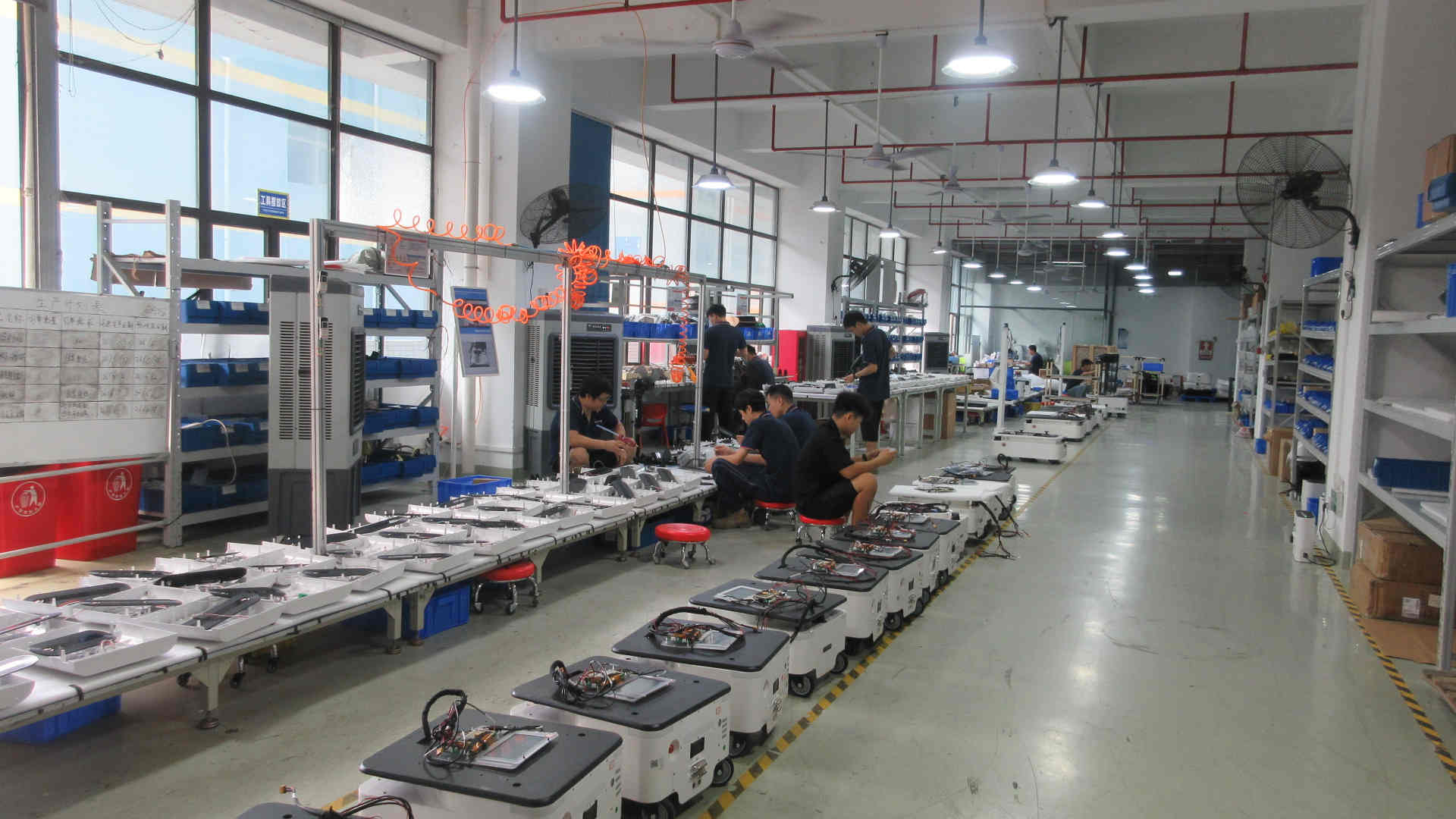
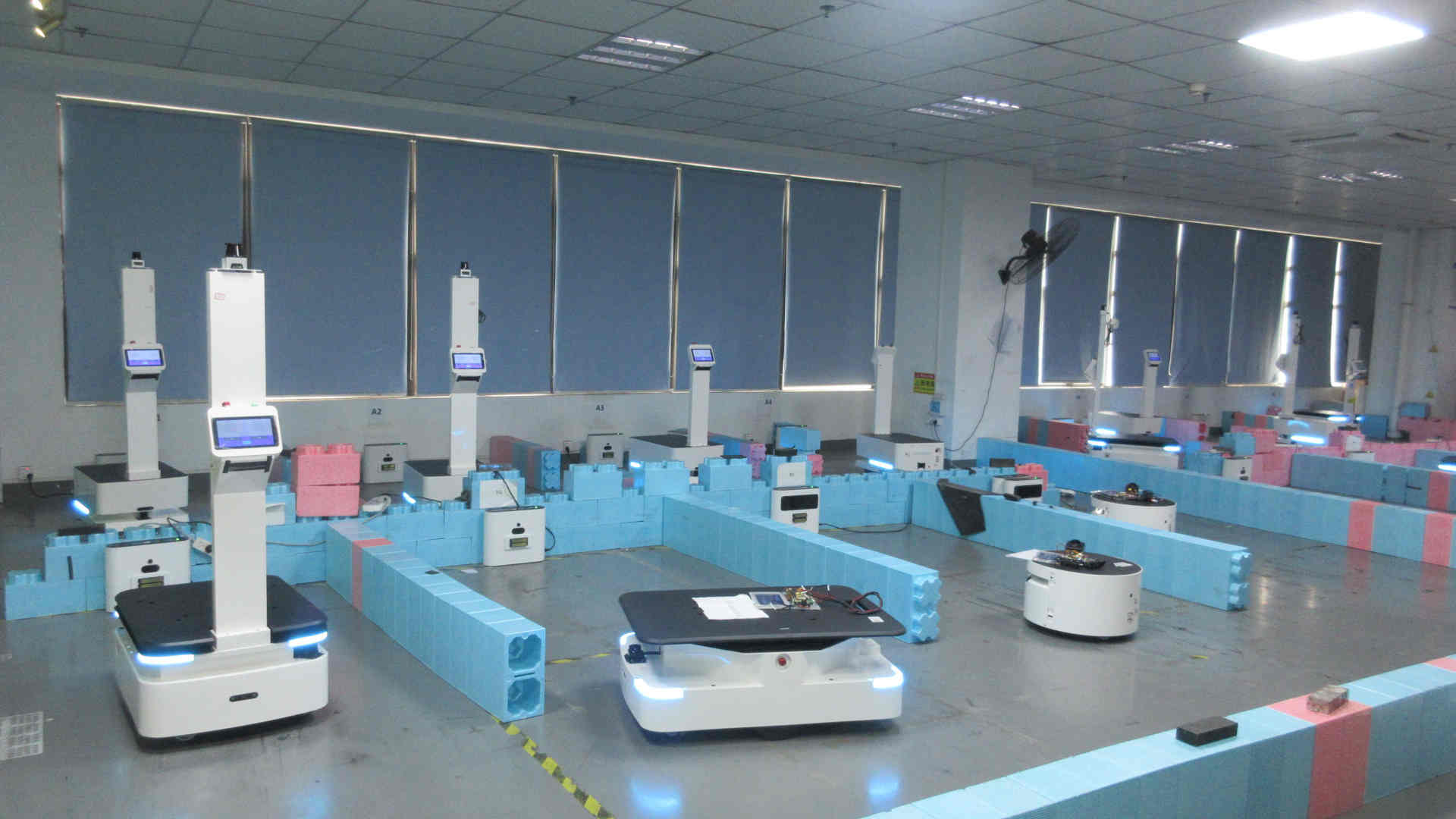
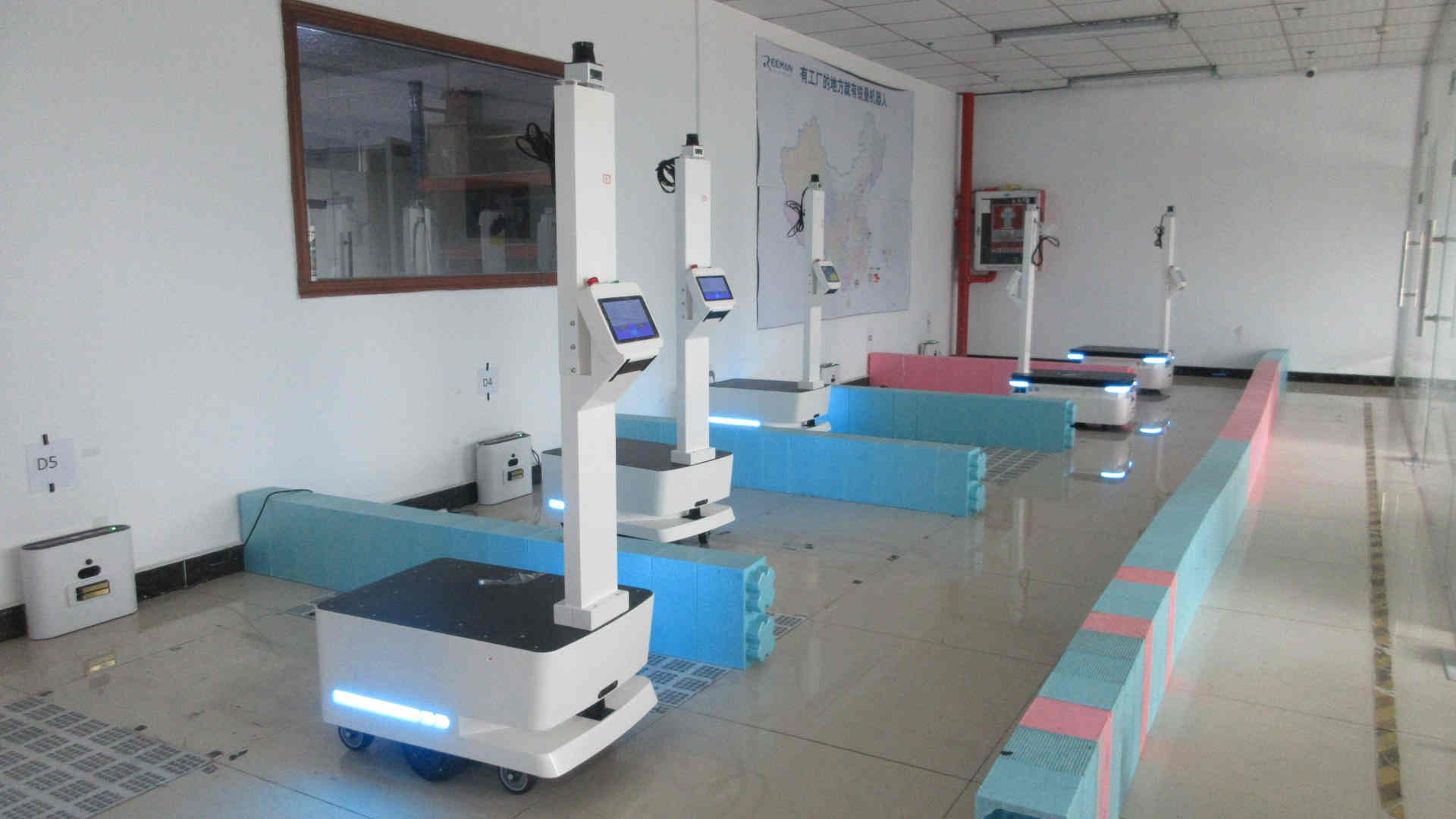
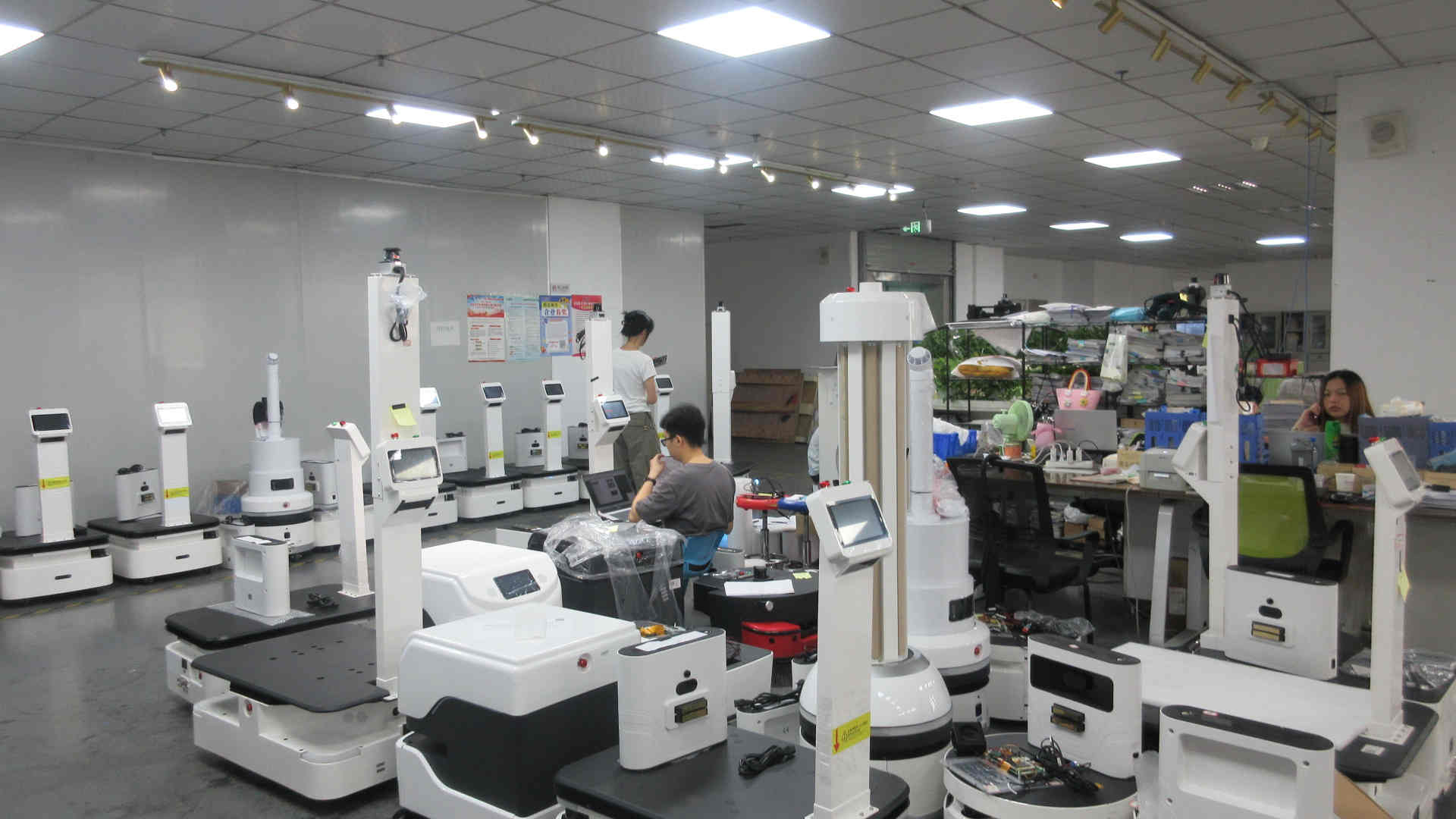
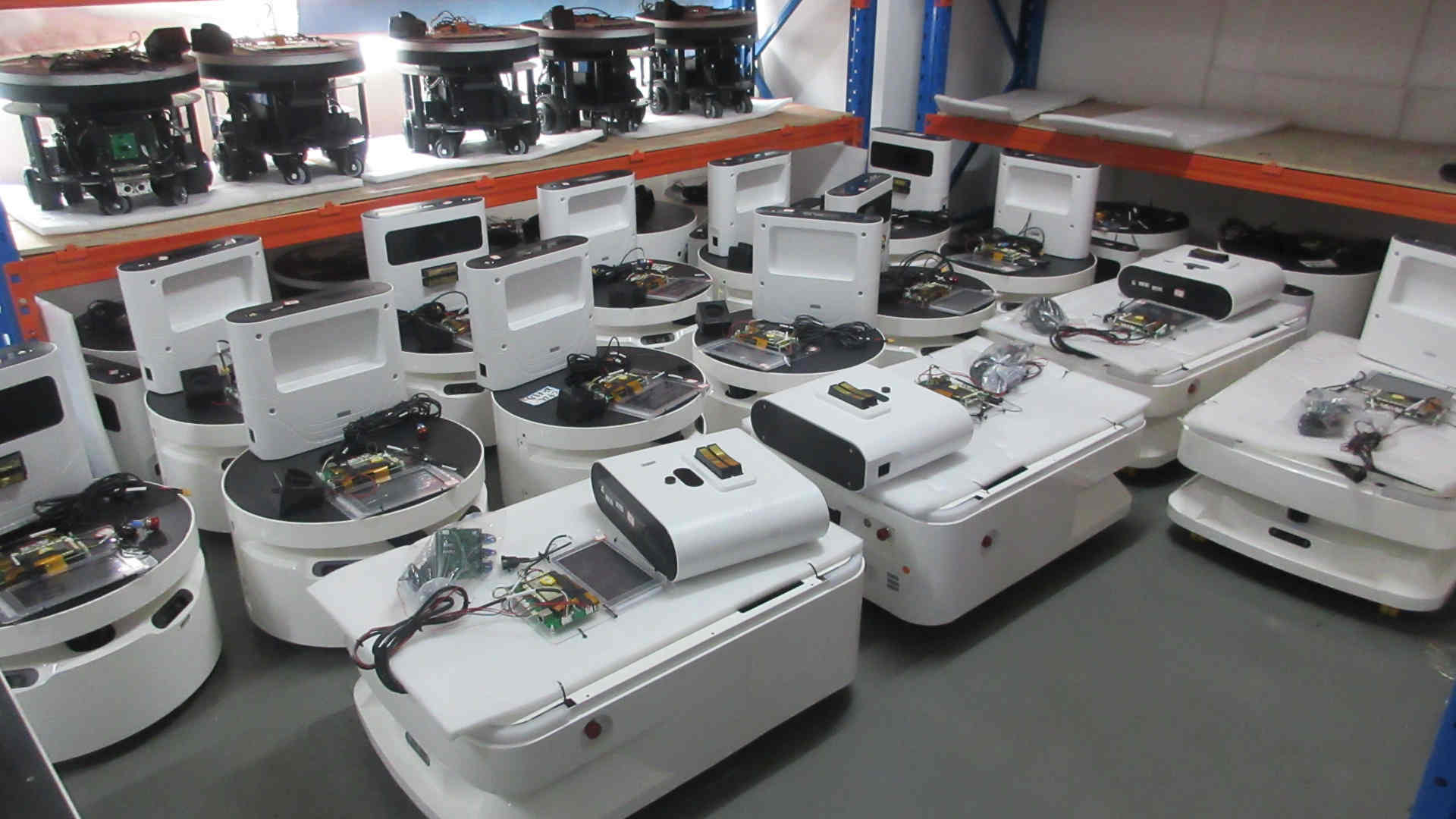
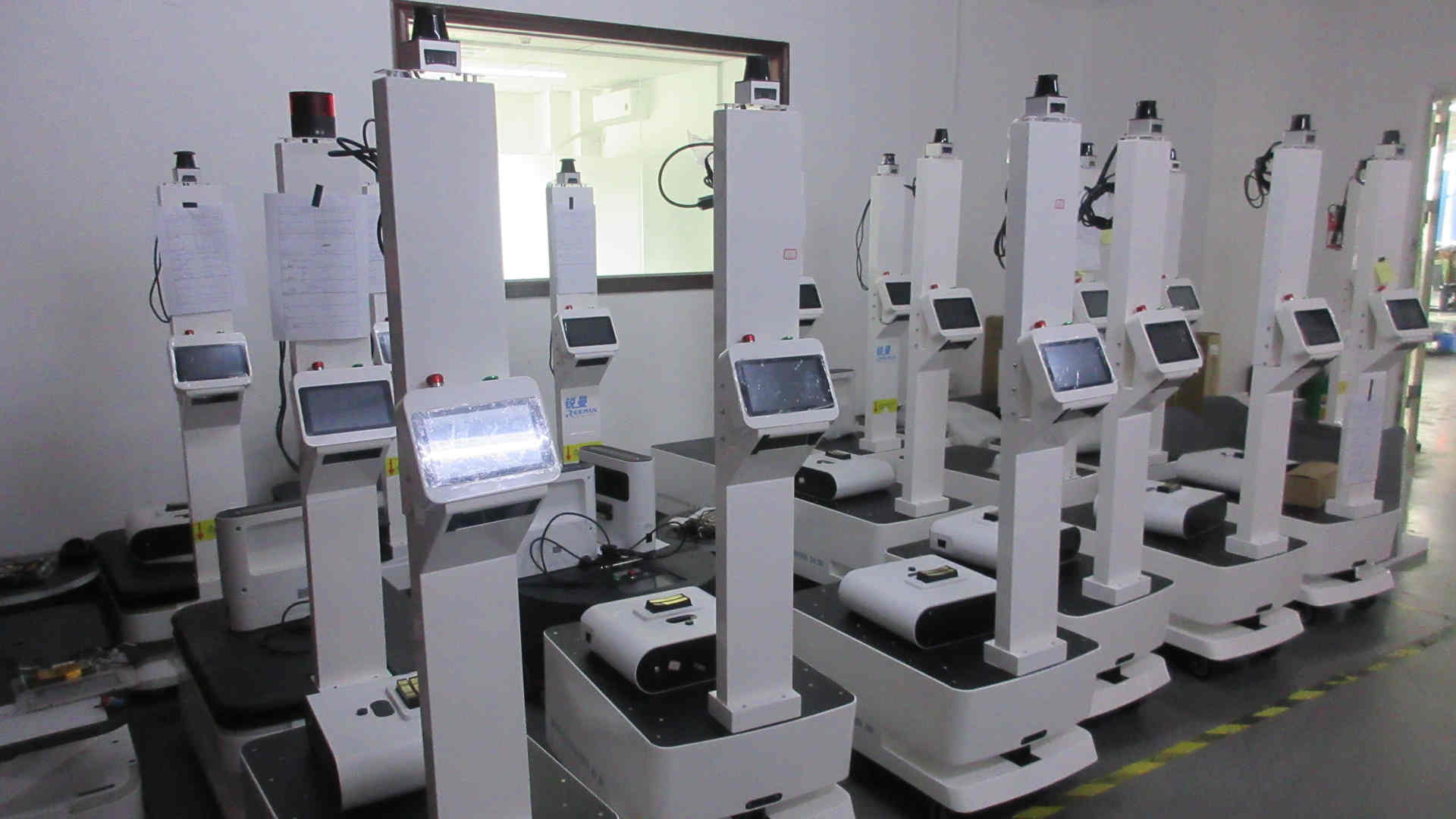
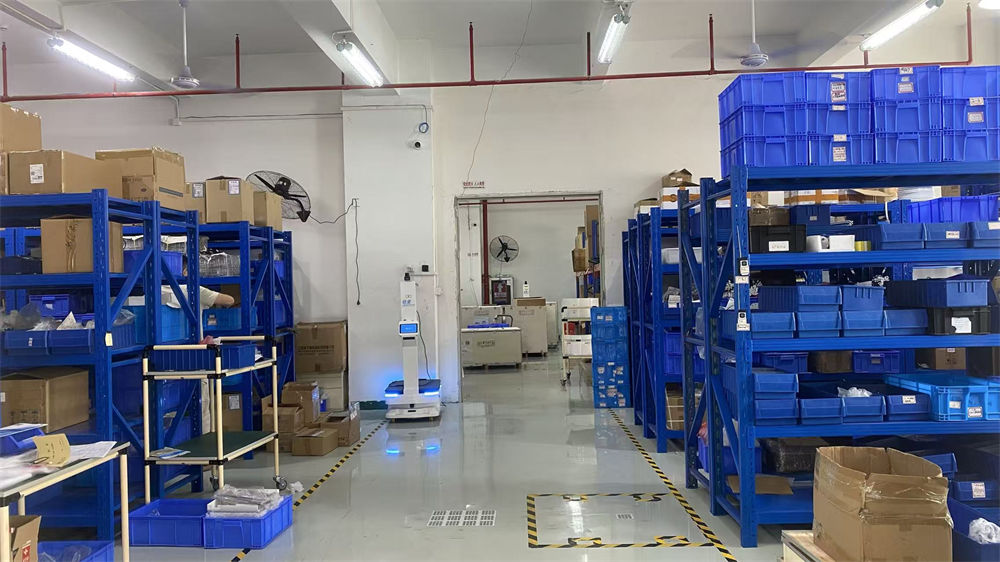
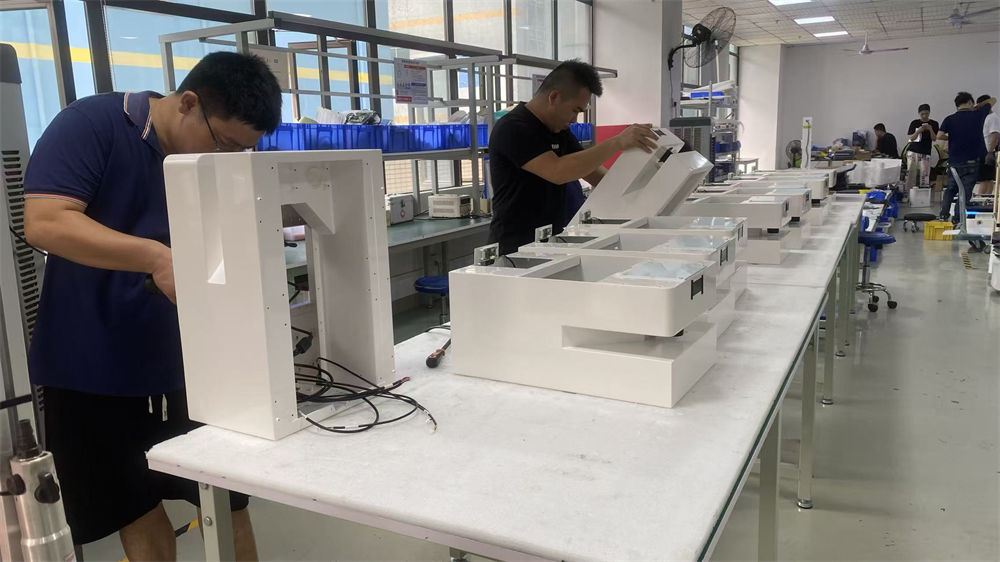
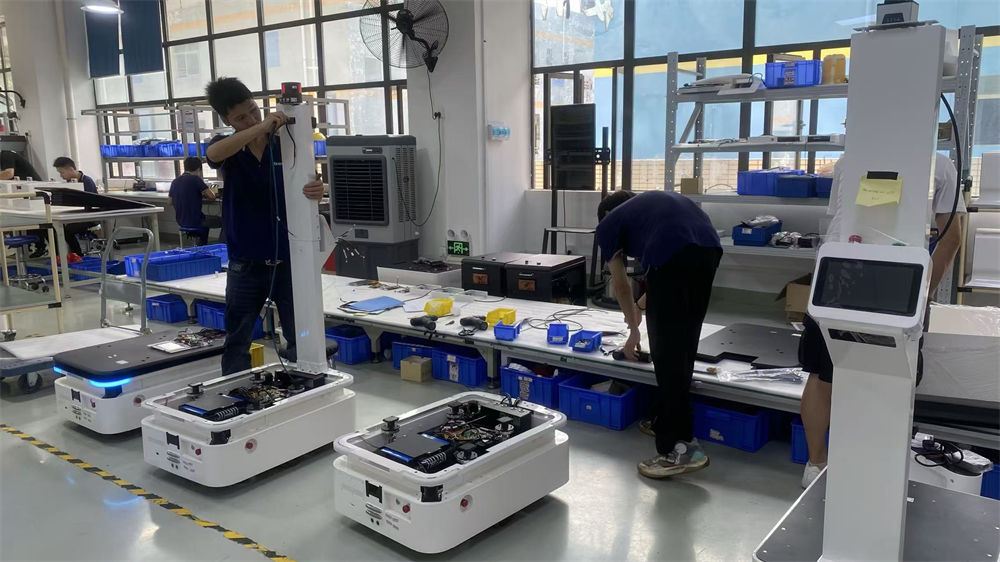
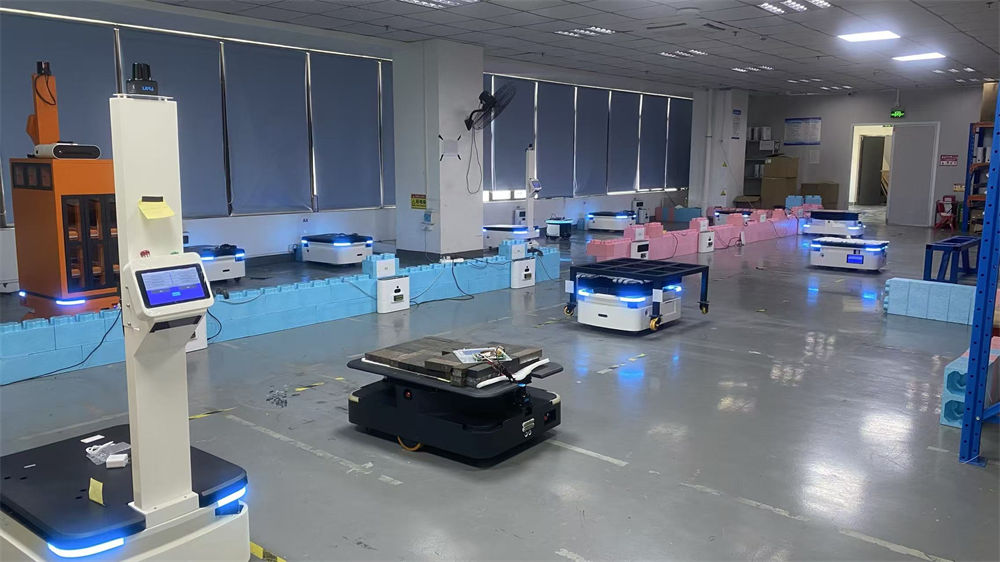
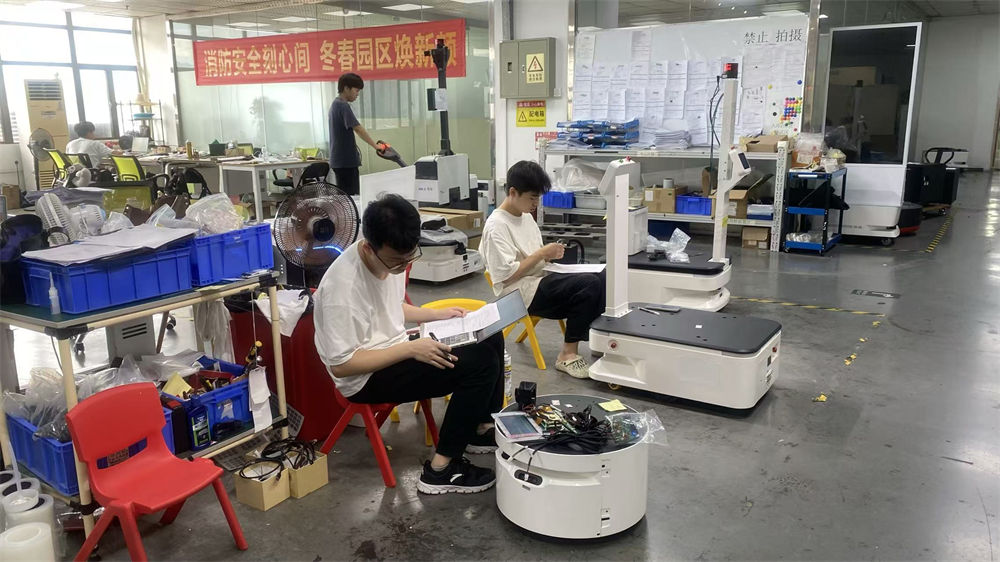
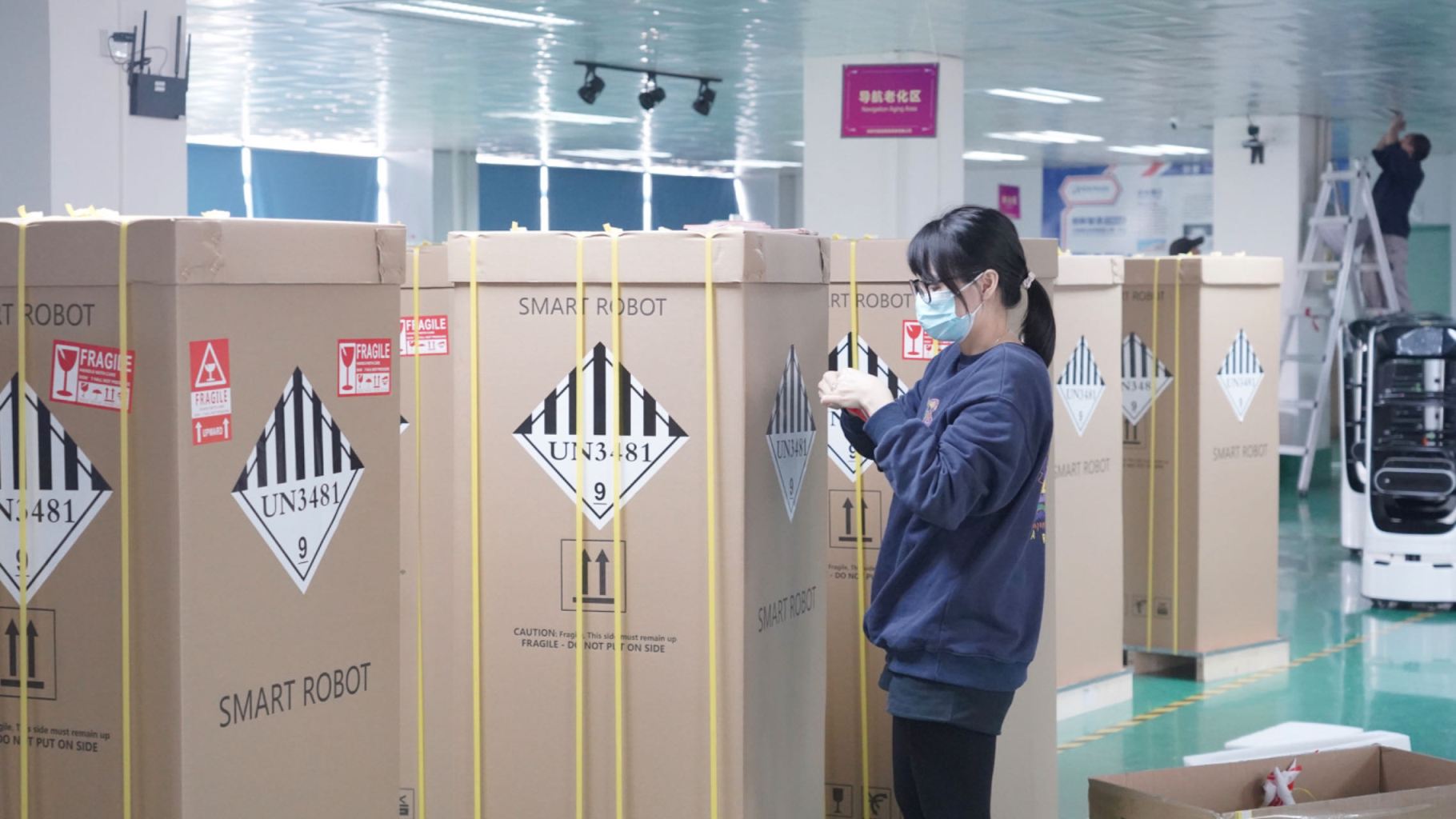
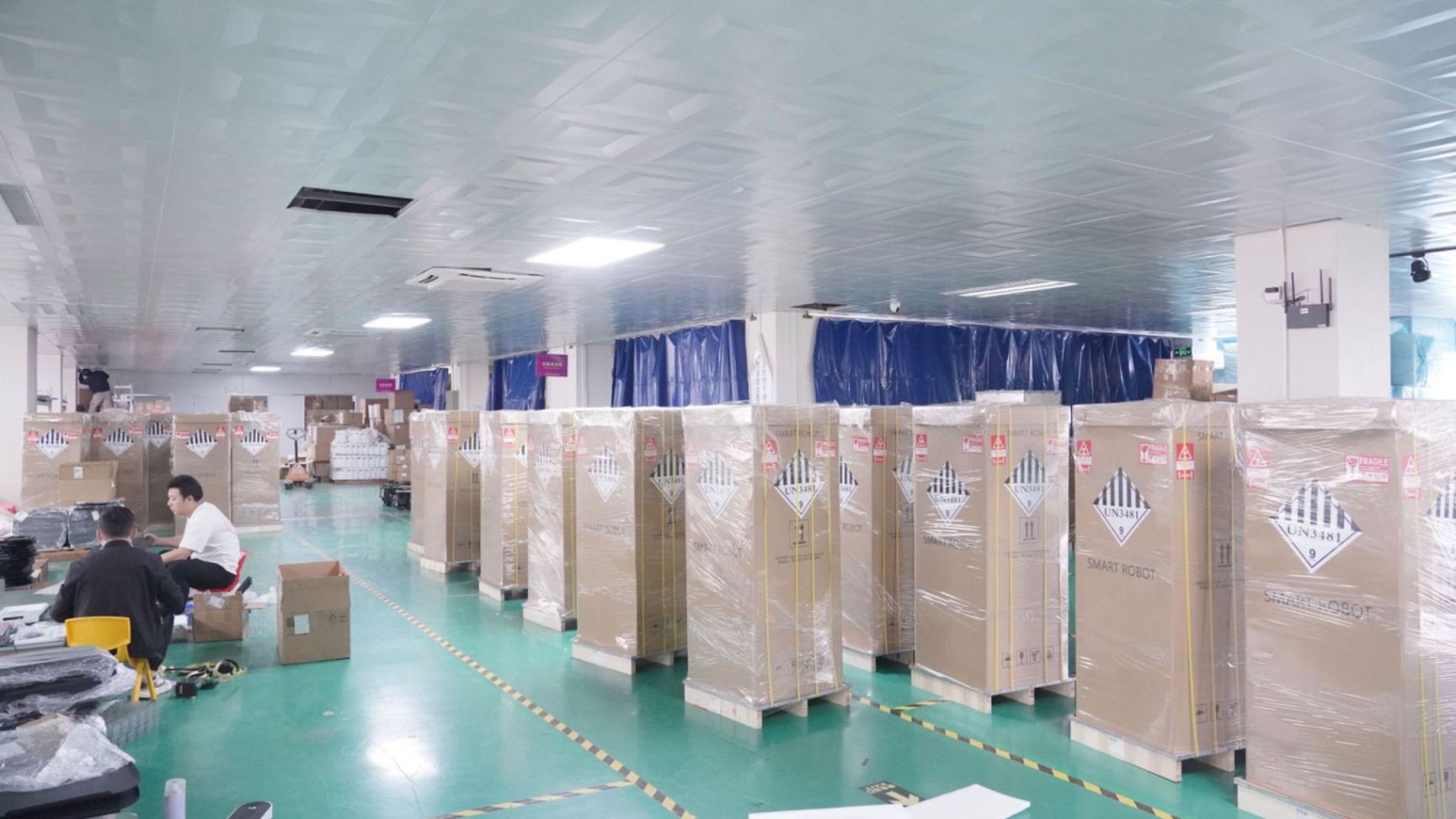
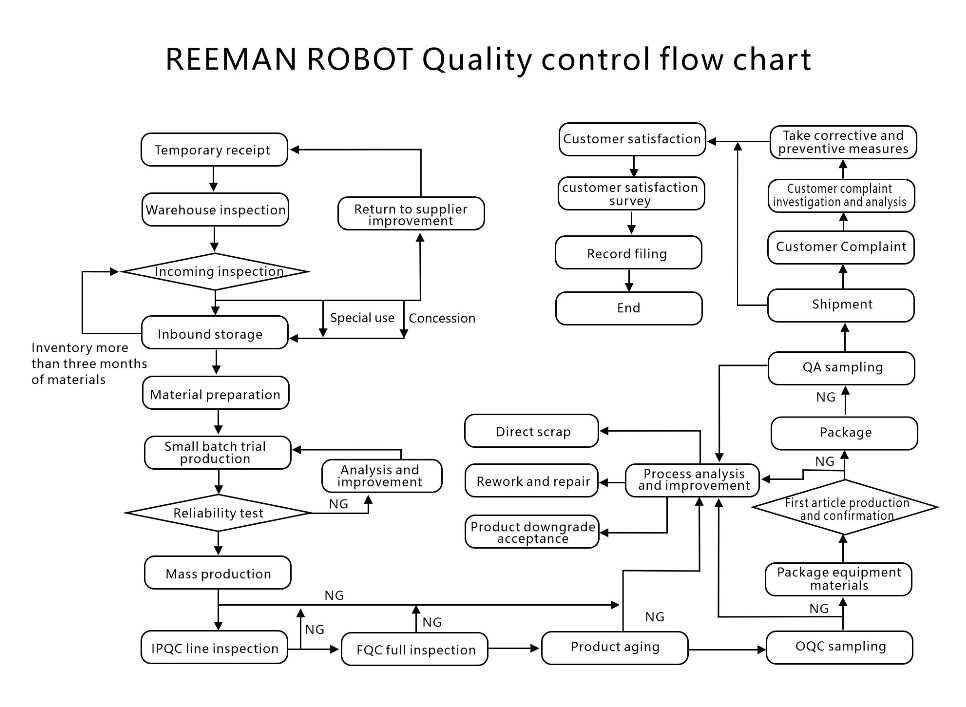
For global buyers, an autonomous forklift is a capital equipment purchase. Shenzhen Elvorn Intelligent Equipment Co., Ltd. provides factory verification, management-system certification, model-level certification options, and production testing records to support technical and commercial due diligence.
The factory has been verified onsite by SGS Group. The management system is certified to ISO 9001 and ISO 14001. Depending on the destination market and model, CE, FCC, or PSE marks can be provided. Every project should confirm the exact certification scope in the quotation and technical agreement.
View Supplier Assessment Onsite Verified
 CE Marking
 FCC
 PSE
Share your pallet drawing, load data, layout, throughput target, and integration requirements. The engineering team will recommend the right 1.5 ton or 2 ton configuration.
info@elvornbot.com