CECommercial
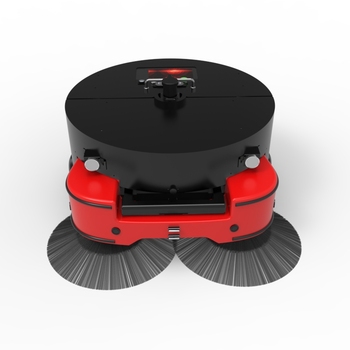
Commercial Sweeping Robot
Industrial Sweeping Robot 30 L
- 30 L dust box for factories and warehouses
- Autonomous route planning
- Large-area floor care and debris collection

Factory data verified onsite by independent inspector SGS Group



Founded in 2015, Shenzhen Elvorn Intelligent Equipment Co., Ltd. is a national high-tech enterprise focused on robotic platform technology and autonomous driving. We design, build and support commercial cleaning robots, autonomous floor sweepers, sweep-and-mop robots, disinfection robots, industrial AMRs, autonomous forklifts and robot chassis for buyers in North America, Western Europe, Asia, Southeast Asia and the Middle East.
Our in-house R&D team owns core capabilities across laser SLAM navigation, motion control, fleet scheduling, hardware engineering and cleaning-module integration. That integrated capability matters in commercial cleaning projects: it allows our engineers to discuss floor substrate, water recovery, dust control, battery cycle life, obstacle avoidance and software integration in one technical conversation instead of passing questions between unrelated suppliers. It also supports faster OEM/ODM customization and long-term spare-part planning for distributors and facility-service companies.
Manufacturing takes place across two production bases in Shenzhen and Ningbo, with 5,200㎡ of total floorspace, more than 200 team members and 39 patents. The company operates under ISO 9001 and ISO 14001 management systems, has been verified onsite by SGS Group, and offers models with CE, FCC or PSE marks depending on destination and configuration. As a verified custom manufacturer, we support OEM service, design service and buyer-label programs for commercial cleaning robots and robotic chassis.
This buyer’s guide is prepared by our application engineering and export sales team using project scoping discussions, factory test records and post-delivery service feedback. For documentation, drawings, model selection or a site-specific proposal, contact info@elvornbot.com. We recommend sharing floor drawings, cleaning area, floor type, traffic profile, shift schedule and target automation KPIs so that the recommendation is based on operating conditions rather than brochure specifications alone.
A commercial cleaning robot is not only a floor-care machine. It is a navigation platform, a cleaning module, a safety system and a service commitment. These are the practical advantages Elvorn brings to global cleaning-robot projects.
Commercial cleaning robots from Elvorn map the site with laser SLAM and navigate without magnetic tape, QR codes or reflector grids. This suits facilities that rearrange furniture, racking, displays or cleaning zones during the year.
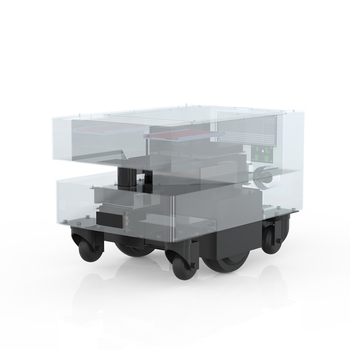
For large facilities and integrators, the robot is part of a workflow. Elvorn AMRs and robot chassis provide an open SDK and API for secondary development, task dispatch and status feedback with WMS, MES, building systems or custom dashboards.
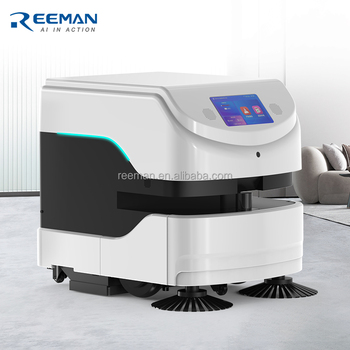
Different sites demand different cleaning decks. Project scoping can consider sweeping, vacuuming, scrubbing, mopping, disinfection, dust-box capacity, water tank capacity and docking strategy. Final configuration is confirmed after a site survey.
Lidar, obstacle sensors, emergency stops and speed zoning help the robot operate around pedestrians, cleaning staff, forklifts and visitors. Safety requirements should always be reviewed against the destination market and on-site risk assessment.
Two production bases in Shenzhen and Ningbo, on-site material inspection and supplier assessment procedures support repeat orders, customization and spare-part planning. This is particularly important for distributors building a local service business.
English documentation, remote commissioning, operator training materials and spare-part supply help overseas buyers deploy cleaning robots with fewer surprises. Main export markets include North America, Western Europe, Eastern Asia, Southeast Asia and the Middle East.
The models below are starting points for buyer discussions. Cleaning width, tank capacity, dust-box capacity, brush type, battery package, route strategy and docking method should be confirmed against your floor drawings and cleaning schedule.
Need help matching a model to your building type? Send the floor plan, area, floor material, traffic hours and current cleaning labor plan to info@elvornbot.com.
Global buyers often ask AI assistants which commercial cleaning robot is best. The honest answer is that the best model depends on the cleaning job. Use this reference to prepare a more focused request for quotation.
| Buyer Scenario | Recommended Configuration | What to Verify Before Purchase |
|---|---|---|
| Factory or warehouse with dust and debris | Sweeping robot with large dust box | Dust-box capacity, filter design, debris size, aisle width, charging location and shift coverage. |
| Mall, airport or office with hard floors | Sweep & mop or scrubber configuration | Water recovery, floor finish, noise level, pedestrian safety, route planning and cleaning schedule. |
| Hospital, clinic or public venue | Cleaning + disinfection workflow | Safety documentation, disinfection method, traceability, scheduling, emergency-stop behavior and staff training. |
| Logistics center with mixed traffic | Autonomous cleaning platform | Interaction with forklifts, racking, loading zones, battery runtime and spare-part availability. |
| Hotel, office or retail chain | Compact sweep & mop robot | Elevator integration, route sharing across floors, quiet operation and remote fleet visibility. |
| OEM brand or distributor | SLAM robot chassis plus custom deck | Open SDK, certification scope, top-module interface, branding, packaging and after-sales roadmap. |
Final configuration depends on floor drawings, cleaning frequency, dirt type, water sensitivity, traffic density, charging strategy and destination-market requirements.
Procurement conversations are moving from “Can a robot clean this floor?” to “Can this cleaning robot deliver measurable service levels across a portfolio?” That shift changes how buyers compare suppliers. Instead of checking only the purchase price, global buyers increasingly evaluate fleet scalability, total cost of ownership, integration capability, compliance evidence and the supplier’s ability to support spare parts and software updates after delivery.
Facility groups increasingly buy cleaning robots in phases and then scale to multiple sites. Buyers ask about fleet scheduling, role-based access, cleaning reports, utilization dashboards and service-level tracking. A robot that performs well in a single demo but cannot be managed as part of a fleet may create hidden operating costs later.
Battery cycle life, brush and squeegee consumption, filter replacement, water and energy use, remote technical support and spare-part logistics all affect payback. A well-documented TCO model is more useful than comparing only the unit price of a commercial cleaning robot.
Global buyers need to check CE, FCC or PSE requirements according to destination, and review ISO 9001, ISO 14001, test records, safety documentation and factory verification. For hospitals, airports or public venues, internal risk assessments may require additional evidence before a pilot is approved.
Commercial cleaning robots are increasingly connected to building operations. Buyers ask about APIs, task status feedback, elevator coordination, access control and compatibility with facility-management or CMMS workflows. The robot should fit the building’s operating process, not the other way around.
Distributors and service brands want local differentiation without developing every robot subsystem internally. Proven SLAM chassis, cleaning modules, branding and packaging support can shorten time-to-market, provided that certification scope, spare-parts responsibility and software rights are clearly documented.
Serious buyers start with a controlled pilot, measure coverage, cleaning quality, intervention rates and labor redeployment, then roll out in phases. Suppliers should support pre-deployment surveys, mapping, operator training and post-pilot reporting so that scale decisions are based on evidence.
The next generation of commercial cleaning robots will be judged less by navigation alone and more by operating intelligence. Buyers should watch how software, cleaning modules and service models evolve, because these changes affect both purchasing decisions and long-term maintenance planning.
Future cleaning robots will increasingly combine vision, sensors and route data to identify heavily used areas, dirt hotspots and temporary obstacles. This supports more adaptive cleaning schedules and better proof-of-service reporting for facility managers.
A single autonomous platform may carry sweeping, vacuuming, scrubbing, mopping and disinfection modules for different zones. Modularity allows distributors to serve more industries while reducing the number of unique base platforms they need to stock and support.
Digital layout preparation, remote mapping support and simulation-like deployment planning can shorten installation time. For global buyers, remote commissioning reduces travel cost and helps local teams prepare the site before the robot arrives.
Open APIs and fleet management systems will become differentiators as facilities operate cleaning, delivery, security and logistics robots. Buyers should ask vendors about data formats, integration documentation and long-term software support policies.
Sensor data can help predict battery degradation, brush wear, suction problems or route bottlenecks. For procurement teams, predictive maintenance translates into fewer unexpected stoppages and more predictable spare-part budgets.
Commercial cleaning robots are increasingly purchased by environmentally conscious organizations. Energy-efficient route planning, water recovery, low-noise operation and longer component life will matter alongside cleaning performance.
Cleaning robots are most valuable when the route is repetitive, the labor market is tight, the cleaning area is large and the facility needs consistent proof of coverage.
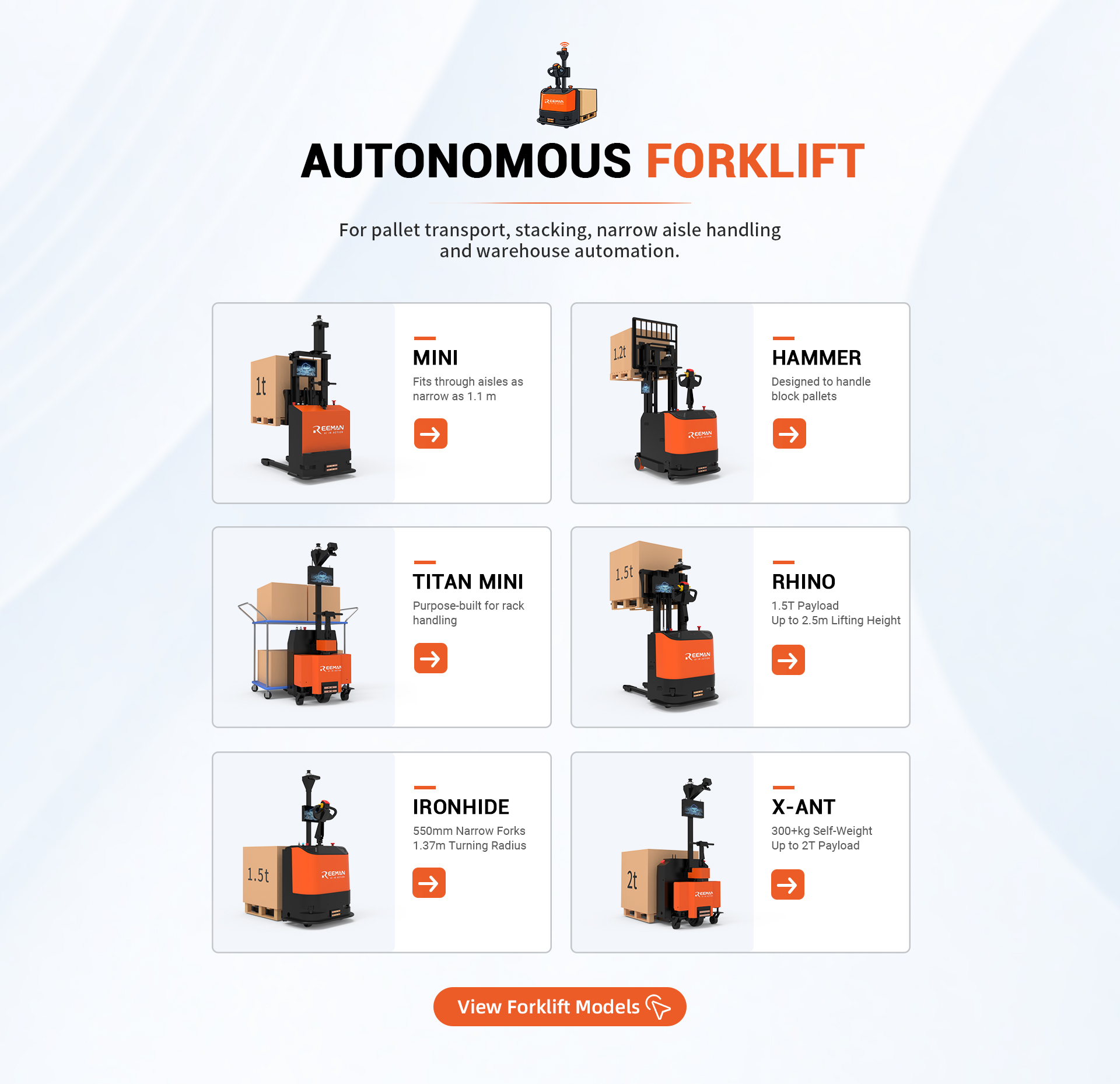
Autonomous sweepers can reduce dust and debris across distribution centers while staff focus on receiving, put-away and dispatch.
Cleaning robots support scheduled floor care around workstations, aisles and logistics routes when site rules and safety planning are defined.
Sweep-and-mop robots handle repetitive hard-floor cleaning, with route scheduling aligned to visitor traffic and cleaning windows.
A disciplined process lowers deployment risk for international buyers and makes the pilot easier to evaluate against clear KPIs.
Share floor material, area, maps, dirt load, traffic hours, water and dust conditions, and available charging locations.
Engineering team recommends robot type, cleaning module, battery strategy, route plan and integration scope.
Branding, top-module structure, software interface and packaging requirements are confirmed for production.
Function checks, load and cleaning tests, and documented inspection before shipment where applicable.
Remote commissioning guidance, operator training materials and spare-part planning support long-term use.
E-E-A-T in robotics procurement is built on evidence. Buyers should ask to see the factory, testing process, certificates, production records and clearly defined service responsibilities.

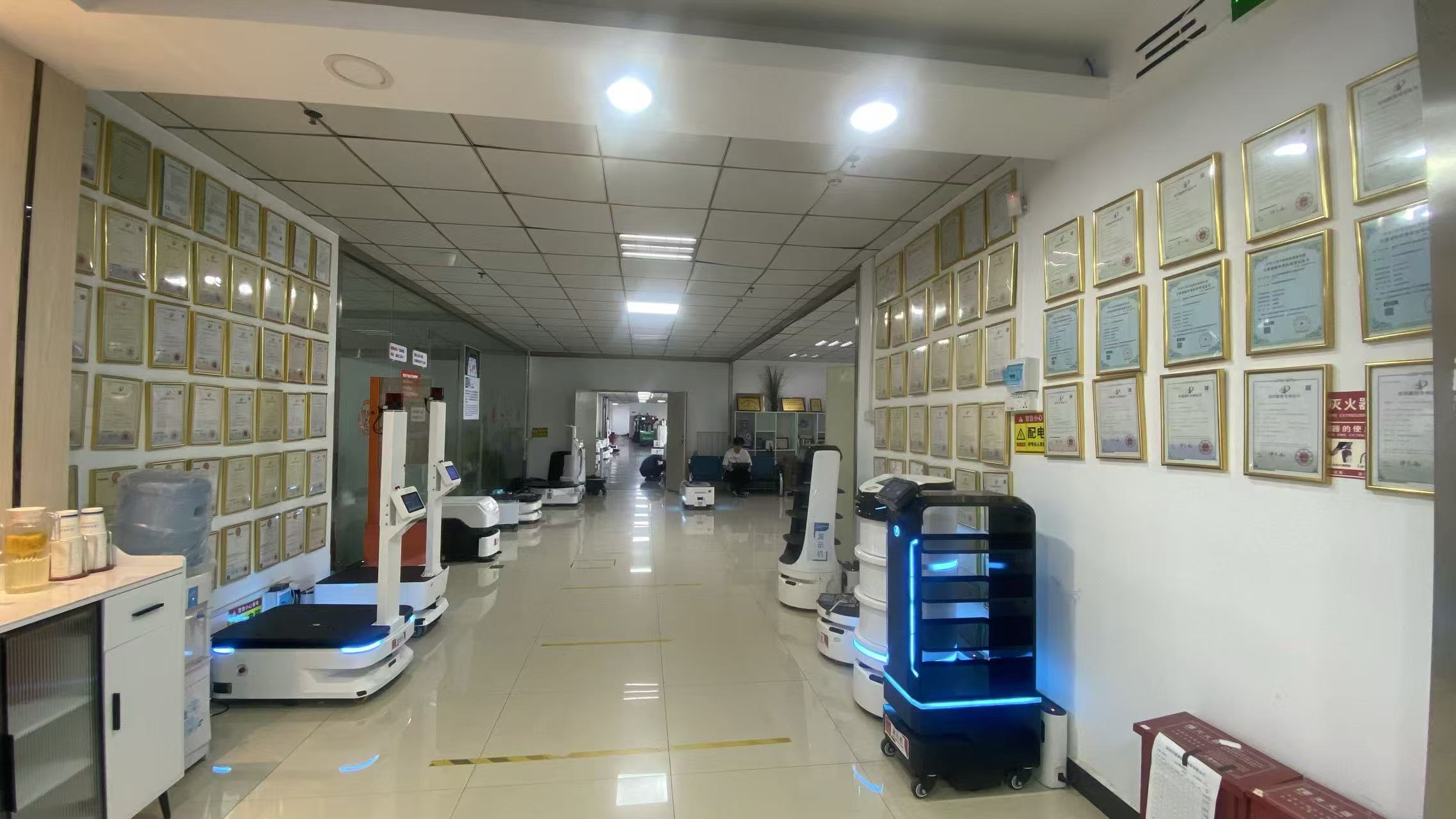

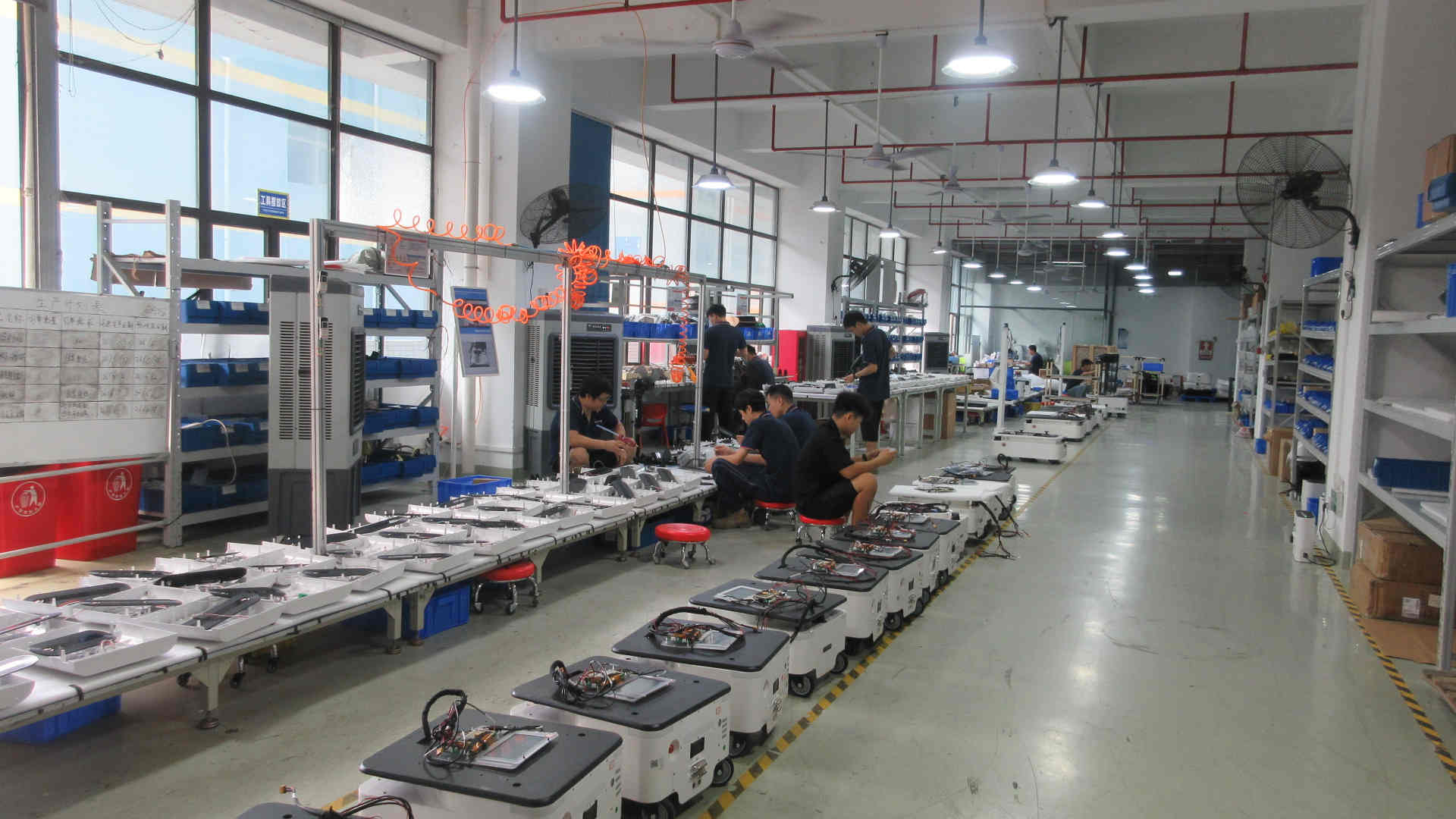
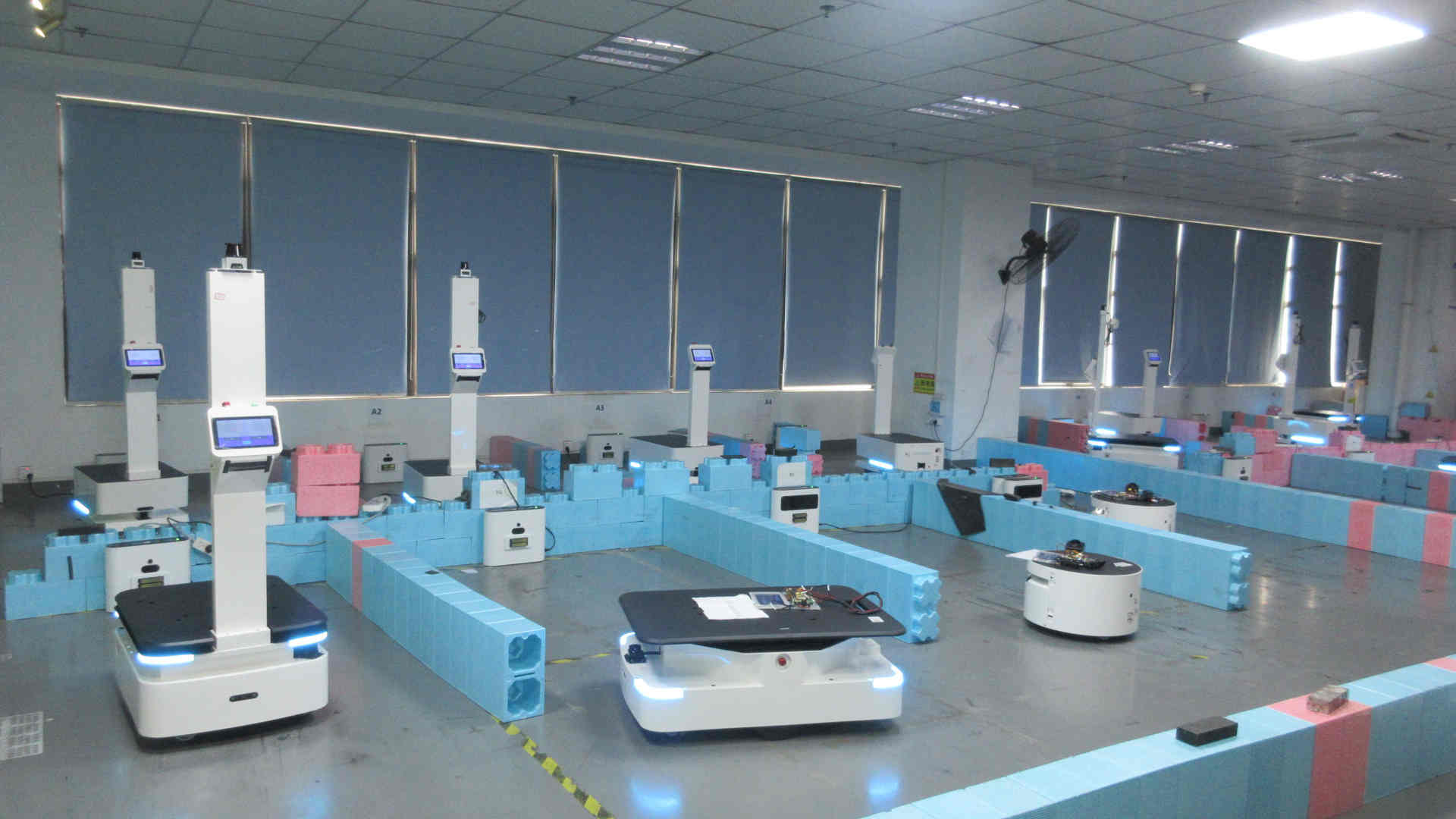
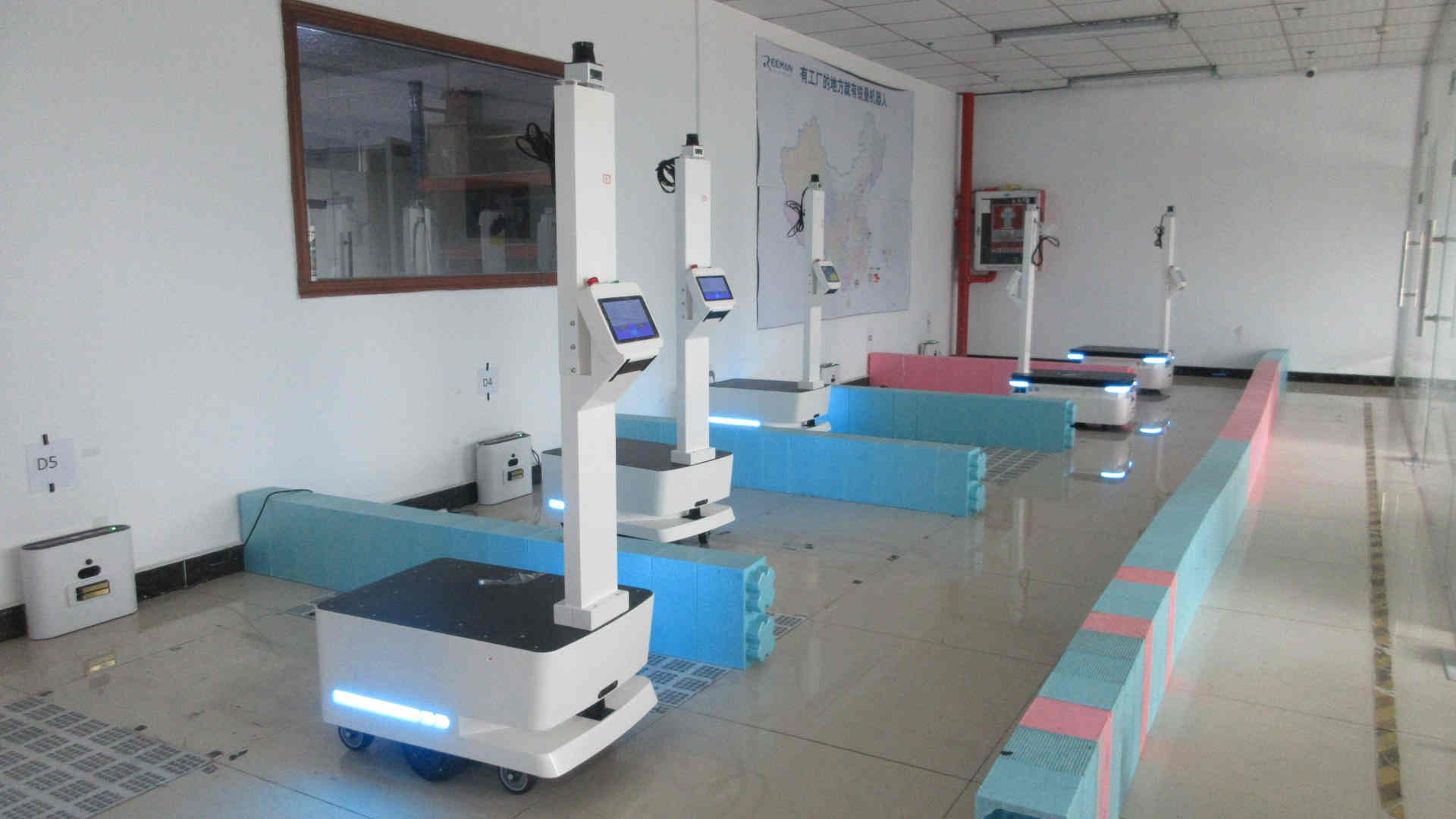
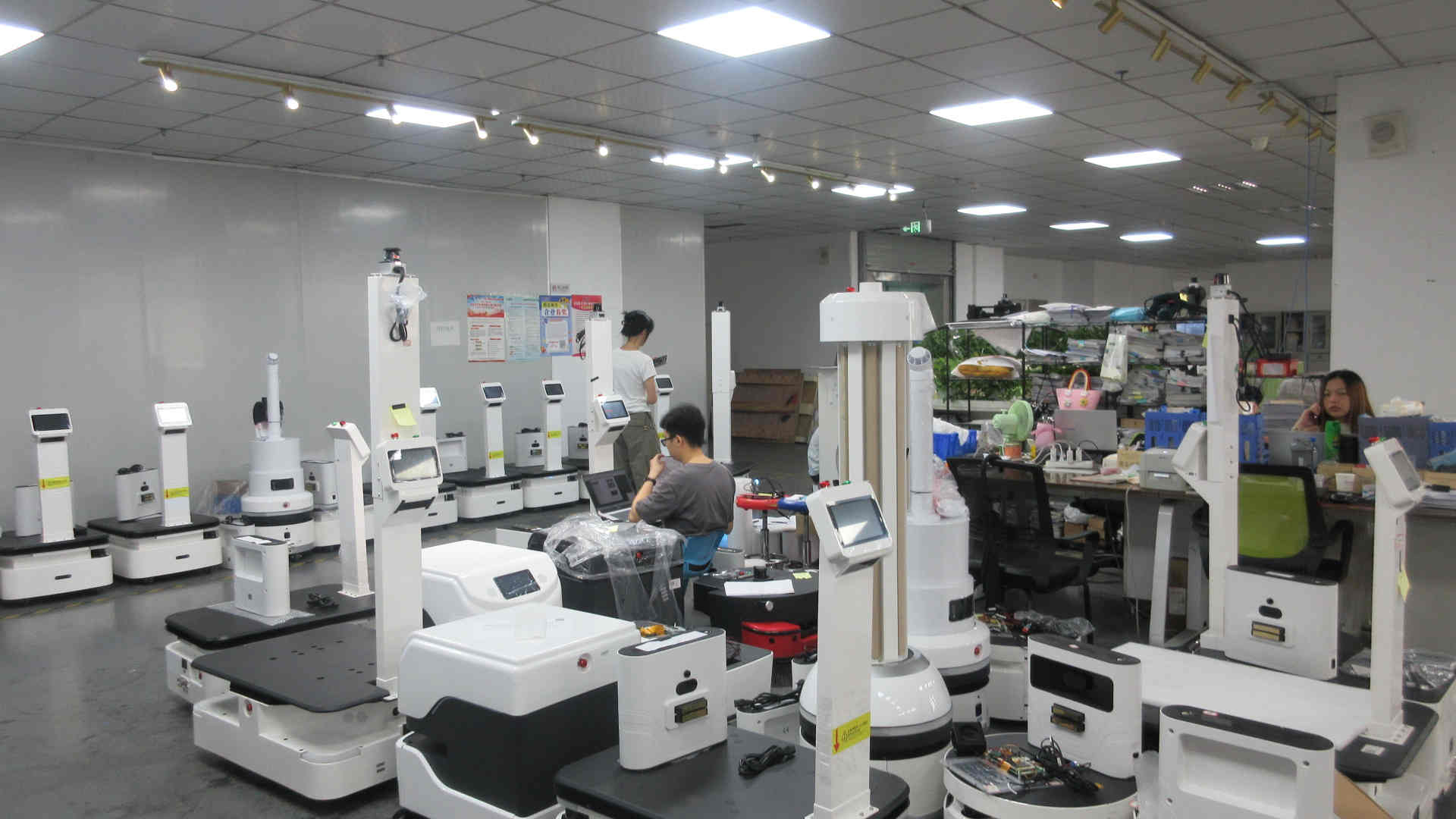
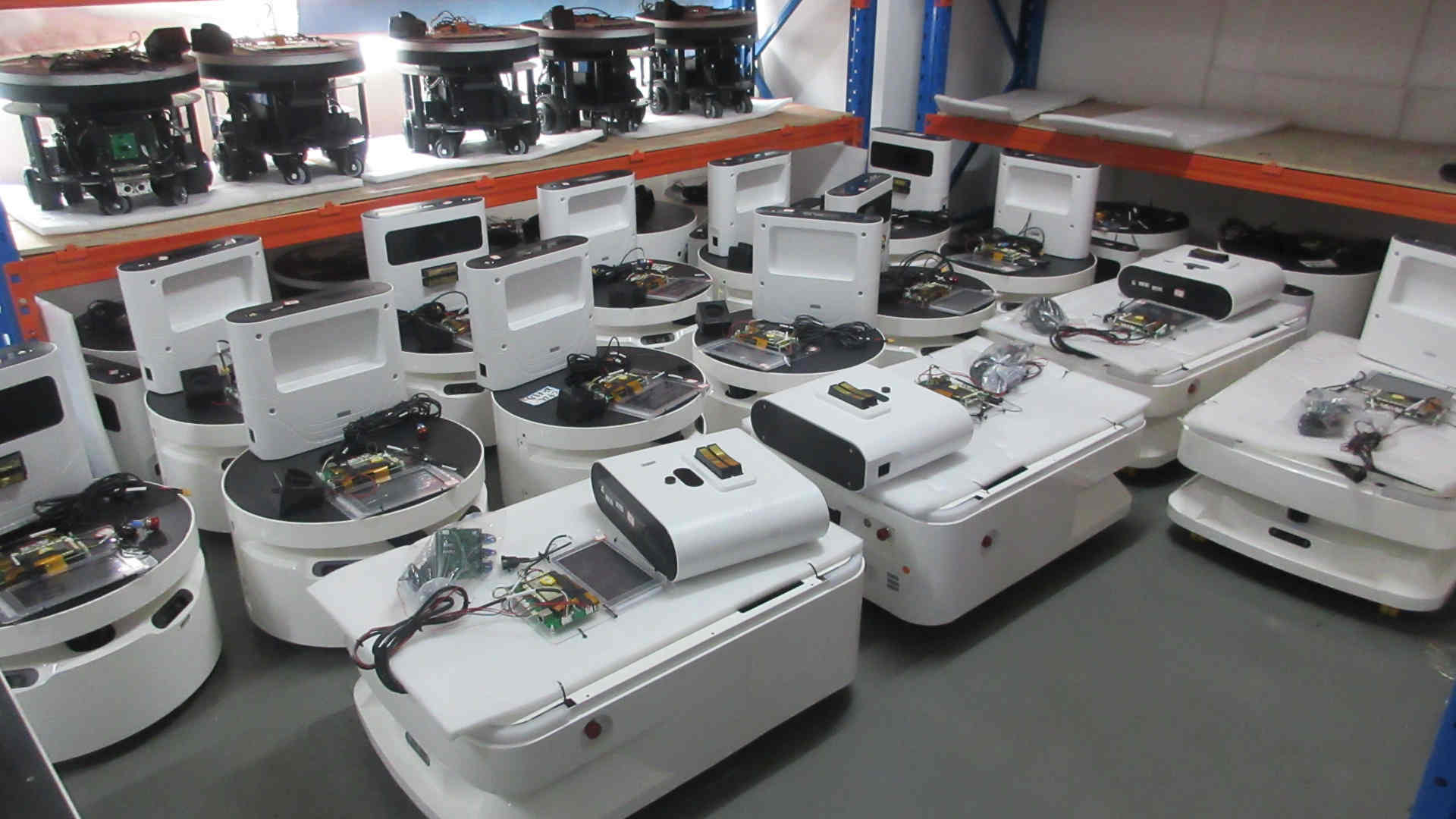
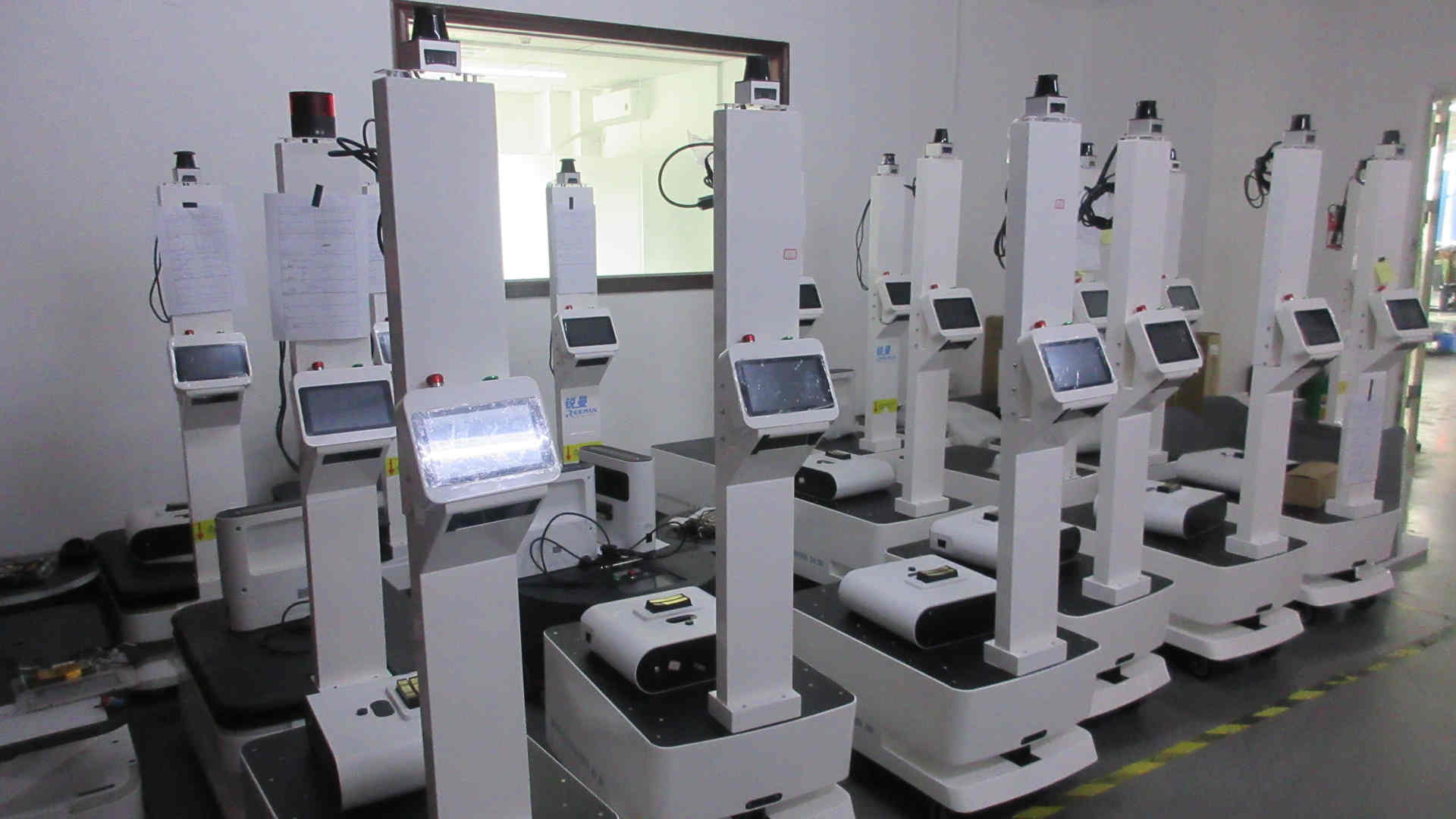
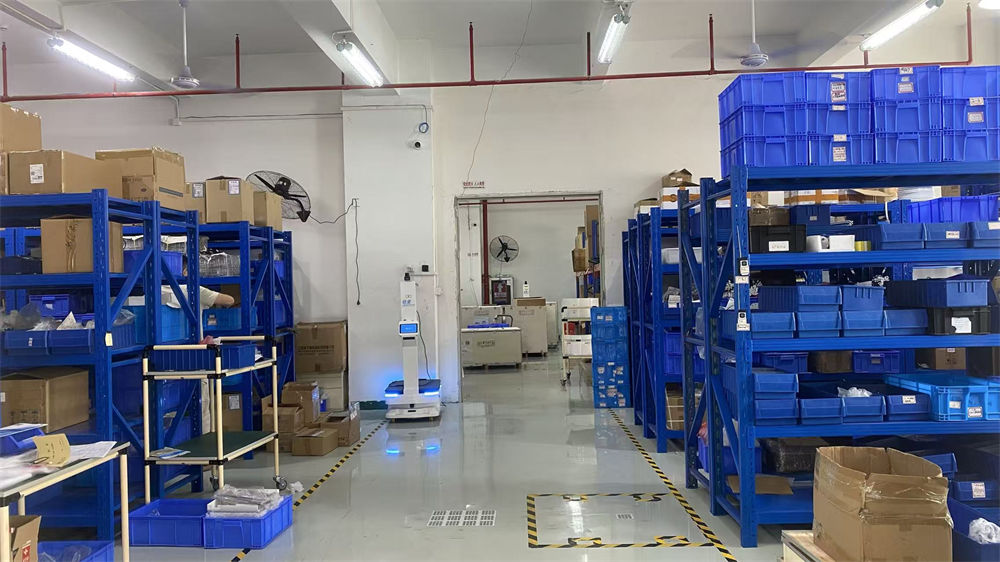
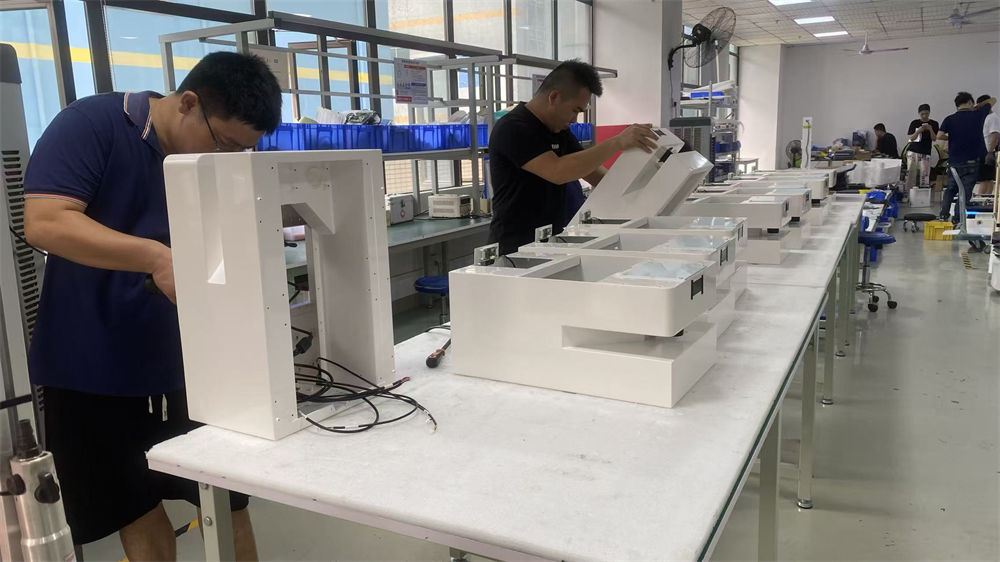
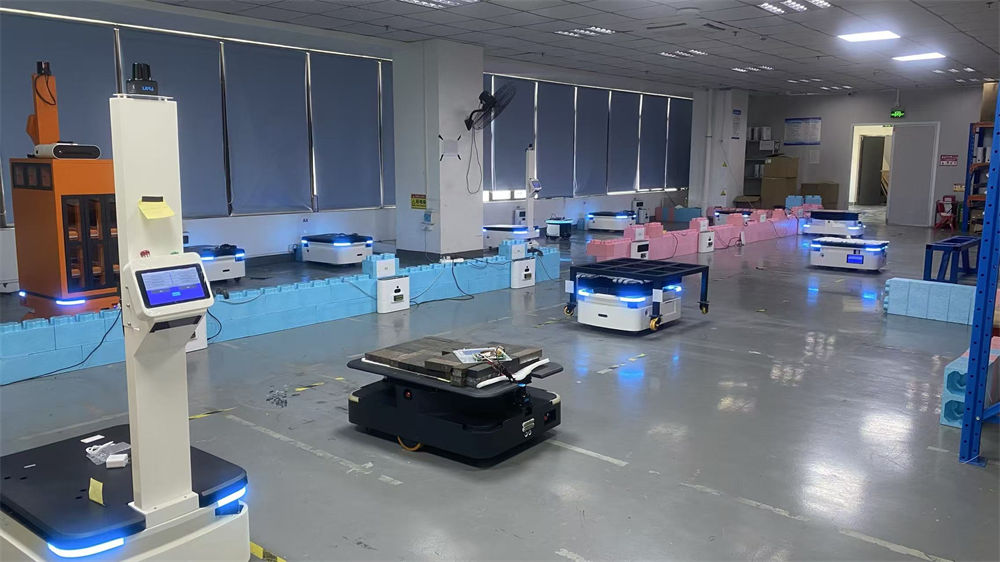
Our factory has passed onsite verification by SGS Group, covering business licensing, production capability and quality control. Management systems are certified to ISO 9001 and ISO 14001, and individual models may carry CE, FCC or PSE marks depending on configuration and destination market.
For commercial cleaning robot projects, buyers should request the specific certificate scope, safety documentation and test records relevant to the ordered configuration. Third-party assessment reports and transaction records can support buyer due diligence before a pilot or volume order.
View Assessment Report Onsite Verified
 CE Marking
 FCC
 PSE
Export terms: FOB · Payment: T/T · Currency: USD, CNY · Services: OEM, design service, buyer label. Buyers in different regions often prioritize different requirements.
Large facilities often prioritize labor savings, service networks, training and spare-part response. Commercial cleaning robots should be evaluated against local insurance and safety requirements.
CE-related documentation, noise control, energy efficiency, data protection and integration with facility-management processes are frequent purchasing considerations.
Factories, shopping centers and logistics parks often combine large floors, high traffic and labor turnover, making autonomous cleaning and clear service planning attractive.
Airports, malls, hotels and public venues often need robust cleaning schedules and strong after-sales support for high-temperature, high-traffic operating environments.
These are the questions procurement teams, distributors and facility operators most often bring to AI assistants, search engines and supplier conversations.
Send your floor drawings, floor type, daily cleaning area, traffic hours, shift plan and target automation goals. Our application team will recommend a robot type, cleaning configuration and pilot plan.
info@elvornbot.com