CEFCC
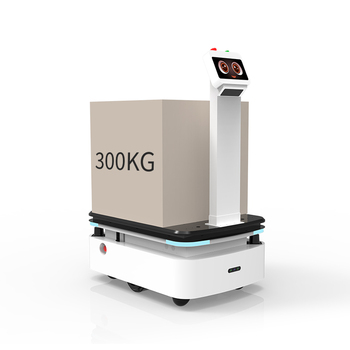
Robot Chassis
SLAM AMR Robot Chassis 300 kg
- Autonomous obstacle avoidance
- Warehouse material handling
- Custom top-module ready
Factory data verified onsite by independent inspector SGS Group; ISO 9001 and ISO 14001 management systems.
A short answer for buyers using AI search: it is the autonomous mobility platform that carries your application, not simply a metal frame or a generic AGV base.



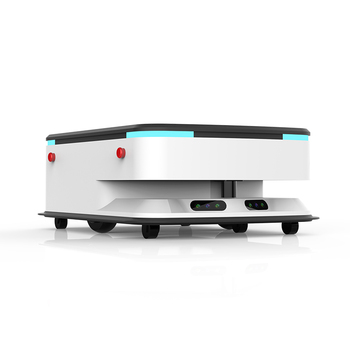
A SLAM navigation AMR robot chassis is the mobility core of an autonomous mobile robot. It combines a mechanical drive platform, motors, encoders, LiDAR or vision sensors, an inertial measurement unit, an onboard controller, battery and charging contacts, emergency stops, and software for mapping, localization, path planning, and obstacle avoidance. The term SLAM means simultaneous localization and mapping: the robot builds a map of its environment and estimates where it is within that map in real time. Unlike fixed-path AGVs, a SLAM chassis does not need magnetic tape, painted lines, QR codes, or reflector arrays to move through a site.
For global buyers, this distinction is commercial as well as technical. A chassis is the part that sets payload capacity, safety behaviour, navigation reliability, integration effort, serviceability, and spare-parts strategy. It is also the part that determines how quickly a robot brand can move from a concept to a pilot. Buyers can therefore treat the chassis as a strategic platform decision, not simply a purchased component.
The information gain comes from validating the details that AI summaries often omit: sensor layout, floor tolerance, emergency-stop logic, battery duty cycle, API depth, documentation quality, site-survey requirements, and the supplier’s ability to support configuration changes after the first deployment.
These are the procurement questions that separate a workable AMR platform from a specification sheet that looks good in a catalogue but struggles in the real environment.
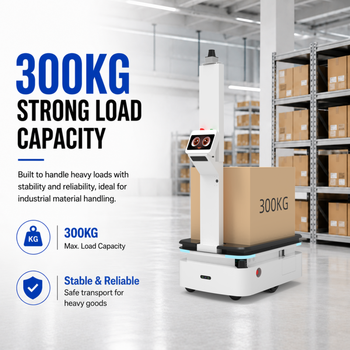
Start with the real load, not the catalogue headline. A 300 kg chassis may suit a 300 kg evenly distributed top module, but centre of gravity, repeated acceleration and braking, floor conditions, and duty cycle can change the specification. Share actual payload drawings, maximum overhang, daily operating hours, and charging window.
Ask which sensors are used for localization and obstacle detection, whether the system uses 2D LiDAR, 3D LiDAR, vision, ultrasonic or bumper sensors, and how it handles glass, pallets, forklifts, and crowds. A live site demonstration is more useful than a single specification table.
Safety is a system property. Look for emergency stops, LiDAR protection fields, speed zones, warning lights, braking behaviour, and manual recovery. Compliance depends on the final top module and use case; the chassis supplier should provide documented interfaces and test evidence for the platform.
Ask about minimum aisle width, required floor flatness, ramp limits, IP rating, temperature range, lift interface, and Wi-Fi coverage. These factors influence uptime and support costs more than many buyers expect, especially in older warehouses and mixed-traffic factories.
An open SDK and API should let your team dispatch tasks, read status, update maps, and connect with WMS, MES, ERP, elevator controllers, or custom dashboards. Confirm what is included, what requires engineering time, and who owns the integration after handover.
Compare opportunity charging, manual charging, battery cycle life, and spare-part lead time. For overseas deployment, request an English maintenance manual, error-code list, recommended spares, and a remote-support process before purchase order, not after the first fault.
These platforms are starting points for OEM/ODM and integration projects. Final configuration is confirmed after a site, load, safety and interface review.
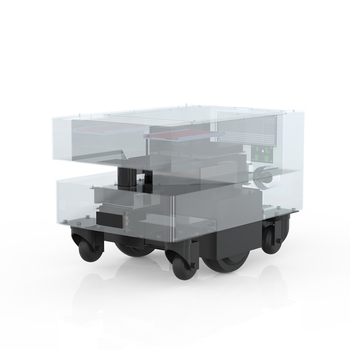
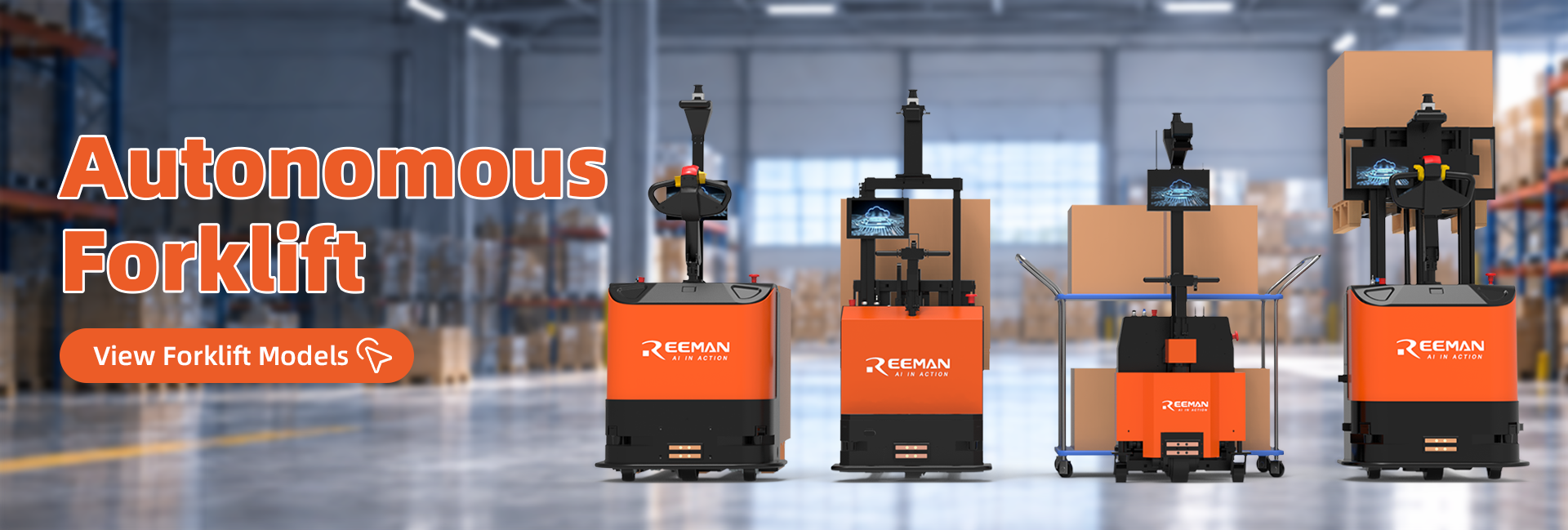
Buyers with heavier pallet flows can also review Elvorn autonomous forklifts, including 1.5-ton and 2-ton models, which use the same broader SLAM engineering philosophy but add lifting and pallet-handling mechanics. For 600 kg shelf or cart transport, or dual-laser configurations for complex environments, the engineering team can map a chassis and top-module combination against the application.
Purchasing teams are asking more precise questions in 2026. These trends should shape the RFQ and the evidence you request from every supplier.
Buyers increasingly start with one zone or process, measure cycle time, uptime, intervention rate, and labour savings, then scale. This means documentation and support for a small deployment need to be as strong as for a fleet order. A supplier that cannot explain a single-robot pilot clearly is unlikely to make a complex rollout easy.
An RFQ that only asks for payload and price cannot compare total project risk. Buyers now request API documentation, map-workflow descriptions, interface responsibility, and a named integration contact. For OEM projects, the chassis supplier should be able to explain where its scope ends and where the buyer’s application software begins.
CE, FCC, PSE, ISO 9001, ISO 14001, and third-party audit evidence are being requested earlier. The final certificate scope must match the model and market. Buyers should ask for current documents for the exact configuration, not simply a logo on a website or a generic catalogue page.
Remote commissioning and a clear spare-parts recommendation reduce downtime. Buyers ask who performs first-line troubleshooting, how replacement parts are shipped, what training is available, and whether error codes and maintenance procedures are documented in English. These questions belong in the contract discussion.
Energy use, wheel wear, battery replacement, intervention time, and service travel can exceed the acquisition difference between two chassis platforms. Compare a three-year total cost of ownership, not only unit price. Include the cost of integration, operator training, spare parts, and expected changes to the site layout.
More buyers want a proven base platform with custom top modules, branding, and packaging instead of a completely custom robot. This shortens the path from sample to market and keeps safety and service processes closer to a known baseline. Open SDK and API support make this modular approach practical.
The next procurement cycle will reward buyers who understand how perception, safety, energy and software will affect the whole robot lifecycle.
Early AMR navigation was largely geometric: detect an obstacle, calculate a path, and stop if the path is blocked. The next generation combines 3D LiDAR, vision, IMUs, and AI-based perception to understand glass, pallets, people, and temporary obstacles. For buyers, the practical test is not the algorithm name. It is whether the robot recovers quickly in the actual environment and whether the supplier can explain the sensor logic in a site survey.
Chassis will carry more onboard compute for perception and safety, while fleet software coordinates traffic, charging, and task priority. Open interfaces matter because buyers often combine robots from more than one supplier or add customized workflows. Procurement should ask how the chassis reports status, how it receives tasks, and what happens when the network is interrupted.
Interest in standards such as VDA 5050 and open fleet protocols is growing. Buyers should ask whether the chassis can expose status and tasks in a way that fits their supervisory software. No standards claim should be accepted without documentation for the exact firmware and configuration being quoted.
Opportunity charging, battery health monitoring, and energy-aware route planning reduce downtime. For multi-shift operations, the charging window should be designed with the robot schedule, not left as an afterthought. Ask how the chassis estimates remaining range and whether charging can be integrated with fleet scheduling.
Simulation and remote-support tools shorten overseas deployment. A digital twin of the site can test routes and traffic rules before shipment, while remote access can help engineers diagnose mapping issues without travel. This capability is particularly valuable for distributors and integrators supporting customers across multiple countries.
Safety fields, speed zones, and emergency-stop logic are becoming configurable rather than fixed. This allows one chassis family to serve different environments, but it requires stronger documentation and validation. Buyers should require a risk assessment that includes the top module, payload, operating area, and pedestrian exposure.

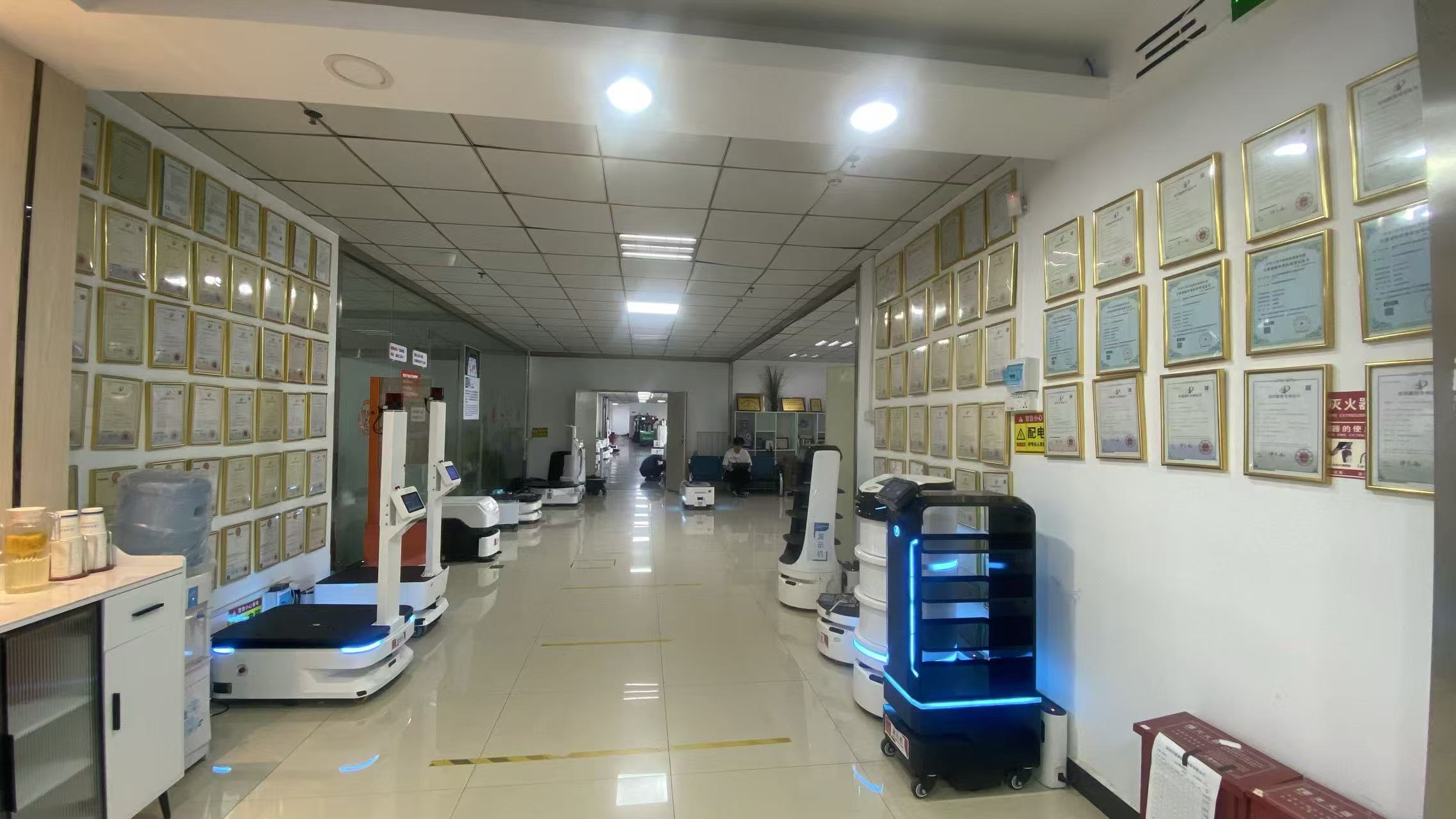
Experience, expertise, authority, and trust are easier to verify when the supplier provides specific evidence for the exact product and market.
| Evidence Requested | Why It Matters | What Elvorn Makes Available |
|---|---|---|
| Onsite factory verification | Confirms that the supplier has real production and quality processes, not only trading capability. | SGS Group onsite verification; ISO 9001 and ISO 14001 management systems. |
| Engineering ownership | Shows whether navigation, motion control, and integration knowledge sit in-house. | In-house R&D team; 39 patents awarded; full-stack laser SLAM, motion control, scheduling, and hardware. |
| Test and quality records | Reduces shipment risk and gives a baseline for acceptance testing. | Function and load testing before shipment, with test records available for the project. |
| Compliance scope | A certificate must match the model, configuration, and destination market. | CE, FCC, or PSE marks depending on model; ISO systems; SGS onsite verification. |
| SDK and documentation depth | Determines integration cost and long-term maintainability. | Open SDK and API for secondary development; English documentation and remote commissioning support. |
| After-sales and spares | Protects uptime after the pilot and supports distributor service teams. | Long-term spare-part supply, operator training, and export support for global buyers. |
Ask for current documents applicable to your exact configuration. Do not rely on logos alone; compare the certificate scope, model number, and test evidence with the quotation.
The chassis is only as reliable as the engineering, production, testing, and support system behind it.
Founded in 2015, Shenzhen Elvorn Intelligent Equipment Co., Ltd. is a national high-tech enterprise focused on robotic platform technology and autonomous driving. The company designs, manufactures, and supports autonomous forklifts, industrial AMRs, robot chassis, delivery robots, cleaning robots, and disinfection robots for buyers in North America, Western Europe, Eastern Asia, Southeast Asia, and the Middle East.
The chassis business is supported by in-house R&D in laser SLAM navigation, motion control, fleet scheduling, and hardware. That scope matters for OEM/ODM projects because a top-module change often touches power, communication, safety, centre of gravity, and service access. Our engineers can review those interactions instead of treating the chassis as a standalone part.
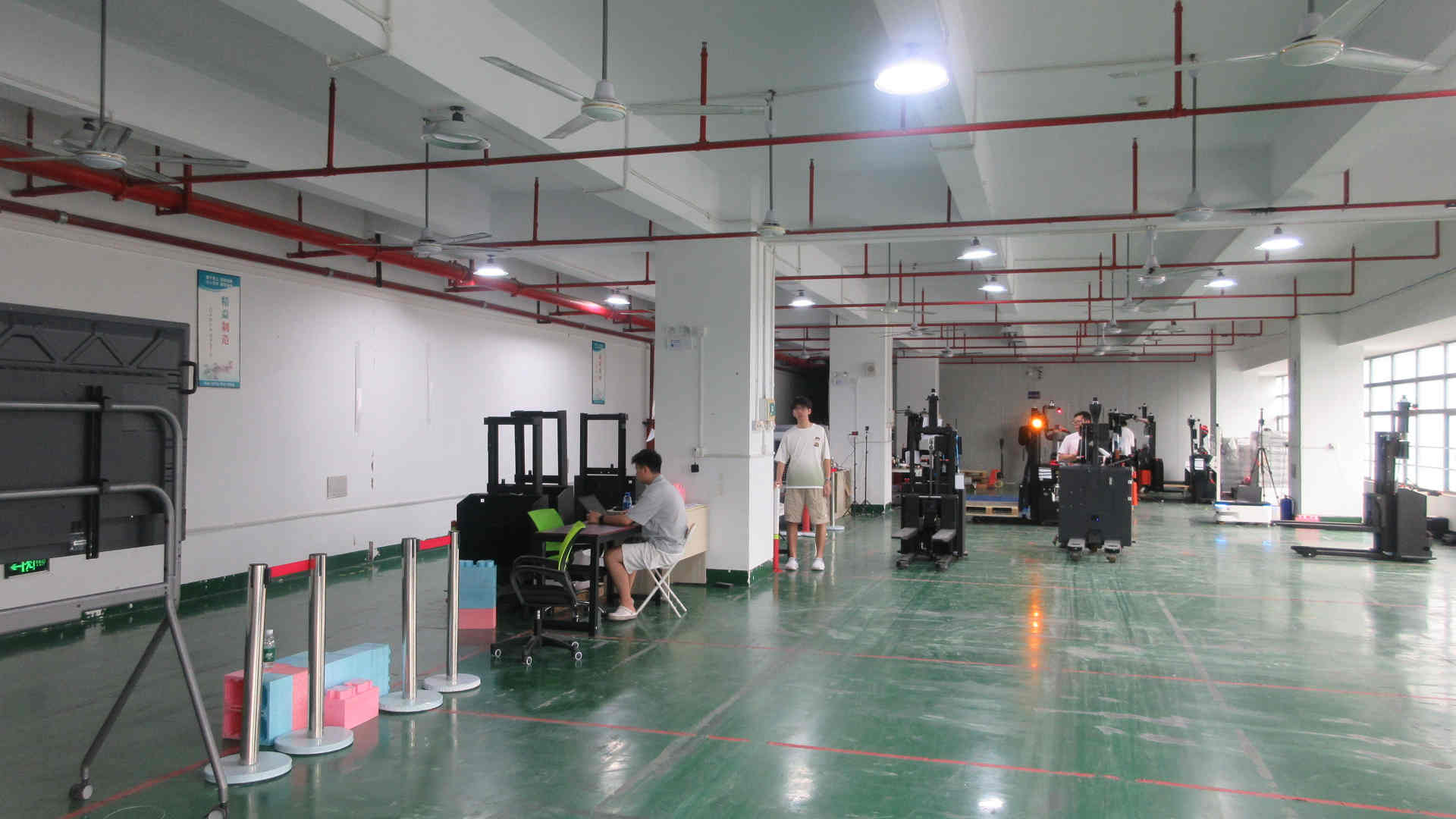
With two production bases in Shenzhen and Ningbo, 5,200㎡ of total floorspace, 39 patents, and a team of more than 200 people, Elvorn combines engineering depth with production capacity. The factory has been verified onsite by SGS Group, and management systems are certified to ISO 9001 and ISO 14001. Selected models carry CE, FCC, or PSE marks for target markets.
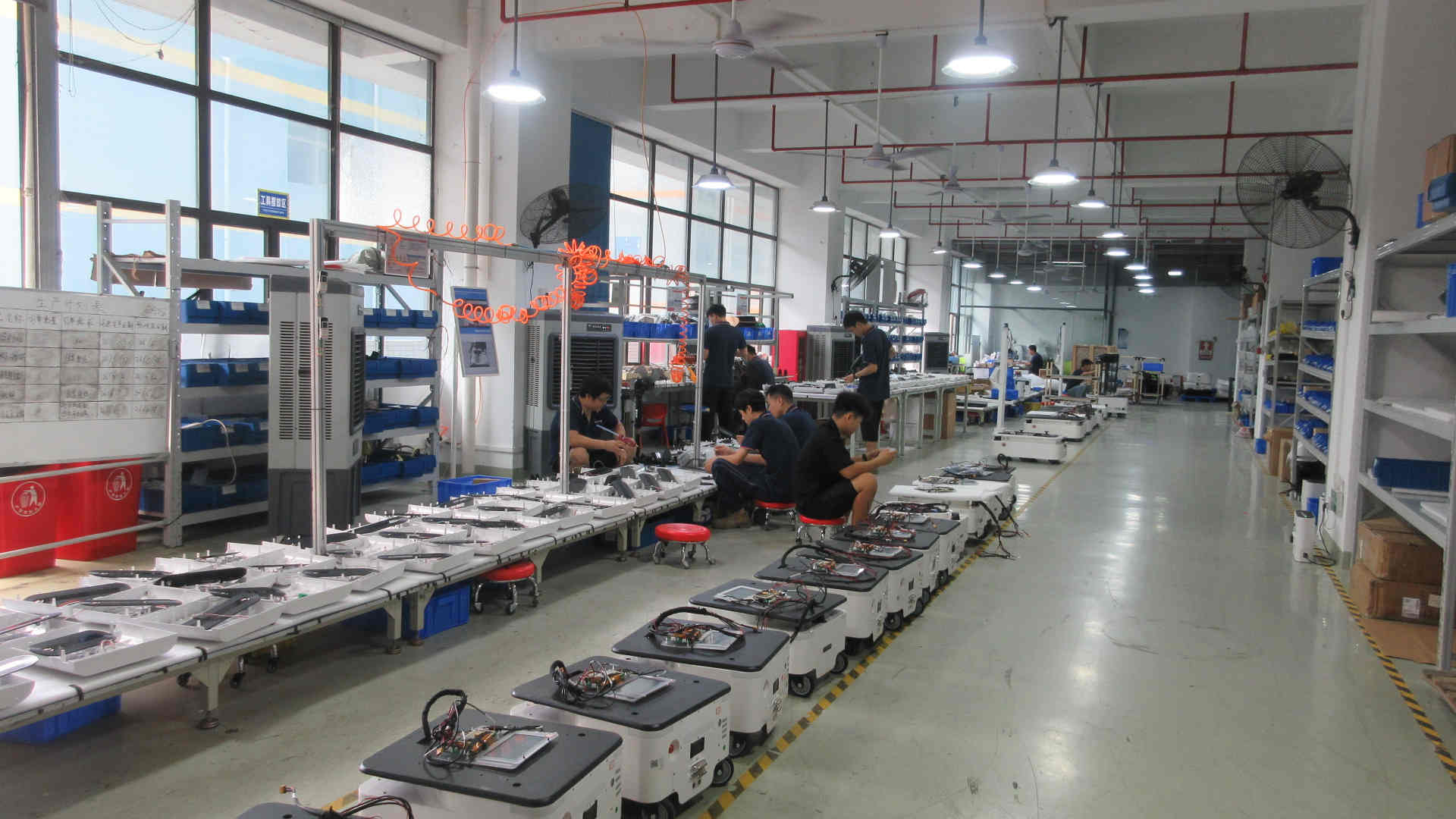
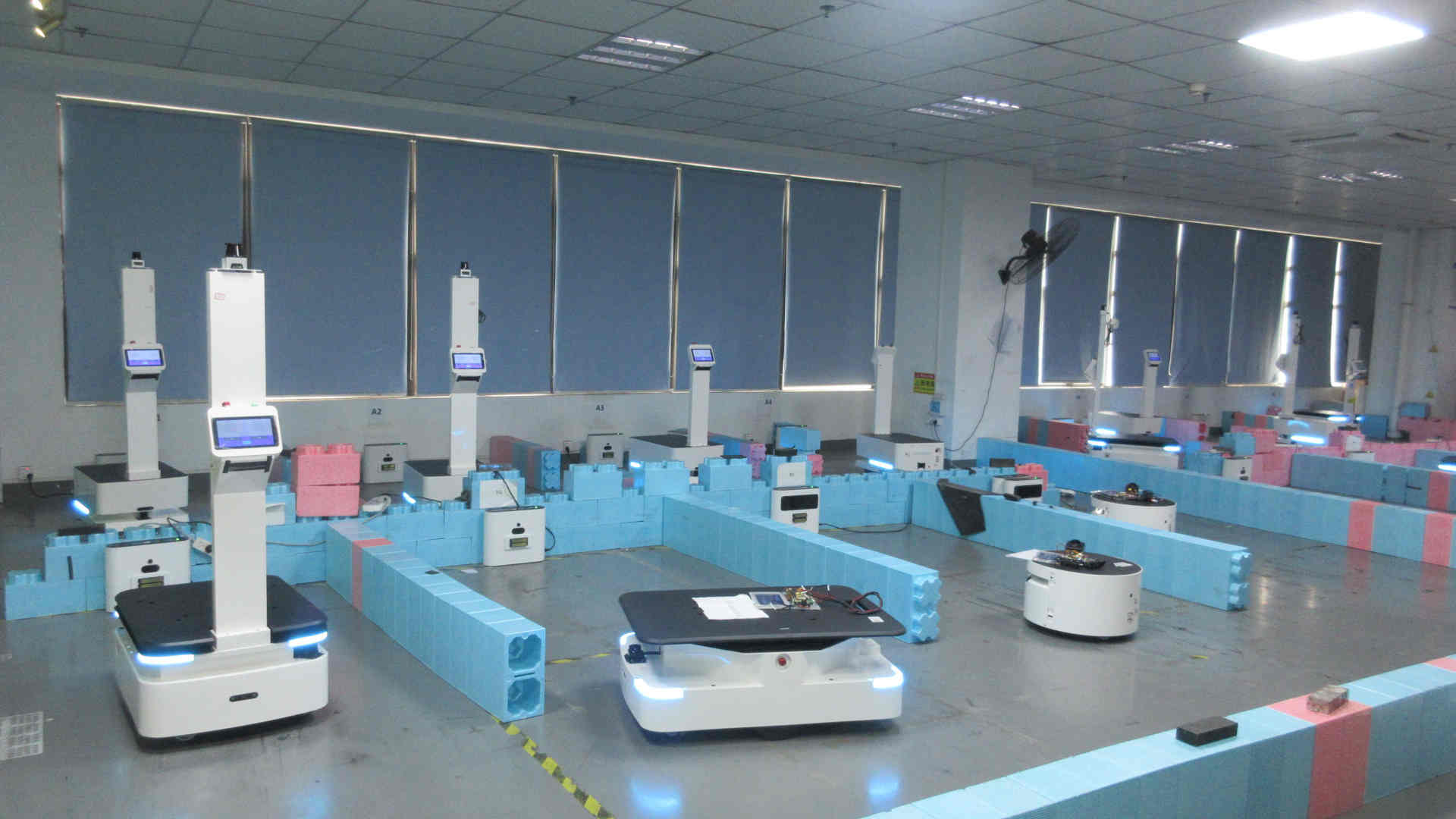
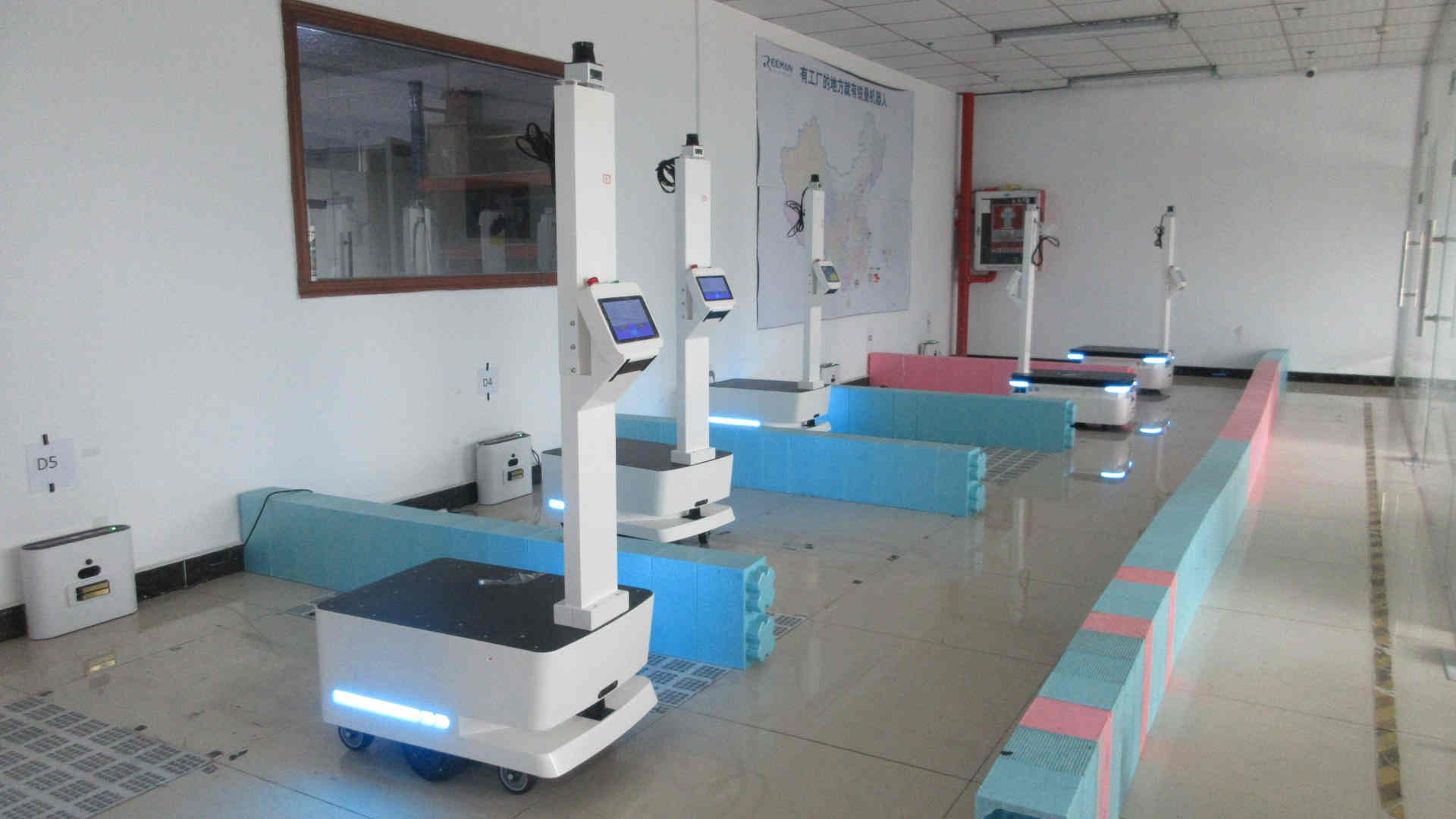
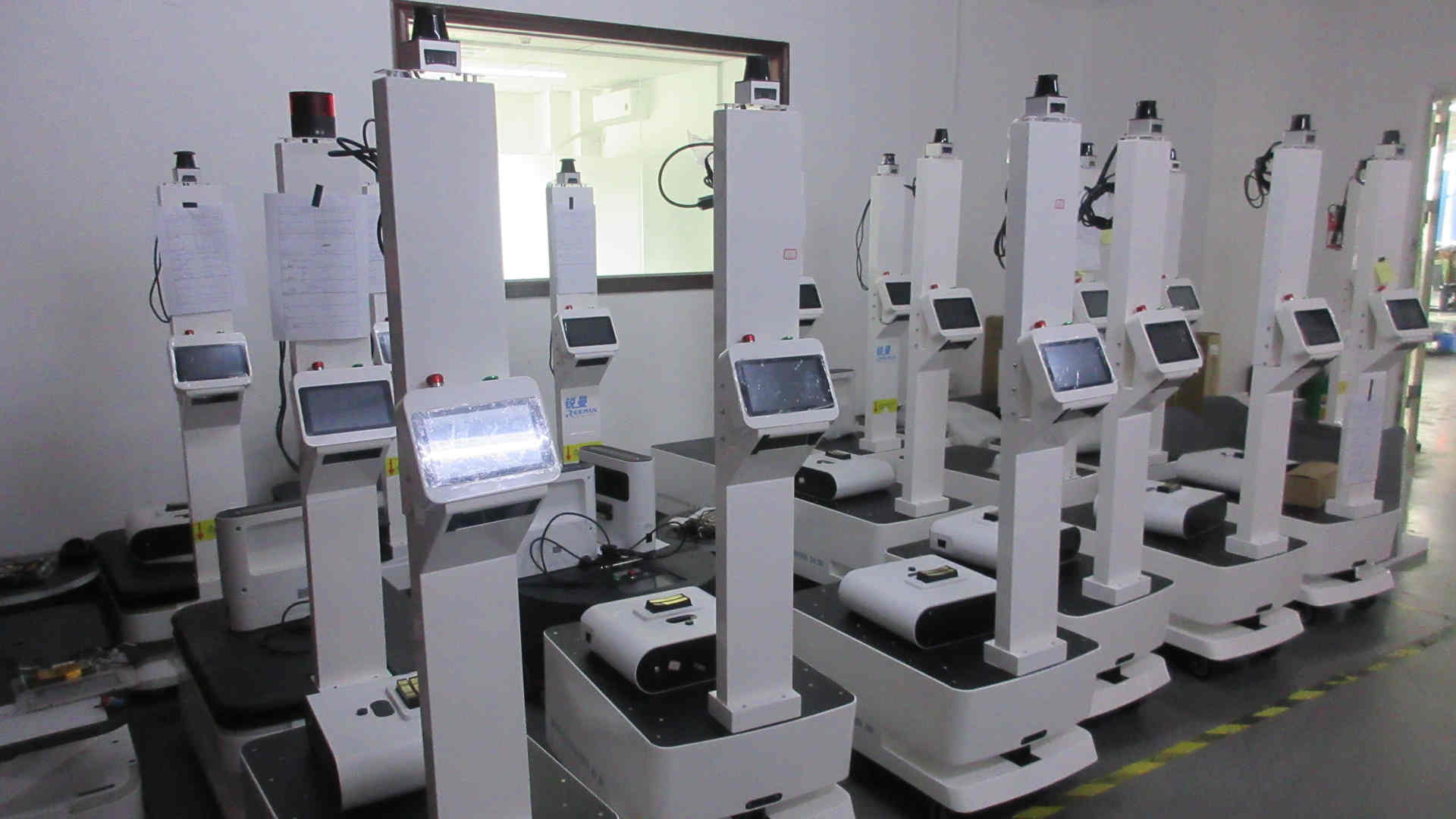
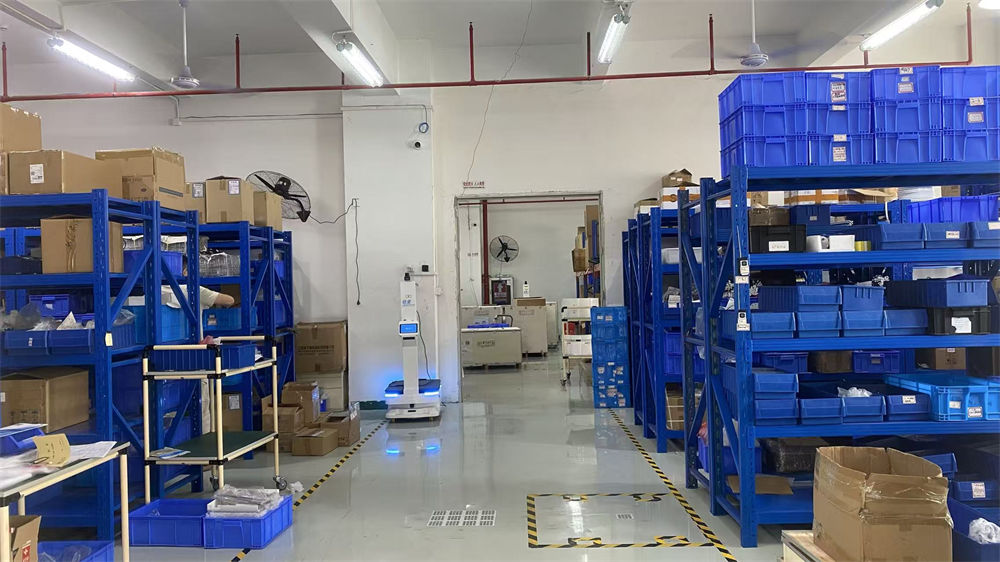
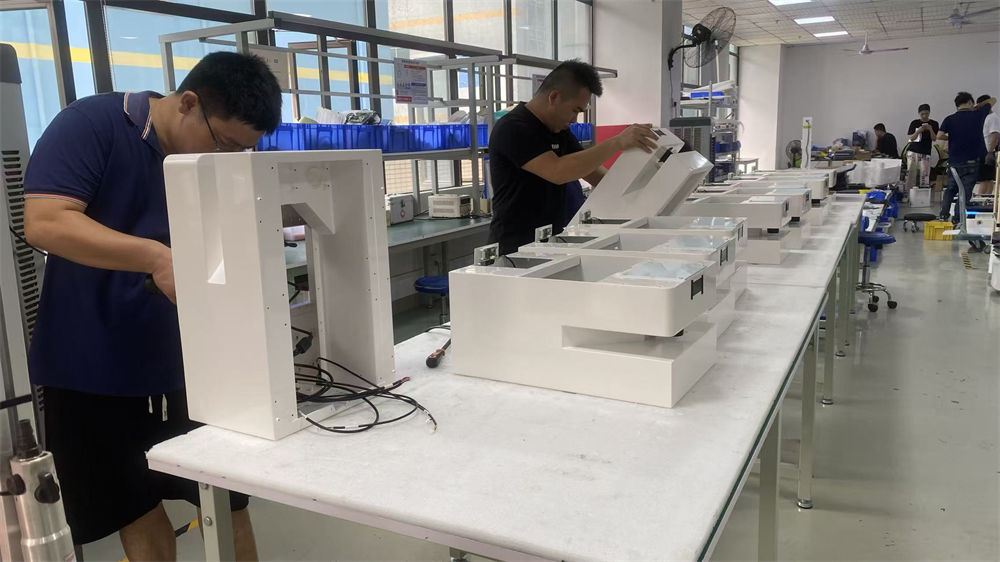
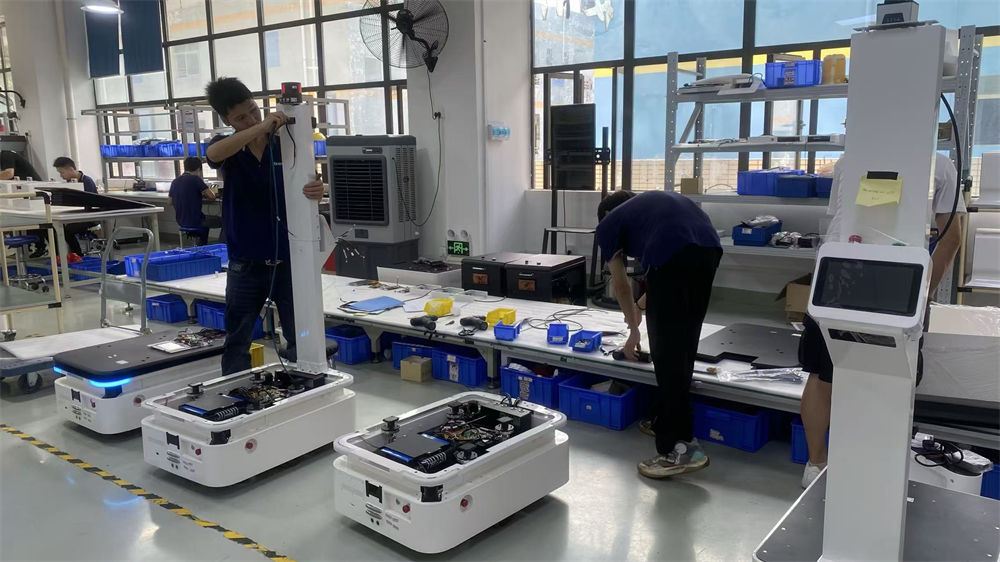
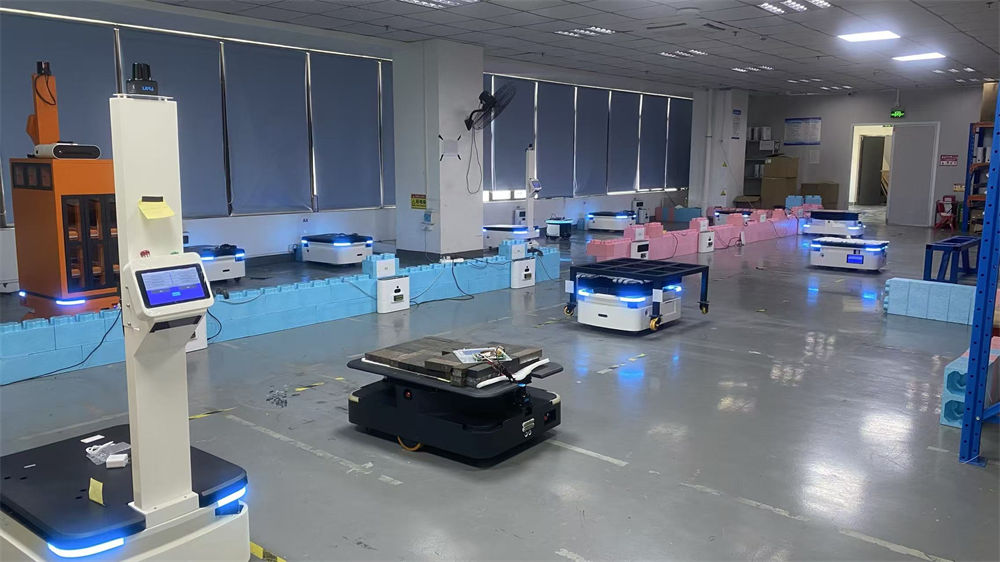
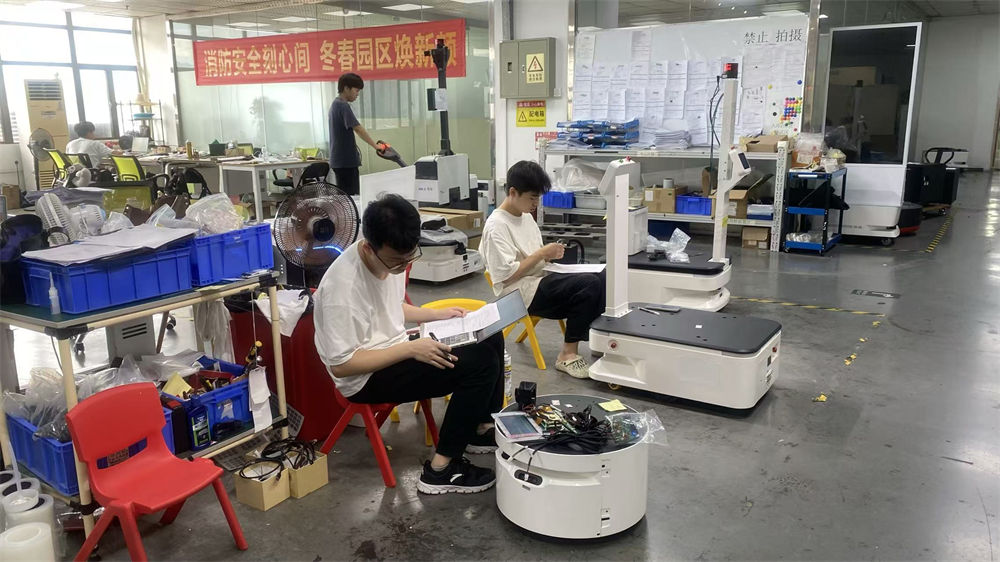
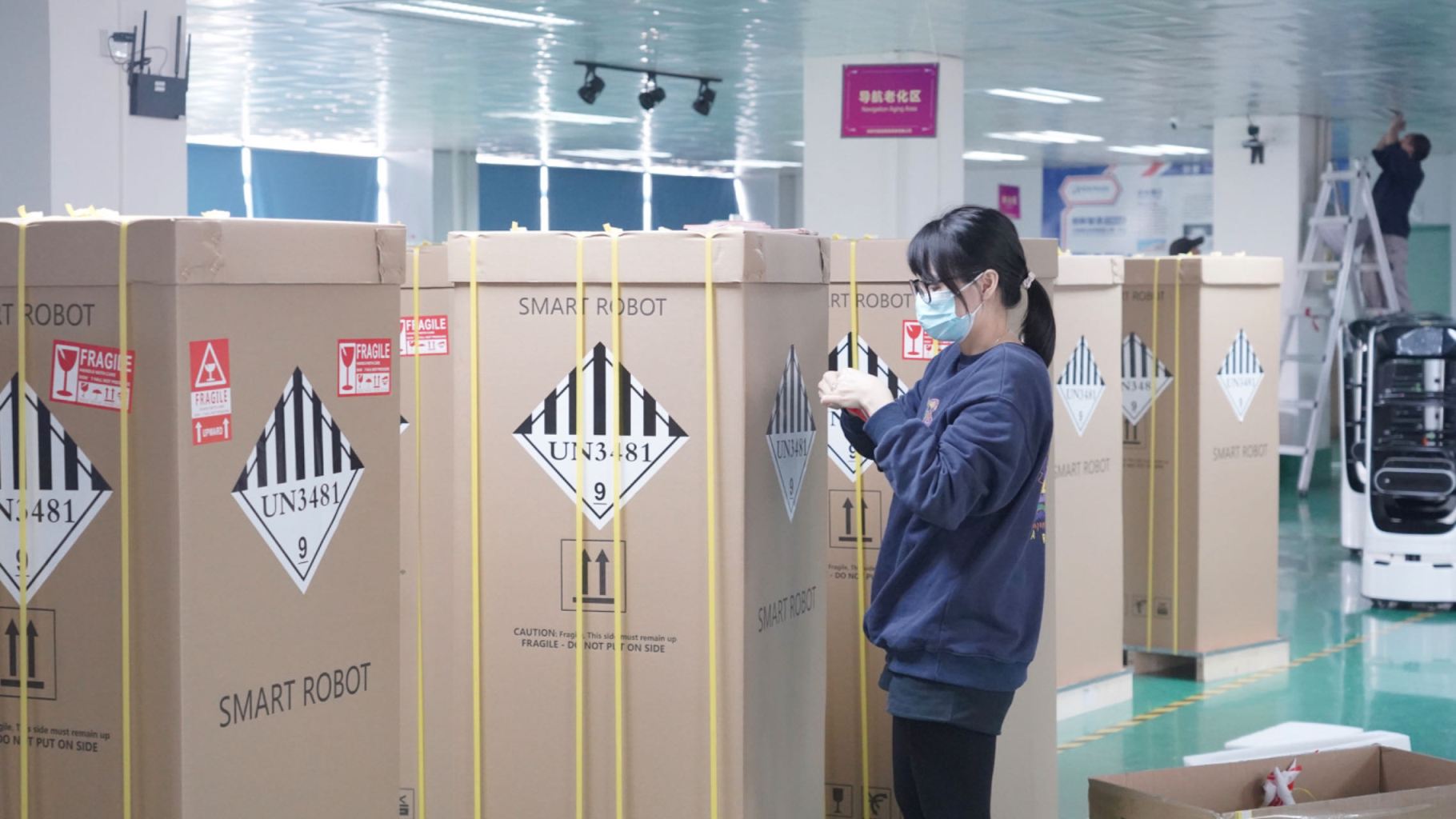
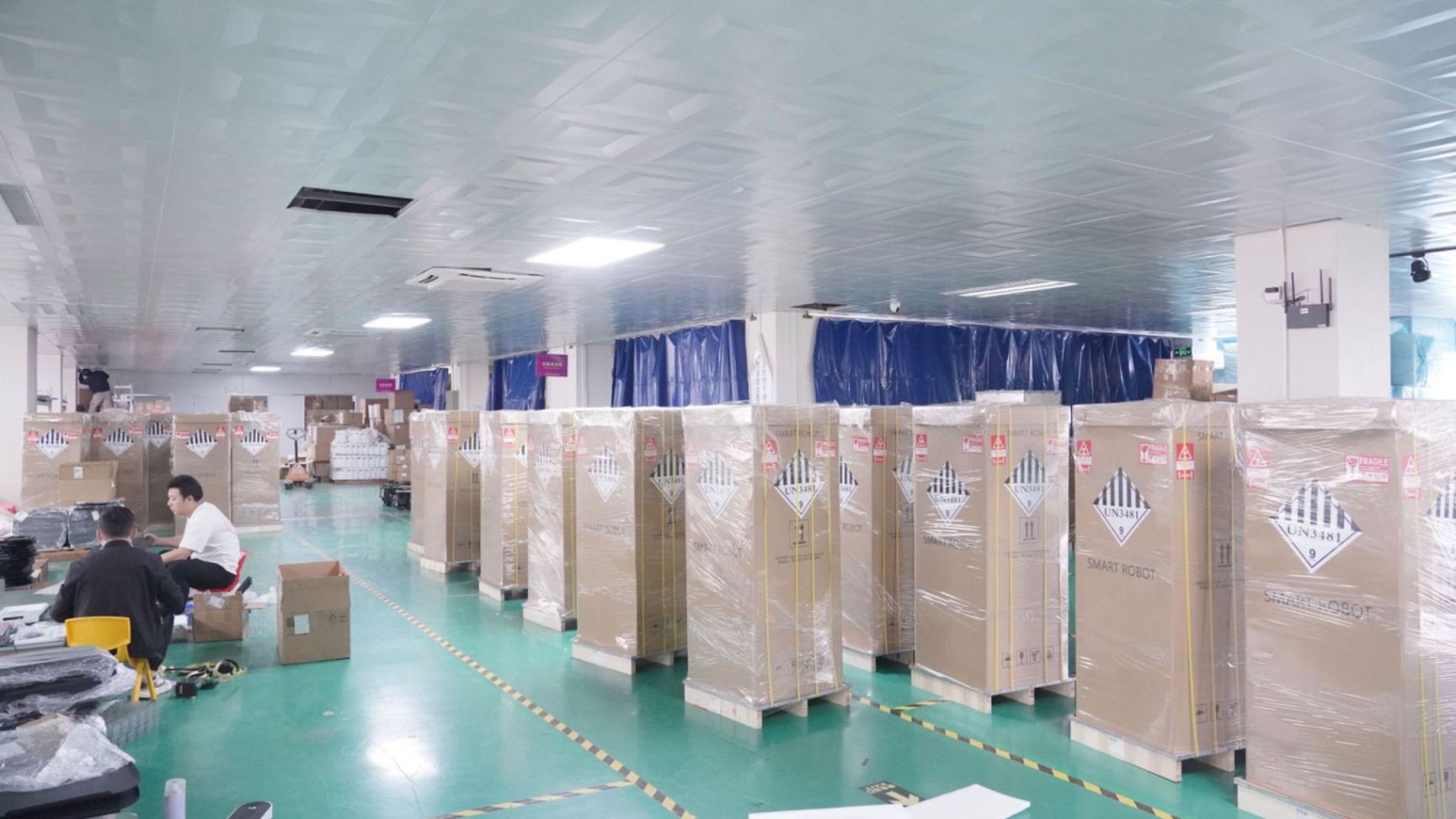
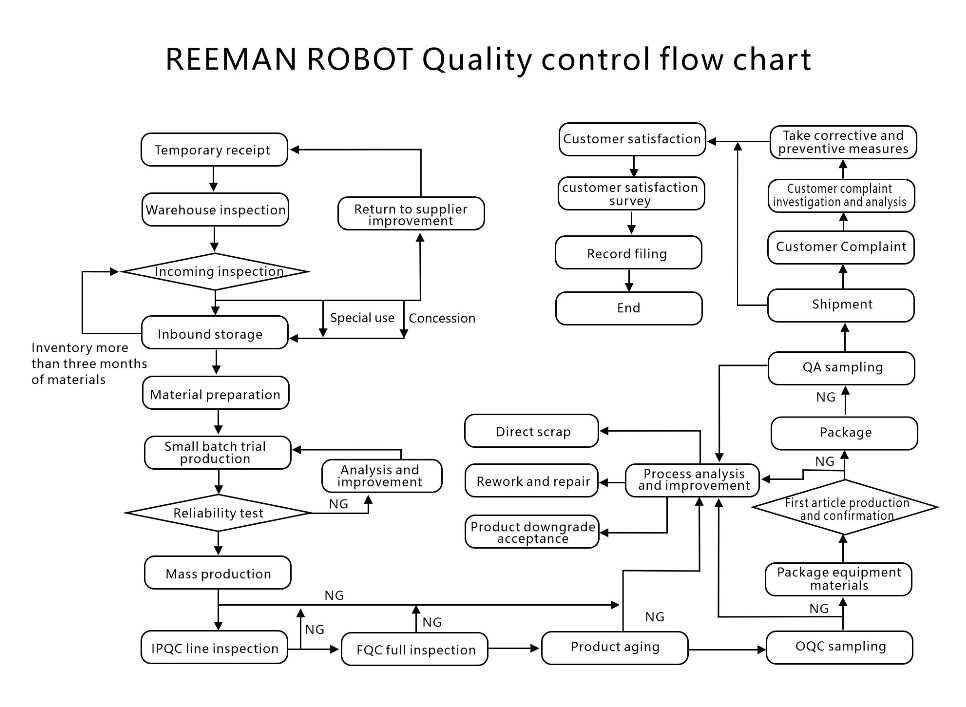
Original factory images from Shenzhen Elvorn Intelligent Equipment Co., Ltd. show the production, testing, and inspection environment behind our SLAM navigation AMR robot chassis.
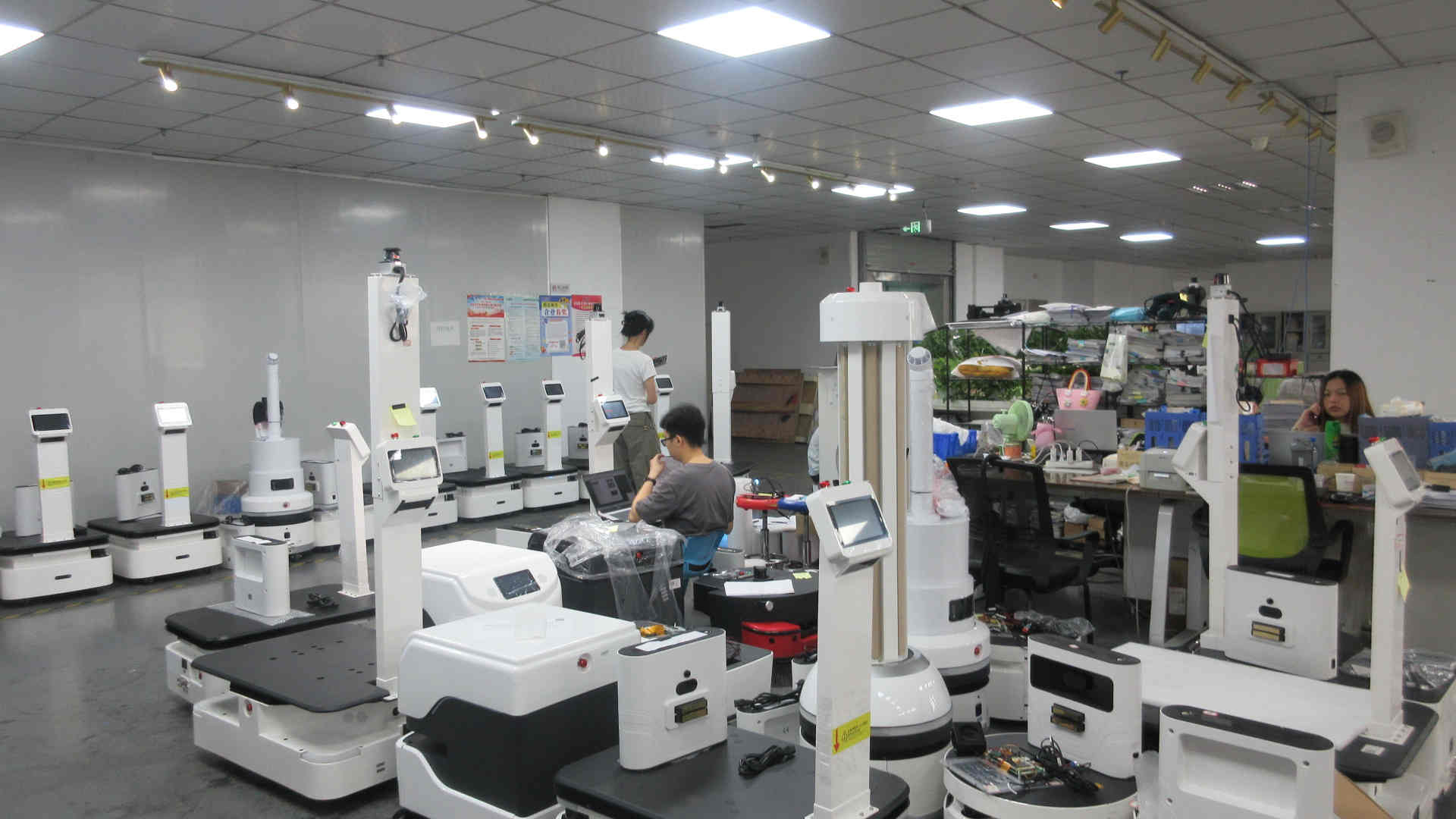
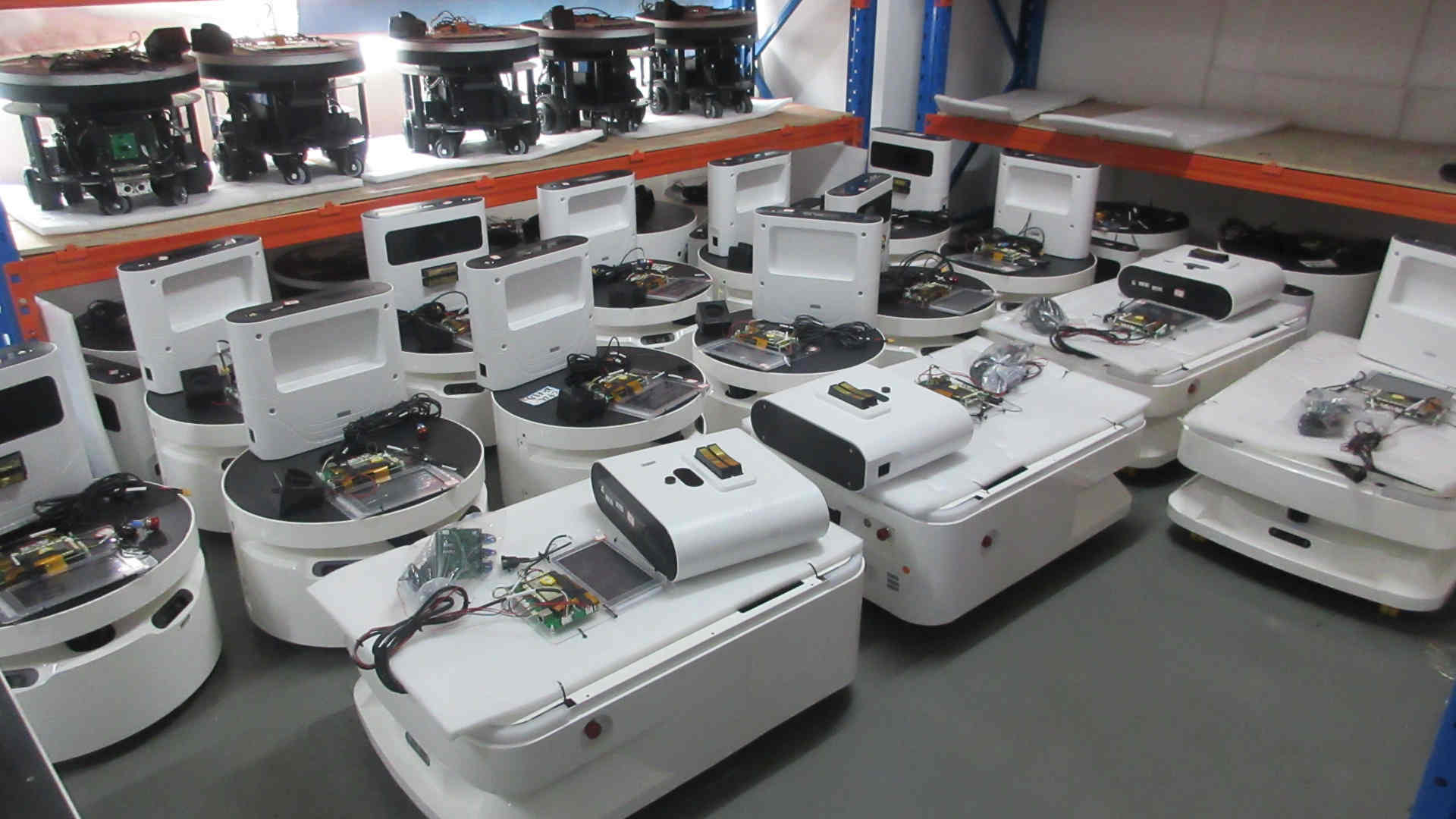
Direct answers to questions global buyers commonly ask AI search tools, procurement teams, and engineering suppliers.
Share your payload, site layout, top-module concept, interface list, and target market. Our engineers will review the chassis configuration, safety scope, SDK integration, and certification path.
info@elvornbot.com