CEFCC
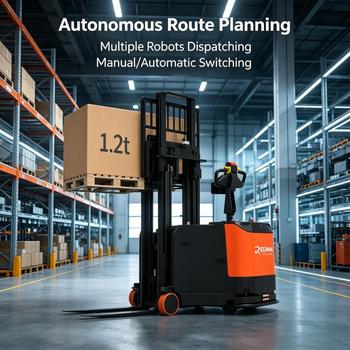
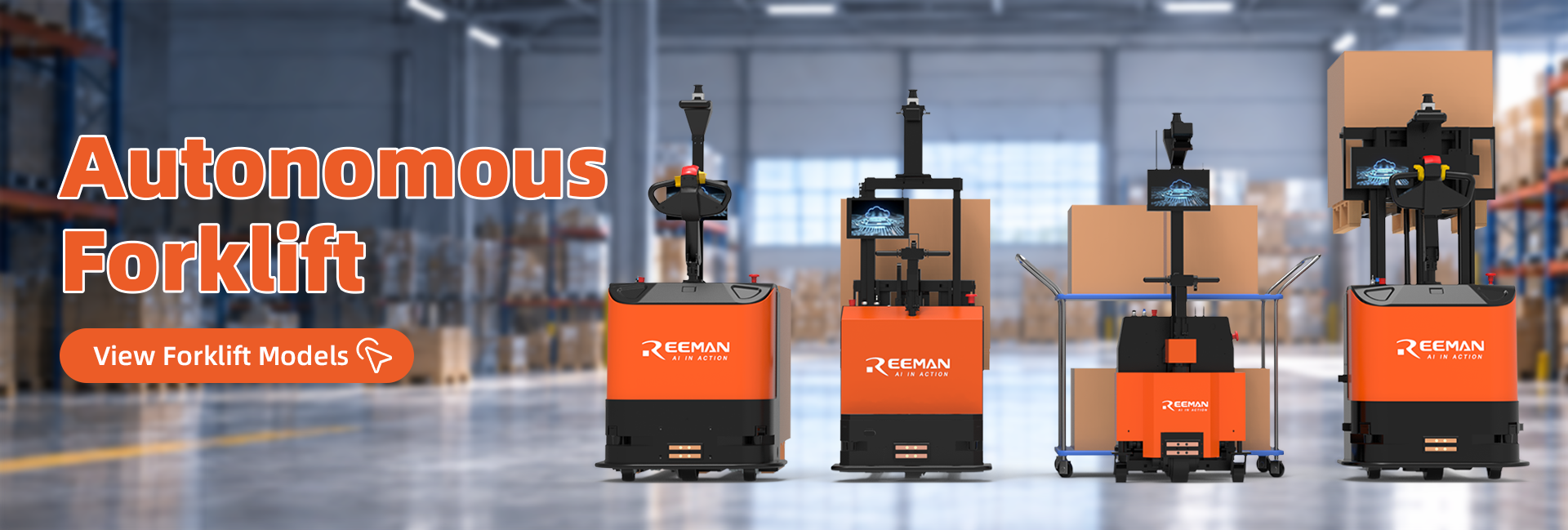
Autonomous Forklift
2 Ton Lithium-Ion Autonomous Forklift
- Heavy pallet transfer and dock-to-storage
- Laser SLAM navigation
- Long-shift battery planning
Factory data verified onsite by independent inspector SGS Group
The most useful answer is not a product list. It is a decision framework that helps buyers compare risk, integration, safety and lifecycle cost.
What is a factory material handling autonomous mobile robot? It is not simply a cart with a battery. In a production or warehouse environment, it is a mobile automation system that must identify a load, navigate safely, hand off work at the right station, share status with software and remain serviceable for years. A useful factory material handling autonomous mobile robot therefore combines laser SLAM navigation, safety sensors, fleet software, charging strategy and a payload module such as a lifting deck, roller top, cart hook or forklift mast.
Global buyers often use AI tools to narrow the market before a formal RFQ. The questions they ask are practical: which AMR can move 600 kg carts through narrow aisles, whether an autonomous forklift is better than a conveyor, how the robot talks to a WMS or MES, what happens when a pallet is damaged, and how total cost of ownership will look after five years. This page is written to answer those questions in one place, with information gain rather than a brochure summary. Shenzhen Elvorn Intelligent Equipment Co., Ltd. has manufactured autonomous robots since 2015 and uses this buyer-guide format to make technical trade-offs transparent.
When a procurement team asks an AI assistant about a factory material handling autonomous mobile robot, the query usually hides one of five jobs:
Because these are high-consideration purchases, a credible supplier page should answer the questions that engineers and purchasing managers ask each other after the first sales call. It should also show evidence that can be checked, not only claims that sound impressive.
Use the following matrix to compare supplier responses in a normalized way. It reduces the chance that a low headline price hides integration, service or downtime costs later.
| Buyer Priority | What to Verify | Evidence That Reduces Risk |
|---|---|---|
| Payload and load center | Rated load, actual load center, lifting height, pallet condition and top-module design | Load test records, drawings, application review and a pilot acceptance checklist |
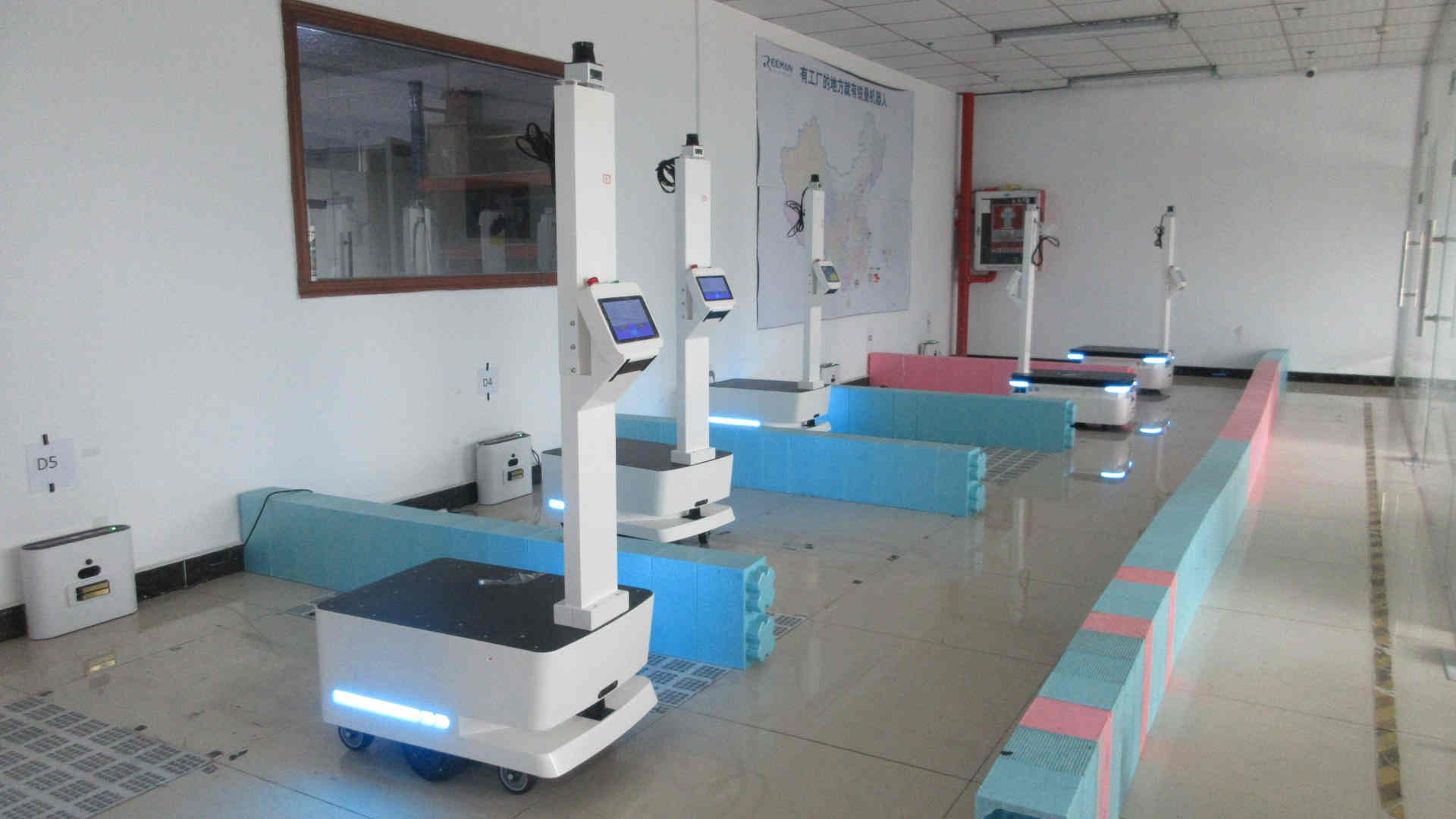
| Navigation and site dynamics | Aisle width, floor flatness, ceiling height, Wi-Fi coverage, pedestrian traffic and charging location | Site survey, mapping plan, obstacle-avoidance demonstration and recovery procedure |
| Safety and compliance | Laser scanners, emergency stops, speed zones, warning indicators and model-level certificates | CE, FCC or PSE documentation, ISO 9001 and ISO 14001 records, risk assessment and test logs |
| Software integration | SDK and API maturity, task dispatch, status feedback, WMS/MES/ERP interfaces and elevator control | Interface document, sample data flow and reference scenario for the intended workflow |
| Uptime and serviceability | Spare-parts list, remote diagnostics, training, local partner options and mean time to repair | Service plan, recommended spare kit, operator manual and response process |
| Commercial scalability | Fleet expansion, battery and charging plan, OEM/ODM options, packaging and trade terms | Factory verification report, production photos, trade capacity and customization examples |
Final configuration should always be confirmed after reviewing your layout, load data, pallet type, throughput target and site safety rules.
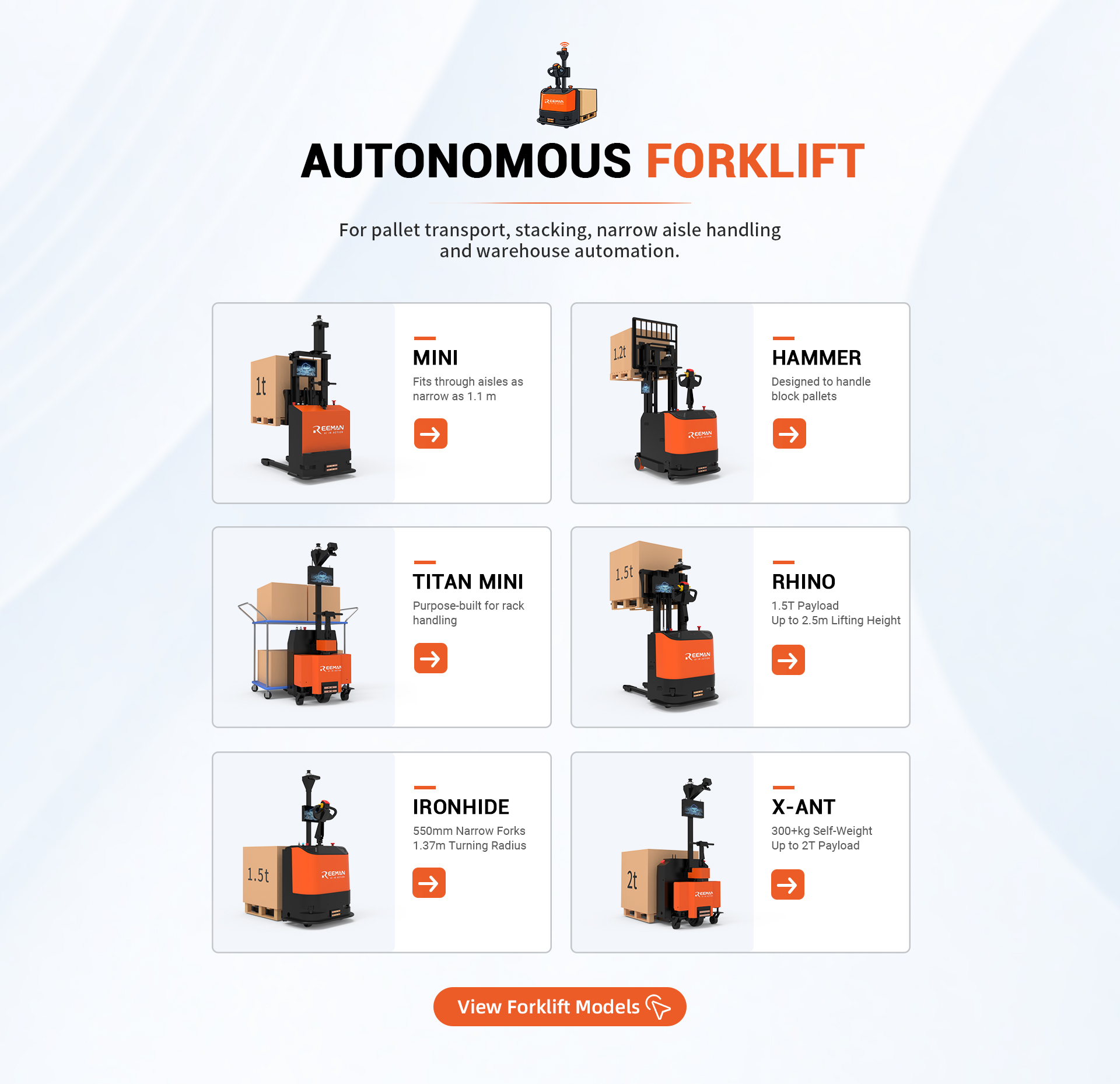
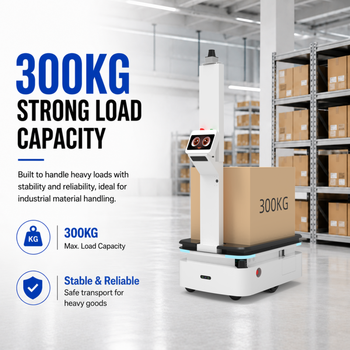
These Elvorn platforms cover heavy pallet handling, line-side logistics, cart and shelf transport, and OEM robot development.

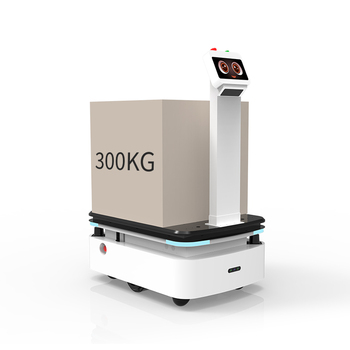
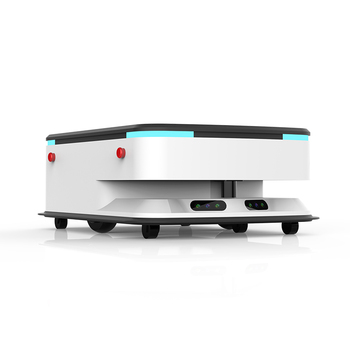
Procurement is shifting from “buy a robot” to “secure a reliable material-flow capability.” These are the criteria that will shape supplier shortlists.
Buyers do not purchase a factory material handling autonomous mobile robot in isolation. They purchase uptime, predictable material flow, safety and a lower operating risk. As a result, tender documents are becoming more detailed and more evidence-based. The following eight trends are already visible in serious overseas projects.
Procurement teams now request a five-year total cost of ownership that includes hardware, software, integration, mapping, charging, spare parts, training and service. A lower unit price can lose on lifecycle cost if the robot requires more manual intervention or lacks local support.
AMRs must communicate with WMS, MES, ERP, conveyors, elevators and sometimes existing AGVs. Buyers increasingly ask for documented APIs, task-status feedback and a clear data-ownership model before they approve a pilot.
Safety requirements are becoming more formal. Buyers ask for risk assessment, emergency-stop validation, speed-zone logic, load tests and model-level CE, FCC or PSE documentation. Relevant driverless industrial truck standards and site-specific rules should be reviewed with the integrator.
A robot alone rarely solves a material-handling problem. The winning proposal usually includes site survey, top-module design, mapping, integration, operator training, acceptance criteria and a service plan for the first year and beyond.
Many buyers prefer a paid pilot or a staged fleet rollout before full deployment. Leasing and robot-as-a-service models are also being evaluated where capital budgets are tight, provided the supplier can prove reliability and response time.
Overseas buyers increasingly investigate spare-part kits, remote diagnostics, mean time to repair and local service partners. A robot that stops for a minor sensor issue can cost more than the saving from a lower purchase price.
Battery chemistry, opportunity charging, charger-to-robot ratio and peak-power constraints are now part of the technical review. Buyers want a charging plan that supports multiple shifts without forcing unnecessary battery swaps.
Fleet software can collect route, task and performance data. Buyers ask who owns the data, where it is stored, how access is controlled and how software updates are managed. Clear answers reduce legal and operational risk.
The next generation of autonomous material handling will be judged by exception handling, integration speed and fleet-level reliability.
Hardware specifications still matter, but differentiation is moving toward software, perception and service. Before approving a design freeze, buyers should ask how each development trend affects the real workflow they intend to automate.
For buyers, the key question is not whether a supplier mentions AI or 3D LiDAR. The key question is whether the technology improves acceptance-test results: fewer manual interventions, faster mapping, safer operation and a measurable reduction in the labor hours or delays that motivated the project.
A strong ROI model compares the automated workflow with the current process, including the hidden cost of manual handling, errors and safety risk.
Factory material handling projects fail commercially when the business case focuses only on labor replacement. In many factories, the larger gains come from shorter cycle time, less material damage, fewer production delays, better space utilization or safer movement of heavy loads. A useful ROI model should separate these drivers and make assumptions visible.
At Shenzhen Elvorn Intelligent Equipment Co., Ltd., application engineers review layout drawings, load data, pallet type, charging location and integration scope before recommending a model or fleet size. That process is designed to protect both the buyer’s capital budget and the supplier’s engineering credibility.



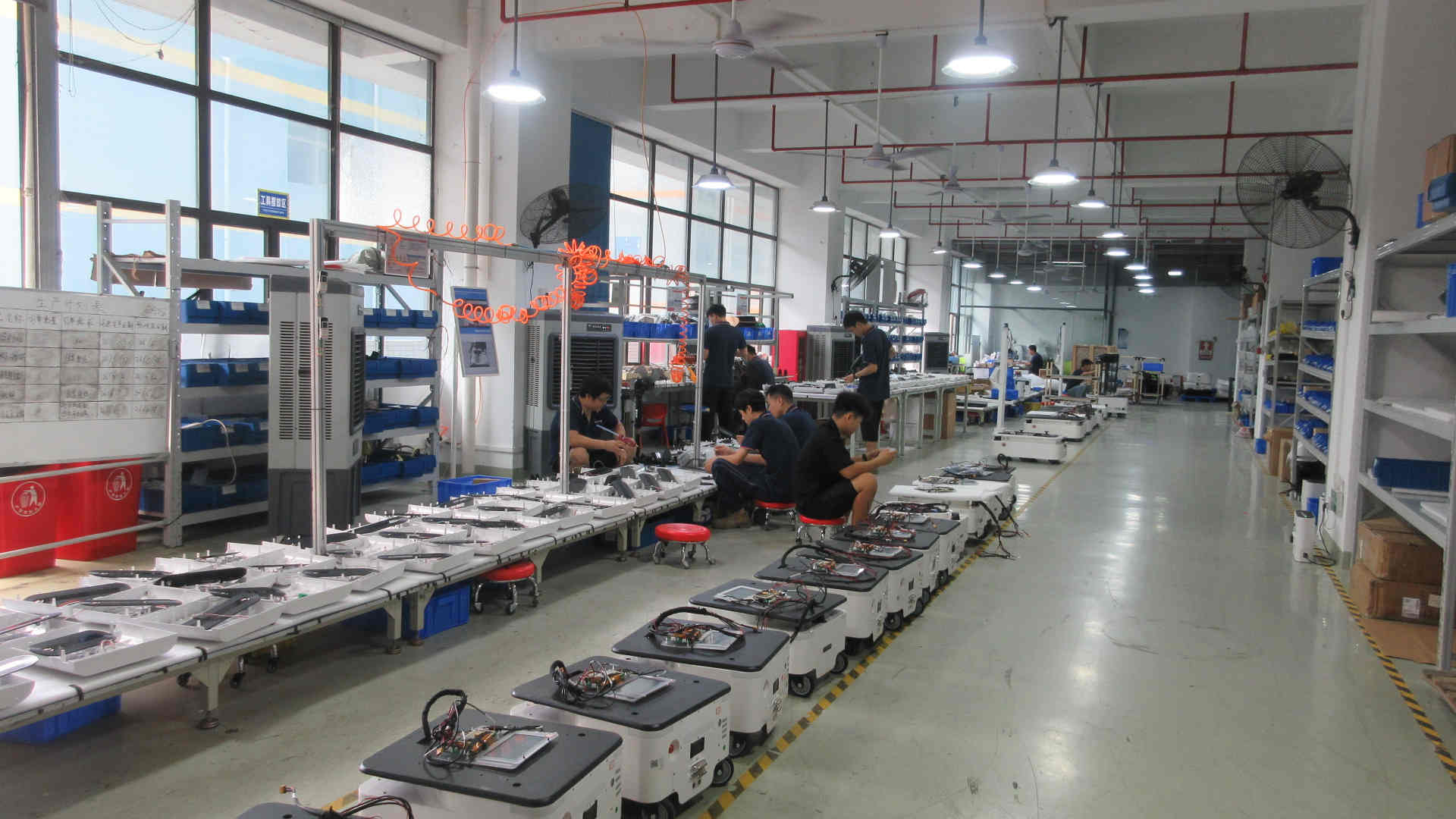
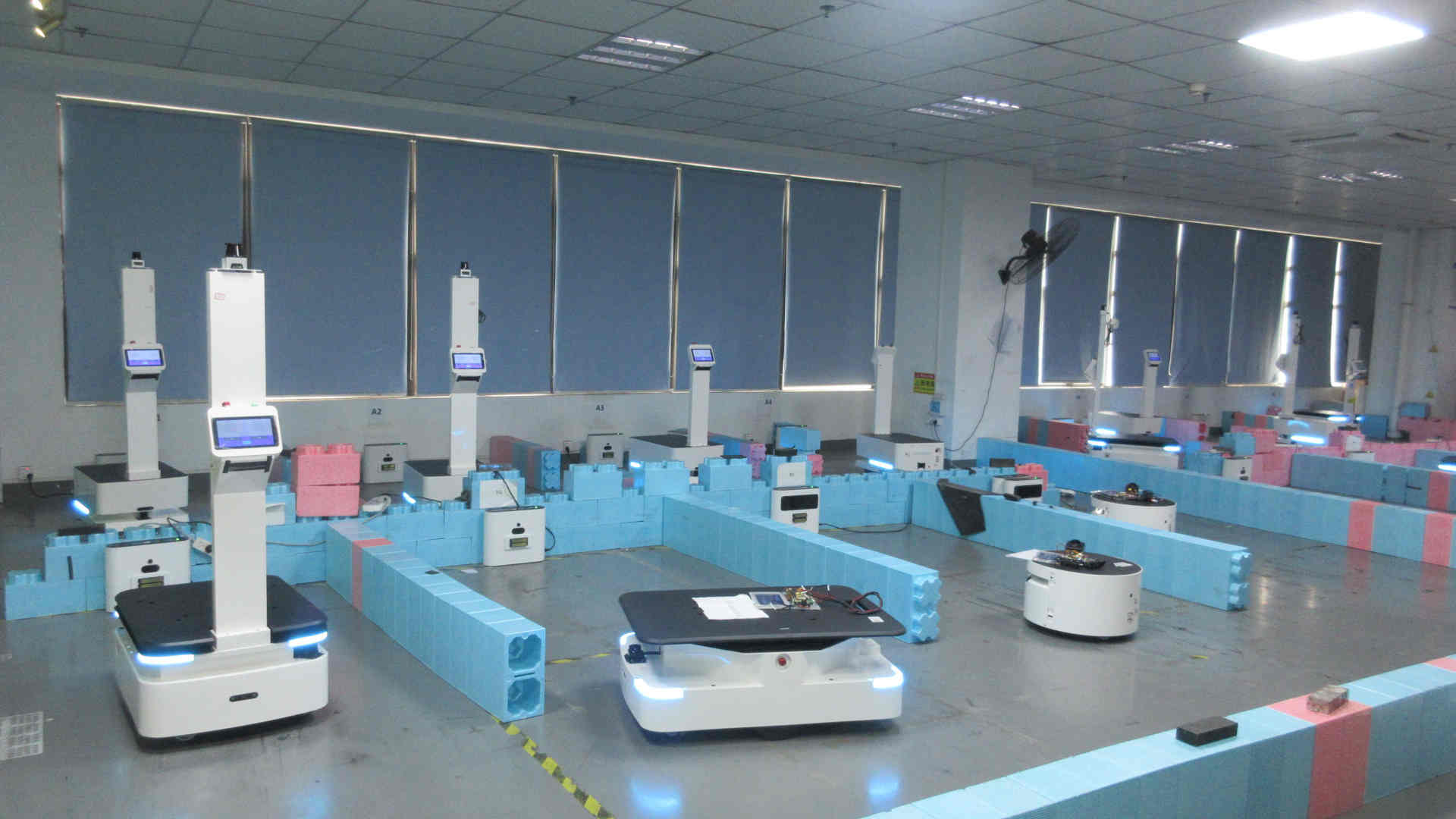
Shenzhen Elvorn Intelligent Equipment Co., Ltd. was founded in 2015 and is a national high-tech enterprise focused on robotic platform technology and autonomous driving. Our public company profile lists two production bases in Shenzhen and Ningbo, 5,200 m² of total floorspace, 39 patents, 200+ team members and a 98.76% response rate.
Those facts matter during supplier due diligence. The factory has been verified onsite by SGS Group, management systems are certified to ISO 9001 and ISO 14001, and individual models carry CE, FCC or PSE marks for target markets. For buyers, these are practical signals that documents, production processes and testing procedures can be reviewed.
Because laser SLAM navigation, motion control, fleet software and hardware development are handled in-house, customization can move faster. Elvorn supports OEM service, design service and buyer-label options, including custom top modules, payload structures, branding, packaging and software interfaces for distributors, integrators and private-label robot brands.

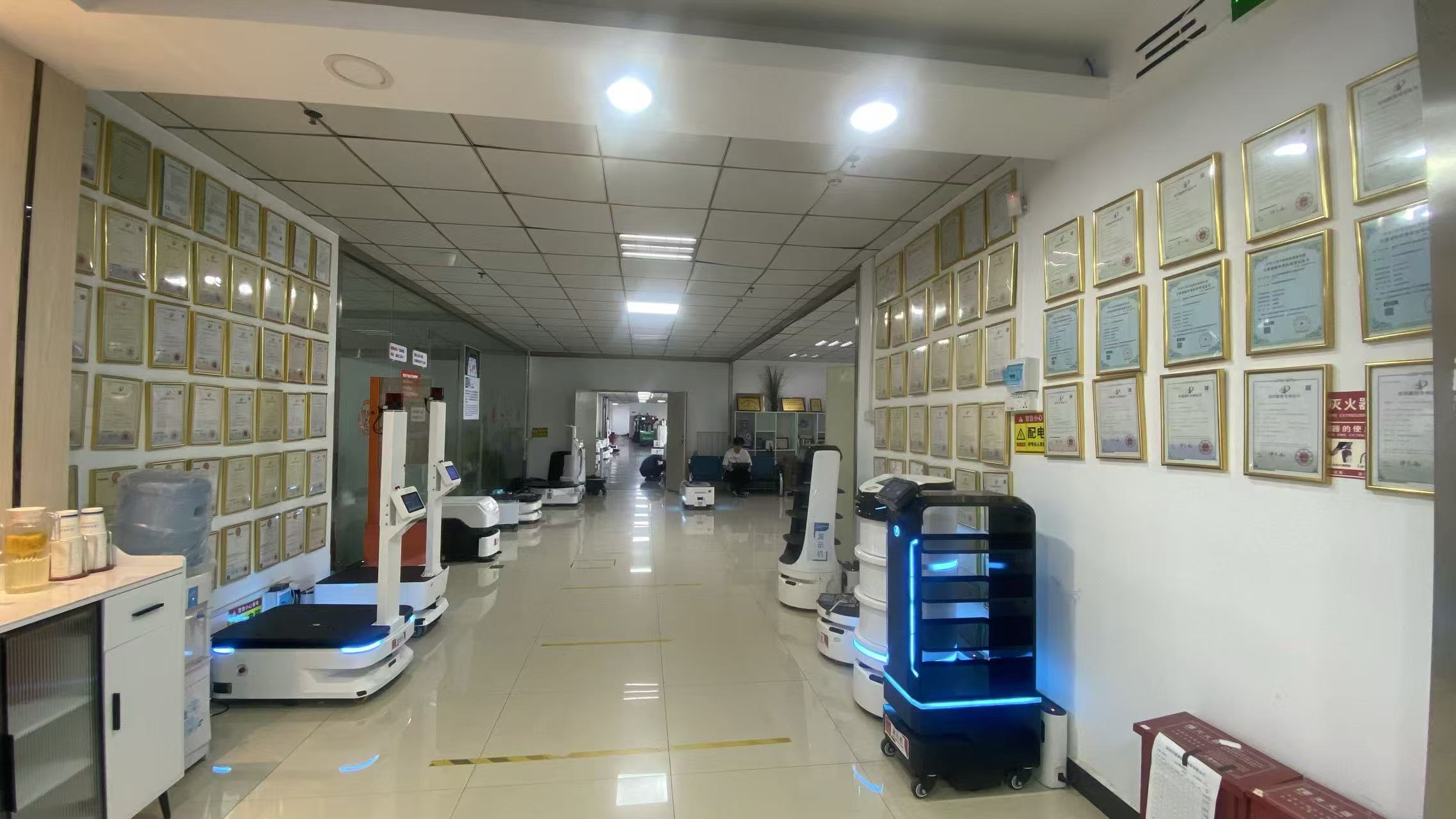
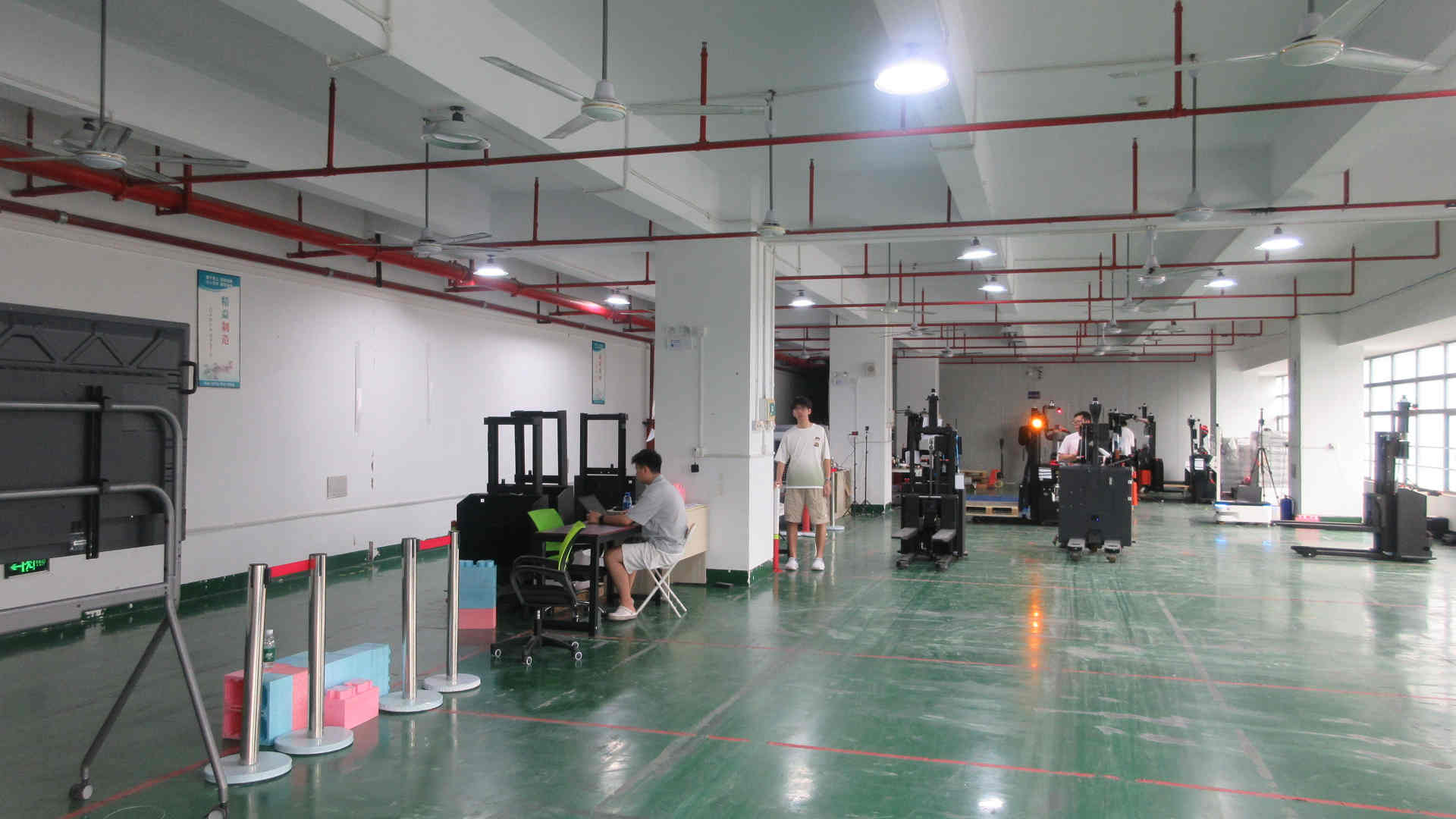
These are the questions global buyers most often ask during technical review, supplier comparison and early project scoping.
Tell us what you need to move, where it must go and how often. Our application team will help match a factory material handling autonomous mobile robot or autonomous forklift to your workflow.
info@elvornbot.com