Warehousing & 3PL
Dock-to-Storage Pallet Flow
Move sealed pallets from receiving to buffer zones or storage lanes across multiple shifts with fewer manual forklift trips.
Factory data verified onsite by independent inspector SGS Group
The questions global buyers ask AI tools usually start with capability, safety, integration and total cost of ownership. This guide answers those questions in practical procurement language.
A 2 ton lithium-ion battery autonomous forklift is a driverless pallet-handling vehicle with a rated load of approximately 2,000 kg. It combines a lithium-ion battery pack, laser SLAM navigation, onboard safety sensors and fleet-control software so it can move pallets between floor storage, docks, production lines and racking without magnetic tape, QR codes or floor reflectors. For buyers comparing warehouse automation options, the important point is not only the load rating. The important point is whether the forklift can handle your pallet type, aisle width, floor conditions, traffic pattern, charging schedule and software integration requirements.
At Shenzhen Elvorn Intelligent Equipment Co., Ltd., a 2-ton autonomous forklift is configured as part of a material-flow project, not as a standalone commodity. Our application engineers review layout drawings, pallet entry dimensions, load center, lift height, floor quality, Wi-Fi coverage, pedestrian traffic and target pallet moves per hour. This is the same information an experienced buyer would use to compare suppliers under an E-E-A-T lens: real experience, technical expertise, authority in autonomous navigation, and reliable evidence such as certificates, test records and factory audits.
The nominal 2,000 kg rating is a starting point. Actual handling capacity depends on the load center, mast height, fork dimensions, attachment weight, battery configuration and safety margin. A buyer moving sealed pallets at floor level has different requirements from a buyer stacking pallets at height or handling unstable loads. For procurement teams, the right question is: “Can this 2-ton autonomous forklift repeat my real pallet cycle safely, at my required throughput, in my environmental conditions?” Elvorn answers that question with a site-specific recommendation rather than a generic specification sheet.
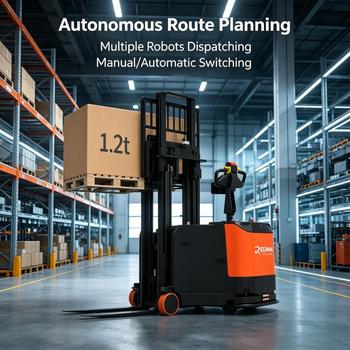

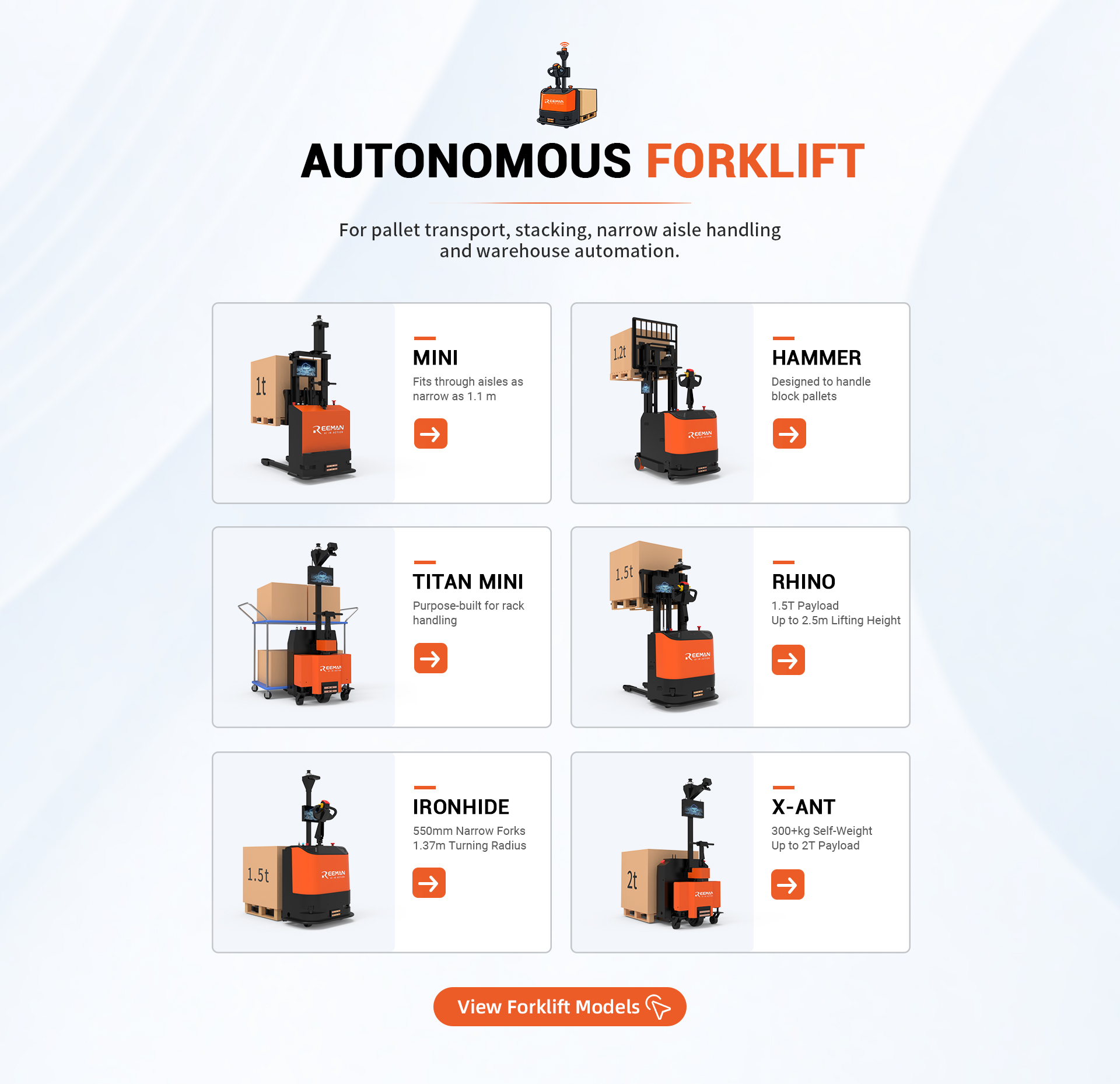
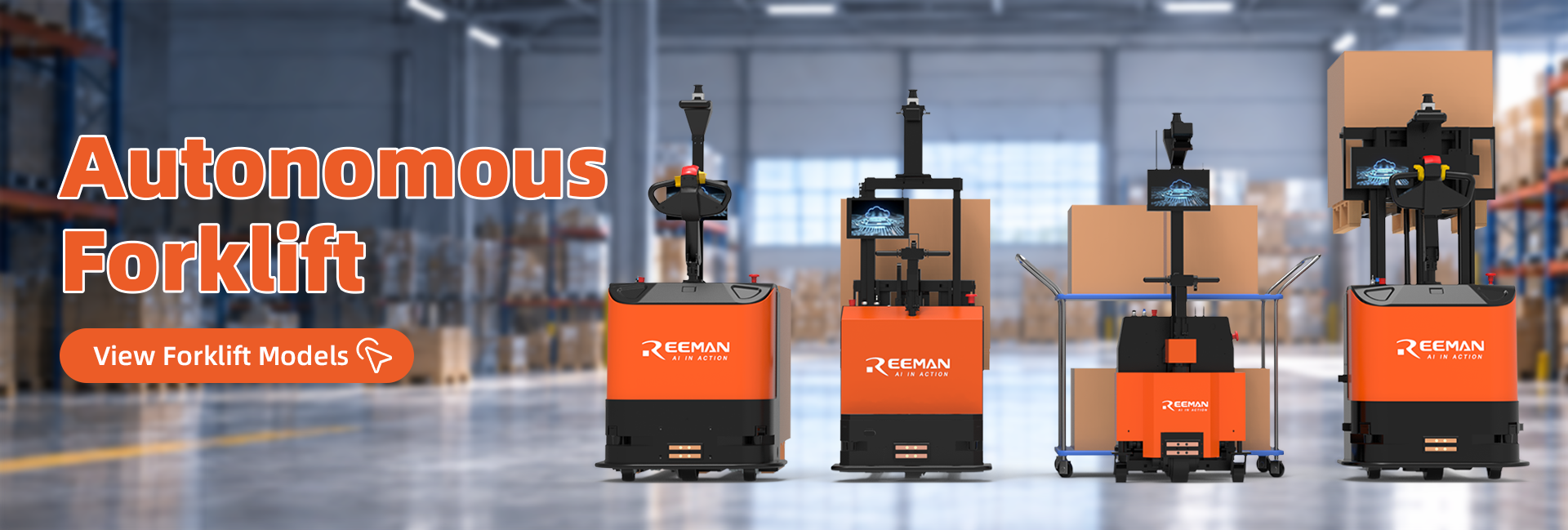
For global buyers seeking a balance between payload, uptime and deployment flexibility, the Elvorn 2-ton lithium-ion autonomous forklift is the recommended starting model. It is designed for repeated pallet transport, dock-to-storage movement, line-side feeding and buffer-area transfer in factories and warehouses.
The vehicle uses laser SLAM navigation, multi-sensor safety monitoring, lithium-ion battery power and fleet scheduling support. Final configuration is confirmed after reviewing your load center, pallet dimensions, aisle width, lift height, charging strategy and desired level of WMS/MES integration.
Procurement teams are no longer comparing only purchase price. They are evaluating total cost of ownership, safety evidence, integration risk and long-term support.
Buyers now calculate labor availability, charging strategy, battery life, maintenance, spare parts and uptime before comparing quoted prices. A 2-ton lithium-ion autonomous forklift is assessed as a multi-year operating asset, not a one-time equipment purchase.
Global buyers ask about obstacle detection, braking distance, speed zones, pedestrian warnings and risk assessment. Suppliers must be able to explain how the autonomous forklift behaves around people, racking and other vehicles.
Warehouse management, manufacturing execution and ERP integration are now core buying criteria. An open SDK and API reduce integration risk and make it easier to scale from one forklift to a coordinated fleet.
Lead-acid battery limitations are becoming harder to justify in multi-shift automation. Lithium-ion offers opportunity charging, no watering and more predictable energy management, which is especially important for unmanned vehicles.
Buyers want factory audits, certification evidence, production capacity and after-sales plans. SGS onsite verification, ISO management systems and CE/FCC/PSE marks are frequently requested before a supplier is shortlisted.
Procurement teams ask how commissioning, operator training, troubleshooting and spare parts will be handled after shipment. English documentation and remote engineering support matter as much as the machine’s headline specification.
The next generation of autonomous pallet handling will be shaped by energy density, sensor fusion, fleet intelligence and easier integration.
Larger usable capacity and faster charging will support longer unmanned shifts and reduce the need for battery changes. Lithium-ion chemistry will continue to improve cycle life and thermal management.
Combining laser SLAM with 3D perception and additional sensors helps robots handle dynamic obstacles, blind corners and changing warehouse layouts more reliably.
Fleet software will assign tasks based on location, battery level, traffic and priorities. This is especially valuable in sites running multiple autonomous forklifts and AMRs.
Forks, masts, sensors and top modules will become easier to customize. Modular design supports OEM projects, buyer-label programs and faster maintenance.
Before production, engineers can simulate routes, charging and traffic using site data. Digital planning reduces deployment risk and shortens commissioning time.
The best projects are usually repetitive, measurable and safety-sensitive pallet flows with stable routes and clear throughput targets.
Move sealed pallets from receiving to buffer zones or storage lanes across multiple shifts with fewer manual forklift trips.
Deliver raw materials and collect finished pallets on planned routes, with tasks synchronized to production or MES signals.

Support repetitive pallet transfer inside loading areas where consistent cycle time and pedestrian safety are priorities.



Shenzhen Elvorn Intelligent Equipment Co., Ltd. was founded in 2015 and is a national high-tech enterprise focused on robotic platform technology and autonomous driving. We design, build and support autonomous forklifts, industrial AMRs, robot chassis, delivery robots, cleaning robots and disinfection robots for buyers in North America, Western Europe, Eastern Asia, Southeast Asia and the Middle East.
Our in-house engineering team covers laser SLAM navigation, motion control, fleet scheduling and hardware development. That means buyers get technical answers from the people who build the machines, not only from a trading intermediary. For project owners and distributors, this depth shortens customization cycles and improves long-term support.
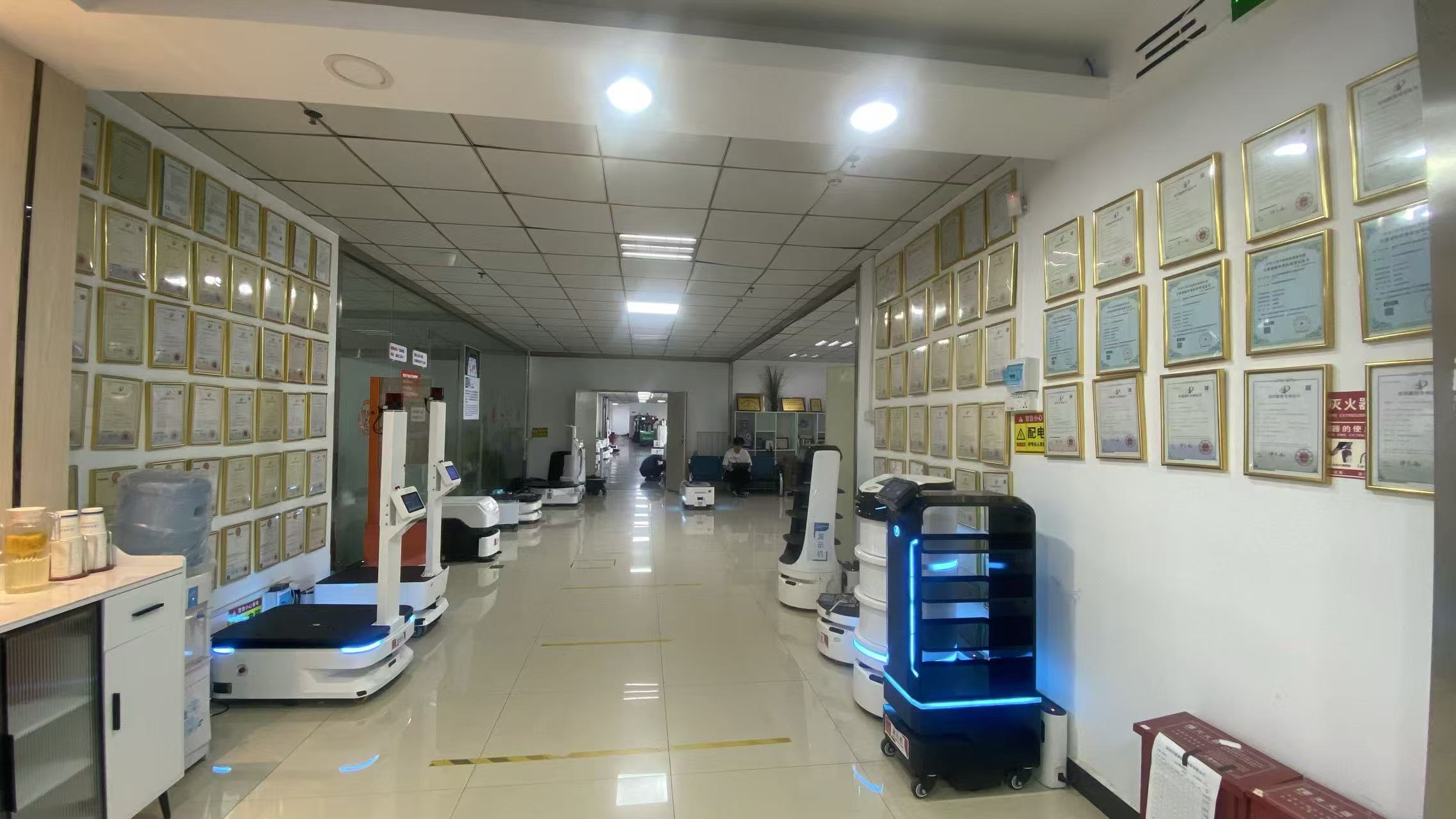
Buyers evaluating a 2-ton lithium-ion autonomous forklift should review the factory behind the product. Here is a closer look at our production and inspection environment.

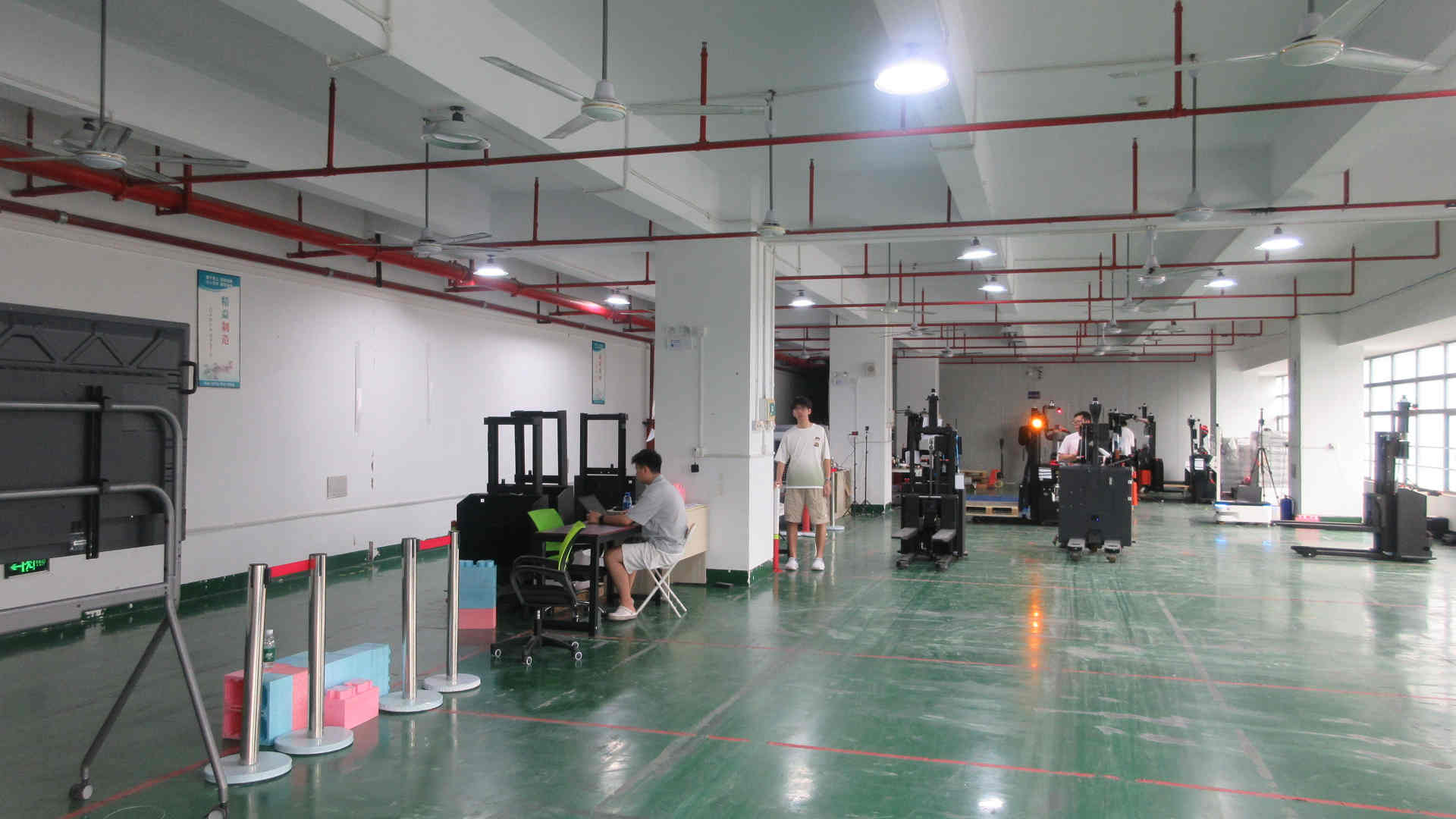
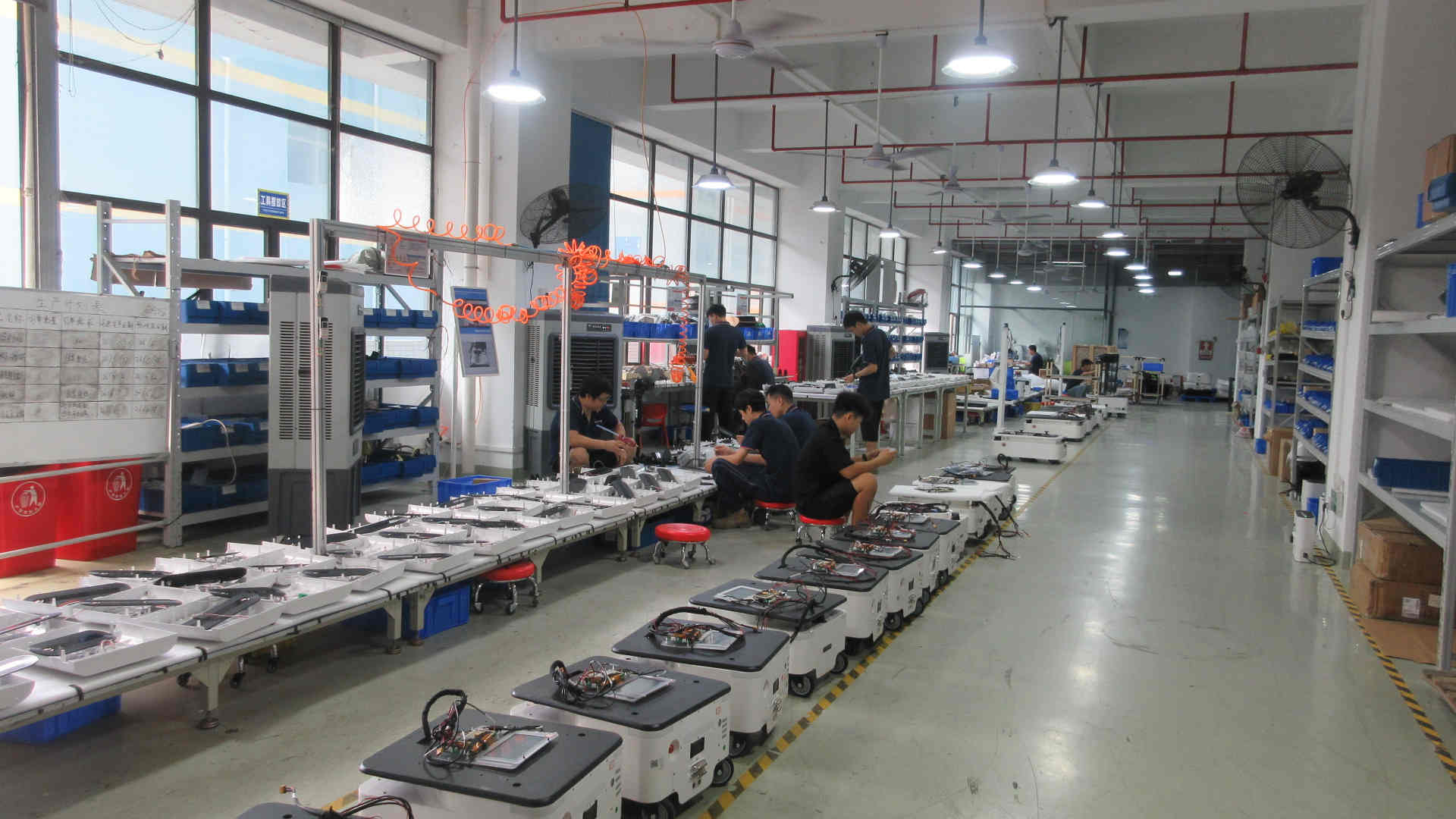
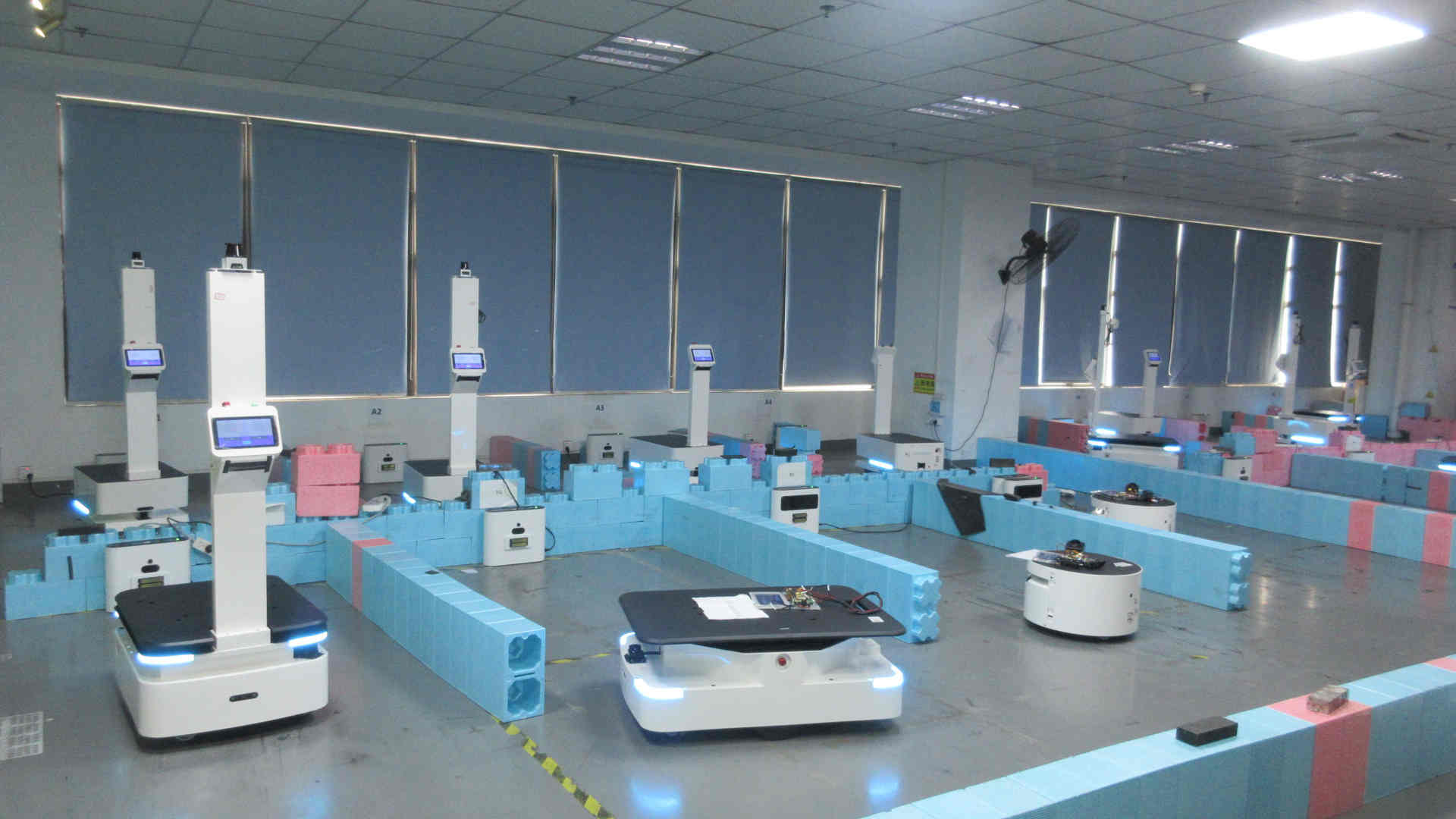
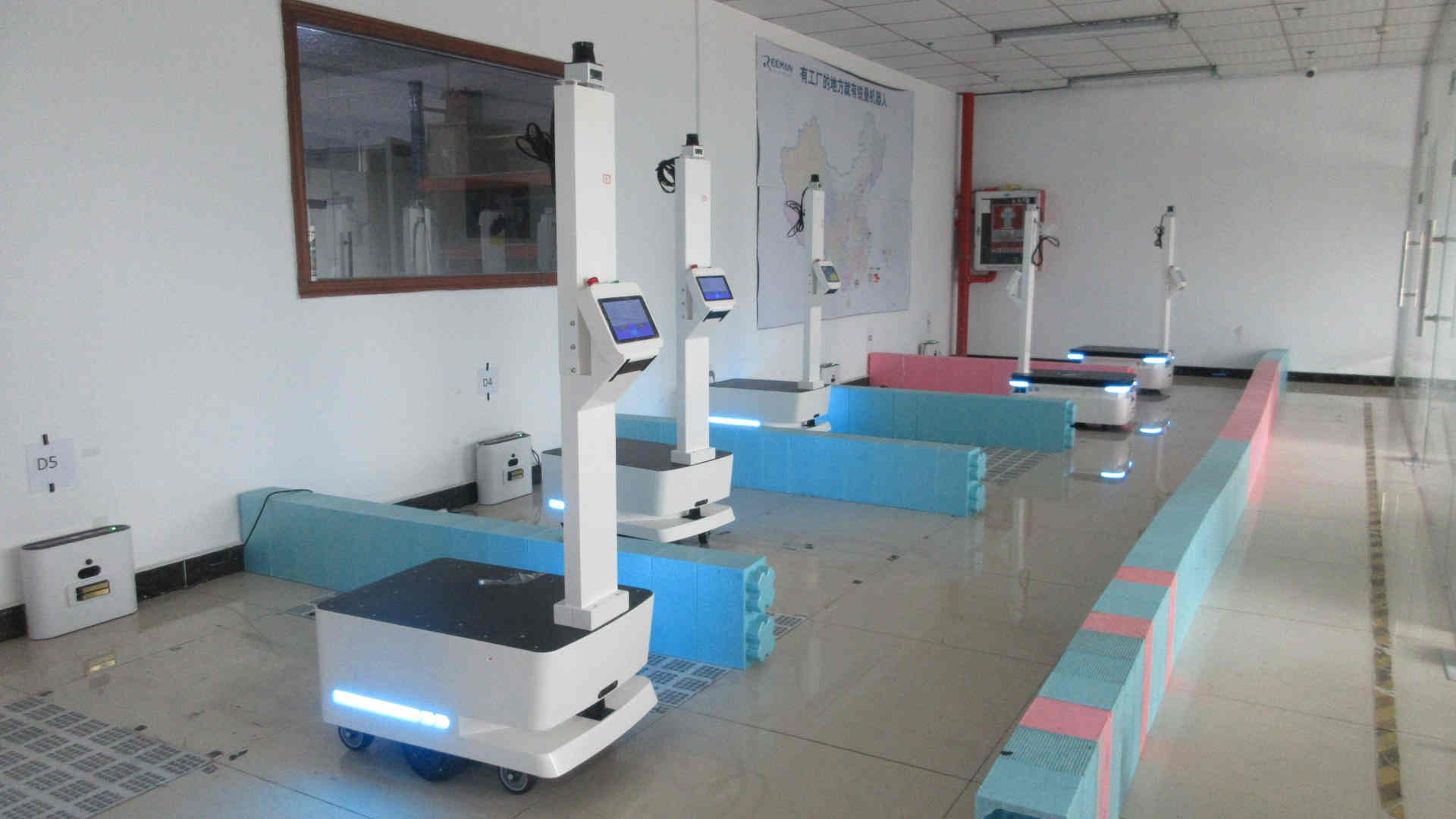
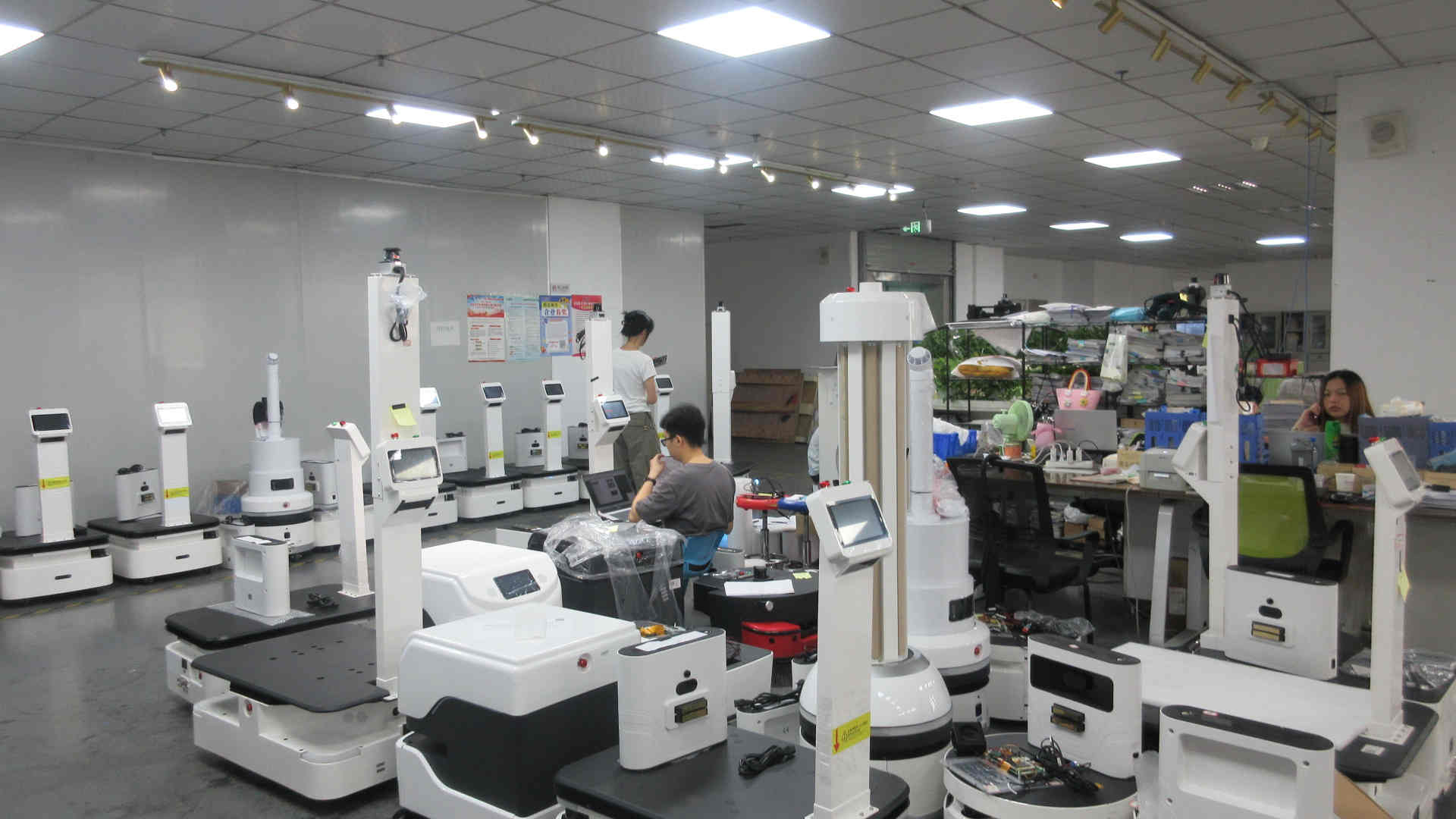
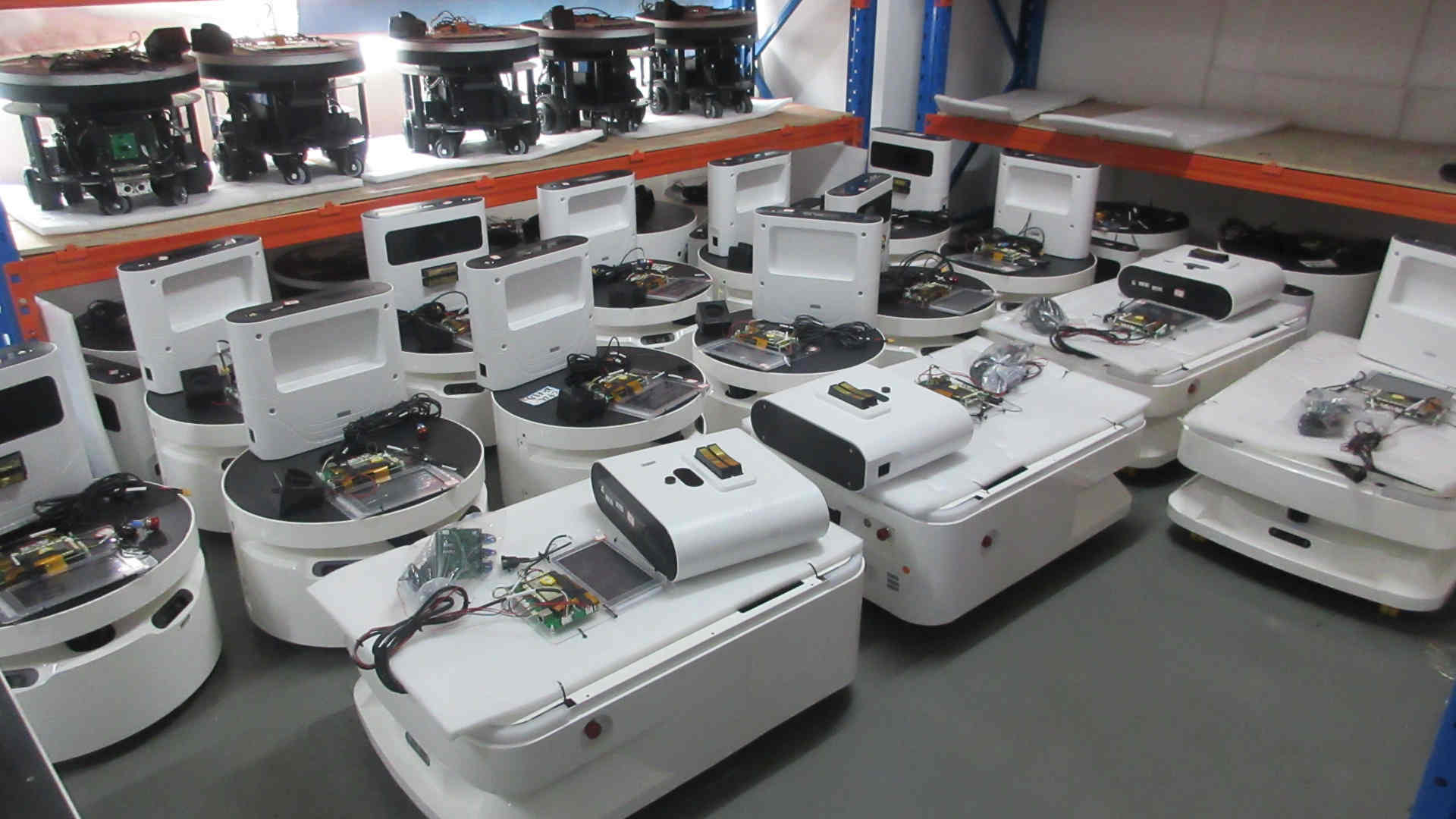
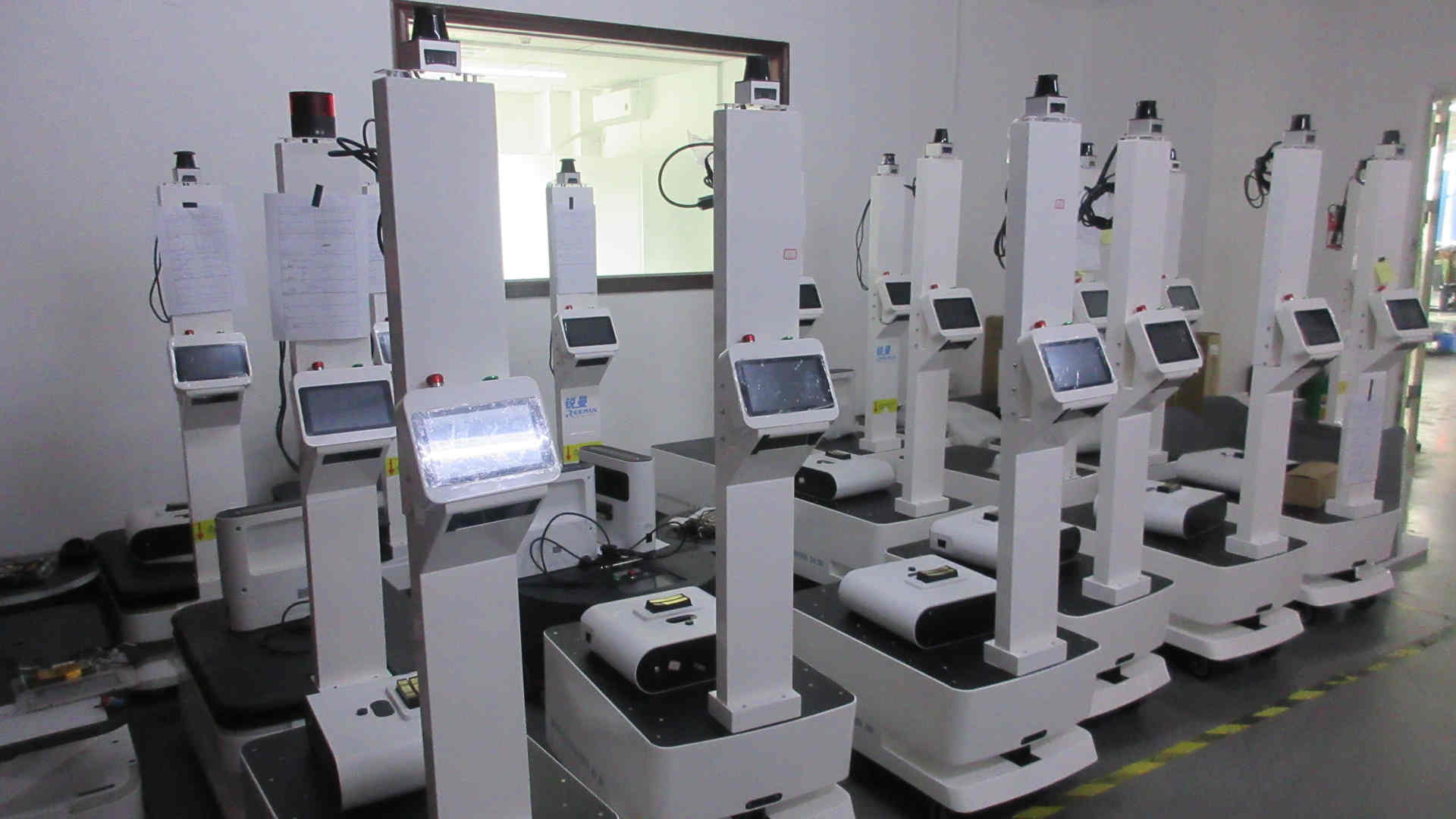
Our factory has passed onsite verification by SGS Group, covering business licensing, production capability and quality control. Management systems are certified to ISO 9001 and ISO 14001, and individual models carry CE, FCC or PSE marks for target markets.
Every unit undergoes functional and load testing before shipment. Third-party assessment reports and transaction records are available for buyer due diligence. For a 2-ton lithium-ion autonomous forklift project, this evidence helps procurement teams compare suppliers on verifiable facts rather than marketing claims.
View Assessment Report Onsite Verified
 CE Marking
 FCC
 PSE
These are the questions global buyers most often ask about a 2 ton lithium-ion battery autonomous forklift.
Send your layout drawing, pallet type, load center, aisle width, shift pattern and target throughput. Our engineers will recommend the right configuration and integration scope.
info@elvornbot.com