CEFCC
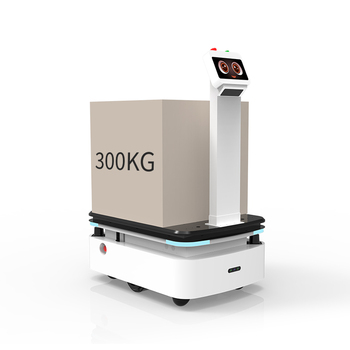
Robot Chassis
SLAM AMR Robot Chassis 300 kg
- Autonomous obstacle avoidance
- Warehouse material handling base
- Custom top-module ready
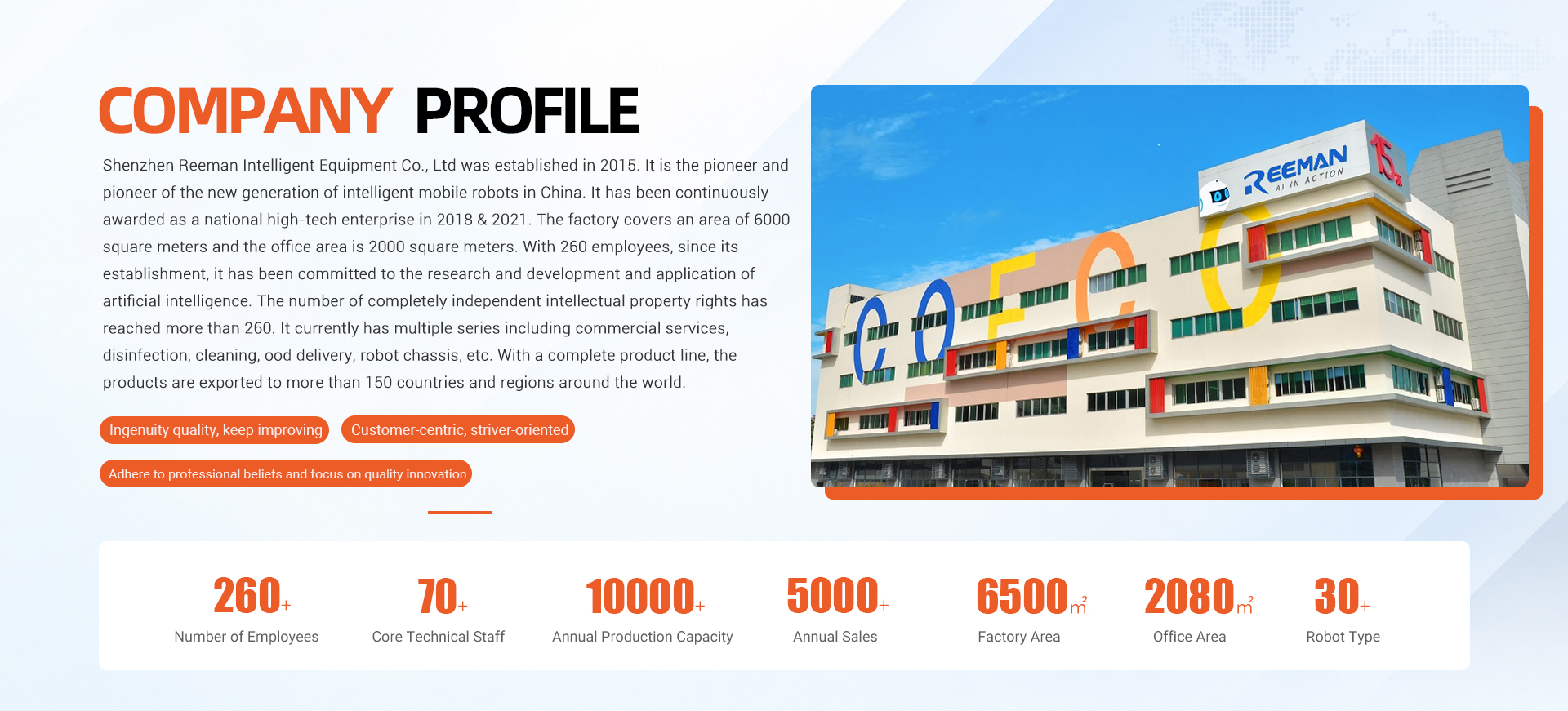
Factory data verified onsite by independent inspector SGS Group
When global buyers search for an “AGV AMR robot chassis for warehouse automation,” they usually need more than a component price. They are evaluating a mobile robot platform that must carry a top module, integrate with warehouse software, pass site safety review and run predictably for years.
An AGV AMR robot chassis is the autonomous mobile base that carries the battery, drive system, safety sensors, navigation stack, charging interface and mechanical mounting points. In a warehouse automation project, that base may become a shelf-moving AMR, a cart tugger, a line-side material platform, a mobile inspection robot or a fully customized service platform. For OEMs and integrators, the chassis decision sets the maximum payload, navigation performance, integration effort, spare-parts strategy and total cost of ownership of the finished robot.
The search intent behind this keyword is rarely one-dimensional. A distributor may want an OEM chassis with buyer-label branding. An automation integrator may need an open SDK, API, CAD drawings and secondary-development support. A warehouse operator may compare a turnkey AMR with a chassis-based custom build. A procurement team may ask how to validate safety documentation, factory capability and after-sales support before placing a volume order. A useful supplier answer should separate these needs and give verifiable engineering detail, not just a list of payload options.
Shenzhen Elvorn Intelligent Equipment Co., Ltd. recommends starting with the physical workflow: load weight and center of gravity, pallet or tote dimensions, aisle width, floor transitions, ramp grade, elevator and door interfaces, charging location and the number of operating shifts. Then map the software layer: WMS, MES or ERP task dispatch, traffic management, status reporting, charging control and whether the finished robot will be sold under your own brand. This is where a chassis platform can shorten development time, but only when the supplier’s mechanical, electrical and software interfaces are documented clearly.
Choose a chassis rather than a complete AMR when you have a proprietary top module, a custom height or fixture requirement, your own software stack, a multi-SKU product roadmap, or a plan to localize assembly and service. Choose a complete AMR when speed to deployment matters more than branding control, when the application is standard material handling, or when your team does not want to maintain navigation firmware and fleet software in-house. The right answer depends on engineering ownership and lifecycle support, not on the purchase price alone.
For procurement teams building a shortlist, ask for site-survey input before finalizing a chassis model. Two suppliers may quote the same nominal payload, but the actual moving load, floor friction, turning clearance and safety distance can change the required drive size, battery capacity and sensor layout. A professional supplier should ask about aisle width, floor slope, load center of gravity, human traffic and target throughput before recommending a platform. This is the kind of information gain that separates a credible application answer from a generic product page.
Chassis and mobile-platform options for OEMs, integrators and warehouse automation buyers who need laser SLAM navigation, open integration and factory-backed customization.
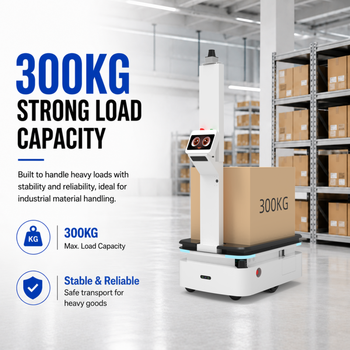
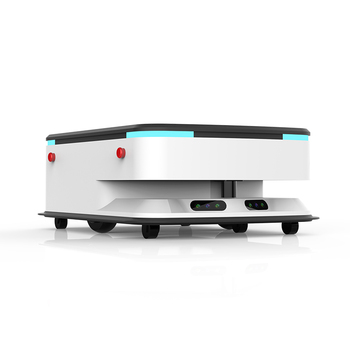
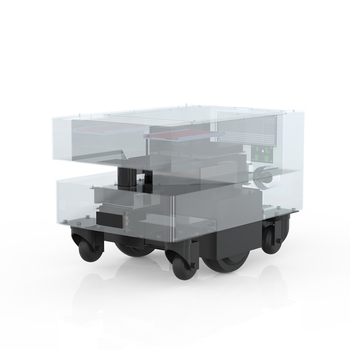
Use this as a first-round procurement matrix. Final configuration should be confirmed after a site survey, top-module review and software-interface study.
| Platform Type | Rated Load | Navigation | Best Fit | Customization Potential |
|---|---|---|---|---|
| SLAM AMR Robot Chassis 300 kg | 300 kg | Laser SLAM | Warehouse material handling, custom top modules, OEM robot programs | Top module, branding, API, charging docking |
| Industrial AMR 300 kg Payload | 300 kg | Laser SLAM | WIP transfer, line-side logistics, electronics and light manufacturing | WMS/MES task dispatch, fleet scheduling, fixture design |
| 600 kg AMR Logistics Center Robot | 600 kg | Laser SLAM | Cart and shelf transport in logistics centers and distribution warehouses | Load deck, safety zoning, software interface |
| Open SDK AGV Chassis Platform | Configurable | Laser SLAM | Integrators and OEMs building branded autonomous robots | Mechanical interface, electronics, API, buyer label |
| Compact Robotic Chassis Kit | Configurable | Laser SLAM | Prototype development, service robots and secondary-development projects | Board module, chassis kit, engineering support |
Payload figures are nominal platform ratings. The final moving load must include the top module, fixture, goods, battery configuration and safety margin. Elvorn application engineers review center of gravity, floor conditions, aisle clearance and charging strategy before quoting a chassis configuration.
Procurement is moving from component price comparison to deployment evidence, integration maturity and lifecycle risk. These are the trends that matter when planning a 2025–2027 warehouse automation roadmap.
Buyers increasingly require a pre-order pilot on the real floor, with measurable acceptance criteria such as route completion, pick or transport cycle time, intervention rate, charging ratio and recovery behavior after obstacle blockage. A chassis supplier should support this with mapping support, KPI planning and documented test procedures.
Open SDK, API documentation, demo code, fleet-management interfaces and WMS/MES/ERP connectors are now evaluated before price negotiation. Integrators want to know whether tasks, status feedback, battery data and safety events are accessible, and whether a simulator or staging environment is available.
Procurement teams increasingly ask for model-level CE, FCC or PSE documents where applicable, ISO 9001 and ISO 14001 evidence, risk-assessment records, emergency-stop logic, speed-zone configuration and operator manuals. They also expect the supplier to explain how the finished robot’s site risk assessment will be supported.
Instead of sourcing a different robot for every task, buyers want one proven chassis architecture with different top modules: shelf carrier, cart tugger, conveyor deck, inspection mast or custom fixture. This reduces spare-parts inventory, training effort and firmware variation across a fleet.
Spare-parts lists, wear-item recommendations, remote diagnostics, firmware update policy and engineer training are moving into the initial purchase discussion. A chassis with a common platform and documented component sources is easier to support across multiple countries and distributors.
Battery chemistry, opportunity charging, charger ratio, charging-station locations and peak-power constraints affect fleet uptime. Buyers are asking for battery-cycle data, charge-time assumptions and a clear plan for scaling the fleet without overloading the facility’s electrical system.
Global buyers are standardizing one chassis family across several warehouses, then negotiating configuration control, serial-number traceability and service-level expectations. A supplier that can provide consistent documentation, labeling and export support has an advantage over one-off sellers.
Warehouse data, maps, task logs and remote-access permissions need clear ownership. Procurement teams should ask where data is stored, who can access it, how remote support is authorized and what happens when a distributor or integrator changes. These questions belong in the technical annex, not after deployment.
The next generation of warehouse robot platforms will be judged by adaptability, safety evidence and lifecycle transparency, not only by payload and speed.
Laser SLAM remains the foundation for many warehouse platforms, but 3D cameras, ultrasonic sensors and vision-based obstacle classification are increasingly used to handle pallet overhangs, glass doors, pedestrian movement and forklift traffic. The goal is predictable behavior in dynamic areas, not simply more sensors.
Chassis platforms are carrying more onboard computing for local mapping, obstacle evaluation and recovery logic, while fleet software handles traffic, task allocation and charging. Buyers should ask how software updates are tested, rolled back and documented before a multi-site rollout.
Modular mounting patterns, power ports, communication interfaces and top-module brackets help integrators launch new robot variants faster. A chassis that is easy to customize once is valuable; a chassis that is easy to customize repeatedly is a platform.
Functional safety discussions are moving earlier into product development. Emergency-stop architecture, speed zoning, bumper coverage, manual override and recovery procedures must be clearly documented. Final site safety depends on the complete robot and layout, so buyers should request engineering cooperation, not only a certificate copy.
Lithium battery options, opportunity charging and automatic docking are being planned as part of the chassis architecture. For multi-shift operations, the charging ratio can change the required fleet size as much as transit speed does. Chassis suppliers should help model energy use and charging windows.
Digital twin and fleet-simulation tools allow buyers to test route conflicts, aisle congestion, charging schedules and throughput before installing the system. This reduces commissioning risk and gives procurement teams objective data for comparing supplier proposals.
Warehouse space is expensive. Chassis developers are working on lower profiles, tighter turning radii and higher useful-load ratios so robots can work in narrower aisles without sacrificing stability. The best evaluation is not the datasheet payload, but the complete top-module assembly under real braking and turning conditions.
Access panels, diagnostic ports, modular drive units and clear fault codes reduce downtime. Overseas buyers should evaluate how quickly a technician can replace a wheel, sensor or battery module, and whether spare parts are stocked or built to order.



Founded in 2015, Shenzhen Elvorn Intelligent Equipment Co., Ltd. is a national high-tech enterprise focused on robotic platform technology and autonomous driving. The company designs, builds and supports autonomous forklifts, industrial AMRs, robot chassis, delivery robots and cleaning robots for buyers across North America, Western Europe, Eastern Asia, Southeast Asia and the Middle East.
For chassis projects, Elvorn’s in-house team covers laser SLAM navigation, motion control, fleet scheduling, hardware design and production. That full-stack ownership helps shorten customization cycles, clarify integration questions and support spare parts over the product lifecycle. OEMs and integrators can discuss top-module mounting, payload structures, branding, packaging, interface requirements and target-market documentation directly with the engineering team.
The factory has passed onsite verification by SGS Group, and management systems are certified to ISO 9001 and ISO 14001. Depending on the model, Elvorn robots can carry CE, FCC or PSE marks. Export support includes English documentation, remote commissioning guidance, operator training and long-term spare-part supply.
Reviewed by the Elvorn application engineering team — the same team that supports site surveys, top-module design, WMS/MES integration, factory testing and after-sales documentation for warehouse automation projects. For project discussions, email info@elvornbot.com.
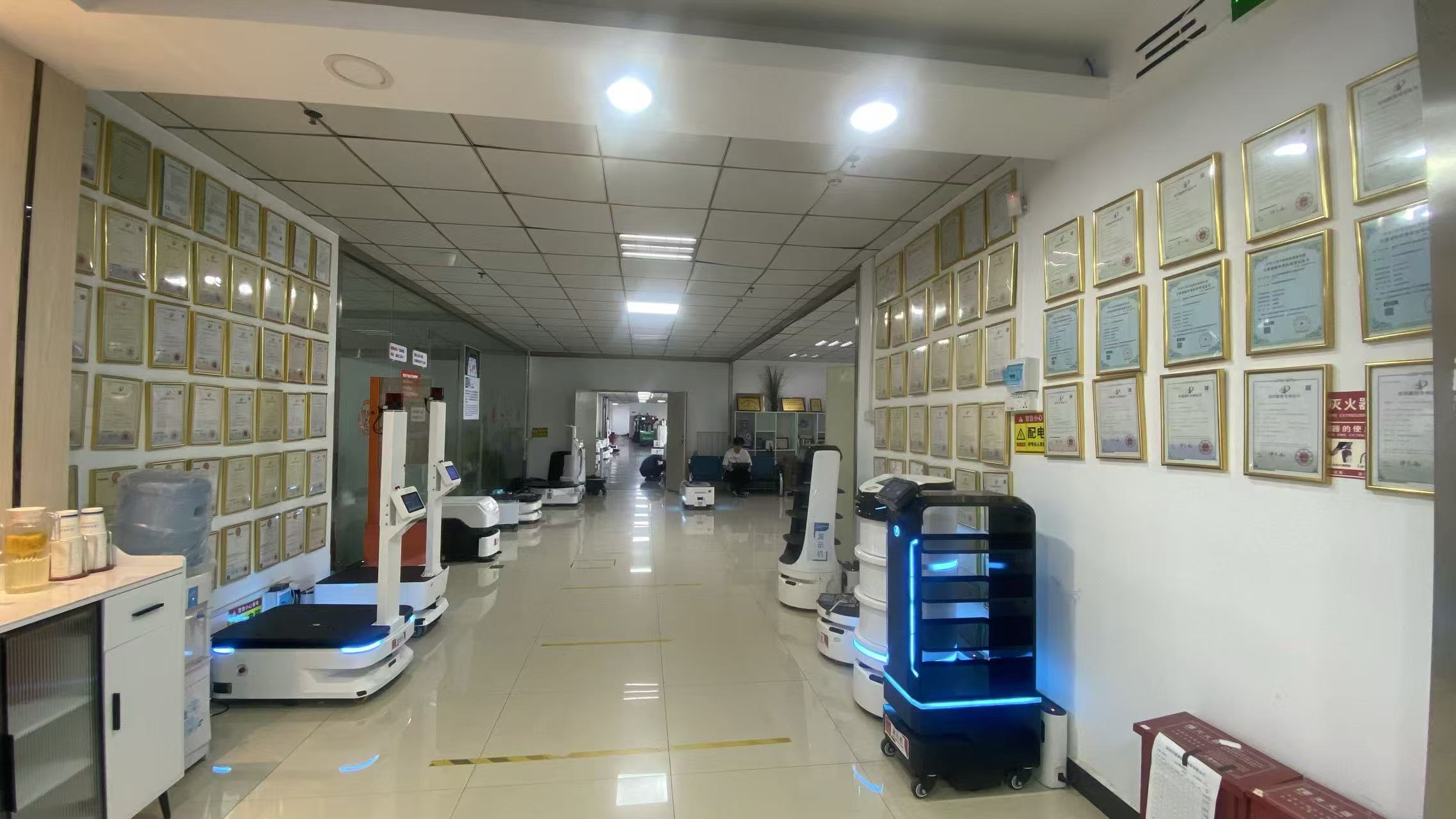
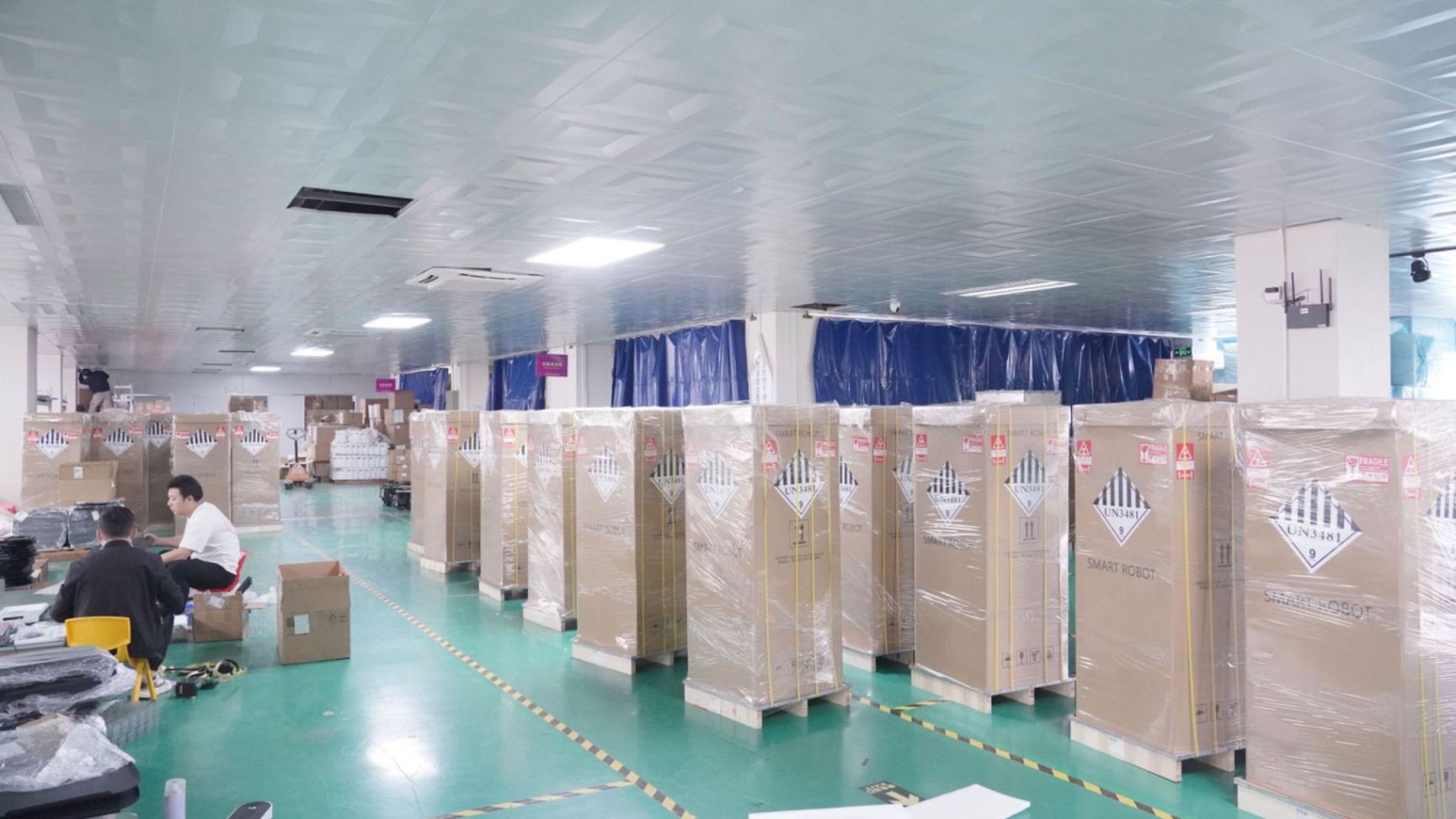
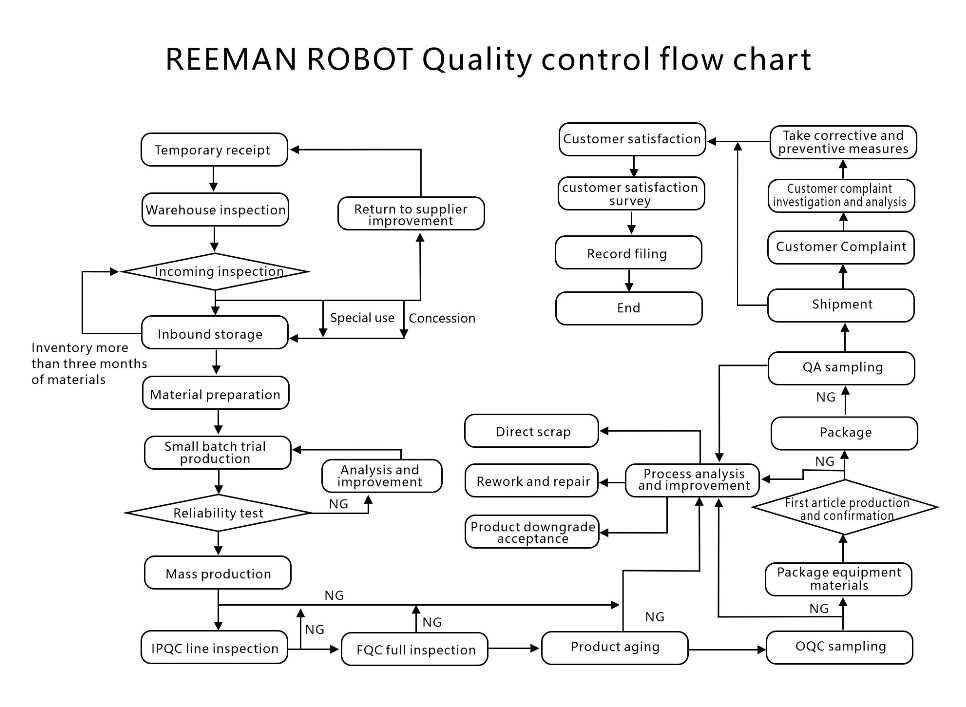
Company ProfileProcurement teams need verifiable evidence before shortlisting a robot chassis supplier. Elvorn’s factory has passed onsite verification by SGS Group, covering business licensing, production capability and quality control. The management system is certified to ISO 9001 and ISO 14001, and model-level certificates are available for target markets where applicable.
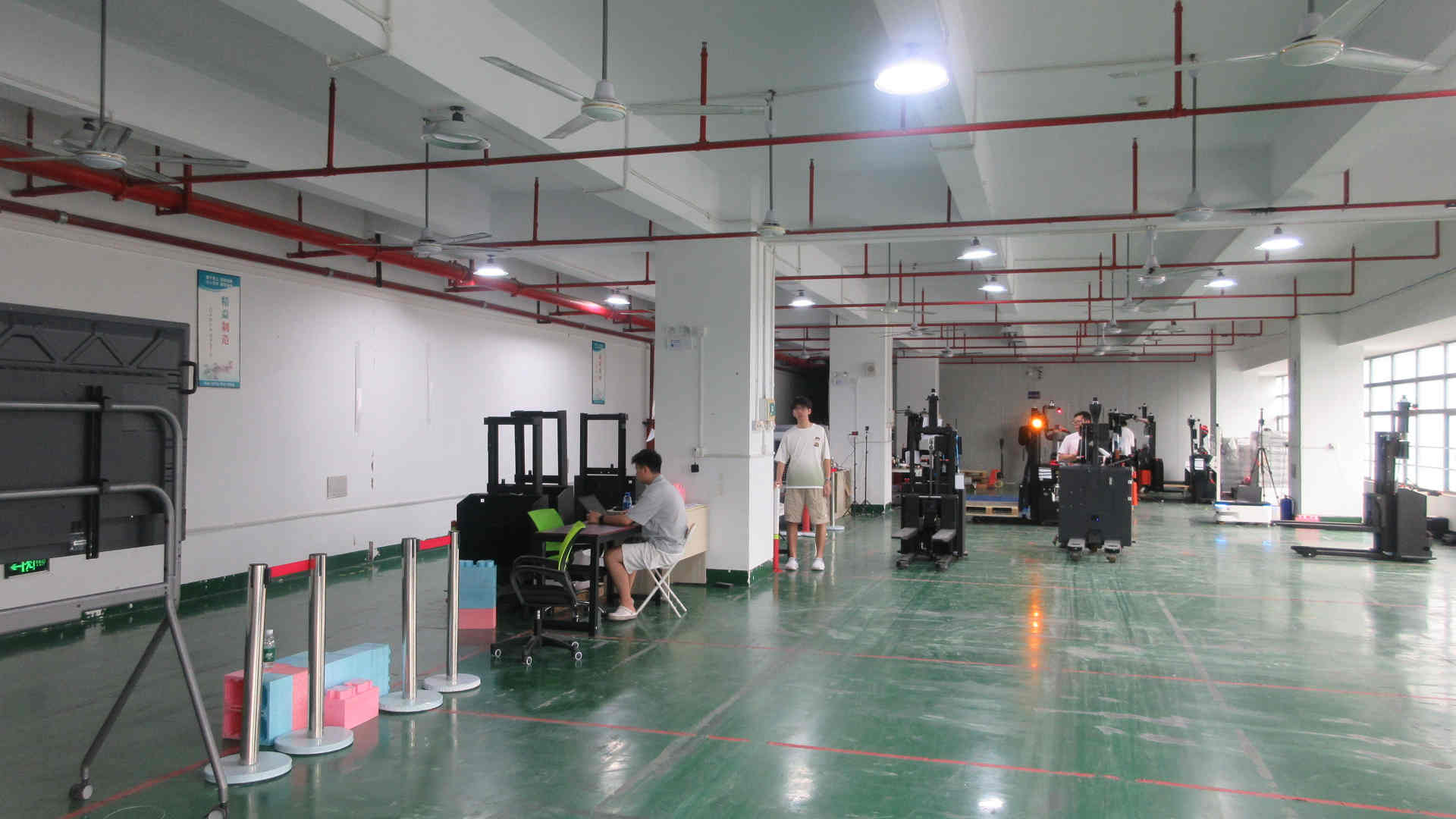
Every chassis and AMR project can be supported with factory functional testing, load testing records where applicable, packing documentation and export paperwork. Third-party assessment reports and transaction records are available for buyer due diligence.
View Assessment Report Onsite Verified
 CE Marking
 FCC
 PSE
Supplier assessment procedures, production capability and on-site material inspection are part of the buyer verification process.

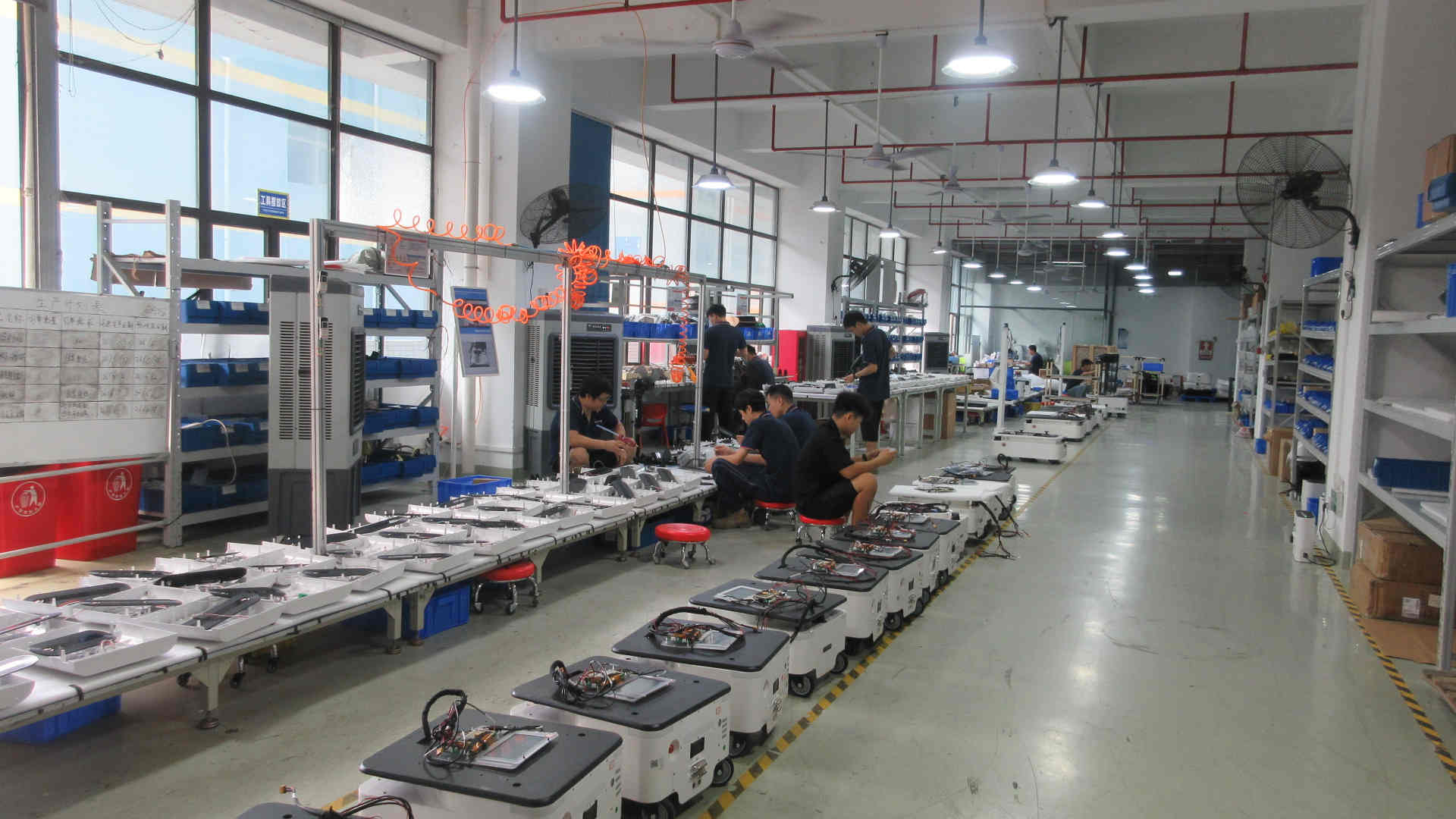
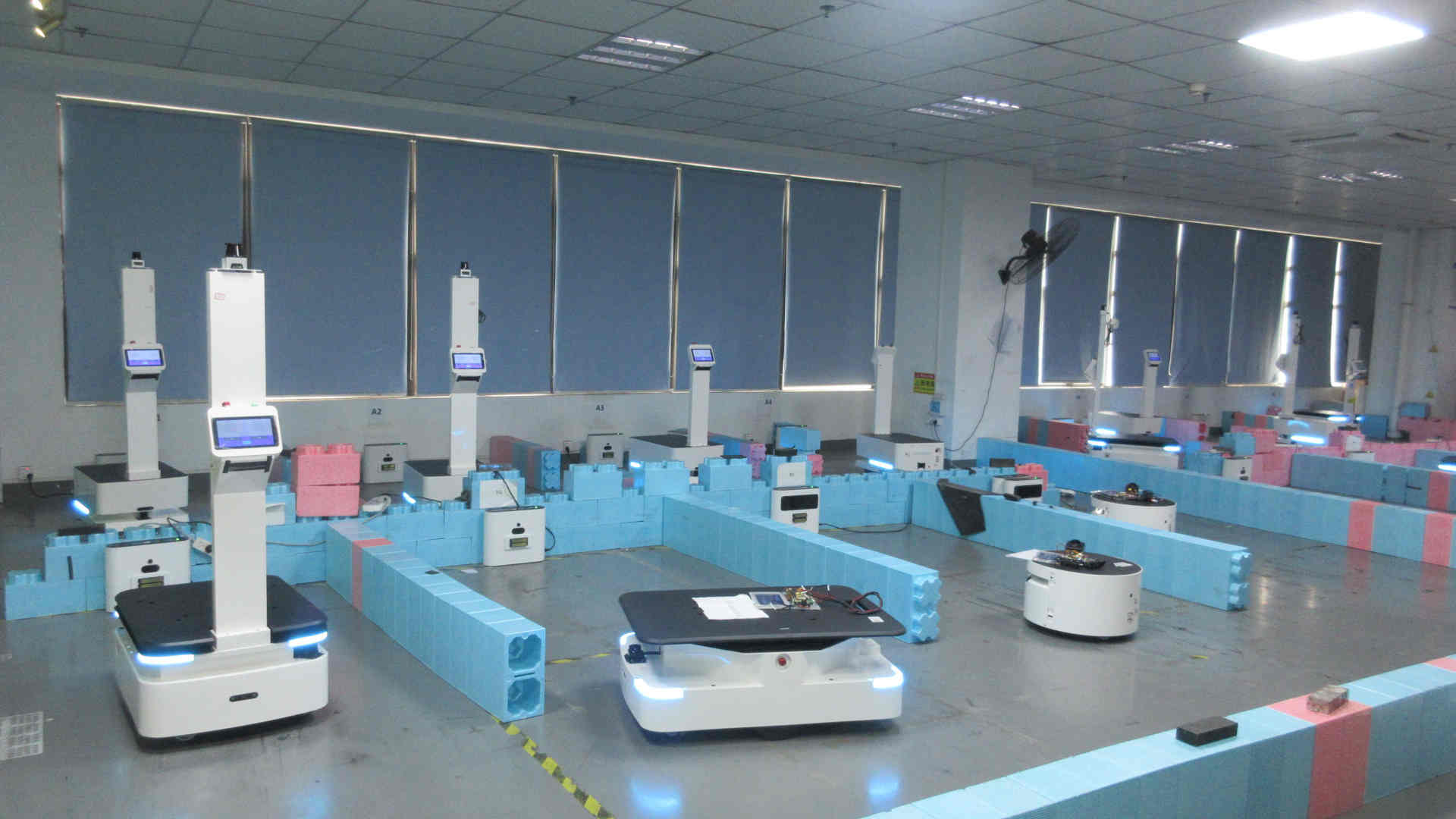
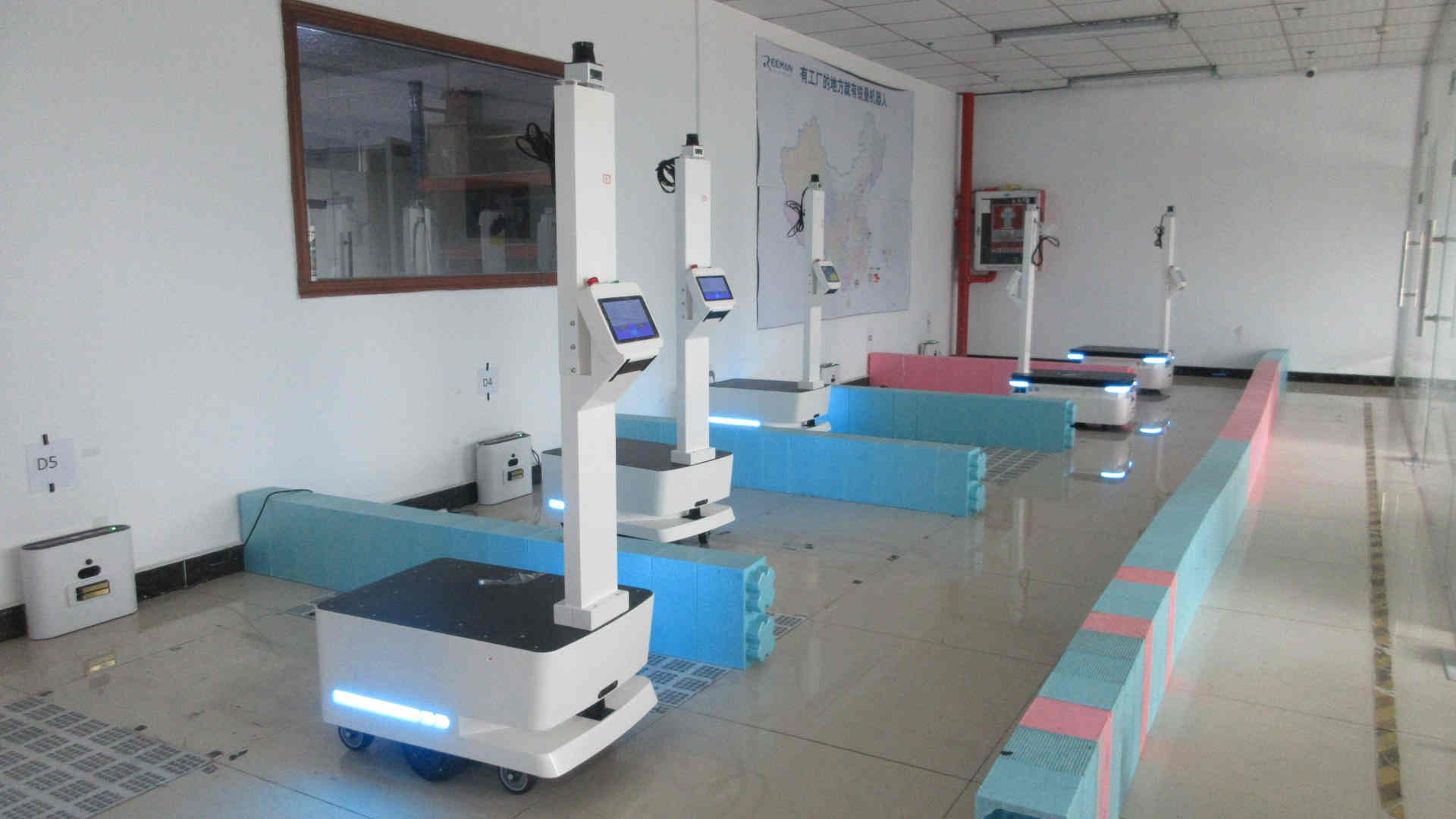
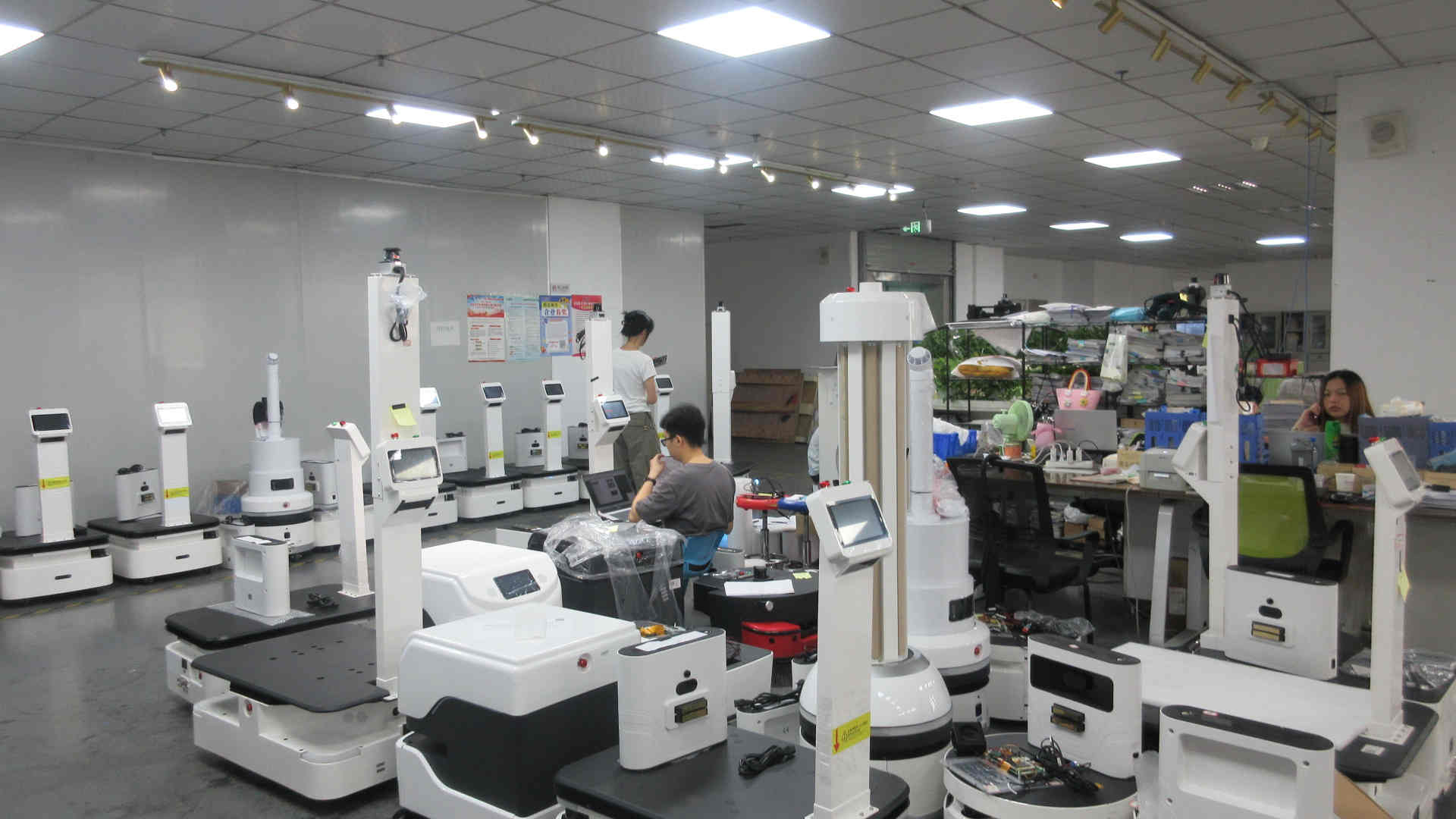
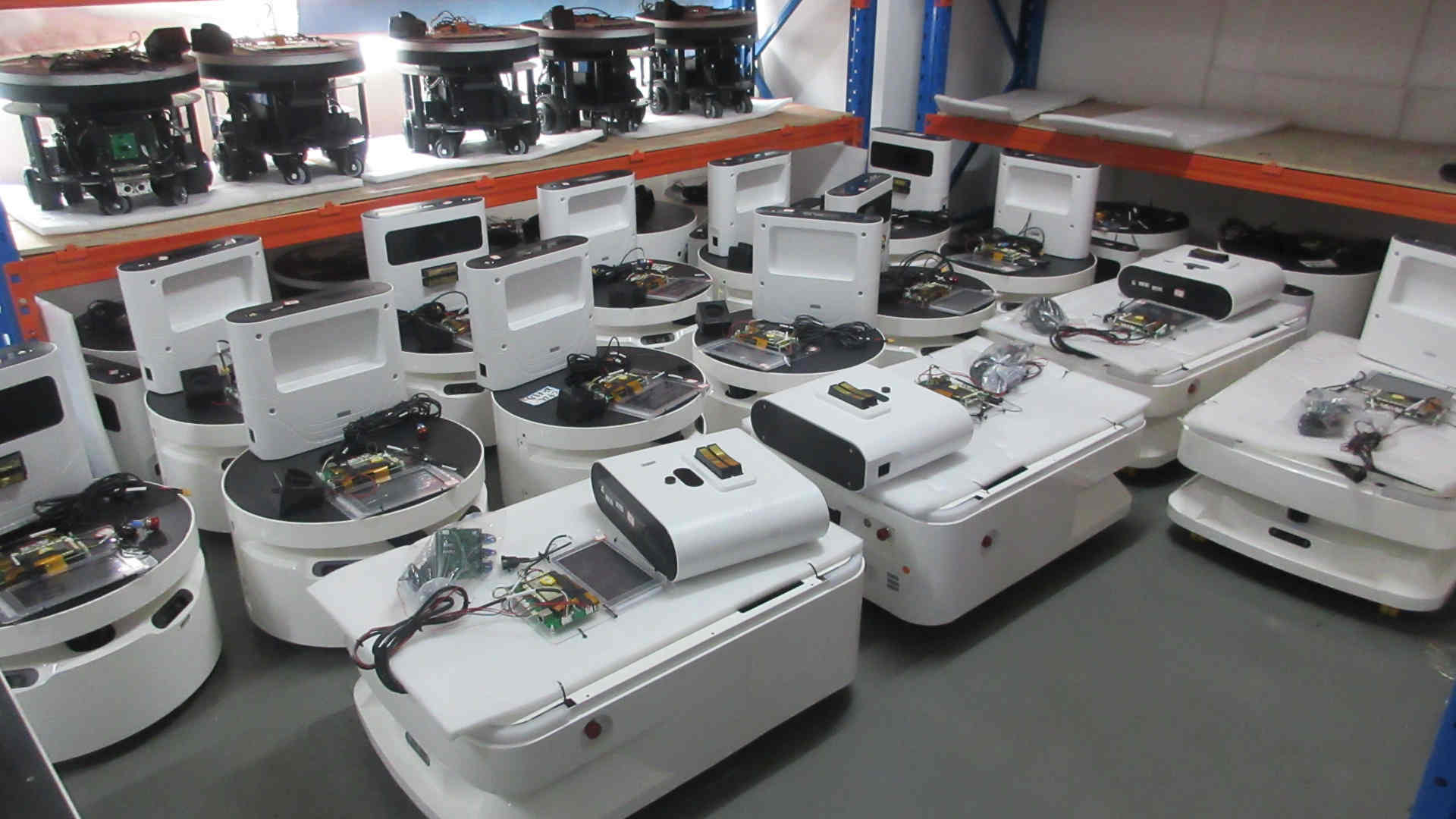
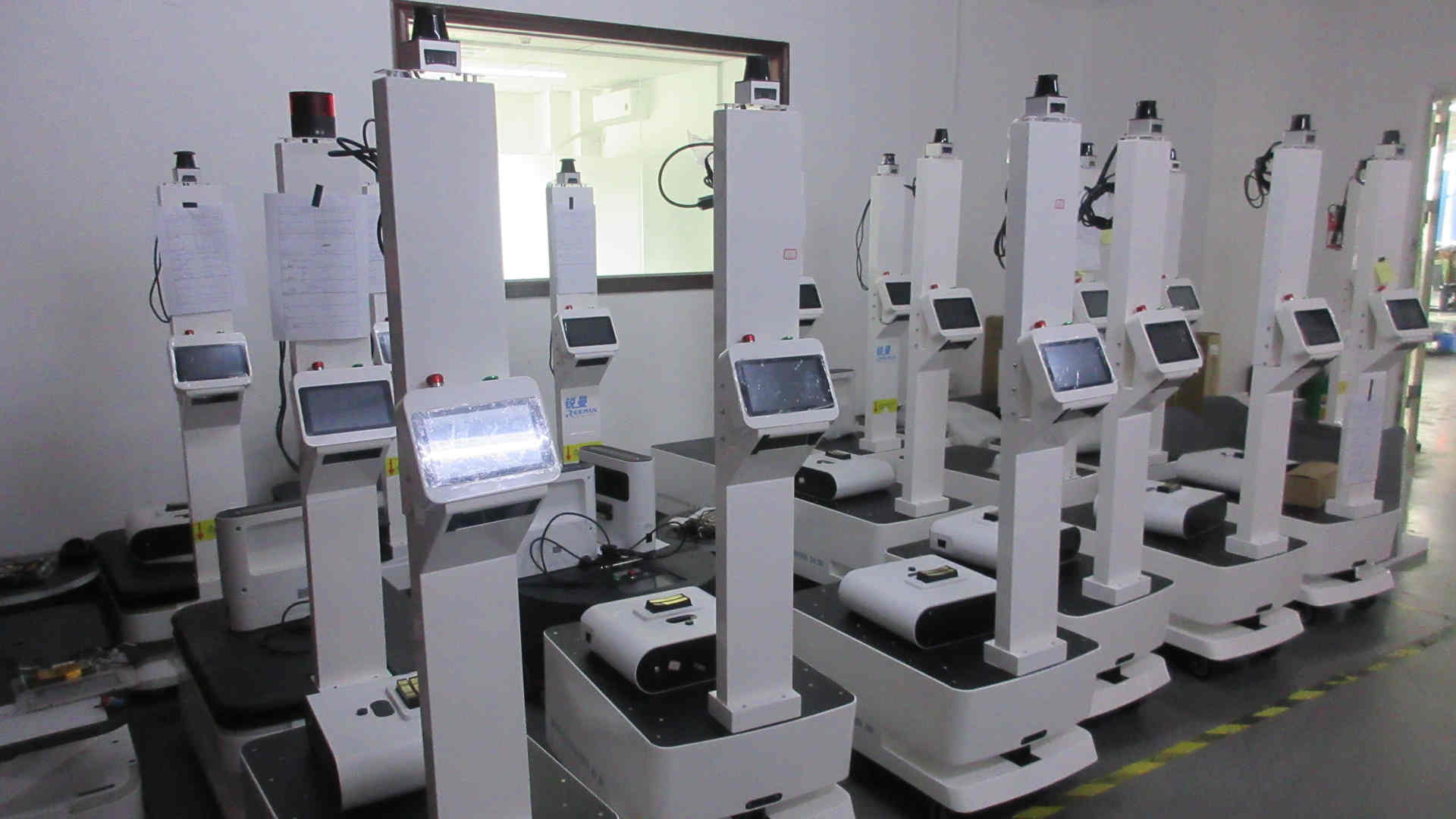
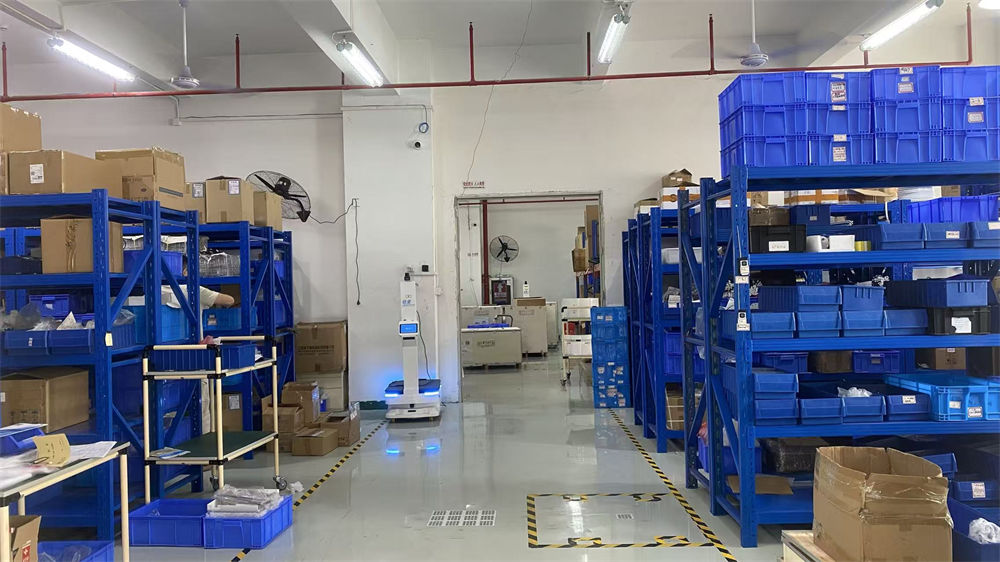
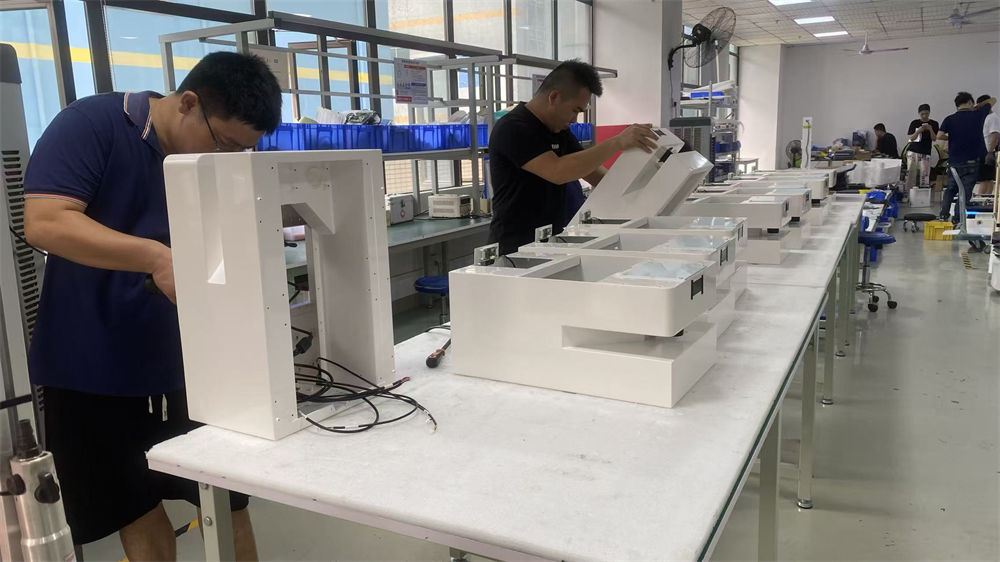
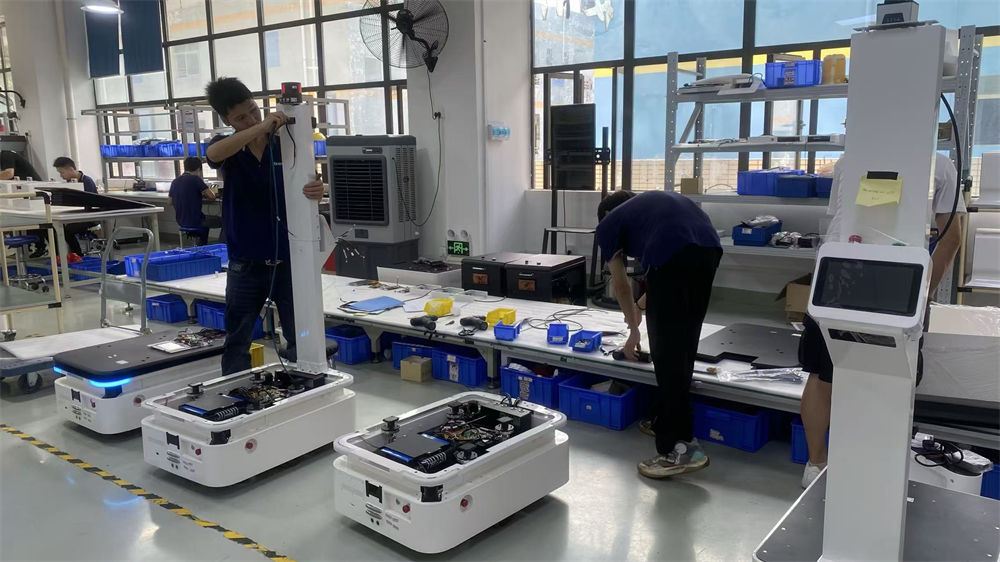
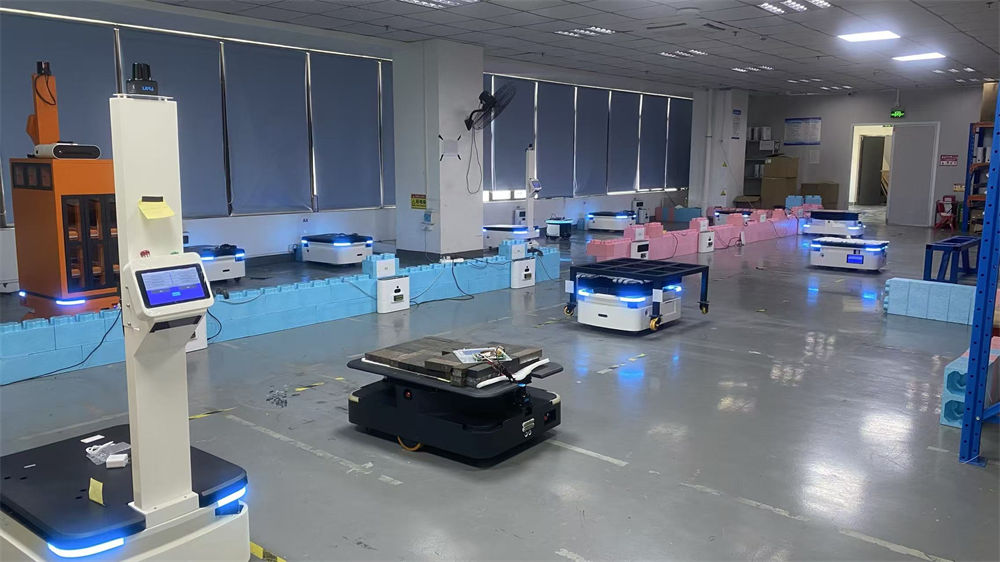
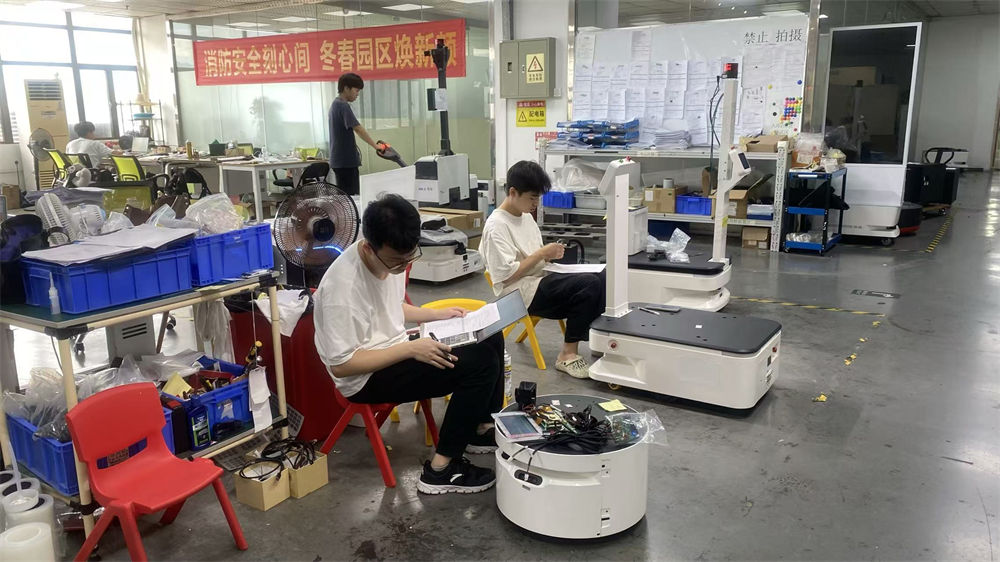
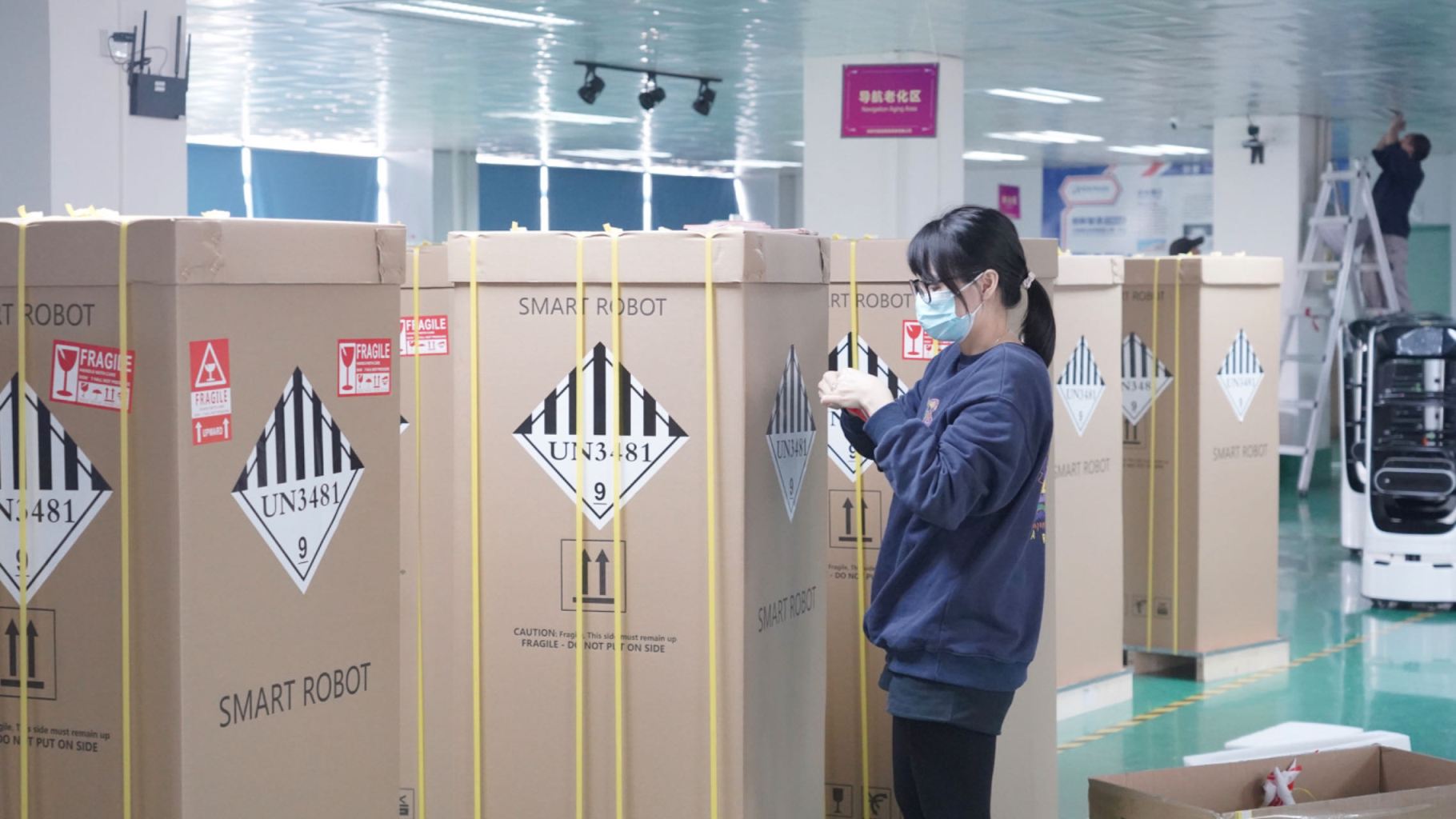
Use these questions to compare suppliers on engineering depth, not just brochure specifications.
| Question | Why It Matters |
|---|---|
| What is the complete moving load, including top module, fixture and goods? | Rated payload alone can underestimate braking, turning and floor-load requirements. |
| What floor conditions, slopes and transitions must the chassis handle? | Floor friction, gaps and ramps affect drive sizing, sensor visibility and safety distances. |
| What is the smallest aisle, door and elevator the robot must pass? | Route clearance drives chassis width, sensor placement and turning strategy. |
| How does the navigation system recover from blocked routes? | Recovery behavior determines real-world uptime and operator intervention rate. |
| Which software interfaces are documented for WMS, MES or ERP? | Integration effort is often larger than the hardware budget. |
| Can the top module be mounted without redesigning the chassis? | Standard interfaces reduce engineering time and multi-SKU cost. |
| What factory tests are performed before shipment? | Test records provide evidence for buyer quality checks and acceptance milestones. |
| Which certificates apply to the exact model being quoted? | Certificate scope, model number and target market must be checked. |
| What spare parts should be stocked for one year of operation? | Wear items and long-lead components affect lifecycle cost and uptime. |
| How are firmware updates tested, authorized and rolled back? | Software change control protects fleet stability after deployment. |
| How is charging planned for multi-shift operation? | Charging ratio can change the required fleet size and electrical layout. |
| What data is logged, where is it stored and who can access it? | Cybersecurity and data ownership should be agreed before installation. |
A supplier that answers these questions with documented evidence, engineering reasoning and clear assumptions is usually a safer long-term partner than one that quotes only the lowest price per unit.
Send your payload, aisle width, top-module concept, WMS/MES interface and target market — our engineers will recommend the right chassis platform and configuration.
info@elvornbot.com