CEFCC
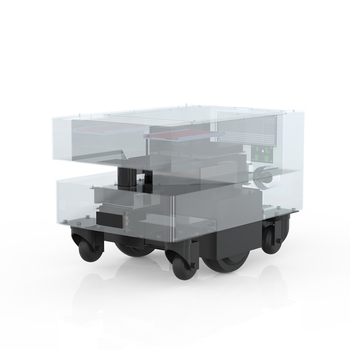
Robot Chassis
Compact Robotic Chassis Board Module Kit
- Board module + chassis kit
- Secondary development support
- Service and transport robots
Factory data verified onsite by independent inspector SGS Group



Founded in 2015, Shenzhen Elvorn Intelligent Equipment Co., Ltd. is a national high-tech enterprise focused on robotic platform technology and autonomous driving. Our in-house team covers industrial design, mechanical engineering, electronics, embedded firmware, SLAM navigation, motion control and fleet scheduling. For buyers of an autonomous robotic chassis board module, this vertical integration is important: one engineering team owns the board, the chassis, the firmware and the software interface, so customization requests do not get lost between suppliers.
We operate two production bases in Shenzhen and Ningbo, hold 39 patents, and serve buyers in North America, Western Europe, Eastern Asia, Southeast Asia and the Middle East. Our factory has been verified onsite by SGS Group; management systems are certified to ISO 9001 and ISO 14001; and selected robot chassis and AMR models carry CE, FCC or PSE marks. We support OEM, ODM, design service and buyer-label projects, including custom top modules, payload structures, branding and packaging.
A practical definition for global procurement teams, robot integrators and OEM product managers.
An autonomous robotic chassis board module is the integrated electronics-and-software layer that makes a wheeled robot platform capable of autonomous movement. It usually combines a main control board, motor drive, power management, safety I/O, communication ports and, in many projects, a SLAM navigation board. When matched with a mechanical chassis, bumper, LiDAR and battery, the module provides the core functions that robot builders normally need to develop from scratch: mapping, localization, path planning, obstacle avoidance, docking and task execution.
For global buyers, the key distinction is between a bare chassis kit and a production-ready board module. A bare kit may include a frame, wheels, motors and motor drivers, but the buyer still has to select sensors, write navigation software, validate safety behavior and build an interface to a top module. A production-ready autonomous robotic chassis board module from Shenzhen Elvorn Intelligent Equipment Co., Ltd. is delivered with an application layer, an open SDK/API and documented interfaces, so integrators can focus on their own value-added top module — such as a delivery cabinet, cleaning unit, inspection head, lift or shelf — instead of re-engineering the mobility layer.
The information gain for procurement teams is to evaluate the module as a platform, not as a component. The right questions are: Does the board support the payload and duty cycle you need? Can it be integrated with your WMS, MES or ERP? Which sensors are included, and can they be expanded? What is the safety architecture around pedestrians? What documentation, spare parts and remote support are available after shipment? A supplier that can answer these questions with test records, certificates and reference projects reduces the total cost of ownership more than a low unit price ever will.
A well-designed board module should expose the interfaces that matter for a real robot project: CAN, RS-232, Ethernet, safety I/O and an SDK/API for task dispatch and status feedback. It should also document sensor options, mounting points, power budget and recommended maintenance intervals. Elvorn’s engineering team reviews your top-module CAD, weight distribution and working environment before recommending a platform, because the same chassis can behave very differently when it carries a 60 kg delivery cabinet versus a 300 kg shelf. This review process is part of the information gain that serious buyers expect from an experienced manufacturer.
For distributors, the commercial benefit is faster market entry. Instead of building a robot platform from zero, a distributor can source a validated autonomous robotic chassis board module, add a local top module or branding, and focus on sales, service and application know-how. For OEMs, the benefit is engineering leverage: the mobility stack is already tested, certified where applicable and supported with spare parts, so internal resources can be directed to the differentiated parts of the robot. This is why Elvorn supports OEM, ODM, design service and buyer-label programs across its robot chassis and AMR range.
Selected Elvorn platforms for robot builders who need a stable mobility layer, open interfaces and fast customization.
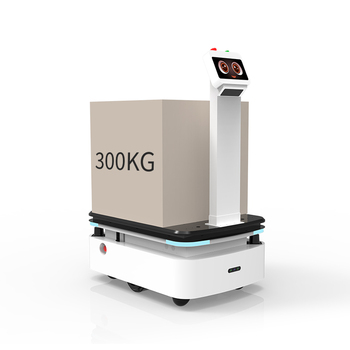
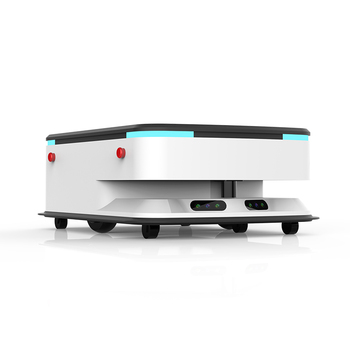
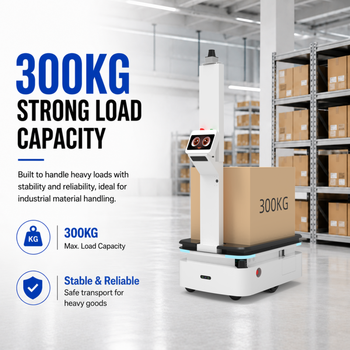
A procurement starting point for buyers who need to match a platform to a top module, payload and working environment.
| Platform / Module | Rated Load | Navigation | Interfaces | Best Fit |
|---|---|---|---|---|
| Compact robotic chassis board module kit | Configurable | Laser SLAM sensor-ready | CAN, RS-232, Ethernet, SDK/API | Fast prototyping, service robots, transport robots |
| SLAM AMR robot chassis 300 kg | 300 kg | Laser SLAM | CAN, RS-232, Ethernet, I/O | Warehouse material handling, custom top modules |
| Open SDK AGV chassis platform | 300 kg | Laser SLAM | Open SDK/API, CAN, Ethernet | OEM robot builders, secondary development |
| Industrial AMR 300 kg payload | 300 kg | Laser SLAM | Open SDK/API | WIP, line-side, electronics assembly |
| Dual laser SLAM AMR | Configurable | Dual laser SLAM | SDK/API, CAN, Ethernet | Complex dynamic environments, wide aisles |
| 600 kg AMR logistics center robot | 600 kg | Laser SLAM | SDK/API, fleet scheduling | Shelf and cart transport, logistics centers |
Final configuration — including LiDAR type, battery, charging method, top-module mounting and safety options — is confirmed after engineering review of your application.
What distributors, integrators and OEM buyers should plan for before issuing an RFQ.
Buyers are shifting from lowest-cost components to pre-validated platforms. Instead of sourcing frame, motors, controller and SLAM separately, procurement teams want a documented autonomous robotic chassis board module with a stable interface and a clear customization path. This shortens the bill of materials, reduces engineering hours and makes after-sales support more predictable.
Global integrators rarely buy a closed platform. They need to connect the chassis to a top module, a fleet manager, a WMS/MES/ERP, elevators, doors or a custom dashboard. When comparing quotations, ask for the API documentation, sample code and integration responsibility matrix. Elvorn provides an open SDK and API for secondary development on AMRs and chassis, which helps buyers avoid vendor lock-in.
For North America, FCC may be relevant; for Europe, CE; for Japan, PSE. Beyond product marks, buyers increasingly verify ISO 9001 and ISO 14001, onsite factory audit reports and test records. Elvorn’s factory has been verified onsite by SGS Group, and selected models carry CE, FCC or PSE marks, so procurement teams can begin due diligence with existing documentation.
A chassis board module that requires weeks of extra engineering, unstable spare-part supply or on-site troubleshooting can cost more than a higher-priced platform with remote support and documented maintenance. Buyers should compare warranty terms, spare-part lead times, operator training, remote debugging capability and software update policy.
Distributors and robot brands want their own branding, top-module mounting pattern, packaging and localized documentation. A supplier with in-house design and production can support small initial volumes and scale as demand grows. Elvorn offers OEM, ODM, design service and buyer-label options for robot chassis and AMR platforms.
Dual sourcing, safety stock and clear lead-time commitments are standard RFQ topics. Buyers should ask whether the supplier controls key production steps, how it manages long-lead components and what alternatives exist if a sensor or chipset changes. Elvorn’s two production bases in Shenzhen and Ningbo and its own R&D team provide a more stable path for repeat orders.
How the next generation of chassis board modules will create new selection criteria for buyers.
Future chassis modules will process more data on board, combining 2D/3D LiDAR, depth cameras, ultrasonic sensors and wheel odometry to navigate crowded, dynamic environments. This reduces dependence on cloud connectivity and improves response time in warehouses, hospitals and public spaces.
Rather than relying on reflectors or magnetic tape, new modules will map large facilities using natural features. This makes deployment faster and layout changes easier, especially for buyers who operate multi-site fleets and cannot afford long installation downtime.
Procurement teams will ask for emergency stop architecture, speed zoning, bumper logic, brake monitoring and documented safety functions suitable for a coordinated risk assessment. Standard safety I/O also simplifies integration with third-party top modules and site infrastructure.
Buyers operating mixed fleets will prefer chassis board modules that support standard interfaces or can be integrated through a fleet manager. Interoperability protects existing automation investments and gives procurement teams more negotiation leverage across suppliers.
OTA updates, remote diagnostics and API versioning will become part of supplier selection, not just hardware specifications. A platform that can be improved after shipment protects the buyer’s investment and extends the useful life of the robot fleet.
24/7 operations will drive demand for quick-change batteries, automatic charging docking and energy-management dashboards. These features directly affect uptime, fleet size and the total cost of ownership for high-throughput sites.
The evidence procurement teams look for when qualifying an autonomous robotic chassis board module supplier.
Our factory has been verified onsite by SGS Group, covering business license, production capability and quality control. This gives overseas buyers a documented starting point for supplier due diligence.
Mechanical, electronic, embedded, SLAM and fleet-scheduling teams work together. Customization requests for the board module, chassis or top module do not need to be passed between external suppliers.
AMRs and robot chassis provide open interfaces for secondary development. Integrators can connect tasks, status, safety signals and mapping data to WMS, MES, ERP or custom software.
We support custom top modules, payload structures, branding, packaging and documentation. Buyer-label programs help distributors build their own robot product lines.
Management systems are certified to ISO 9001 and ISO 14001. Selected models carry CE, FCC or PSE marks. Every unit undergoes functional and load testing before shipment.
English documentation, remote commissioning support and spare-part supply help buyers in North America, Western Europe, Asia, Southeast Asia and the Middle East operate their fleets with confidence.
Production, assembly, testing and quality control evidence for global buyers evaluating robot chassis board modules.

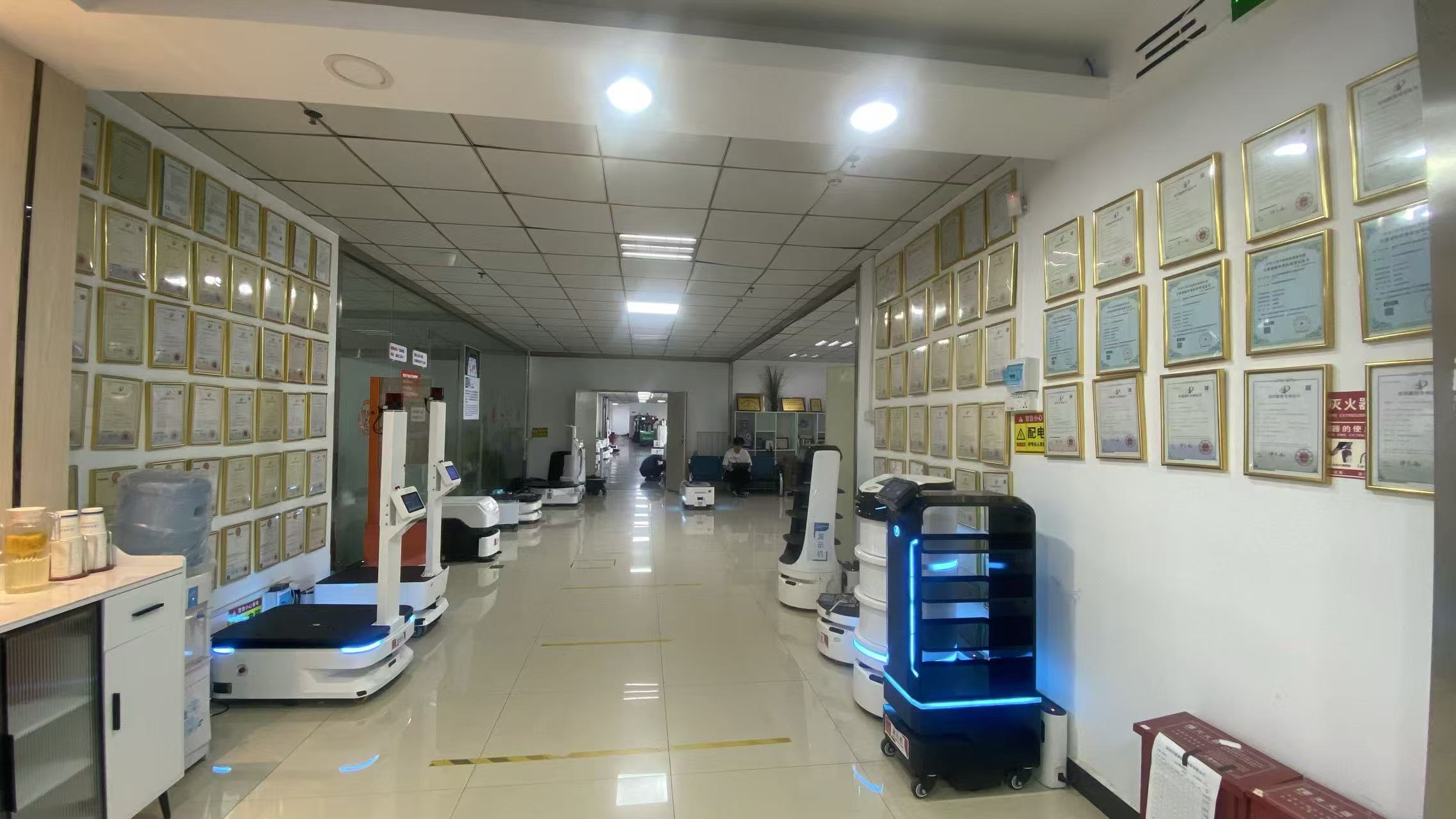
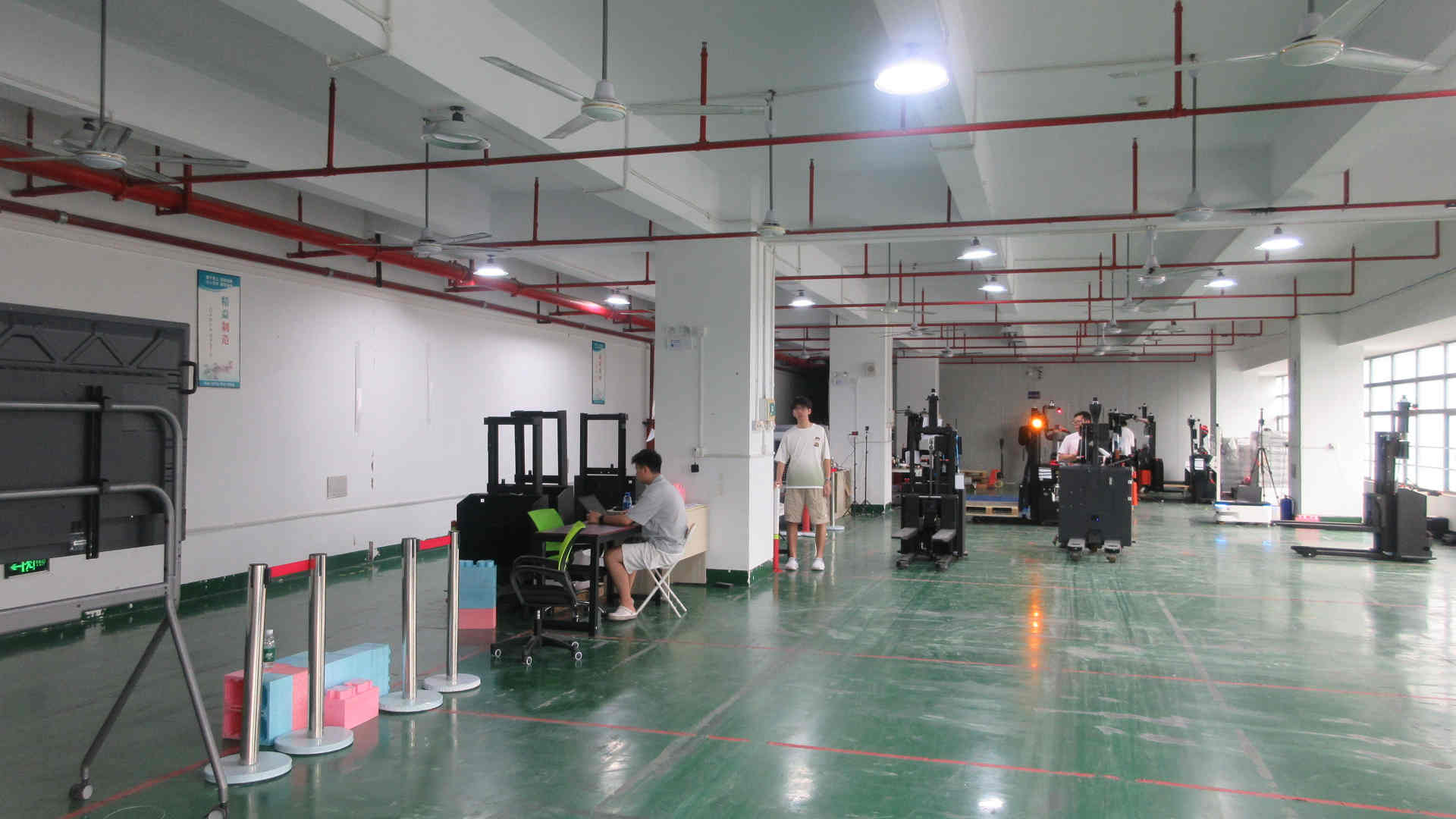
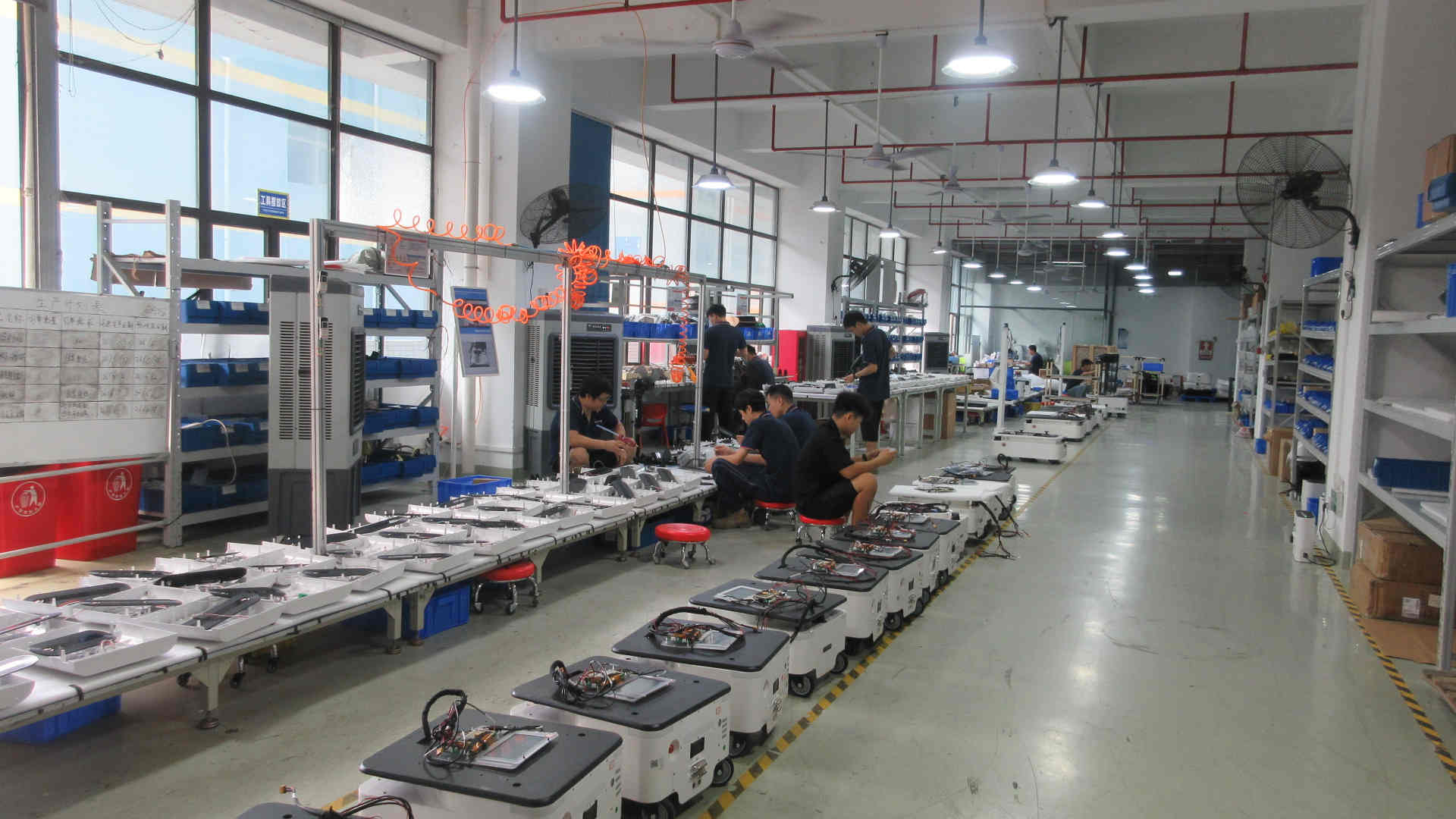
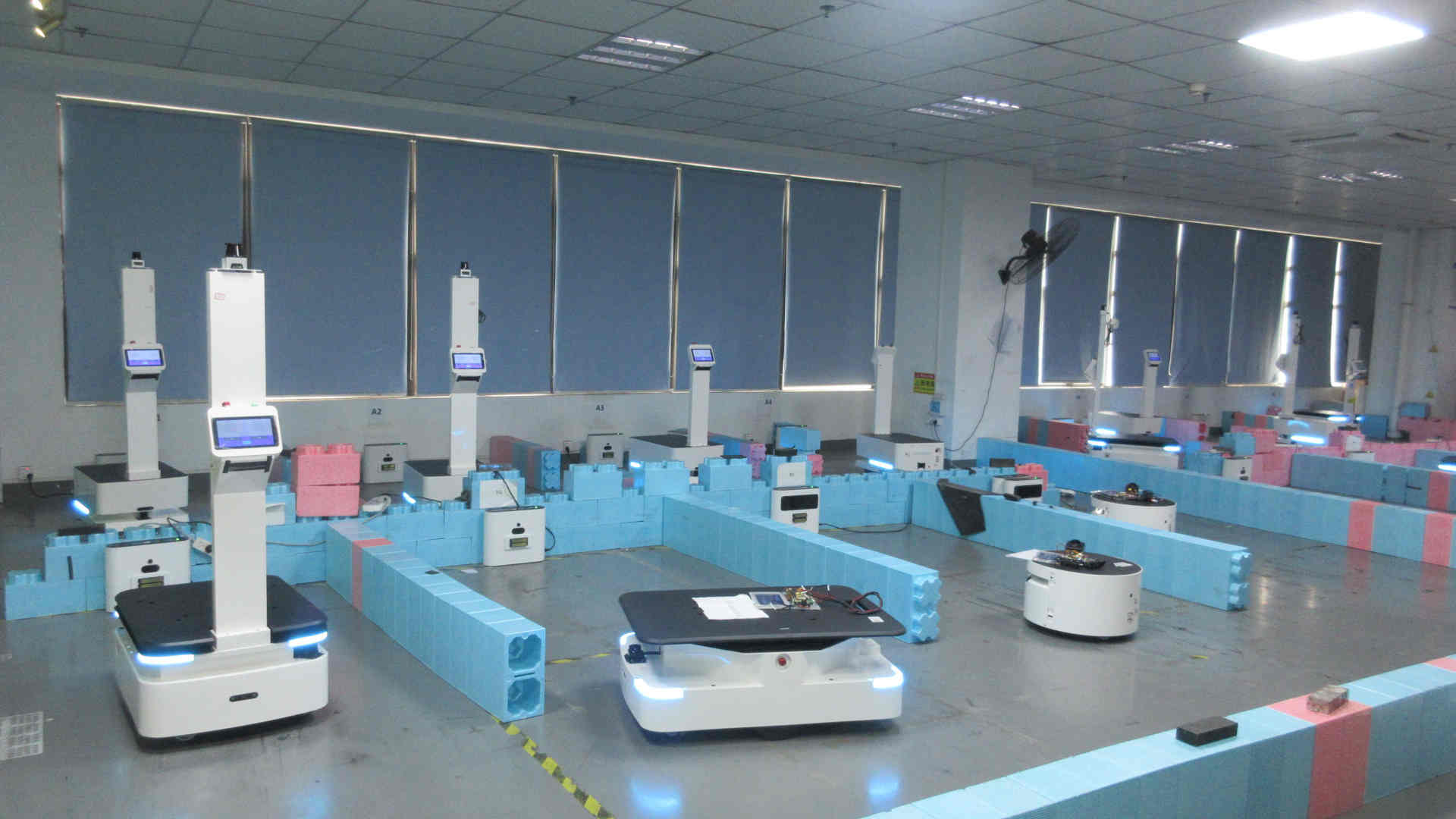
Clear answers for procurement teams evaluating an autonomous robotic chassis board module.
Share your robot concept, payload, top-module CAD, navigation environment and target volume. Our engineers will respond with a recommended platform, interface map and delivery schedule.
info@elvornbot.com