China Top Commercial Advertising Robot Factories & Wholesalers
A procurement-grade guide to autonomous mobile advertising robots, laser SLAM AMRs, forklift AGVs, commercial service robots and OEM/ODM wholesale supply from verified Chinese manufacturers.
8 Recommended Commercial Robot Products for Factory Evaluation
These eight models represent the practical buying path for international distributors, system integrators and commercial operators. Each product image is displayed in full with preserved product URLs so procurement teams can compare specifications, then confirm customization, volume pricing and lead time through a factory quotation.
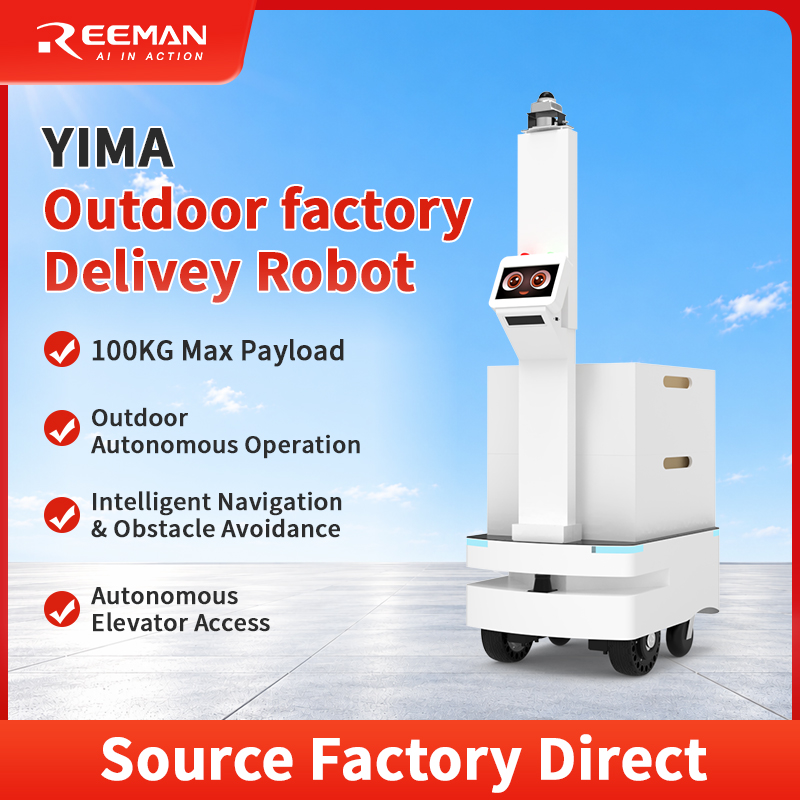
- 100 kg payload with autonomous navigation
- Obstacle avoidance and elevator access
- Warehouse, campus and last-mile logistics
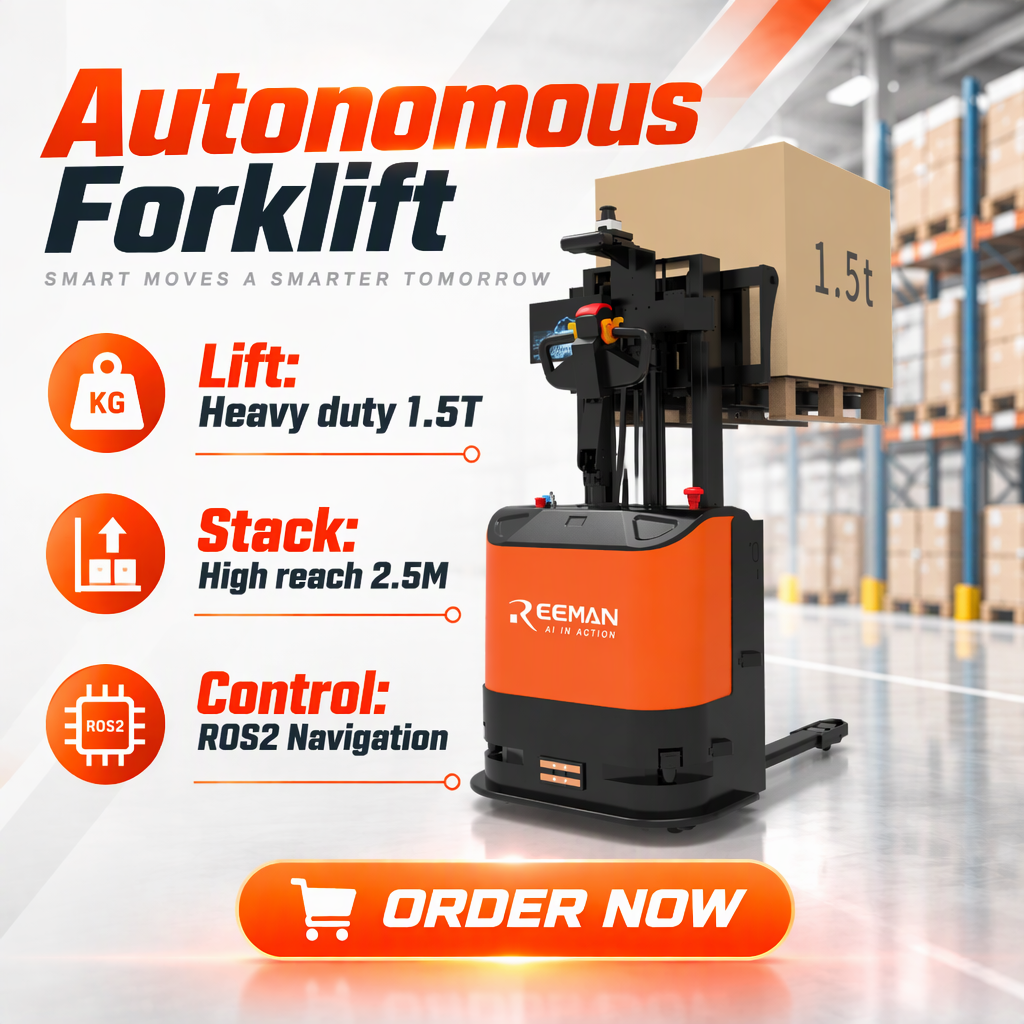
- 1,500 kg load capacity and 2.5 m lift
- ROS2 navigation with 4WD chassis
- Lithium-ion battery for indoor handling

- 2-ton autonomous pallet handling
- Laser SLAM with no tape or reflectors
- Warehouse logistics and fleet deployment
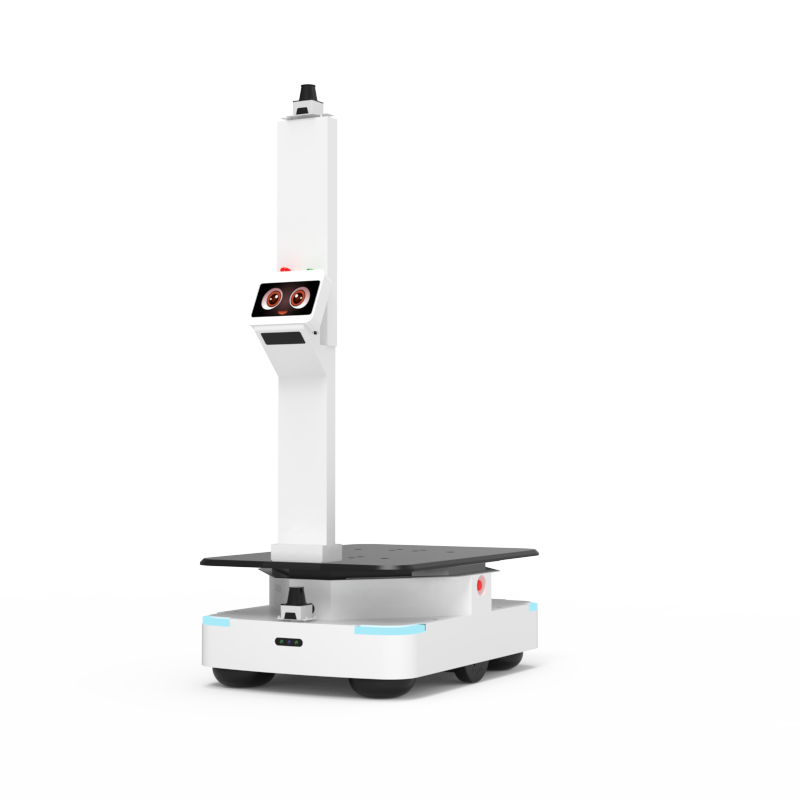
600kg Payload Laser Navigation AMR Robot Autonomous Lifting Warehouse Transfer Equipment
- 600 kg payload with autonomous lifting
- Laser navigation for dynamic warehouses
- Transfer equipment for production logistics
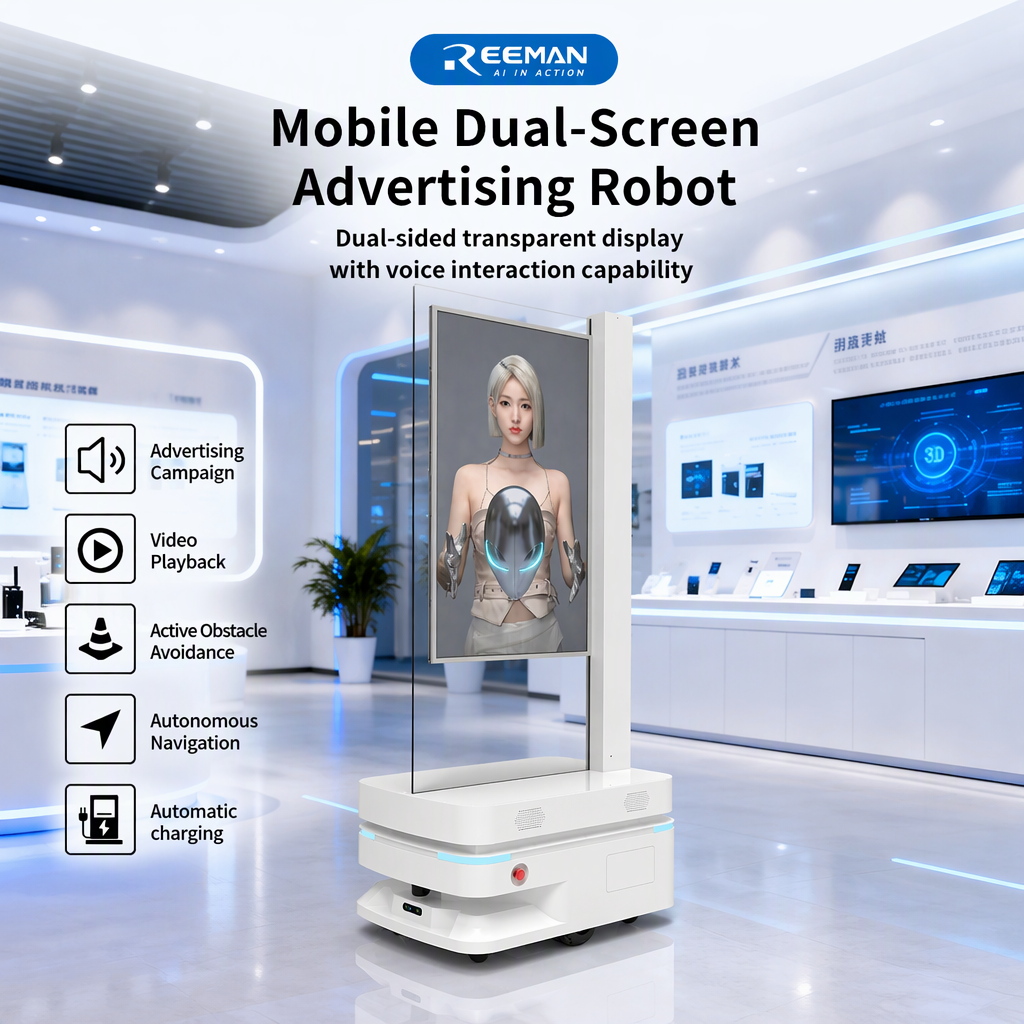
- Dual-screen LCD mobile advertising platform
- Voice interaction and autonomous navigation
- Indoor commercial, retail and exhibition use

- 2-ton load with 4WD traction
- Multi-line LiDAR and 10 mm positioning
- 6-8 hour warehouse handling cycle
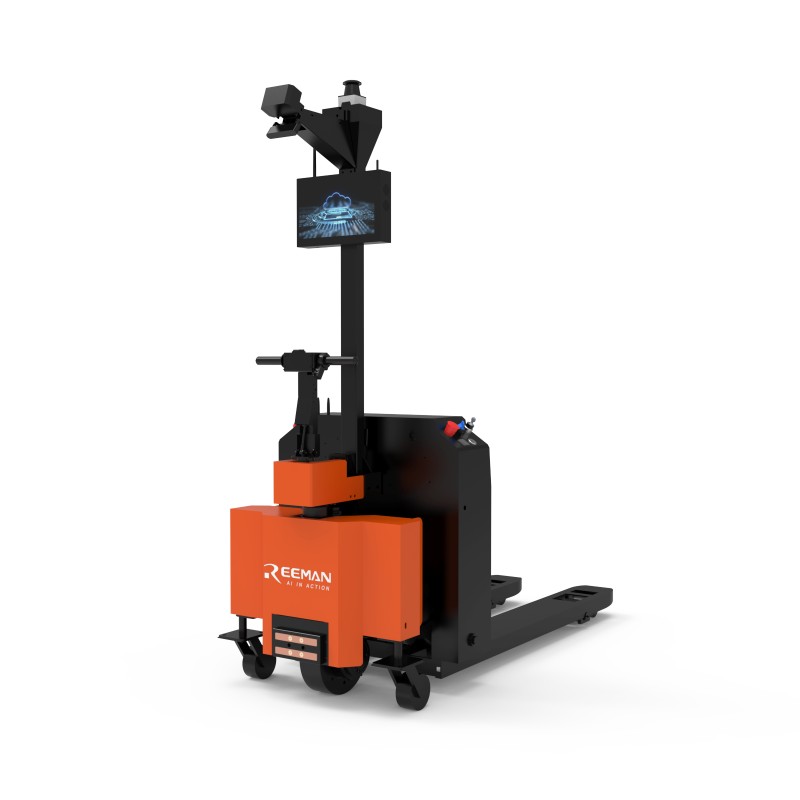
- 2-ton capacity with 1085 mm fork
- Laser SLAM and 10 mm positioning accuracy
- Unmanned pallet truck for repetitive flows
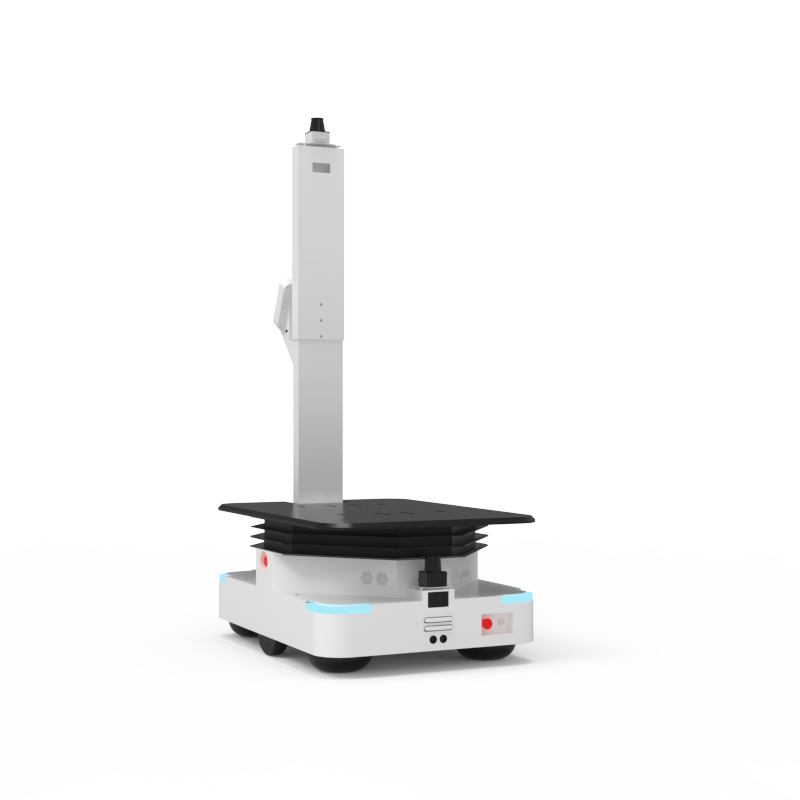
- 600 kg payload for sheet metal handling
- Production-line material transfer
- AMR platform for factory automation
An Executive View of China’s Advertising Robot Supply Chain
Commercial advertising robots sit at the intersection of mobile robotics, digital signage and customer experience. The strongest Chinese factories are no longer simple metal fabricators; they combine SLAM navigation, content management, voice interaction, fleet scheduling and export documentation in one engineering workflow.
Semantic search data shows that buyers increasingly search with procurement intent rather than generic curiosity: “advertising robot manufacturer,” “mobile digital signage robot wholesale,” “LCD advertising robot OEM,” “indoor autonomous robot supplier,” “commercial service robot factory China,” and “autonomous forklift AGV supplier.” Each query signals a different decision stage. Distributors compare wholesale margins and exclusivity; integrators examine SDK/API openness; end users test safety, battery strategy, service response and total cost of ownership. This guide is structured around those buying intents, with verified factory evidence, product-level specifications and practical risk controls.
2026 Procurement Trends: What Smart Buyers Now Ask Chinese Factories
Price comparison is only the first filter. Professional buyers now evaluate deployment risk, integration speed, spare-part continuity and measurable commercial return.
Total Cost of Ownership Replaces Unit Price
Buyers ask for battery cycle life, charging ratio, spare-part kits, remote commissioning and training. A lower quote can become expensive if the robot needs floor markers, frequent manual recovery or non-standard parts.
Pilot-to-Fleet Procurement
One demo robot is not enough. Procurement teams request fleet scheduling, traffic control, automatic charging, CMS or WMS connectivity and a clear scale-up plan before approving a second batch.
Compliance and Data Security Move Upstream
Advertising robots include cameras, microphones and screens. Responsible buyers request clear data-handling policies, content-management permissions, CE/FCC documentation and safety evidence for mixed pedestrian environments.
Modular Platforms and OEM/ODM
Distributors want buyer-label robots with customized top modules, screen sizes, colors, voice packs and packaging. Modular chassis and open SDKs shorten product development and reduce engineering duplication.
Service-Level Verification
Response rate, remote diagnostics, spare-part lead time and operator training are now contract items. 98.76% response rate is a useful signal, but buyers should still define escalation paths and warranty terms.
Real-World Evidence and Information Gain
Spec sheets repeat across websites. The strongest suppliers add testing videos, site photos, failure-mode explanation and SGS-verified factory evidence — information gain that helps buyers reduce uncertainty before an RFQ.
Product Development Trends for Advertising Robots and AMRs
The next generation of commercial robots is being designed around attention, interaction, uptime and integration — not just movement.
AI Voice as a Conversion Layer
Advertising robots are moving from passive screens to interactive hosts. Voice wake-up, multilingual Q&A, product recommendations and lead capture turn a moving display into a measurable customer-acquisition channel.
Multi-Sensor SLAM and Dynamic Avoidance
Laser SLAM remains the baseline, while multi-line LiDAR, depth cameras, ultrasonic sensors and edge computing improve performance in crowded malls, exhibitions, warehouses and mixed-traffic factories.
Display Technology and Content Operations
Dual-screen LCD, high-brightness panels and transparent OLED create new retail formats. Buyers now ask whether content can be updated remotely, scheduled by location and measured through campaign analytics.
Battery Strategy and Uptime Design
Lithium-ion batteries, opportunity charging and automatic docking reduce downtime. Procurement should compare usable runtime, charging time, battery certification, replacement cost and fire-safety handling.
Safety Architecture for Public Spaces
Emergency stops, bumpers, speed zoning, obstacle detection and audible warnings are becoming standard buyer checks. Commercial deployments must also plan pedestrian training and route separation.
Fleet and API-First Architecture
Open SDK/API access allows robots to connect with WMS, MES, ERP, elevator controls, doors, advertising CMS and custom dashboards. This is especially important for distributors building repeatable vertical solutions.
How to Vet China Commercial Advertising Robot Factories and Wholesalers
A factory-direct relationship can deliver better customization, pricing and engineering support. A trading company can still be useful, but only when the underlying manufacturer is transparent and the technical responsibility is clear.
| Evaluation Area | Evidence to Request | Why It Matters |
|---|---|---|
| Manufacturing identity | Business license, factory address, production-line photos, SGS onsite report, export history. | Separates genuine factories and qualified wholesalers from intermediaries that cannot control quality or lead time. |
| Navigation and software | SLAM demonstration, recovery behavior, fleet scheduling test, SDK/API documentation, CMS workflow. | Software failures stop commercial operations. Buyers need proof of dynamic obstacle avoidance and integration capability. |
| Safety and certification | CE, FCC or PSE documents depending on the model; electrical safety, battery reports and risk assessment. | Regulatory review and insurance can depend on traceable documentation, not just a logo on a brochure. |
| Customization depth | Top-module design, screen size, branding, voice language, packaging, firmware permissions and buyer-label options. | Distributors need differentiation. OEM/ODM capability determines whether the product can fit local channel requirements. |
| Factory testing | Function test records, load test videos, aging test data, pick-and-place cycle logs and pre-shipment inspection reports. | Verified test evidence is a strong information-gain signal and lowers the risk of receiving inconsistent batches. |
| After-sales system | Response time, spare-part list, remote-support process, warranty terms, training videos and escalation contacts. | Commercial robots are long-term assets. Support continuity matters more than a single low quotation. |
- Ask for a live or recorded site-mapping demonstration, not only a catalog.
- Confirm who owns the navigation software and who provides API support after delivery.
- Request the exact certification file and verify the model number matches the quotation.
- Review spare-part pricing, warranty exclusions and shipping terms before paying a deposit.
Enterprise Advantages: Shenzhen Elvorn Intelligent Equipment Co., Ltd.
Founded in 2015, Elvorn is a national high-tech enterprise focused on robotic platform technology and autonomous driving. The company designs and manufactures autonomous forklifts, industrial AMRs, robot chassis, delivery robots, commercial cleaning robots and advertising/service robots from Shenzhen, China.
 R&D and headquarters
 Assembly line
 Testing team
Full-Stack SLAM and Fleet Control
In-house R&D covers laser SLAM navigation, motion control, fleet scheduling and hardware. Buyers gain faster customization, transparent engineering answers and long-term support for distributors and integrators.
OEM, ODM and Buyer-Label Service
As a verified custom manufacturer, Elvorn offers OEM service, design service and buyer-label options, including custom top modules, payload structures, branding and packaging for channel partners.
Two Production Bases
Two production bases in Shenzhen and Ningbo, with 5,200㎡ total floor space, on-site material inspection and supplier assessment procedures support stable batch delivery.
Open SDK and API Integration
AMRs and robot chassis provide an open SDK and API for secondary development, allowing task dispatch and status feedback from WMS, MES, ERP or custom software systems.
Verified Quality and Export Readiness
The factory has passed onsite verification by SGS Group. Management systems are certified to ISO 9001 and ISO 14001, and models can carry CE, FCC or PSE marks depending on configuration.
Global Trade Support
English documentation, remote commissioning and spare-part supply support buyers in North America, Western Europe, East and Southeast Asia and the Middle East. Export terms include FOB and T/T payment in USD or CNY.
Where Commercial Advertising Robots Deliver Measurable ROI
Robots create value when they remove repetitive walking, improve attention capture, support staff or connect physical spaces to digital content systems.
Retail Malls and Brand Stores
Dual-screen advertising robots move promotions to high-traffic areas, greet shoppers, display changing campaigns and guide visitors. Buyers should measure screen impressions, interaction rate and lead capture — not only rental cost.
Exhibitions, Airports and Public Venues
Autonomous advertising robots combine navigation, voice interaction and wayfinding. They reduce repetitive questions, promote sponsors and create a technology-forward visitor experience without permanent floor infrastructure.
Factories and Warehouses
AMRs, lifting robots and autonomous forklifts move pallets, carts and line-side materials across shifts. The ROI case combines labor hours saved, lower damage, shorter response time and integration with WMS/MES tasks.
From RFQ to Deployment: Four Practical Steps
A structured buying path reduces rework and protects the project schedule.
Diagnose the Workflow
Share site layout, floor material, elevator access, payload, pallet type, screen size, daily runtime and target throughput.
Design the Fleet
Engineers recommend robot models, battery strategy, charging points, navigation routes, safety zones and integration scope.
Build and Test
Customize branding, top modules, voice language or payload structure; complete function, load and pre-shipment testing.
Deploy and Scale
Remote mapping, operator training, spare-part planning and performance review support the move from pilot to production.
Common Procurement FAQ for China Advertising Robot Buyers
Answers reflect the typical due-diligence questions raised by distributors, integrators and commercial operators before placing a factory order.
What is a commercial advertising robot, and how does it create commercial value?
Should I buy directly from a China factory or from a wholesaler?
What MOQ and lead time should I expect for OEM/ODM robots?
Can I customize screen size, voice language, branding and content management?
Can robots integrate with WMS, MES, ERP, elevators or advertising systems?
Which certifications and safety documents should I verify?
What trade terms, payment methods and shipping options are common?
How do I validate robot performance before a bulk order?
What after-sales support and spare-part terms should be in the contract?
How should I calculate ROI and avoid hidden costs?
Request a Factory-Spec Quotation for Your Market
Send your venue layout, screen size, payload, charging plan, integration requirements, target market certification and estimated annual volume. The engineering team can compare advertising robot, AMR and forklift AGV configurations and return a practical proposal with testing, lead time and export terms.