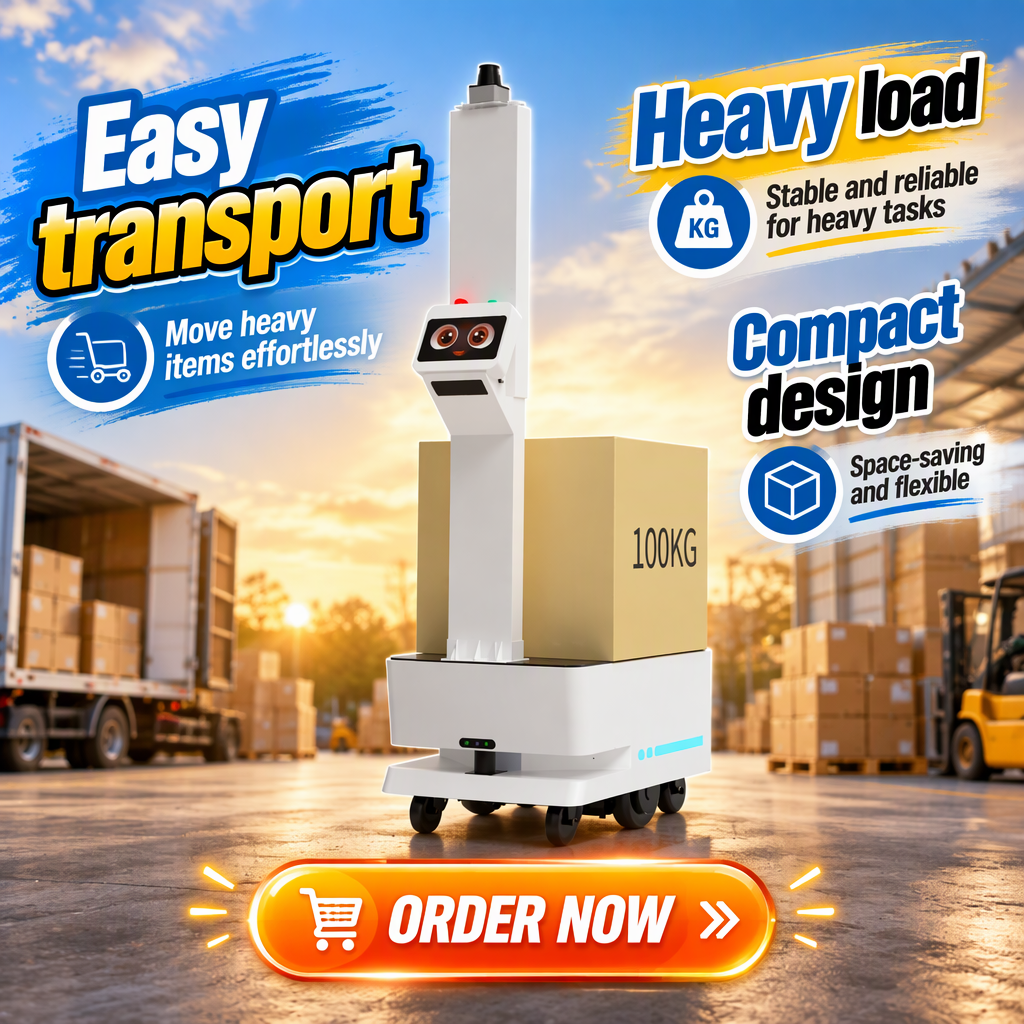
SLAM AMR
Reeman Autonomous Mobile Robot with SLAM Navigation
PLC-based control core for round-the-clock tote, cart and shelf transport in warehouses and distribution centres.
View specification →Autonomous forklifts, industrial AMRs and open-SDK robot chassis engineered and built by Shenzhen Elvorn Intelligent Equipment Co., Ltd. — one navigation stack, one spares pipeline and one engineering team behind every unit we ship.
Forklift AGVs, lifting AMRs, stacker robots and SLAM navigation platforms built on a shared control architecture. Because the software, spares and service team are identical across the range, a single pilot unit can scale into a full fleet without re-integration.
PLC-based control core for round-the-clock tote, cart and shelf transport in warehouses and distribution centres.
View specification →
Twin-lidar SLAM navigation with an automatic lifting deck sized for line-side feeding in manufacturing plants.
View specification →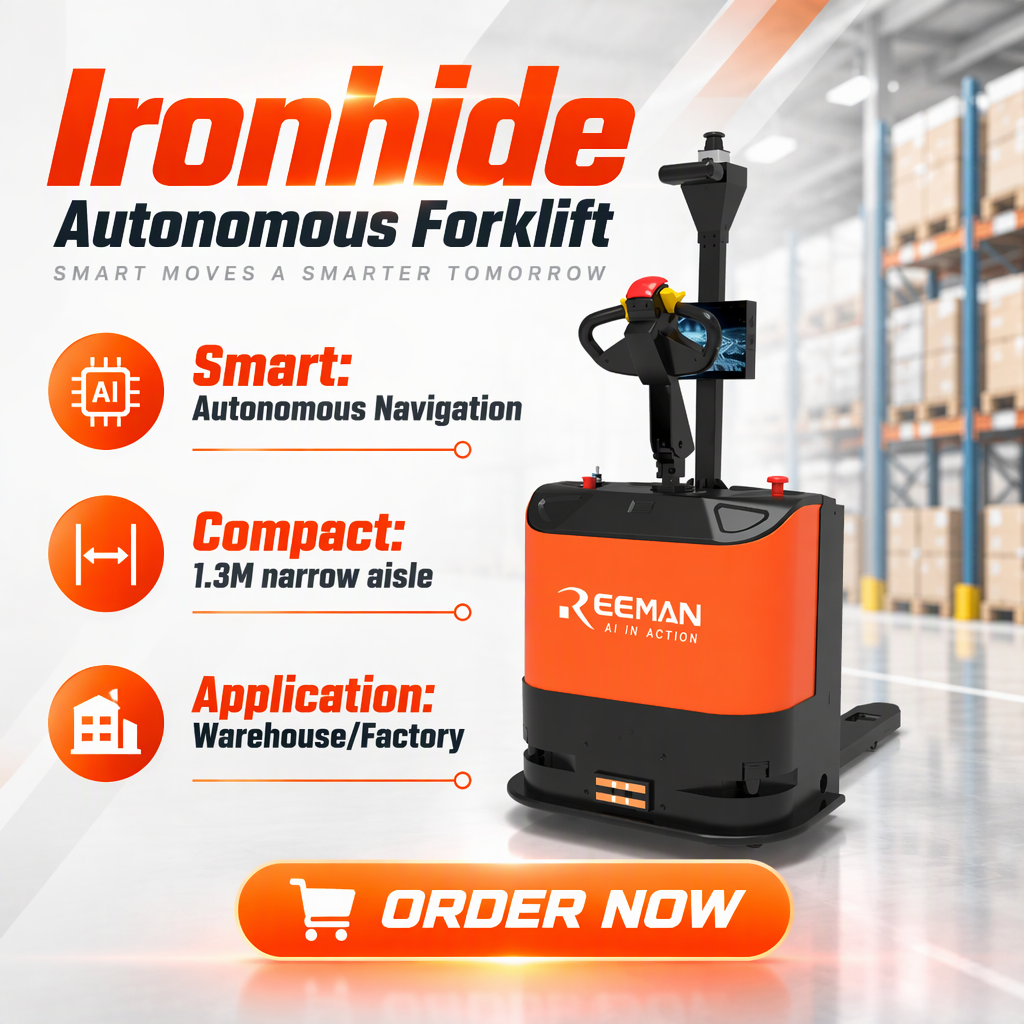
3D obstacle avoidance and bidirectional driving, powered by a 48V 30AH lithium-ion pack for multi-shift pallet flow.
View specification →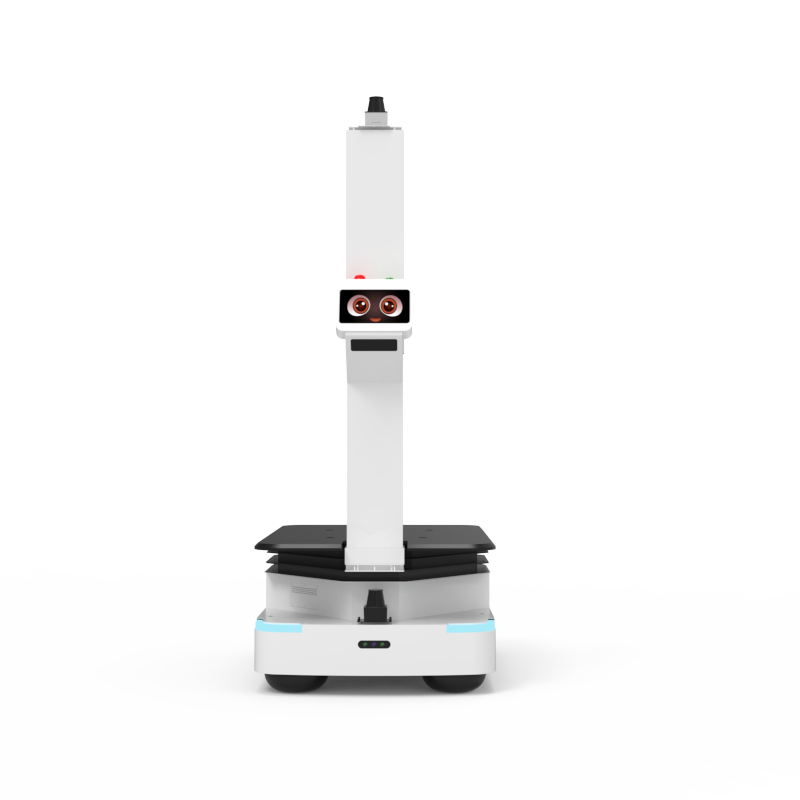
QR code-free navigation removes floor infrastructure cost, so layout changes never trigger a re-taping project.
View specification →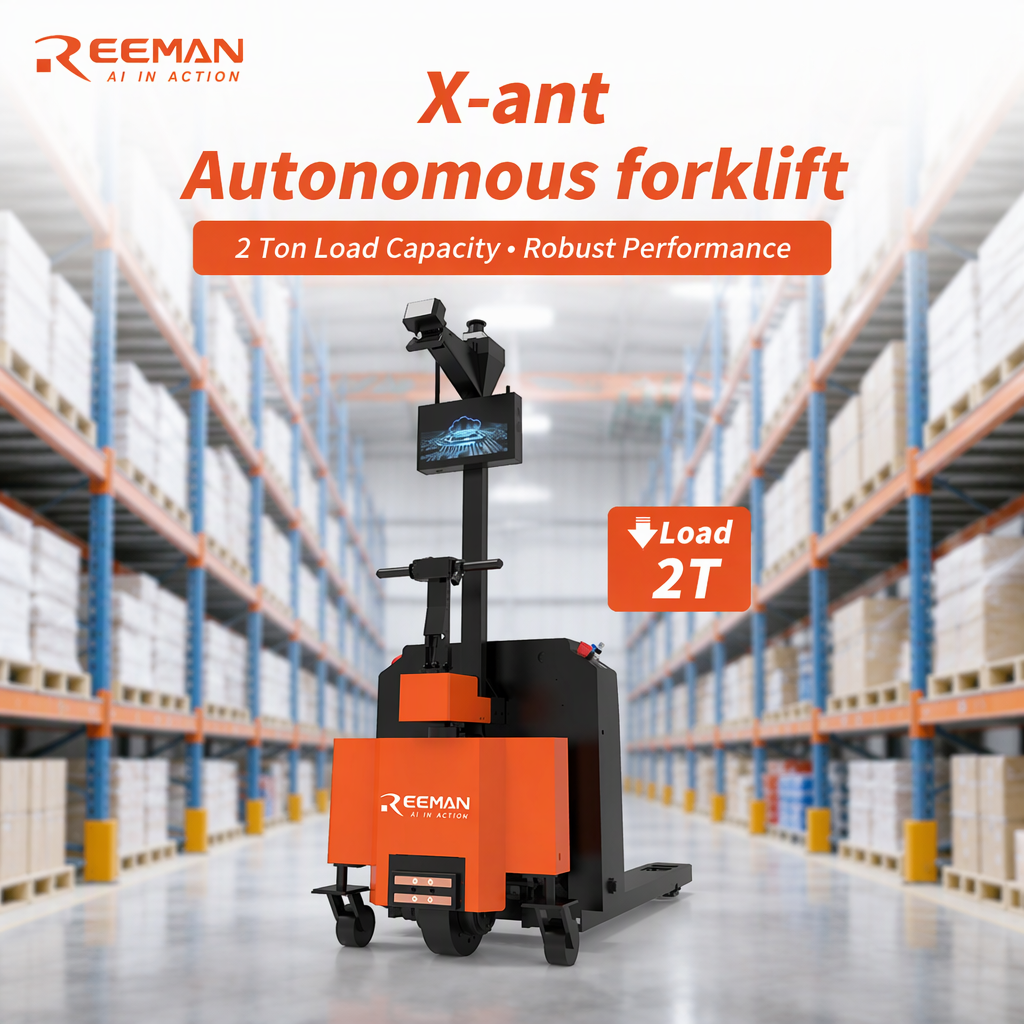
Multi-line LiDAR delivers 10 mm positioning accuracy for heavy pallet handling in dense racking environments.
View specification →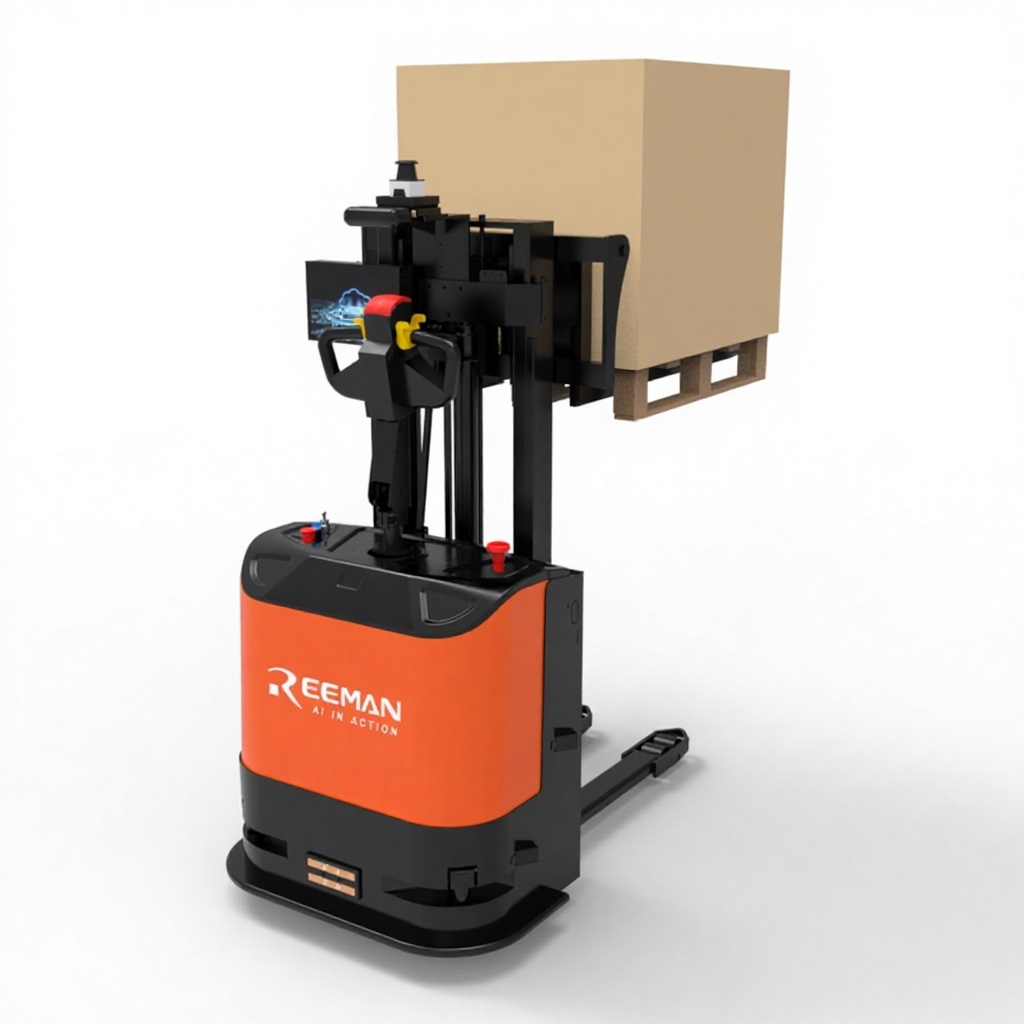
3D vision obstacle avoidance for stacking and low-rack storage where headroom and clearances are tight.
View specification →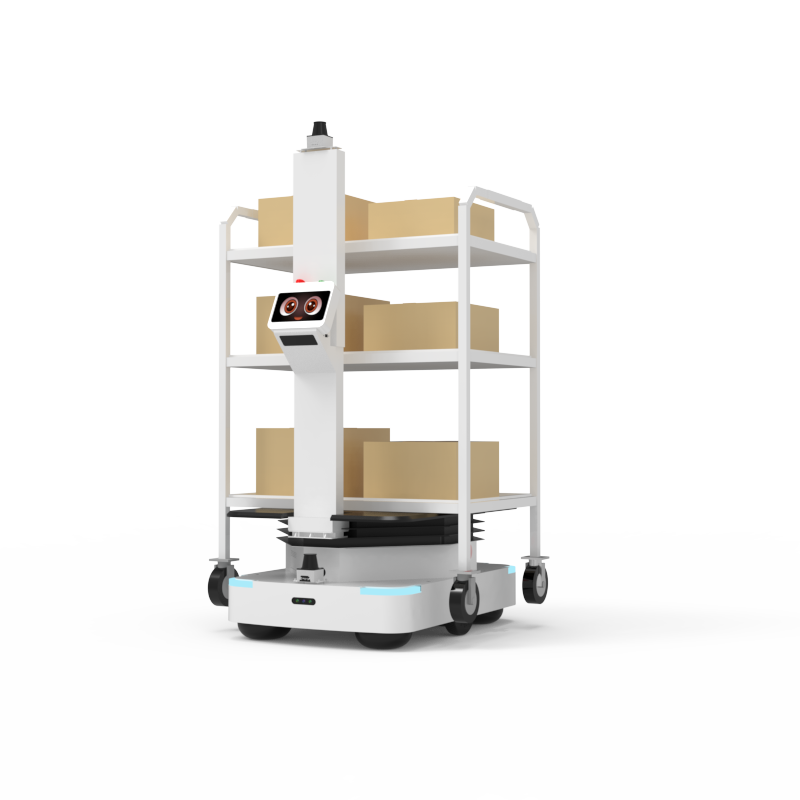
An auto-lifting mobile platform engineered for in-plant material handling of dense, high-CG loads.
View specification →
48V 30Ah LiFePO4 chemistry with opportunity charging keeps single-shift operations free of battery swaps.
View specification →Indoor mobile robots — autonomous forklifts that lift pallets, industrial AMRs that carry totes and carts between workstations, and the bare chassis platforms integrators rebrand — are an unusual category. They combine industrial-vehicle hardware (masts, hydraulics, 48V electrical systems) with consumer-grade software (SLAM, fleet scheduling, app-level UX). Very few regions in the world have deep capability in both at the same time.
South China does. Shenzhen and the surrounding Pearl River Delta hold the densest cluster of LiDAR module suppliers, motion controllers, servo drives, battery-pack assemblers and precision metal fabricators on earth. A robot manufacturer located inside that cluster can iterate a chassis design, source a new sensor and run a validation build in weeks rather than quarters. That compression is the structural reason Chinese factories now win a large share of global indoor automation tenders — not simply price.
Three capabilities separate a genuine factory from a trading company posing as one. First, in-house navigation ownership: the supplier should write and maintain its own SLAM, motion-control and scheduling software, because that is what determines whether a robot still works after the third layout change. Second, vertical integration of the lift mechanism: forklift AGVs live or die on mast rigidity, fork positioning accuracy and hydraulic reliability, and these cannot be outsourced to a generic chassis builder. Third, export compliance maturity: CE, FCC and PSE marks on the specific model you buy, not on a sister product; ISO 9001 and ISO 14001 management systems; and a factory that has actually been audited by a third party such as SGS Group rather than self-declaring certification.
Shenzhen Elvorn Intelligent Equipment Co., Ltd. was founded in 2015 as a national high-tech enterprise focused on robotic platform technology and autonomous driving. Its engineers own the full stack — laser SLAM navigation, motion control, fleet scheduling and the hardware itself — which is why customisation requests get a definitive engineering answer instead of a forwarded email. With two production bases in Shenzhen and Ningbo and 5,200 square metres of combined floorspace, the company builds autonomous forklifts, industrial AMRs, robot chassis, delivery robots and cleaning robots for buyers across North America, Western Europe, Eastern Asia, Southeast Asia and the Middle East.
Six shifts that procurement and engineering teams are already writing into their tender documents.
Magnetic tape and QR floor codes solve navigation once and then become a permanent maintenance bill. Every rack move, aisle widening or line rebalancing triggers a re-taping project. Buyers now specify laser SLAM as a hard requirement because the map lives in software and can be redrawn in hours.
A robot quoted at the lowest capital cost can be the most expensive asset in the building if battery packs degrade in two years or spare parts carry a twelve-week lead time. Tenders increasingly weight battery cycle life, mean time between failures, published spares pricing and software support terms alongside the purchase order value.
Procurement has moved from "buy one demonstration robot" to "deploy a traffic-managed fleet." That means the supplier must prove multi-robot scheduling, deadlock avoidance, lift and door integration, and multi-floor routing before the contract is signed — not after.
Buyers now ask directly for ISO 3691-4 alignment for driverless industrial trucks and EN 1175 electrical safety evidence, alongside CE, FCC or PSE marking on the exact model being quoted. A supplier that cannot produce a certificate for the model on the purchase order is a project risk, not a bargain.
Integrators increasingly buy a proven SLAM chassis and add their own top module, branding and software layer rather than developing navigation from scratch. OEM, design-service and buyer-label programmes cut eighteen months or more out of a product launch.
Remote commissioning, English-language documentation and a committed spare-part supply window matter more than a showroom demo. Request the response-time commitment and the spare-part catalogue before signing, and confirm whether firmware updates are included for the life of the fleet.
What the next generation of factory-floor robots will assume as standard.
Laser SLAM alone is excellent for static geometry and weak against shrink-wrapped pallets, glass and people in motion. Production robots now fuse multi-line LiDAR, 3D depth cameras and inertial measurement, so a dropped carton or a walking operator is classified rather than merely detected.
The next maturity step is a robot that understands what it is looking at. Semantic maps let a forklift AGV recognise a designated pick station, a charging bay or a temporary staging zone without a technician redrawing waypoints every time the operation changes.
Perception inference now runs on the robot itself, cutting reaction latency to milliseconds, while cloud or on-premise servers handle cross-fleet traffic, KPI reporting and predictive maintenance. Wi-Fi 6 and private 5G backbones make this viable in buildings where legacy coverage was the real bottleneck.
Lithium iron phosphate packs deliver longer cycle life and better thermal stability than earlier chemistries, and opportunity charging during natural idle windows removes the battery-swap routine entirely. For a three-shift operation, that is a direct reduction in labour overhead.
Simulation has shifted from a sales illustration to an engineering deliverable. A site model populated with real throughput data lets the integrator validate fleet size and charging strategy before hardware lands — which is how deployment risk gets reduced rather than merely described.
Vendor lock-in is now a board-level concern. Open SDKs and documented APIs that expose task dispatch and status feedback to WMS, MES and ERP systems — together with alignment to interoperability initiatives such as VDA 5050 — are becoming selection criteria rather than nice-to-haves.
Six capabilities that procurement and engineering teams verify before shortlisting a Chinese autonomous robot supplier.
Laser SLAM navigation, motion control, fleet scheduling and the physical hardware are all developed by our own engineering team. That means faster customisation, transparent engineering answers and no dependency on a third-party navigation vendor.
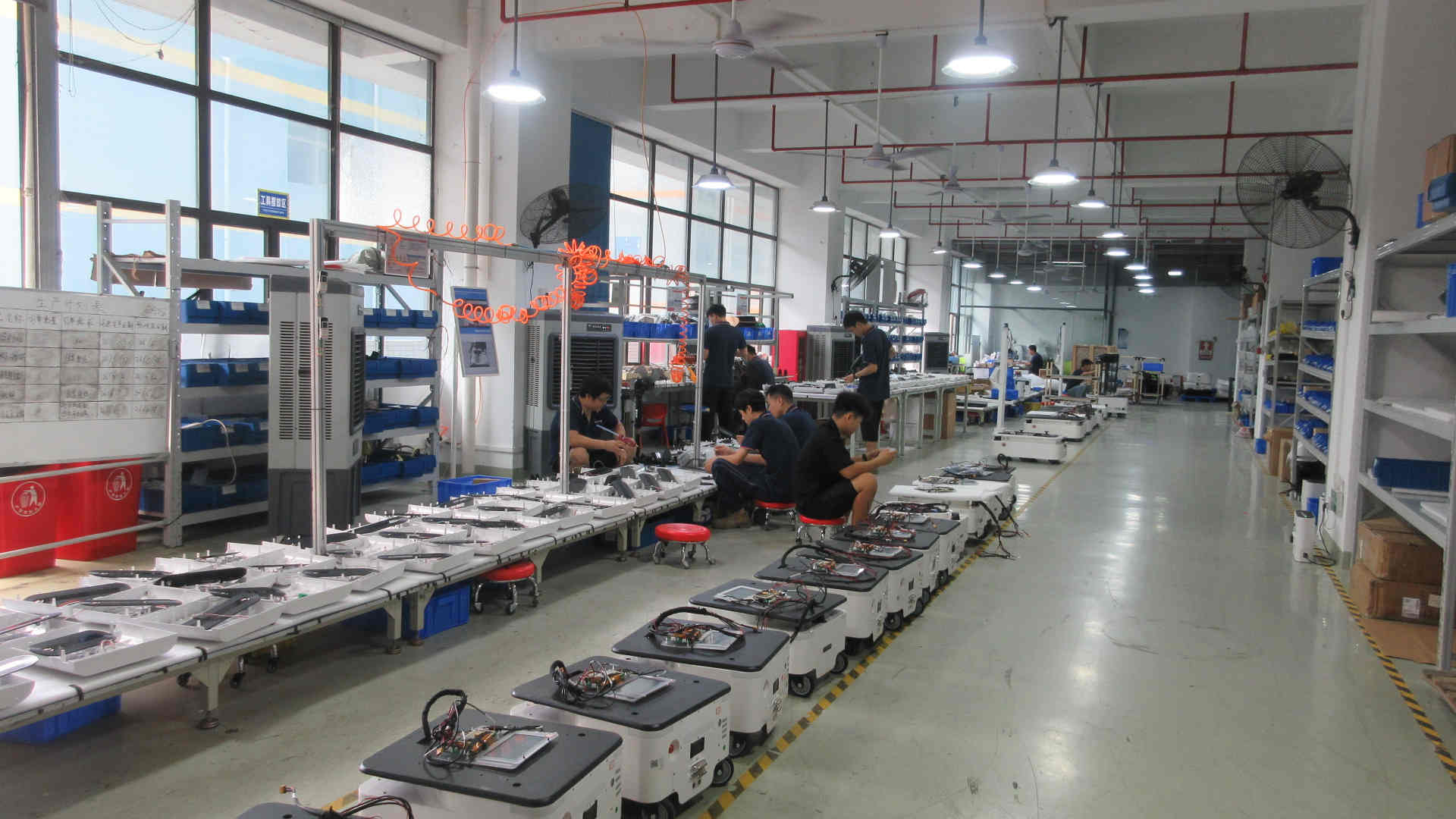
Manufacturing runs across Shenzhen and Ningbo with 5,200 square metres of total floorspace. Supplier assessment procedures and on-site material inspection are applied before components reach the assembly line.
Our factory has been verified onsite by SGS Group. Management systems are certified to ISO 9001 and ISO 14001, and individual models carry CE, FCC or PSE marks. Every unit is functionally and load tested before shipment.
AMRs and robot chassis expose an open SDK and documented API for secondary development, enabling task dispatch and status feedback from your WMS, MES, ERP or custom dashboard — including elevator, door and conveyor handshakes.
As a verified custom manufacturer we provide OEM service, design service and buyer-label options — custom top modules, payload structures, branding and packaging — so the robot that reaches your customer carries your identity, not ours.
We ship worldwide on FOB terms and accept T/T payment in USD or CNY, with English documentation, remote commissioning and a long-term spare-part supply commitment for buyers across five regional markets.
 SGS Onsite Verified
 CE Marking
 FCC
 PSE



A first-round reference used by our application engineers when scoping an indoor automation project.
| Model | Rated Load | Navigation | Typical Application |
|---|---|---|---|
| Reeman SLAM Autonomous Mobile Robot | Platform | Laser SLAM, PLC core | Warehouse logistics, tote and cart transport |
| Dual Laser AMR 300 kg Lifting Robot | 300 kg | Dual LiDAR SLAM | Line-side feeding in manufacturing plants |
| Reeman 1.5 Ton Autonomous Forklift AGV | 1,500 kg | Laser SLAM + 3D avoidance | Pallet transfer between floor, dock and rack |
| 600 kg Industrial Laser SLAM AMR | 600 kg | Laser SLAM, QR-free | Factory logistics and internal transport |
| 2 Ton Autonomous 4WD Forklift AGV | 2,000 kg | Multi-line LiDAR, 10 mm accuracy | Heavy pallet handling in dense racking |
| REEMAN Rhino RBOT30F Stacker Forklift | Configurable | Laser SLAM + 3D vision | Stacking and low-rack storage |
| 600 kg Heavy-Load Lifting AMR Platform | 600 kg | Laser SLAM | In-plant material handling with auto-lift deck |
| REEMAN 1T Autonomous Electric Forklift | 1,000 kg | Laser SLAM, 48V LiFePO4 | Indoor material handling with opportunity charging |
Final configuration — mast height, fork dimensions, battery capacity and top module — is confirmed after reviewing your site layout, pallet type, aisle width and throughput target.
A five-step workflow built to reduce deployment risk for overseas buyers who cannot visit the site weekly.
Share layout drawings, load data, pallet type, aisle width and target throughput. Our engineers respond with open questions rather than a quotation alone.
We recommend the model, fleet size, charging strategy and integration scope, then confirm which parts need customisation and which are standard.
OEM branding, top modules and software interfaces are built to specification in our Shenzhen or Ningbo production base.
Function and load tests run before shipment, with test records and inspection documentation available to the buyer on request.
Remote mapping guidance, operator training material, firmware updates and long-term spare-part supply keep the fleet running.
An autonomous forklift (AGV forklift) lifts and moves pallets between floor, dock and rack positions, while an AMR is a mobile platform that carries totes, carts or shelves. Both Elvorn product lines use laser SLAM navigation, so no magnetic tape or floor reflectors are required — the difference is the payload interface, not the navigation layer.
Yes. Elvorn AMRs and robot chassis provide an open SDK and API for secondary development, allowing task dispatch and status feedback from warehouse management, manufacturing execution or custom software systems. Elevator, door and conveyor handshakes can be scoped during the solution design phase.
Yes. As a verified custom manufacturer, Elvorn offers OEM service, design service and buyer-label options, including custom top modules, payload structures, branding and packaging. Integrators frequently purchase a proven SLAM chassis and add their own upper structure and software layer.
Depending on the model, Elvorn robots carry CE, FCC or PSE marks. The company management system is certified to ISO 9001 and ISO 14001, and the factory has been verified onsite by SGS Group. Always confirm the certificate against the exact model on your purchase order.
Elvorn ships worldwide on FOB terms and accepts T/T payment in USD or CNY. Main export markets include North America, Western Europe, Eastern Asia, Southeast Asia and the Middle East.
Standard models with no structural customisation generally move from confirmed order to shipment in weeks rather than months, but the real variable is site preparation and IT integration on the buyer side. We recommend planning the network, charging location and WMS interface work in parallel with manufacturing so the robot does not arrive before the environment is ready.
Spare parts remain available through a long-term supply commitment, and firmware improvements continue to be released. Because we manufacture the hardware ourselves rather than reselling third-party units, component sourcing stays under our control — which is the difference between a serviceable fleet and an orphaned one after five years.
That is the intended deployment path. Because forklifts, AMRs and chassis platforms share a control architecture and a fleet scheduling layer, a pilot unit can be joined by additional robots without re-integrating software or retraining operators from scratch.
Our application engineers will respond with a recommended model, fleet size and integration scope — usually within one business day.