China Wholesale Outdoor Mobile Robot Exporter & Wholesalers
A procurement-grade sourcing guide for distributors, integrators, and project buyers evaluating autonomous mobile robots, AGV forklifts, robot chassis, delivery robots, and commercial service robots from Shenzhen Elvorn.
8 Mobile Robot Models for Wholesale Catalogs and Project Tenders
China’s mobile robot supply chain is no longer a simple catalog exercise. For a wholesaler, the real decision is not only which robot has the lowest FOB price; it is which supplier can provide stable navigation performance, documented safety, a maintainable fleet, spare-part continuity, and customization that protects the distributor’s margin. The eight models below represent a cross-section of Elvorn’s factory-direct product family, covering material handling, warehouse logistics, system integration, retail advertising, and commercial service.
Industrial Delivery Robot
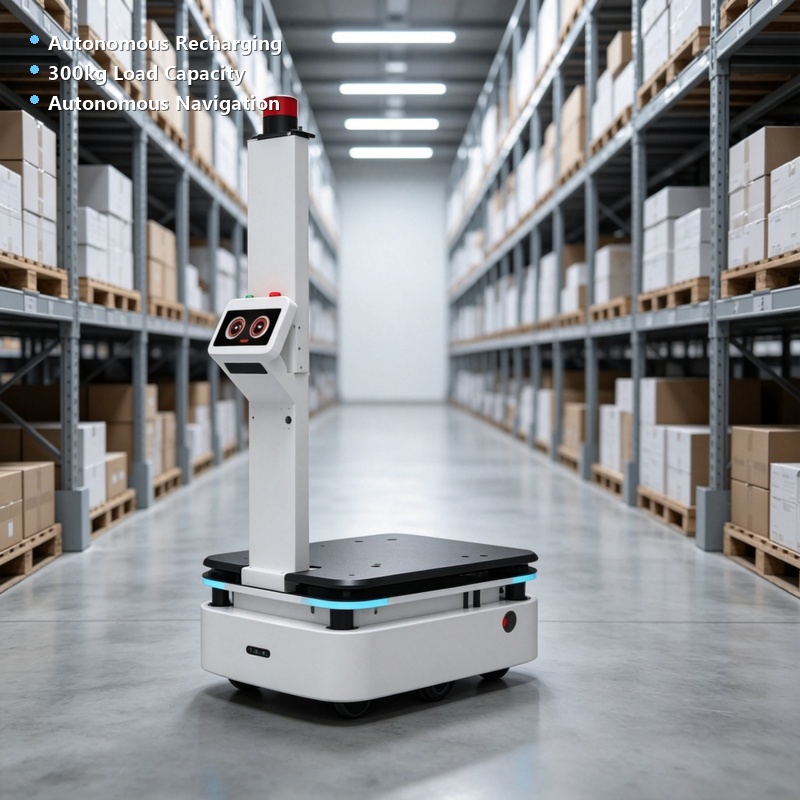
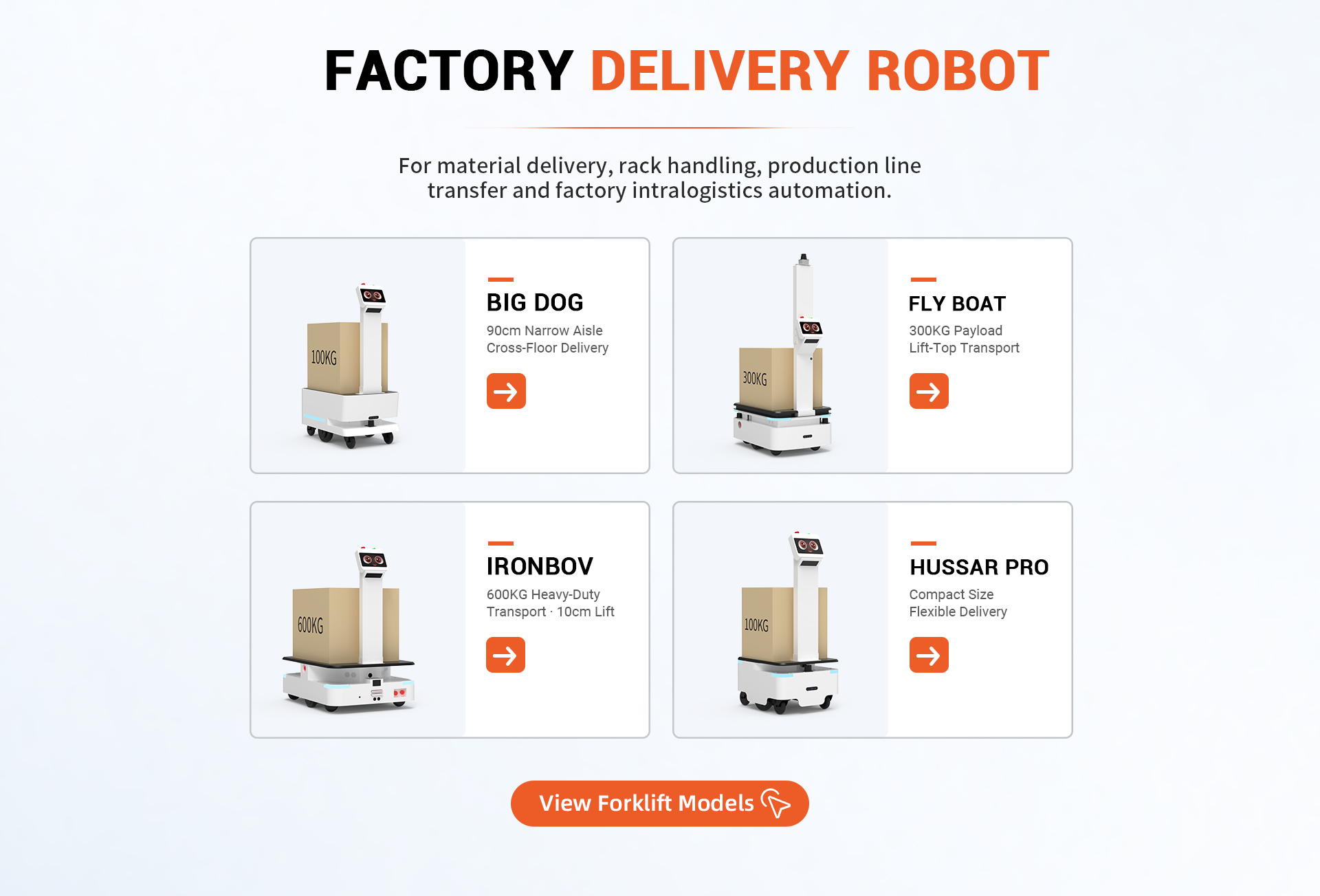
REEMAN Dual Laser Fly Boat MAX 300kg Industrial Delivery Robot for Manufacturing Plants and Factory Material Supply
Dual-laser navigation and a 300 kg payload for flexible point-to-point material supply in manufacturing plants and factory environments.
View product details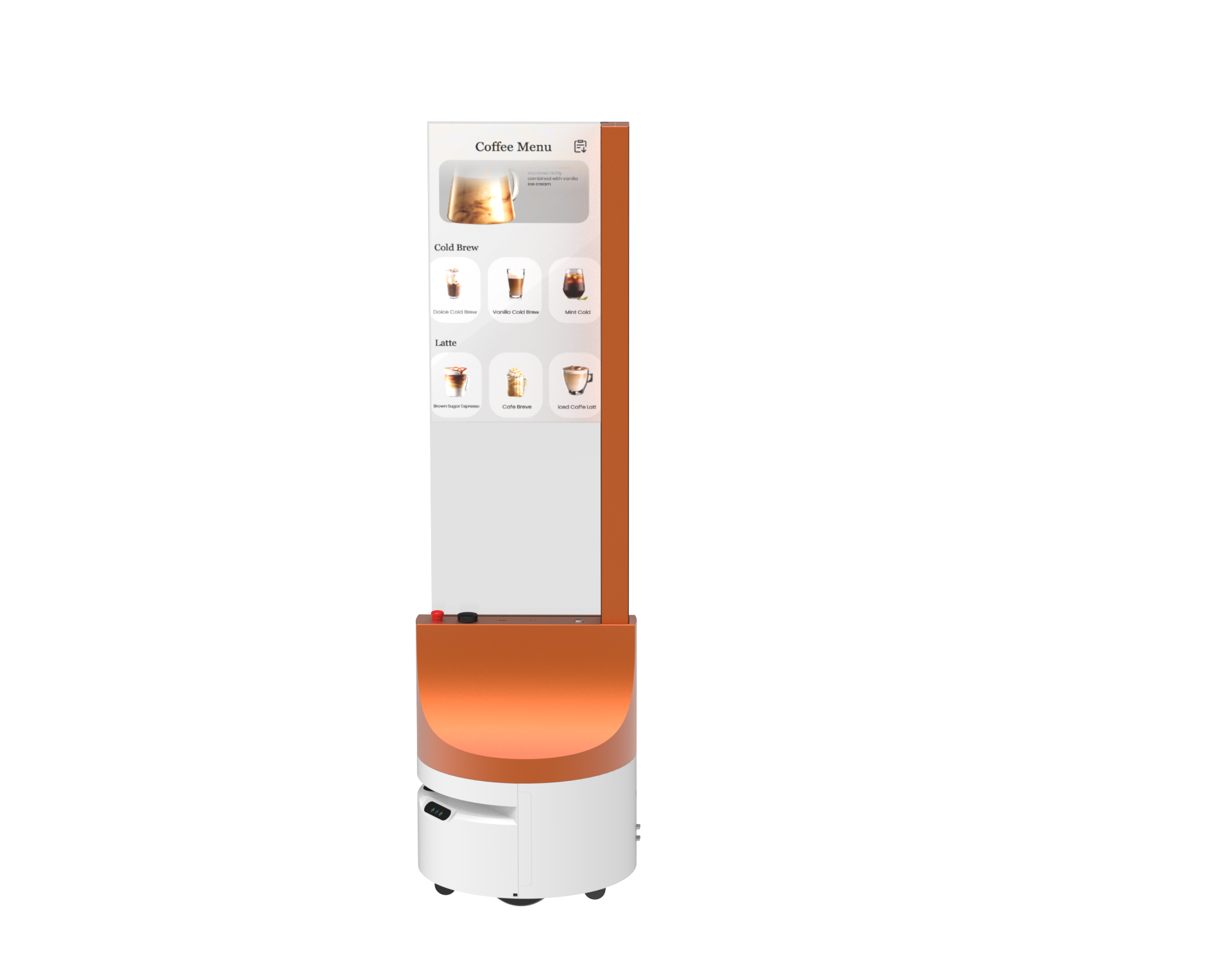
Mobile Advertising Robot
REEMAN 30 Inch OLED Transparent Screen Mobile Advertising Robot 1080 x 1920 FHD 9:16 Wi-Fi App Remote Control
A 30-inch transparent OLED display, FHD vertical format, and Wi-Fi app control for retail, exhibitions, hotels, and commercial venues.
View product details
Autonomous Forklift AGV
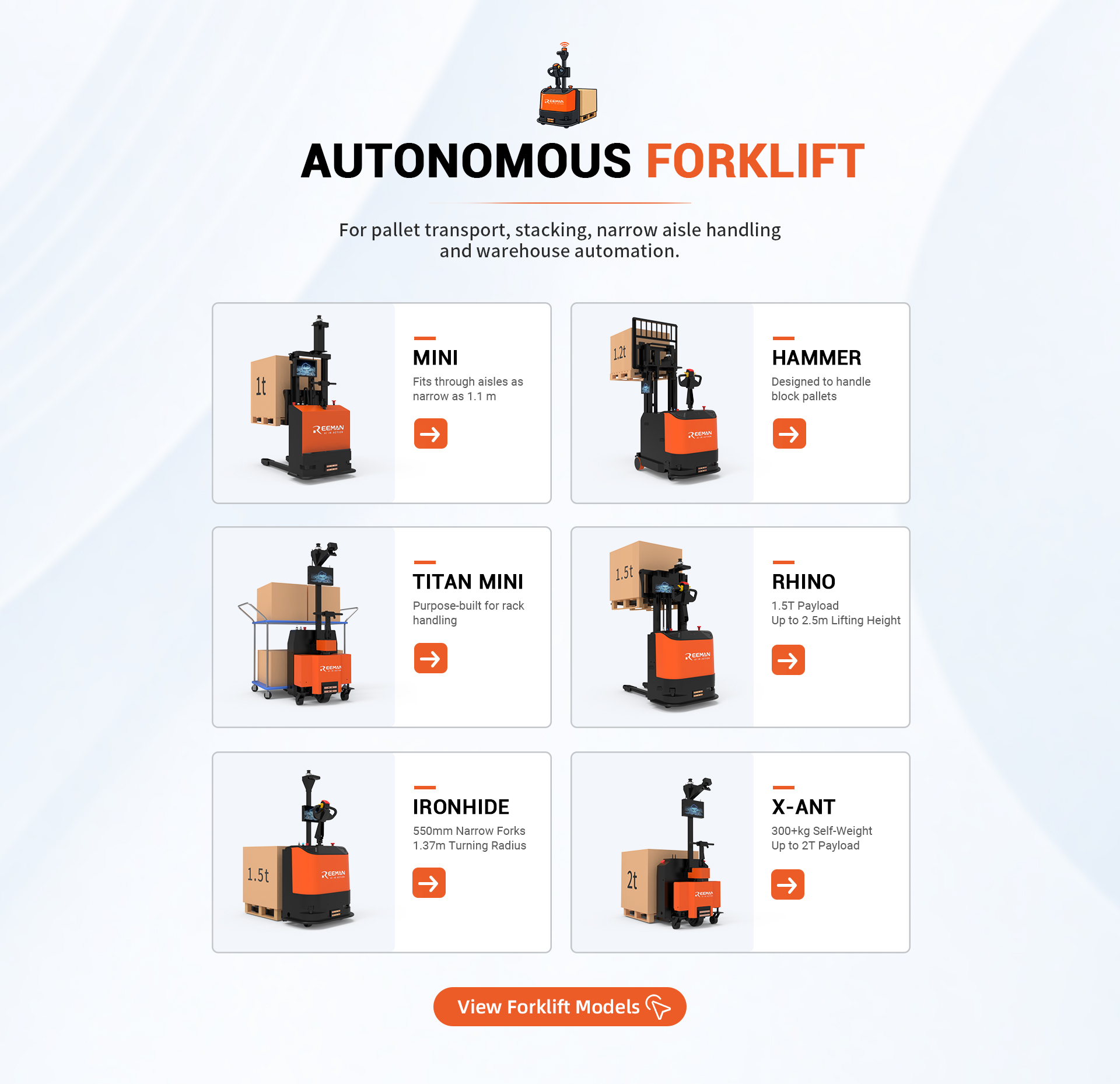
REEMAN X-ant JBOT20F 2 Ton Autonomous Forklift AGV Laser SLAM Pallet Handling Robot for Warehouse Logistics
Laser SLAM and 2-ton pallet handling for repeatable warehouse logistics, production-line feeding, and dock-to-storage workflows.
View product details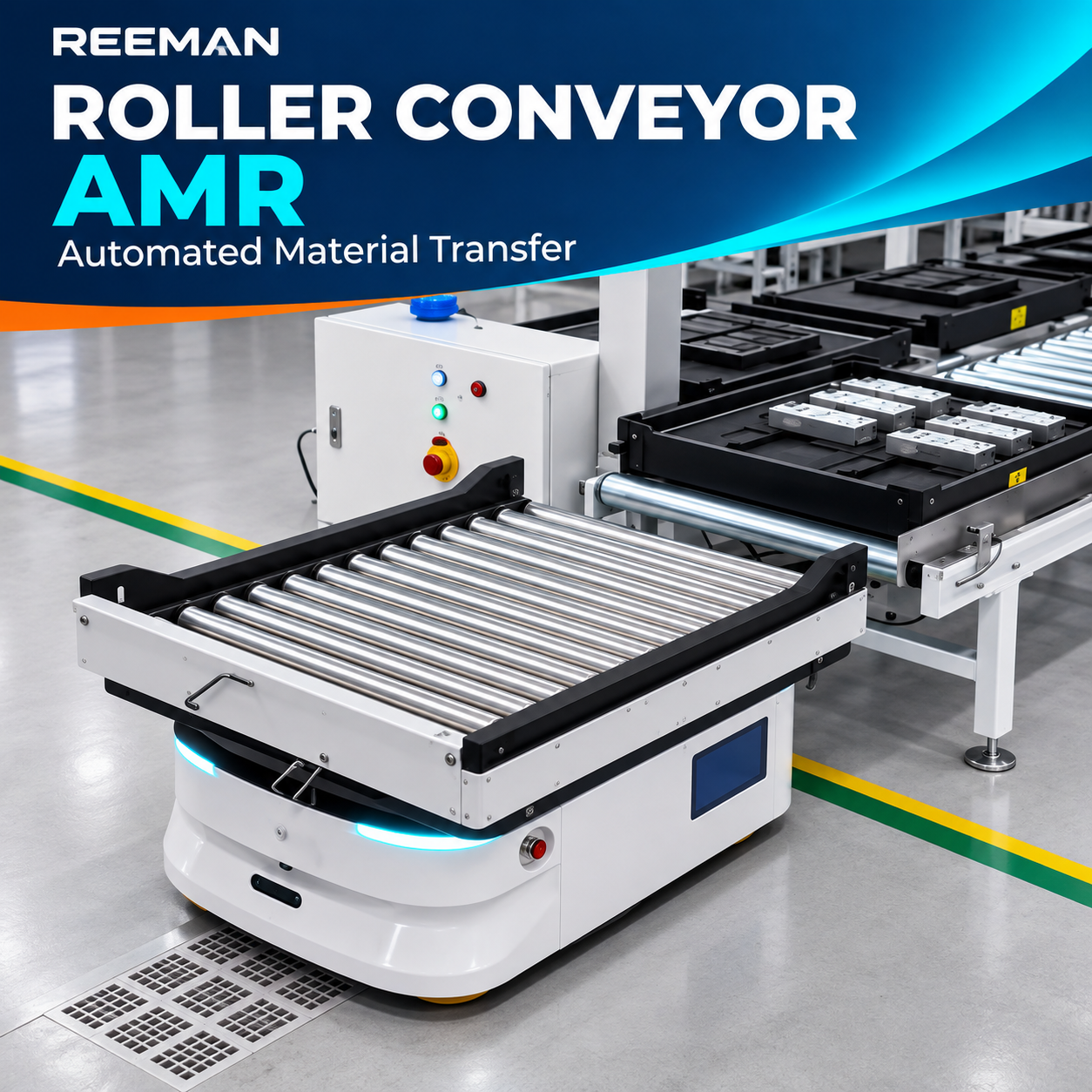
Conveyor AMR
Roller Conveyor AMR Robot with SDK and API for Custom Development and System Integration
A top-module conveyor platform with SDK and API access for integrators who need production-line docking and custom software control.
View product details
4WD AGV Forklift
2 Ton Autonomous 4WD AGV Forklift Laser SLAM Navigation Multi-Line LiDAR 10mm Position Accuracy 6-8H Warehouse Handling
4WD traction, multi-line LiDAR, 10 mm positioning, and 6–8 h handling capacity for robust warehouse transfer projects.
View product details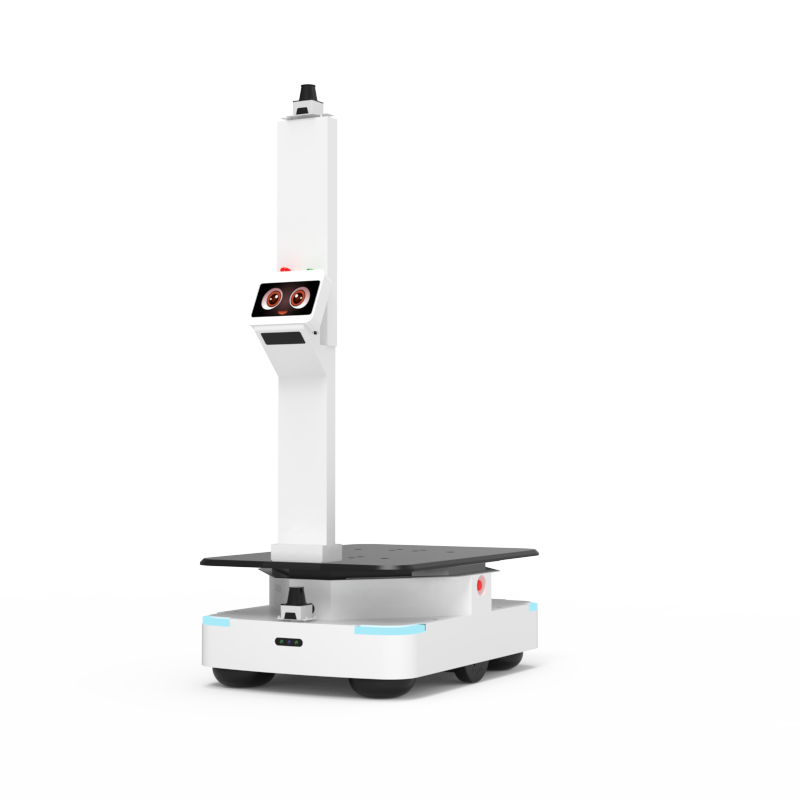
Lifting AMR
600kg Payload Laser Navigation AMR Robot Autonomous Lifting Warehouse Transfer Equipment
600 kg payload, laser navigation, and autonomous lifting for warehouse transfer, cart movement, and logistics-center support.
View product details
Electric Forklift AGV
REEMAN Autonomous Electric Forklift 1T Payload 48V 30Ah LiFePO4 Battery Indoor Material Handling AGV
A 1-ton indoor material handling platform with a 48 V 30 Ah LiFePO4 battery and low-maintenance electric operation.
View product details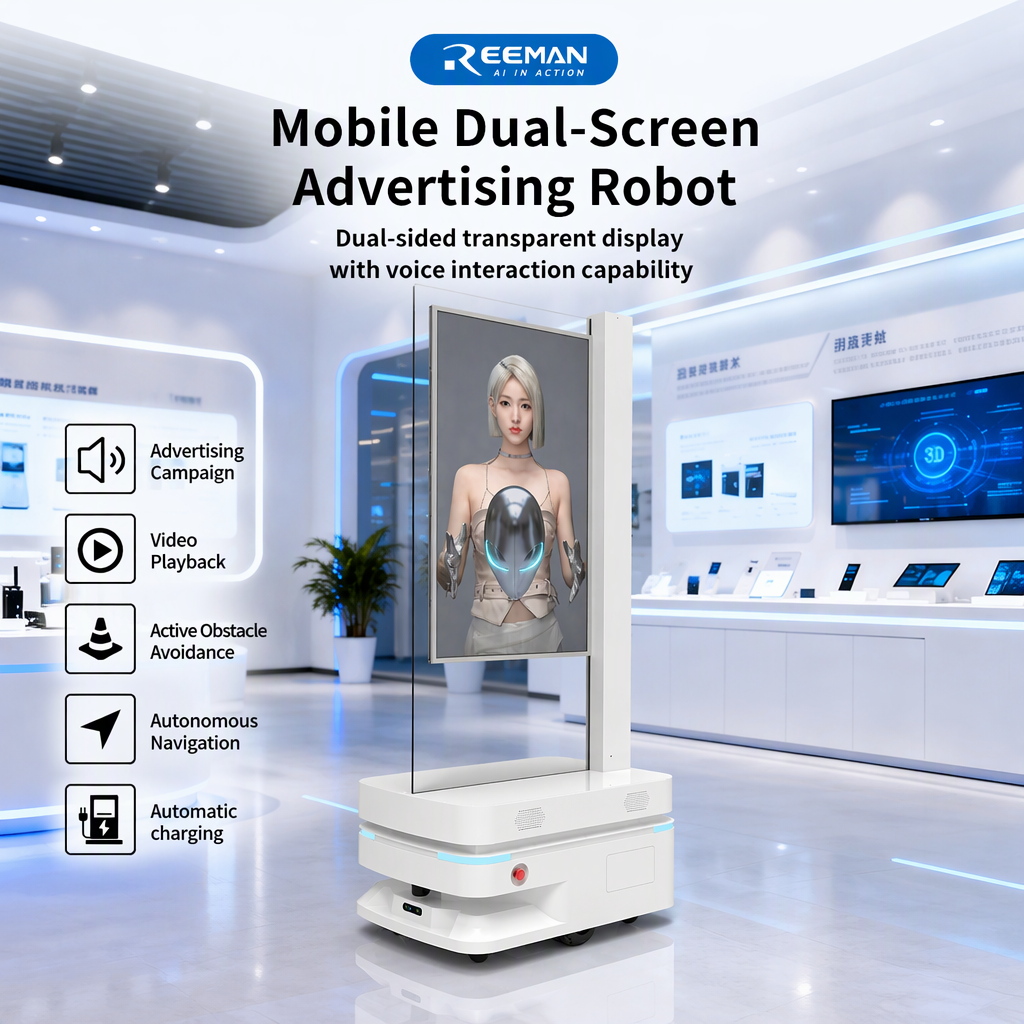
Dual-Screen Ad Robot
Reeman Mobile Dual Screen Advertising Robot LCD Display Voice Interaction Autonomous Navigation Indoor Commercial Use
A dual-screen advertising robot with voice interaction and autonomous navigation for indoor commercial engagement.
View product detailsProduct URLs are preserved exactly as supplied. If a product URL is not available in a future catalog, use the inquiry button to request a configuration sheet, spare-parts list, and export quotation.
What a Serious Wholesale Buyer Should Verify Before Comparing Prices
Semantic search and AI-assisted buying have changed mobile robot procurement. A distributor’s technical team no longer searches only for “outdoor mobile robot suppliers”; it searches for navigation redundancy, IP rating, spare-part availability, integration APIs, and proof that the exporter can support repeat orders. That shift rewards suppliers with verifiable engineering depth, not the loudest catalog claims.
For a China wholesale mobile robot program, the first filter should be the integration architecture. Laser SLAM removes magnetic tape and floor reflectors from the equation, but a robot still has to communicate with WMS, MES, ERP, doors, elevators, charging stations, and safety systems. Ask whether the supplier offers an open SDK and API, documented task states, and a clear escalation path when site conditions change.
Second, test the support model for repeat orders. A wholesaler may buy a sample unit, validate it with a key account, and then scale to a mixed fleet. That requires stable BOMs, spare-part lists, English manuals, remote commissioning, and packaging that can carry the distributor’s brand. These are operational advantages, not marketing extras.
- Navigation: laser SLAM or dual-laser SLAM, obstacle detection, speed zoning, and recovery behavior.
- Mechanical fit: payload, fork or lifting structure, ground clearance, slope, and charging access.
- Digital fit: open API, WMS/MES/ERP integration, fleet scheduling, and event logs.
- Commercial fit: FOB terms, T/T payment, OEM/ODM scope, after-sales parts, and delivery plan.
Match the Robot Family to the Workflow, Not Just the Payload
Use this matrix to shortlist a first model for a distributor catalog, a customer demo, or a tender response. Final configuration is confirmed after a site review covering aisle width, pallet type, floor condition, charging location, throughput, and destination-market requirements.
| Workflow or Buyer Need | Recommended Model | Why It Fits | Best Starting Point |
|---|---|---|---|
| Repeatable pallet transport in warehouses and factories | REEMAN X-ant JBOT20F 2 Ton Autonomous Forklift AGV | Laser SLAM, 2-ton pallet handling, and a clear fit for warehouse logistics and production-line feeding. | Heavy pallet flows where a dedicated AGV forklift improves shift coverage. |
| Indoor-outdoor fringe routes with uneven surfaces | 2 Ton Autonomous 4WD AGV Forklift | 4WD, multi-line LiDAR, 10 mm position accuracy, and 6–8 h handling capacity; specify IP, slope, and lighting for outdoor sections. | Buyers who need a robust platform for yard-to-warehouse transfer pilots. |
| Conveyor or production-line docking | Roller Conveyor AMR with SDK and API | Built for custom development and system integration, with a top module that can dock to conveyors and controlled stations. | System integrators and OEM buyers who need API-level control. |
| Flexible manufacturing material supply | REEMAN Dual Laser Fly Boat MAX 300kg | 300 kg delivery platform for manufacturing plants and factory material supply, with dual-laser navigation. | Factories with frequent route changes and multiple pick-up and drop-off points. |
| Shelf, cart, and lifting transfer | 600kg Laser Navigation Lifting AMR | 600 kg payload and autonomous lifting for warehouse transfer, logistics centers, and cart movement. | Distributors serving 3PL, e-commerce, and warehouse operators. |
| Compact indoor material handling | REEMAN Autonomous 1T Electric Forklift AGV | 1-ton payload, 48 V 30 Ah LiFePO4 battery, and indoor AGV material handling. | Buyers who need a lower-capacity electric forklift AGV for indoor flows. |
| Retail engagement and brand advertising | 30 Inch OLED Transparent Screen Mobile Advertising Robot | 1080 x 1920 FHD 9:16 display, Wi-Fi, and app remote control for commercial spaces. | Retail, exhibition, hotel, and mall projects requiring mobile digital signage. |
| Voice-interactive commercial promotion | Reeman Mobile Dual Screen Advertising Robot | Dual LCD displays, voice interaction, and autonomous navigation for indoor commercial use. | Distributors targeting shopping centers, showrooms, and event venues. |
For a formal quotation, include route drawings, load center, lift height, pallet type, floor surface, aisle width, shift pattern, charging location, target throughput, and any destination-country compliance requirements.
How Wholesale Robot Buyers Will Evaluate Suppliers Through 2030
The next procurement cycle will be shaped by total cost of ownership, interoperability, safety evidence, and after-sales reach. The following weightings are a practical scorecard for early-stage project scoping, not a market forecast.
Total Cost of Ownership Outranks the Lowest FOB Quote
Distributors are comparing battery cycle life, tire wear, sensor cleaning, planned maintenance, spare-part turnaround, integration changes, and downtime risk. A low purchase price is irrelevant if the robot cannot stay productive after the demo.
Interoperability and Open APIs Become Mandatory
Buyers want task dispatch, status feedback, error reporting, and fleet visibility inside their existing WMS, MES, ERP, or custom dashboard. Open SDK and API access shortens integration time and protects the wholesaler from single-vendor lock-in.
Safety and Certification Evidence Is Checked Earlier
CE, FCC, or PSE marks, ISO management systems, emergency stops, LiDAR protection, speed zones, and documented risk controls are moving from the final contract stage to the first technical review. Outdoor use adds IP rating, slope control, lighting tolerance, and local regulatory review.
Local Inventory and After-Sales Reach Influence the Award
Wholesalers need predictable spare-part supply, English documentation, remote commissioning, and a clear escalation path. A supplier with a verified factory and export experience is easier to defend in a tender than a trading company with no engineering accountability.
Six Procurement Shifts to Plan For
- Pilot-to-fleet purchasing: buyers validate one or two units before scaling to multi-site rollouts.
- Mixed fleets: one dashboard may need to manage AGV forklifts, AMRs, delivery robots, and advertising robots.
- Hybrid navigation: laser SLAM is increasingly paired with GNSS/RTK, vision, or other redundancy for indoor-outdoor transitions.
- Battery strategy: quick-swap packs and opportunity charging are evaluated against 24/7 uptime targets.
- Cybersecurity and data ownership: buyers ask where maps, logs, and operational data are stored and who can access them.
- Destination compliance: importers review radio, electrical, safety, and labeling requirements before confirming the model.
Where Mobile Robot Platforms Are Heading Next
Product development is moving in the same direction as procurement: toward open, maintainable, safety-documented platforms that can be adapted to regional codes and use cases. For a China wholesale outdoor mobile robot exporter, the winning model is the platform that can pass a customer’s site acceptance test and stay productive after the demo.
Sensor Fusion for Indoor-Outdoor Transitions
Laser SLAM remains the backbone for reliable indoor mapping, but outdoor and semi-outdoor projects increasingly require GNSS/RTK, vision, inertial sensing, or additional LiDAR layers. The goal is graceful degradation: if one sensor is challenged by rain, glare, dust, or a changing yard layout, the robot still recovers safely.
Weatherized and Thermally Managed Chassis
Outdoor-ready demand is pushing chassis design toward IP-rated enclosures, sealed connectors, improved thermal management, and serviceable sensor windows. Buyers should confirm whether a model is genuinely rated for the target environment or only suitable for covered walkways and indoor-outdoor interfaces.
Edge AI for Dynamic Environments
Robots are being asked to interpret pedestrians, forklifts, pallets, temporary obstacles, and changing traffic patterns. Edge AI improves classification and recovery behavior, but it must be paired with conservative safety logic. Procurement teams should review how the robot reacts when perception confidence is low.
Swappable Batteries and Opportunity Charging
For high-utilization fleets, battery strategy matters as much as payload. Quick-swap packs, opportunity charging, and battery health visibility reduce downtime. A distributor should compare charge time, cycle life, spare battery cost, and whether the robot can resume a task after charging without manual intervention.
Safety Architectures Built for Review
Emergency stops, obstacle sensors, speed zones, audible warnings, and controlled restart procedures are becoming standard review items. The strongest suppliers provide clear documentation, test records, and a practical explanation of how safety functions behave during abnormal conditions.
Open SDK, API, and Fleet Dashboards
Robots are becoming nodes in a larger automation system. Open interfaces allow wholesalers and integrators to connect robots to WMS, MES, ERP, elevators, doors, and charging infrastructure. Fleet dashboards turn robot status into service data that distributors can use for preventive maintenance and customer reporting.
Factory-Direct Engineering, Not a Trading Shell
Shenzhen Elvorn Intelligent Equipment Co., Ltd. was founded in 2015 as a national high-tech enterprise focused on robotic platform technology and autonomous driving. The company designs and builds autonomous forklifts, industrial AMRs, robot chassis, delivery robots, cleaning robots, and disinfection robots.
Why the Company Profile Matters to a Wholesaler
For a wholesale buyer, the company profile is not a marketing claim tucked at the bottom of the page. It answers a risk question: if I place a repeat order six months from now, will the same engineering team still support the product? Elvorn’s structure—two production bases in Shenzhen and Ningbo, in-house R&D, documented quality management, and third-party onsite verification—supports continuity.
The in-house team owns navigation, motion control, fleet scheduling, and hardware development. That matters when a distributor needs a custom top module, a buyer label, a different payload structure, or an API change. Direct access to technical decision-makers shortens customization cycles and reduces the risk of miscommunication between sales and engineering.
Quality and compliance are supported by ISO 9001 and ISO 14001 management systems, SGS onsite verification, and model-specific CE, FCC, or PSE marks. Export orders are shipped worldwide on FOB terms with T/T payment in USD or CNY. Main markets include North America, Western Europe, Eastern Asia, Southeast Asia, and the Middle East.
- 39 patents and a 200+ team supporting repeatable product development.
- 5,200㎡ of floorspace across Shenzhen and Ningbo production bases.
- OEM service, design service, and buyer-label options for distributors.
- English documentation, remote commissioning, and spare-part planning.



 SGS Onsite Verified
 CE Marking
 FCC
 PSE
Support Built for Distributors, Integrators, and Private-Label Brands
A wholesale relationship should reduce your selling risk, not transfer it. The following support modules are designed to help distributors move from a sample order to a repeatable product program.
Product Shortlisting and Configuration
Share the target application, payload, route, and commercial positioning. The engineering team can recommend a starting model, explain trade-offs, and identify which specifications need customer confirmation before quotation.
OEM, ODM, and Buyer Label
Custom top modules, payload structures, branding, packaging, and buyer-label options are available by project agreement. This helps distributors build a local catalog without starting from a blank platform.
Technical Documentation and Training
English manuals, integration notes, operator guidance, and remote commissioning support help your local team prepare for installation and first-line service. Tender documentation can be discussed case by case.
Spare-Parts and After-Sales Planning
Long-term support depends on predictable spare-part planning. Distributors should agree on recommended spares, sensor maintenance, battery replacement, and escalation procedures before scaling the fleet.
Export Terms and Payment Handling
Export shipments are available on FOB terms with T/T payment in USD or CNY. Order details, packaging, inspection, and document requirements are confirmed during the quotation stage.
Marketing and Tender Support
Product images, specification summaries, application descriptions, and technical clarification can support your local marketing and tender responses. Final claims should always be checked against the confirmed configuration.
Where Factory-Direct Mobile Robots Create Measurable Value
The strongest wholesale catalog is organized by application outcome, not by product category alone. These three deployment areas cover most first-stage enquiries from overseas distributors and integrators.
Warehousing & 3PL
Receiving, put-away, and dock loading with driverless forklifts and AMRs that can run across shifts. Buyers typically start with pallet flow, then add shelf or cart movement.
Manufacturing
Line-side logistics, WIP transfer, and finished-goods collection can be synchronized with MES tasks. The value comes from predictable delivery cadence and reduced manual walking time.
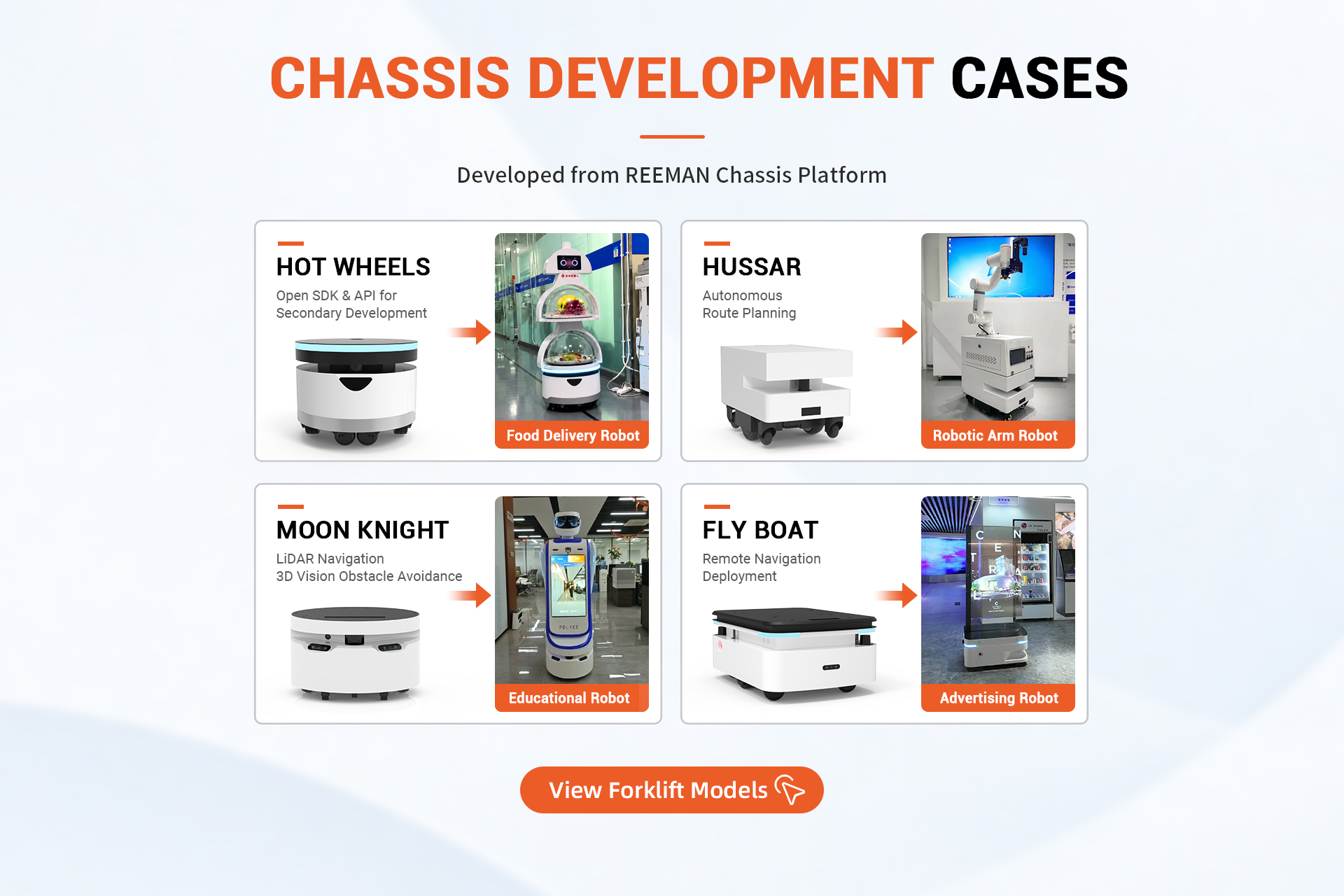
Integrators & OEM
SLAM chassis with open SDK and API shorten time-to-market for branded robots. Integrators can add top modules, software, service packages, and local market customization.
Common Questions from Mobile Robot Buyers
These answers are written for distributors, integrators, and project buyers who need a practical starting point before a technical review.
What is the difference between an AGV forklift and an AMR?
An autonomous forklift, often called an AGV forklift, lifts and moves pallets between floor, dock, and rack positions. An AMR is a mobile platform that carries totes, carts, shelves, or custom top modules. Both Elvorn product lines can use laser SLAM navigation, so they do not require magnetic tape or floor reflectors. The right choice depends on whether the workflow needs lifting and pallet handling or flexible transport with a specialized top module.
Can Elvorn robots be integrated with my WMS, MES, or ERP?
Yes, for models and projects that include the required software interface. Elvorn AMRs and robot chassis can provide an open SDK and API for secondary development, allowing task dispatch and status feedback from warehouse management, manufacturing execution, or custom software systems. Integration scope, data fields, and acceptance criteria should be defined during solution design.
Does Elvorn offer OEM and ODM customization?
Yes. As a verified custom manufacturer, Elvorn offers OEM service, design service, and buyer-label options. Customization can include top modules, payload structures, branding, packaging, and project-specific software or mechanical changes. The exact scope is confirmed after the application and volume requirements are reviewed.
Which certifications do Elvorn robots carry?
Depending on the model, Elvorn robots carry CE, FCC, or PSE marks. The company management system is certified to ISO 9001 and ISO 14001, and the factory has been verified onsite by SGS Group. Destination-market requirements should still be checked for each project, especially for outdoor use, radio modules, electrical safety, and local labeling.
What trade terms does Elvorn accept for export orders?
Elvorn ships worldwide on FOB terms and accepts T/T payment in USD or CNY. Main export markets include North America, Western Europe, Eastern Asia, Southeast Asia, and the Middle East. Final terms, packaging, inspection, and document requirements are confirmed in the quotation.
How should a wholesaler specify an outdoor mobile robot?
Start with the route drawing and surface conditions, then define IP rating, slope, curb transitions, lighting, rain and dust exposure, temperature range, GNSS availability, fallback localization, safety sensors, and local regulatory requirements. Do not assume that an indoor-rated model is rain-ready. Many first projects are indoor-outdoor interface projects, so the correct approach is to confirm the configuration with the factory and run a supervised pilot before scaling.
What information should a buyer send for an accurate recommendation?
Send the layout or route drawing, pallet or cart type, load center, required lift height, target throughput, shift pattern, floor surface, aisle width, charging location, Wi-Fi coverage, IT systems to be integrated, destination country, and expected annual volume. Photos or short videos of the site are also useful because they often reveal obstacles that a drawing does not show.
What is the usual process from inquiry to shipment?
A typical project moves through requirement review, solution design, customization and build, factory testing, then deployment and support. During requirement review, engineers check the site, load, and integration scope. During solution design, the model, fleet size, charging plan, and software interface are confirmed. Before shipment, functional and load tests are performed according to the agreed scope.
How can a distributor evaluate total cost of ownership?
Compare more than the FOB price. Include battery cycle life, tire and wheel wear, sensor maintenance, planned service, spare-part turnaround, integration changes, operator training, and downtime risk. A robot with a slightly higher purchase price but predictable support and common spare parts can be cheaper over a three-year wholesale program.
Can the robots be branded for our market?
Buyer-label and branding options can be discussed as part of an OEM or ODM project. Typical requests include logo placement, label sets, packaging, manuals, and market-specific accessories. Final branding approval should be tied to the confirmed BOM and packaging drawing to avoid mismatches between the sample and repeat orders.
What support is available after delivery?
Support can include English documentation, remote commissioning, operator training, spare-part recommendations, and technical escalation. The exact warranty, response time, and service scope should be written into the contract. Distributors are encouraged to agree on a spare-parts kit and first-line maintenance plan before the fleet is deployed.
Request a Wholesale Mobile Robot Configuration from a Verified Chinese Factory
Send your route layout, load data, pallet or cart type, floor conditions, and target throughput. The engineering team can recommend a starting fleet, define a customization scope, and prepare an export quotation on FOB terms with T/T payment in USD or CNY. If you are building a wholesale catalog, ask for a model shortlist by use case rather than a single price list.
For outdoor or indoor-outdoor projects, include details on IP requirements, slope, ground surface, lighting, and weather exposure so the configuration can be reviewed honestly before a pilot order.