2026 wholesale sourcing white paper · Elvorn Robotics
China Wholesale Service Delivery Robot Factories & Exporters
An evidence-led procurement guide for distributors, integrators and enterprise buyers comparing China-based delivery robot factories, OEM/ODM exporters, SLAM autonomous forklifts and mobile robot platforms.
- Factory-verified data
- Laser SLAM navigation
- OEM / ODM support
- CE / FCC / PSE-ready models
8 Service Delivery Robot and Automation Models for Buyer Evaluation
The products below reflect the commercial range buyers commonly review when searching for China wholesale service delivery robot factories and exporters. Each model should be assessed against payload, aisle width, navigation environment, duty cycle, integration scope and destination-market compliance.
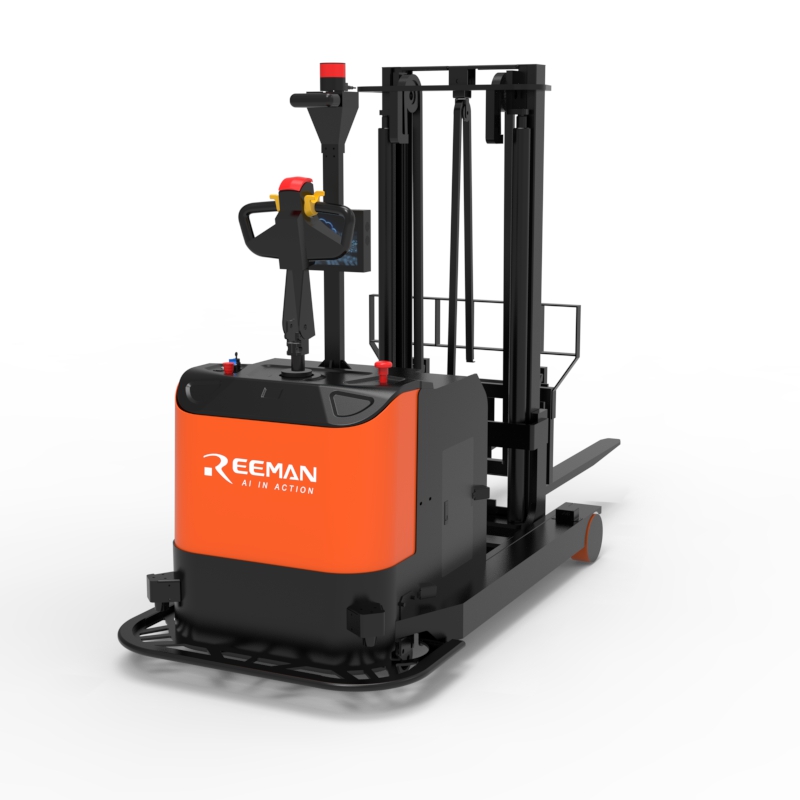
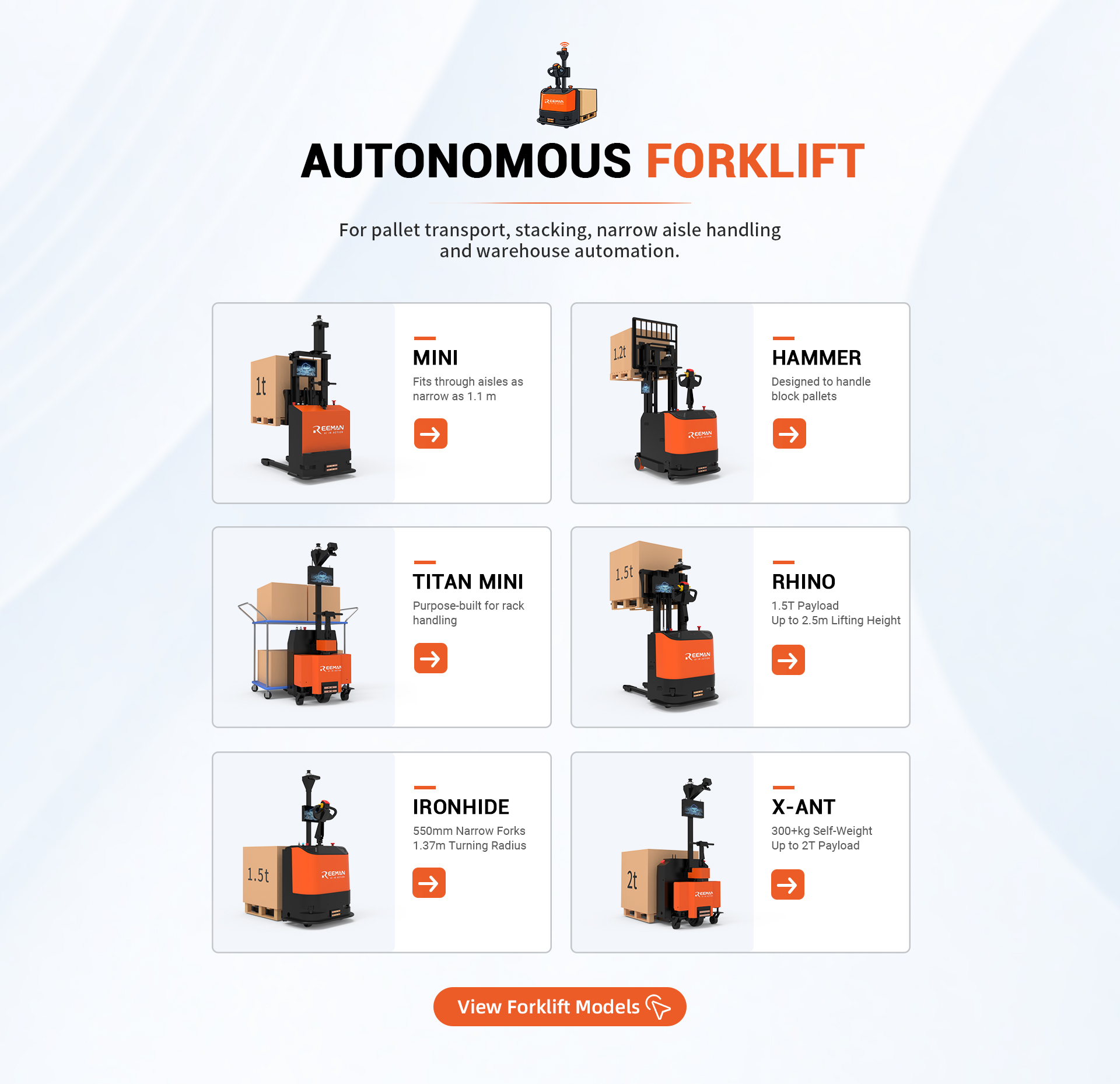
Reeman Autonomous Electric Stacker Forklift 1.2 Ton Li-Ion 48V 30Ah 2500mm Lift Laser Navigation 3m Aisle
A compact laser-navigation stacker for wholesale buyers that need narrow-aisle pallet movement. The 1.2-ton load, lithium power and 2.5 m lift suit warehouses, distribution centers and light manufacturing lines where fixed conveyors are impractical.
View product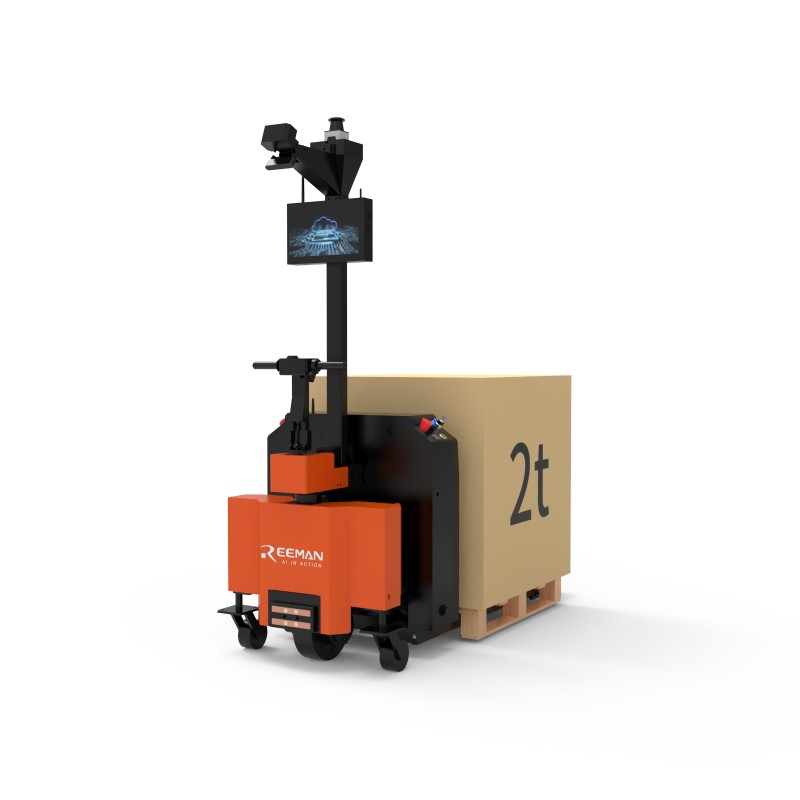
2 Ton Autonomous 4WD AGV Forklift Laser SLAM Navigation Multi-Line LiDAR 10mm Position Accuracy 6-8H Warehouse Handling
A heavy-duty 4WD AGV forklift for pallet transfer across larger facilities. Multi-line LiDAR and 10 mm positioning accuracy support dock-to-storage and production-feeding workflows, while the 6–8 hour duty cycle fits multi-shift operations.
View product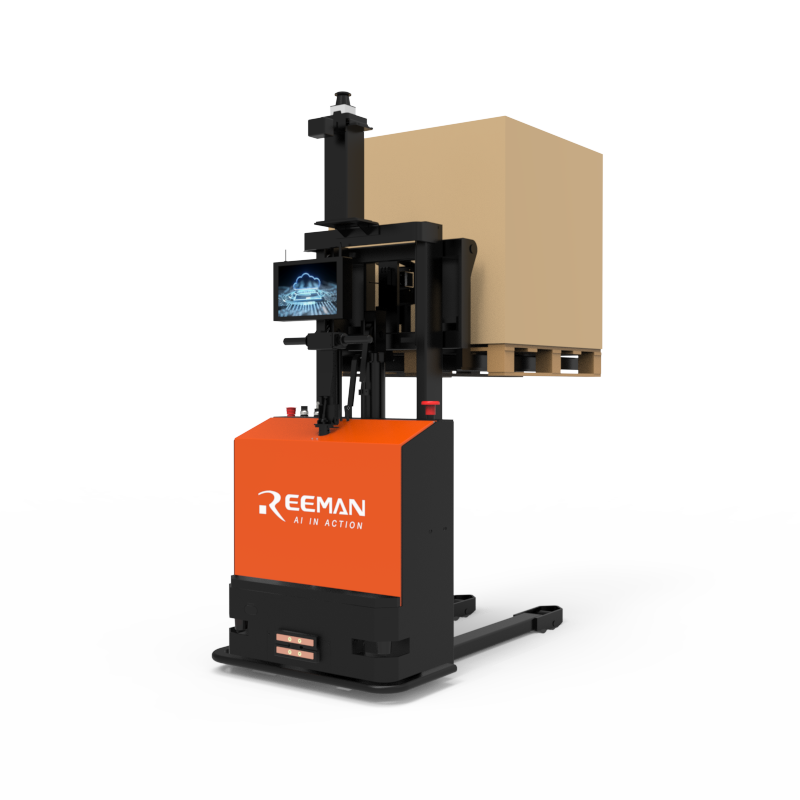
1000 kg Laser SLAM Forklift AGV Unmanned Pallet Stacker Single Line Lidar Obstacle Avoidance Factory Logistics
A practical 1,000 kg pallet stacker for factory logistics. Single-line LiDAR and obstacle avoidance provide a cost-controlled entry point for buyers replacing repetitive manual forklift trips with a repeatable autonomous workflow.
View product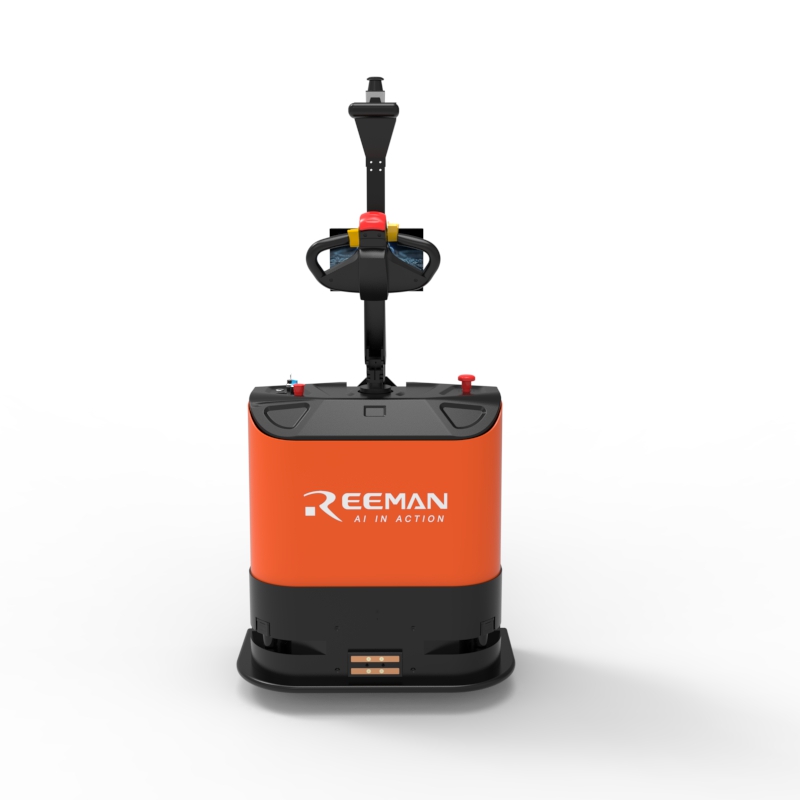
1500kg Laser SLAM Autonomous Forklift AGV Reflector-Free Point-to-Point Warehouse Material Handling
A reflector-free 1.5-ton autonomous forklift for point-to-point material handling. It reduces floor modification during deployment and suits existing racking layouts where a buyer wants fast commissioning without sacrificing pallet stability.
View product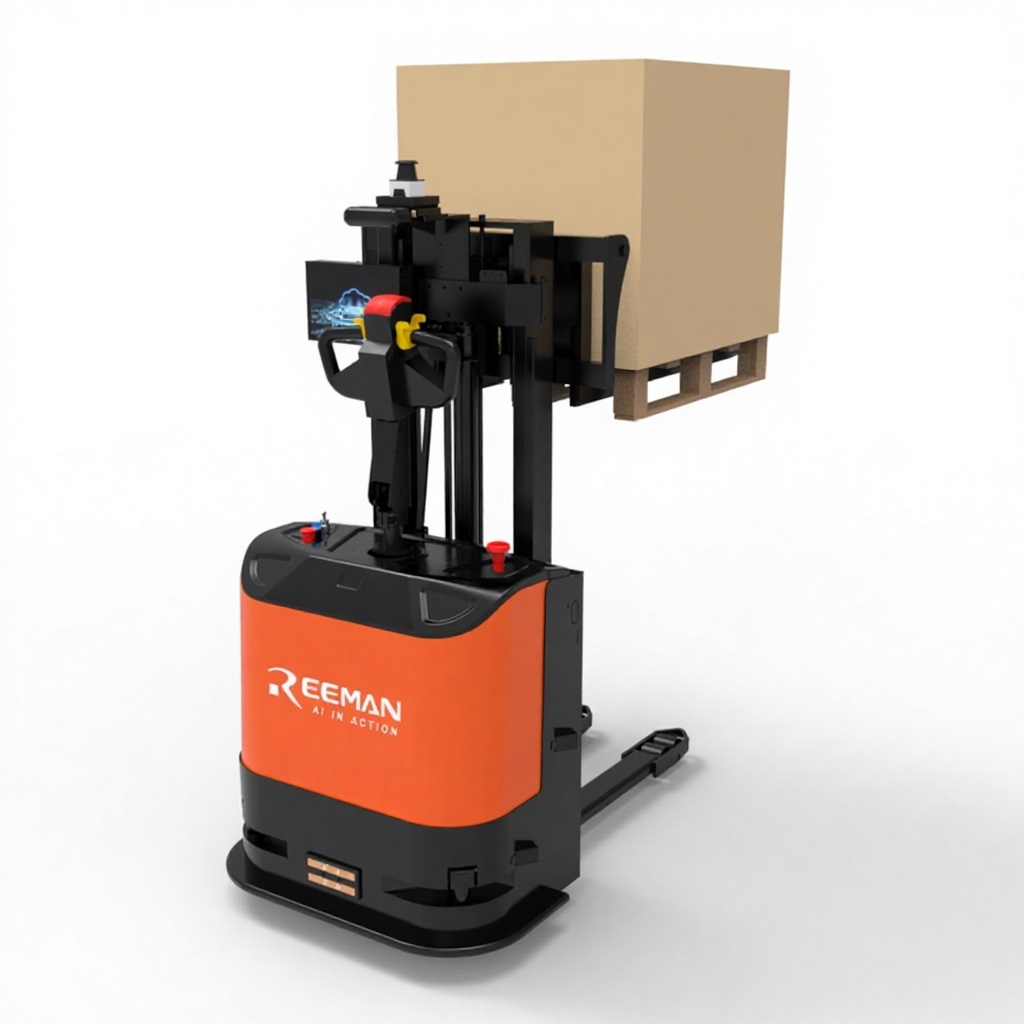
REEMAN Rhino RBOT30F Autonomous Stacker Forklift 3D Vision Obstacle Avoidance Warehouse AGV Robot
The Rhino RBOT30F combines 3D vision obstacle avoidance with autonomous stacking. For wholesalers and integrators, it is a strong demonstration model for mixed-traffic warehouses that need safer pedestrian interaction and visible technology differentiation.
View product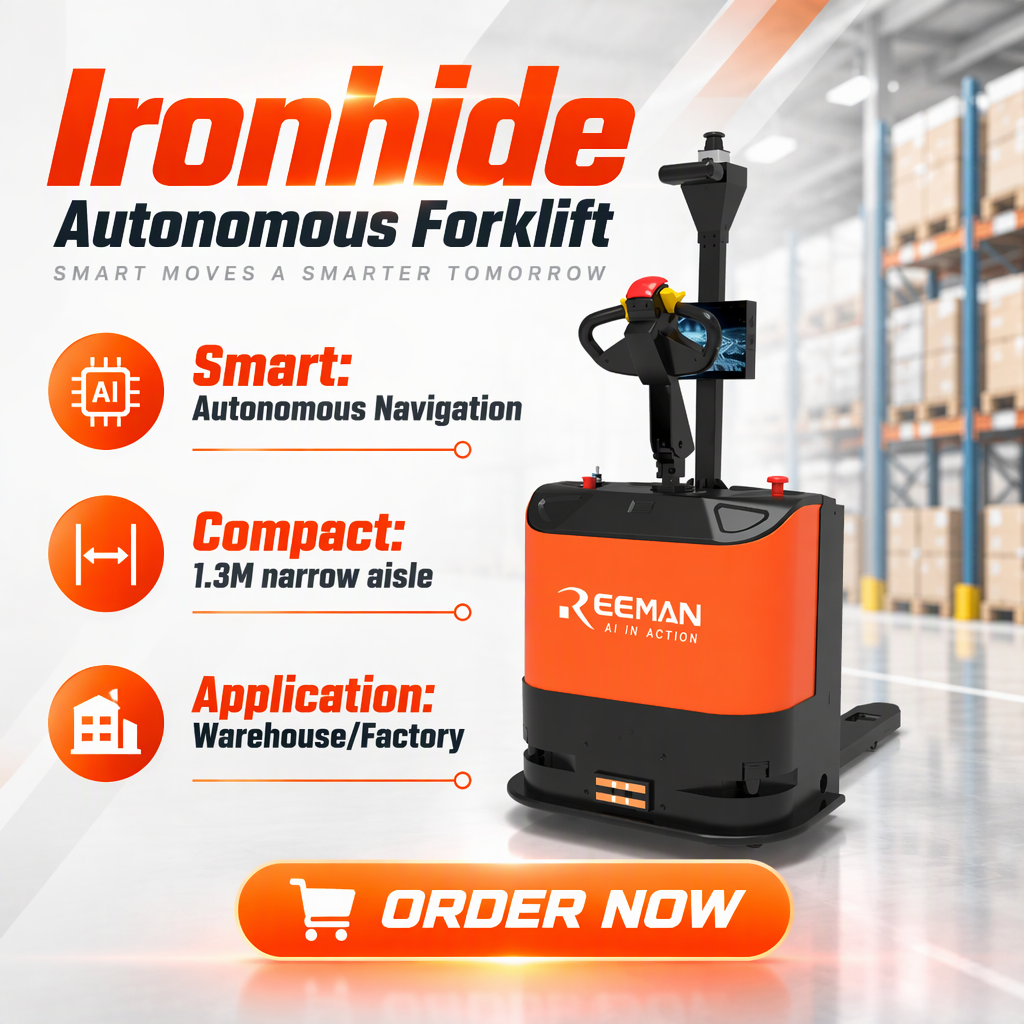
Reeman 1.5 Ton Autonomous Forklift AGV 3D Obstacle Avoidance Bidirectional Driving 48V 30AH Lithium-Ion Battery
A bidirectional 1.5-ton AGV forklift with 3D obstacle avoidance and lithium-ion power. Its compact turning behavior helps in retrofit projects where aisle space is limited but throughput still requires a robust autonomous platform.
View product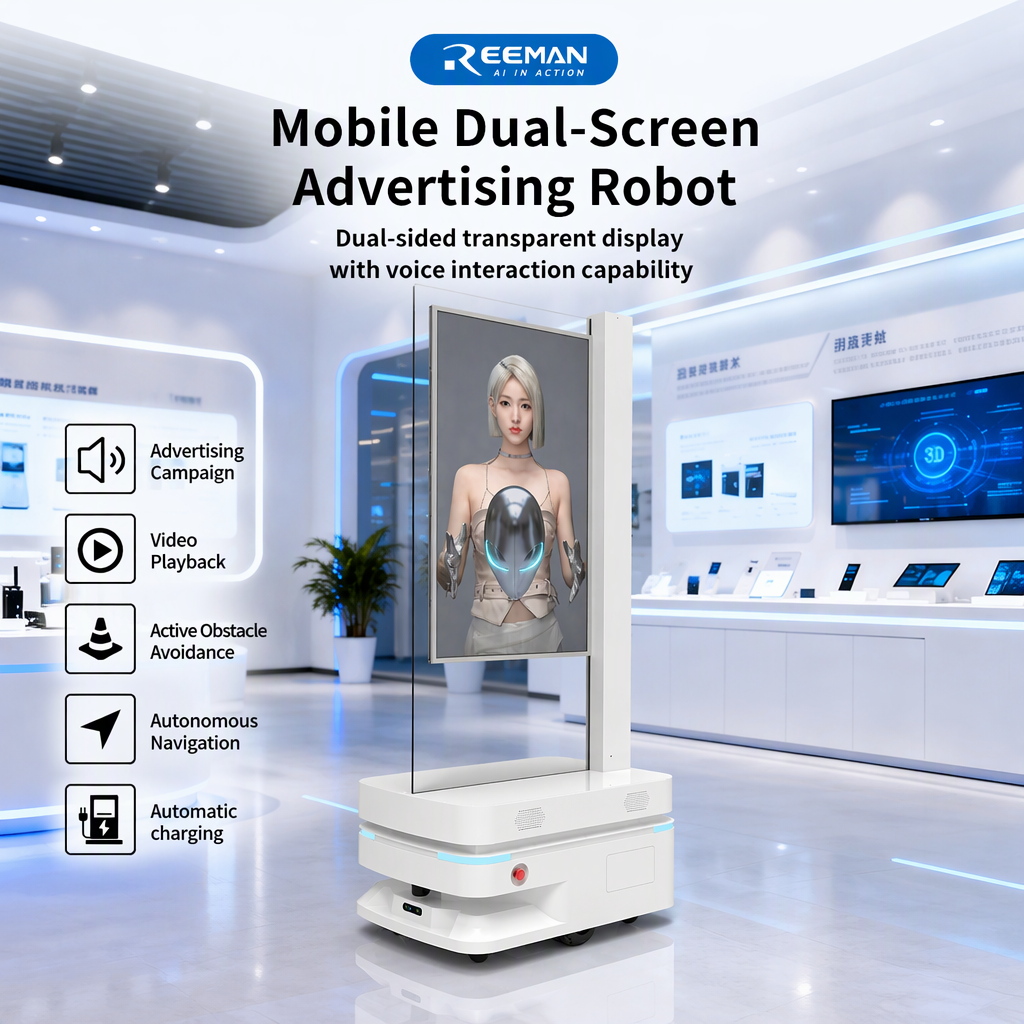
Reeman Mobile Dual Screen Advertising Robot LCD Display Voice Interaction Autonomous Navigation Indoor Commercial Use
A mobile dual-screen advertising robot for malls, exhibitions, hotels and retail. It moves service delivery beyond logistics by combining autonomous navigation, voice interaction and programmable digital signage for brand owners and distributors.
View product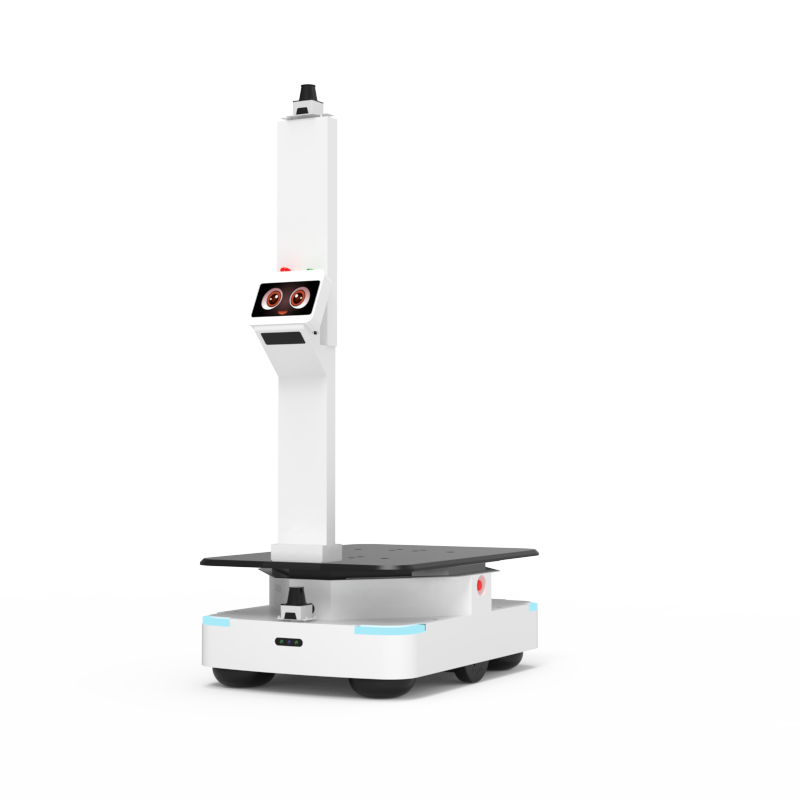
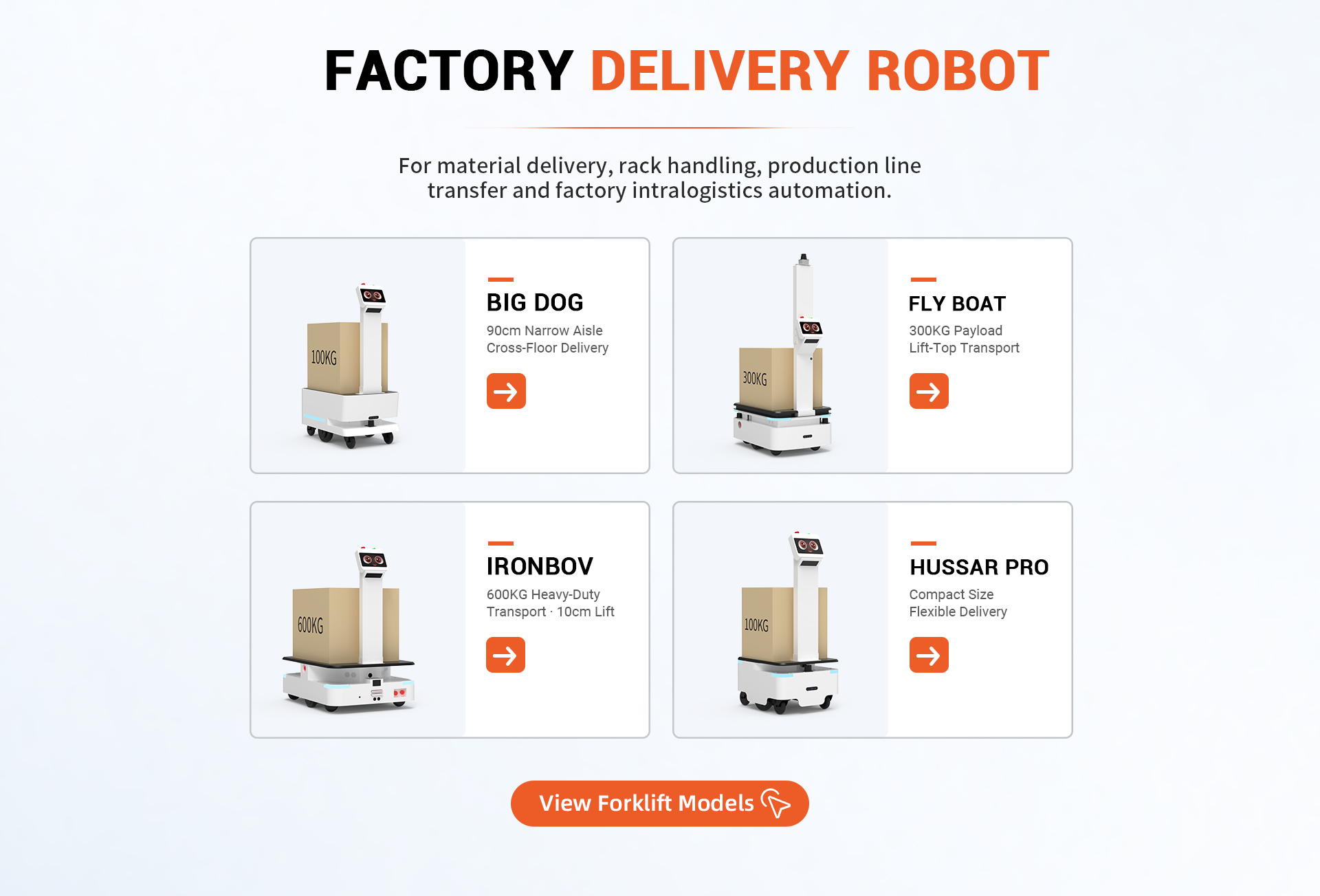
600kg Payload Laser Navigation AMR Robot Autonomous Lifting Warehouse Transfer Equipment
A 600 kg laser-navigation AMR for lifting and transferring goods in warehouses and logistics centers. It suits shelf, cart and tote movement, and gives integrators a flexible platform for WMS/MES-connected intralogistics.
View productWhy the Search for China Wholesale Service Delivery Robot Factories & Exporters Requires More Than a Price List
The buyer intent behind this phrase is rarely a single click purchase. It usually combines supplier verification, application fit, customization capability, certification, lifecycle cost and export reliability. A high-quality sourcing decision therefore depends on information gain: facts that can be checked, engineering answers that can be documented and claims that can be traced to a factory rather than a reseller.
Elvorn’s factory data gives procurement teams a practical benchmark. Founded in 2015, Shenzhen Elvorn Intelligent Equipment Co., Ltd. is a national high-tech enterprise focused on robotic platform technology and autonomous driving. Its product ecosystem covers autonomous forklifts, industrial AMRs, robot chassis, commercial delivery robots, cleaning robots and disinfection robots. This matters because wholesale buyers increasingly prefer a supplier that can support multiple use cases on a shared navigation and fleet-management architecture.
Supplier Advantages That Separate a Robot Factory From a Trading Intermediary
For wholesale buyers, the real question is not whether China can build robots. It is whether the chosen exporter owns the engineering depth, production control and after-sales discipline required for a long-term commercial deployment.
In-house laser SLAM stack
Elvorn’s R&D team owns navigation, motion control, fleet scheduling and hardware design. Customization questions are therefore answered by engineers who built the platform, not by a reseller forwarding messages.
Open SDK and API integration
AMR and chassis platforms support secondary development for WMS, MES, ERP, elevator, door and dashboard integration. This reduces project risk for integrators who need documented task dispatch and status feedback.
Modular payload architecture
From 60 kg commercial delivery robots to 2-ton autonomous forklifts, shared control architecture simplifies fleet training, spare-part planning and software maintenance across mixed applications.
Multi-layer safety engineering
LiDAR, obstacle sensors, emergency stops and speed zoning support safe operation around pedestrians, forklifts and racking. Safety assumptions should be documented during site survey, not left to final delivery.
Two production bases
Shenzhen and Ningbo production bases support assembly, inspection and export preparation. On-site material inspection and supplier assessment procedures help stabilize quality as wholesale order volumes increase.
Export-ready support
English documentation, remote commissioning, OEM/ODM buyer-label service and spare-part supply support buyers in North America, Western Europe, East and Southeast Asia, and the Middle East on FOB and T/T terms.
Product Procurement Trends Shaping Wholesale Robot Sourcing in 2026
Lowest unit price still matters, but serious buyers now evaluate total cost of ownership, integration speed and local compliance. The sourcing question is shifting from “Which robot is cheapest?” to “Which factory can keep this robot productive for five years?”
Pilot-to-fleet purchasing
Buyers are using one or two units to validate safety, throughput and operator acceptance, then expanding to a fleet. Exporters must therefore prove fleet scheduling, charging strategy and spare-part availability before the first order scales.
Total cost of ownership
Procurement models now include mapping, integration, training, charging infrastructure, maintenance and downtime. A slightly higher unit price can be justified when uptime, documentation and remote support reduce annual operating cost.
Integration-first evaluation
Open APIs and WMS/MES/ERP connectivity are becoming selection criteria rather than technical footnotes. Integrators want proof of task dispatch, status feedback, error handling and data visibility before committing to a platform.
Compliance by destination market
CE for Europe, FCC for the United States and PSE for applicable Japanese power supplies are increasingly checked during supplier shortlisting. ISO 9001 and ISO 14001 support process maturity, but product-level evidence remains essential.
| Buyer scenario | Preferred platform | Proof to request before order |
|---|---|---|
| Narrow-aisle pallet handling | 1.2-ton or 1.5-ton autonomous stacker / forklift AGV | Site layout review, fork dimensions, aisle clearance, obstacle-avoidance demonstration |
| Multi-shift heavy pallet flows | 2-ton 4WD AGV forklift | Duty-cycle test, battery strategy, safety scan records, maintenance plan |
| Line-side cart and tote delivery | 600 kg AMR or 1,000 kg pallet stacker | WMS/MES API documentation, docking tolerance, route simulation, operator training plan |
| Public-facing service delivery or advertising | Dual-screen advertising robot and commercial delivery robot | Voice interaction demo, content management workflow, public-space safety assessment |
What the Next Generation of Delivery Robots Must Deliver
Technology claims should be translated into procurement value. The most relevant development trends are the ones that improve uptime, reduce integration effort or make safety easier to audit.
3D vision and sensor fusion
Multi-line LiDAR, 3D vision and obstacle sensors are combining to handle pallets, glass, overhangs and mixed pedestrian traffic more reliably than single-sensor navigation alone.
Fleet orchestration and open interfaces
Robots are becoming nodes in a managed material-flow system. Fleet scheduling, API documentation, status dashboards and exception handling now influence long-term operating cost.
Battery and uptime engineering
Lithium-ion packs, opportunity charging and battery strategy are being designed around shift patterns. Buyers should ask for realistic runtime, charging ratio and replacement cost assumptions.
Safety, cybersecurity and compliance
Emergency stops, speed zones, access control and secure software updates matter as robots connect to factory networks. Compliance evidence should be ready before shipment, not after installation.
Where Wholesale Service Delivery Robots and Autonomous Platforms Generate Measurable ROI
Robots create value when the workflow is repetitive, measurable and safe to standardize. These four environments are common starting points for wholesale buyers and system integrators.
Warehousing and 3PL
Receiving, put-away and dock loading with driverless forklifts that can run across shifts and reduce repetitive pallet travel.
Manufacturing logistics
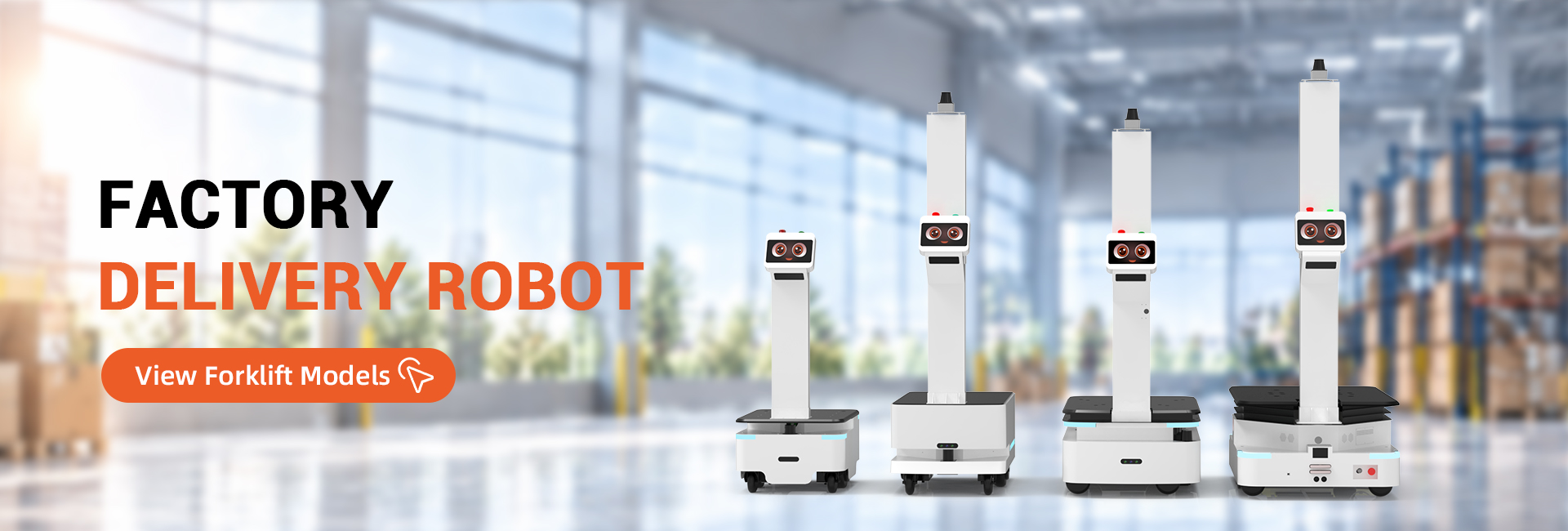
AMRs feed workstations and collect finished goods, synchronized with production tasks to reduce line-side waiting and manual transport.
Hospitality delivery
Delivery robots handle food runs, room service and guided delivery so staff can focus on guest experience and higher-value tasks.

Commercial facilities
Autonomous floor care, disinfection and mobile signage support malls, airports, hospitals and offices with repeatable service routines.
Inside Elvorn: A Shenzhen-Based China Delivery Robot Factory and Exporter
Shenzhen Elvorn Intelligent Equipment Co., Ltd. combines R&D, production, testing and export support in one organization. Its factory has been verified onsite by SGS Group, management systems are certified to ISO 9001 and ISO 14001, and individual robot models carry CE, FCC or PSE marks depending on configuration. For wholesale buyers, this creates a clearer path from requirement review to factory testing, export packing and remote commissioning.
The company operates two production bases in Shenzhen and Ningbo, with 5,200㎡ of total floorspace, more than 200 team members and 39 awarded patents. These facts matter because service delivery robot procurement is not only about the robot itself. It is also about documentation quality, customization discipline, spare-part planning, response speed and the ability to support a distributor after the first shipment.




China Wholesale Service Delivery Robot Factories & Exporters: Procurement FAQ
These questions reflect the commercial and technical checks that distributors, integrators and enterprise buyers commonly raise before shortlisting a China-based robot supplier.
What is the difference between a service delivery robot and an autonomous forklift?
How can I verify a China wholesale delivery robot factory before ordering?
What MOQ and lead time should I expect for wholesale orders?
Can a factory customize software, top modules and branding?
Which certifications should I request for my market?
How should I calculate ROI for a delivery robot or AMR?
What procurement trends are reshaping China robot sourcing?
What trade terms and payment methods are common?
How do exporters support installation, training and after-sales service?
What information should I send for a fast wholesale quotation?
Plan Your Next Service Delivery Robot Procurement Project
Share your site layout, load data, throughput target, destination market and customization requirement. Elvorn’s application engineers can recommend the right robot platform, integration scope and charging strategy for your wholesale or OEM project.
Inquire Now