B2B Procurement White Paper · 2025 Buyer Intelligence

China Wholesale Visual Navigation Robot Factories & Suppliers

A practical sourcing guide for warehouse automation integrators, 3PL operators, and industrial buyers comparing SLAM autonomous forklifts, lifting AMRs, visual navigation robots, and OEM robot chassis from China.

Laser SLAMOEM / ODMCE / FCC / PSESGS-Verified Factory
Product Recommendations

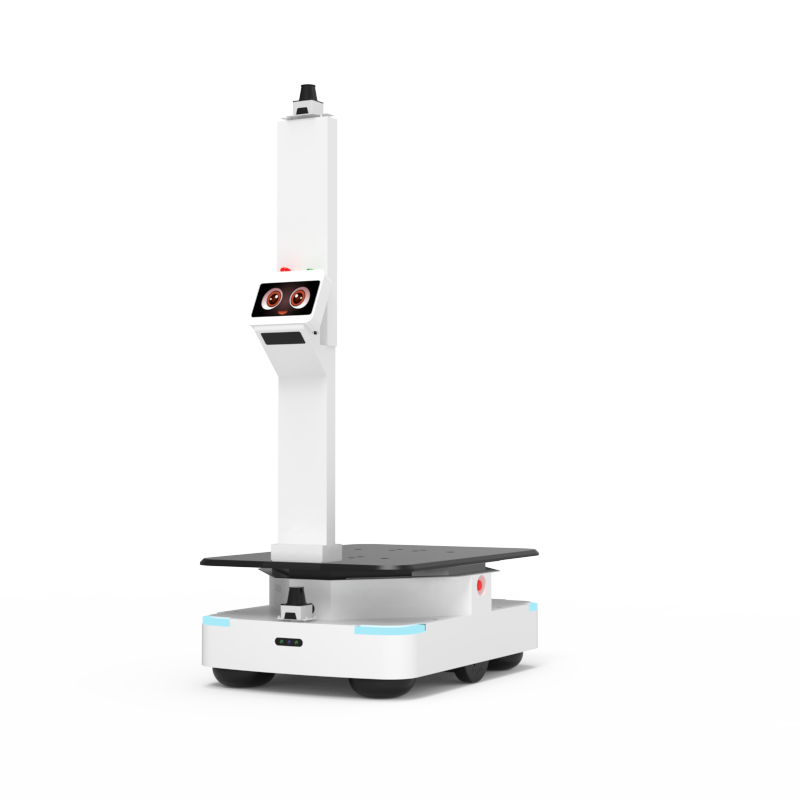
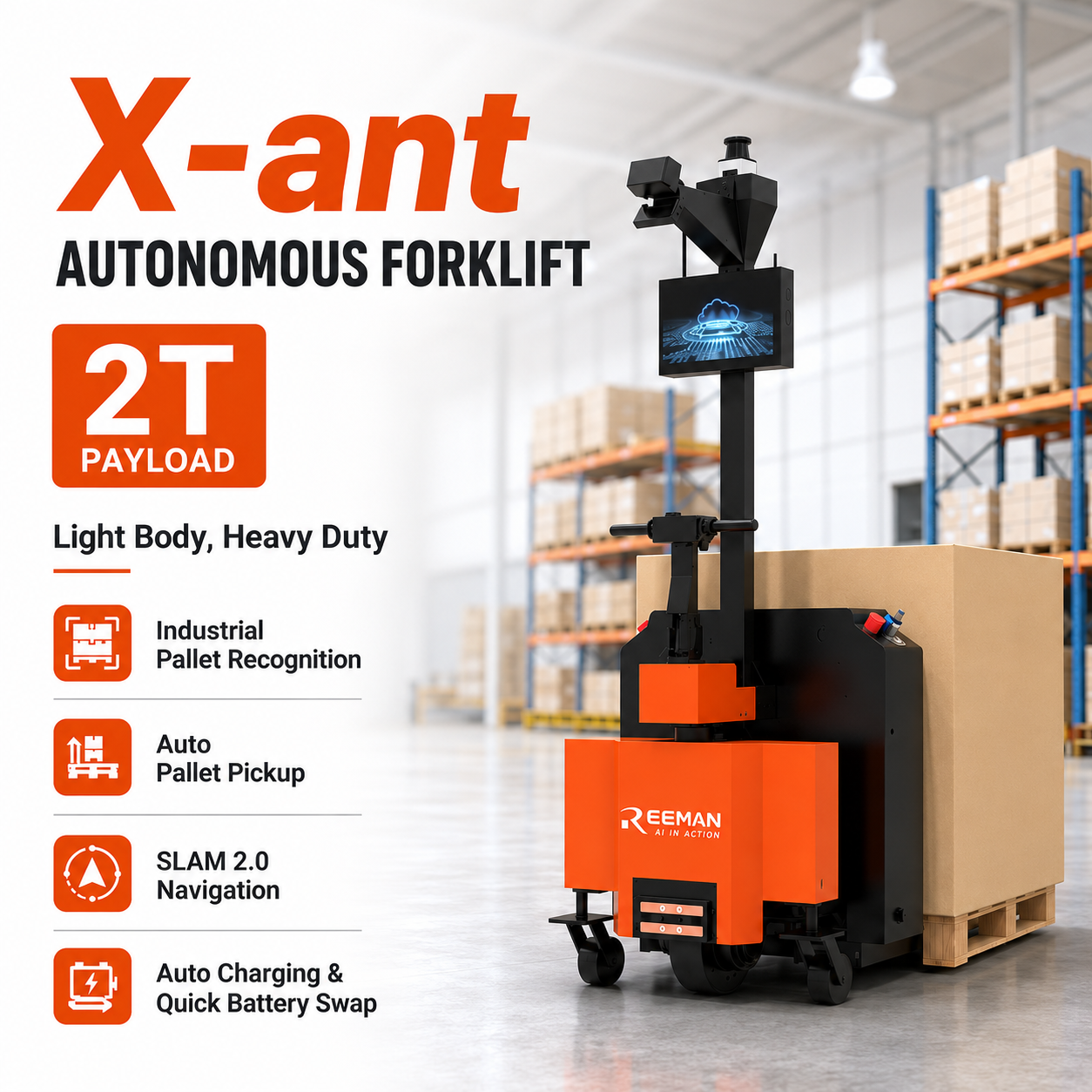
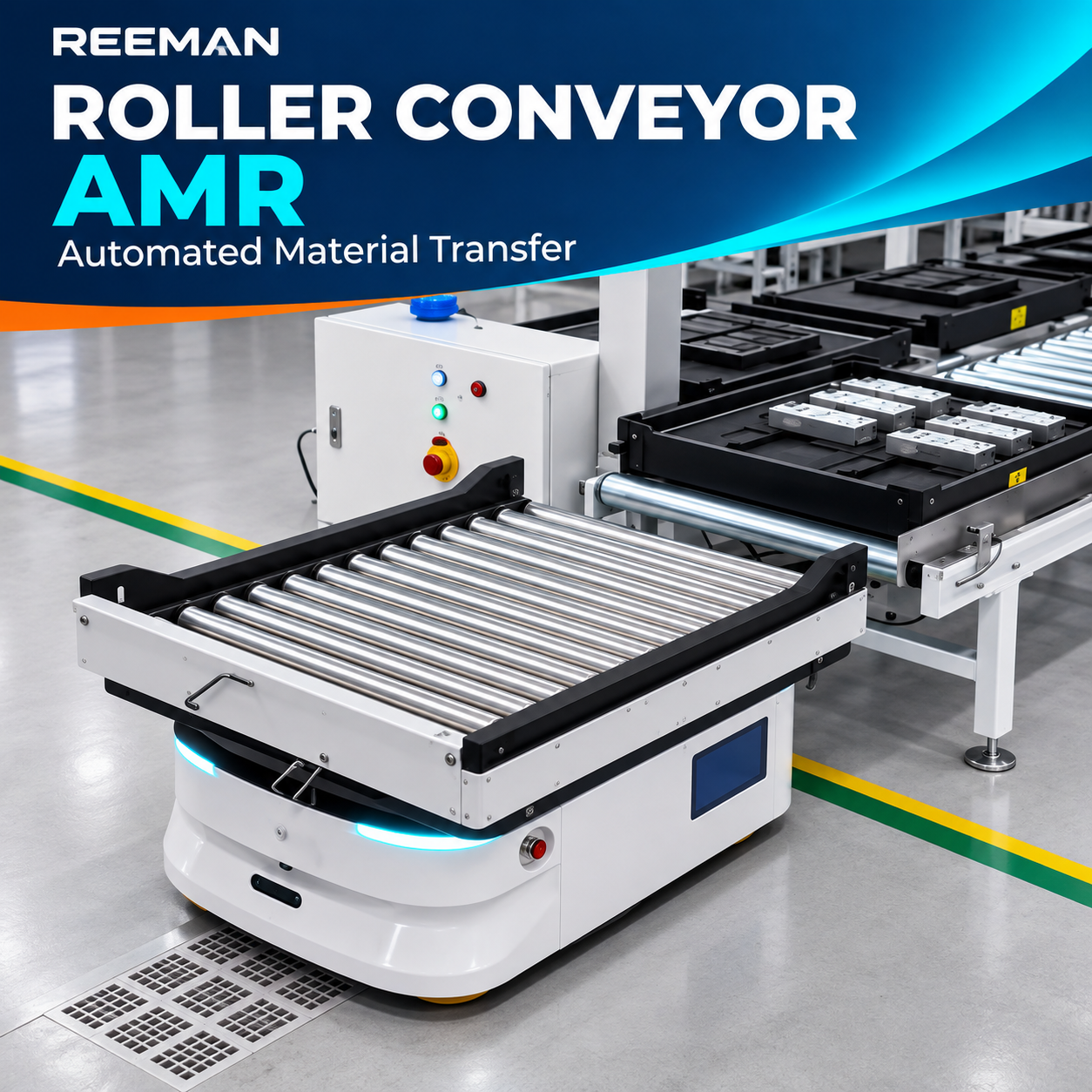
8 Visual Navigation Robot Products to Shortlist First

These eight models are a representative wholesale selection for buyers who need driverless pallet handling, laser navigation, AMR lifting, and SDK-ready integration. Product URLs are retained for direct comparison, specification review, and supplier due diligence.

Wholesale note: confirm payload, mast height, fork dimensions, battery strategy, charging plan, safety configuration, and software interface before comparing final quotations.

Market Intelligence

How to Read the China Wholesale Visual Navigation Robot Market

Visual navigation is no longer a single technology label. For industrial buyers, it is a procurement category that combines laser SLAM, 3D LiDAR, vision-assisted perception, motion control, fleet scheduling, and service infrastructure. The strongest suppliers are not simply selling a robot; they are selling a repeatable material-flow system that must survive real traffic, changing layouts, and multi-shift operation.

A serious China sourcing project should begin with the workflow, not the product photograph. Ask whether the robot must pick pallets from floor level, stack to low racking, lift totes, dock with conveyors, ride elevators, or hand off to human operators. Each answer changes the required sensor stack, safety logic, top module, and software interface. A 1.5-ton autonomous forklift AGV and a 300 kg lifting AMR may both use SLAM navigation, but they solve different operational problems.

Experienced buyers also separate unit price from total cost of ownership. A low quotation can hide expensive site modification, weak spare-parts planning, limited API access, or unclear acceptance testing. A credible factory will discuss map creation, charging ratio, fleet traffic rules, emergency-stop zones, maintenance access, operator training, and remote support before the order is placed. This is the information gain that separates a good wholesale supplier from a catalogue seller.

For SEO and procurement research, compare suppliers using language that matches real buying intent: “laser SLAM autonomous forklift factory,” “visual navigation AMR wholesale supplier,” “OEM robot chassis China,” “warehouse pallet handling robot supplier,” and “CE autonomous mobile robot manufacturer.” These phrases reflect distinct commercial questions, not just keywords.

2015Elvorn founded
39Patents awarded
5,200㎡Total floorspace
98.76%Response rate
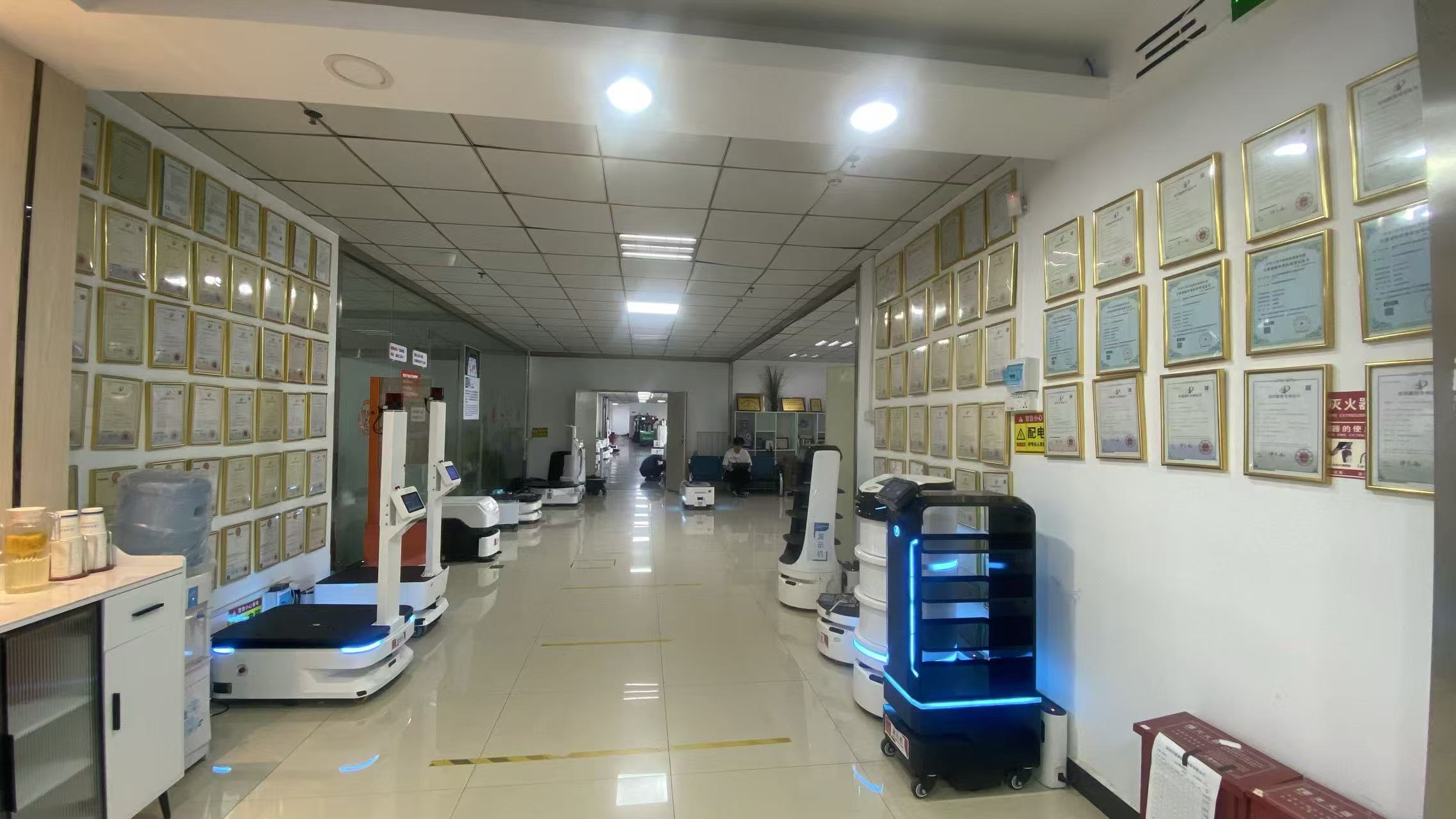
Shenzhen Elvorn Intelligent Equipment headquarters and R&D center
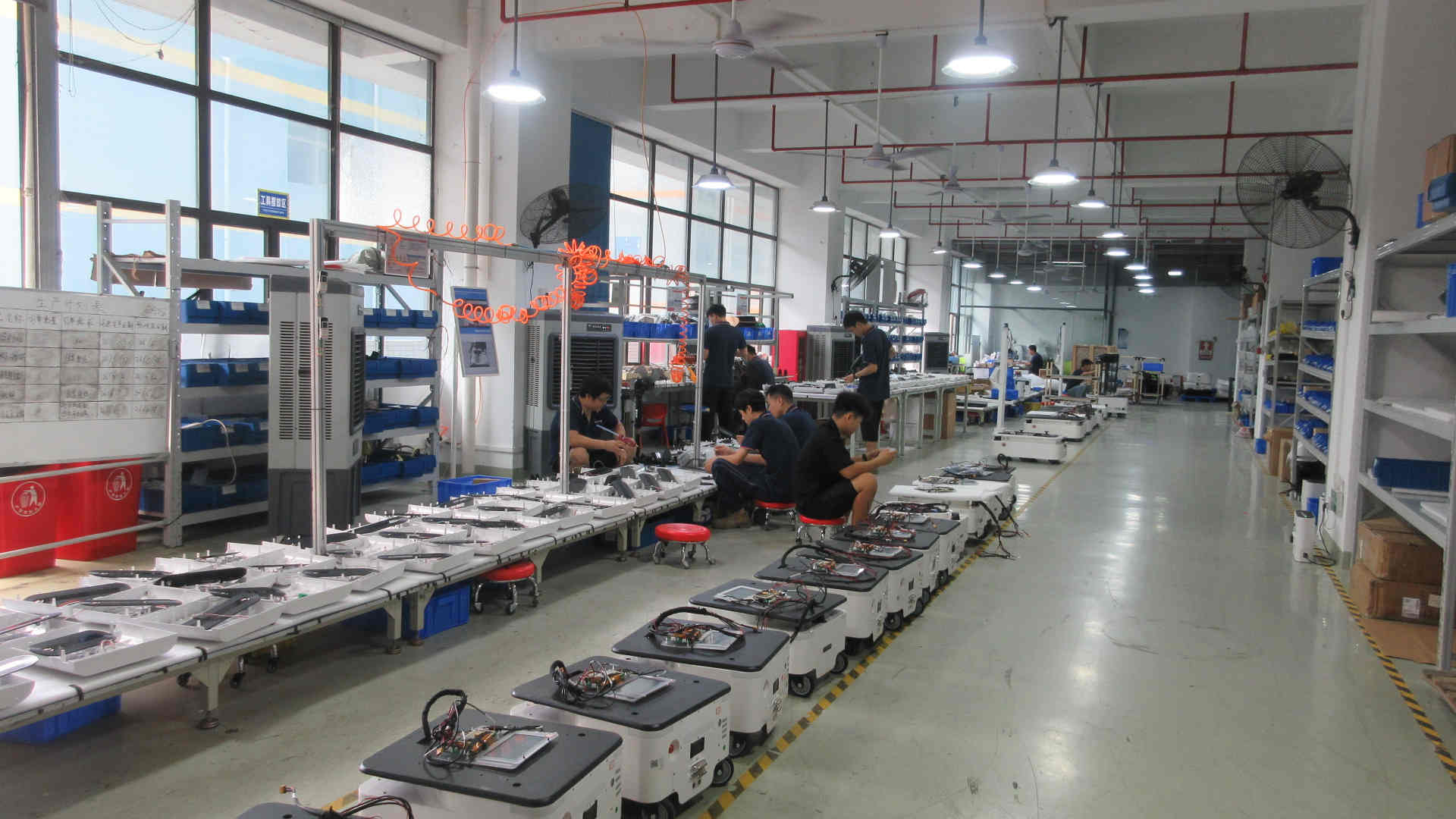
Elvorn autonomous robot assembly line
Elvorn engineering and quality testing team
Factory & Supplier Credibility

Why Elvorn Is a Credible Visual Navigation Robot Factory in China

Founded in 2015, Shenzhen Elvorn Intelligent Equipment Co., Ltd. is a national high-tech enterprise focused on robotic platform technology and autonomous driving. The company designs, builds, and supports autonomous forklifts, industrial AMRs, robot chassis, delivery robots, cleaning robots, and disinfection robots for buyers in North America, Western Europe, Eastern Asia, Southeast Asia, the Middle East, and other regional markets.

Full-Stack R&D Ownership

In-house engineering covers laser SLAM navigation, motion control, fleet scheduling, and hardware integration. That means faster customization, transparent technical answers, and long-term spare-part support for distributors and integrators.

Open SDK & API Integration

Elvorn AMRs and robot chassis can be connected to WMS, MES, ERP, elevators, doors, and custom dashboards through secondary development, helping integrators deliver complete automation projects.

Modular Payload Platforms

From 60 kg delivery robots to 2-ton autonomous forklifts, the product family shares control architecture and engineering logic. This simplifies fleet training, maintenance planning, and mixed-application expansion.

Multi-Layer Safety Design

LiDAR, obstacle sensors, emergency stops, and speed zoning help protect pedestrians, forklifts, and racking. Safety validation should always be discussed against the buyer’s site rules and target market requirements.

Own Production Capacity

Two production bases in Shenzhen and Ningbo support manufacturing, assembly, testing, and quality control. The factory has been verified onsite by SGS Group and follows supplier assessment and material inspection procedures.

Export-Ready Wholesale Support

English documentation, remote commissioning, OEM/ODM service, buyer-label options, and spare-part supply support wholesale buyers and project integrators. Export terms include FOB and T/T payment in USD or CNY.

  • Verified custom manufacturer with OEM and design service
  • ISO 9001 and ISO 14001 management systems
  • CE, FCC, or PSE marks depending on model and market
  • SGS onsite verification and third-party assessment references
  • Laser SLAM navigation without magnetic tape or floor reflectors
  • Long-term support for distributors, integrators, and end users
Elvorn factory workshop for autonomous robotsFactory workshop
Robot production and assembly lineProduction & assembly
Autonomous robot quality inspection processQuality inspection
Robot research and development laboratoryR&D laboratory
SGS Group onsite verificationSGS VerifiedOnsite factory assessment
CE certificationCE MarkingModel-dependent compliance
FCC certificationFCCSelected models and configurations
PSE certificationPSEMarket-specific options
ISO 9001Quality management system
ISO 14001Environmental management system
Procurement Trends

Five Procurement Trends Reshaping Wholesale Visual Navigation Robot Purchasing

Buyer behavior is shifting from “find the cheapest robot” to “find the most reliable deployment partner.” These five trends are especially important for distributors, systems integrators, and warehouse operators comparing China factories and suppliers.

Product Development

Product Development Trends Buyers Should Track

Autonomous material handling is moving toward higher information density, better perception, and easier system integration. These technical directions affect the residual value and scalability of any wholesale robot purchase.

3D LiDAR & Vision Fusion

Multi-line LiDAR, 3D obstacle avoidance, and vision-assisted perception improve safety in dynamic areas where pallets, people, and forklifts share space.

Smart Lithium Power

48V lithium-ion platforms, opportunity charging, and battery management data help buyers plan charging ratios and multi-shift uptime more accurately.

Open Robot Chassis

SDK-ready chassis platforms let OEMs and integrators add custom top modules, branding, and application software without rebuilding the autonomous driving stack.

Simulation & Remote Support

Digital mapping, simulation-based planning, and remote commissioning reduce deployment risk for overseas projects and shorten the time from delivery to stable operation.

Selection Guide

Match Payload, Navigation, and Workflow

Use this comparison as a first-round shortlist. Final configuration depends on site layout, pallet condition, aisle width, throughput target, charging strategy, and software integration scope.

Recommended ModelRated LoadNavigationBest-Fit Application
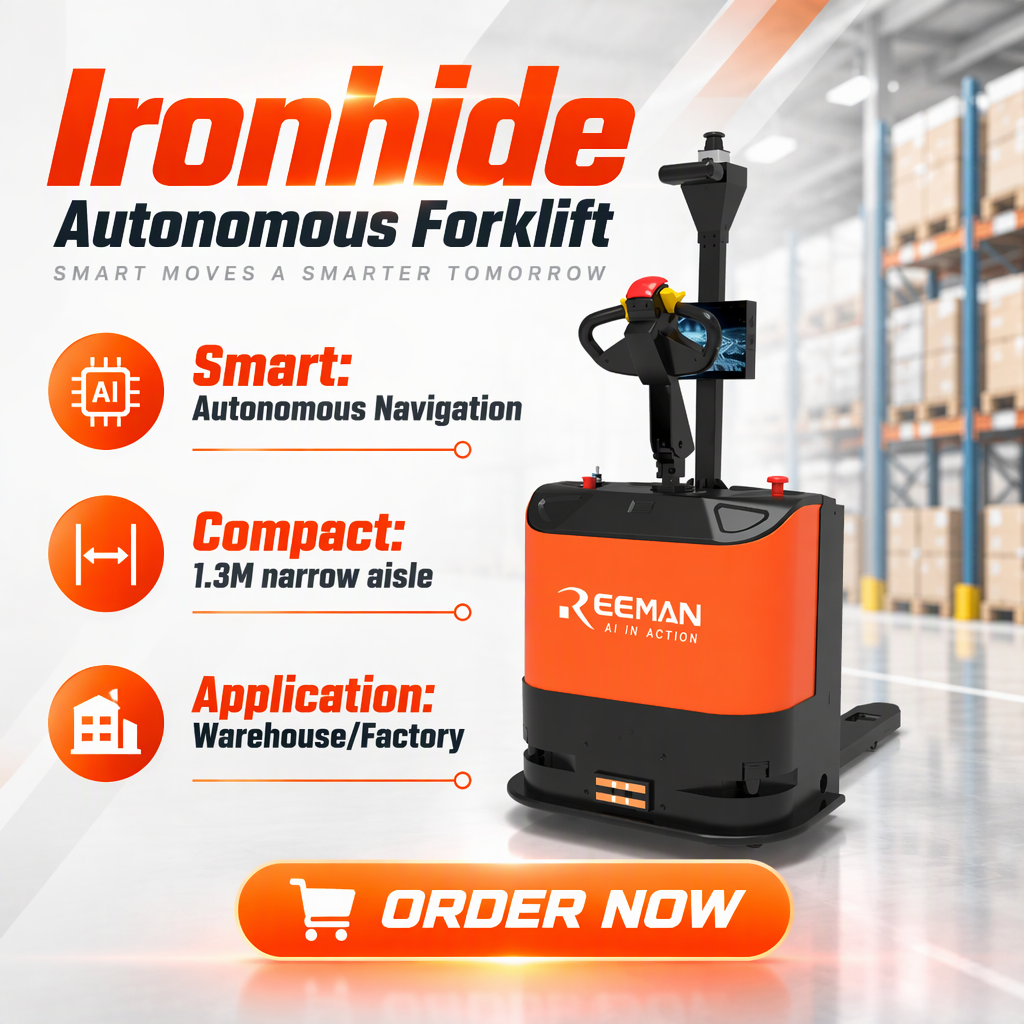
Reeman 1.5 Ton Autonomous Forklift AGV1,500 kgLaser SLAM + 3D avoidanceNarrow aisles, bidirectional pallet transfer, production-line feeding
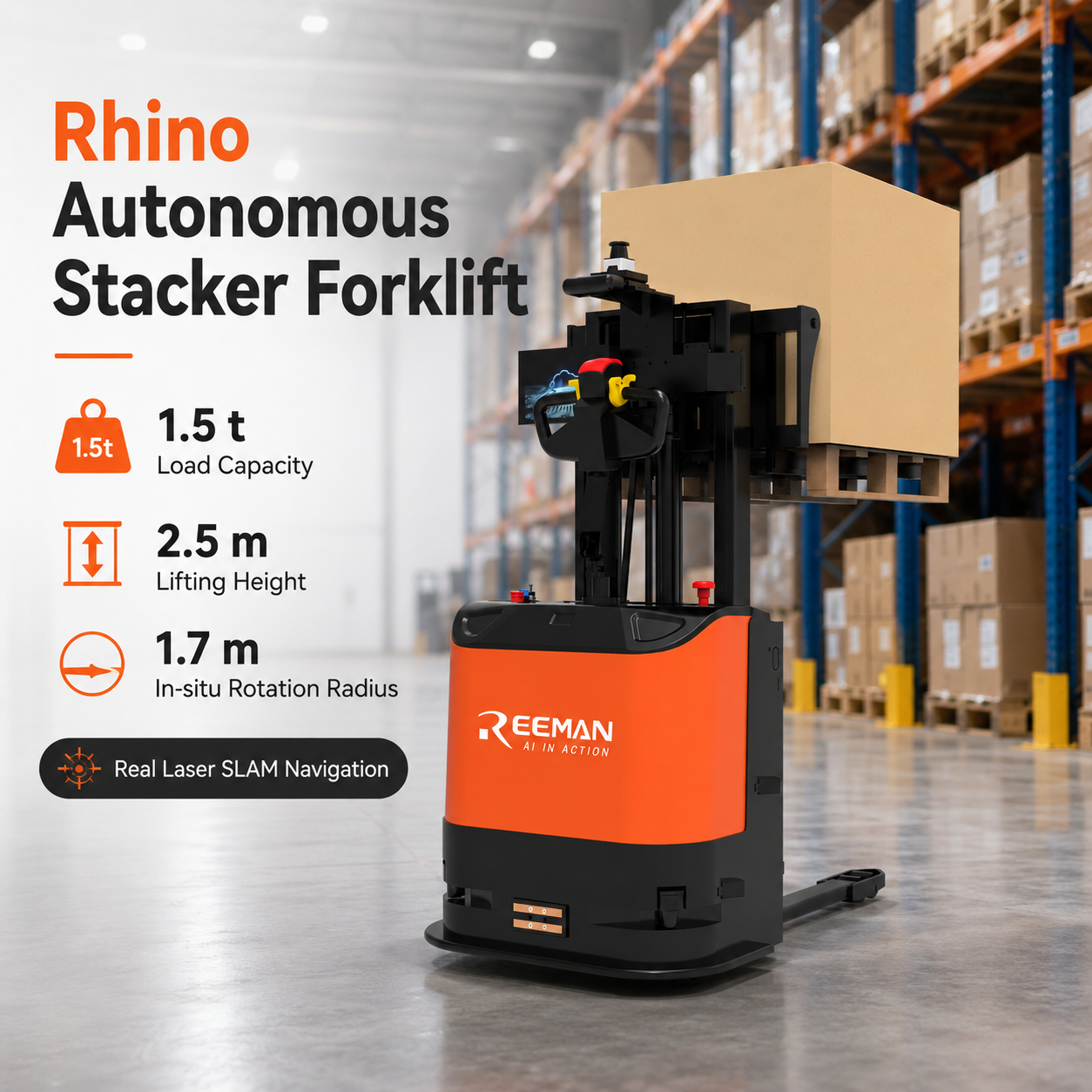
Laser SLAM Autonomous Stacker Forklift 1500 kg1,500 kgLaser SLAMPallet stacking, low-rack storage, warehouse transport
600kg Laser Navigation Lifting AMR600 kgLaser navigationTote, cart, shelf, and warehouse transfer workflows
2 Ton Autonomous 4WD AGV Forklift2,000 kgMulti-line LiDAR + 3D avoidanceHeavy pallet handling, dock-to-storage, demanding floors
REEMAN X-ant JBOT20F 2 Ton AGV2,000 kgLaser SLAMRepeatable warehouse logistics and pallet handling routes
Roller Conveyor AMR with SDK & APICustomSLAM + conveyor handoffSystem integration, automated conveyor transfer, custom development
Reeman BBOT30F 1500kg Pallet Stacker AGV1,500 kgLaser SLAMPallet stacking, warehouse transport, single-line LiDAR avoidance
Dual Laser AMR 300KG Lifting Robot300 kgDual laser SLAMManufacturing plants, line-side supply, complex factory layouts

For a fair quotation, send aisle width, floor condition, pallet size, load center, lift height, daily moves, shift pattern, charging location, and target software interface.

Information Gain

A Practical Supplier Scorecard for China Sourcing

Price alone is a weak decision metric. The following weighting is a suggested buyer scorecard for comparing visual navigation robot factories and suppliers. Adjust it to your project risk, target market, and internal procurement rules.

Safety & compliance
25%
Integration & software
20%
TCO & energy strategy
20%
Support & spare parts
15%
Payload & throughput fit
10%
Lead time & scaling
10%
  • Request a site map, CAD layout, and traffic-flow drawing
  • Ask for API/SDK documentation and integration examples
  • Confirm the exact CE, FCC, or PSE model list for your market
  • Review SGS, ISO, and third-party assessment reports
  • Agree on factory acceptance test criteria before shipment
  • Request spare-parts list, recommended stock, and training plan
Buyer FAQ

Frequently Asked Questions from Wholesale Buyers

These answers address common commercial, technical, and compliance questions asked by distributors and project buyers comparing China visual navigation robot suppliers.

What is a visual navigation robot, and is it the same as a SLAM AMR?

Visual navigation is a broad term. In industrial robotics, it often refers to robots that use laser SLAM, 3D LiDAR, vision sensors, or sensor fusion to understand their environment and navigate without fixed paths. A SLAM AMR is one implementation: it maps the site and localizes itself while moving. Buyers should ask which sensors are used, how dynamic obstacles are handled, and whether the robot can recover from a blocked aisle.

What is the difference between an AGV forklift and an AMR?

An autonomous forklift AGV lifts and moves pallets between floor, dock, and rack positions. An AMR is a mobile platform that often carries totes, carts, shelves, or custom top modules. Both product lines may use laser SLAM navigation, but the mechanical design, safety envelope, and workflow logic are different. The right choice depends on load type, lift height, handoff method, and aisle conditions.

Can Elvorn robots be integrated with my WMS, MES, or ERP?

Yes. Elvorn AMRs and robot chassis provide an open SDK and API for secondary development, allowing task dispatch and status feedback from warehouse management, manufacturing execution, or custom software systems. Integration scope should be documented before the order, including task creation, robot status, error handling, and handoff signals.

Does Elvorn offer OEM, ODM, and buyer-label customization?

Yes. As a verified custom manufacturer, Elvorn offers OEM service, design service, and buyer-label options. Customization can include top modules, payload structures, branding, packaging, and software interfaces. For complex projects, provide mechanical drawings, electrical interfaces, and acceptance criteria so engineering and production teams can confirm feasibility.

Which certifications do Elvorn robots carry?

Depending on the model, Elvorn robots may carry CE, FCC, or PSE marks. The company management system is certified to ISO 9001 and ISO 14001, and the factory has been verified onsite by SGS Group. Always request the certificate and test report for the exact model, voltage, and configuration you plan to import.

What trade terms and payment methods are accepted?

Elvorn ships worldwide on FOB terms and accepts T/T payment in USD or CNY. Main export markets include North America, Western Europe, Eastern Asia, Southeast Asia, and the Middle East. For special projects, confirm Incoterms, packaging, insurance, and documentation requirements during quotation.

How can I evaluate a China supplier remotely?

Use a structured evidence set: live video factory tour, business license, SGS or third-party assessment report, model-specific certificates, API documentation, spare-parts list, reference projects, and recorded acceptance tests. Avoid relying only on catalogue images. A credible supplier will explain limitations, not just promise every requirement can be met.

What should be included in a factory acceptance test?

A practical acceptance test should cover rated-load handling, lift and lower cycles, navigation accuracy, obstacle avoidance, emergency stop response, charging behavior, task dispatch, error recovery, and documentation handover. For forklifts, include pallet pick and drop accuracy under representative lighting and floor conditions. For AMRs, include integration message tests with your software environment where possible.

How should spare parts and after-sales support be planned?

Before shipment, request a recommended spare-parts list, consumable replacement intervals, diagnostic procedures, and training materials. For multi-robot fleets, agree on remote support channels and escalation rules. A wholesale purchase should include a support plan, not just a machine specification.
Request a Configuration Review for Your Next Automation Project

Send your site layout, load data, pallet type, aisle width, daily moves, and target throughput. Our engineers will help you compare autonomous forklifts, lifting AMRs, and robot chassis options from a China wholesale factory perspective, then recommend the most suitable configuration for your market and application.