8 AMR & AGV Robots for OEM, Export and Fast Deployment
These eight production-ready models are the fastest starting points for distributors, integrators and factory owners comparing a custom OEM AMR AGV supplier. Each platform can be adapted with payload fixtures, software interfaces, battery strategy, branding and export packaging. Product links keep the original catalogue URLs.
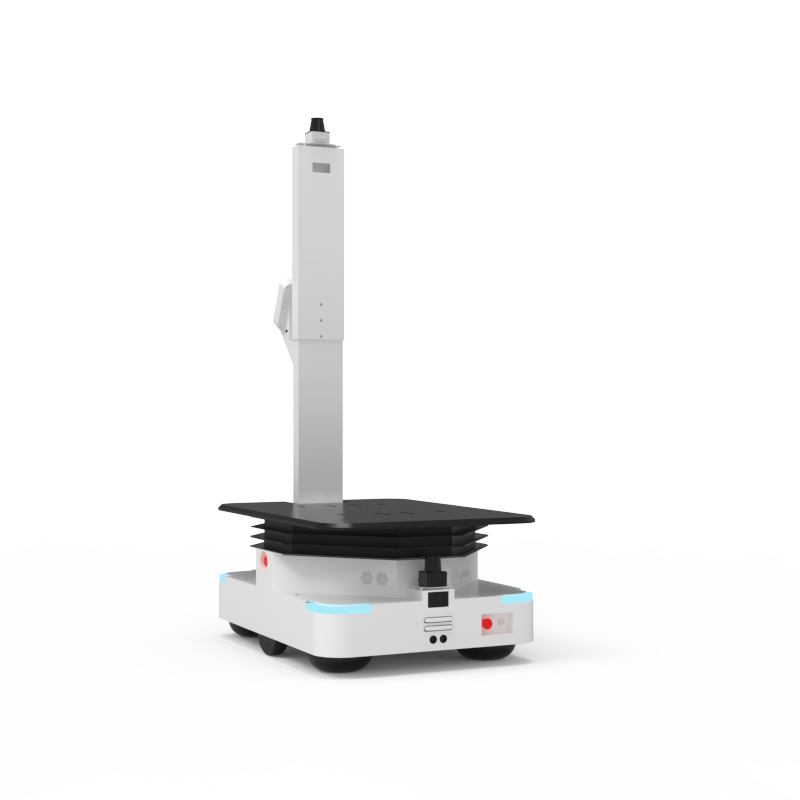
REEMAN Autonomous Mobile Robot AGV AMR 600kg Payload Sheet Metal Material Handling for Production Line
Recommended for sheet-metal line feeding and production-line transfer. A strong fit when buyers need custom top fixtures, early API access and stable navigation without floor tape.
View product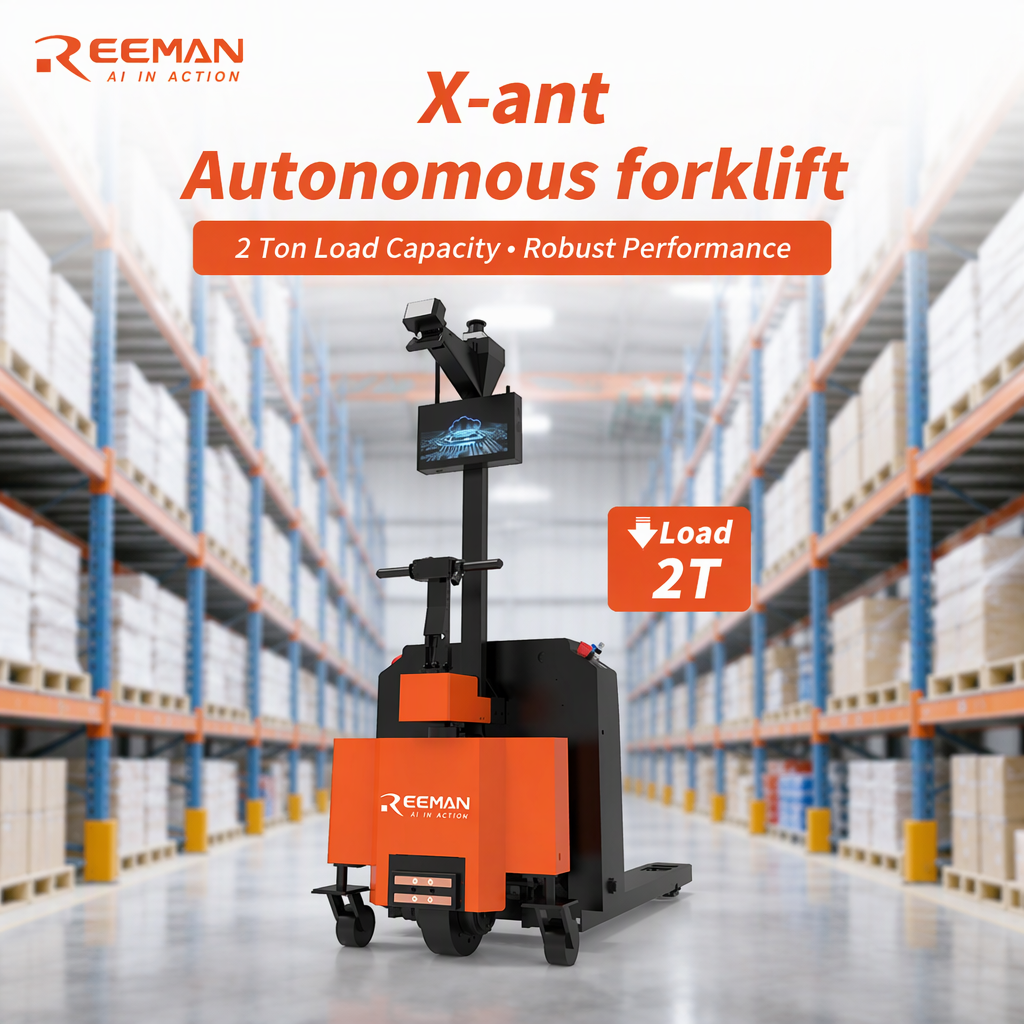
2 Ton Autonomous 4WD AGV Forklift Laser SLAM Navigation Multi-Line LiDAR 10mm Position Accuracy Warehouse Handling
Recommended for heavy warehouse pallet flow and dock-to-storage routes. Four-wheel drive, multi-line LiDAR and 10 mm positioning accuracy support demanding export projects.
View product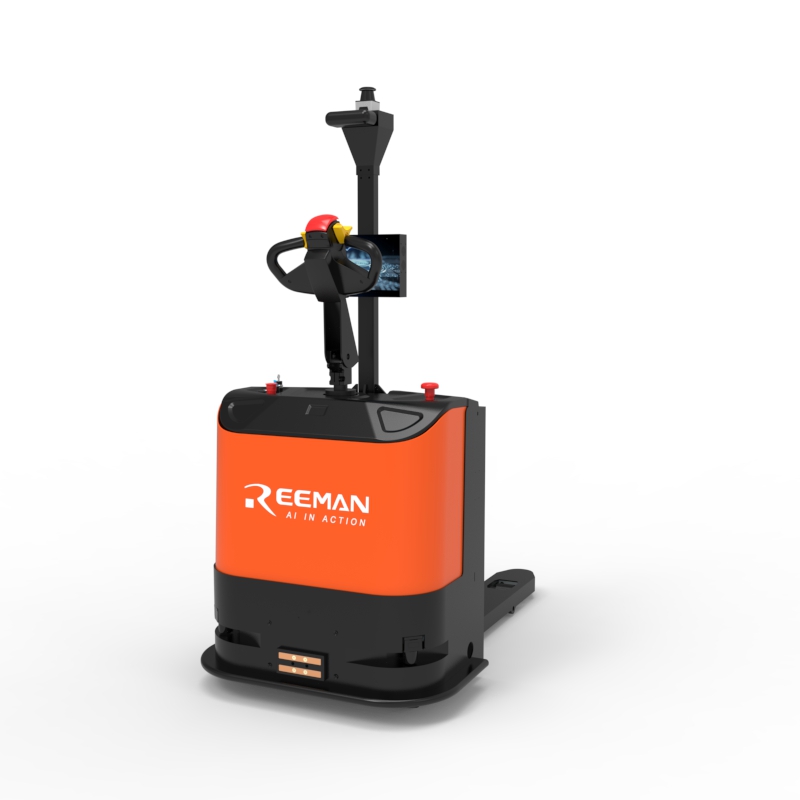
Reeman BBOT30F 1500kg Laser SLAM Autonomous Pallet Stacker AGV Single Line Lidar Obstacle Avoidance Warehouse Transport
Recommended for pallet stacking, low-rack storage and warehouse transport. Single-line LiDAR obstacle avoidance keeps the stacker compact for repetitive export warehouse cycles.
View product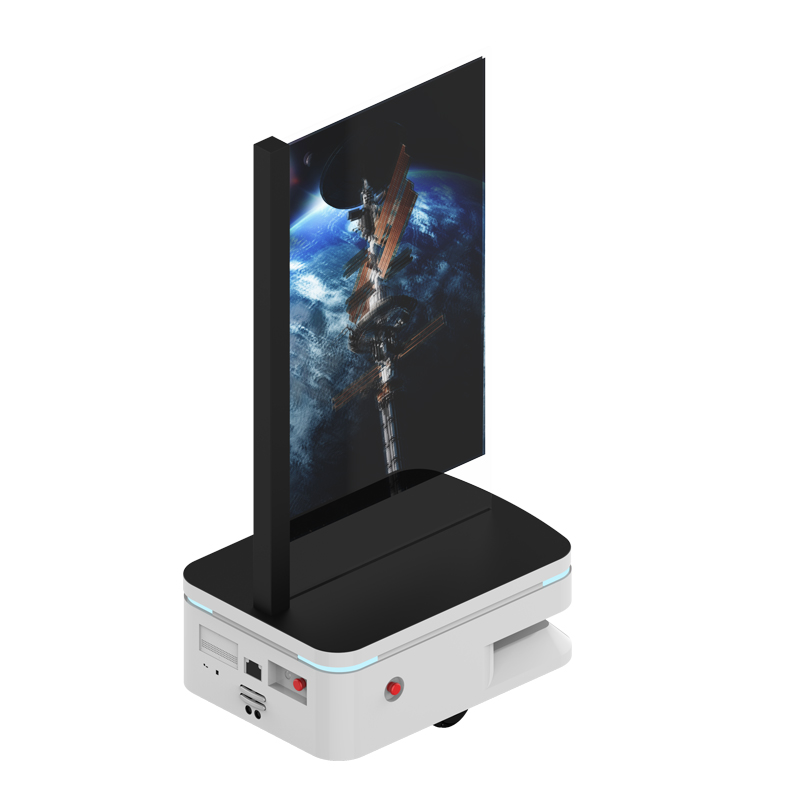
75 Inch Indoor LED Digital Poster Touch Screen Display SDK OEM ODM Black Signage for Retail Store Elevator Airport
Recommended for retail, elevator and airport signage. Touch interaction, SDK and OEM/ODM options make this a practical commercial display for distributors building smart-venue solutions.
View product
Reeman Mobile Dual Screen Advertising Robot LCD Display Voice Interaction Autonomous Navigation Indoor Commercial Use
Recommended for malls, exhibitions, hotels and reception areas. Dual LCD screens and voice interaction combine mobile advertising with autonomous indoor navigation.
View product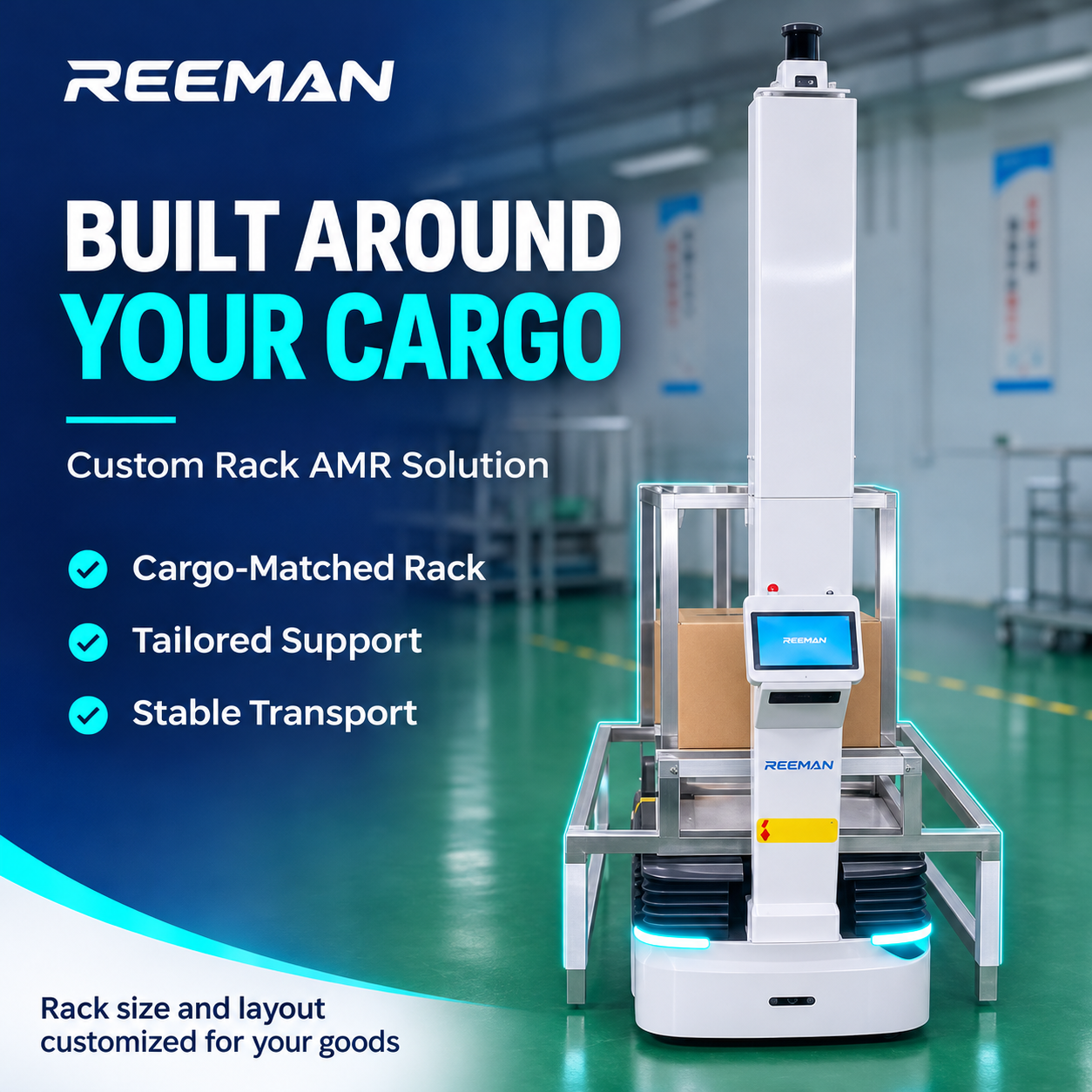
Dual Laser AMR 300KG AGV Lifting Mobile Robot with Slam LiDAR Navigation for Manufacturing Plants
Recommended for manufacturing plants that need lifting transfer and flexible WIP movement. Dual-laser SLAM supports stable navigation in dynamic workshop environments.
View product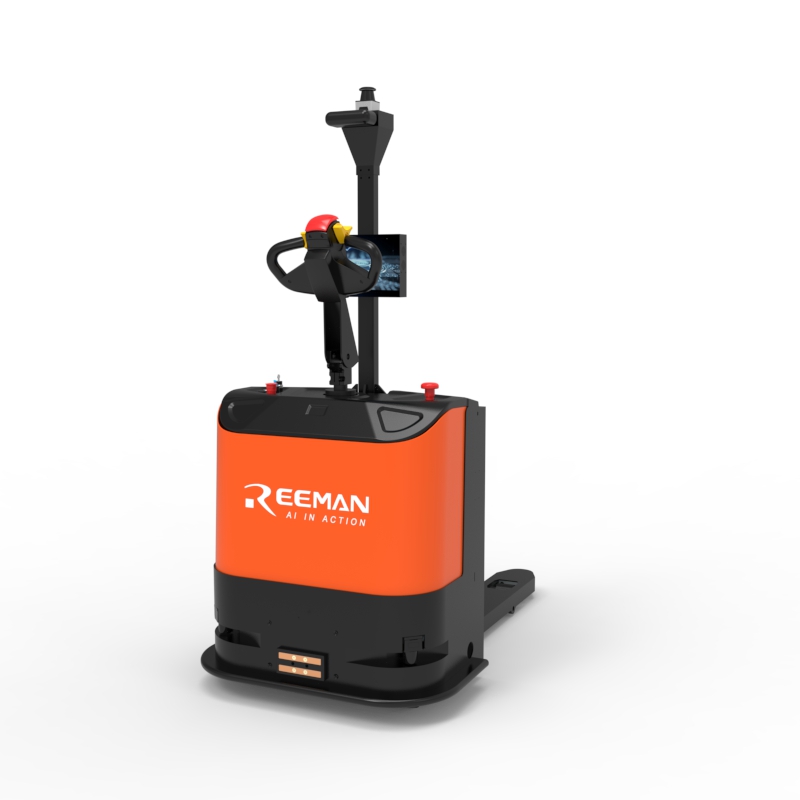
CE Certified 1500kg Driverless AGV Forklift Laser SLAM Navigation Automatic Pallet Loading Unloading Robot 1-2H Working Time
Recommended for automatic pallet loading and unloading with short, repetitive cycles. CE certification and laser SLAM navigation simplify compliance reviews for European buyers.
View product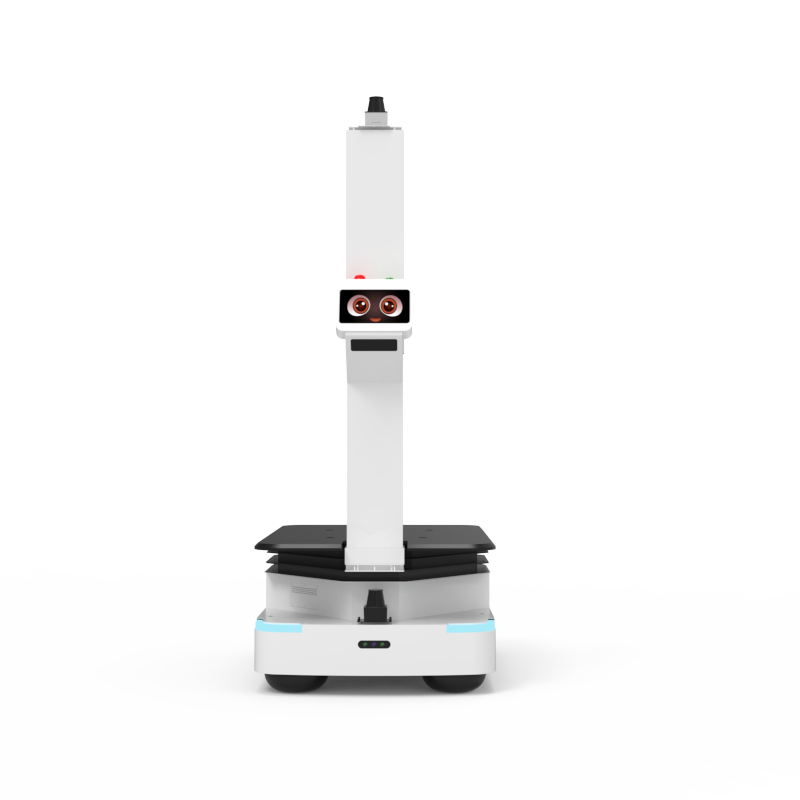
600kg Industrial AMR AGV Robot Laser SLAM Navigation QR Code-Free Factory Logistics
Recommended for factories that want QR-code-free logistics and quick layout changes. Laser SLAM reduces floor-marker maintenance and supports flexible route planning.
View productFactory capability and company data are based on Shenzhen Elvorn Intelligent Equipment Co., Ltd. profile information; the factory has been verified onsite by SGS Group, with management systems certified to ISO 9001 and ISO 14001.
What a Custom OEM AMR AGV Program Actually Buys
High-intent buyers searching for a custom OEM AMR AGV robot supplier are not only comparing payloads. They are buying a repeatable path from site survey to stable uptime. The most expensive mistake is a low-cost platform that cannot connect to WMS, MES or ERP systems, cannot pass local safety review, or cannot receive spare parts after the first year. A serious OEM/ODM program should expose the navigation stack, interface documentation, safety architecture, test records and lifecycle plan before price negotiation.
AGV and AMR technologies are converging. Classical AGVs often follow fixed paths or markers, while AMRs build maps and make routing decisions with laser SLAM. For export projects, the practical question is not simply “AGV or AMR”, but which level of autonomy is justified by aisle width, traffic, pallet variability and labor model. Elvorn platforms use laser SLAM so warehouses can change racking and workstations without re-taping the floor.
Information gain for procurement teams: ask for mapping time, localization performance near glass and steel, charging ratio, safety zones, API examples, MTTR assumptions, spare-part BOM and a factory acceptance test. These data points reduce integration surprises and make total cost of ownership visible before CAPEX approval.
Procurement scorecard used in first-round screening
Use this visual checklist when comparing quotations from different AMR AGV exporters. A low unit price rarely compensates for weak integration support or undocumented safety validation.
Match the Robot to the Material Flow
The right start model depends on load, route and the data you need to exchange. These recommendations help procurement teams shortlist a platform before a custom OEM review.
Heavy Pallet & Dock Automation
Start with the 2-ton autonomous 4WD AGV forklift or the CE-certified 1,500 kg driverless forklift when pallet weight, dock traffic and safety zoning dominate the business case.
Line-Side & Sheet-Metal Flow
Use the 600 kg REEMAN AMR or the 600 kg industrial AMR when workstations change frequently and buyers want QR-code-free routing with custom top fixtures.
Pallet Stacking & Transport
The BBOT30F 1,500 kg pallet stacker is a practical match for low-rack storage, repetitive transport and warehouse layouts where compact obstacle avoidance matters.
Retail, Wayfinding & Promotion
For commercial buyers, compare the 75-inch touch display with the dual-screen mobile advertising robot to combine digital signage, voice interaction and indoor autonomous movement.
What Buyers Will Demand from AMR AGV Suppliers in 2025–2030
Procurement is shifting from one-off robot purchases to multi-site automation programs. The evaluation criteria are becoming stricter, more data-driven and more international.
TCO Beats Sticker Price
Buyers increasingly model battery replacement, charging infrastructure, integration labor, spare parts and downtime. A slightly higher robot price can be justified when local support and documented reliability reduce annual operating risk.
Open APIs and Interoperability
WMS, MES and ERP integration is now a baseline requirement. Procurement teams ask for API examples, task-dispatch logs, status feedback and clear responsibility boundaries between robot supplier and software integrator.
Safety Evidence Before Shipment
Destination-market compliance matters. CE, FCC or PSE marks are only part of the review; buyers also want emergency-stop design, speed zoning, obstacle detection validation and operator training materials.
Modular Fleets, Not Single Robots
Multi-model fleets are replacing isolated machines. Shared control architecture across AMRs, stackers and forklifts simplifies operator training, spare-part planning and future expansion into new buildings.
Service Network as a KPI
Export buyers screen suppliers by response time, remote commissioning capability, English documentation and spare-part availability. After-sales capability is now part of the commercial scorecard, not an afterthought.
Pilot-to-Scale Contracting
More projects begin with a single-site pilot and a defined scale-up path. Suppliers that can provide test records, clear acceptance criteria and repeatable OEM documentation are better positioned for multi-site rollouts.
Where AMR and AGV Technology Is Moving Next
The next buying cycle will reward suppliers that combine robust navigation with modular hardware and lifecycle software support.
3D LiDAR and Semantic Perception
Higher-resolution sensing helps robots distinguish pallets, people, forklifts and transient obstacles. Semantic perception reduces nuisance stops and improves confidence in busy loading zones.
Less Floor Infrastructure
QR-free and tape-free navigation continues to win projects because warehouses change layouts. Laser SLAM mapping shortens deployment and avoids the maintenance cost of damaged floor markers.
Modular Chassis + Custom Tops
OEM buyers want one proven chassis with different top modules for lifting, towing, shelving or commercial display. This reduces development risk and shortens time-to-market for private-label robots.
Battery and Charging Strategy
Opportunity charging, lithium battery management and charger layout are becoming design decisions rather than accessories. Working time, charging ratio and battery lifecycle directly affect fleet size.
Fleet Orchestration and Digital Twin
Robots increasingly report into fleet software that models traffic, charging and task queues. Digital-twin planning helps buyers validate throughput before adding more machines to a site.
Human-Robot Collaboration
Safety is moving beyond emergency stops toward predictable behavior around pedestrians. Clear motion planning, speed zones and intuitive status signals help mixed human-robot operations scale.
Why Elvorn Is a Practical OEM/ODM Partner
Shenzhen Elvorn Intelligent Equipment Co., Ltd. was founded in 2015 and is a national high-tech enterprise focused on robotic platform technology and autonomous driving. The company is not only an assembler: its in-house team covers laser SLAM navigation, motion control, fleet scheduling and hardware design. That vertical knowledge shortens customization loops for distributors, integrators and private-label brands.
With two production bases in Shenzhen and Ningbo, 5,200 ㎡ of total floorspace, more than 200 team members and 39 patents, Elvorn supports buyers from model selection through factory testing and export documentation. The company offers OEM, design service and buyer-label options, including custom top modules, payload structures, branding and packaging.
- Laser SLAM navigation without magnetic tape or floor reflectors
- Open SDK and API for WMS, MES, ERP and custom software integration
- ISO 9001 and ISO 14001 management systems
- CE, FCC or PSE marks depending on model and destination market
- English documentation, remote commissioning and spare-part support
Factory-verified supply capability
Elvorn’s factory has been verified onsite by SGS Group, covering business licensing, production capability and quality control. Supplier assessment procedures and on-site material inspection are part of the production routine. Every unit undergoes functional and load testing before shipment, and test records can be discussed during project review.
Export terms include FOB, with T/T payment in USD or CNY. Main export markets include North America, Western Europe, Eastern Asia, Southeast Asia and the Middle East. For buyers comparing a custom OEM AMR AGV robot exporter, this mix of in-house engineering, certification coverage and production capacity reduces supplier risk.
Full-Stack Engineering
Navigation, motion control, fleet scheduling and hardware design are handled in-house, so customization questions reach engineers rather than passing through multiple vendors.
Two Production Bases
Shenzhen and Ningbo facilities support assembly, testing and export preparation, helping distributors plan repeat orders with clearer production visibility.
Certification Coverage
ISO 9001, ISO 14001, SGS onsite verification and model-level CE, FCC or PSE marks help buyers prepare due diligence and market-entry documentation.
OEM & Buyer-Label Flexibility
Custom top modules, payload structures, branding, packaging and software interfaces can be aligned with distributor catalogues and private-label robot programs.
Export-Ready Support
English documentation, remote commissioning and spare-part planning support buyers in North America, Europe, Asia and the Middle East.
Modular Product Portfolio
From 300 kg and 600 kg AMRs to 1.5-ton and 2-ton AGV forklifts, plus commercial robots, one supplier can cover multiple material-flow and service scenarios.

R&D and headquarters in Shenzhen

Robot assembly and production flow

Engineering and quality testing team
Quality Control, Testing and Export Preparation
For overseas buyers, factory capability is a risk-management issue. The evidence you request before placing an order should be as important as the robot specification itself.
From Site Survey to Stable Operation
Elvorn’s project workflow starts with requirement review: layout drawings, load data, pallet type, route length, charging location, traffic and target throughput. Engineers then recommend models, fleet size and integration scope. Customization may include OEM branding, top modules, software interfaces and export packaging.
Before shipment, robots undergo functional and load testing, with test records available for review. Deployment support can include remote mapping guidance, operator training and long-term spare-part planning. This process matters for distributors because a repeatable delivery method is easier to sell into multiple end customers.
- Requirement review and solution design
- Customization and factory build
- Function and load testing before shipment
- Remote deployment support and operator training
- Spare-part and after-sales planning for export programs
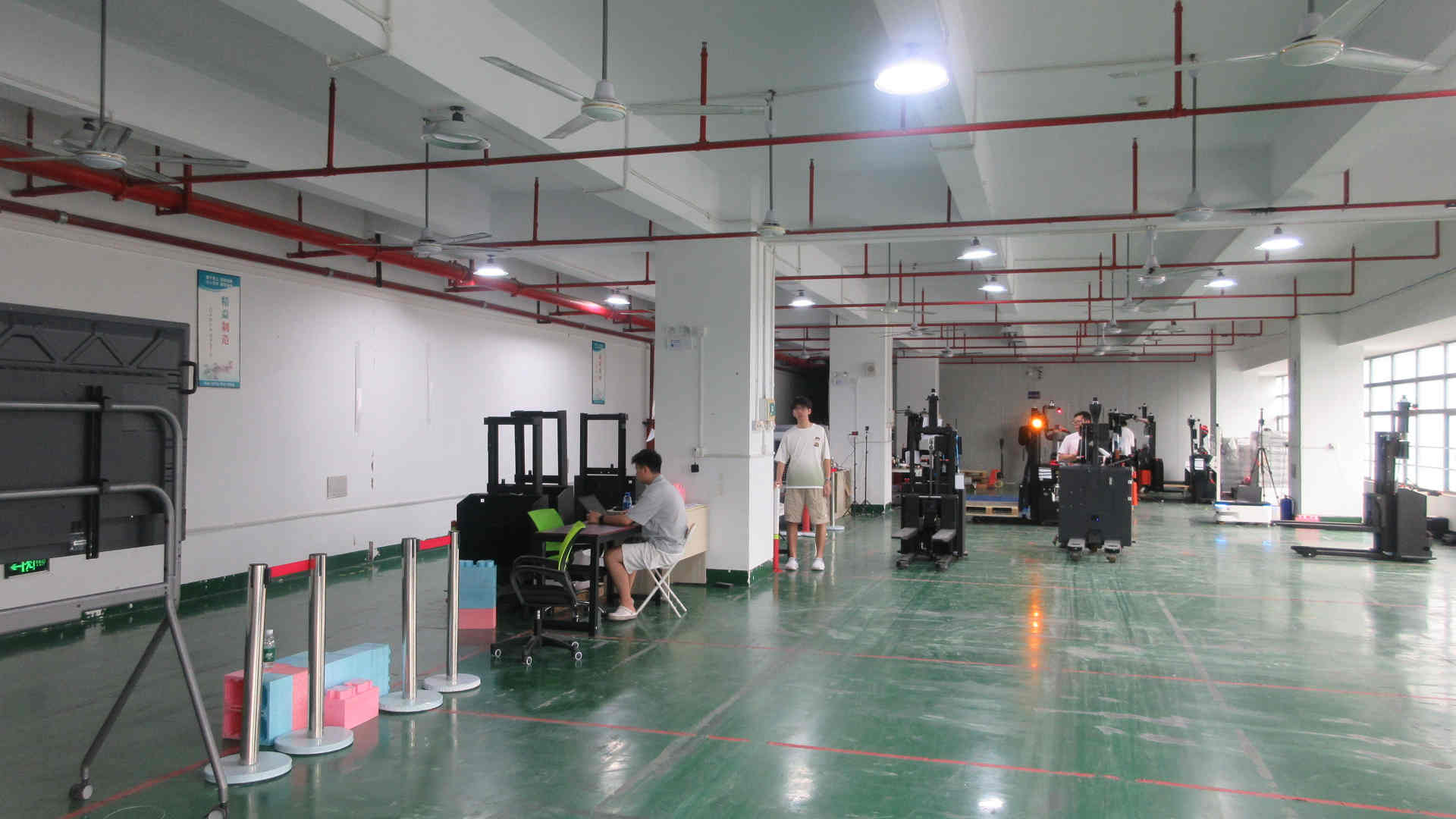
Robot quality inspection before shipment

Factory workshop and production area
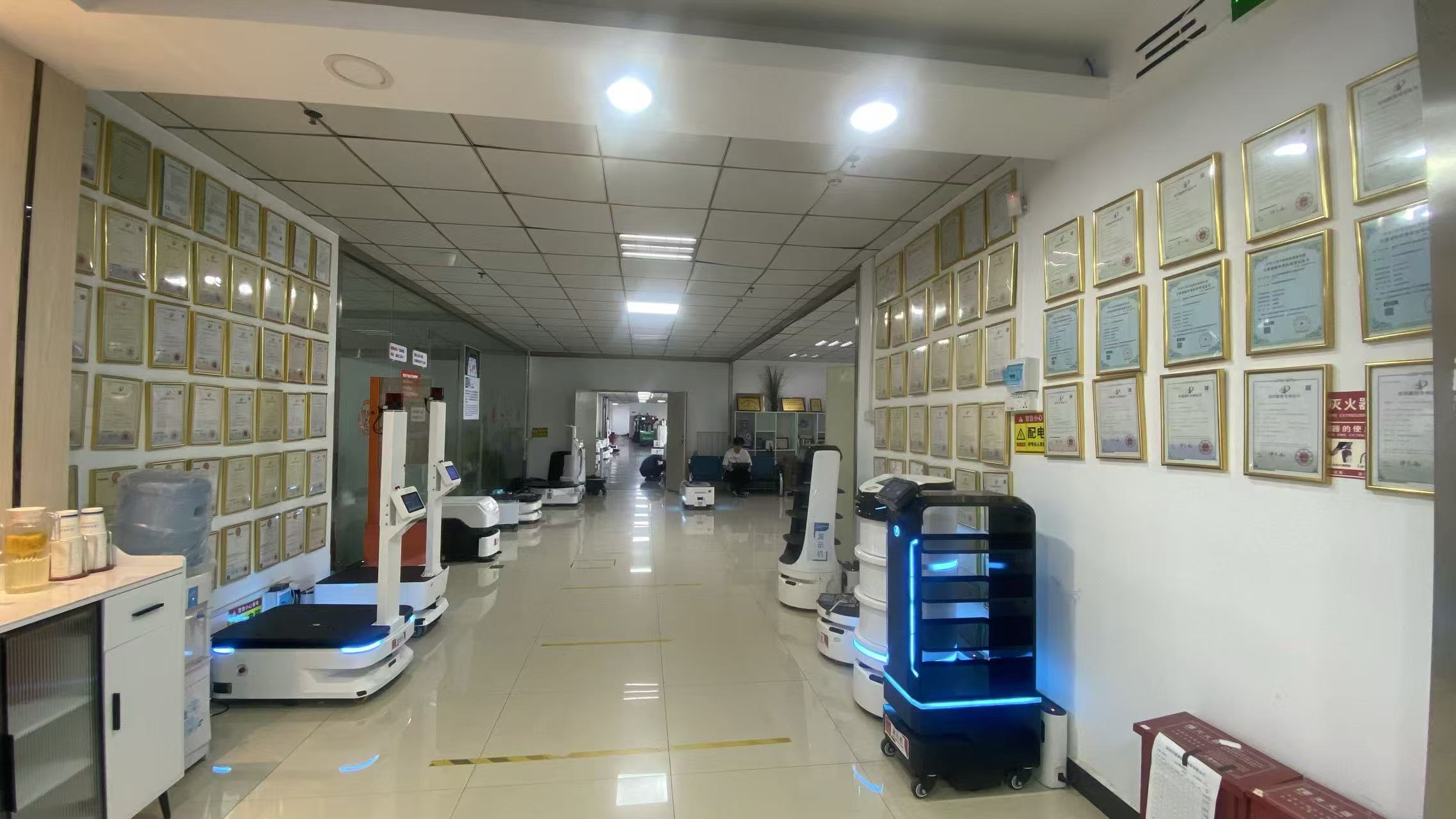
Assembly line for autonomous robots

Certificates, patents and partner wall
Trade Terms and Regional Service Reality
Elvorn ships worldwide on FOB terms and accepts T/T payment in USD or CNY. Services include OEM, design service and buyer label. Final certification scope, spare-part plan and commissioning method should be confirmed for each destination market.
North America
Warehouse forklift AGVs and AMRs for distribution centers, 3PLs and manufacturing plants, with documentation prepared for buyer due diligence.
Western Europe
CE-marked models for manufacturing, retail and hospitality projects, supported by English documentation and remote commissioning discussions.
East & Southeast Asia
Delivery, cleaning, advertising and chassis platforms for fast-growing service sectors and distributors building local robot catalogues.
Middle East
Commercial cleaning, disinfection, guidance and material-handling robots for public venues, logistics hubs and smart-facility projects.
Custom OEM AMR AGV Procurement FAQ
Practical answers for distributors, integrators and factory owners comparing quotations, certifications and integration risk.
What is the difference between an AGV forklift and an AMR?
Can your robots be integrated with my WMS, MES or ERP?
Do you offer OEM, ODM and buyer-label customization?
Which certifications are available for export projects?
What should I prepare for a fast and accurate quotation?
How is safety handled around people and forklifts?
What about battery, charging and working time?
Are spare parts and remote support available after shipment?
What are the trade terms and payment currencies?
How do I compare a custom OEM AMR AGV supplier fairly?
Turn Your Next Robot Program into a Repeatable Export Product
Send your load, route, pallet type, throughput target, software interface and destination market. Elvorn engineers will recommend a start model, customization scope and factory testing plan for your OEM/ODM AMR AGV project.