8 Navigation-Ready Robots for OEM Programs and Wholesale Distribution
The shortlist below spans 1.5-ton and 2-ton autonomous forklifts, stacker AGVs, dual-laser delivery robots, roller-conveyor AMRs and outdoor platforms. Each product URL and image is preserved from the original series; final selection should be confirmed against pallet type, aisle width, floor condition, charger strategy and WMS/MES/ERP interface scope.
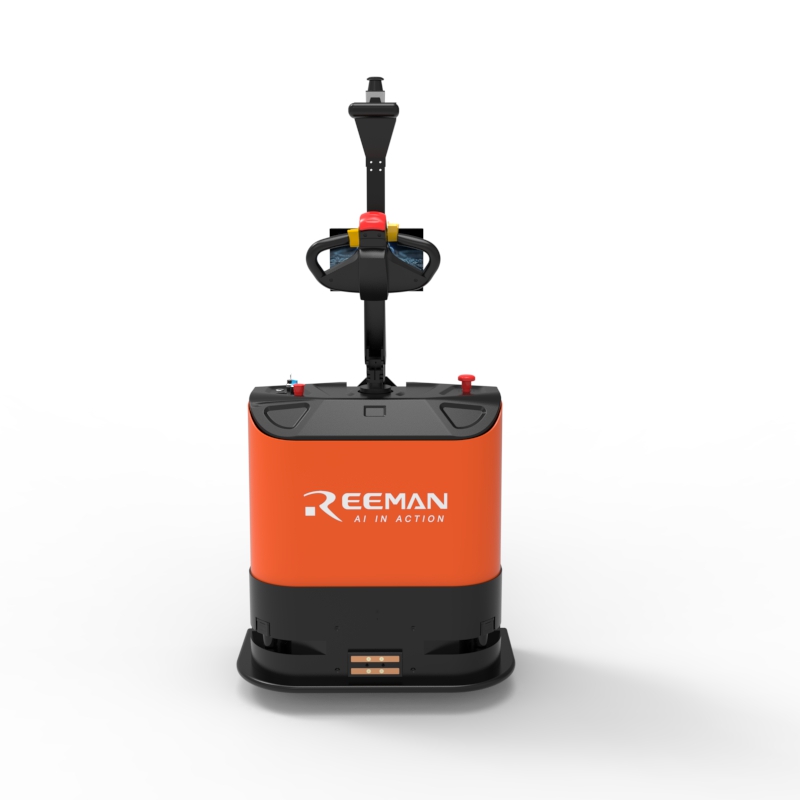
1500 kg Reflector-Free Laser SLAM Forklift AGV
Point-to-point warehouse handling without reflector-dependent routes.
- 1500 kg load class
- Laser SLAM navigation
- Pallet pick-and-place flow
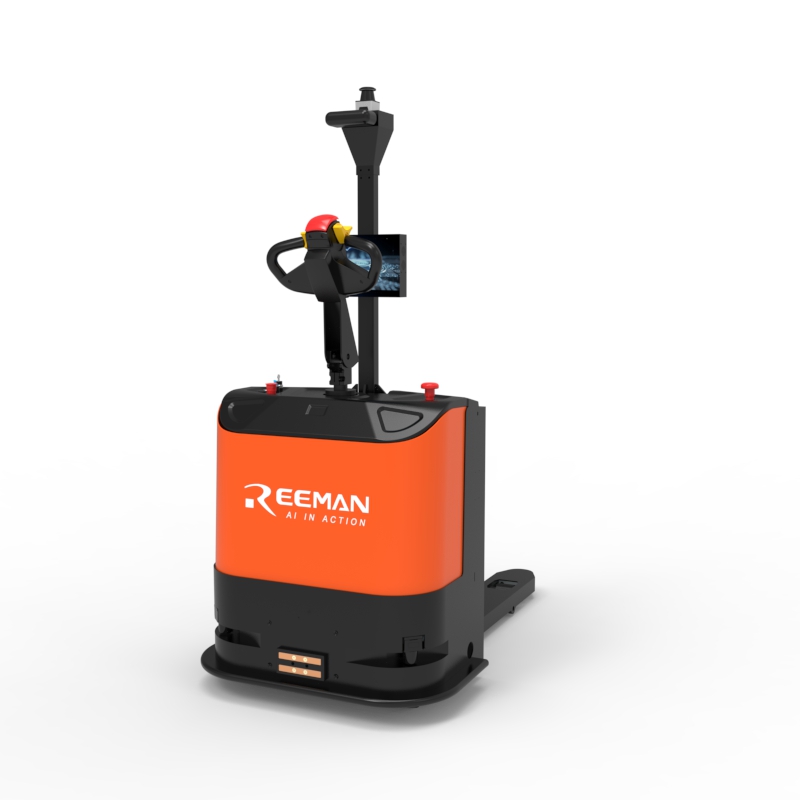
1500 kg Single-Line Lidar AGV Forklift
Narrow industrial platform with 30 mm navigation accuracy and 1019 mm forks.
- 1500 kg rated load
- 570 mm fork width
- Single-line lidar navigation
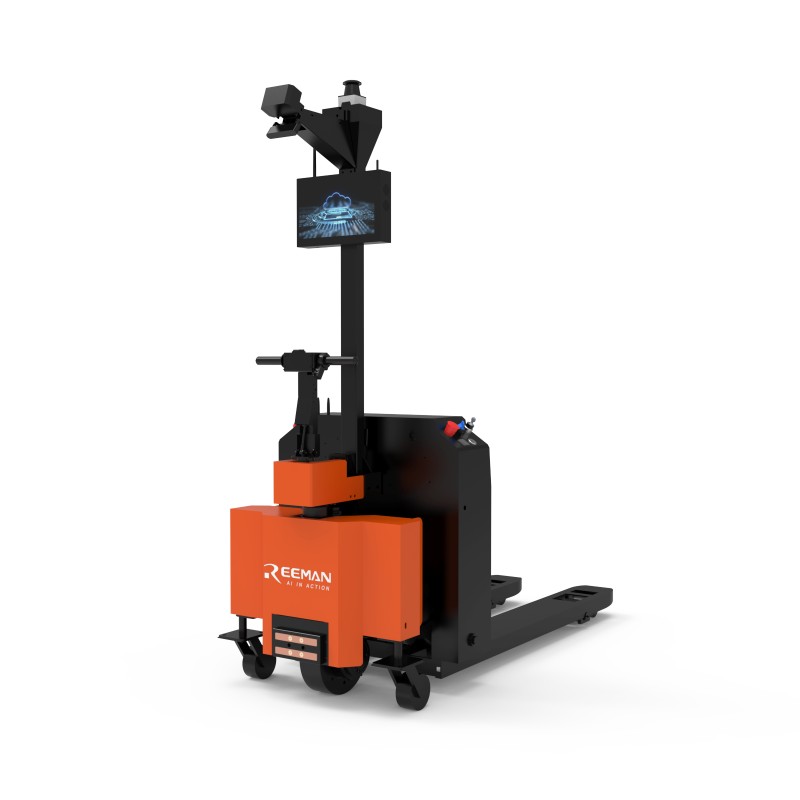
Reeman 2 Ton Laser SLAM Autonomous Forklift
Heavy-duty unmanned pallet truck with 1085 mm fork and 10 mm position accuracy.
- 2000 kg load class
- 1085 mm fork length
- 10 mm position accuracy
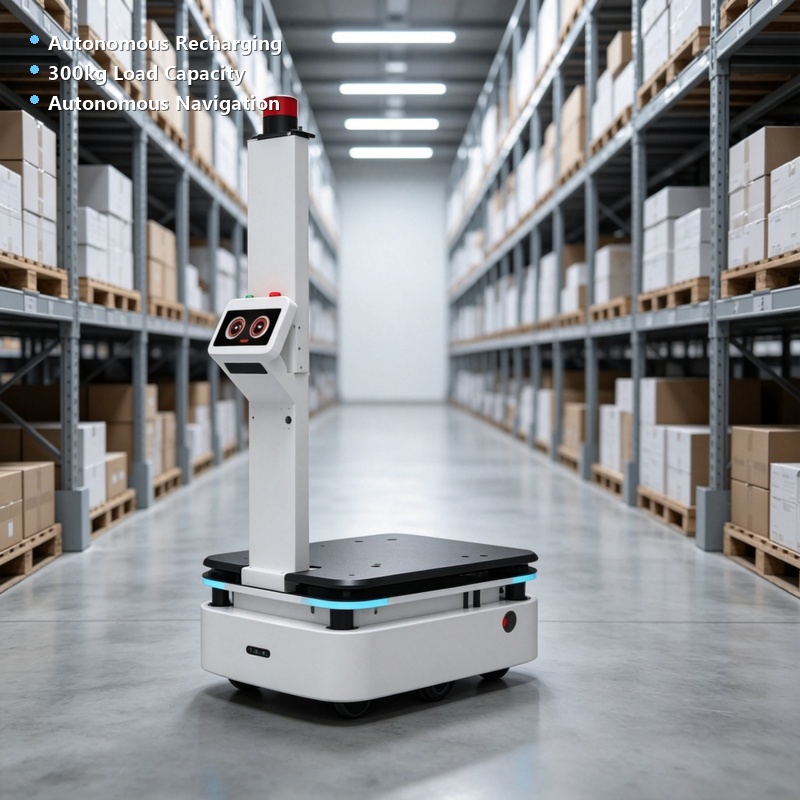
REEMAN Dual Laser Fly Boat MAX 300 kg
Factory material supply robot for manufacturing plants and internal logistics.
- 300 kg payload
- Dual laser navigation
- Factory material supply
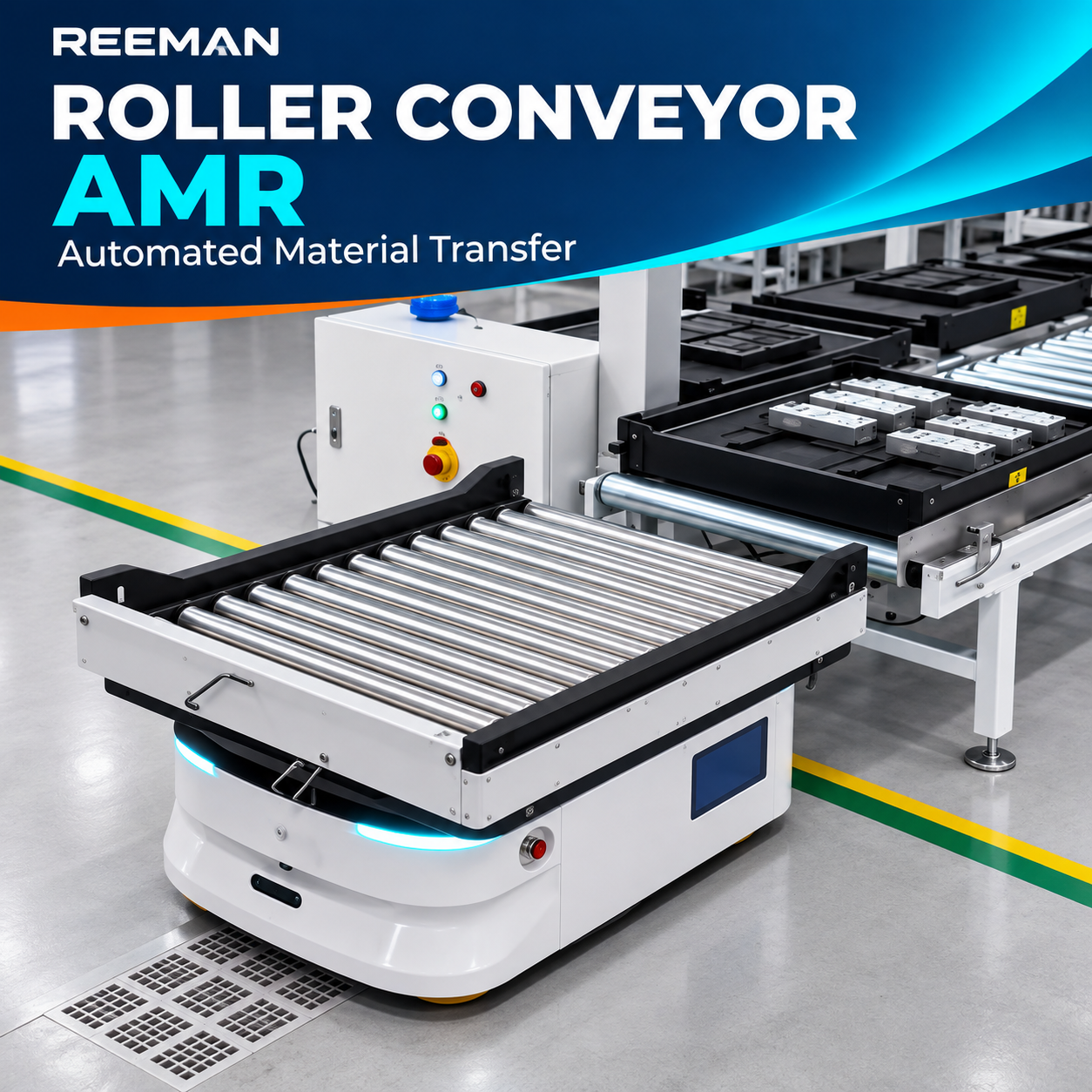
Roller Conveyor AMR with SDK and API
Built for conveyor-to-conveyor transfer and custom development projects.
- Roller conveyor top module
- Open SDK and API
- System integration ready
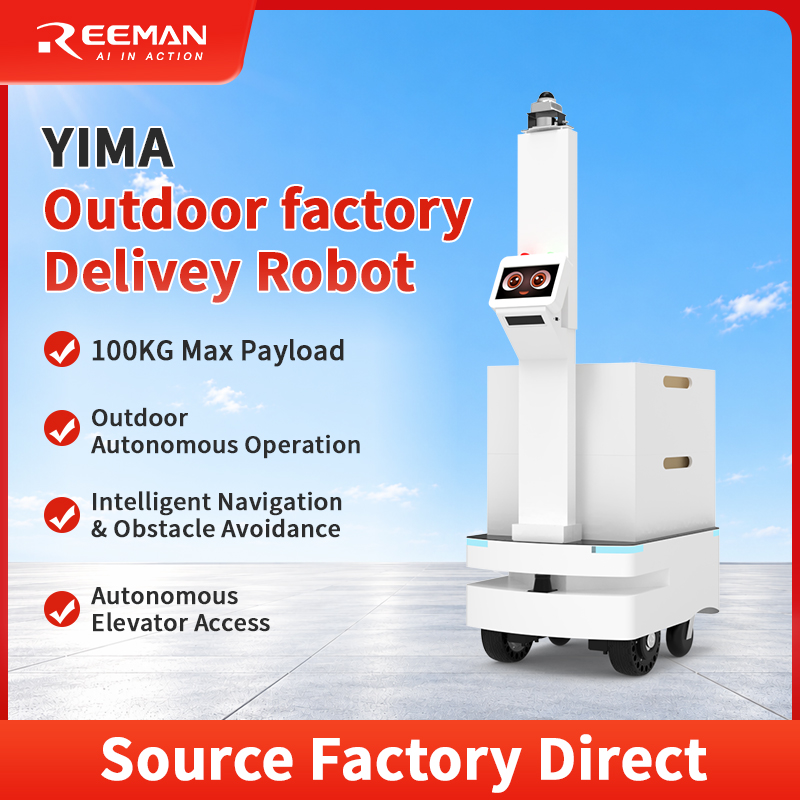
REEMAN Outdoor Delivery Robot 100 kg
Autonomous outdoor navigation, obstacle avoidance and elevator access for logistics.
- 100 kg payload
- Outdoor navigation
- Elevator access integration
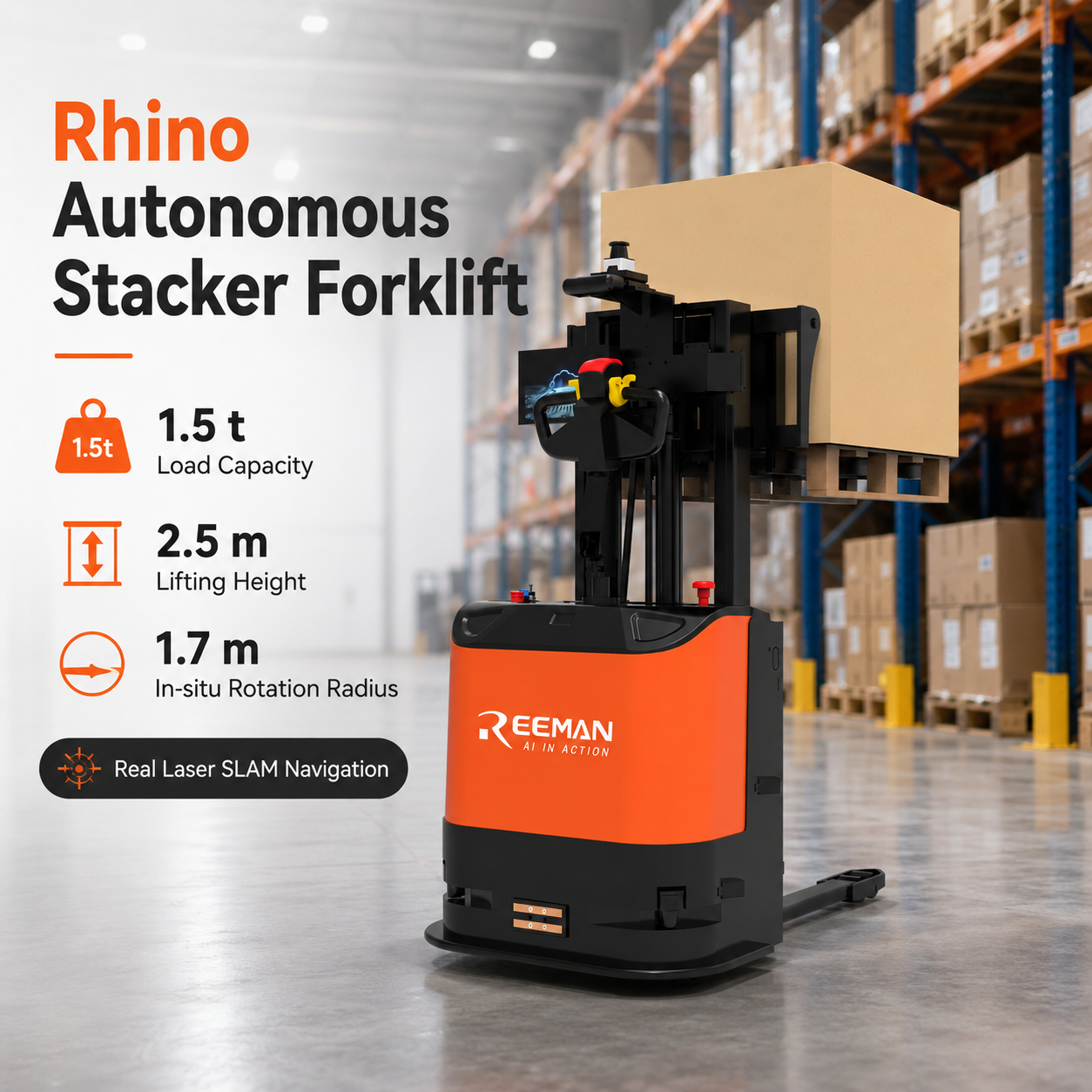
Laser SLAM Autonomous Stacker Forklift 1500 kg
Stacker-format pallet handling with laser obstacle avoidance for warehouses.
- 1500 kg load
- Stacker format
- Laser obstacle avoidance
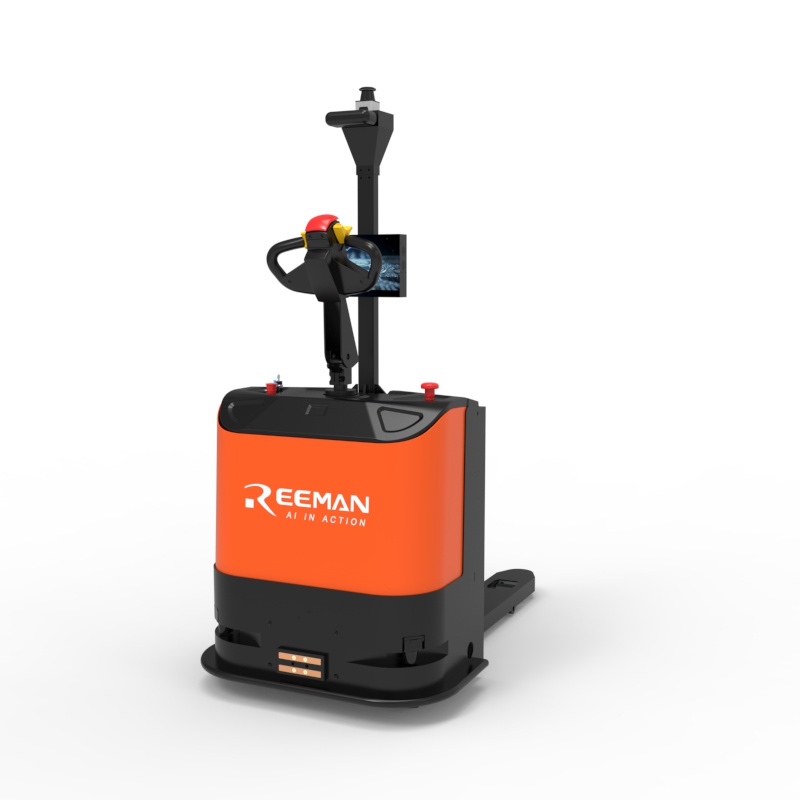
Reeman BBOT30F 1500 kg Laser SLAM Forklift AGV
LiDAR navigation and pallet handling for repeatable warehouse fleet tasks.
- 1500 kg load
- LiDAR navigation
- Warehouse pallet handling
For wholesale programs, combine a compact AMR, a stacker AGV and a 1.5-ton to 2-ton forklift platform to cover internal transport, low-rack stacking and dock-to-rack pallet flow without overbuying a single high-capacity model.
Why a Custom Navigation Platform Beats a Standalone AGV Purchase
A robot is not only a truck with a lidar. The navigation stack determines mapping time, route resilience, integration cost, safety evidence and how easily a distributor can support mixed fleets across multiple end customers.
Your brand, your configuration
OEM and ODM value is created when the navigation platform can carry your brand, top module, payload structure, packaging and market-specific documentation. A closed AGV product limits wholesale differentiation; an open SDK/API platform supports private-label product lines and integrator-led customization.
Navigation without floor infrastructure
Laser SLAM maps a site and navigates without magnetic tape, QR grids or reflectors in selected models. That reduces facility disruption when racks, workstations or storage zones move. Model-specific data such as 30 mm navigation accuracy or 10 mm position accuracy should be validated under your actual pallet, floor and lighting conditions.
Evidence before expansion
Procurement teams need more than a demo video. Look for factory verification, management-system certification, model-level CE/FCC/PSE marks where applicable, load test records, spare-part lists and remote commissioning capability. Elvorn’s SGS-verified factory, ISO 9001/14001 systems and export experience reduce the risk of scaling a pilot into a multi-site rollout.
Information gain for serious buyers
The lowest purchase price is rarely the lowest total cost. Build a TCO model from mapping and commissioning labor, WMS/MES/ERP integration, charging strategy, energy use, spare parts, downtime exposure and redeployment cost after a layout change. Then compare quotations on the same assumptions — not only on robot unit price.
Product Development Trends Shaping Robot Navigation Systems
Our engineering roadmap follows practical buyer outcomes: faster commissioning, safer mixed traffic, easier software integration and longer platform life.
Reflector-free SLAM and semantic maps
Warehouse maps are becoming richer than geometry alone. Semantic layers identify docks, aisles, workstations and charger zones so operators can change tasks without rebuilding every route. This supports faster redeployment and clearer fleet behavior.
Multi-sensor fusion and 3D obstacle avoidance
Lidar, depth sensing and safety controls are being combined to distinguish harmless floor features from people, carts and forklifts. The design goal is not only detection but predictable slowdown, re-routing and safe stop behavior in mixed traffic.
Open SDK/API and fleet orchestration
Wholesalers and integrators increasingly need task dispatch, status feedback and custom dashboards. API-first robot platforms make it easier to connect WMS, MES, ERP, elevators, doors and production call systems without rebuilding the vehicle software.
Modular chassis and payload customization
A shared chassis architecture reduces engineering cost for OEM programs. Roller conveyors, delivery boxes, lifting modules and custom fixtures can be developed around a navigation base, enabling a product family rather than a one-off machine.
Lithium power and opportunity charging
Battery strategy is a procurement variable, not an afterthought. Opportunity charging, charger placement and shift coverage influence fleet size. Wholesalers should request run-time assumptions and charging windows that match the end customer’s actual duty cycle.
Safety-by-design and simulation-led commissioning
Digital modeling before site work can reduce deployment risk. Buyers should ask for risk assessment support, speed zoning, emergency-stop logic, obstacle test records and acceptance criteria. Safety evidence should match the exact configuration being purchased.
Future Procurement Trends for Wholesalers and OEM Brands
Robot purchasing is shifting from a one-time equipment transaction to a lifecycle program with integration, service and brand ownership at its center.
From capex to TCO and service outcomes
Finance teams increasingly compare automation on three-to-five-year total cost, labor redeployment, energy, uptime and resale or redeployment value. A lower unit price can lose to a platform with better serviceability and faster mapping.
Interoperability clauses in every PO
Buyers now specify API documentation, data ownership, task handshake rules, error codes, network requirements and acceptance tests. For wholesalers, a navigation platform that integrates cleanly protects repeat business and reduces escalation risk.
Private-label localization
Distributors want a product line that looks local to their market: branded labels, documentation, packaging, spare-part kits and market-specific configuration. OEM/ODM flexibility is becoming a qualification criterion, not a bonus.
Audit-ready compliance files
Procurement officers increasingly request test reports, declarations, risk assessments and factory verification before a pilot. A supplier that can organize CE/FCC/PSE evidence, ISO documentation and SGS verification information reduces review time.
Spare parts and service-level commitments
Robot fleets are long-lived assets. Ask for recommended spare-part kits, maintenance intervals, remote diagnostics scope, firmware update policy and escalation contacts. The commercial contract should state who supports the end user after export.
Data ownership and cybersecurity
Buyers increasingly ask where maps, task logs and performance data are stored, who can access them and how remote updates are controlled. Clear data-handling rules are especially important for multi-site OEM and wholesale programs.
Practical 100-point procurement scorecard
Weight the criteria before quotations arrive, then score every supplier against the same site data and acceptance tests.
Elvorn Manufacturing Advantages That Reduce Program Risk
Founded in 2015, Shenzhen Elvorn Intelligent Equipment Co., Ltd. is a national high-tech enterprise focused on robotic platform technology and autonomous driving. The company designs, builds and supports autonomous forklifts, industrial AMRs, robot chassis, delivery robots and service robots for buyers in North America, Western Europe, Eastern Asia, Southeast Asia and the Middle East.
Full-stack in-house R&D
Laser SLAM navigation, motion control, fleet scheduling and hardware are developed in-house. That means faster customization, transparent engineering answers and long-term spare-part support for distributors and integrators.
Open SDK and API for customization
AMRs and robot chassis can support secondary development, task dispatch and status feedback. Integrators can connect robots to WMS, MES, ERP, elevators, doors and custom dashboards instead of waiting for a closed vendor roadmap.
Modular payload platforms
From 100 kg and 300 kg delivery platforms to 1.5-ton and 2-ton autonomous forklifts, the portfolio shares control architecture where practical. This simplifies fleet training, maintenance planning and OEM top-module development.
Multi-layer safety design
Lidar, obstacle sensors, emergency stops and speed zoning help robots operate around pedestrians, forklifts and racking. Safety scope should always be matched to the site risk assessment and local requirements.
Own production capacity
Two production bases in Shenzhen and Ningbo support on-site material inspection, supplier assessment procedures and production planning. The factory has been verified onsite by SGS Group, with ISO 9001 and ISO 14001 management systems.
Export-ready support
English documentation, remote commissioning, operator training guidance and spare-part supply support export programs. Elvorn ships worldwide on FOB terms and accepts T/T payment in USD or CNY, with OEM, design service and buyer-label options available.
From Requirement Review to Stable Operation
Requirement review
Share layout drawings, load data, pallet type, aisle width, shift pattern and target throughput.
Solution design
Engineers recommend models, fleet size, charging plan and integration scope for your workflow.
Customization and build
OEM branding, top modules, software interfaces and packaging are built to the confirmed specification.
Test and support
Factory testing, remote mapping guidance, operator training and long-term spare-part supply.
Where Custom Robot Navigation Systems Deliver Measurable Value
The right platform depends on load, route structure, floor conditions, integration depth and the service model you can support as a wholesaler or OEM brand.
Warehousing and 3PL
Pallet receiving, put-away, replenishment and dock movement with autonomous forklifts and stacker AGVs. Laser SLAM helps when storage zones change more often than fixed automation can tolerate.
Manufacturing line-side logistics
AMRs and dual-laser platforms feed workstations, collect finished goods and reduce walking time. Task calls can be synchronized with MES or production call systems through an agreed API scope.
Outdoor and campus delivery
Outdoor delivery robots can support yard, campus and building-to-building movement with obstacle avoidance and elevator access. Site lighting, ramps and weather protection must be reviewed during solution design.
System integration projects
Roller-conveyor AMRs and open-SDK chassis let integrators build material transfer into a larger control architecture. Request interface documentation, test plans and escalation rules before committing to a customer deadline.
Wholesale product portfolios
Distributors can combine compact AMRs, outdoor platforms and forklift AGVs to serve multiple customer segments. Private-label options, spare-part kits and documentation packages help build a local product line.
Scalable pilot-to-fleet programs
Start with a controlled route and acceptance test, then expand after mapping, charging and task rules are proven. Fleet growth should be planned with charger capacity, traffic zones and maintenance coverage in mind.
Quote-ready data pack for faster engineering review
Send a complete data pack and the inquiry can move directly into model selection instead of repeating basic questions.
- Layout drawings, CAD or a short site video
- Pallet, tote or cart dimensions and load weight
- Aisle widths, floor condition, ramps and traffic zones
- Destination list, elevators, doors and charging areas
- WMS/MES/ERP integration scope and acceptance criteria
- Shift pattern, throughput target and branding/OEM scope
Model matching snapshot
For standard pallet flows, start with 1.5-ton forklift or stacker AGVs. For heavier pallet duties, evaluate the 2-ton autonomous forklift. For line-side or factory supply, compare the 300 kg dual-laser platform and roller-conveyor AMR. For outdoor movement, review the 100 kg outdoor delivery robot.
Frequently Asked Questions About Custom OEM Robot Navigation
Practical answers for procurement teams, wholesalers and integrators comparing autonomous forklifts, AMRs and mobile robot chassis.
What is a custom OEM robot navigation system?
It is the robot platform — laser SLAM mapping, localization, motion control, safety sensors, battery and interfaces — supplied or adapted for your brand, top module or market-specific configuration. Elvorn supports OEM, design service and buyer-label customization, subject to engineering review.
Do your robots require magnetic tape, QR codes or reflectors?
Selected models use laser SLAM and are described as reflector-free or without floor markers for point-to-point handling. The exact requirement depends on the model and site. Always request a mapping plan and acceptance test; relevant model data includes 30 mm navigation accuracy or 10 mm position accuracy.
How do I choose between a 1.5-ton and 2-ton autonomous forklift?
Match rated load, fork dimensions, lift height, aisle width, pallet condition and duty cycle. A 1500 kg forklift AGV may suit standard pallet flows; a 2-ton model may be needed for heavier duties. Confirm battery run time, charging windows, floor flatness and safety zoning before final selection.
Can your robots integrate with WMS, MES or ERP?
Yes. Elvorn AMRs and robot chassis provide an open SDK and API for secondary development, allowing task dispatch and status feedback. Define the interface scope in the RFQ: task handshake, location model, error codes, user roles, network requirements and acceptance criteria.
Which certifications and audits apply?
Depending on model, Elvorn robots carry CE, FCC or PSE marks. The management system is certified to ISO 9001 and ISO 14001, and the factory has been verified onsite by SGS Group. Buyers must still verify that the exact configuration meets their local safety and electrical requirements.
What is the OEM/ODM process?
Typically: requirement review, solution design, customization and build, factory testing, deployment and support. OEM can include buyer label, top modules, payload structures, packaging and software interfaces. Timelines depend on configuration, documentation and test scope, and should be confirmed in the quotation.
How should wholesalers prepare an RFQ?
Provide layout drawings or CAD, aisle widths, pallet and tote dimensions, load weight, floor and ramp data, destination list, elevator and door integration, WMS/MES/ERP details, throughput target, shift pattern, charging area, safety requirements and branding scope. A short site video is valuable.
What trade terms and payment methods are available?
Elvorn ships worldwide on FOB terms and accepts T/T payment in USD or CNY. Main export markets include North America, Western Europe, Eastern Asia, Southeast Asia and the Middle East. For repeat wholesale programs, confirm Incoterm, packaging, spare-part kit, documentation language and after-sales responsibilities in the contract.
How do we validate navigation accuracy and fleet performance?
Agree on acceptance tests before shipment and repeat them at the site: map completion, route repetition, pickup and drop positioning, obstacle response, charging cycle, task completion rate and alarm handling. Validate accuracy under your actual pallet, floor and lighting conditions, not only in a demo area.
Build a Differentiated OEM Robot Navigation Product Line
Send your load data, layout, integration requirements and target market. Our engineering team will help match the right autonomous forklift, AMR, delivery robot or robot chassis — then confirm customization, testing and export support for your program.
info@elvornbot.com · Shenzhen, Guangdong, China