SGS-verified factory · ISO 9001 & ISO 14001 management systems · CE / FCC / PSE model certification
The Information Gain Buyers Need Before Selecting a Service Robot Supplier
Search intent around “custom OEM service robot suppliers and exporter” is rarely satisfied by a catalogue alone. Serious buyers are comparing engineering depth, safety evidence, integration capability and lifecycle support.
Global procurement teams are moving away from one-dimensional price comparisons. They are asking tougher questions: Can the supplier document its production process? Does the robot navigate without magnetic tape or reflectors? Can the fleet connect to WMS, MES, ERP or a custom scheduling platform? What happens when a sensor fails, a route changes, or a new top module is required six months after commissioning? These questions define the difference between a transactional equipment purchase and a reliable automation partnership.
Shenzhen Elvorn Intelligent Equipment Co., Ltd. was founded in 2015 as a national high-tech enterprise focused on robotic platform technology and autonomous driving. The company operates two production bases in Shenzhen and Ningbo, maintains a team of more than 200 people, and has accumulated 39 patents. Its product ecosystem spans autonomous forklifts, industrial AMRs, robot chassis, delivery robots, cleaning robots and disinfection robots. For international buyers, this breadth matters because it enables shared navigation architecture, common safety logic and faster customization across multiple robot categories.
This white paper is structured around the decision criteria that influence real projects: application fit, total cost of ownership, integration risk, safety exposure, spare-parts velocity and supplier responsiveness. Our suggested evaluation framework scores each vendor against five factors: payload and route complexity, site safety exposure, software integration depth, customization engineering capability, and after-sales readiness. A supplier that performs well only on unit price usually creates hidden costs during deployment, operator training and long-term maintenance.
The most successful service robot projects begin with a clear operational baseline. Buyers should prepare layout drawings, pallet and rack dimensions, aisle widths, floor conditions, Wi-Fi coverage, charging locations, shift patterns, throughput targets and exception-handling rules. When these inputs are shared early, an experienced OEM can recommend a realistic robot configuration, estimate fleet size and identify integration constraints before a purchase order is issued.
Why Elvorn Is Shortlisted by OEM and Export Buyers
Manufacturing credibility, navigation technology, customization flexibility, compliance evidence and export support are evaluated together — not in isolation.
Laser SLAM Without Floor Markers
Robots map the site in hours and navigate without magnetic tape, QR codes or reflectors. Layout changes do not require disruptive floor works, which lowers reconfiguration cost.
Open SDK and API Integration
AMRs and chassis support secondary development for WMS, MES, ERP, elevator, door-control and custom dashboard integration, reducing the risk of a closed automation silo.
Modular Payload Platforms
The portfolio covers 60 kg service robots through 2-ton autonomous forklifts on a shared control architecture, simplifying operator training and maintenance across a mixed fleet.
Multi-Layer Safety Logic
LiDAR, obstacle sensors, emergency stops, speed zoning and route rules help robots operate safely around pedestrians, forklifts and racking in mixed-traffic environments.
In-House Production Capacity
Two production bases, 5,200㎡ of floorspace and 200+ team members support assembly, testing and customization. Supplier assessment and material inspection procedures are in place.
Audited Quality and Certifications
The factory has passed onsite verification by SGS Group. Management systems are certified to ISO 9001 and ISO 14001, and selected robot models carry CE, FCC or PSE marks.
OEM, ODM and Buyer Label
Custom top modules, payload structures, fork dimensions, mast heights, battery options, branding and packaging allow distributors and integrators to build differentiated product lines.
Export-Ready Service Support
English documentation, remote commissioning, operator training and spare-part supply support buyers in North America, Western Europe, East and Southeast Asia, and the Middle East.
Eight Configurations for Fast Project Scoping
These models cover pallet movement, heavy-load in-plant transport, narrow-aisle stacking, autonomous advertising and service applications. Final configuration is confirmed after reviewing the site layout and throughput target.
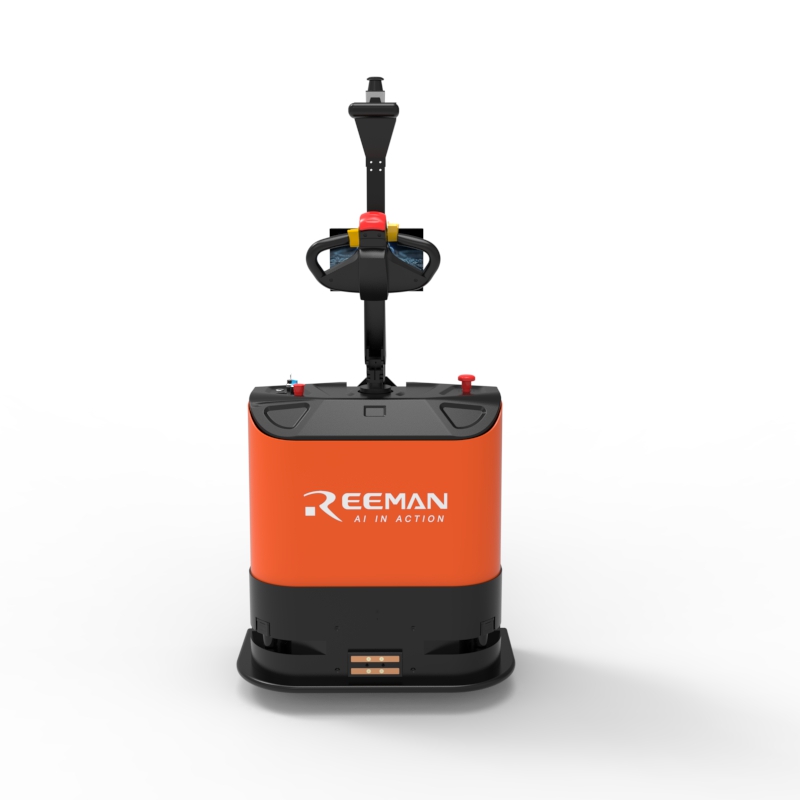
1500kg Laser SLAM Autonomous Forklift AGV Reflector-Free Point-to-Point Warehouse Material Handling
- 1,500 kg load class
- Reflector-free point-to-point transfer
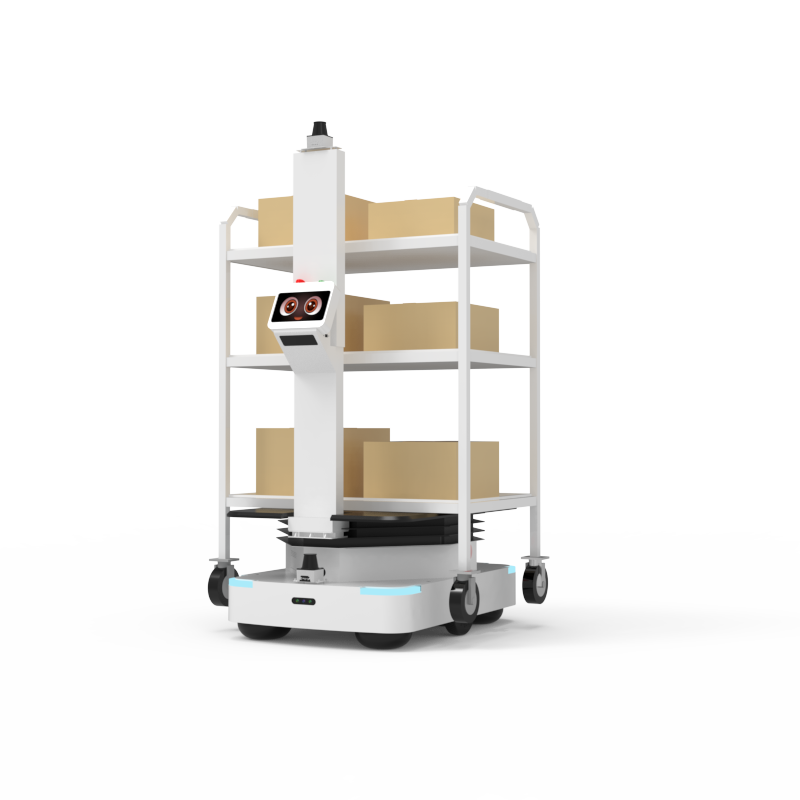
600KG Industrial Heavy Load AMR Robot Laser SLAM Auto Lifting Mobile Platform for in Plant Material Handling
- 600 kg rated payload
- Auto lifting mobile platform
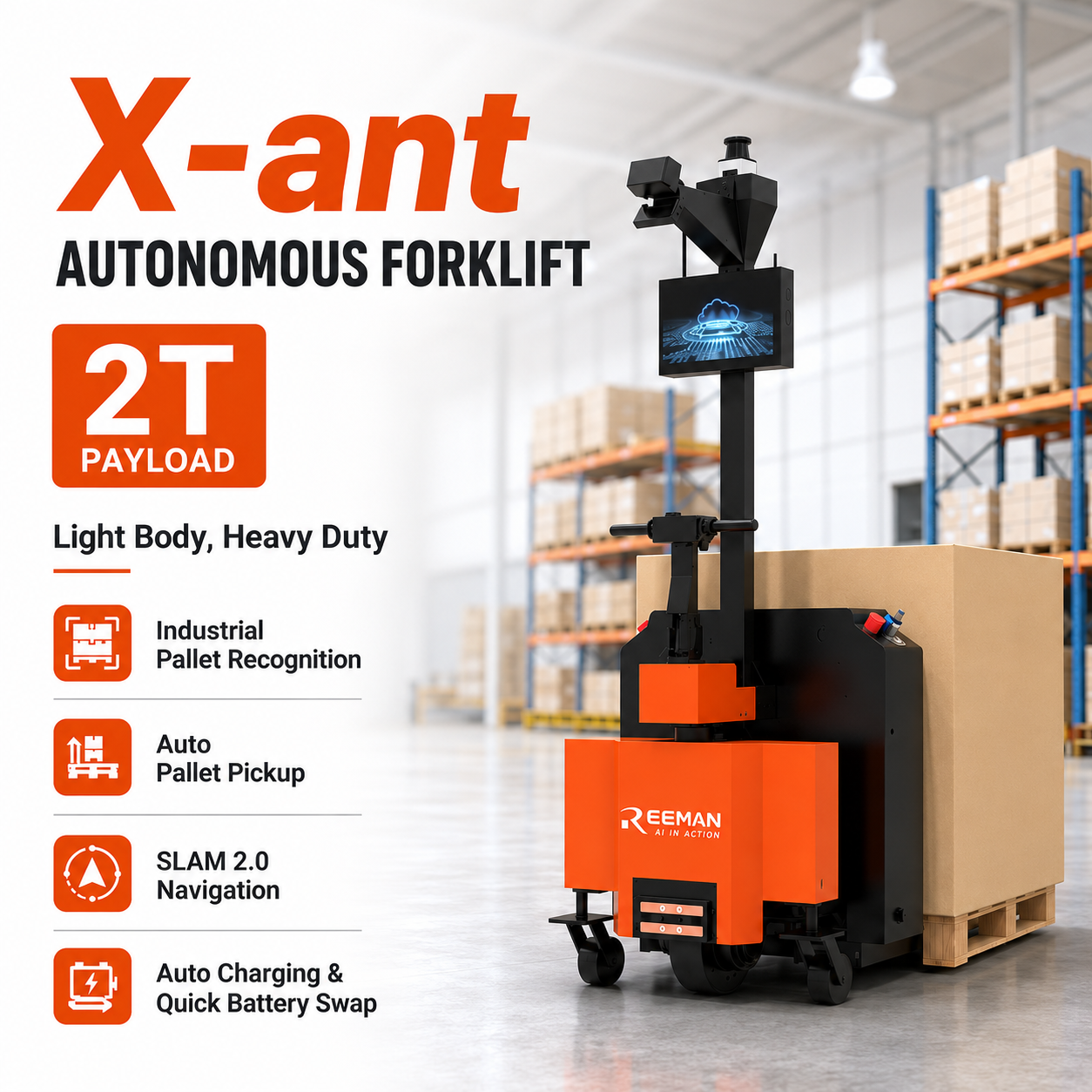
2 Ton Autonomous 4WD AGV Forklift Laser SLAM Navigation Multi-Line LiDAR 3D Obstacle Avoidance Warehouse Handling
- 2 t platform with 4WD traction
- Multi-line LiDAR and 3D avoidance
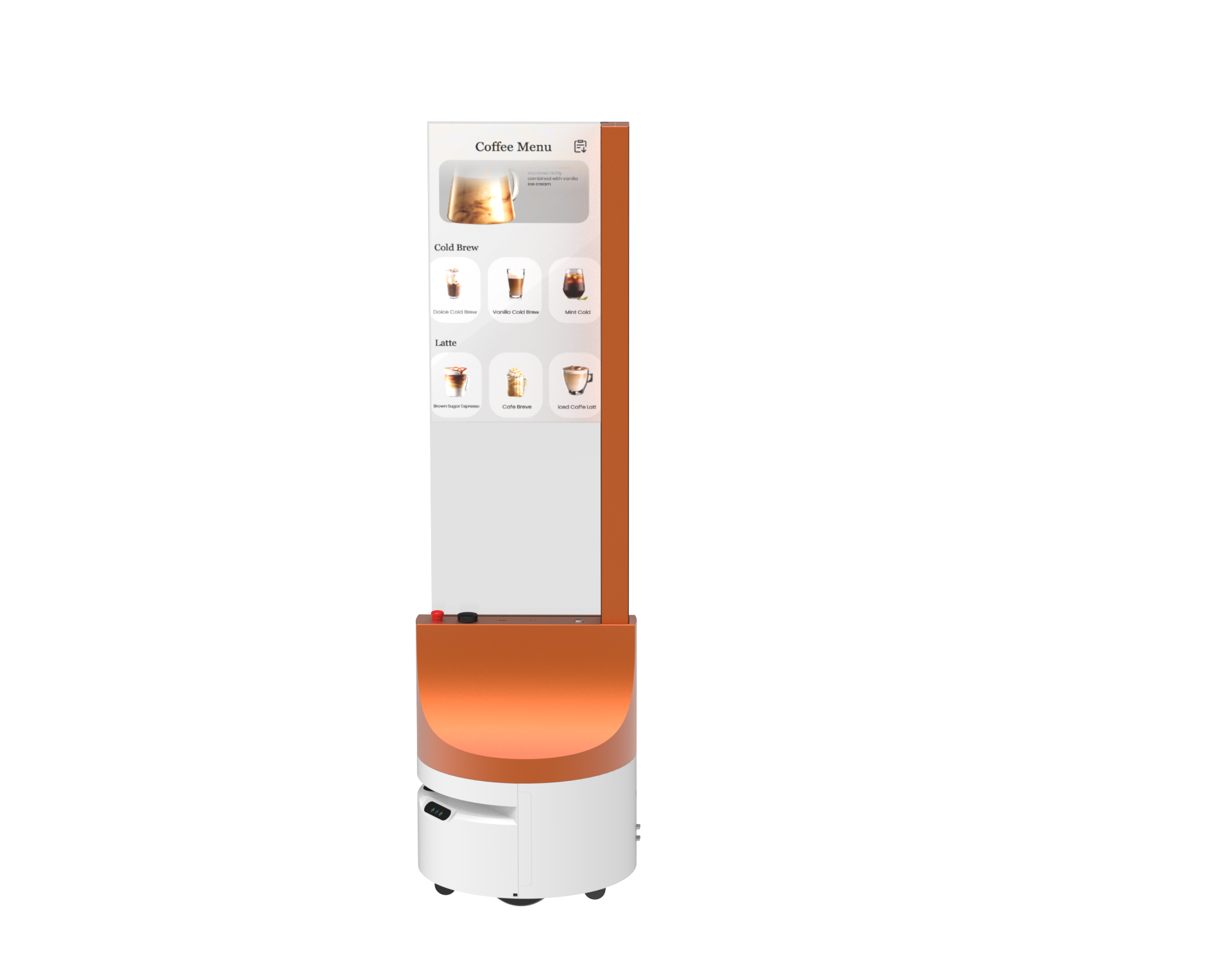
REEMAN 30 Inch OLED Transparent Screen Mobile Advertising Robot 1080 x 1920 FHD 9:16 Wi-Fi App Remote Control
- 30-inch transparent OLED display
- 1080 x 1920 FHD with app control
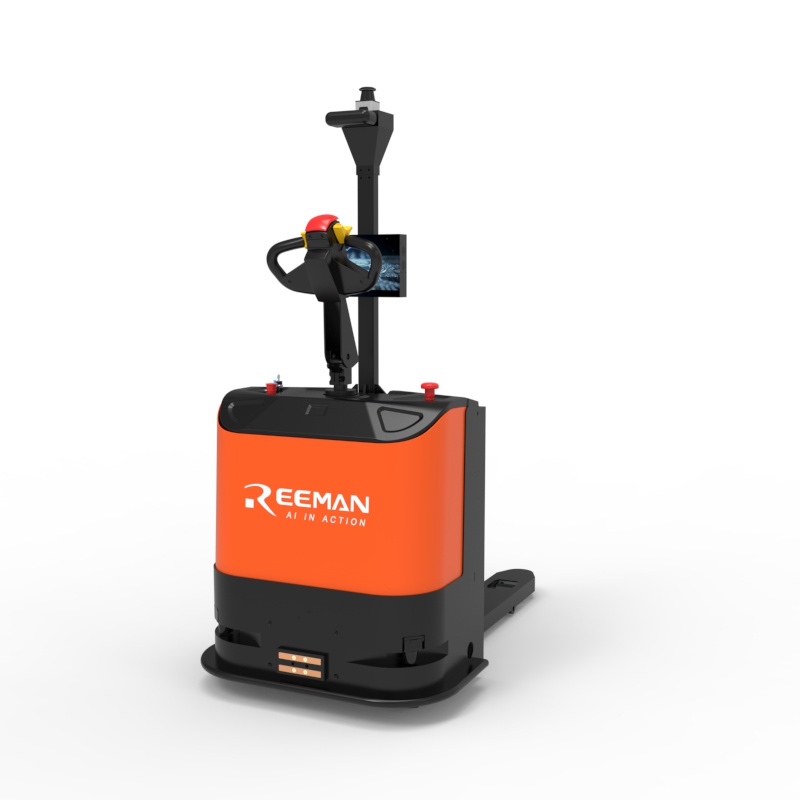
Reeman BBOT30F 1500 kg Laser SLAM Forklift AGV LiDAR Navigation Pallet Handling Warehouse
- 1,500 kg BBOT30F platform
- LiDAR navigation for pallet flow
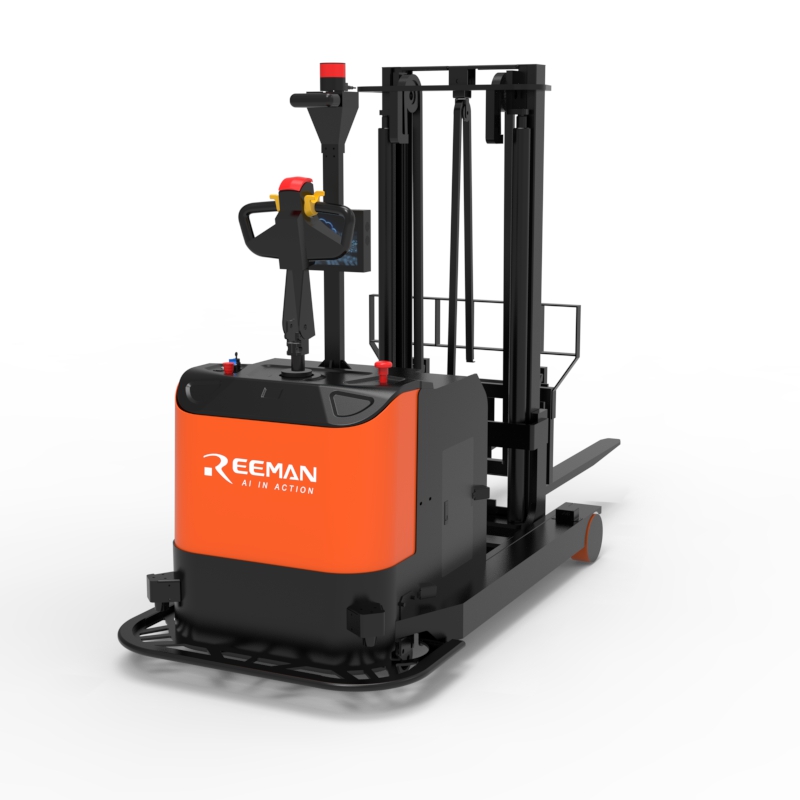
Reeman Autonomous Electric Stacker Forklift 1.2 Ton Li-Ion 48V 30Ah 2500mm Lift Laser Navigation 3m Aisle
- 1.2 t stacker with 2,500 mm lift
- 3 m aisle laser navigation
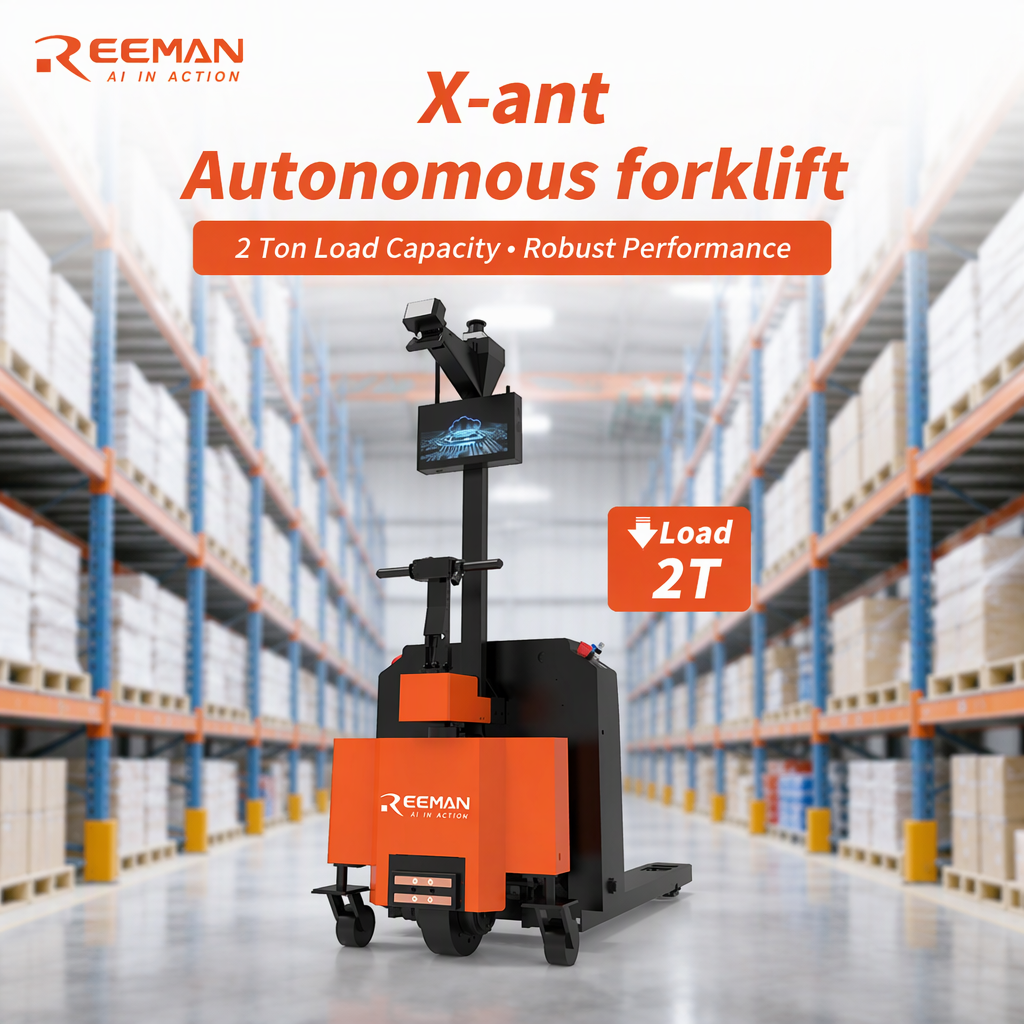
2 Ton Autonomous 4WD AGV Forklift Laser SLAM Navigation Multi-Line LiDAR 10mm Position Accuracy Warehouse Handling
- 10 mm position accuracy target
- Warehouse handling with multi-line LiDAR
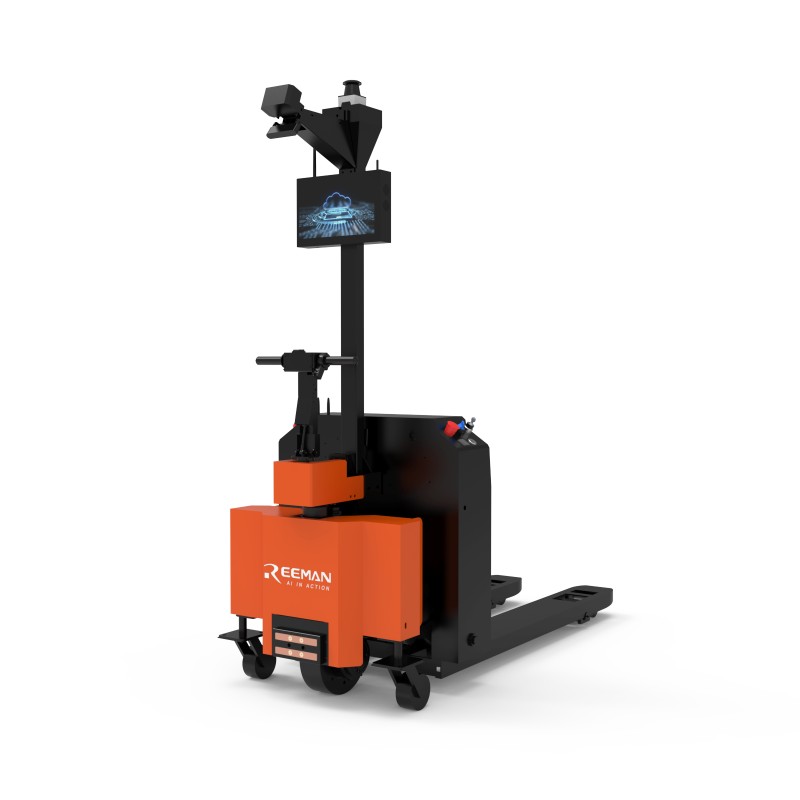
Reeman 2 Ton Autonomous Forklift AGV Laser SLAM Unmanned Pallet Truck 1085mm Fork 10mm Position Accuracy
- 2 t unmanned pallet handling
- 1,085 mm fork with 10 mm accuracy
Match the Robot to the Workflow, Not the Brochure
A practical selection matrix for early-stage feasibility discussions. Load, aisle width, lift height, pallet condition and traffic density should be reviewed together.
| Operational Need | Recommended Starting Point | Why It Fits |
|---|---|---|
| Pallet transfer from dock to storage | 1.5–2 t forklift AGV | Laser SLAM navigation supports point-to-point flow without reflectors or tape, while load capacity covers standard warehouse pallets. |
| In-plant heavy-load platform transfer | 600 kg AMR | Auto lifting platform and open integration make it suitable for line-side replenishment and heavy component movement. |
| Narrow-aisle stacking | 1.2 t autonomous stacker | 2,500 mm lift and 3 m aisle navigation address space-constrained storage and low-rack handling. |
| High-accuracy pallet positioning | 2 t 4WD forklift AGV | Multi-line LiDAR and 10 mm position accuracy targets support repeatable pallet pick-and-drop cycles. |
| Retail, exhibition or reception engagement | OLED advertising robot | Transparent display and mobile navigation combine brand communication with autonomous movement in public spaces. |
Use this matrix for initial scoping only. Final selection should include a site survey, safety review, Wi-Fi assessment, charging strategy and integration specification.
What Enterprise Buyers Will Demand Next
Service robot procurement is becoming more evidence-driven. The following trends are shaping supplier shortlists and contract terms.
Verified Total Cost of Ownership
Buyers will compare robot price against labor availability, downtime risk, energy use, spare-part cost and software integration effort.
Software-First Evaluation
API documentation, task dispatch logic and data visibility will be reviewed before hardware demonstrations.
Fleet Interoperability
Mixed fleets of forklifts, AMRs and service robots will require unified scheduling and clear exception-handling rules.
Safety Evidence Packs
Risk assessments, emergency-stop logic, speed-zone configuration and operator training records will become standard attachments.
Modular Customization
Buyers will prefer platforms that accept new top modules, sensors and battery choices without a complete redesign.
Localized Spares and SLAs
Service-level commitments for critical components, remote diagnostics and response time will influence supplier selection.
Energy and Charging Strategy
Opportunity charging, battery cycle life and charging-station layout will be modeled as part of the automation business case.
Pilot-to-Scale Procurement
Enterprise buyers increasingly start with a bounded pilot, then scale after measuring throughput, uptime and operator acceptance.
Where Service Robot Technology Is Moving Next
The next generation of autonomous service robots will be judged by adaptability, integration depth, safety transparency and lifecycle cost.
Navigation and Perception
Multi-line LiDAR, 3D obstacle avoidance, semantic mapping and edge AI are making robots more capable in dynamic environments. Instead of relying on fixed routes, future systems will classify obstacles, adjust speed zones and recover from blocked paths with less human intervention.
Fleet Intelligence and Digital Twins
Cloud fleet orchestration, digital-twin commissioning and predictive maintenance are moving from premium features to procurement expectations. Buyers want live utilization data, task history, fault alerts and the ability to simulate a layout change before robots are redeployed.
Safety, Energy and Human Factors
Procurement teams now ask for evidence aligned with recognized industrial safety practices, clear emergency-stop design and operator training plans. At the same time, battery strategy, opportunity charging and serviceability are becoming part of the commercial evaluation, not an afterthought.
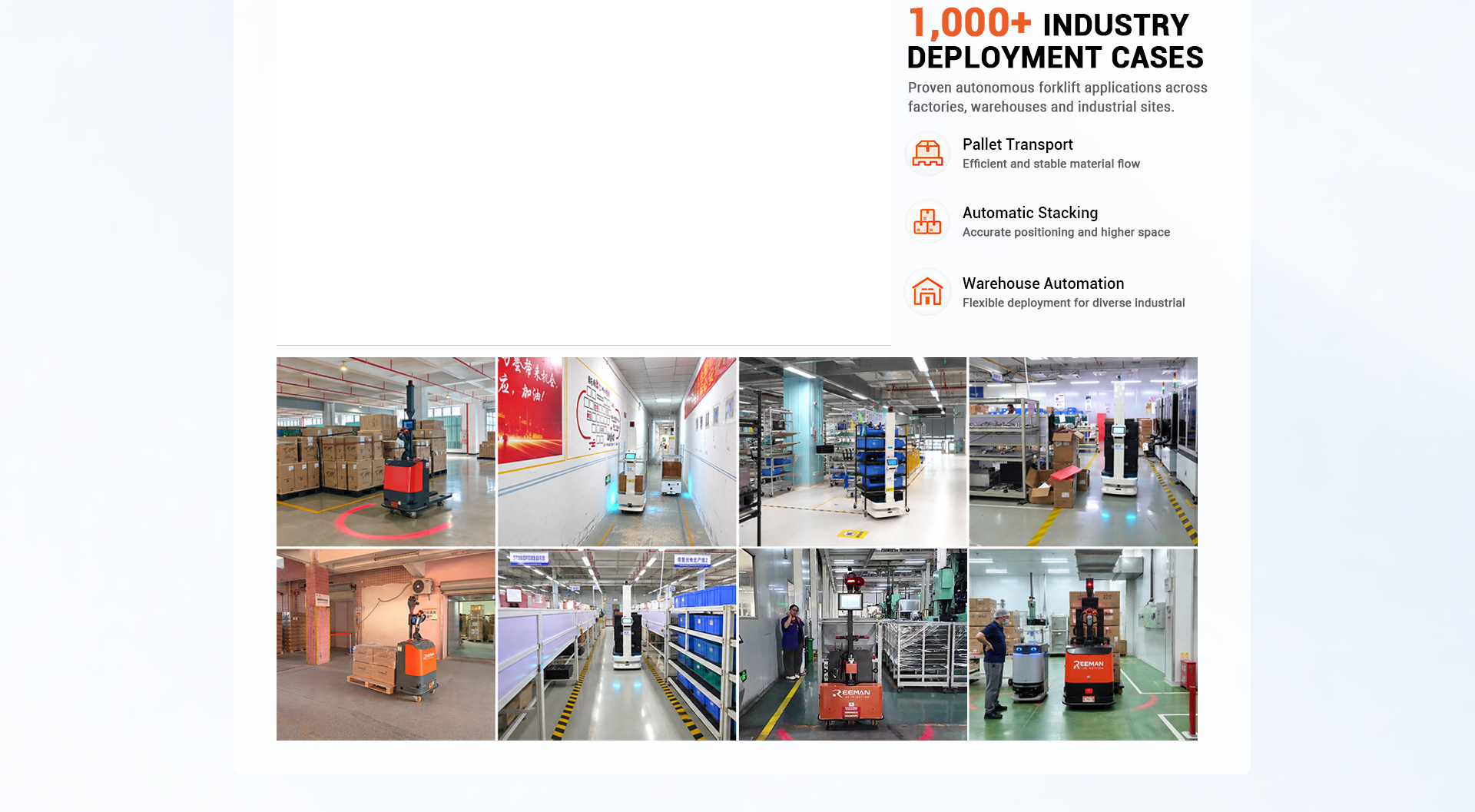
Where Custom Service Robots Create Measurable Value
From pallet flow to public-facing service, the right robot platform reduces repetitive travel, improves task consistency and supports labor redeployment.
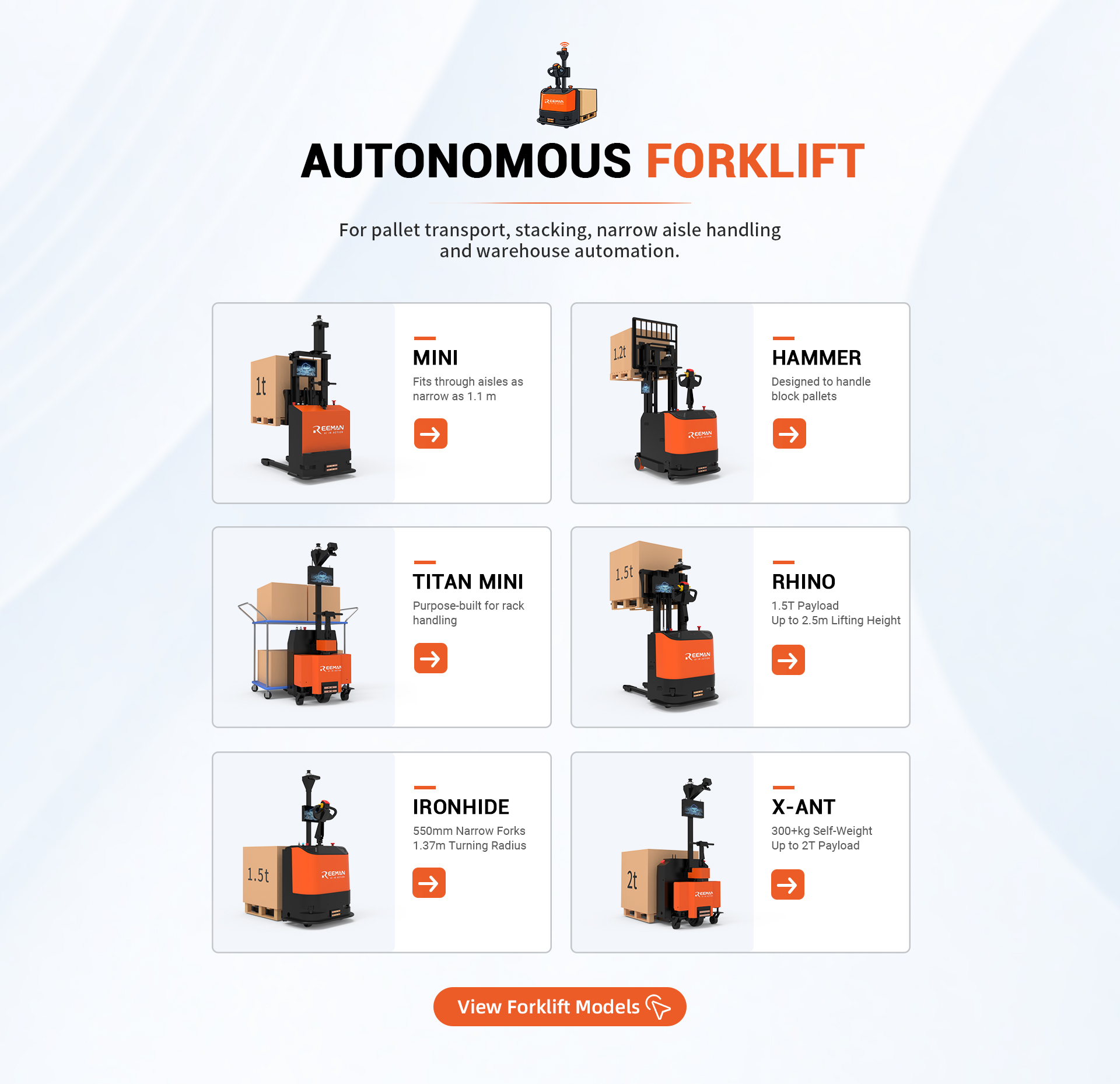
Pallet Flow Automation
Driverless forklifts support receiving, put-away and dock loading with repeatable route execution.
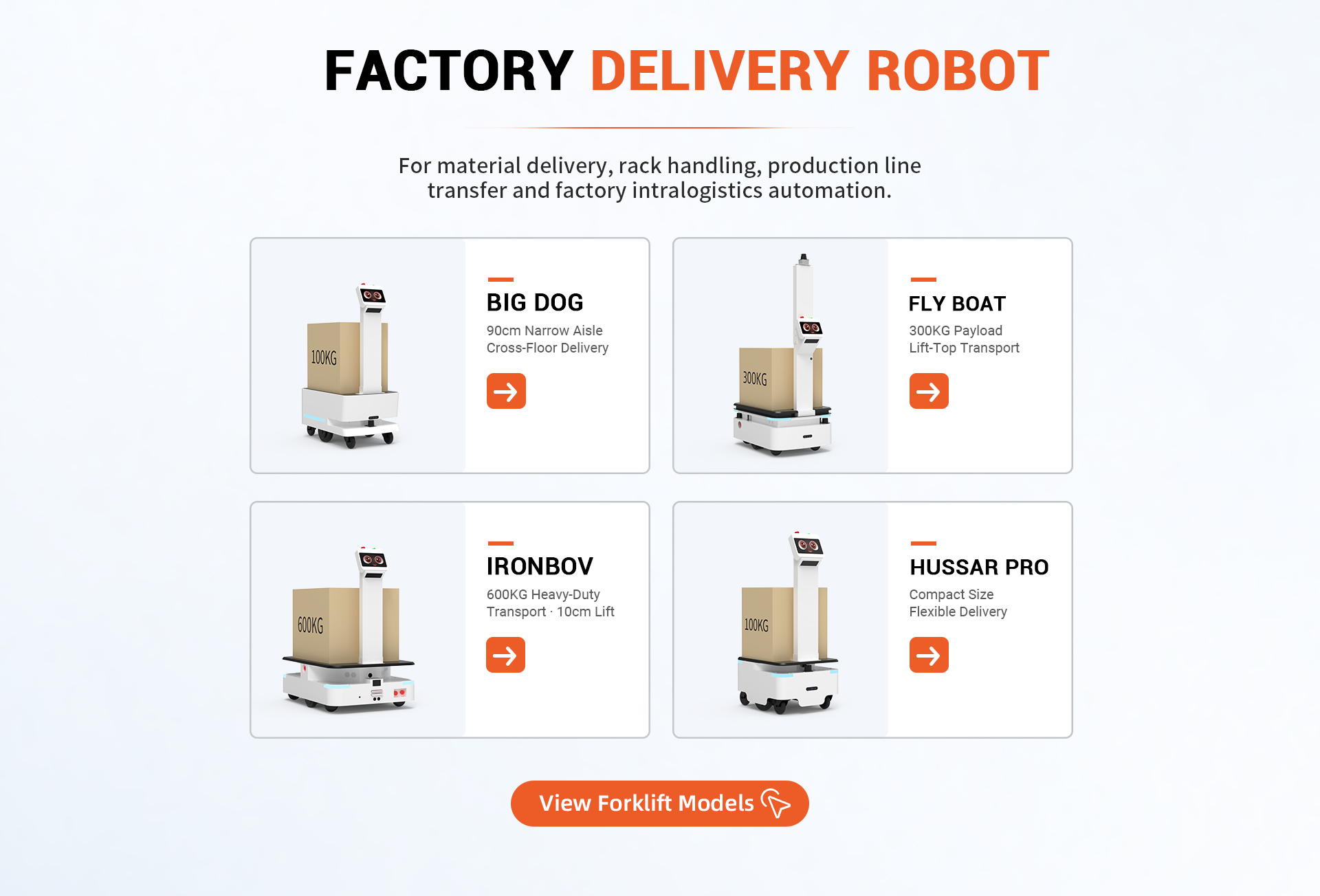
Line-Side Logistics
AMRs feed workstations, collect finished goods and synchronize tasks with MES or custom dispatch systems.
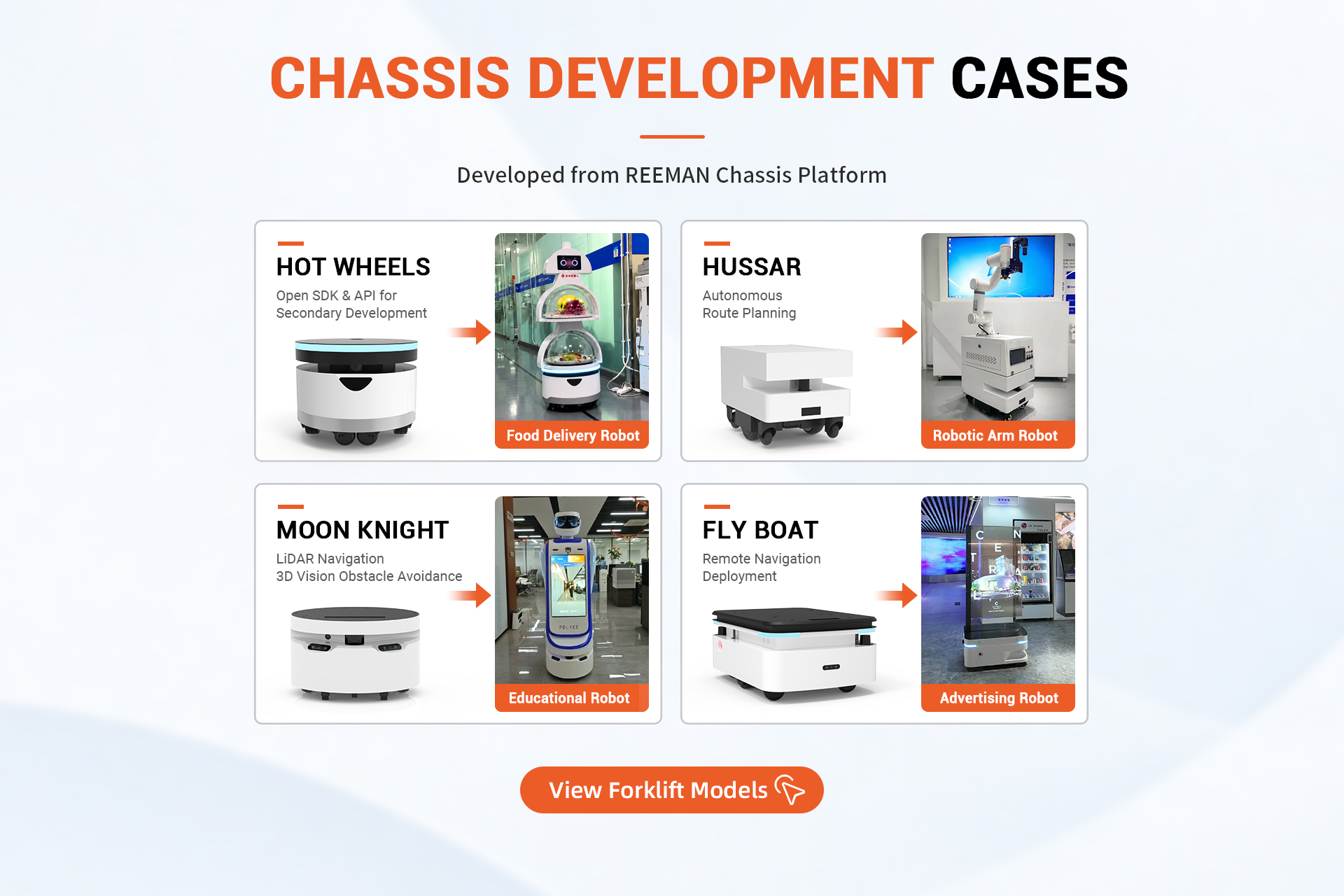
Custom Robot Development
SLAM chassis and open SDK support faster time-to-market for branded robot products and specialized applications.
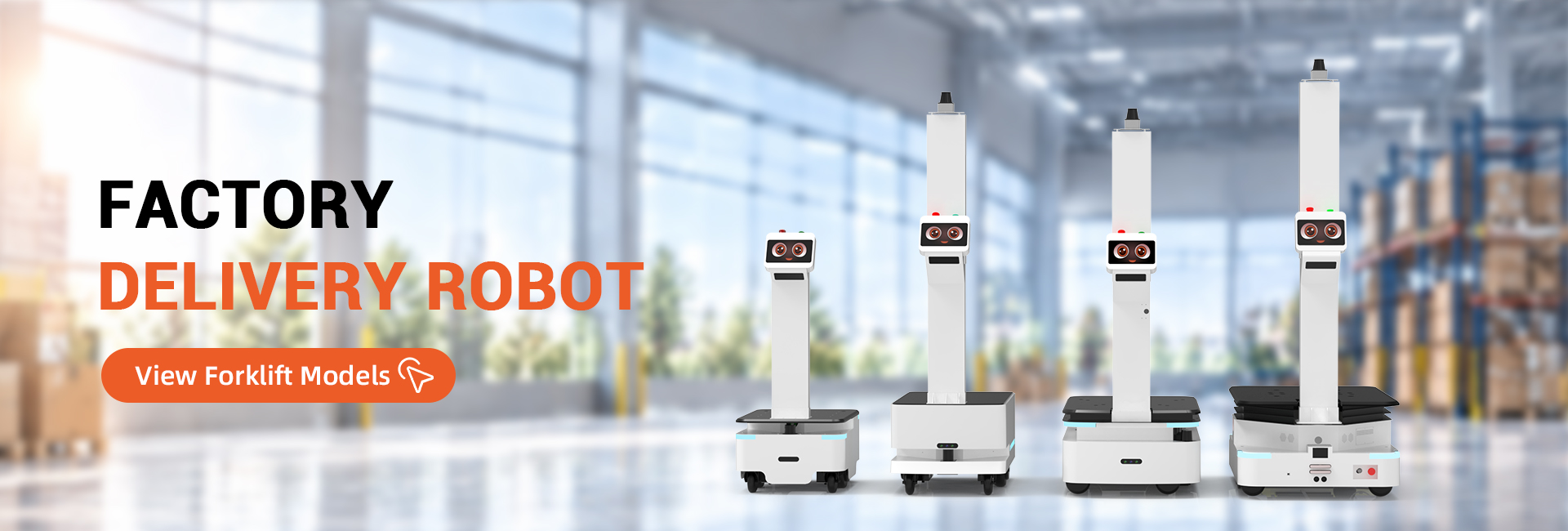
Restaurant & Hotel Delivery
Delivery robots reduce repetitive walking and allow staff to focus on guest experience and service quality.

Cleaning & Disinfection
Autonomous floor care supports scheduled cleaning in malls, airports, hospitals and office environments.
Smart Guidance & Signage
Mobile advertising robots combine AI voice interaction, navigation and transparent display for public engagement.
A Six-Stage Path from Requirement to Scale
Custom robot projects succeed when engineering, procurement and operations teams share a structured review process.
Application Discovery
Share layout drawings, load data, pallet type, aisle width, shift pattern and target throughput. Clarify pain points and operational constraints.
Solution Design
Engineers recommend robot type, fleet size, charging strategy, safety zones and integration scope based on the site review.
Customization & DFM
Top modules, fork dimensions, mast height, battery options, branding and packaging are defined for manufacturing feasibility.
Prototype Validation
Function, load and navigation tests are completed before shipment. Test records and configuration details can be reviewed with the buyer.
Pilot Deployment
Mapping, route tuning, operator training and KPI baselining help the buyer confirm throughput and safety performance.
Scale & Lifecycle Support
Production ramp-up, spare-part planning, remote diagnostics and firmware updates support long-term fleet stability.
Due Diligence Beyond the Product Photo
For export buyers, supplier verification should cover factory capability, management systems, product certification and after-sales readiness.
Shenzhen Elvorn Intelligent Equipment Co., Ltd. operates with a quality-first approach supported by onsite verification from SGS Group, ISO 9001 and ISO 14001 management systems, and model-level CE, FCC or PSE certification where applicable. These are not decorative claims: they help procurement teams reduce compliance risk when importing autonomous robots into regulated markets.
Every custom project should include a documented review of incoming materials, assembly quality, load testing, navigation validation, emergency-stop function and packaging protection. For buyers, the most useful evidence is a clear test record linked to the ordered configuration, together with a spare-parts list and an escalation path for technical support.
Export terms follow FOB, with T/T payment accepted in USD or CNY. Main markets include North America, Western Europe, Eastern Asia, Southeast Asia and the Middle East. English documentation and remote commissioning support help overseas teams adopt the equipment faster and reduce dependence on prolonged onsite visits.






Frequently Asked Questions About Custom OEM Service Robots
These are the questions most often raised during supplier evaluation, feasibility review and export procurement.
What does “Custom OEM Service Robot Suppliers & Exporter” mean in practice?
It means the supplier can manufacture robots under the buyer’s brand, adapt hardware and software for a specific application, prepare export documentation and provide after-sales support. A true OEM partner should be able to discuss payload structure, top modules, navigation configuration, safety logic, packaging and spare parts — not just offer a standard catalogue model.
How do I choose between an autonomous forklift AGV and an AMR?
An autonomous forklift AGV is designed to lift and move pallets between floor, rack, dock and staging positions. An AMR is typically a mobile platform that carries totes, carts, shelves or custom top modules. If the core task is pallet handling, start with a forklift AGV. If the task is line-side replenishment, cart transport or modular payload movement, an AMR platform may be more flexible.
Can Elvorn robots integrate with WMS, MES, ERP or custom software?
Yes. Elvorn AMRs and robot chassis provide an open SDK and API for secondary development. This supports task dispatch, status feedback and integration with warehouse management, manufacturing execution, enterprise resource planning or custom scheduling dashboards. During scoping, buyers should provide the target interface, data fields and exception-handling rules.
What customization options are available for OEM and distributor buyers?
Customization can include top-module design, payload structure, fork dimensions, mast height, battery configuration, branding, packaging and software interface support. Buyer-label and design-service options are available. Engineering feasibility should be confirmed after reviewing the intended application, load, route and target market requirements.
Which certifications and audit evidence support export procurement?
Depending on the model, robots may carry CE, FCC or PSE marks. The company management system is certified to ISO 9001 and ISO 14001, and the factory has passed onsite verification by SGS Group. Buyers should match certificate scope to the exact model and destination market, and keep test records and packaging documentation in the project file.
What information should I prepare for a fast quotation?
Prepare a site layout, aisle width, pallet or load dimensions, required lift height, throughput per hour, shift pattern, floor condition, Wi-Fi coverage, charging location and any integration requirements. Photos or videos of the operating area are also useful. The more accurate the input, the faster the supplier can recommend a suitable robot and estimate fleet size.
How is safety managed in mixed traffic with pedestrians and forklifts?
Safety planning typically combines LiDAR and obstacle sensors, emergency stops, speed limits, route zoning and operating procedures. The buyer should define pedestrian crossings, restricted areas, blind corners and exception scenarios. For export projects, request a documented safety review and operator training plan before deployment.
What trade terms and payment methods are accepted?
Elvorn ships worldwide on FOB terms and accepts T/T payment in USD or CNY. Export markets include North America, Western Europe, Eastern Asia, Southeast Asia and the Middle East. Final terms should be confirmed in the commercial agreement together with packaging, inspection, spare-parts and warranty requirements.
How long does deployment take?
Deployment time depends on the robot model, customization scope, site complexity, integration depth and whether the buyer requires onsite commissioning. A standard project can move through requirement review, solution design, customization, factory testing and remote mapping in stages. A phased pilot is often the most effective way to validate throughput and safety before scaling.
What after-sales support is available for overseas buyers?
Support can include English documentation, remote commissioning, operator training materials, fault diagnostics and spare-part supply. Buyers should agree on response-time expectations, critical spare parts, firmware update procedures and escalation contacts before shipment. For distributors and integrators, training can also cover basic maintenance and first-line troubleshooting.
Request a Custom Robot Feasibility Review
Send your layout, load data and throughput target. Our engineering team will recommend the right autonomous forklift, AMR, robot chassis or service robot configuration for your market and application.
Inquire Now OEM / ODM · Buyer Label · FOB Export · SGS-Verified Factory · ISO 9001 & ISO 14001