8 Product Recommendations for OEM Shopping Mall Robot Programs
These platforms are recommended when a mall project needs proven autonomous movement, back-of-house payload handling or a customizable robot base. Product URLs are preserved; configurations can be adapted for cleaning, delivery, guidance or logistics attachments.

REEMAN Autonomous Electric Forklift 1T Payload 48V 30Ah LiFePO4 Battery Indoor Material Handling AGV
A compact 1-ton autonomous electric forklift for indoor pallet moves, with LiFePO4 power and a small footprint for space-constrained back-of-house areas.
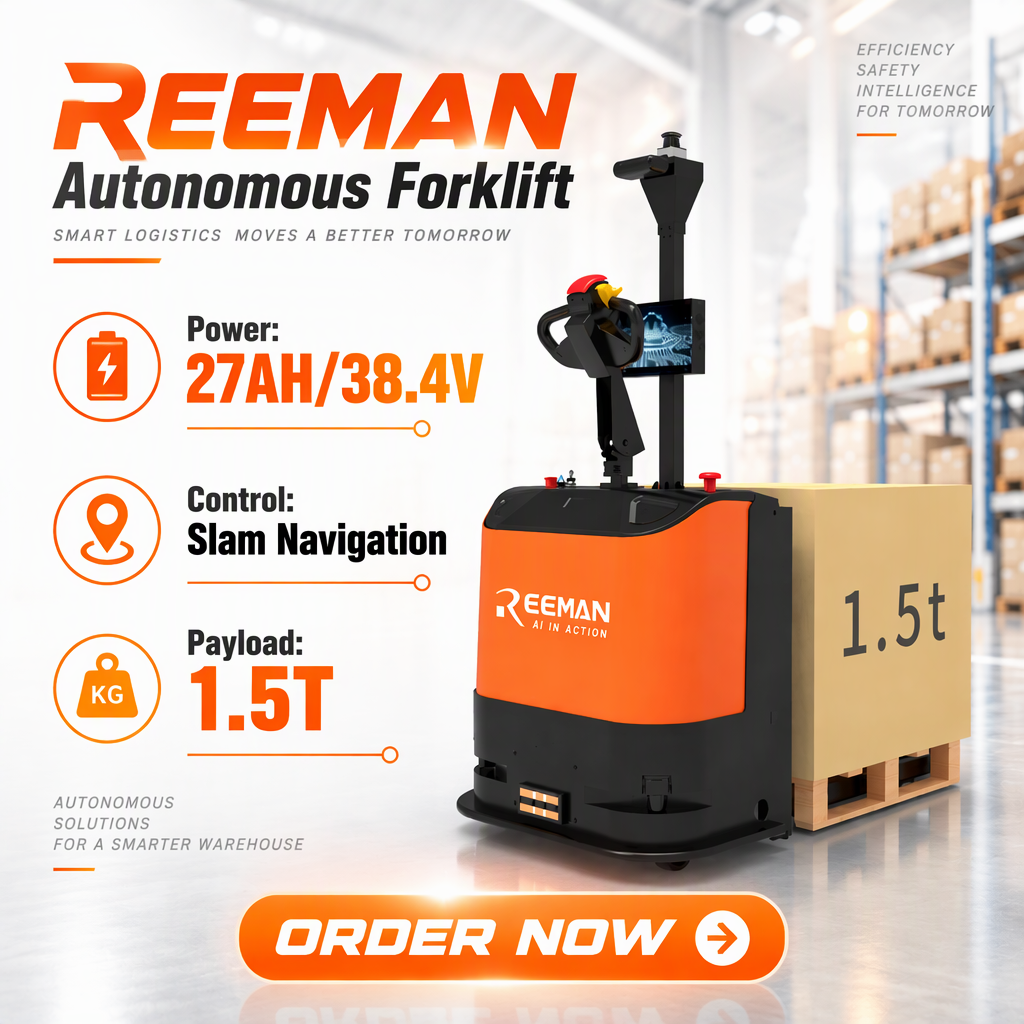
Reeman 1.5 Ton Autonomous Forklift AGV SLAM Navigation 3D Obstacle Avoidance Bidirectional Driving Indoor Warehouse
A 1.5-ton SLAM forklift with 3D obstacle avoidance and bidirectional driving for narrow warehouse aisles, production feeding and high-turnover storage.
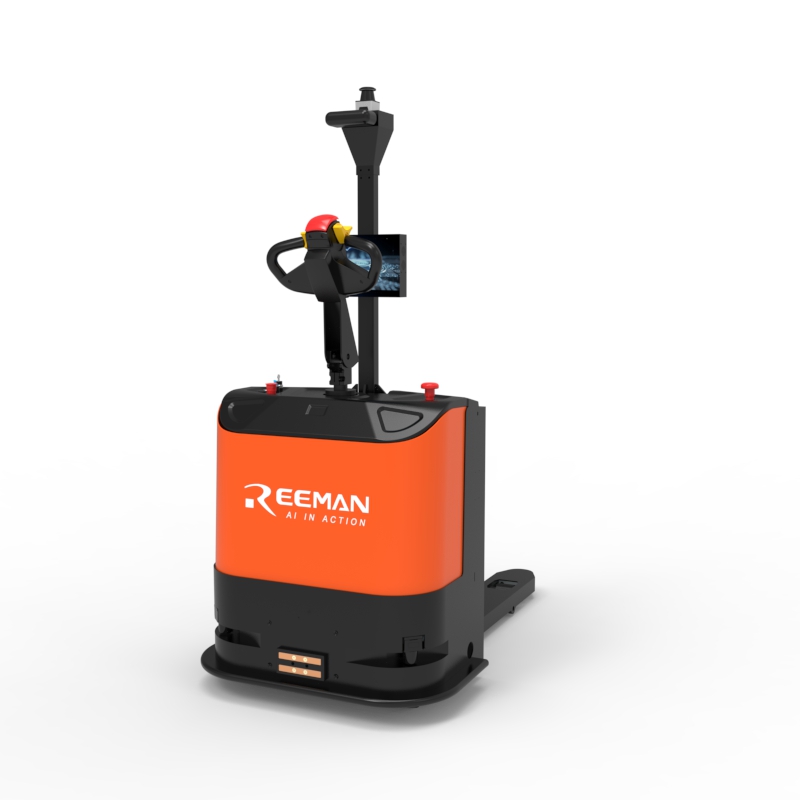
1500kg Laser SLAM AGV Forklift Single Line Lidar 30mm Navigation Accuracy 1019mm Forks 570mm Width Industrial Handling
A 1500kg laser SLAM AGV forklift with single-line LiDAR, 30mm navigation accuracy and 1019mm forks for industrial handling where floor space is tight.
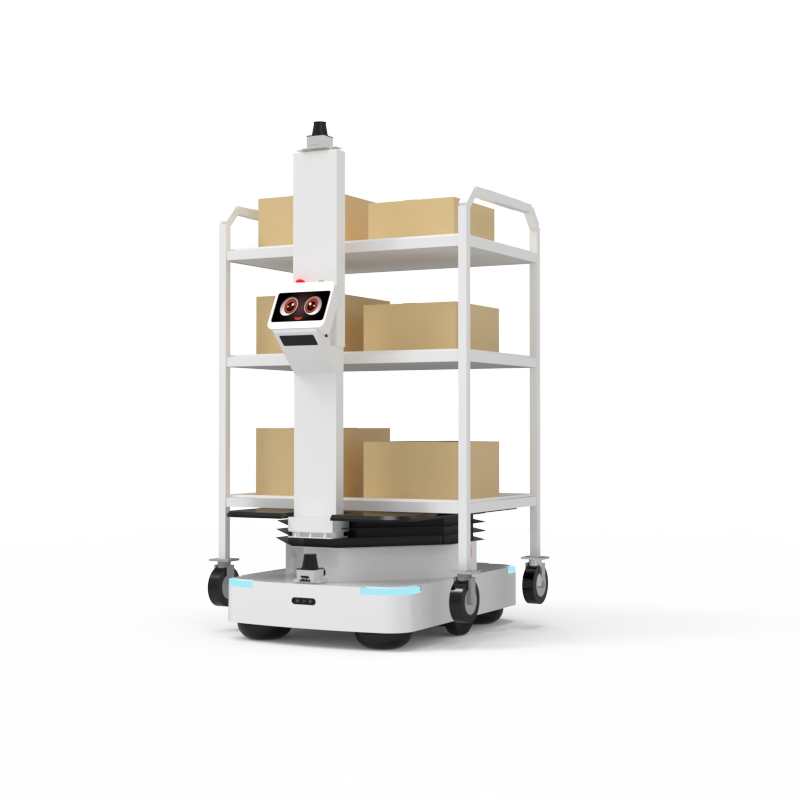
600kg Payload Autonomous AMR Robot Multi Sensor Mobile Material Handling Cart for Production Line
A 600kg multi-sensor AMR cart that moves totes, parts and carts through production lines, with flexible routing for mixed pedestrian environments.
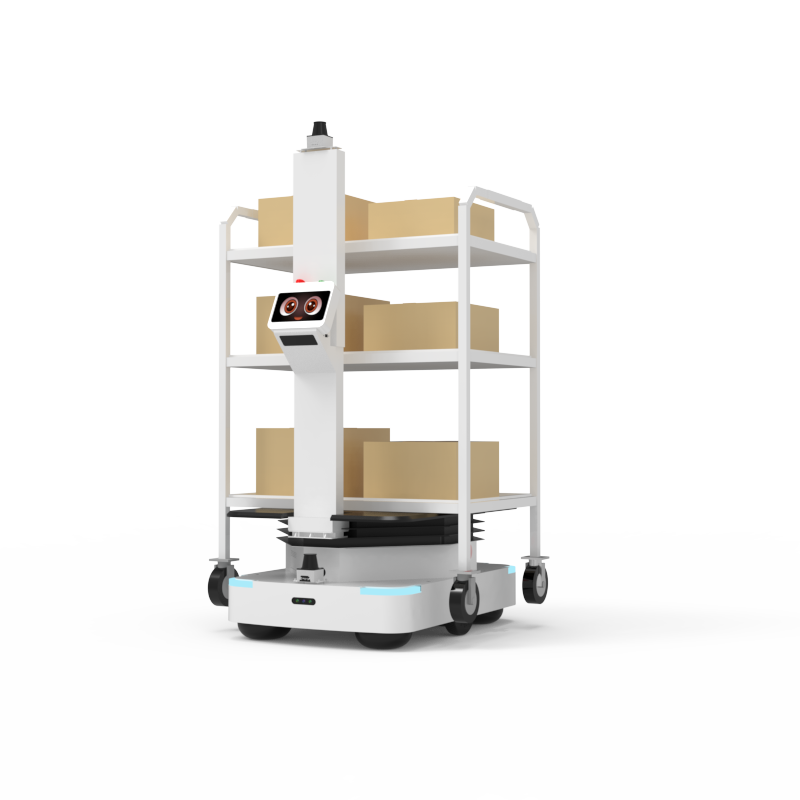
600KG Industrial Heavy Load AMR Robot Laser SLAM Auto Lifting Mobile Platform for in Plant Material Handling
A 600kg heavy-load laser SLAM lifting AMR for in-plant material handling, automatic lifting and stable transport of dense loads.
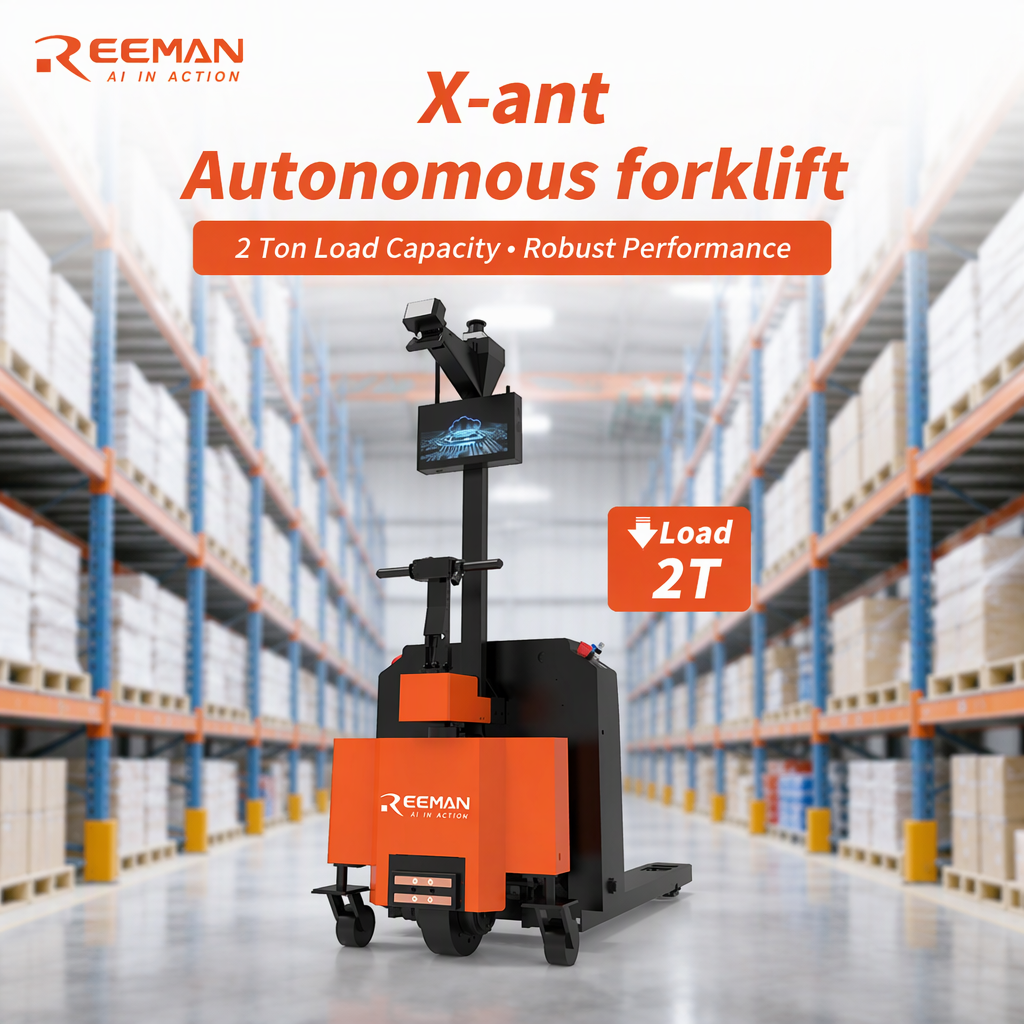
2 Ton Autonomous 4WD AGV Forklift Laser SLAM Navigation Multi-Line LiDAR 10mm Position Accuracy Warehouse Handling
A 2-ton 4WD AGV forklift with multi-line LiDAR and 10mm positioning accuracy, built for demanding warehouse and logistics operations.

Dual Laser AMR 300KG AGV Lifting Mobile Robot with Slam LiDAR Navigation for Manufacturing Plants
A dual-laser 300kg AMR lifting mobile robot with SLAM LiDAR for manufacturing plants, offering precise docking and compact maneuverability.

REEMAN X-ant JBOT20F 2 Ton Autonomous Forklift AGV Laser SLAM Pallet Handling Robot for Warehouse Logistics
The REEMAN X-ant JBOT20F 2-ton autonomous forklift AGV combines laser SLAM and pallet handling for warehouse logistics and high-throughput flows.
Not sure which base fits your mall route? Share your floor plan, payload, cleaning or delivery cycle, elevator interface and target market; our engineers will recommend the right platform and customization scope.
What Does a Custom OEM Shopping Mall Robot Supplier Actually Deliver?
Custom OEM shopping mall robots are no longer novelty hardware. They are mobile robotic platforms that combine navigation, perception, task software, battery management and service access, configured around the real traffic, floor surfaces, elevator interfaces and cleaning or delivery routines of a mall. A serious supplier must do more than sell a catalog model: they must co-define use cases, select the right payload and sensor stack, integrate with building systems where required, protect pedestrians in mixed traffic and support spare parts for the full life of the fleet.
Shenzhen Elvorn Intelligent Equipment Co., Ltd. has focused on that engineering discipline since 2015. Our team designs and manufactures autonomous forklifts, industrial AMRs, robot chassis, commercial delivery robots, cleaning robots and disinfection robots from two production bases in Shenzhen and Ningbo. Across 5,200㎡ of manufacturing and R&D space and a team of more than 200 people, we control laser SLAM navigation, motion control, fleet scheduling, electrical architecture and final assembly. That vertical control is what makes a custom OEM program practical rather than a patchwork of third-party modules.
For buyers, the commercial logic is shifting from “Can a robot do the task?” to “Can this robot fleet reduce cost per clean square meter, per delivery or per pallet move without creating new operational risk?” A mall robot that cannot handle crowded concourses, reflective glass, sudden pedestrian crossings or service-elevator handshakes will not survive a pilot. A forklift AGV that requires magnetic tape or fixed reflectors will struggle when a tenant fit-out changes the aisle layout. This is why Elvorn builds on multi-sensor laser SLAM, modular payload platforms and an open SDK/API.
This guide is prepared by the Elvorn OEM robotics engineering team. The company holds 39 patents, operates two production bases in Shenzhen and Ningbo, and has been onsite verified by SGS Group. Management systems are certified to ISO 9001 and ISO 14001; individual models carry CE, FCC or PSE marks. Elvorn exports to North America, Western Europe, Eastern Asia, Southeast Asia and the Middle East on FOB terms with T/T payment in USD or CNY.

Typical technical weighting for an OEM mall robot project
Project-specificCompany data as presented by Elvorn; factory capability verified onsite by independent inspector SGS Group.
Procurement Trends Reshaping Mall Robot Purchases
The buying committee for a shopping mall robot fleet now includes operations, IT, safety, finance and ESG. These four shifts explain why OEM evaluation is becoming more technical and more evidence-based.
From sticker price to TCO per task
Procurement teams increasingly compare verified cost per clean square meter, delivery run or pallet move after charging, maintenance, spare parts and software support are included. A low purchase price can hide expensive integration or downtime later.
API-first integration with building systems
Mall robots must exchange tasks and status with elevators, access control, cleaning schedules, ERP/WMS records and service dashboards. Open SDK/API and clear data ownership are now shortlisted requirements, not optional extras.
Modular OEM platforms and buyer-label programs
Instead of starting from a blank sheet, buyers want a proven navigation and drive base with configurable top modules, branding, packaging and market-specific compliance. This shortens development time and lowers validation risk.
Safety, compliance and service continuity
Lidar, obstacle sensors, emergency stops and speed zoning must be matched by documentation, operator training and long-term spare-part supply. CE, FCC, PSE, ISO 9001 and ISO 14001 evidence is increasingly reviewed before a pilot begins.
Product Development Trends Buyers Should Track
The next generation of mall robots will be judged less on a single demo and more on uptime, integration speed, safety evidence and lifecycle cost.
Semantic SLAM and 3D perception
Modern platforms combine LiDAR, depth cameras and sensor fusion so robots can understand people, glass, glass doors, temporary displays and narrow service corridors. The result is fewer emergency stops and more confident navigation in public spaces.
Battery strategy and opportunity charging
LiFePO4 battery packs, intelligent charging and opportunity charging reduce downtime. Buyers should verify battery cycle life, charging strategy and spare-battery availability against shift patterns rather than accepting a generic runtime claim.
Edge AI and fleet orchestration
Robots are becoming nodes in a managed fleet. Task allocation, route optimization, charging rotation and utilization reporting are moving to fleet software. An open API and clear data model protect the buyer’s ability to integrate with future building systems.
Human-centered safety and serviceability
Safety is no longer only an emergency-stop function. It includes predictable behavior around children, crowds and temporary obstacles, plus service access that lets local technicians replace modules without specialized tooling.
Where OEM Mall Robots Create Measurable Value
A shopping mall is a mixed-use operation: public circulation areas, tenant deliveries, cleaning schedules, waste routes and back-of-house storage all interact. OEM platforms should be selected by workflow, not by appearance alone.

Floor care on predictable routes
Autonomous sweep, mop and disinfection routes help facility teams cover large public areas while staff focus on detail work, restrooms and tenant requests.
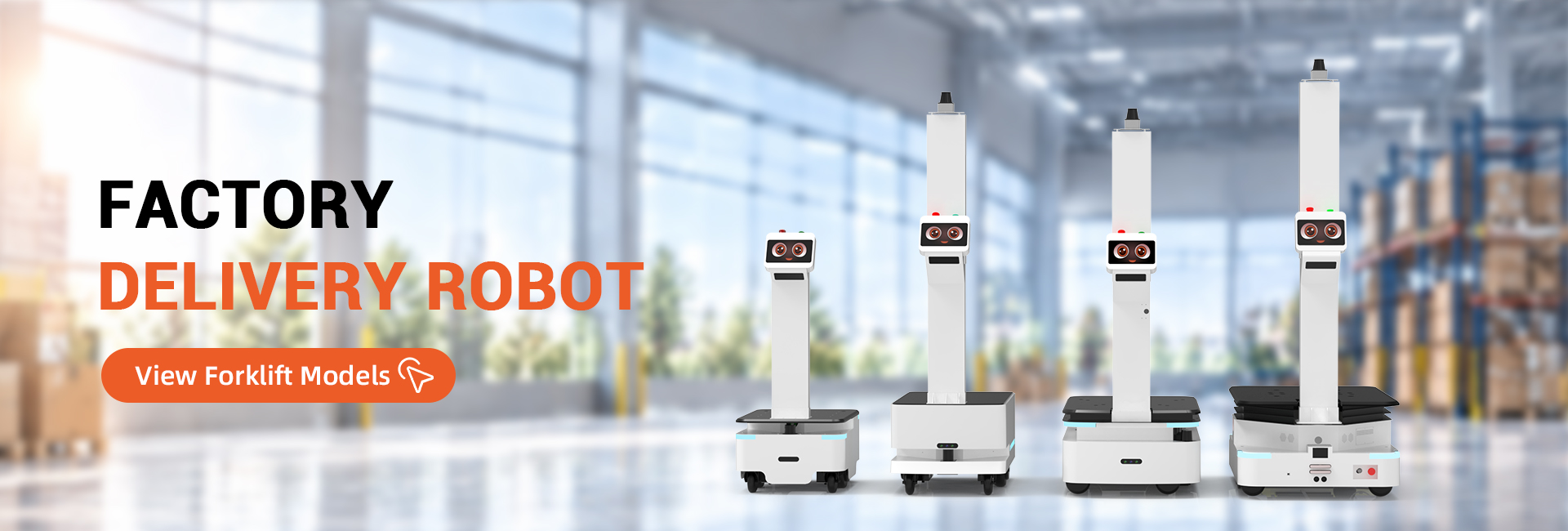
Food, parcels and guest items
Delivery robots can support restaurants, hotels and guest services, reducing repeated walking tasks while keeping a visible, controlled service experience.
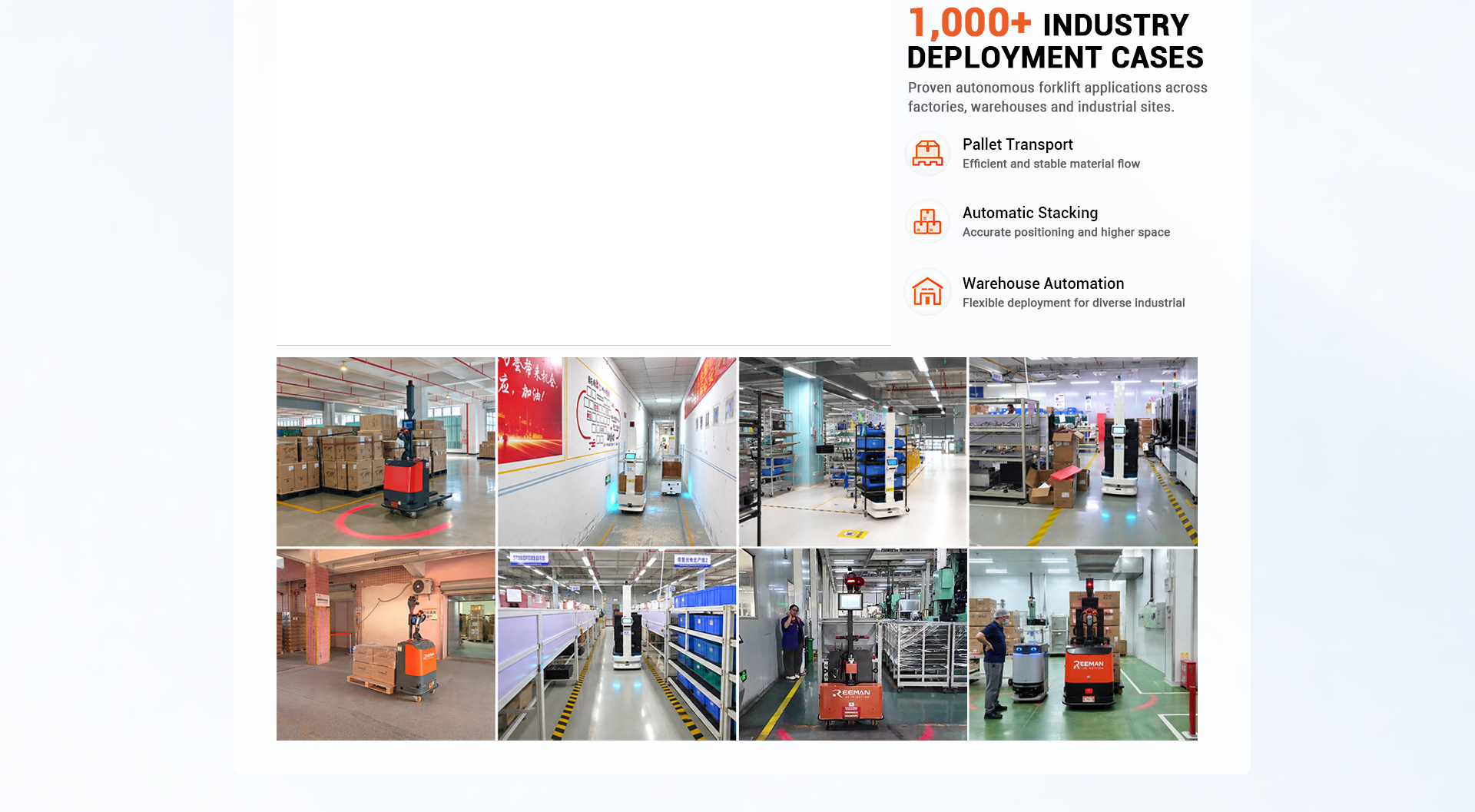
Interactive brand and wayfinding
Mobile advertising and reception robots with voice interaction can guide visitors, promote tenant campaigns and collect non-sensitive engagement data.
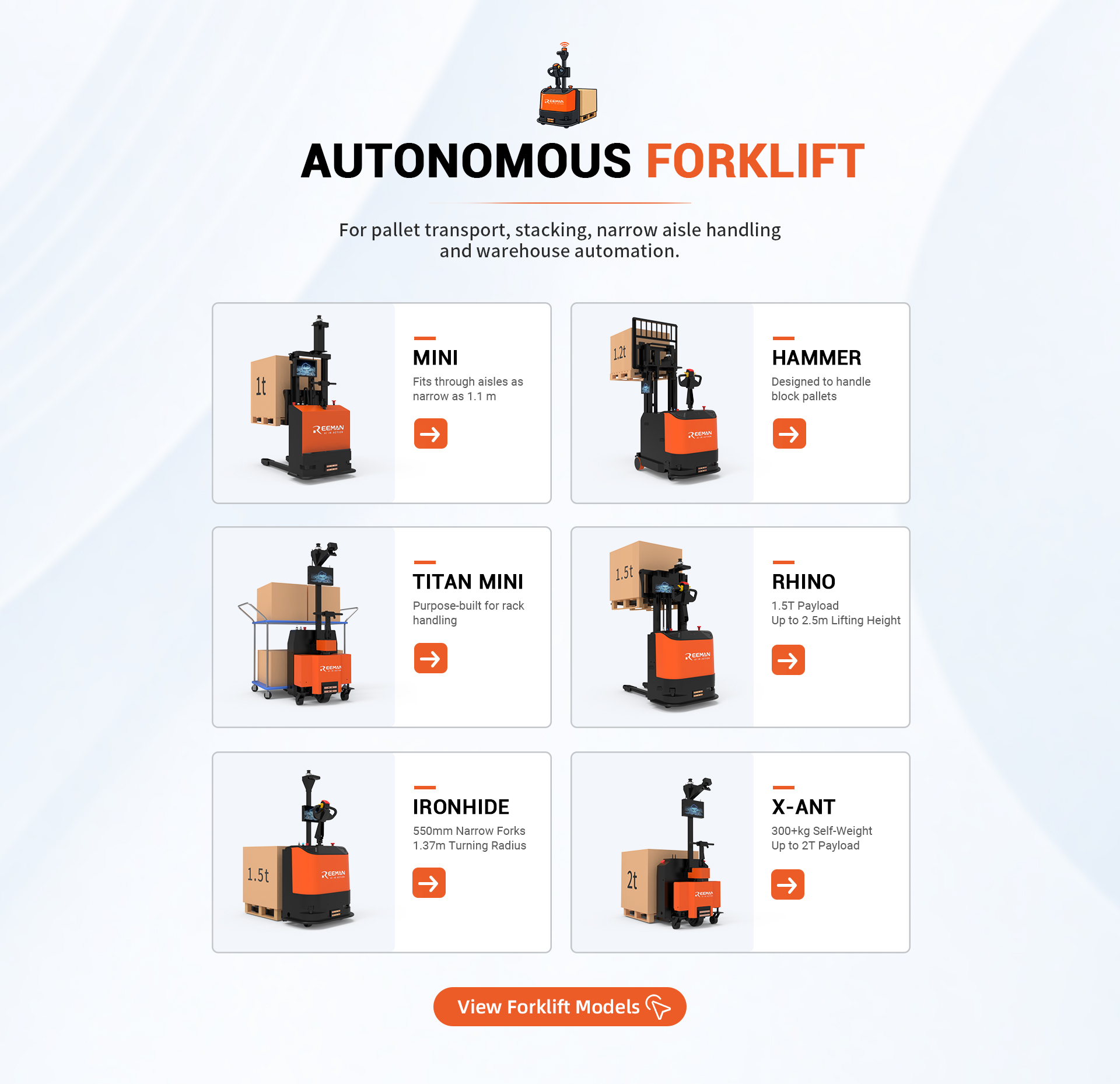
Pallet and cart movement
Autonomous forklifts and AMRs can move pallets, carts and supplies between loading docks, storage rooms and service corridors with fewer manual trips.
Why Elvorn Is a Practical OEM Partner
For distributors, integrators and mall operators, the right supplier reduces technical uncertainty and protects the project after installation.
Full-stack robotics engineering
Elvorn controls navigation, motion control, fleet scheduling, electrical architecture and final assembly. Buyers get faster customization and fewer handoff problems between software and hardware vendors.
Laser SLAM without tape or reflectors
Laser SLAM maps the site and supports route changes without magnetic tape, QR codes or fixed reflectors. That matters when a mall refresh, tenant fit-out or seasonal display changes the environment.
Open SDK and API integration
AMRs and robot chassis provide an open SDK and API for secondary development. Integrators can connect task dispatch and status feedback to WMS, MES, ERP, elevators and custom dashboards.
Modular payload and chassis platforms
From 60kg delivery robots to 2-ton autonomous forklifts, modular platforms share control architecture. OEM buyers can add cleaning, delivery, lifting or advertising top modules without redesigning the drive base.
Multi-layer safety by design
LiDAR, obstacle sensors, emergency stops and speed zoning support safe operation around pedestrians, forklifts and racking. Final safety configuration is matched to the site layout and operating rules.
Export-ready production and support
English documentation, remote commissioning and spare-part supply support buyers in North America, Western Europe, Eastern Asia, Southeast Asia and the Middle East. OEM, design service and buyer-label options are available.
Factory, Quality and Compliance Evidence
Due diligence should be visible. Elvorn’s manufacturing, management-system and product-compliance evidence is part of the OEM evaluation package.



Audited manufacturing, export-ready documentation
Our factory has passed onsite verification by SGS Group, covering business licensing, production capability and quality control. Management systems are certified to ISO 9001 and ISO 14001, while individual robot models carry CE, FCC or PSE marks for target markets. Every unit undergoes functional and load testing before shipment, and third-party assessment reports can support buyer due diligence.
- SGS Group onsite verification
- ISO 9001 quality management
- ISO 14001 environmental management
- CE, FCC or PSE marks by model
- OEM, design service and buyer-label options
- FOB shipment, T/T in USD or CNY
From Brief to Fleet: A Five-Step OEM Delivery Process
A disciplined process reduces deployment risk for overseas buyers and gives engineering, procurement and operations teams clear checkpoints.
Requirement review
Share layout drawings, load data, pallet or cart type, cleaning routes, elevator interfaces and target throughput.
Solution design
Engineers recommend models, fleet size, charging plan, safety configuration and integration scope.
Customization and build
OEM branding, top modules, software interfaces and market-specific configuration are built to specification.
Factory testing
Function and load tests are completed before shipment, with test records available for buyer review.
Deploy and support
Remote mapping, operator training, documentation and long-term spare-part supply support the installed fleet.
Shopping Mall Robot OEM Procurement FAQ
Answers to the questions most often raised by procurement teams, integrators and mall operators evaluating a custom robot program.
What is a custom OEM shopping mall robot, and how is it configured?
Which robot types fit a shopping mall environment?
What is the difference between an AGV forklift and an AMR?
Can Elvorn robots integrate with WMS, MES, ERP or building systems?
Does Elvorn offer OEM and ODM customization?
Which certifications do Elvorn robots carry?
What trade terms, payment currencies and export markets does Elvorn support?
How should a buyer evaluate TCO and pilot success before scaling?
Build Your Next Mall Robot Fleet with a Verified OEM Manufacturer
Share your floor plan, payload, cleaning or delivery cycle, target market and certification needs. Our engineers will reply with a configuration recommendation, integration checklist and next-step proposal.
OEM/ODM · Laser SLAM · Open SDK/API · SGS-verified factory · ISO 9001 / ISO 14001