Supplier Evaluation Briefing
What Wholesale Buyers Should Verify Before Signing an OEM/ODM Agreement
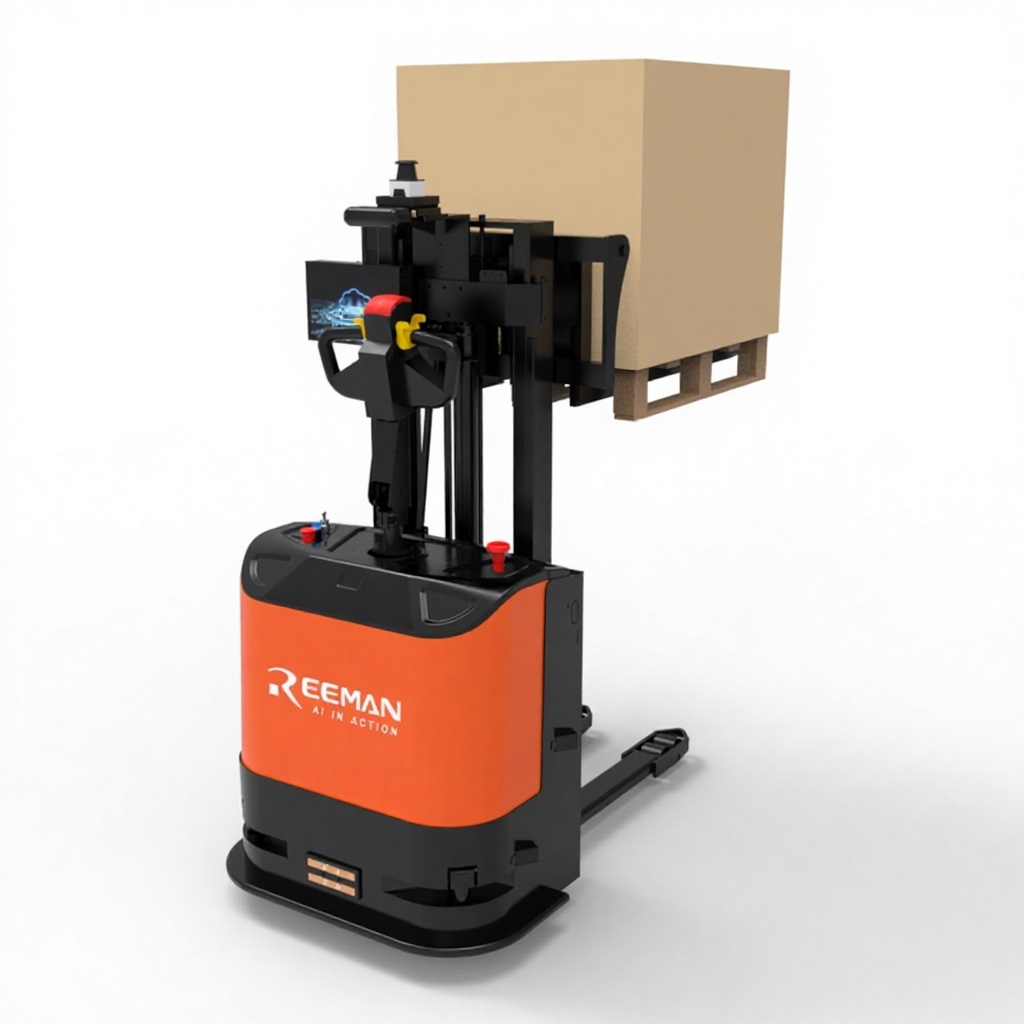
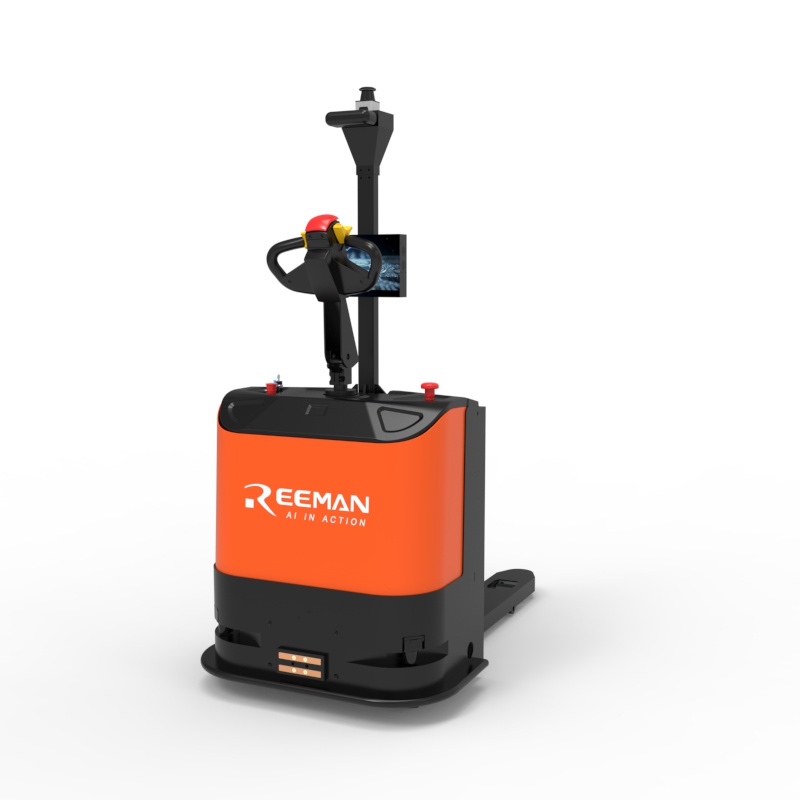
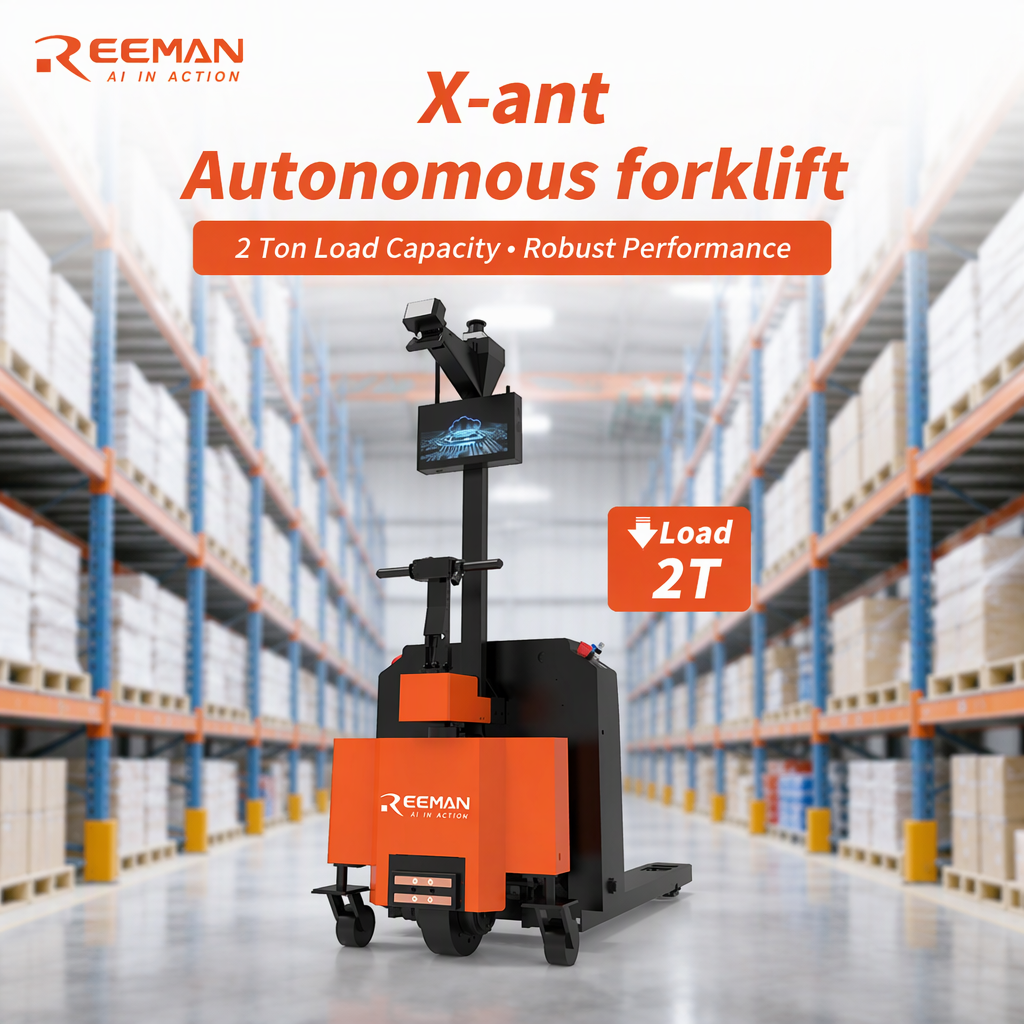
Autonomous mobile robots have moved out of the pilot budget and into framework purchasing. For distributors, system integrators and private-label operators, the evaluation question is no longer “is there an autonomous forklift with laser SLAM navigation?” — it is “which OEM/ODM partner can deliver it across a three-year framework at a predictable cost, and keep supporting it as our warehouse management stack evolves?”
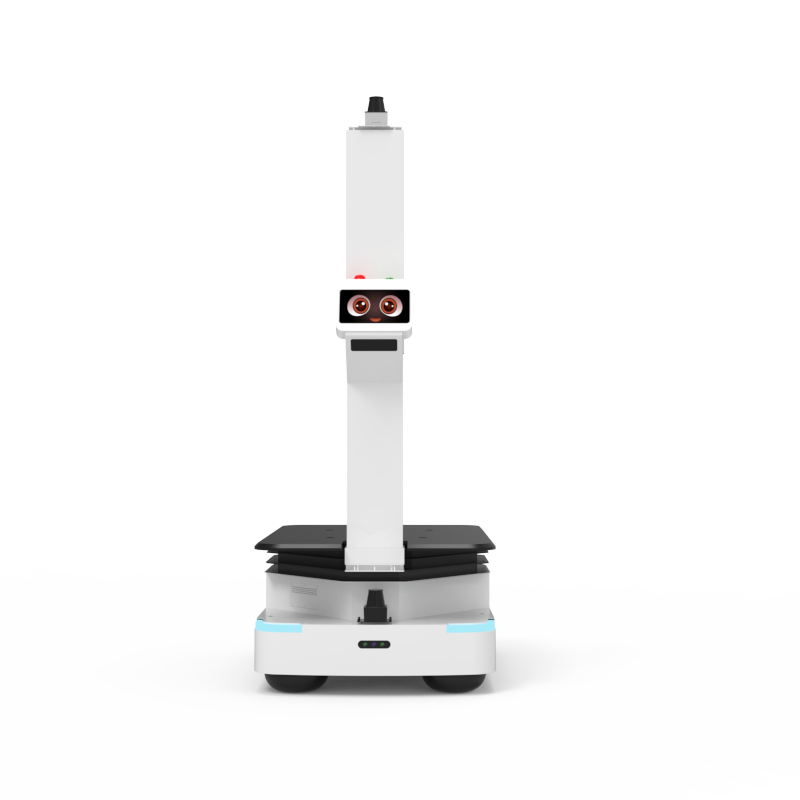
Elvorn was built to answer that question. Since 2015, Shenzhen Elvorn Intelligent Equipment Co., Ltd. has manufactured autonomous forklifts, industrial AMRs, robot chassis and commercial service robots in its own plants in Shenzhen and Ningbo. Because laser SLAM navigation, motion control, fleet scheduling and hardware structure are developed by an in-house engineering team, customisation follows an engineering path rather than a procurement path. There is no layer of middlemen, no rebadged resale product, and no opaque bill of materials to work around.
What follows is the information a procurement team typically needs to move a supplier from long-list to contract: the platform range, the product and purchasing trends reshaping this category through 2030, the qualification criteria that separate a real factory from a trading desk, and the questions wholesale buyers ask most often in the first RFQ round.