OEM/ODM Mobile Robot Platform Manufacturer & Factories
Engineer-led production of laser SLAM autonomous forklifts, heavy-load AMRs, robot chassis and material handling platforms — supported by two factories, open SDK/API integration, CE/FCC/PSE-ready models and export documentation for global buyers.
Recommended Mobile Robot Platforms for OEM/ODM Programs
The eight platforms below cover the most common buying intents: heavy-load in-plant transport, pallet handling, autonomous stacking, ROS2 development, warehouse logistics and production-line feeding. For OEM/ODM buyers, each platform can be evaluated as a base for custom top modules, fleet software, branding, packaging and after-sales configuration.
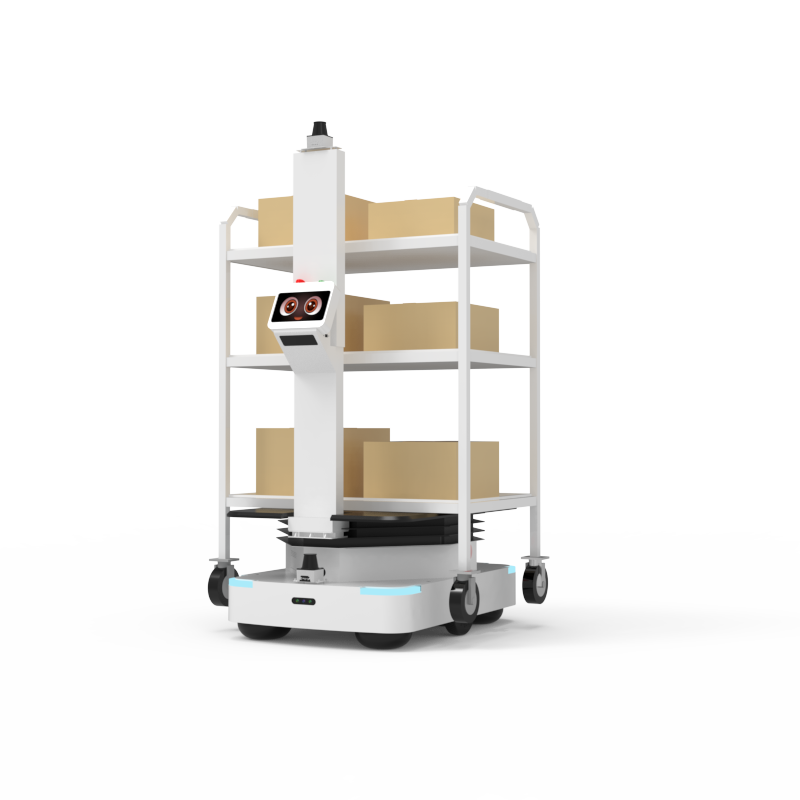 600 KG
600KG Industrial Heavy Load AMR Robot Laser SLAM Auto Lifting Mobile Platform for in Plant Material Handling
Recommended for heavy WIP, die and mold movement, and in-plant material handling where a stable low-profile platform with automatic lifting is more practical than a forklift mast.
- 600 kg heavy-load platform
- Automatic lifting for plant transfer
- Custom top-module potential
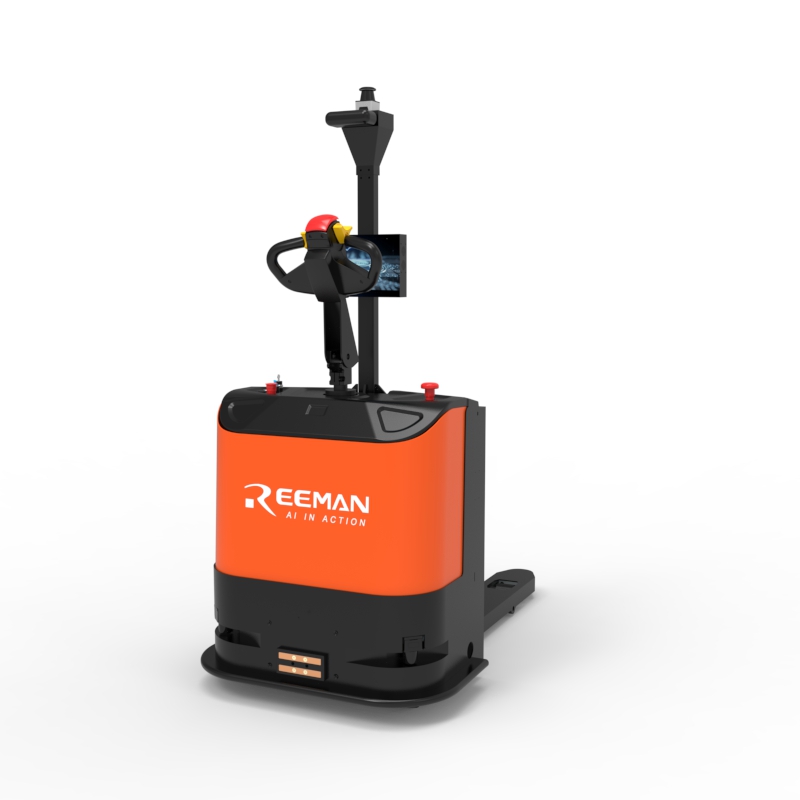 CE
CE Certified 1500kg Driverless AGV Forklift Laser SLAM Navigation Automatic Pallet Loading Unloading Robot 1-2H Working Time
Suited to repetitive pallet loading and unloading. Buyers should compare working time and charging windows against shift patterns; for multi-shift operations, opportunity charging or battery exchange must be part of the RFQ.
- 1,500 kg rated handling
- CE-oriented export configuration
- Automatic pallet load and unload
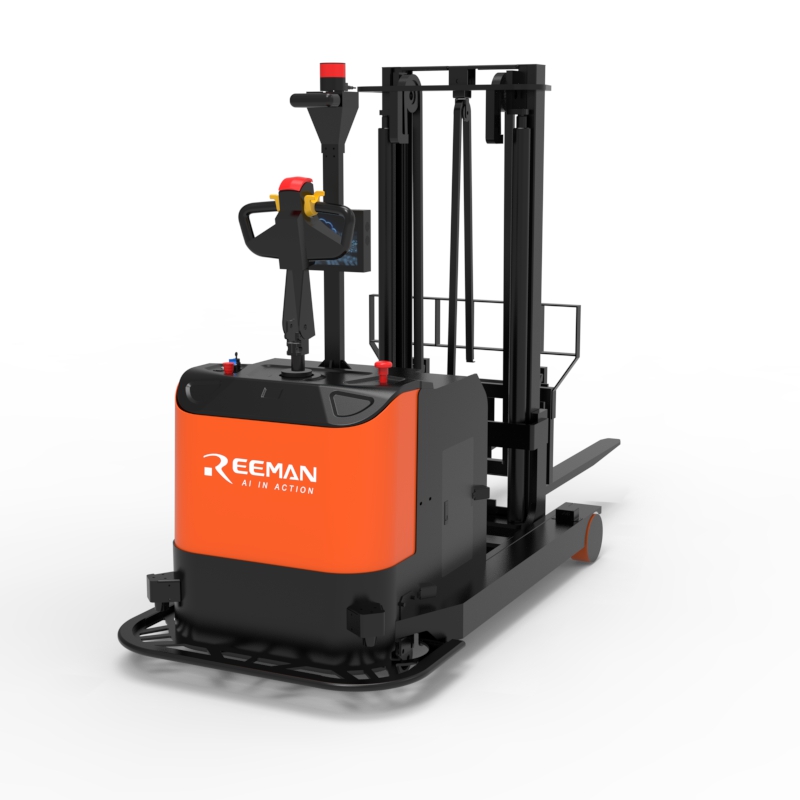 1.2 T
Reeman Autonomous Electric Stacker Forklift 1.2 Ton Li-Ion 48V 30Ah 2500mm Lift Laser Navigation 3m Aisle
A narrow-aisle stacker for low-rack storage. The 2500 mm lift and 3 m aisle data should be checked against rack beam height, pallet overhang and safety clearance before selection.
- 1.2 ton load capacity
- 2500 mm lift height
- 3 m aisle navigation profile
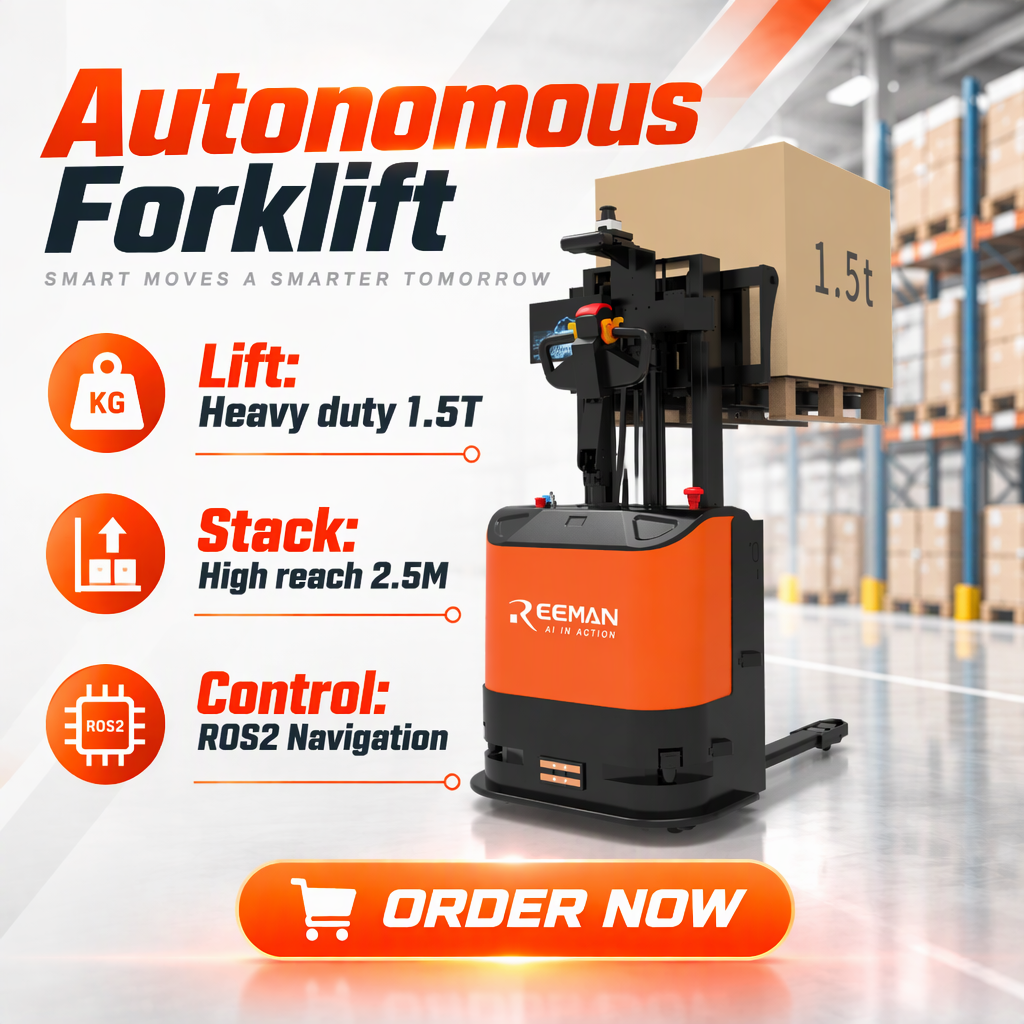 ROS2
Autonomous Electric Forklift AGV 1500kg Load Capacity 2.5M Lift ROS2 Navigation 4WD Lithium-Ion Battery Indoor Material Handling
ROS2 navigation and 4WD make this a stronger option for integrators who want a development-friendly platform. The 2.5 m lift and 1500 kg capacity fit indoor production logistics and warehouse feeding.
- ROS2 navigation architecture
- 4WD indoor material handling
- 2.5 m lift, lithium-ion battery
 LiDAR
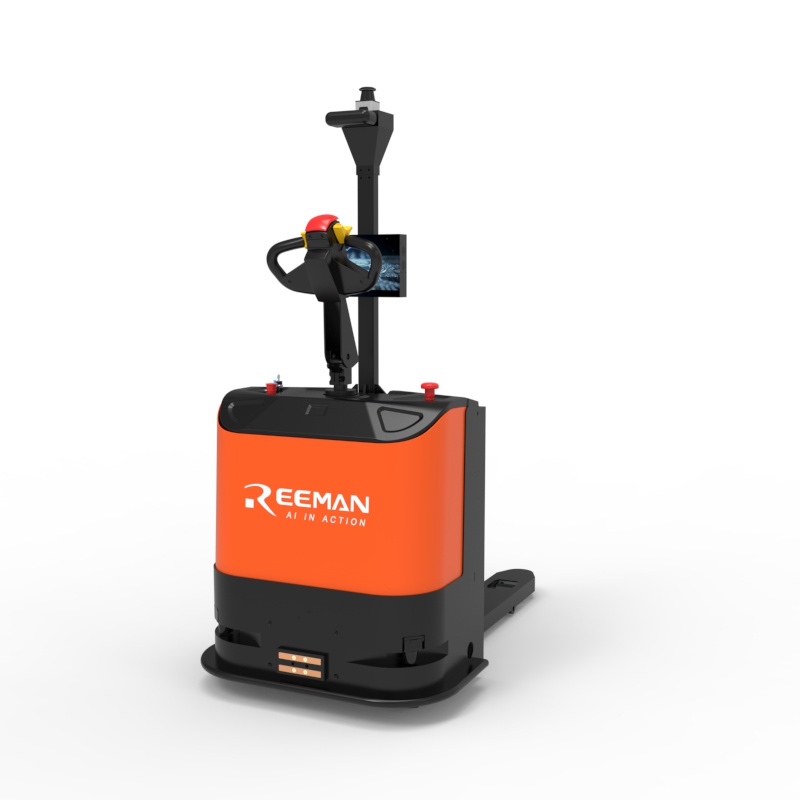
Reeman BBOT30F 1500 kg Laser SLAM Forklift AGV LiDAR Navigation Pallet Handling Warehouse
A pallet-handling workhorse for warehouse operations where LiDAR navigation and stable 1500 kg handling are priorities. Ask for fork dimensions, load center and floor condition data before final selection.
- 1,500 kg pallet handling
- LiDAR SLAM navigation
- Warehouse deployment focus
 1.3 M
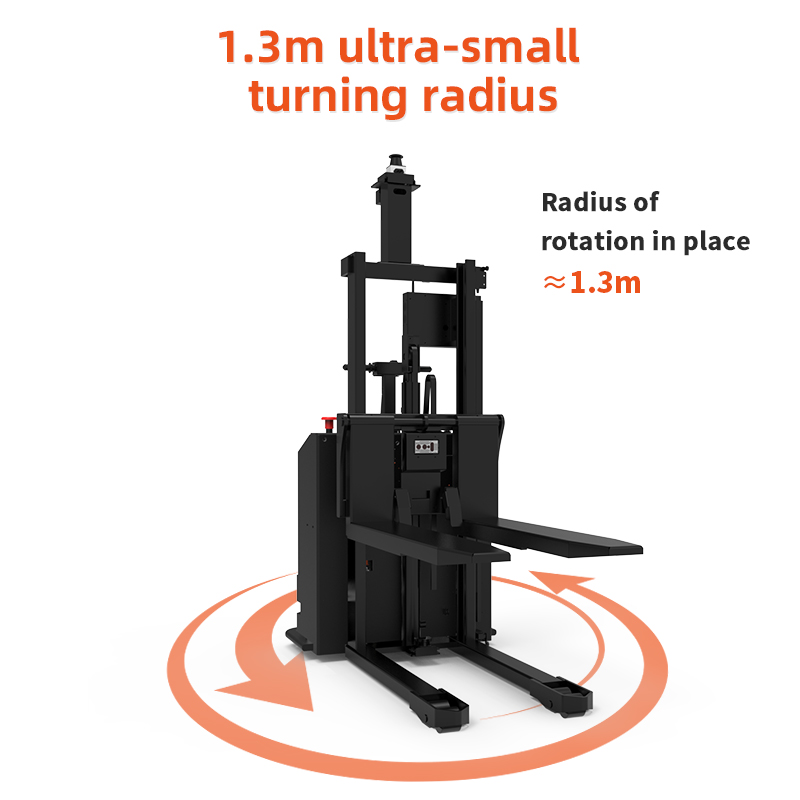
1000kg Forklift AGV Laser SLAM Navigation Pallet Transport Robot 1.3m Turning Radius Auto Charging for Factory Logistics
The 1.3 m turning radius makes this model relevant for congested factory logistics. Auto charging reduces manual intervention; map the charging station and traffic lanes during the site survey.
- 1,000 kg pallet transport
- 1.3 m turning radius
- Auto charging for factory logistics
 PLC
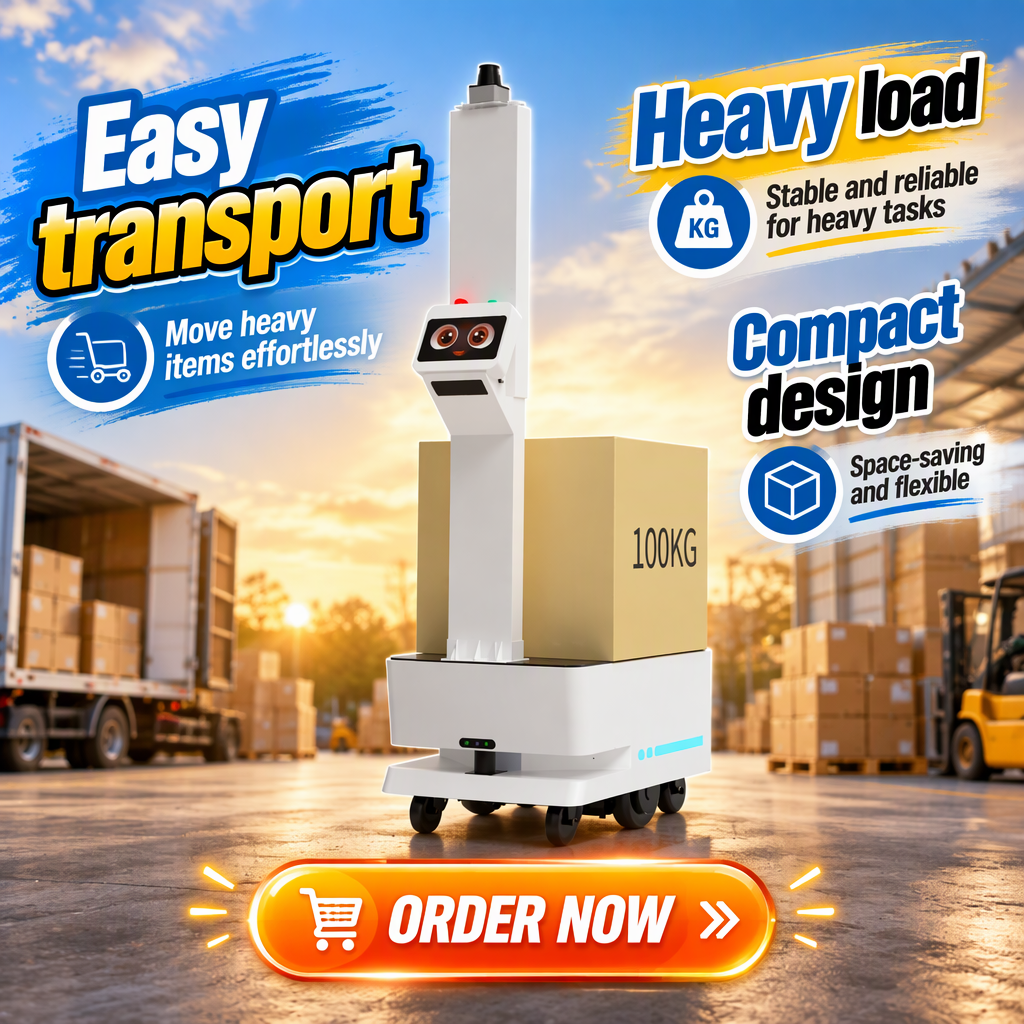
Reeman Autonomous Mobile Robot Slam Navigation PLC Core Components Warehouse Logistics
For OEM/ODM projects where PLC control and core component openness matter, this platform is a practical base for warehouse logistics customization. Confirm I/O, communication protocol and safety circuit details during technical review.
- SLAM navigation platform
- PLC core components
- Warehouse logistics customization
 Multi-Sensor
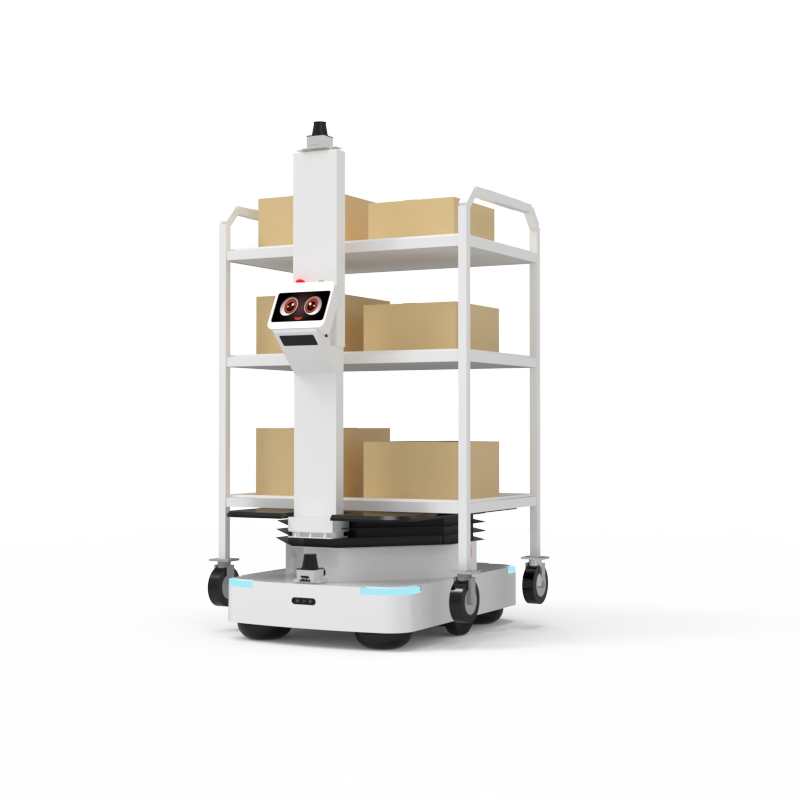
600kg Payload Autonomous AMR Robot Multi Sensor Mobile Material Handling Cart for Production Line
A production-line material handling cart with multi-sensor navigation, suitable for line-side replenishment and finished-goods transfer. Best evaluated with route density, pedestrian traffic and docking tolerance data.
- 600 kg payload
- Multi-sensor navigation
- Production-line material cart



A Mobile Robot Platform Manufacturer Built for OEM/ODM Accountability
Shenzhen Elvorn Intelligent Equipment Co., Ltd. is a national high-tech enterprise founded in 2015 and focused on robotic platform technology and autonomous driving. The company designs, builds and supports autonomous forklifts, industrial AMRs, robot chassis, delivery robots and cleaning robots for buyers in North America, Western Europe, Eastern Asia, Southeast Asia and the Middle East.
Unlike a trading-layer supplier, Elvorn keeps the core engineering stack in-house: laser SLAM navigation, motion control, fleet scheduling and hardware integration. That matters for OEM/ODM projects because customization questions are answered by the team that controls the platform architecture, not by a third party. With two production bases in Shenzhen and Ningbo, the company can support prototype review, pilot builds and repeat production under one supplier relationship.
The factory has been verified onsite by SGS Group, and the management system is certified to ISO 9001 and ISO 14001. Depending on the model, robots carry CE, FCC or PSE marks. Elvorn offers OEM service, design service and buyer-label options, including custom top modules, payload structures, branding and packaging.
- Verified custom manufacturer
- ISO 9001 & ISO 14001 systems
- CE / FCC / PSE model options
- Open SDK & API integration
- Shenzhen & Ningbo production bases
- FOB / T/T export support
Advantages Buyers Can Actually Verify
For SEO and procurement teams, the real question is not who can list the longest specification sheet. It is who can prove engineering control, integration capability, safety discipline and export support before the purchase order is signed.
Full-Stack Laser SLAM
In-house navigation, motion control and fleet scheduling mean site mapping and route changes can be handled without magnetic tape, QR codes or floor reflectors.
Open SDK & API
AMRs and chassis platforms can be connected to WMS, MES, ERP or custom dashboards for task dispatch, status feedback and secondary development.
Modular Payload Platforms
From 60 kg service robots to 2-ton autonomous forklifts, shared control architecture simplifies fleet training, maintenance planning and spare-parts strategy.
Multi-Layer Safety Design
Lidar, obstacle sensors, emergency stops and speed zoning support safer operation around pedestrians, forklifts and racking in mixed-traffic sites.
Factory-Level Quality Evidence
SGS onsite verification, ISO management systems and functional or load testing before shipment give procurement teams documentation for internal approval.
Export-Ready Support
English documentation, remote commissioning, operator training and long-term spare-part supply support buyers across five major regional markets.
How Teams Should Compare Mobile Robot Platform Suppliers
Technical specifications are only one dimension. A practical scorecard should include safety, integration, total cost of ownership, factory evidence, local support and OEM/ODM flexibility. Use the weights below as a starting point and adjust them to your site risk profile, throughput target and internal approval process.
A supplier that cannot provide safety logic, test records or spare-part lead times creates hidden cost after installation. The most reliable RFQ process compares the full operating model, not just the robot unit price.
Get a QuoteMobile Robot Procurement Trends: What Buyers Will Demand Next
As mobile robot platforms move from pilot projects into core logistics processes, purchasing teams are shifting from specification shopping to operational due diligence. The winning suppliers will be those that make integration, safety and lifetime support easier to verify.
From Single Robots to Fleet Outcomes
Buyers increasingly compare fleet availability, response time and task scheduling rather than one robot’s top speed. A platform that supports fleet management and clear escalation procedures is easier to scale from a pilot to multiple production areas.
TCO and Energy Strategy
Lithium-ion batteries, opportunity charging, charging ratio and battery cycle life now belong in the commercial comparison. A lower-price unit can become expensive if charging windows interrupt shifts or if replacement batteries are hard to source.
Open Integration and Mixed Fleets
Open SDK and API access is becoming a procurement requirement for WMS, MES and ERP integration. Buyers should ask for documented interfaces, task dispatch logic and status feedback before accepting a closed proprietary system.
Safety Files and Audit Evidence
CE, FCC, PSE, ISO 9001, ISO 14001 and SGS verification are not marketing ornaments. They help procurement defend supplier selection to management, insurers and end customers, especially in Europe and North America.
Platform Roadmap Trends That Affect Long-Term Purchasing Decisions
Mobile robot platforms are becoming more software-defined, modular and sensor-rich. Buyers who understand the roadmap can avoid purchasing a platform that becomes difficult to integrate or support three years later.
3D SLAM and Multi-Sensor Fusion
Dynamic sites need more than a clean 2D map. Multi-sensor fusion improves stability around blind corners, temporary obstacles, glass walls, high-traffic aisles and changing production layouts.
Modular Top Modules
OEM/ODM buyers want to reuse a proven chassis and change the top module for carts, lifters, conveyors, shelves or special fixtures. This reduces development risk and speeds buyer-label product launches.
ROS2 and Software-Defined Robots
ROS2 navigation, open protocols and configurable control logic make secondary development more practical for integrators. The procurement implication is to ask for SDK documentation, software ownership terms and long-term updates.
Data-Driven Service and Diagnostics
Remote diagnostics, error logging and utilization reports help buyers manage uptime after deployment. A platform with transparent service data is easier to audit than one that only reports failures after downtime occurs.
Factory Evidence and Export Support
Elvorn supports buyers through supplier assessment, sample validation, pilot deployment and repeat production. The evidence below helps procurement teams verify that the manufacturer can support both customization and long-term supply.
Independent onsite verification covers business licensing, production capability and quality-control procedures, giving overseas buyers a third-party reference point for supplier due diligence.
Management systems support consistent production quality and environmental responsibility across robot assembly, testing and supplier control.
Depending on the destination market, robot configurations can be supplied with CE, FCC or PSE marks to support local compliance review.
Shenzhen and Ningbo provide flexible capacity for prototype builds, OEM customization and repeat production of mobile robot platforms.
Custom top modules, payload structures, branding, packaging and buyer-label programs are available after technical and commercial review.
FOB terms, T/T payment in USD or CNY, English documentation, remote commissioning and spare-part supply support export projects.
Procurement FAQ for OEM/ODM Mobile Robot Platforms
These are the questions most often raised by distributors, integrators, factory owners and warehouse operators during the first technical and commercial review.
What is the difference between an OEM mobile robot platform and a finished AMR?
What is the difference between an AGV forklift and an AMR?
Can Elvorn robots be integrated with my WMS, MES or ERP?
Does Elvorn offer OEM and ODM customization?
Which certifications and audits can buyers verify?
What trade terms and payment methods are accepted?
What information should I prepare for a site survey and quotation?
How should buyers evaluate ROI for a mobile robot platform?
How is safety handled in mixed-traffic environments?
What after-sales support is available for overseas buyers?
Plan Your Next Mobile Robot Platform Project
Send your load data, layout drawing, pallet type, aisle width, throughput target and integration requirements. The engineering team can recommend a platform, confirm OEM/ODM scope and prepare a quotation for your market.
Get a Quote