8 Mobile Robot Platforms for OEM/ODM Programs
Use this shortlist as a first-round procurement map. Each platform is available for application review, fleet sizing, customization, and export documentation. Product pages preserve the original model URLs for faster engineering follow-up.
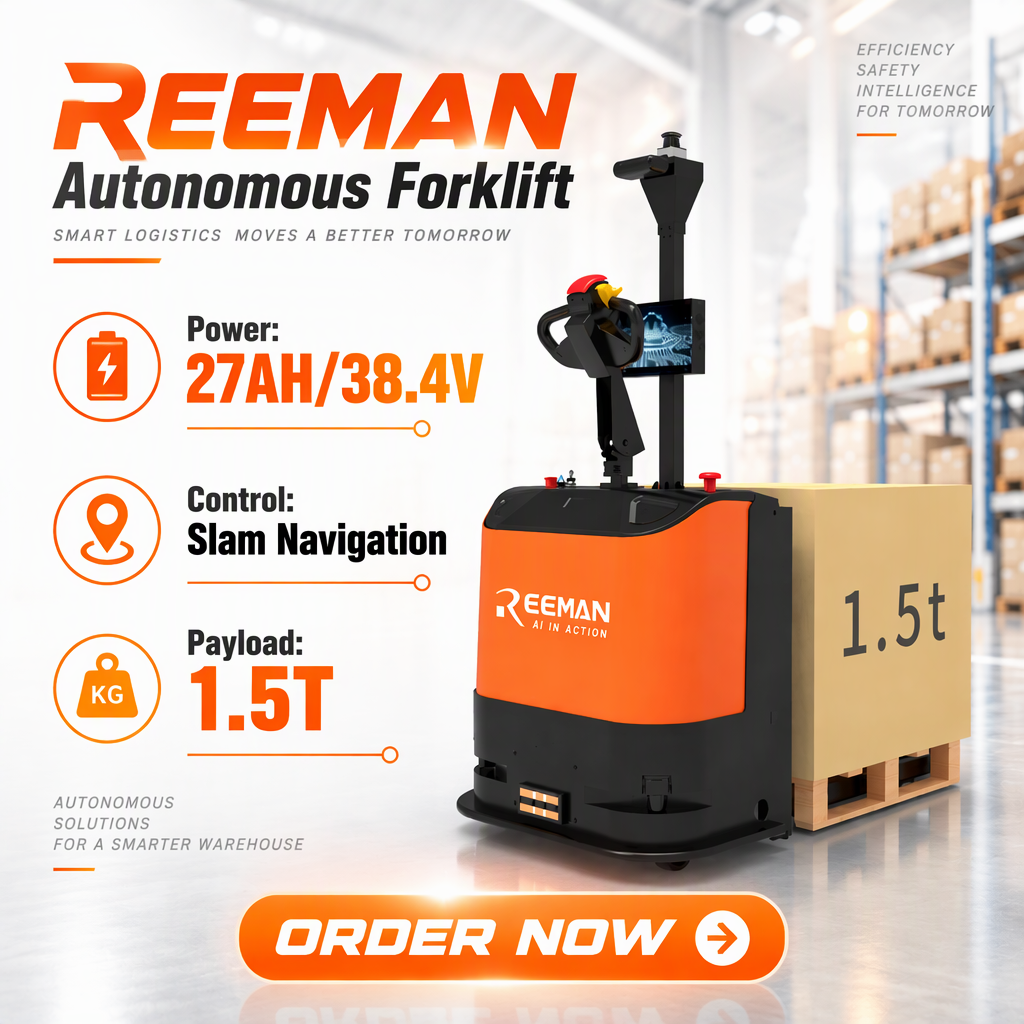
Reeman 1.5 Ton Autonomous Forklift AGV SLAM Navigation 3D Obstacle Avoidance Bidirectional Driving Indoor Warehouse
A bidirectional indoor forklift AGV for pallet movement where floor infrastructure should not be changed. Laser SLAM and 3D obstacle avoidance suit dynamic warehouse traffic.
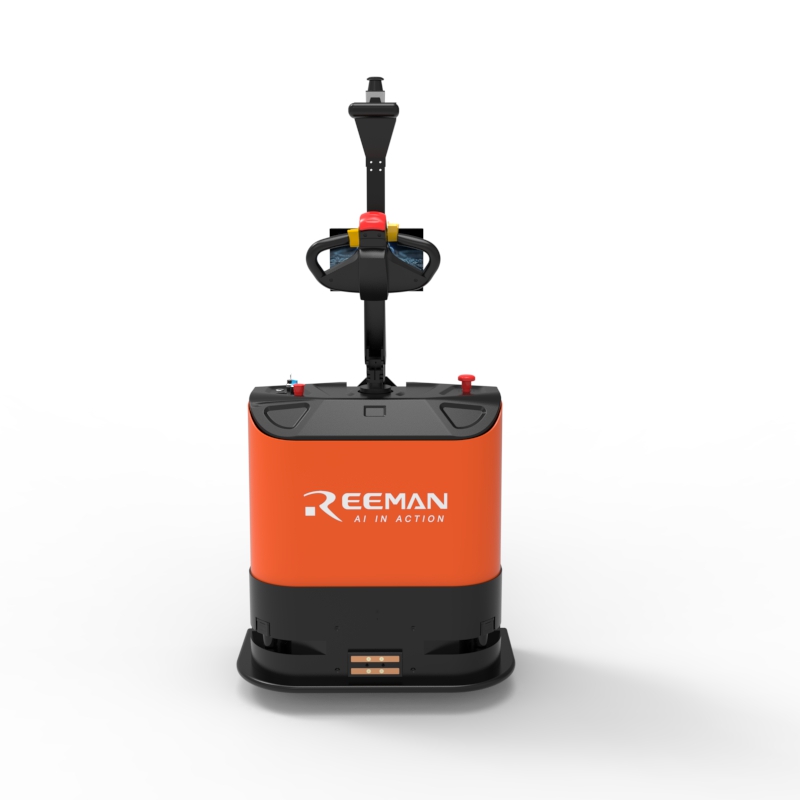
1500kg Laser SLAM Autonomous Forklift AGV Reflector-Free Point-to-Point Warehouse Material Handling
Reflector-free point-to-point handling for warehouses that want faster route changes. The 1,500 kg class is suited to repeatable dock-to-storage transfer.
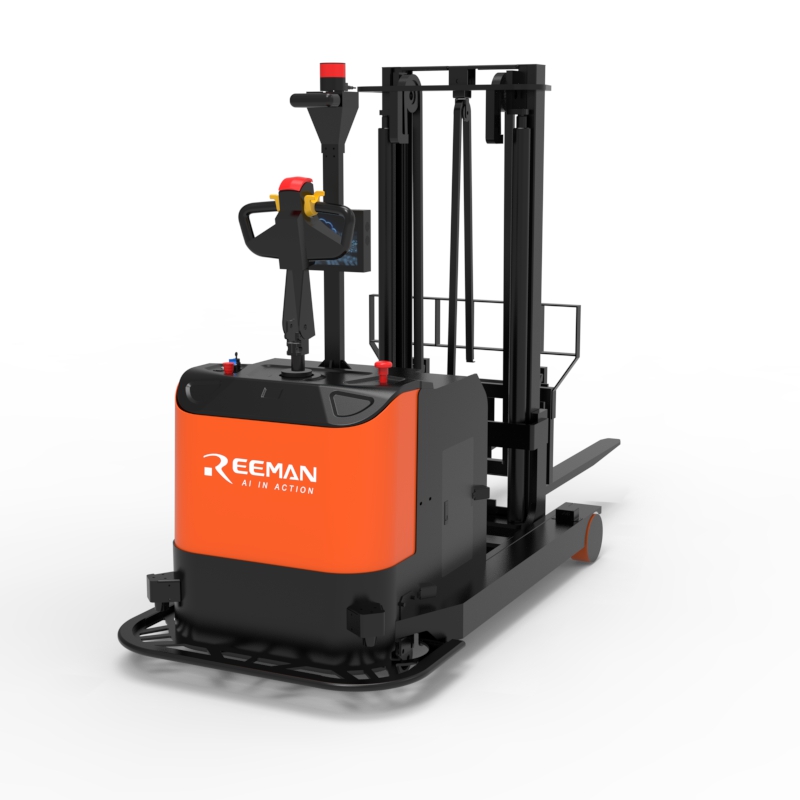
Reeman Autonomous Electric Stacker Forklift 1.2 Ton Li-Ion 48V 30Ah 2500mm Lift Laser Navigation 3m Aisle
A compact 1.2-ton stacker designed around 3 m aisles and 2,500 mm lift. Li-ion power and laser navigation support high-turnover put-away and replenishment.
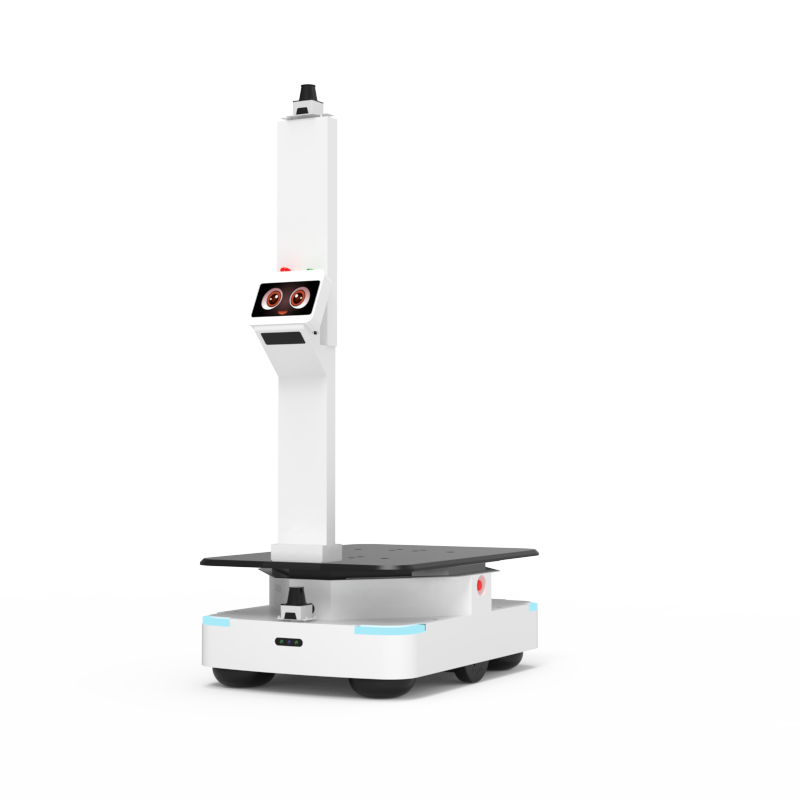
600kg Payload Laser Navigation AMR Robot Autonomous Lifting Warehouse Transfer Equipment
A lifting AMR for warehouses moving totes, carts, and modular loads up to 600 kg. It is a practical OEM platform for custom top modules and fleet APIs.
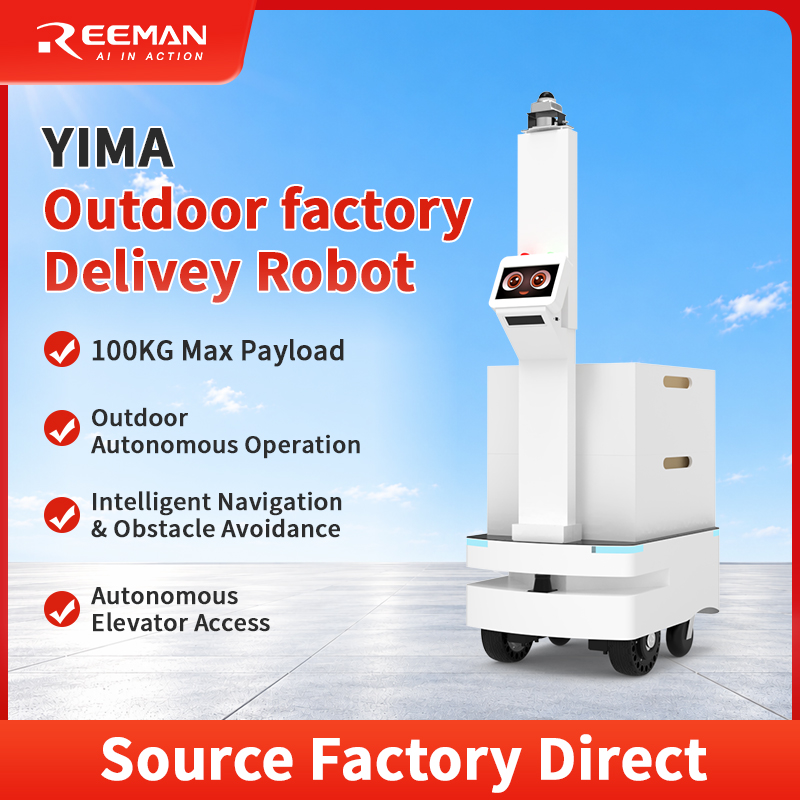
REEMAN Outdoor Delivery Robot 100kg Payload Autonomous Navigation Obstacle Avoidance Elevator Access Warehouse Logistics
An outdoor delivery robot with elevator access for campus, warehouse, and logistics routes. 100 kg payload and autonomous obstacle avoidance extend automation beyond the indoor envelope.
REEMAN Autonomous Electric Forklift 1T Payload 48V 30Ah LiFePO4 Battery Indoor Material Handling AGV
A 1-ton indoor AGV forklift with LiFePO4 battery and 48V architecture. A strong fit for buyers comparing safety, cycle life, and daily energy cost.
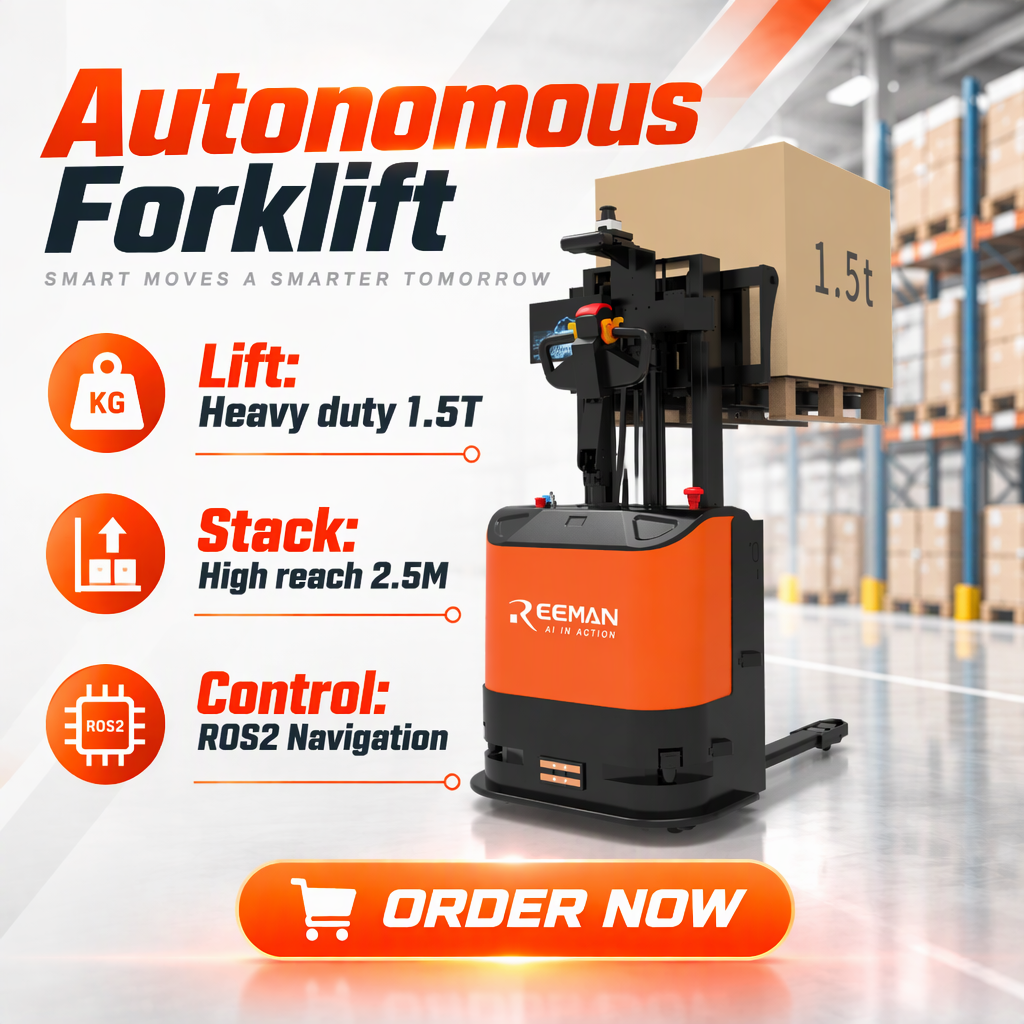
Autonomous Electric Forklift AGV 1500kg Load Capacity 2.5M Lift ROS2 Navigation 4WD Lithium-Ion Battery Indoor Material Handling
A 1,500 kg autonomous forklift with 2.5 m lift, ROS2 navigation, and 4WD. Recommended for engineering teams that need a configurable platform for mixed indoor material handling.
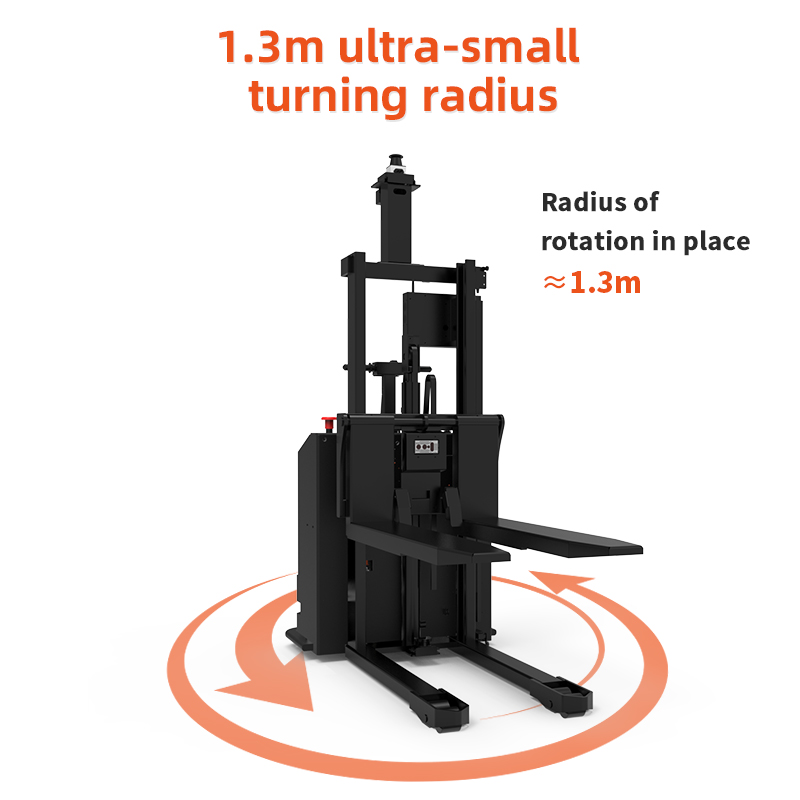
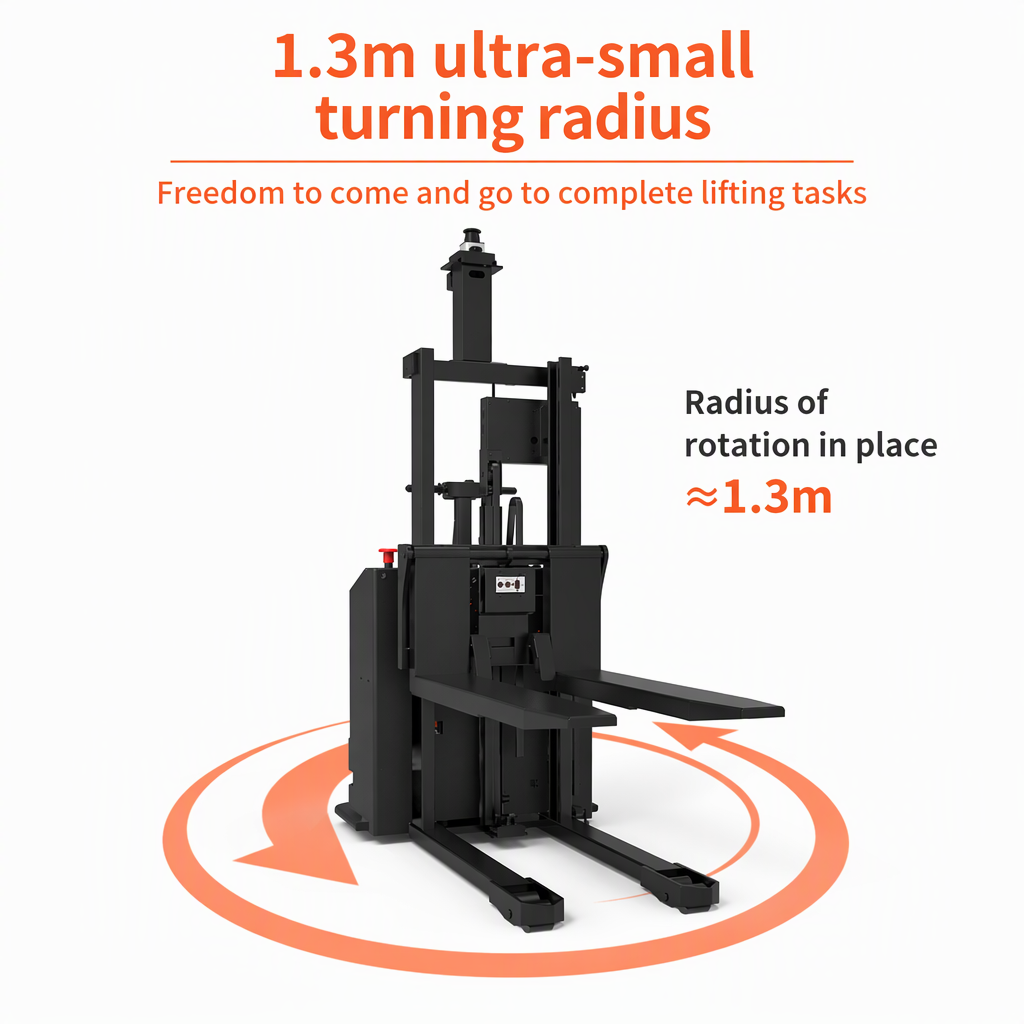
1000kg Forklift AGV Laser SLAM Navigation Pallet Transport Robot 1.3m Turning Radius Auto Charging for Factory Logistics
A 1,000 kg pallet transport robot with a 1.3 m turning radius, laser SLAM, and auto charging. Suitable for factory logistics where aisle space and uptime are constrained.
Need to match load weight, aisle width, lift height, battery strategy, and WMS/MES interfaces?
Inquire NowWhy Elvorn Is Shortlisted for OEM/ODM Mobile Robot Supply
Procurement teams do not only buy a vehicle; they buy engineering accountability, customization capacity, and long-term spare-part continuity. Elvorn's factory data, patent portfolio, and export experience support that due diligence.


A robot factory, not a trading office
Founded in 2015, Shenzhen Elvorn Intelligent Equipment Co., Ltd. is a national high-tech enterprise focused on robotic platform technology and autonomous driving. Two production bases in Shenzhen and Ningbo support a floorspace of 5,200㎡, a team of more than 200 people, and 39 awarded patents. We own the full stack: laser SLAM navigation, motion control, fleet scheduling, chassis design, and manufacturing.
For OEM/ODM buyers, that means engineering answers, customization, and spare-part continuity from one accountable source. The factory has been verified onsite by SGS Group, management is certified to ISO 9001 and ISO 14001, and individual models carry CE, FCC, or PSE marks depending on the destination market. Export support includes FOB terms, T/T payment in USD or CNY, English documentation, and remote commissioning for North America, Western Europe, Eastern Asia, Southeast Asia, and the Middle East.
Engineering Advantages That Matter in Real Deployments
Autonomous robots fail commercially when navigation, integration, safety, and service are treated as separate purchases. Elvorn designs these layers as one platform for faster customization and lower deployment risk.
Laser SLAM Without Floor Work
Elvorn robots map a site in hours and navigate without magnetic tape, QR codes, or floor reflectors. Layout changes do not require expensive civil work, which is a major advantage for leased warehouses and evolving production lines.
Open SDK & API Integration
AMRs and robot chassis provide open SDK and API paths for secondary development. Integrators can connect robots to WMS, MES, ERP, elevators, doors, call buttons, and custom dashboards instead of accepting a closed automation island.
Modular Payload Architecture
From 60 kg delivery robots to 2-ton autonomous forklifts, platforms share control logic and service principles. Buyers can standardize operator training, spare-part planning, and fleet management across multiple workflows.
Multi-Layer Safety Design
Lidar, obstacle sensors, emergency stops, speed zoning, and configurable warning fields help protect pedestrians, forklifts, and racking. Safety logic can be reviewed against site risk assessments and target-market requirements.
Own Production Capacity
Two production bases, on-site material inspection, and supplier assessment procedures support consistent build quality. Custom top modules, payload structures, branding, packaging, and buyer-label programs are handled under one production plan.
Export-Ready Support
English documentation, remote commissioning, operator training, and spare-part supply support overseas buyers. Export terms include FOB and T/T payment in USD or CNY, with established service for major regional markets.
The 2025–2030 Mobile Robot Buying Shift
Mobile robot procurement is moving from one-off equipment purchases toward integration-led, lifecycle-managed automation programs. For OEM/ODM suppliers, the winners will be companies that can prove engineering depth, not just list a low unit price.
Compliance-Led Purchasing
Buyers increasingly ask for safety concepts, risk assessments, EMC documentation, battery transport information, and market-specific marks before shortlisting. CE, FCC, PSE, ISO 9001, and ISO 14001 evidence will be reviewed alongside the quotation.
Integration Before Hardware
WMS, MES, ERP, elevator, and traffic-control integration are now evaluated before the first purchase order. An open SDK/API and documented task-dispatch model reduce deployment time and protect the buyer from vendor lock-in.
TCO Replaces Sticker Price
Procurement models are shifting toward total cost of ownership: battery cycle life, charging strategy, uptime, spare-part lead time, service response, and engineering change cost. A lower-priced robot with weak support can be the more expensive choice.
Modular OEM Platforms
Distributors and integrators want a proven chassis, navigation stack, and safety base so they can launch their own branded robot faster. Custom top modules and buyer-label programs are becoming standard requests, not exceptions.
Lifecycle Service Contracts
Remote diagnostics, firmware updates, spare-part SLAs, and operator training are moving into formal service agreements. Buyers want predictable support over five to seven years, especially when robots are tied to production KPIs.
Transparent Supplier Due Diligence
Factory audits, SGS verification, patent records, test reports, and reference projects are becoming part of the sourcing file. Publicly verifiable capability reduces risk for enterprise buyers and their finance teams.
What the Next Mobile Robot Platform Must Deliver
Hardware specifications still matter, but the next procurement cycle will reward platforms that combine autonomy, integration, safety, energy management, and fleet intelligence.
Semantic 3D SLAM
Navigation is moving beyond geometric mapping toward semantic understanding of pallets, people, forklifts, and temporary obstacles. 3D obstacle avoidance and scene interpretation improve uptime in dynamic warehouses.
Fleet Orchestration & Open APIs
Robots will be judged by how well they cooperate with other machines and business software. Fleet scheduling, task prioritization, and API-first architecture become core purchase criteria for multi-robot deployments.
Safety-First Sensor Fusion
Lidar, vision, ultrasonic, and contact sensing must work together with speed zoning and configurable safety fields. Buyers want documented safety logic that can be reviewed by EHS teams and third-party assessors.
Energy Architecture Innovation
LiFePO4 batteries, opportunity charging, auto charging, and battery-health data influence daily availability. Energy strategy is becoming part of the procurement calculation rather than a simple battery specification.
Edge AI for Dynamic Environments
Edge processing helps robots respond faster when network coverage is weak. It also enables local obstacle classification, voice interaction, and application-specific intelligence for delivery, inspection, and material handling.
Indoor-Outdoor Convergence
Outdoor delivery robots with elevator access show demand for one platform that can cross yards, docks, lobbies, and service corridors. Hardware protection, localization switching, and remote supervision will decide feasibility.
A Procurement Scorecard for Mobile Robot Projects
A specification sheet can confirm payload and lift height, but it cannot prove deployment readiness. Enterprise buyers should score suppliers against integration capability, safety documentation, factory verification, and lifecycle support before negotiating price.
The scorecard below is an illustrative evaluation framework. Use it to structure internal review, then weight the categories according to your site risk, throughput target, and regional compliance requirements.
Illustrative scoring framework for procurement planning, not a certified performance rating.
From Site Survey to Stable Operation
A disciplined workflow reduces surprises for overseas buyers and gives engineering teams the data needed to recommend the right fleet size, charging plan, and integration scope.
Requirement Review
Share layout drawings, load weight, pallet type, lift height, aisle width, target throughput, and WMS/MES interfaces.
Solution Design
Engineers recommend models, fleet quantity, charging strategy, safety configuration, and integration scope.
Customization & Build
OEM branding, top modules, payload structures, software interfaces, and packaging are configured to your program.
Factory Testing
Function and load tests are completed before shipment, with test records available for buyer review.
Deploy & Support
Remote mapping, operator training, firmware support, and long-term spare-part supply help stabilize operation.
Where OEM/ODM Mobile Robots Create Measurable Gain
Mobile robot value appears when a platform fits the physical flow, the software environment, and the service model. Elvorn supports multiple application paths from one engineering base.
Warehousing & 3PL
Autonomous forklifts and AMRs support receiving, put-away, replenishment, and dock transfer. Laser SLAM allows route changes without floor markers as storage layouts evolve.
Manufacturing & Line-Side Logistics
AMRs feed workstations, collect finished goods, and move WIP between cells. Open APIs allow task dispatch from MES or custom production software.
Narrow Aisles & Stacking
Compact stacker forklifts with laser navigation and Li-ion power support 3 m aisle operations, 2,500 mm lift, and high-turnover put-away tasks.
Integrators & Robot Brands
SLAM chassis and AMR platforms with open SDK/API shorten development time for integrators launching their own branded robots or custom service machines.
Outdoor Logistics & Elevators
Delivery robots with autonomous navigation and elevator access extend material movement across yards, lobbies, and multi-floor facilities.
Commercial Delivery & Service
Delivery and service robot platforms help restaurants, hotels, offices, and public venues reduce repetitive walking time and improve service consistency.
Documentation Buyers Can Verify
Export projects require more than a working prototype. Buyers need certification evidence, factory verification, test records, and a support plan that remains available after commissioning.
Audited factory. Documented models. Export-ready service.
Elvorn's factory has passed onsite verification by SGS Group, covering business licensing, production capability, and quality control. Management systems are certified to ISO 9001 and ISO 14001, while individual robot models carry CE, FCC, or PSE marks depending on the target market.
Every unit undergoes functional and load testing before shipment. Third-party assessment reports and transaction records support buyer due diligence. For overseas deployment, Elvorn provides English documentation, remote commissioning, operator training, and spare-part supply.
Share your destination market, safety requirements, and application data. The team will confirm the configuration path, certification scope, and export documentation before you commit to a program.
Inquire Now Onsite Verified
 CE Marking
 FCC
 PSE
OEM/ODM Mobile Robot Procurement FAQ
These are the questions most frequently raised by distributors, integrators, and enterprise buyers during technical and commercial review.
What is the difference between an AGV forklift and an AMR?
Can Elvorn robots be integrated with my WMS, MES, or ERP?
Does Elvorn offer OEM and ODM customization?
Which certifications and safety documents are available?
What is the typical lead time and MOQ for OEM/ODM projects?
What site data should I prepare before requesting a quote?
How are robots shipped and supported internationally?
Can robots work outdoors and use elevators?
How should buyers compare total cost of ownership?
Send Your Load, Aisle, and Integration Data
Share pallet dimensions, load weight, lift height, aisle width, WMS/MES interfaces, charging strategy, and target throughput. Elvorn engineers will respond with model recommendations, OEM/ODM customization options, certification considerations, and export next steps.
info@elvornbot.com