Outdoor Delivery Robot Buying Has Become a Platform Decision
The strongest RFQ is no longer “which robot can move a load?” It is “which OEM/ODM factory can keep a fleet productive across mixed indoor, covered outdoor and yard routes while remaining serviceable for years?”
For manufacturers, distributors and systems integrators, the outdoor delivery robot category is evolving from a single machine purchase into a platform commitment. A robot may start on one route, but procurement teams quickly add new shifts, new payload attachments, new software integrations and new sites. That is why serious buyers now evaluate the navigation stack, sensor maintenance plan, battery strategy, API openness and spare-parts model together, not as separate line items.
Shenzhen Elvorn Intelligent Equipment Co., Ltd. has focused on robotic platform technology and autonomous driving since 2015. Its portfolio includes laser SLAM autonomous forklifts, industrial AMRs, delivery robots, robot chassis, cleaning robots and commercial service robots. For OEM/ODM projects, this breadth matters: the same engineering team can align a 300 kg delivery platform, a 1.5-ton autonomous forklift and a mobile advertising robot around one fleet logic, one integration approach and one training philosophy.
Our application engineers often see a hidden cost that catalogs do not show: map drift and sensor maintenance. Outdoor or semi-outdoor routes are affected by sunlight, rain, dust, floor changes and pedestrian traffic. Buyers should ask vendors to document map version control, sensor cleaning intervals, remote diagnostics, fallback behavior and spare sensor kits. A robot that saves 8% on unit price but loses two hours of uptime per week is rarely the lower-cost choice.
This guide combines product recommendations, procurement trends, product development trends, factory advantages and buyer FAQs. It is written for teams that need information gain before issuing a PO: not just a list of models, but the questions that separate a demo robot from a reliable OEM/ODM program.
RFQ checklist: 8 answers to request
- Route profile: indoor, covered outdoor, yard, slope, dock, elevator and door interfaces.
- Payload and attachment: 300 kg delivery module, 1,500 kg stacker, 2-ton forklift or custom top module.
- Navigation evidence: laser SLAM, multi-line LiDAR, 3D obstacle avoidance and 10 mm positioning claims.
- Energy plan: 6–8 hour shift coverage, opportunity charging, battery swap or fleet charging schedule.
- Software integration: open SDK/API, WMS, MES, ERP, fleet dispatch and status feedback.
- Serviceability: sensor cleaning, spare parts list, remote commissioning and local technical support.
- Compliance: CE, FCC, PSE where applicable, plus ISO 9001 and ISO 14001 management systems.
- Factory proof: SGS onsite verification, production bases, testing records and export terms.
Three Buying Shifts Reshaping OEM/ODM Robot Projects
Distributors and factory buyers are changing how they compare outdoor delivery robot manufacturers, and the shift favors suppliers with real engineering depth.
Mixed indoor–outdoor routes are now specified
Buyers increasingly ask for one platform to move between production halls, covered corridors, loading docks and yard transfer points. That requires more than an IP rating: it requires sensor fusion, glare handling, dust-aware navigation and clear operating envelopes. OEM/ODM suppliers should state what is standard, what is optional and what must be validated on site.
TCO and uptime beat the lowest unit price
Procurement teams now calculate total cost of ownership across mapping, integration, training, charging, spare parts and downtime. A factory with documented test records, remote support and a clear spare-parts list can outperform a cheaper supplier once the fleet reaches three or more units. Ask for lifecycle assumptions in writing, then compare them against your shift pattern.
OEM/ODM is becoming co-development
Private label is no longer just a logo on a chassis. Buyers want custom top modules, payload structures, branding, packaging, software hooks and market-specific documentation. The best OEM/ODM partners provide engineering feedback early, define change-control steps and protect the buyer’s launch timeline with realistic customization boundaries.
8 Autonomous Delivery, Forklift and Mobile Robot Models
Use these models as starting points for an OEM/ODM quotation. Final configuration depends on route profile, pallet type, payload, throughput, charging plan and integration scope.
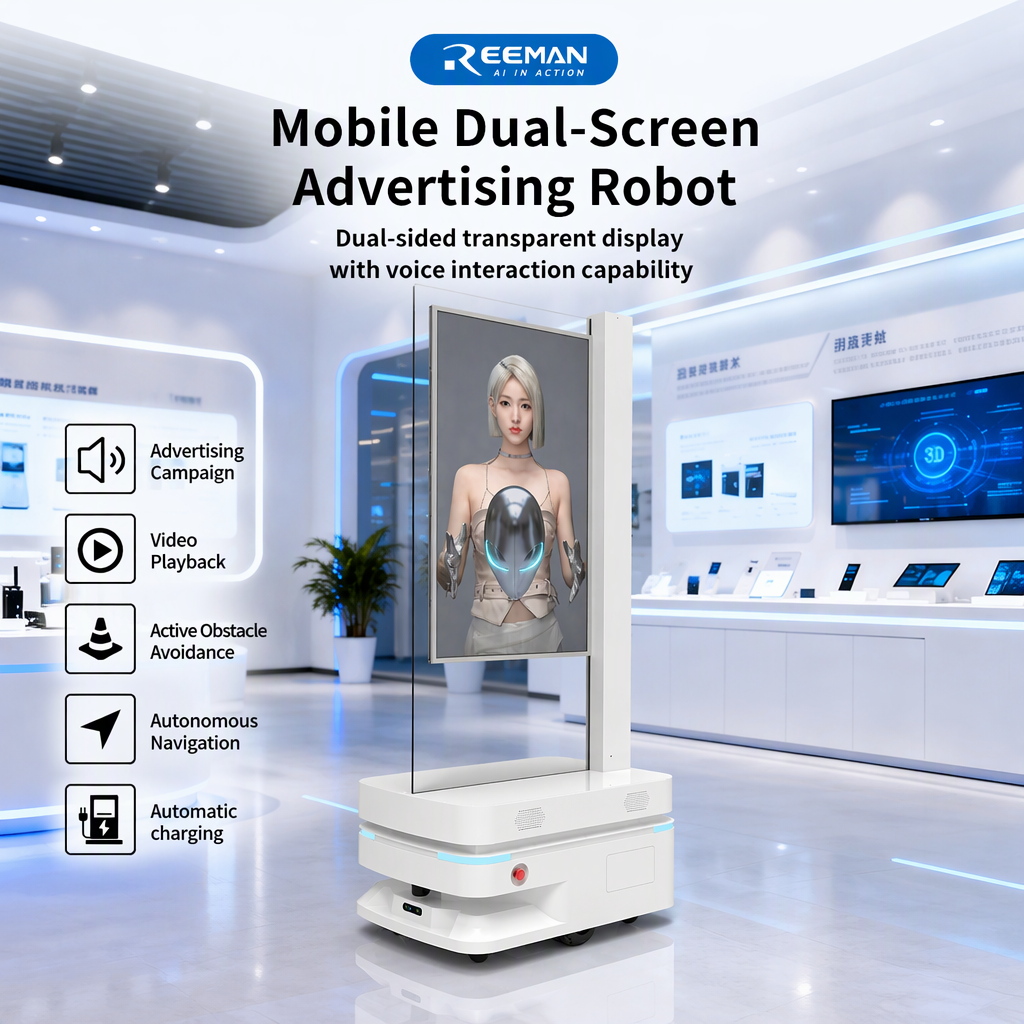
Reeman Mobile Dual Screen Advertising Robot
An indoor commercial service platform with autonomous navigation, dual LCD displays and voice interaction for retail, exhibitions and reception guidance.
- Dual LCD
- Voice interaction
- Autonomous
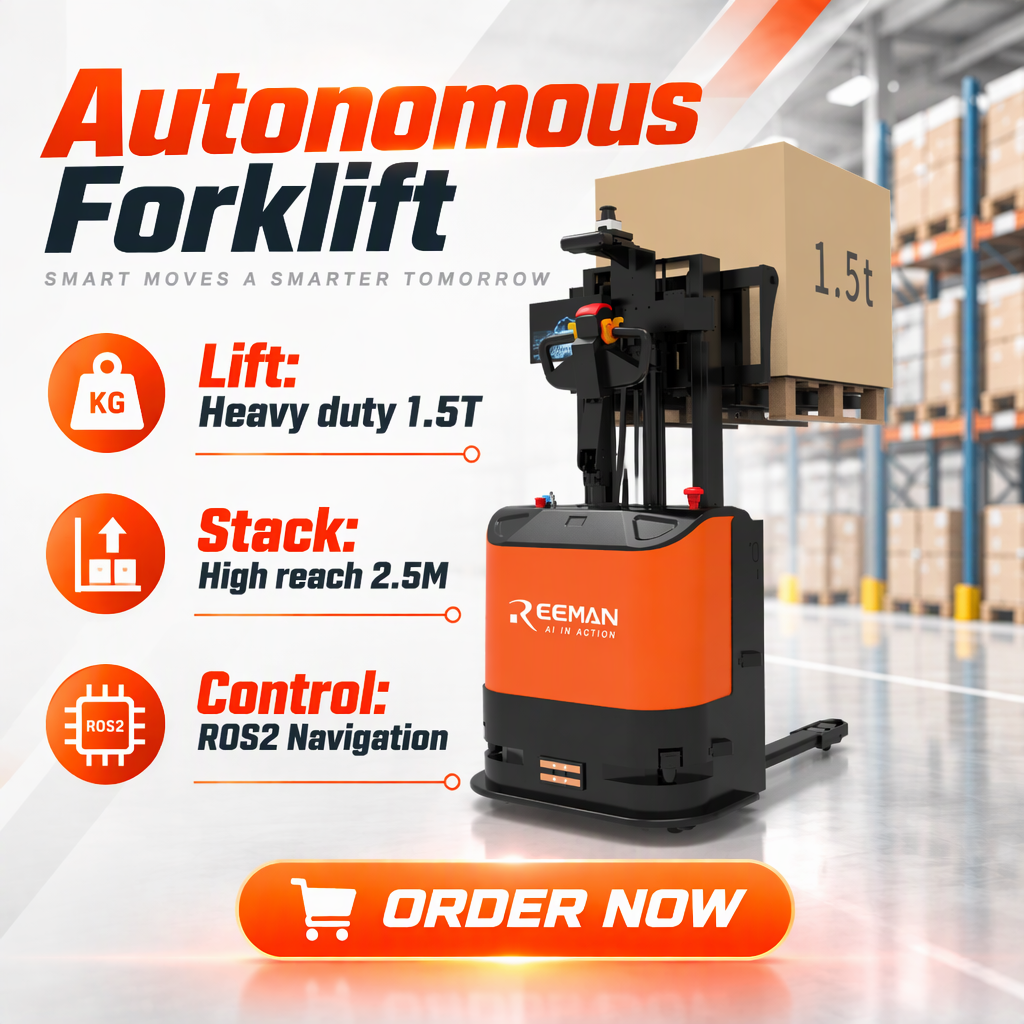
Autonomous Electric Forklift AGV 1500 kg
A 4WD lithium-ion forklift AGV with 2.5 m lift and ROS2 navigation for dock-to-staging, line feeding and indoor pallet handling.
- 1500 kg
- 2.5 m lift
- ROS2
- 4WD

Reeman BBOT30F 1500 kg Pallet Stacker AGV
Single-line LiDAR and laser SLAM navigation for warehouse transport, pallet stacking and low-rack storage without magnetic tape or floor markers.
- 1500 kg
- Laser SLAM
- Stacker

2 Ton Autonomous 4WD AGV Forklift
A heavy pallet platform with multi-line LiDAR, 10 mm position accuracy and 6–8 hour handling capability for demanding warehouse flows.
- 2 ton
- 10 mm accuracy
- 6–8 H
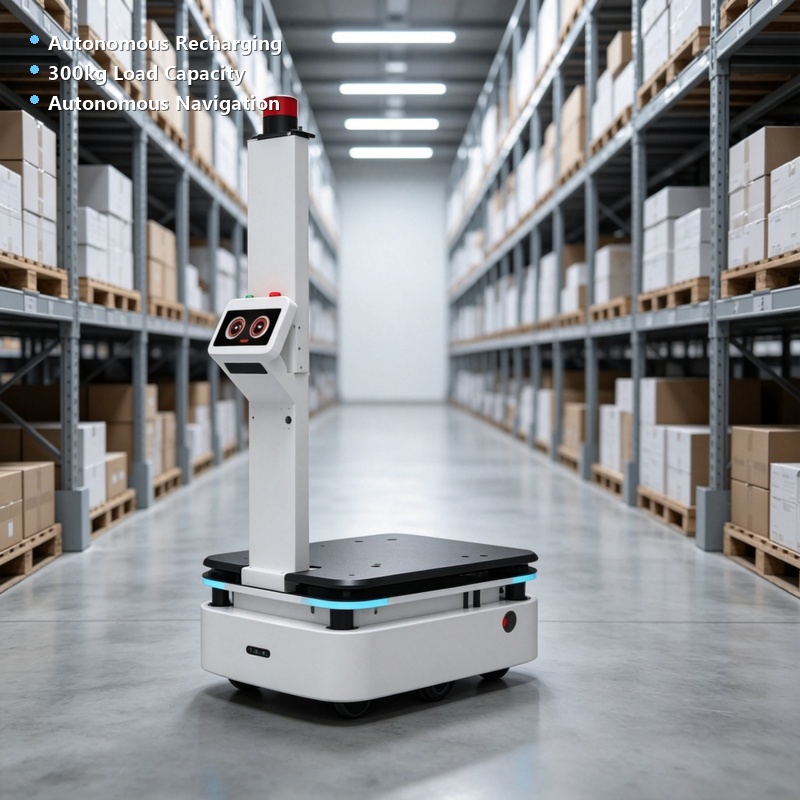
REEMAN Dual Laser Fly Boat MAX 300 kg
An industrial delivery robot for manufacturing plants and factory material supply, using dual laser SLAM for dynamic routes and configurable covered-outdoor logistics.
- 300 kg
- Dual laser
- Delivery
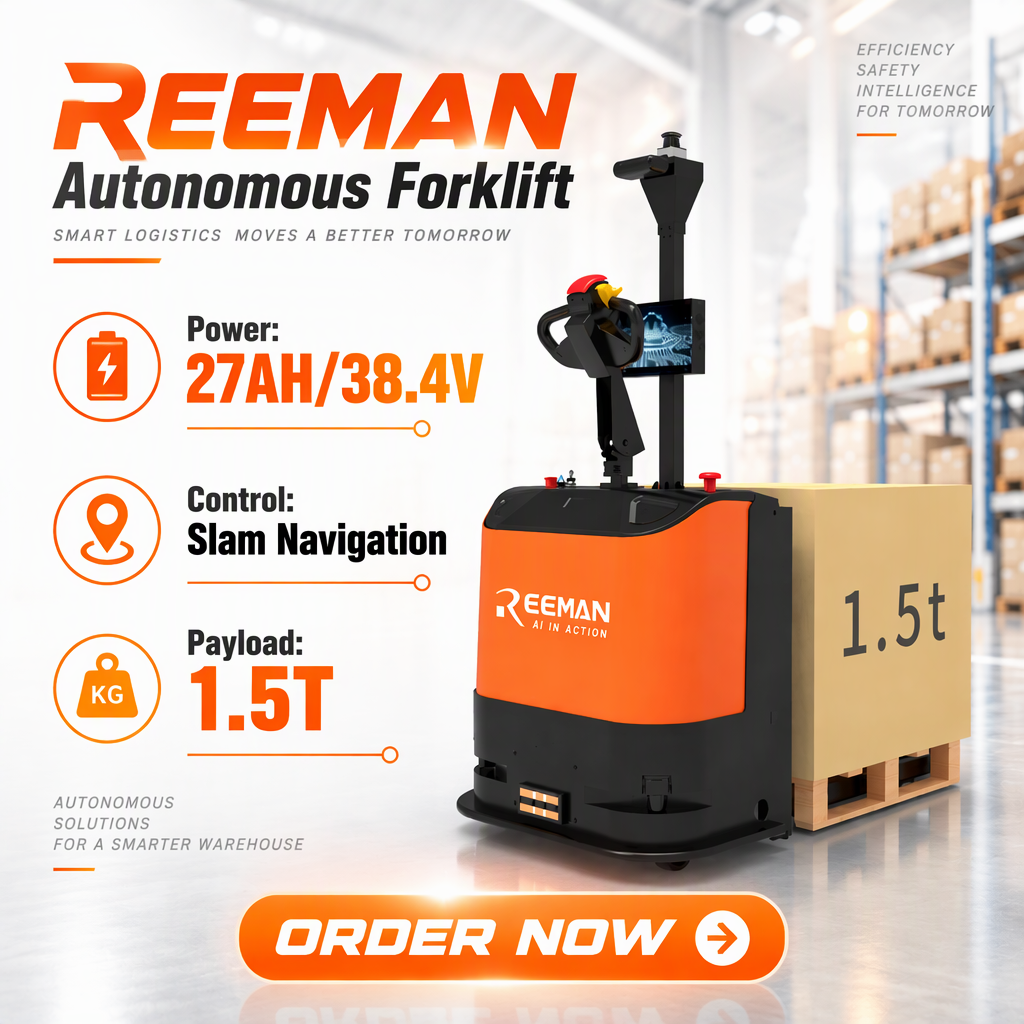
Reeman 1.5 Ton Autonomous Forklift AGV
SLAM navigation with 3D obstacle avoidance and bidirectional driving for indoor warehouse pallet movement and production-line feeding.
- 1.5 ton
- 3D avoidance
- Bidirectional
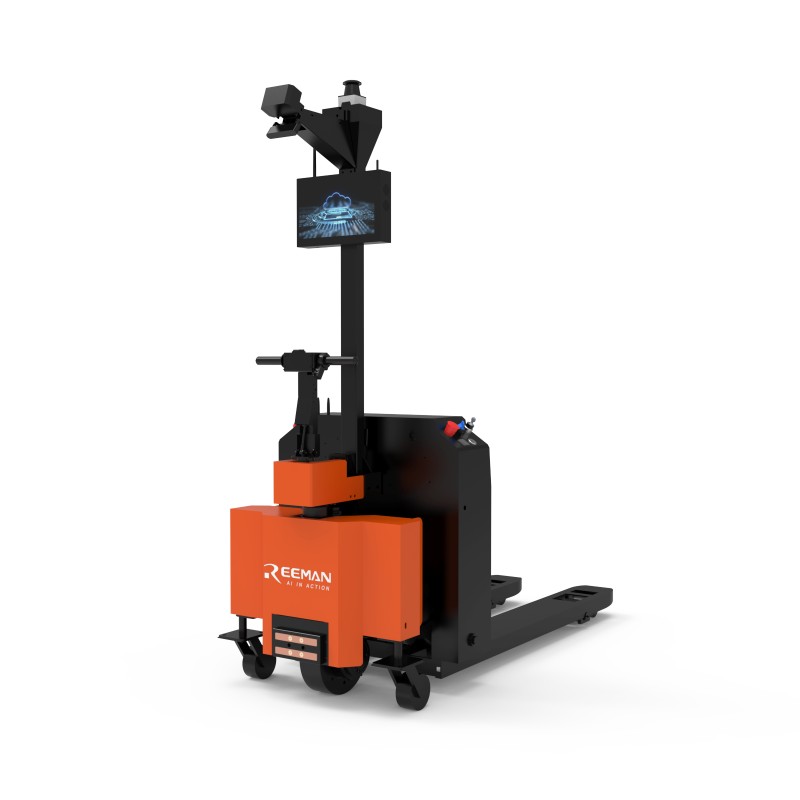
Reeman 2 Ton Autonomous Forklift AGV
A laser SLAM unmanned pallet truck with 1085 mm fork width and 10 mm positioning accuracy for repeatable indoor pallet handling.
- 2 ton
- 1085 mm fork
- 10 mm accuracy
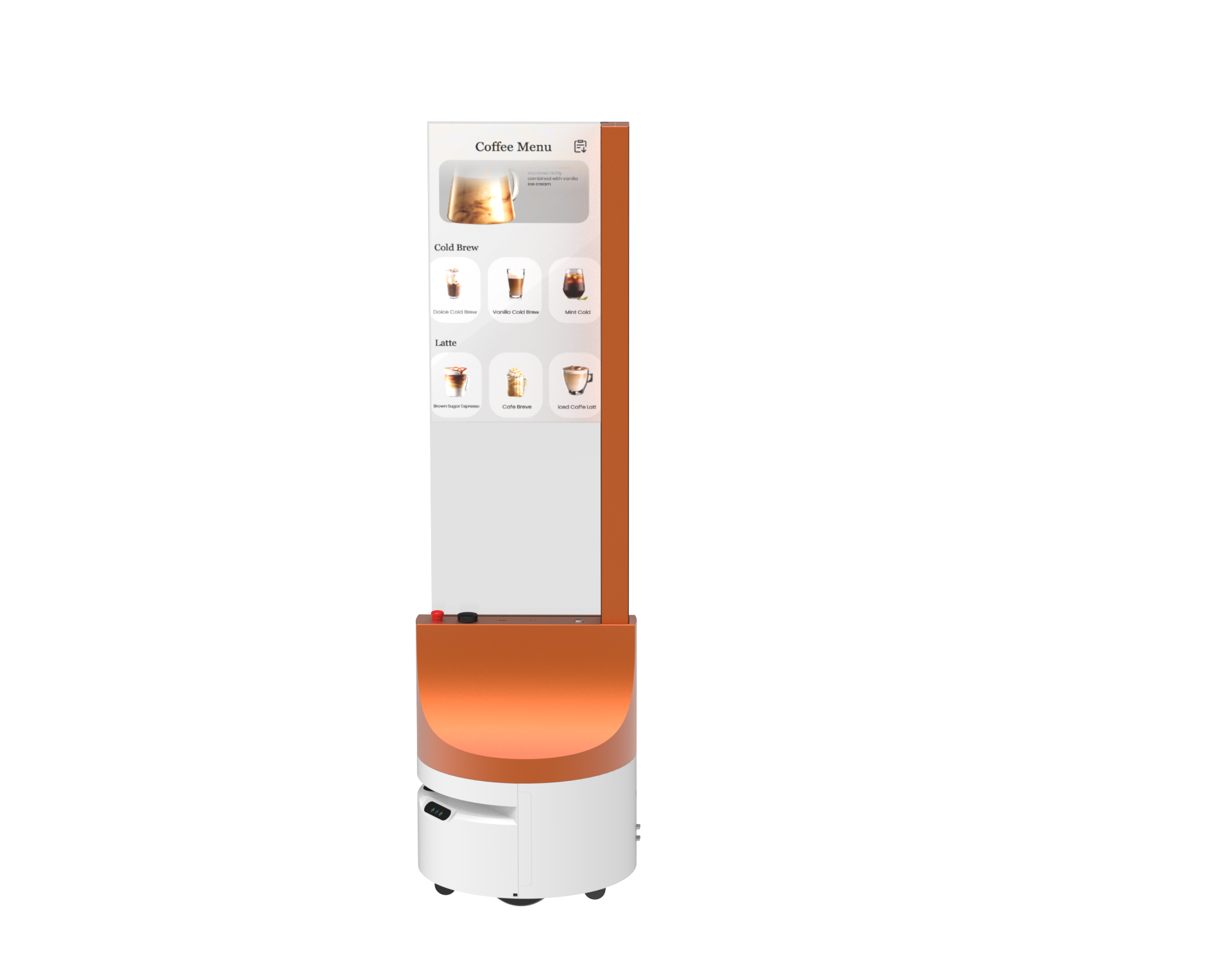
REEMAN 30 Inch OLED Transparent Screen Robot
A 1080 × 1920 FHD 9:16 transparent OLED mobile advertising robot with Wi-Fi app control for retail, exhibitions and brand experiences.
- 30 inch
- OLED
- FHD
- Wi-Fi
What to Write Into the Next Robot Purchase Order
The next generation of outdoor-capable delivery robots will be judged by uptime, integration depth and serviceability as much as payload and speed.
Outdoor-grade sensor fusion
SLAM, RTK, IMU and 3D obstacle sensing must work together when light, floor texture or weather changes. Buyers should ask for validation records for glare, rain, dust and mixed pedestrian traffic, not only a clean demo video.
Battery strategy is operational
Models with 6–8 hour handling windows need a charging plan that matches breaks, shift changes and peak throughput. Opportunity charging, battery swap, charger placement and state-of-health reporting should be defined before the fleet size is fixed.
Fleet orchestration moves to the core
Open SDK/API access, WMS/MES/ERP task dispatch, elevator and door control, traffic management and live status feedback are becoming standard requirements. A robot that cannot share data with the plant system becomes an isolated asset.
Safety compliance by design
LiDAR, emergency stops, speed zoning, pedestrian detection and 3D obstacle avoidance should be part of the base architecture. Model-level CE, FCC or PSE marks and ISO 9001 / ISO 14001 management systems help buyers complete due diligence faster.
Modular payload platforms
From 60 kg service robots to 2-ton autonomous forklifts, buyers benefit when platforms share control logic, diagnostics and training. Custom top modules, shelving, towing, advertising screens and material bins can then be added without rebuilding the software stack.
Digital twin and remote diagnostics
Simulation before deployment reduces mapping risk, while remote diagnostics and log export shorten troubleshooting. For export buyers, English documentation, online commissioning and spare-part kits are practical requirements, not afterthoughts.



Elvorn Factory Advantages That OEM/ODM Buyers Can Verify
Founded in 2015, Shenzhen Elvorn Intelligent Equipment Co., Ltd. is a national high-tech enterprise focused on robotic platform technology and autonomous driving. The company operates two production bases in Shenzhen and Ningbo, with 5,200 ㎡ of total floorspace, a 200+ team and 39 awarded patents. Its factory has been verified onsite by SGS Group, and its management systems are certified to ISO 9001 and ISO 14001.
For buyers, the advantage is not simply a catalog of models. It is the ability to align laser SLAM navigation, motion control, fleet scheduling, hardware design and export support inside one engineering conversation. That reduces the gap between an OEM/ODM concept and a tested, shippable configuration.
- Verified custom manufacturer
- OEM, design and buyer-label service
- Laser SLAM without tape or reflectors
- Open SDK/API for WMS, MES and ERP
- CE, FCC and PSE model options
- Export support for global distributors
Commercial terms include FOB shipment and T/T payment in USD or CNY. Main export markets include North America, Western Europe, Eastern Asia, Southeast Asia and the Middle East. For custom projects, Elvorn supports top-module changes, payload structures, branding, packaging and software interfaces.
A Practical Evaluation Model for Outdoor-Capable Robot Suppliers
Use this scorecard during the first technical review. It helps separate a demonstration robot from a long-term OEM/ODM manufacturing partner.
SLAM stability, obstacle avoidance, map recovery and mixed-route performance.
LiDAR, 3D sensing, e-stops, speed zoning, CE/FCC/PSE and ISO evidence.
Open API/SDK, WMS/MES/ERP task dispatch, fleet status and remote support.
Spare parts, documentation, training, commissioning and long-term maintenance.
From RFQ to Stable Operation: A 4-Step OEM/ODM Path
A disciplined process reduces commissioning risk for overseas buyers and keeps customization aligned with the target launch date.
Application discovery
Share layout drawings, load data, pallet type, route profile, throughput target and software environment. Engineers identify model fit and customization scope.
Site survey and mapping
Define traffic rules, charging locations, sensor placement, safety zones and integration points. Mapping strategy is agreed before hardware customization.
OEM/ODM build and testing
Branding, top modules and payload structures are built to spec. Function and load tests are completed before shipment, with records available for review.
Deployment and lifecycle support
Remote commissioning, operator training, documentation and spare-parts supply help the fleet reach stable operation and stay productive.
Where These Robots Deliver Measurable ROI
A single platform strategy can support multiple material flows, service tasks and customer-facing applications.
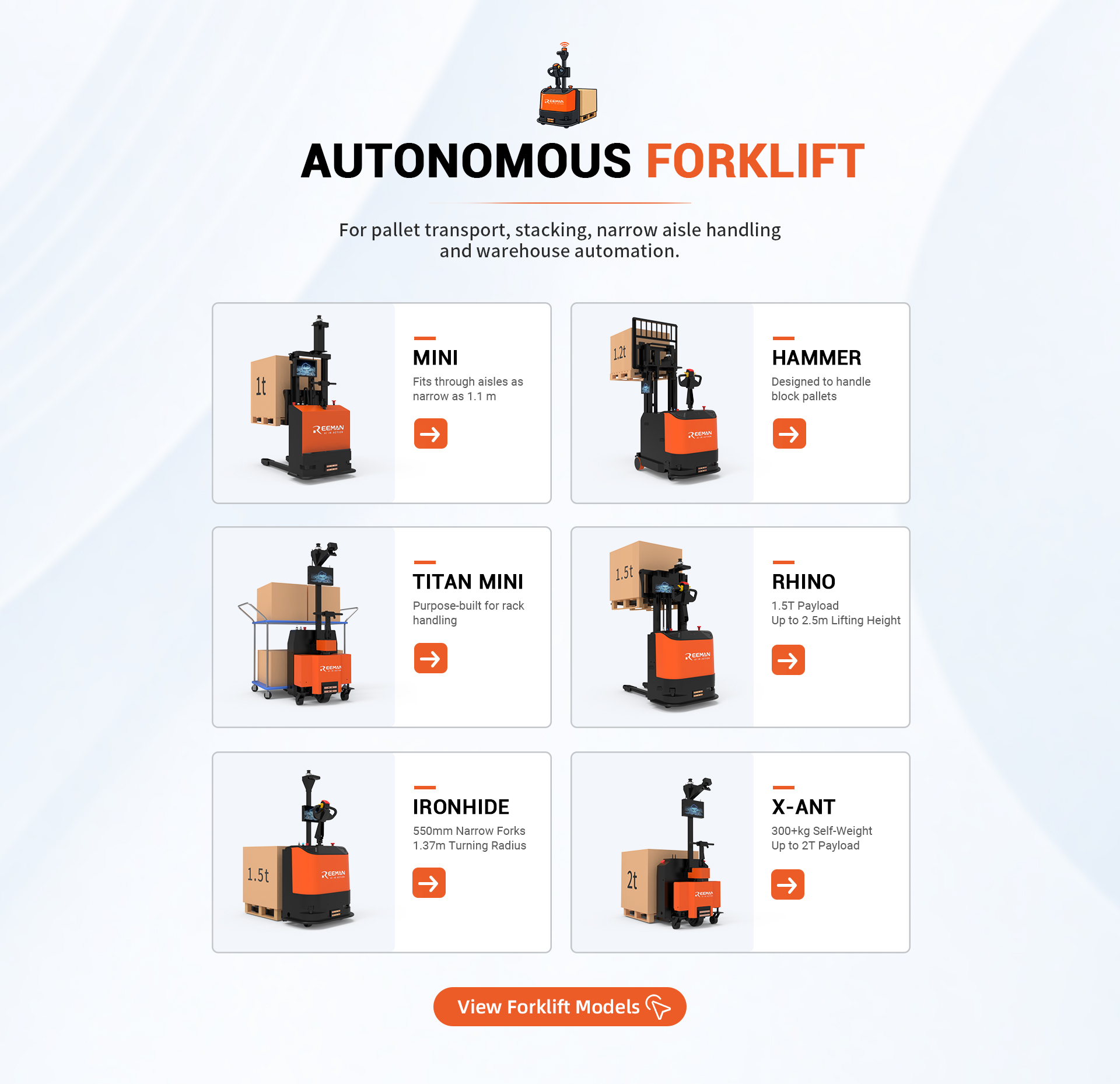
Pallet flow automation
Receiving, put-away, staging and dock transfer with driverless forklifts that support repeatable pallet moves.
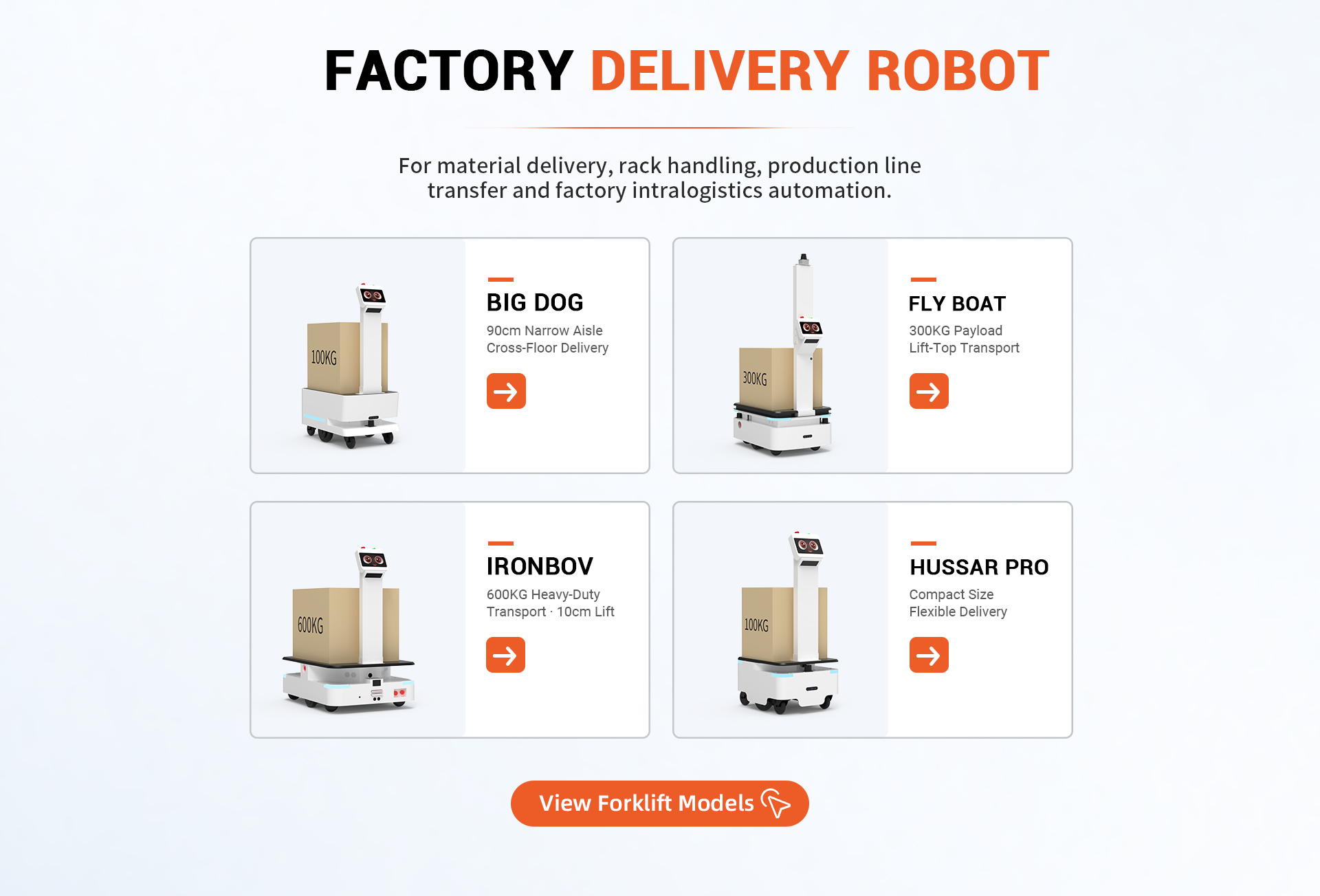
Line-side logistics
AMRs and delivery robots feed workstations, collect finished goods and synchronize tasks with MES or WMS systems.
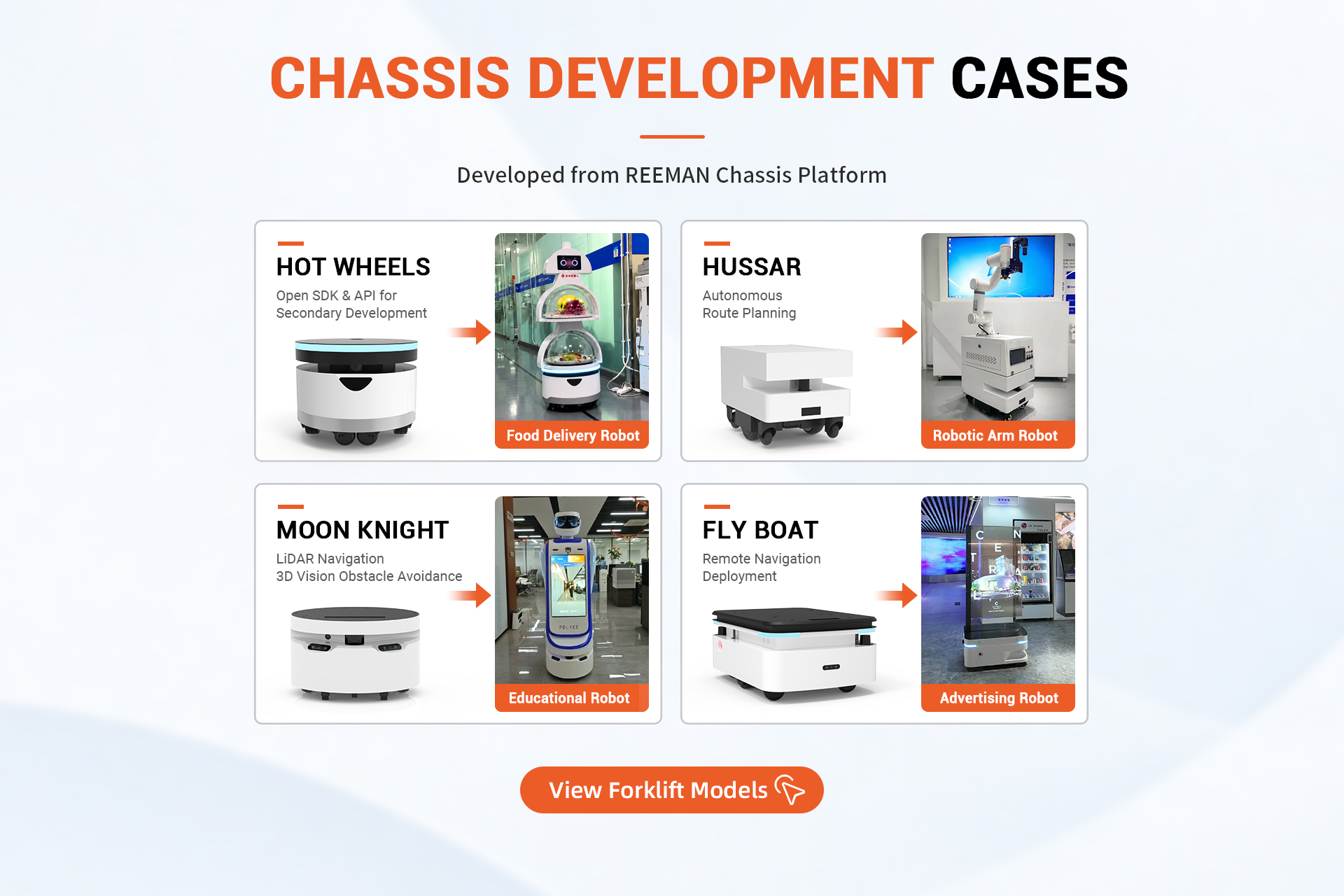
Custom robot development
SLAM chassis platforms with open SDK and modular payloads shorten time-to-market for branded robot products.
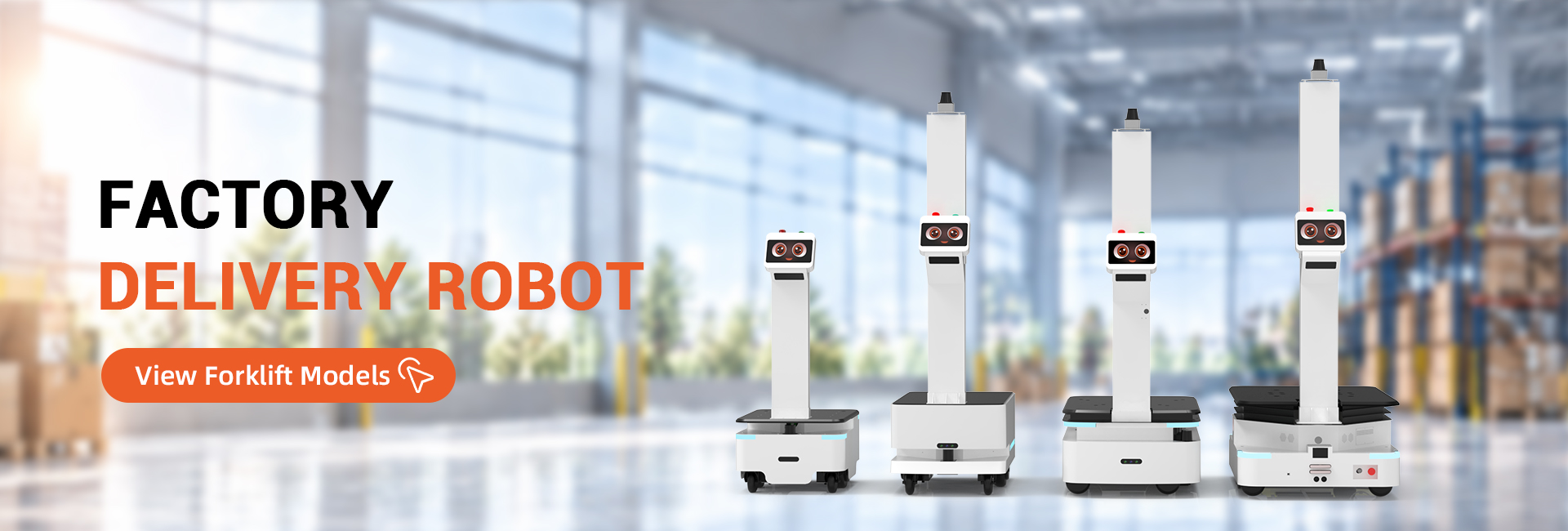
Delivery, guidance and advertising
Mobile service robots handle food runs, reception guidance and mobile signage so staff can focus on higher-value work.
Frequently Asked Questions About Outdoor Delivery Robot OEM/ODM
Questions procurement, engineering and operations teams usually ask before shortlisting a manufacturer.
What is an outdoor delivery robot, and how is it different from an indoor AMR?
Can Elvorn handle full OEM/ODM customization?
How does navigation perform when sensors are wet, dusty or exposed to changing light?
Which certifications and audit evidence can we review?
How should we calculate ROI and total cost of ownership?
What are typical MOQ, lead time and trade terms?
Can the robot connect to WMS, MES, ERP, elevators or doors?
What support is included after delivery?
Build Your Outdoor Delivery Robot Program With a Verified OEM/ODM Factory
Send your route profile, payload, pallet type, throughput target and integration requirements. Our application engineers will recommend a practical configuration and identify the customization points that matter before you issue a purchase order.