8 Autonomous Platforms for Restaurant Service Robot OEM/ODM Programs
Restaurant service robot programs rarely succeed by buying a generic shell. They succeed when the base platform, payload module, safety envelope and software interface are engineered together. The eight models below are proven autonomous bases for OEM/ODM evaluation. For a finished restaurant robot, Elvorn can adapt tray decks, insulated cargo boxes, voice prompts, elevator access, POS/PMS APIs, disinfectant modules and buyer-label branding.
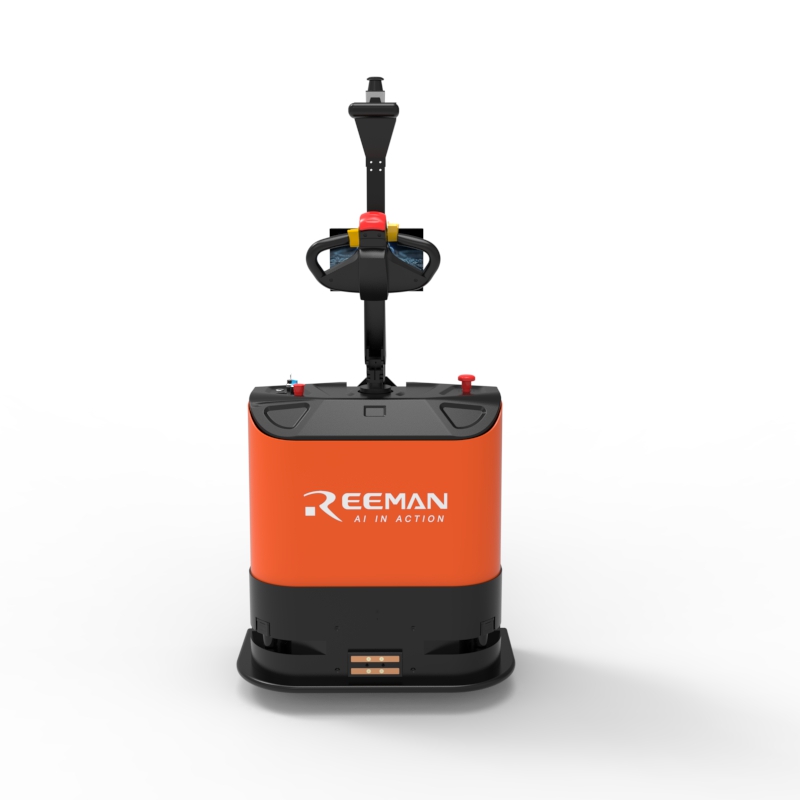
1500kg Laser SLAM Autonomous Forklift AGV Reflector-Free Point-to-Point Warehouse Material Handling
A 1,500 kg laser SLAM forklift platform for point-to-point pallet movement without reflectors, suited to central kitchens, commissaries and back-of-house logistics.
View model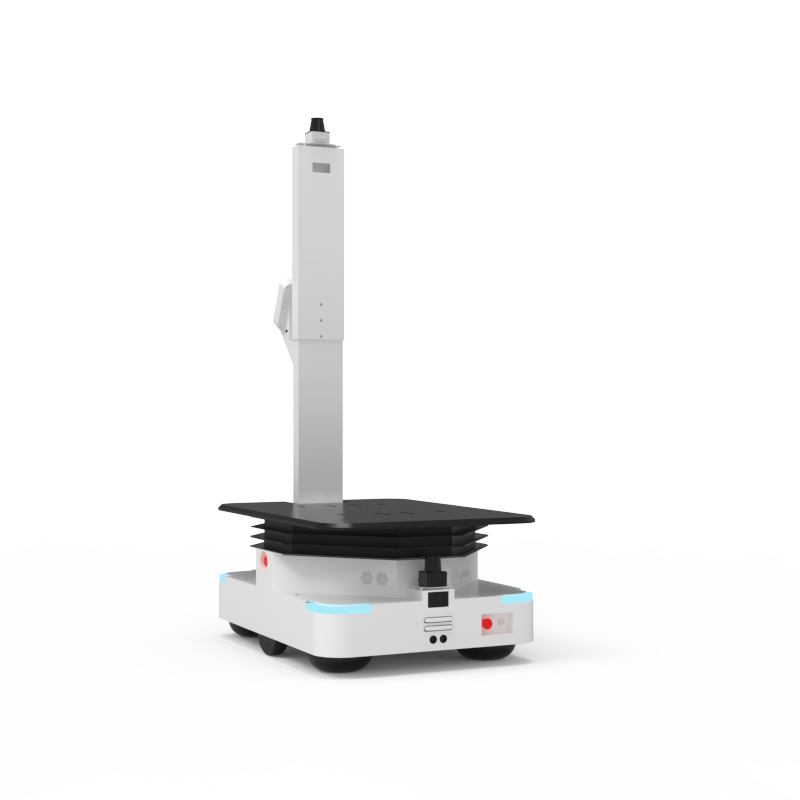
REEMAN Autonomous Mobile Robot AGV AMR 600kg Payload Sheet Metal Material Handling for Production Line
A 600 kg AMR platform for production-line material handling, adaptable to tray, cart or shelf top modules for OEM restaurant service robot programs.
View model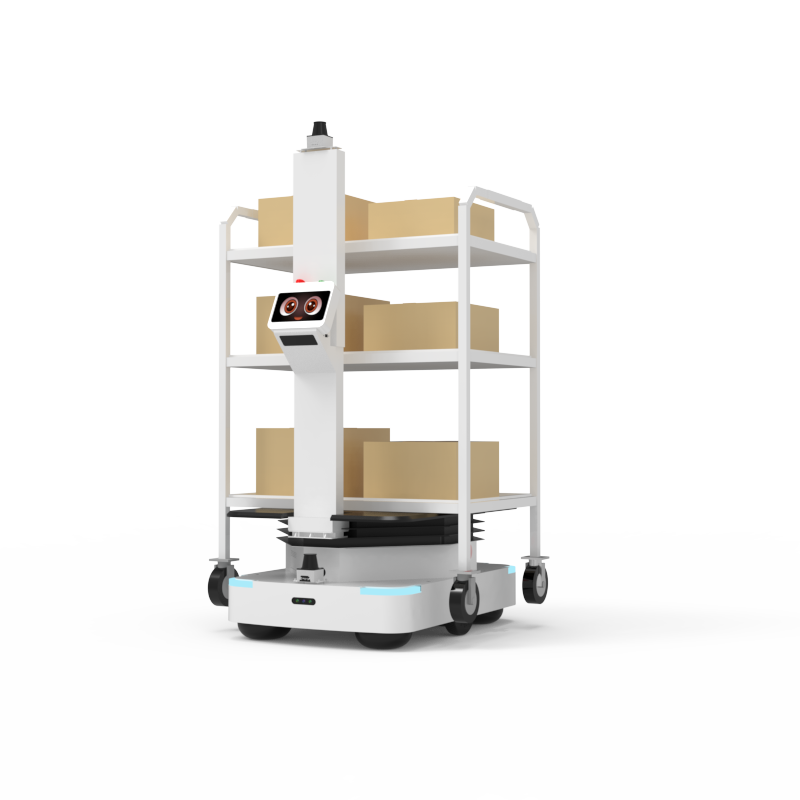
600KG Industrial Heavy Load AMR Robot Laser SLAM Auto Lifting Mobile Platform for in Plant Material Handling
An auto-lifting mobile platform for in-plant material handling, useful for heavy back-of-house loads, central kitchen logistics and automated supply staging.
View model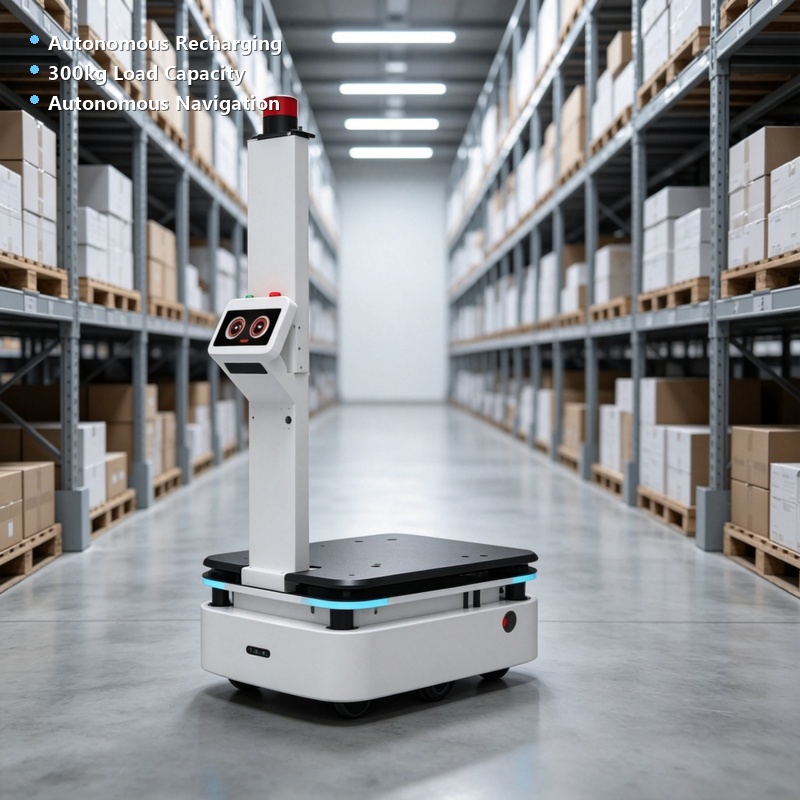
REEMAN Dual Laser Fly Boat MAX 300kg Industrial Delivery Robot for Manufacturing Plants and Factory Material Supply
A 300 kg dual-laser delivery robot for manufacturing plants and factory supply; a strong base for indoor food, multi-stop and tray-delivery customization.
View model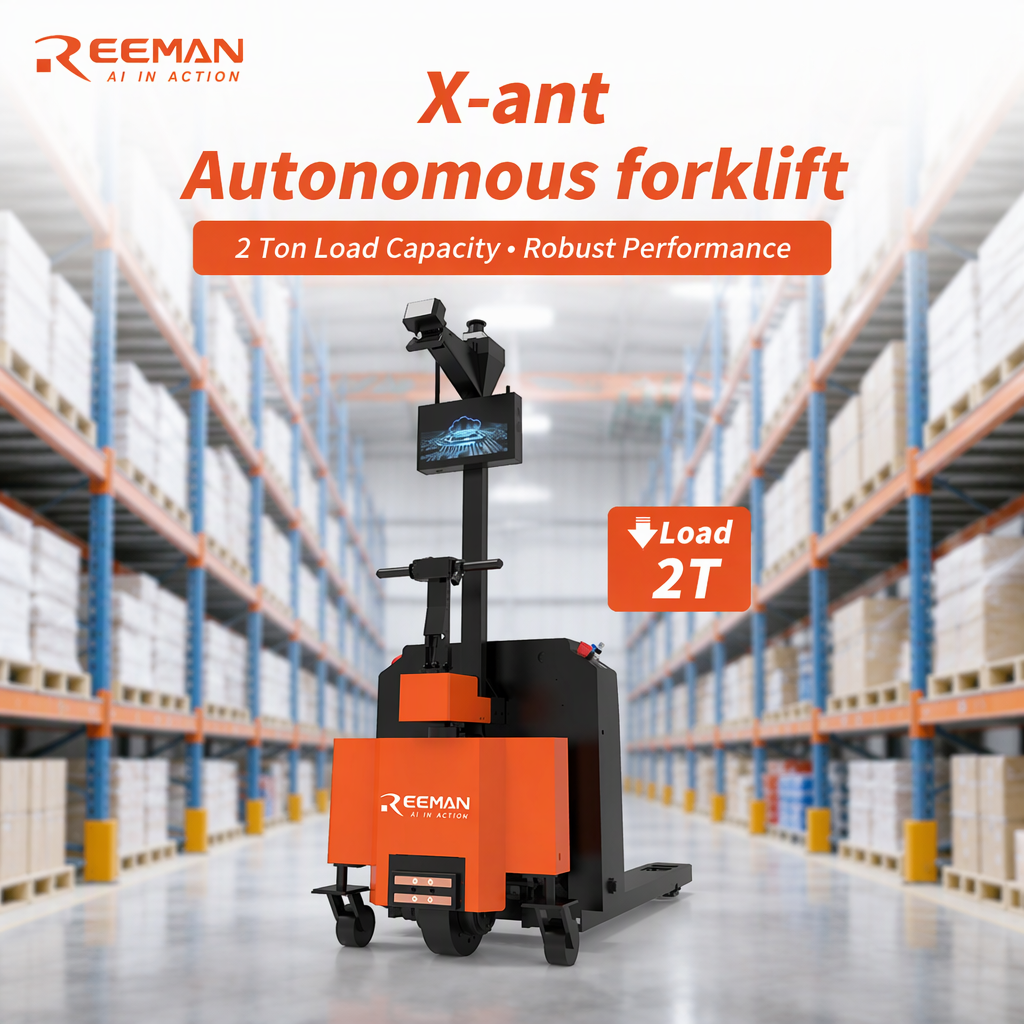
2 Ton Autonomous 4WD AGV Forklift Laser SLAM Navigation Multi-Line LiDAR 10mm Position Accuracy Warehouse Handling
A 2,000 kg 4WD AGV forklift with multi-line LiDAR and 10 mm positioning, suited to large commissaries, distribution centers and pallet flows.
View model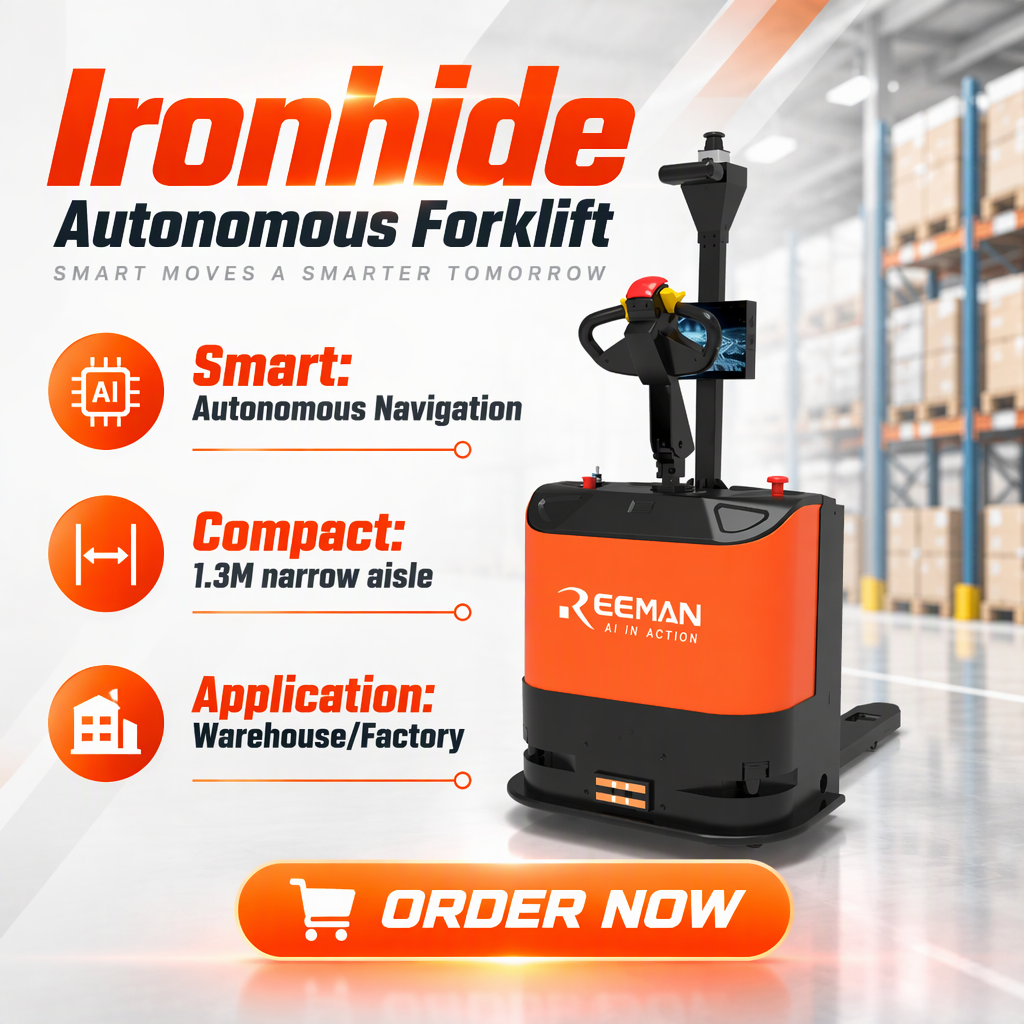
Reeman 1.5 Ton Autonomous Forklift AGV 3D Obstacle Avoidance Bidirectional Driving 48V 30AH Lithium-Ion Battery
A 1,500 kg autonomous forklift with 3D obstacle avoidance, bidirectional driving and 48V 30AH lithium-ion battery for repetitive pallet transfer.
View model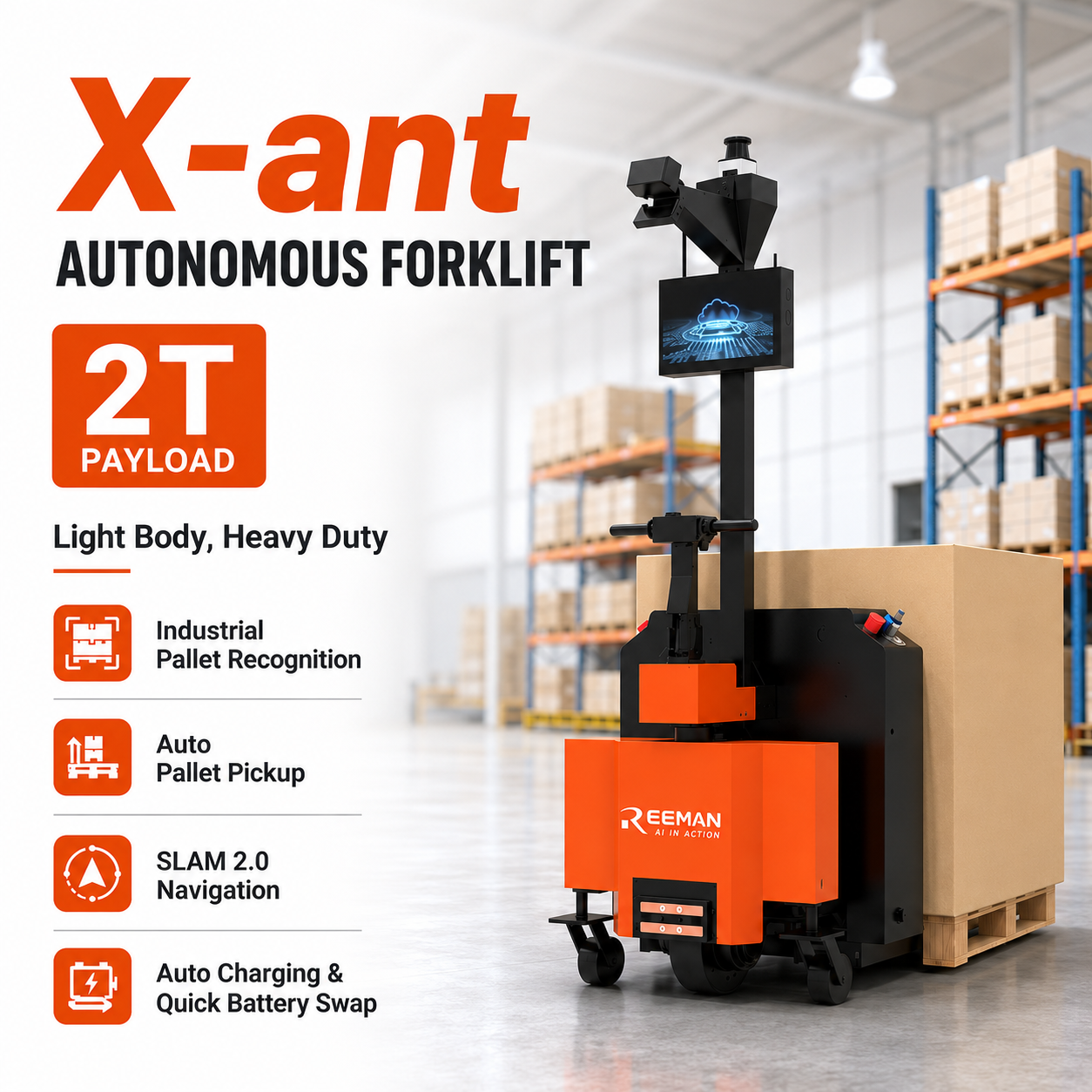
2 Ton Autonomous 4WD AGV Forklift Laser SLAM Navigation Multi-Line LiDAR 3D Obstacle Avoidance Warehouse Handling
A 2-ton laser SLAM configuration with multi-line LiDAR and 3D obstacle avoidance for dynamic sites where people, carts and forklifts share routes.
View model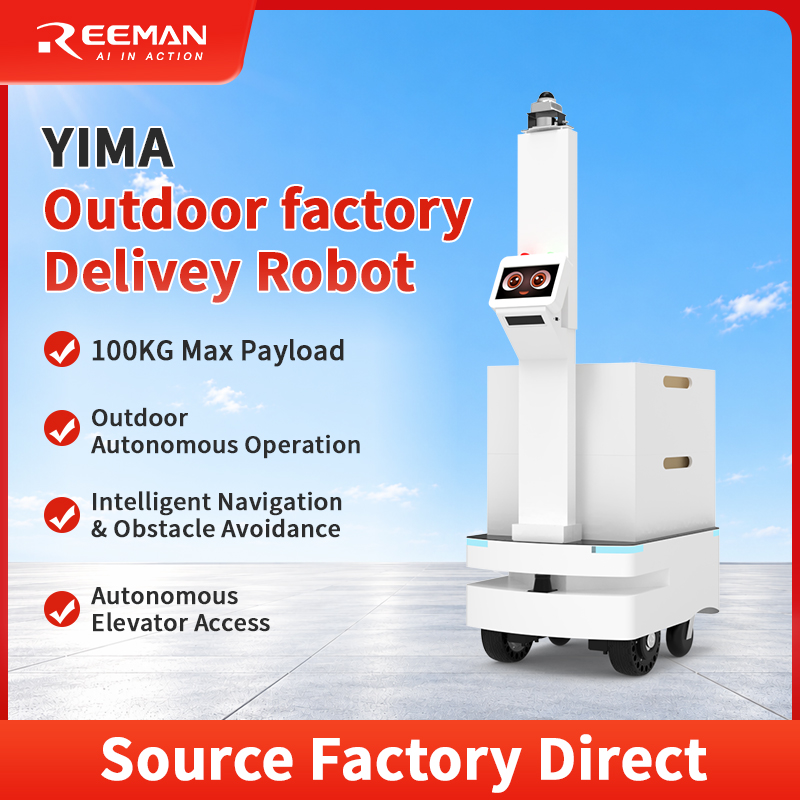
REEMAN Outdoor Delivery Robot 100kg Payload Autonomous Navigation Obstacle Avoidance Elevator Access Warehouse Logistics
A 100 kg outdoor autonomous delivery robot with obstacle avoidance and elevator access, suited to curbside, campus and multi-floor food delivery customization.
View modelWhy Global Wholesalers Shortlist This Restaurant Service Robot Factory
For wholesalers, the lowest unit price is not the same as the lowest risk. The factory must document design control, test records, certification scope and spare-part continuity while still offering flexible OEM/ODM customization.
Shenzhen Elvorn Intelligent Equipment Co., Ltd. was founded in 2015 and operates as a national high-tech enterprise focused on robotic platform technology and autonomous driving. In-house teams cover laser SLAM navigation, motion control, fleet scheduling, hardware design and production. The company operates two production bases in Shenzhen and Ningbo, with 5,200㎡ of floorspace, more than 200 team members and 39 awarded patents. Its management system is certified to ISO 9001 and ISO 14001, and the factory has been verified onsite by SGS Group. Depending on the model, robots can carry CE, FCC or PSE marks.
Laser SLAM Without Tape or Reflectors
Robots map a restaurant, commissary or warehouse in hours and navigate without magnetic tape, QR codes or floor reflectors. Layout changes do not require major floor work.
Open SDK/API Integration
AMRs and chassis can be connected to WMS, MES, POS, PMS, elevator controls, doors and custom dashboards through an open SDK and API for secondary development.
Modular Payload Engineering
From 60 kg delivery robots to 2-ton autonomous forklifts, shared control architecture simplifies top-module design, operator training and fleet maintenance.
Multi-Layer Safety Design
LiDAR, obstacle sensors, emergency stops and speed zoning support safe operation around guests, staff, carts and forklifts.
OEM / ODM & Buyer-Label Service
OEM service, design service and buyer-label options cover custom top modules, payload structures, branding, packaging and documentation for wholesale channels.
Export-Ready Support
English documentation, remote commissioning and spare-part supply support buyers across North America, Western Europe, East and Southeast Asia, and the Middle East.
Product Recommendations by Restaurant Workflow
Use the recommendations below to shortlist a base platform before the custom top module is designed. Each recommendation links to a live product reference so procurement and engineering teams can review payload, navigation and handling specifications.
Front-of-House Food Running & Tray Return
Start with the 300 kg dual-laser delivery platform when the route includes dining rooms, service corridors and repeated stops. Add insulated cargo modules, tray shelves and voice prompts for guest-facing operation.
Review the 300 kg platformMulti-Floor Room Service & Curbside Delivery
The 100 kg outdoor delivery robot with elevator access is a practical starting point for hotels, campuses and mixed indoor/outdoor food delivery. Confirm door widths, lift protocols and weather exposure early.
Review the 100 kg delivery robotBack-of-House Cart, Tote & Supply Movement
The 600 kg AMR platform is suitable for production-line material handling and can be adapted with shelves, carts or tote racks for central kitchens and restaurant supply rooms.
Review the 600 kg AMRHeavy Central-Kitchen & Commissary Pallet Flow
When pallets, racks or bulk ingredients dominate the workflow, compare the 1.5-ton and 2-ton autonomous forklift AGVs. Load rating, fork dimensions, aisle width and throughput targets drive the final choice.
Review the 1.5-ton forklift AGVNarrow-Aisle Pallet Transfer Without Reflectors
The 1,500 kg laser SLAM forklift AGV is designed for point-to-point warehouse material handling without reflectors. It is a strong fit for existing facilities where floor modification would disrupt operations.
Review the 1,500 kg forklift AGVDynamic Mixed-Traffic Logistics
For busy sites where people, carts and forklifts share routes, specify a 2-ton 4WD AGV forklift configuration with multi-line LiDAR and 3D obstacle avoidance. Speed zoning and route planning should be reviewed during the site survey.
Review the 2-ton 4WD configurationProcurement Trends Reshaping Restaurant Service Robot Wholesaling
Restaurant chains and distributors are moving from isolated robot purchases to repeatable programs. The buying questions are becoming more operational, more financial and more evidence-based.
1. Modular Procurement Replaces One-Off Builds
Wholesalers increasingly prefer one validated autonomous base with multiple top modules for food running, tray return, linen movement or disinfection. This reduces engineering duplication and shortens market launch cycles.
2. Open APIs Become a Contract Requirement
Restaurant operators expect robots to exchange task status with POS, PMS, kitchen display systems, elevators and access control. Buyers should ask for API documentation, sample payloads and integration support before signing.
3. Safety Evidence Moves into the RFQ
Procurement teams now request risk assessments, emergency-stop logic, speed-zone configuration, sensor coverage and operator training materials. CE, FCC or PSE marks are considered per model and target market.
4. TCO Outranks Sticker Price
Battery strategy, charging time, spare-part availability, remote diagnostics and maintenance intervals can outweigh a low initial quote. A 12–36 month total cost of ownership view is becoming standard in wholesale negotiations.
5. Fleet Orchestration Connects the Building
Restaurant robots must cooperate with elevators, doors, charging docks and other AMRs. Fleet scheduling, traffic control and multi-floor handoff capability are becoming selection criteria rather than optional features.
6. Local Service and Spare Parts Decide Repeat Orders
Distributors want English documentation, remote commissioning, predictable spare-part supply and clear escalation paths. Service continuity is now a core part of the factory relationship, not an after-sales afterthought.
Product Development Trends for the Next Restaurant Robot Generation
Restaurant service robots are becoming safer, more connected and easier to operate in public spaces. The next procurement cycle will reward platforms that support iteration without replacing the entire fleet.
Multimodal Navigation
LiDAR, vision, IMU and odometry fusion improves performance near glass, mirrors, crowds and changing furniture layouts. For restaurant environments, robust localization matters as much as payload.
Human-Friendly Interaction
Voice prompts, touchscreens, light signals and multilingual guest messaging make robots easier to accept in dining rooms. Operators increasingly ask for customizable UI and brand voice.
Multi-Floor and Outdoor Continuity
Elevator access, door control, outdoor navigation and weather protection extend service from dining rooms to hotels, campuses and curbside pickup zones.
Hygiene and Food-Safe Design
Removable trays, smooth surfaces, sealed cargo compartments and easy-clean materials are becoming important for food service. Buyers should specify cleaning procedures and material compatibility early.
Battery Strategy and Opportunity Charging
Battery capacity, charging time, dock planning and swap options directly affect uptime. Wholesalers should model peak meal periods, not average daily use, when sizing the energy strategy.
Remote Diagnostics and Digital Twins
Cloud dashboards, log export and remote troubleshooting reduce service visits. Digital mapping and simulation help distributors validate a restaurant layout before shipping hardware.
Restaurant Service Robot Procurement Scorecard
Use this scorecard to compare factories and wholesalers on evidence, not presentation. Weights can be adjusted for chain operators, distributors or integrators.
| Evaluation Area | Suggested Weight | What to Request | Why It Matters |
|---|---|---|---|
| Platform Fit | 20% | Payload, dimensions, turning radius, floor clearance, route test video and top-module drawings. | Prevents a low-cost platform from failing the real restaurant layout after shipment. |
| Navigation & Safety | 20% | SLAM configuration, sensor list, obstacle-avoidance logic, e-stop design, speed zones and risk assessment support. | Public dining rooms require predictable behavior around guests, staff and service carts. |
| Integration Capability | 15% | SDK/API documentation, WMS/MES/POS/PMS examples, elevator-control scope and custom dashboard support. | Robots that cannot talk to building systems become isolated equipment. |
| Factory Evidence | 15% | Business license, SGS onsite verification, ISO 9001/14001, CE/FCC/PSE scope by model, test records and transaction history. | Supports due diligence and reduces supplier risk for distributors. |
| Customization Path | 15% | OEM/ODM options, design service, buyer label, top-module engineering, branding and packaging plan. | Wholesalers need repeatable differentiation without rebuilding the core platform. |
| Service & TCO | 15% | Spare-parts list, remote commissioning, training materials, battery plan, maintenance intervals and FOB/T/T terms. | Uptime and service continuity often dominate the first-year cost of ownership. |
Factory Evidence, Certifications and Global Service
Elvorn’s production and engineering system is built for buyers who need repeatable output rather than a one-off prototype. Supplier assessment procedures and on-site material inspection are part of factory operations, and the company has passed onsite verification by SGS Group. Management systems are certified to ISO 9001 and ISO 14001; depending on the model, robots carry CE, FCC or PSE marks.




From RFQ to Stable Operation in Four Controlled Steps
A disciplined deployment path lowers integration risk for restaurant chains, distributors and private-label programs.
Requirement Review
Share layout drawings, load data, route videos, elevator details, throughput targets and target markets so engineers can screen platform options.
Solution Design
Review model shortlist, fleet size, charging plan, top-module concept, safety envelope and integration scope for POS, PMS or building controls.
Customization & Factory Testing
Complete OEM branding, payload structure, software interface and function/load testing before shipment. Test records can be made available.
Deployment & Support
Use remote mapping, operator training, spare-part supply and escalation procedures to move from pilot to repeat orders with less downtime.
Frequently Asked Questions for Restaurant Robot Wholesalers
Practical answers for procurement teams preparing an OEM/ODM restaurant service robot RFQ.
What is the minimum order quantity for OEM/ODM restaurant service robots?
Can the robot be customized for tray delivery, voice prompts and POS/PMS integration?
Which certifications can be supplied for export?
What is the difference between an AGV forklift and an AMR?
How should buyers plan a pilot deployment?
What trade terms and currencies are accepted?
What after-sales support is available for wholesalers?
What information should be included in an RFQ?
Build a Restaurant Service Robot Program with a Verified OEM/ODM Factory
Send your restaurant workflow, payload, route, elevator, interface and branding requirements. Our team will respond with a model shortlist, customization outline and factory quotation based on the eight autonomous platforms above.