Recommended OEM/ODM Robot Base Products
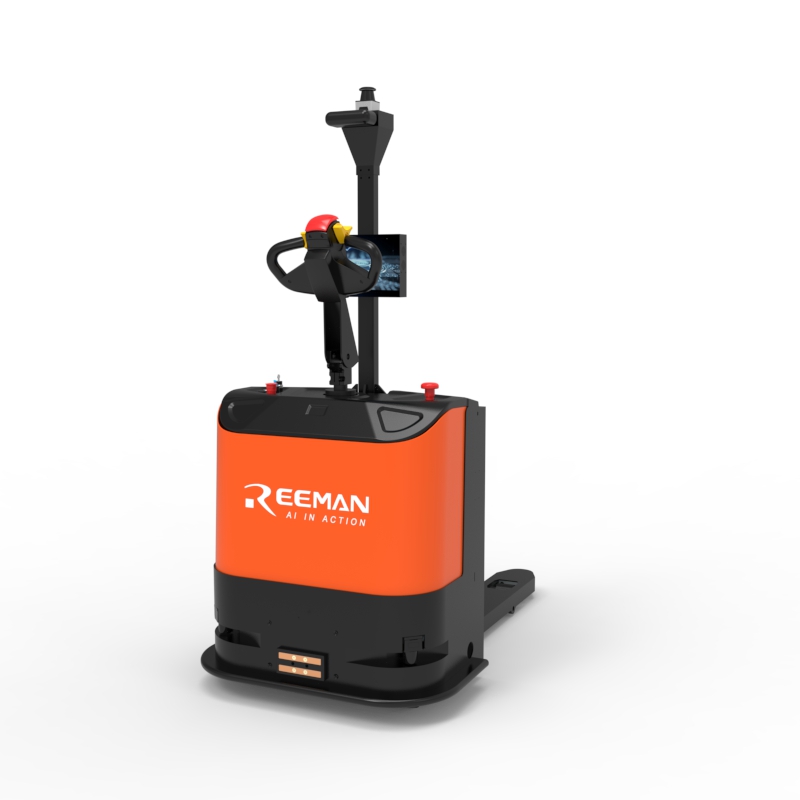
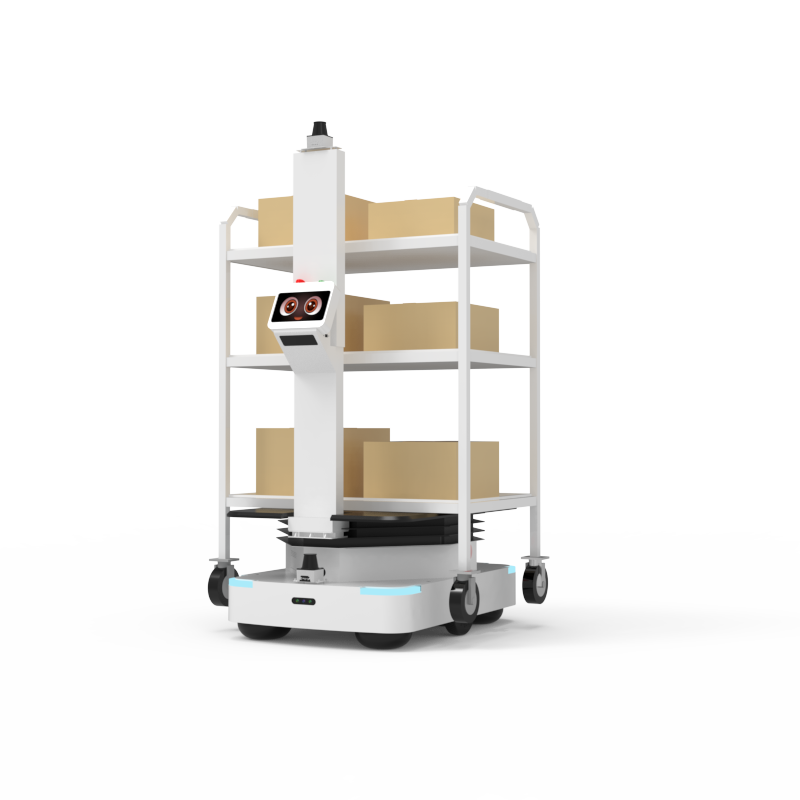
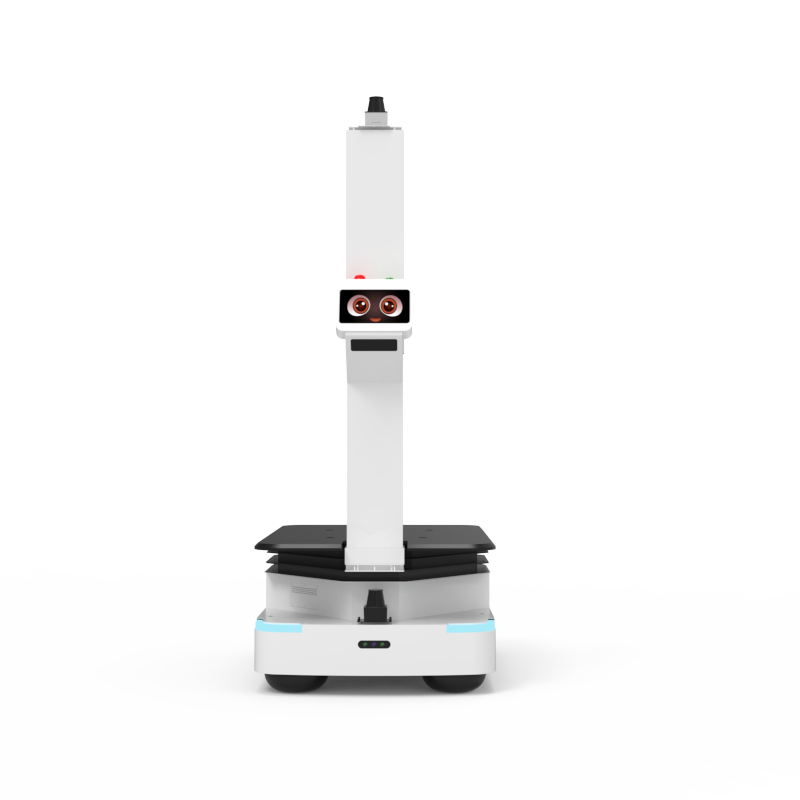
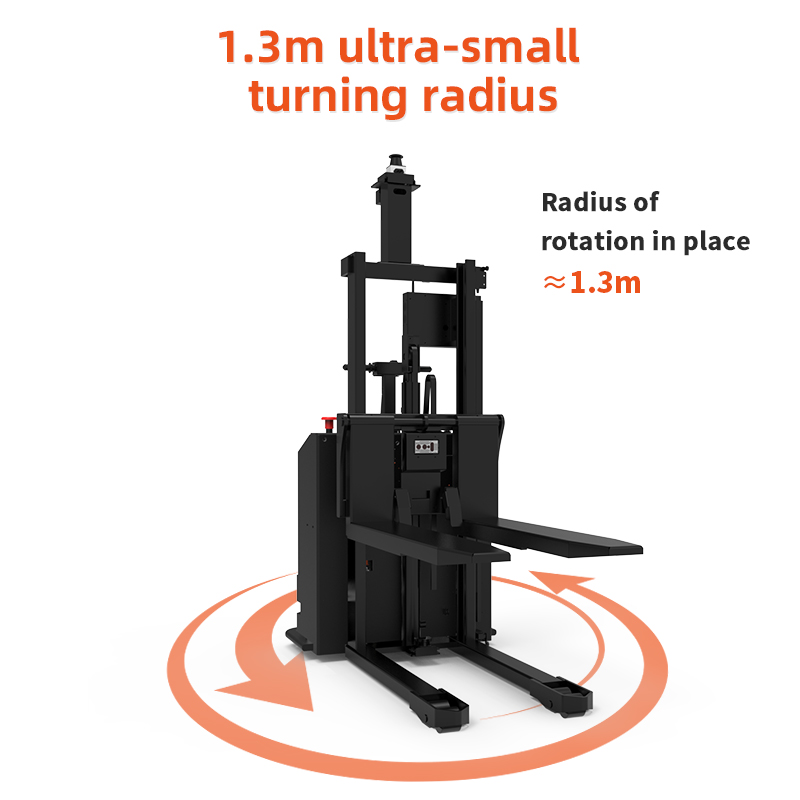
Below are eight production-ready bases and autonomous platforms from Elvorn’s AGV/AMR range. Product URLs are preserved so engineering and procurement teams can compare payloads, navigation logic and handling style directly.



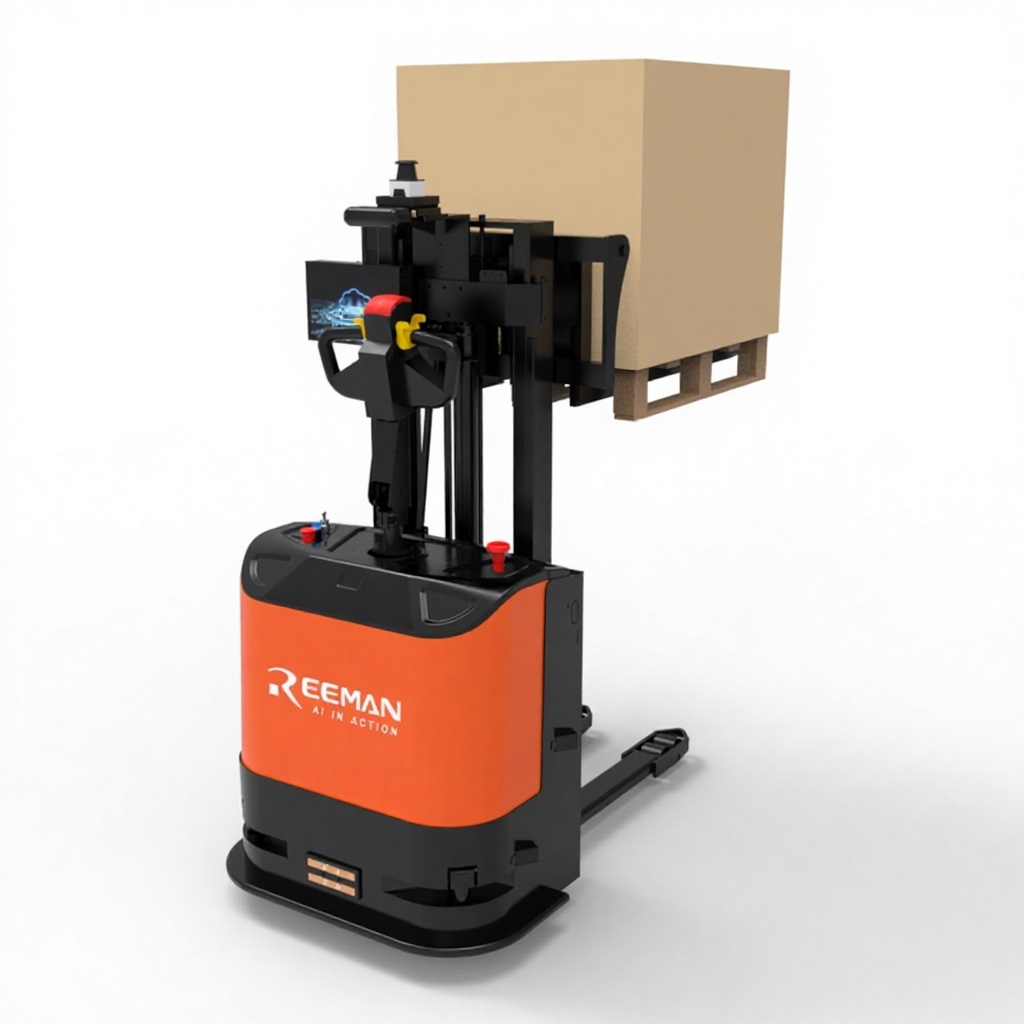
Why the Robot Base—Not Just the Top Module—Controls Long-Term ROI
Robot base selection is a system decision. The platform carries the LiDAR, cameras, IMU, wheel encoders, motor drives, battery, safety controller, emergency-stop circuit and wireless gateway. It also determines how the robot maps a changing floor, recovers from a blocked aisle, docks to a charger and responds to a fleet manager. A low-cost base can appear attractive in a quotation, but if navigation is unstable in high-traffic zones or if the SDK is closed, the integration cost moves into the buyer’s engineering team. That is why serious OEM/ODM Robot Base Manufacturer & Factories procurement starts with acceptance criteria, not a catalogue photo.
Since 2015, Elvorn has built autonomous mobile robots and robot platforms from Shenzhen and Ningbo production bases. Our engineering team works across laser SLAM navigation, motion control, fleet scheduling and hardware design, so a buyer can discuss aisle width, pallet condition, charger placement, WMS/MES interfaces and spare-part planning with one technical team. The company has 5,200㎡ of floorspace, 200+ team members and 39 patents, and the factory has been verified onsite by SGS Group. For export buyers, this matters because a robot base is not a one-off shipment; it is a platform that must remain serviceable across models, firmware releases and site expansions.
The strongest suppliers answer three questions with evidence: what happens when the map changes, what happens when a route is blocked, and what happens after the warranty period. Ask for the navigation test record, the safety-stop logic, the integration interface definition, the spare-part list and the firmware update policy. These are not administrative details. They are the difference between a pilot that scales and a pilot that becomes an expensive internal project.
Robot Base Procurement Scorecard
Use this weighting for first-round supplier comparison. Adjust the percentages to your own operation, but keep every item evidence-based.
Procurement Trends Reshaping Robot Base Selection
Buyers are no longer comparing a single machine only on payload and price. They are comparing the repeatability of the platform, the openness of the software layer and the supplier’s ability to support a growing fleet.
Fleet-Level Business Cases Replace Single-Robot Pilots
Procurement teams now request route cycle times, charger ratios, fleet-scheduling capacity and escalation procedures before approving a pilot. The robot base must be able to run consistently across shifts, not only in a staged demo. When a buyer asks for OEE-style visibility, the supplier should be able to explain task status, fault codes, battery data and recovery actions. A platform that cannot export operational data is difficult to scale beyond the first aisle.
TCO Includes Software, Data and Spare Parts
The purchase price is only the first line in the total-cost model. Battery cycle life, charger planning, lidar replacement, wheel wear, remote support, firmware updates and integration engineering all affect the three-to-five-year cost. Experienced buyers now ask for a spare-part recommendation list, wear-item replacement intervals and a clear policy for software bug fixes. For OEM/ODM projects, they also check whether custom top modules remain compatible with future base revisions.
Compliance and Interoperability Become Gate Items
For European, North American and Japanese projects, buyers increasingly ask for the compliance path behind CE, FCC or PSE claims and discuss system-level safety for driverless industrial trucks. They may reference standards such as ISO 3691-4, ANSI/ITSDF B56.5 and IEC 61496 for safety-related sensors. They also ask about interoperability with WMS, MES, ERP and fleet systems through APIs, MQTT or VDA 5050-style interfaces. A credible factory documents the scope of each claim instead of offering a logo alone.
Technology Development Trends in AMR, AGV and Robot Base Platforms
The next procurement cycle will favour platforms that combine stronger perception, open integration and modular hardware rather than isolated performance claims.
Multi-Sensor SLAM Is Becoming the Baseline
Single-line LiDAR remains cost-effective for controlled aisles, but dynamic factories increasingly need dual or multi-line LiDAR, 3D vision and sensor fusion. The practical question is not how many sensors are listed, but how the base handles reflective surfaces, glass walls, pallets protruding into aisles and temporary obstacles. Ask for site-specific validation, not only a laboratory map.
Software-Defined Fleets and Open APIs
Robot bases are becoming nodes in a larger logistics system. Buyers want task dispatch from WMS or MES, status feedback to dashboards and exception handling for blocked routes. An open SDK and API can shorten integration time, while clearly documented state machines and fault codes reduce debugging cost. For OEM projects, software openness also protects the buyer from being locked into one top-module supplier.
Safety Validation Moves to System Level
Component certificates are necessary but not sufficient. Driverless forklifts and AMRs need a safety concept that covers speed zoning, obstacle detection zones, emergency stops, braking distance and manual recovery. In a modern RFQ, the buyer should ask how the safety functions were validated on the complete vehicle, how pedestrians are protected at blind corners and how changes to top modules affect the risk assessment.
Modular Payload and Battery Architecture
One robot base should serve several task types: lifting, towing, roller-top, shelf-carrying or forklift handling. Modular payload interfaces reduce engineering duplication, while battery strategy affects uptime. Opportunity charging, automatic charging and exchangeable packs should be evaluated against shift length and charger availability. For multi-model fleets, shared batteries, chargers and service procedures can materially reduce operating cost.
Which Robot Base Fits Your Workflow?
The fastest procurement decision is based on the load, the pick/drop method and the traffic environment—not on the largest payload number.
High-Throughput Pallet Handling
For warehouses moving pallets between docks, floor buffer zones and racking, prioritize turning radius, fork repeatability, obstacle avoidance and charger strategy. Heavy pallet flows usually justify a dedicated forklift AGV rather than a general-purpose AMR.
- 2 Ton Autonomous 4WD AGV Forklift for heavy warehouse handling.
- 1000kg Forklift AGV with compact turning for factory logistics.
- Reeman BBOT30F 1500kg Pallet Stacker for stacking and transport.
Flexible In-Plant Line-Side Logistics
When production changes frequently, the base should map quickly and accept new routes without floor tape. Open integration matters because line-side tasks often start from MES or a workstation call button. Lifting and shelf-carrying AMRs are usually more efficient than forklift platforms in these areas.
- Dual Laser AMR 300KG Lifting Robot for manufacturing plants.
- 600KG Heavy Load Lifting AMR for heavier in-plant material.
- 600kg Industrial AMR for QR code-free factory logistics.
Complex Warehouse and OEM/ODM Programs
For mixed pallets, high traffic and top-module customization, choose a platform with documented perception and integration capability. The base should support your branding, packaging, interface definition and long-term spare-part plan. Validation units should be tested against the real load and route before fleet release.
- REEMAN Rhino RBOT30F with 3D vision obstacle avoidance.
- CE Certified 1500kg Driverless Forklift for pallet loading/unloading.
- 2 Ton Multi-Line LiDAR Forklift AGV for demanding warehouse circulation.
What OEM/ODM Buyers Can Verify with Elvorn
Elvorn is a national high-tech enterprise focused on robotic platform technology and autonomous driving. The value is not a single specification sheet—it is the engineering, production and export system behind the base.
Full-Stack Engineering Control
In-house R&D covers laser SLAM navigation, motion control, fleet scheduling and hardware. This allows faster customization and clearer technical answers when a buyer changes aisle width, pallet type, charger location or integration scope.
OEM, ODM and Buyer-Label Flexibility
Custom top modules, payload structures, branding and packaging are available for distributors, integrators and private-label robot programmes. The objective is a platform that fits your product roadmap, not a forced catalogue configuration.
Two Production Bases in Shenzhen & Ningbo
The company operates two production bases with supplier assessment procedures and on-site material inspection. Controlled production helps protect delivery schedules when a project moves from one validation unit to a fleet order.
Audited Quality and Export Documentation
The factory has been verified onsite by SGS Group and the management system is certified to ISO 9001 and ISO 14001. Depending on the model, robots carry CE, FCC or PSE marks. Functional and load testing is performed before shipment.
Open SDK & API Integration Support
AMRs and robot bases provide an open SDK and API for secondary development. Integrators can connect task dispatch and status feedback to WMS, MES, ERP, elevators, doors or custom dashboards, reducing the software gap between robot and operation.
Export-Ready Service and Spare Parts
English documentation, remote commissioning and spare-part supply support buyers in North America, Western Europe, East and Southeast Asia and the Middle East. FOB shipment and T/T payment in USD or CNY are available for export orders.
Factory, Quality and Certification Evidence
For a high-value autonomous platform, due diligence should combine factory verification, management-system certification, model-level marks and shipment testing records.



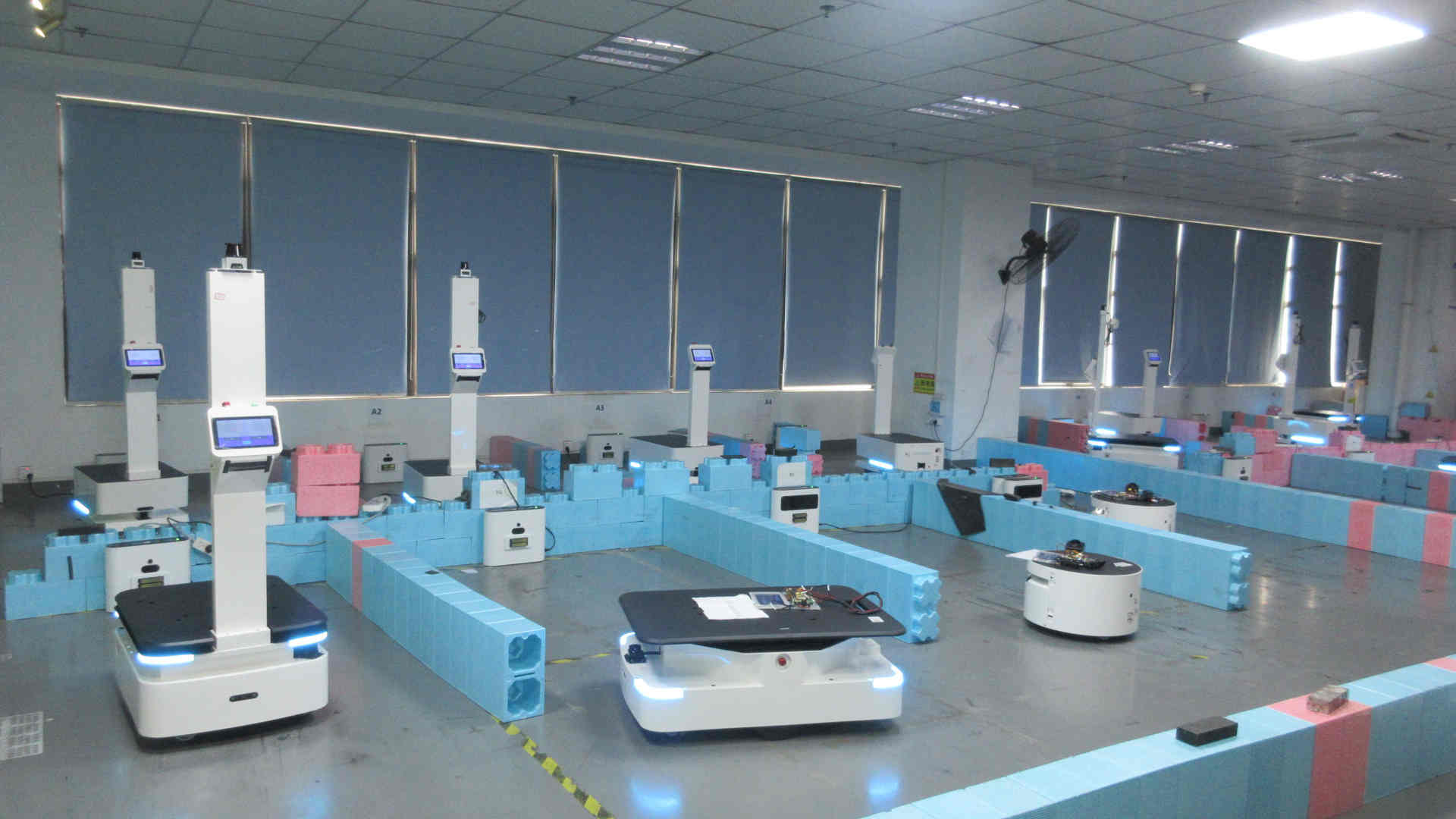
What the Factory System Shows a Buyer
Elvorn is a verified custom manufacturer with two production bases in Shenzhen and Ningbo. Supplier assessment procedures and on-site material inspection are part of the production routine, which matters when a project requires repeatable builds rather than a one-off prototype. The SGS onsite verification supports buyer due diligence on business licensing, production capability and quality control.
Model-level CE, FCC or PSE marks should be reviewed against the target market and the exact configuration. At the system level, procurement teams should also discuss the safety concept for driverless operation, including obstacle detection, speed control, emergency stop and manual recovery. For ODM projects, the same review should include the custom top module and its effect on stability and safety.
- SGS Group onsite verification for factory due diligence
- ISO 9001 quality management and ISO 14001 environmental management
- CE / FCC / PSE certification depending on model and destination
- Functional and load testing before shipment, with test records available
- OEM service, design service and buyer-label options
- Export terms: FOB; payment: T/T in USD or CNY
 Onsite Verified
 CE Marking
 FCC
 PSE
Frequently Asked Questions for OEM/ODM Robot Base Buyers
These are the questions that usually determine whether a robot base programme moves from RFQ to validation and then to fleet rollout.
What is the difference between an AGV forklift and an AMR robot base?
An AGV forklift is designed to lift, move and place pallets using forks, often between floor, dock and rack positions. An AMR robot base is a mobile platform that carries totes, carts, shelves or a custom top module. Both Elvorn product lines use laser SLAM navigation, so magnetic tape or floor reflectors are not required. The right choice depends on the load interface and the handling method, not on the acronym alone.
How should we compare OEM/ODM robot base manufacturers?
Compare evidence, not only specifications. Ask for a site-specific navigation test plan, safety-stop logic, SDK/API documentation, acceptance-test protocol, spare-parts list, firmware update policy and reference deployments of similar complexity. For OEM/ODM programmes, also ask how custom top modules affect stability, safety validation and future base compatibility. A supplier that can explain the boundaries of its platform is easier to integrate than one that promises everything without documentation.
Can Elvorn robots integrate with our WMS, MES or ERP?
Yes. Elvorn AMRs and robot platforms provide an open SDK and API for secondary development, allowing task dispatch and status feedback from warehouse management, manufacturing execution or custom software systems. Before the project starts, define the data points you need—task status, battery level, fault code, current position, route completion and exception reason—so the interface specification can be tested during the validation phase.
What OEM/ODM customization is available?
As a verified custom manufacturer, Elvorn offers OEM service, design service and buyer-label options. Typical customization includes top modules, payload structures, lifting or conveyor interfaces, branding, packaging and software integration. For ODM projects, the earlier the load interface and safety boundary are defined, the lower the engineering rework during validation. Buyers should provide drawings, load data, working environment and target certification market at the RFQ stage.
Which certifications and factory audits support due diligence?
Depending on the model, Elvorn robots carry CE, FCC or PSE marks. The company management system is certified to ISO 9001 and ISO 14001, and the factory has been verified onsite by SGS Group. Buyers should request the certificate scope, the exact model/configuration covered and any system-level safety assessment required for their jurisdiction. A certificate logo alone is not enough; the scope and configuration must match the purchased robot.
What site data is needed for an accurate proposal?
Provide a layout drawing with aisle widths, door widths, elevator or fire-door interfaces, floor conditions, charging location, pallet or cart dimensions, maximum load, required throughput, shift pattern and existing WMS/MES/ERP systems. Photos and videos of congested zones are valuable. If the site has glass walls, reflective floors, ramps, automatic doors or mixed pedestrian traffic, state this early so the navigation and safety configuration can be reviewed before quotation.
What safety standards should a buyer discuss for driverless forklifts?
For driverless industrial trucks, buyers commonly discuss ISO 3691-4 at the system level and ANSI/ITSDF B56.5 for the US market. Safety-related sensors may raise questions about IEC 61496. The exact legal requirement depends on the destination market and application. A serious supplier should explain how the complete vehicle validates obstacle detection, speed zoning, braking distance, emergency stop and manual recovery, and how a custom top module changes the risk assessment.
How long does deployment take?
A single-site validation unit can be prepared after requirements, site survey and configuration are confirmed. Fleet deployment timing depends on map complexity, integration scope, network readiness and operator training. The practical milestones are requirement review, solution design, customization, factory testing, site mapping, acceptance testing and production handover. For multi-site programmes, allow time for standardizing routes, chargers, traffic rules and escalation procedures across locations.
What trade terms, payment and export markets does Elvorn support?
Elvorn ships worldwide on FOB terms and accepts T/T payment in USD or CNY. Main export markets include North America, Western Europe, Eastern Asia, Southeast Asia and the Middle East. For large fleets or OEM/ODM programmes, discuss packaging, spare-part kits, documentation language, remote commissioning and warranty workflow during contract review. These details should be documented before the first shipment, not after the robot arrives.
Can we buy one validation unit before a fleet order?
Yes. A validation unit is often the most sensible step for a new route, load type or top-module design. The unit should be tested against the real pallet weight, aisle restrictions, charger position, network layout and operator workflow. Define acceptance criteria in advance: route completion rate, cycle time, docking repeatability, safety-stop response, recovery time and integration data accuracy. Once the platform passes, the fleet order can reuse the validated configuration and spare-part plan.
Build Your Robot Base Programme with a Verified Manufacturer
Send your layout, load, pallet type, throughput target and integration requirements. Elvorn engineers can recommend the right AMR, AGV forklift or OEM/ODM robot base configuration and prepare a validation plan for your market.
info@elvornbot.com