Top 10 Hotel Service Robot Factories & Exporter
A 2025–2028 procurement guide for hotel groups, distributors and integrators evaluating autonomous delivery, cleaning, concierge, digital signage and back-of-house logistics robots from verified export-ready factories.
8 Hotel-Relevant Products from an Export-Ready Robot Factory
Hotel automation is broader than a single service robot. It connects guest-facing delivery, lobby wayfinding, cleaning and disinfection with back-of-house pallet movement, linen logistics, F&B storage and event setup. The eight products below preserve their original product URLs so buyers can verify specifications directly.
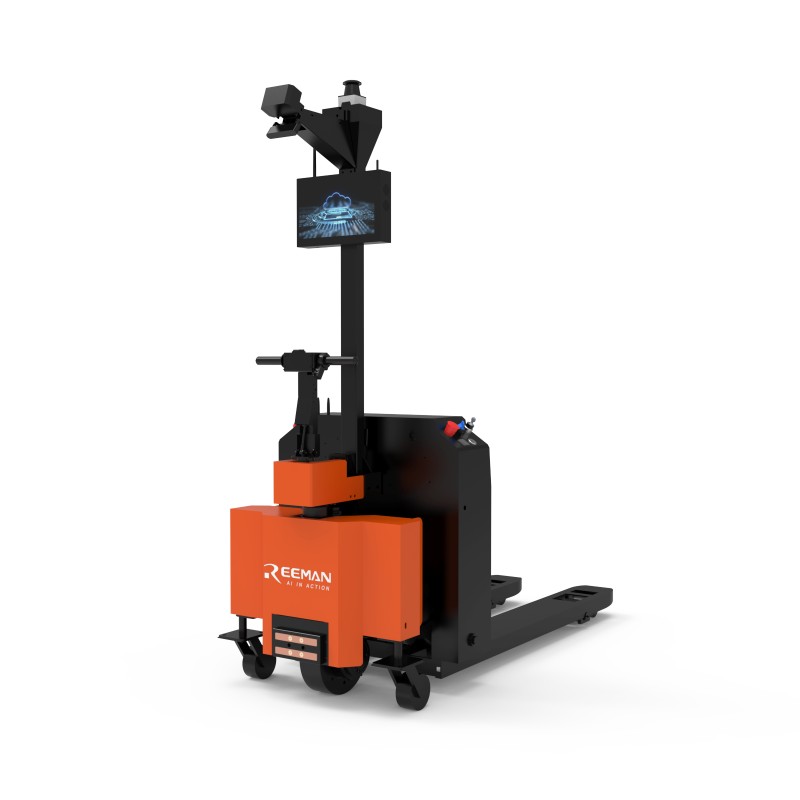
Reeman 2 Ton Autonomous Forklift AGV Laser SLAM Unmanned Pallet Truck 1085mm Fork 10mm Position Accuracy
Hotel relevance: central F&B warehouses, banquet pallet staging and laundry movement where a 2-ton payload and 10 mm positioning accuracy support repeatable pick-and-drop cycles.
View product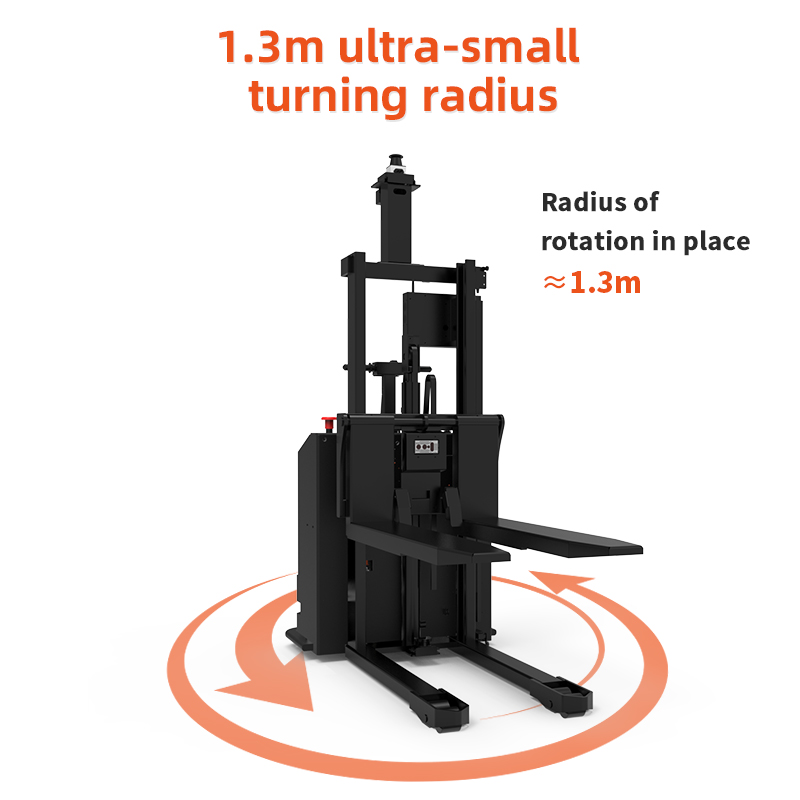
1000kg Forklift AGV Laser SLAM Navigation Pallet Transport Robot 1.3m Turning Radius Auto Charging for Factory Logistics
Hotel relevance: compact receiving areas and narrow service corridors. The 1.3 m turning radius and auto-charging behavior reduce aisle pressure and manual charging tasks.
View product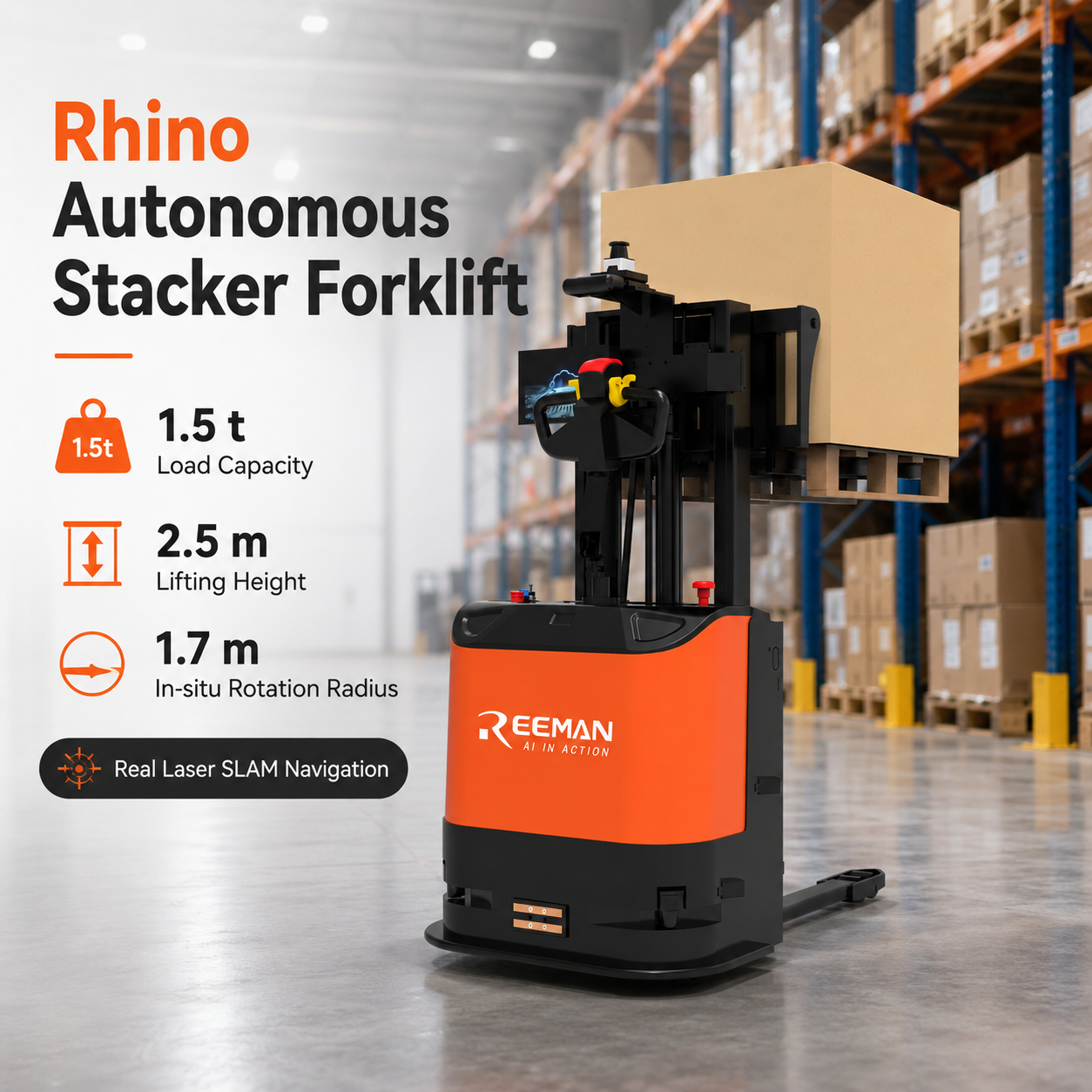
Laser SLAM Autonomous Stacker Forklift 1500 kg Load AGV Pallet Handling Robot Laser Obstacle Avoidance Warehouse
Hotel relevance: compact storage rooms and amenity pallet stacking. Laser obstacle avoidance supports mixed pedestrian zones in shared back-of-house spaces.
View product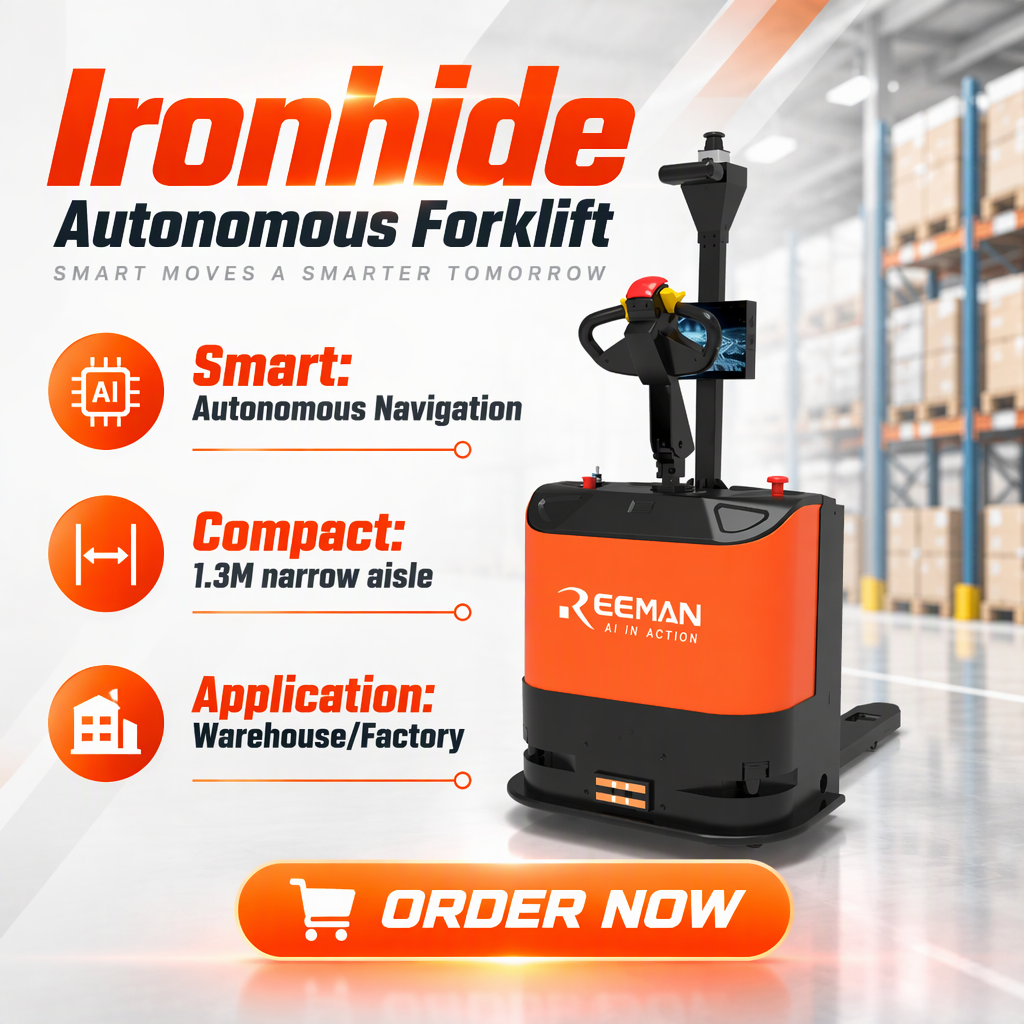
Reeman 1.5 Ton Autonomous Forklift AGV 3D Obstacle Avoidance Bidirectional Driving 48V 30AH Lithium-Ion Battery
Hotel relevance: convention loading, service yards and multi-shift logistics. Bidirectional driving and 3D obstacle avoidance help in constrained back-of-house zones.
View product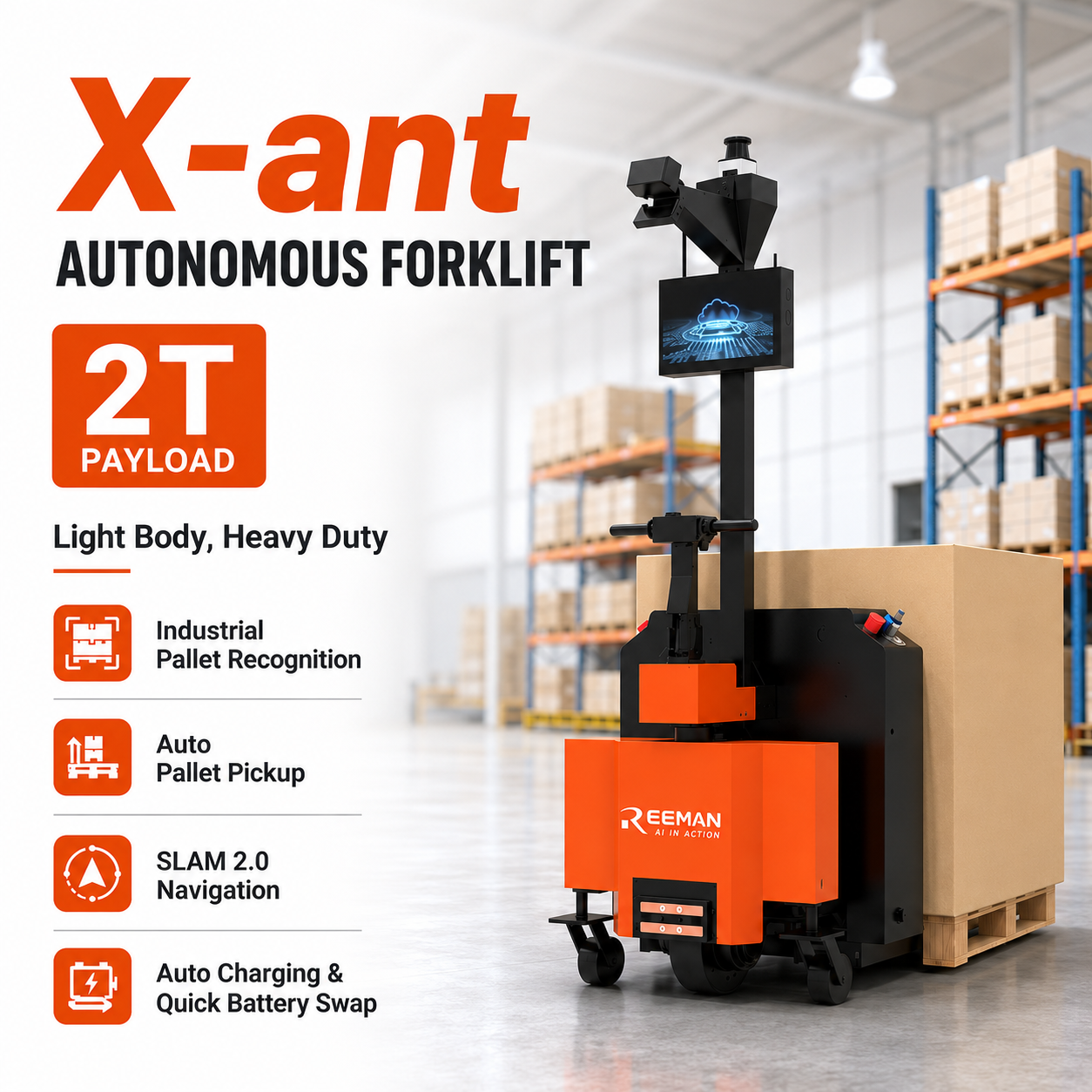
2 Ton Autonomous 4WD AGV Forklift Laser SLAM Navigation Multi-Line LiDAR 3D Obstacle Avoidance Warehouse Handling
Hotel relevance: ramps, outdoor service yards and mixed-fleet logistics. 4WD and multi-line LiDAR improve navigation robustness where floor conditions and traffic patterns vary.
View product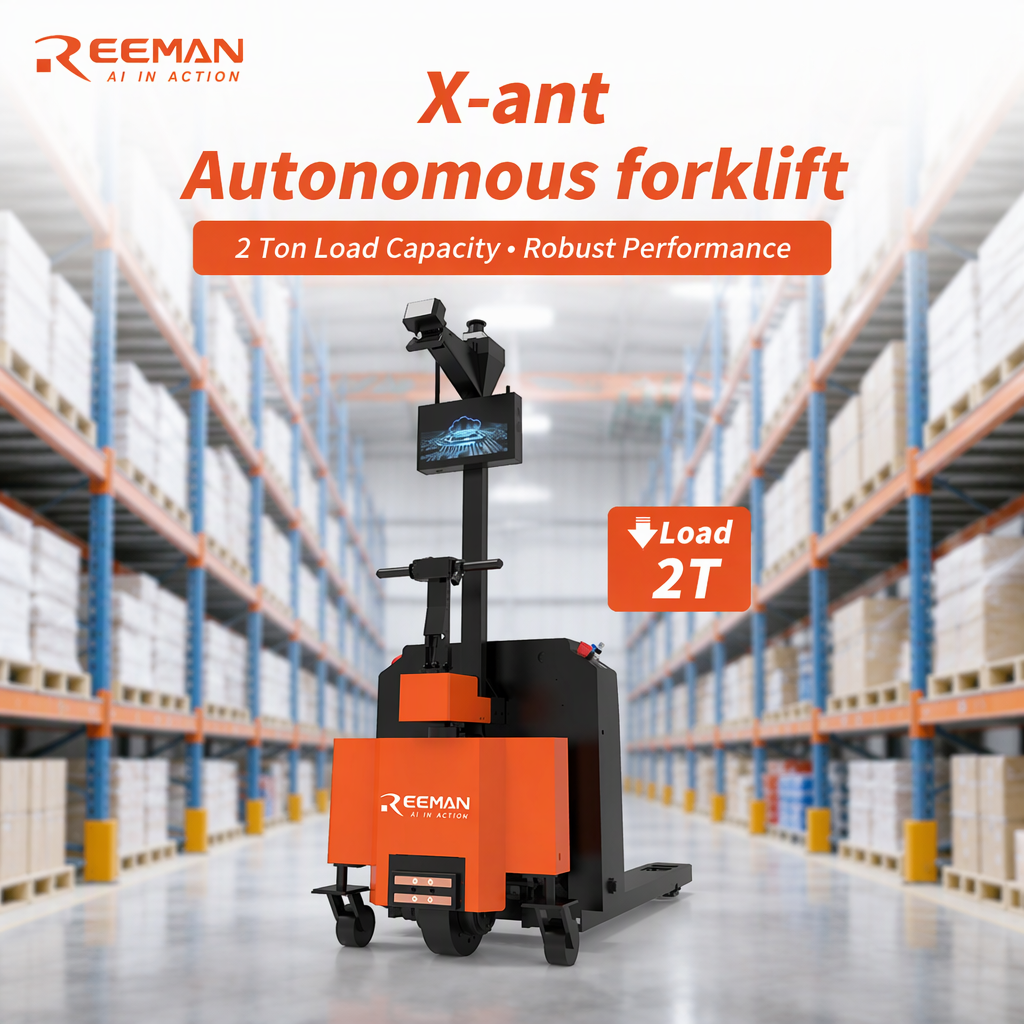
2 Ton Autonomous 4WD AGV Forklift Laser SLAM Navigation Multi-Line LiDAR 10mm Position Accuracy Warehouse Handling
Hotel relevance: high-accuracy staging and event logistics. The 10 mm position accuracy supports repeatable docking for pallets, roll cages and temporary banquet storage.
View product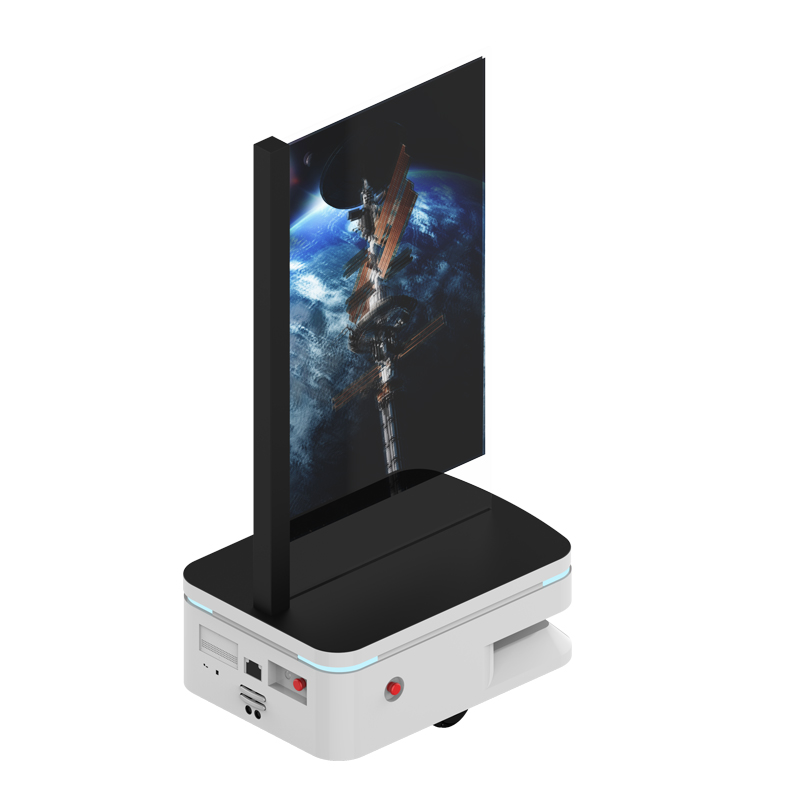
75 Inch Indoor LED Digital Poster Touch Screen Display SDK OEM ODM Black Signage for Retail Store Elevator Airport
Hotel relevance: lobby digital concierge, elevator-lobby wayfinding, retail promotions and event information. SDK and OEM/ODM support allow hotel-branded content and cabinet customization.
View product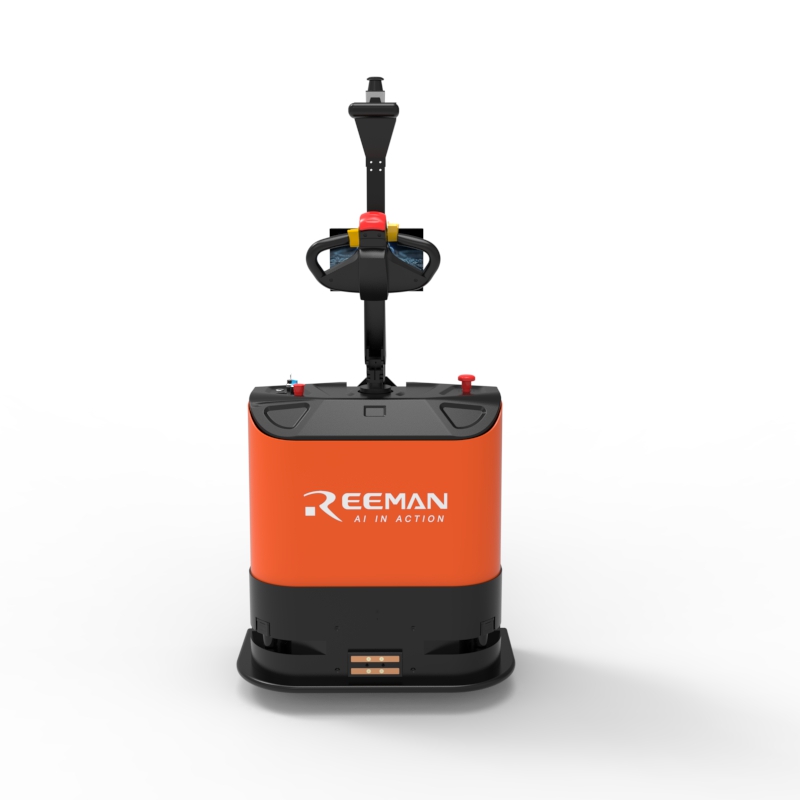
1500kg Laser SLAM Autonomous Forklift AGV Reflector-Free Point-to-Point Warehouse Material Handling
Hotel relevance: reflector-free point-to-point handling. No reflector installation shortens deployment time in existing hotels where drilling, cabling or floor changes are restricted.
View productNeed a hotel-specific robot configuration?
Send your floor plan, elevator type, room count, pallet format and peak-hour workflow. Our engineering team will recommend the right mix of delivery, cleaning, display and back-of-house automation.
Why a Top 10 Hotel Service Robot List Must Be Built on Verifiable Factory Evidence
Hotel service robots are no longer a novelty purchase. In 2025, hotel groups are evaluating autonomous delivery robots for room service and amenities, luggage robots for arrival and departure, cleaning and disinfection robots for public areas, and back-of-house AGVs for laundry, F&B and event logistics. For distributors and integrators, the commercial opportunity is equally clear: hotels need partners who can supply more than a single machine. They need factories and exporters that can document safety, integrate with building systems, customize hardware and support a multi-property rollout.
Most “top 10 hotel service robot factory” articles simply repeat supplier catalogues. This white paper takes a procurement-oriented approach. It explains how to judge the top 10 candidates using verifiable evidence, and it illustrates the product range with eight procurement-ready examples from Shenzhen Elvorn Intelligent Equipment Co., Ltd., a manufacturer founded in 2015. Elvorn’s published profile includes SGS onsite verification, ISO 9001 and ISO 14001 management systems, CE/FCC/PSE marks on relevant models, 39 patents, 5,200㎡ of floorspace across two production bases, and a 98.76% response rate. These are not substitutes for buyer due diligence, but they are useful signals when shortlisting factories for hotel projects.
The search intent behind this topic is not only “who are the top 10 suppliers?” It also includes “how do I compare hotel robot factories?”, “what certifications are required?”, “can the robot integrate with PMS or elevator control?”, “which models are suitable for back-of-house logistics?”, and “how do export terms and spare parts work?”. The sections below answer those questions and keep the original product URLs intact so procurement teams can verify each model directly.
How this guide adds E-E-A-T value
- Experience: factory signals from an OEM/ODM robot manufacturer established in 2015 and serving more than five regional markets.
- Expertise: laser SLAM navigation, AGV/AMR platforms, autonomous forklifts, robot chassis, delivery robots and commercial cleaning robots.
- Authority: SGS onsite verification, ISO 9001 and ISO 14001 systems, CE/FCC/PSE marks and third-party supplier assessment references.
- Trust: product URLs preserved, certification claims identified, trade terms stated, and a direct inquiry path for configuration confirmation.
Elvorn at a Glance: Due-Diligence Shortcuts for Hotel Buyers
For procurement teams, these published facts shorten the first round of supplier screening. They should be confirmed again in the RFQ, sample-testing and contract stages.
What Separates the Top 10 Hotel Service Robot Factories & Exporters?
Use this 10-point scorecard to compare shortlisted suppliers. The weighting is a practical starting point for hotel groups and distributors; adjust it to your guest profile, building constraints and service model.
Guest-Safe Navigation
Laser SLAM, 3D obstacle avoidance, emergency stop, speed zoning and smooth behavior around guests, luggage and service carts.
Hotel Robot Portfolio
Delivery, cleaning, disinfection, luggage, digital signage and back-of-house handling to reduce multi-vendor integration risk.
PMS & Elevator Integration
Open SDK/API, documented protocols and experience connecting to PMS, elevator control, access control, WMS or MES systems.
OEM/ODM Capability
Custom top modules, payload structures, branding, packaging, software and buyer-label options for distributors and hotel groups.
Verified Factory & Certifications
SGS onsite verification, ISO 9001/14001, CE/FCC/PSE marks, test reports and traceable supplier assessment records.
Export & Spare-Parts Readiness
FOB terms, T/T payment in USD/CNY, English documentation, spare-part lists, packaging standards and remote commissioning.
Real Deployment Evidence
Factory testing records, reference applications, video demonstrations and measurable performance in live operating environments.
Total Cost of Ownership
Energy use, battery cycle life, charging ratio, maintenance intervals, spares pricing and cost per delivered item or cleaned square metre.
Privacy & Cybersecurity
Camera data policy, voice-data retention, network security, access control and compliance documentation for guest-facing robots.
Scalable Fleet Software
Fleet scheduling, task dispatch, status feedback and analytics that can grow from one hotel to a multi-property portfolio.
Hotel Service Robot Procurement Trends: 2025–2028
Hotel buyers are moving from isolated pilot projects to fleet-level automation. These six procurement trends should be written into the next RFP.
1. Fleet economics replace first-unit pricing
Buyers increasingly compare cost per delivered item, cost per cleaned square metre and cost per pallet move. They ask for energy consumption, charging ratio, battery cycle life, maintenance intervals and spare-parts pricing rather than only the robot’s unit price.
2. Integration-first RFPs
PMS, elevator control, door access, Wi-Fi coverage, WMS and fire-alarm interfaces are now part of the RFP. A factory that provides open SDK/API and documented protocols has an advantage over one that only sells hardware.
3. Hybrid guest-facing and back-of-house automation
Hotel groups combine delivery robots, cleaning robots, digital signage and AGV forklifts in one automation roadmap. Suppliers that can coordinate multiple platforms simplify procurement and reduce integration risk.
4. Certification and privacy due diligence
CE, FCC, PSE, ISO 9001/14001 and SGS verification are baseline signals. For robots with cameras and voice interaction, data retention, cybersecurity and privacy policies become part of the scorecard.
5. Modular OEM/ODM platforms
Distributors want buyer-label robots and custom top modules. A proven chassis with an open SDK shortens time-to-market, lowers engineering risk and makes local service customization more practical.
6. Service SLA and local spare parts
Hotels cannot wait weeks for a motor, lidar or battery. Exporters are evaluated on response rate, remote commissioning, operator training, warranty terms and spare-part logistics before the purchase order is issued.
Robot Development Trends Hotel Buyers Should Monitor
Product road maps matter because hotels usually keep robots for several years. These technology trends influence long-term compatibility and upgrade cost.
Multi-Sensor SLAM & 3D Perception
Laser SLAM remains the core, but 3D obstacle avoidance, multi-line LiDAR and sensor fusion are becoming standard for crowded lobbies and mixed back-of-house traffic.
AI Voice & Touch Interaction
Guest-facing robots are evolving into mobile digital concierges. Touch displays, multilingual voice interaction and content management are converging with robot navigation.
Energy & Auto-Charging Systems
Lithium-ion battery management, opportunity charging and autonomous docking determine uptime. Hotel procurement teams should request real duty-cycle data.
Modular Payloads & Open APIs
Shared chassis platforms and open SDK/API allow new top modules, elevator integration and fleet scheduling without redesigning the entire robot.
Why Elvorn Is a Credible Hotel Robot Factory & Exporter
The original company profile provides concrete signals that matter to hotel buyers, distributors and integrators during supplier qualification.
Full-Stack R&D and Patents
Elvorn’s in-house team covers laser SLAM navigation, motion control, fleet scheduling and hardware. With 39 patents, the factory can answer engineering questions directly instead of acting as a trading intermediary.
Two Production Bases
Production is supported by two bases in Shenzhen and Ningbo, with 5,200㎡ of total floorspace. For hotel projects, this helps with pilot builds, customization and repeat orders across properties.
Audited Quality Systems
The factory has been verified onsite by SGS Group. Management systems are certified to ISO 9001 and ISO 14001, and relevant models carry CE, FCC or PSE marks for target export markets.
OEM/ODM and Buyer Label
Elvorn offers OEM service, design service and buyer-label options, including custom top modules, payload structures, branding and packaging. This suits distributors building a local hotel robot brand.
Export-Ready Trade Support
Elvorn ships worldwide on FOB terms and accepts T/T payment in USD or CNY. Main export markets include North America, Western Europe, Eastern Asia, Southeast Asia and the Middle East.
Response and After-Sales
The published response rate is 98.76%. English documentation, remote commissioning, operator training and spare-part supply help hotel operators maintain uptime after the export shipment arrives.
Five Steps from Hotel Site Survey to Stable Operation
A disciplined deployment plan reduces risk for both guest-facing service robots and back-of-house AGV forklifts.
Workflow & Site Survey
Review floor plans, elevator access, Wi-Fi coverage, aisle width, guest traffic, pallet type and peak-hour routines.
Model & Fleet Sizing
Match payload, navigation, battery, cleaning width and display size to the actual operating environment and throughput target.
Integration & Customization
Confirm PMS or WMS interfaces, elevator control, top modules, branding, language packs and content management.
Factory Testing & Acceptance
Run function, load, navigation and safety tests before shipment. Request test records and packing details for the export order.
Deployment & Support
Complete mapping, operator training, go-live monitoring, warranty documentation and long-term spare-part planning.
Hotel Service Robot Procurement FAQ
These are the questions hotel groups, distributors and integrators most often ask when comparing Chinese robot factories and exporters.
How do I identify the top 10 hotel service robot factories and exporters?
What is the difference between a hotel service robot, an AGV and an AMR?
Can hotel service robots integrate with PMS, elevators or access control?
Which certifications should a hotel robot exporter provide?
Does Elvorn offer OEM and ODM customization for hotel robot distributors?
What trade terms and payment methods are available?
How should a hotel calculate ROI for service robots?
What after-sales support should be included in the contract?
Request a Hotel Robot Shortlist and FOB Quotation
Share your hotel size, floor plan, elevator type, target workflows and required guest-facing language. Our engineers will recommend models from the Elvorn portfolio and confirm certifications, lead time and spare-parts planning. For back-of-house logistics, include pallet format, aisle width and throughput. For guest-facing service, include room count, peak hours and public-area dimensions.
Email: info@elvornbot.com · Shenzhen Elvorn Intelligent Equipment Co., Ltd. · OEM/ODM, SGS-verified factory, ISO 9001 & ISO 14001