8 Autonomous Robot Platforms from the Elvorn Factory Portfolio
The eight platforms below are production robot families—not stock renders. They share the navigation, safety and fleet-control foundations that Elvorn applies to mobile advertising robots, service robots and material-handling platforms. Use them to compare chassis maturity, payload class, LiDAR configuration and charging strategy before requesting a factory quotation.
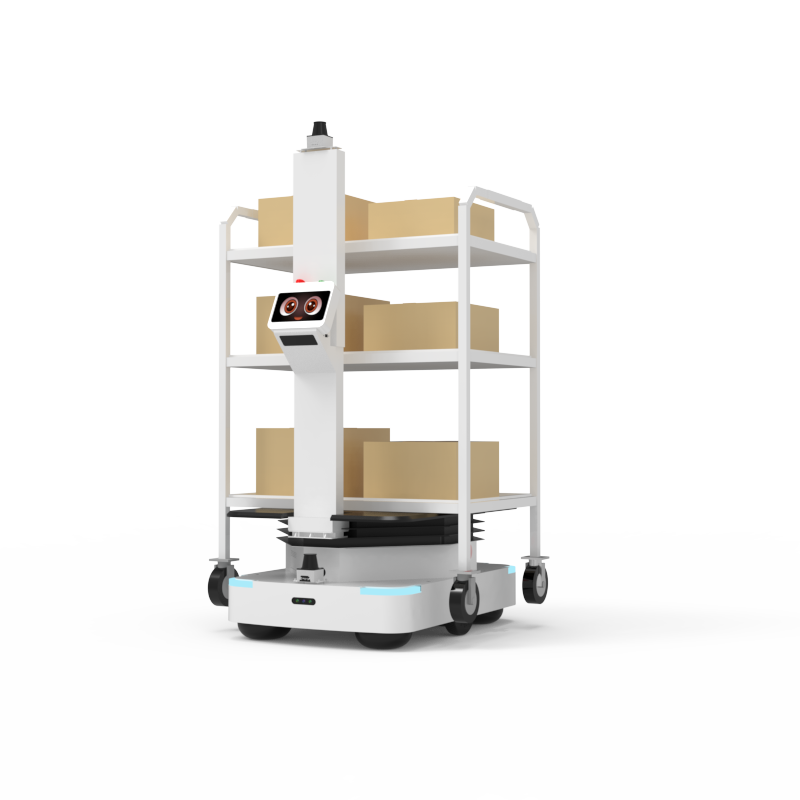
600KG Industrial Heavy Load AMR Robot Laser SLAM Auto Lifting Mobile Platform for in Plant Material Handling
Laser SLAM navigation, auto-lifting platform and a 600 kg load class for in-plant material movement.
View product →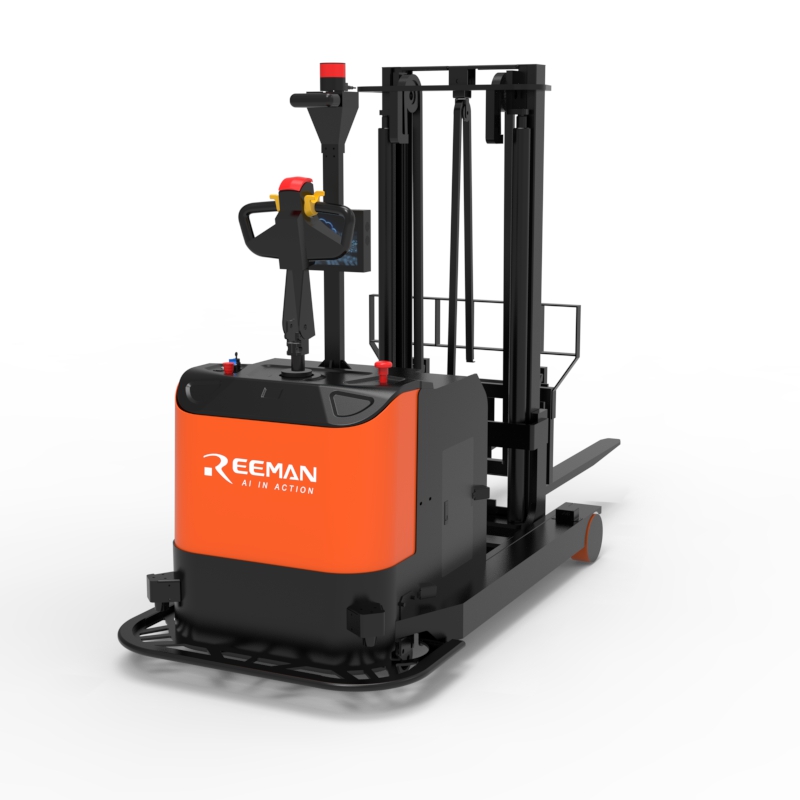
Reeman Autonomous Electric Stacker Forklift 1.2 Ton Li-Ion 48V 30Ah 2500mm Lift Laser Navigation 3m Aisle
1.2 ton capacity, 48V Li-ion power, 2500 mm lift and laser navigation for narrow 3 m aisle operation.
View product →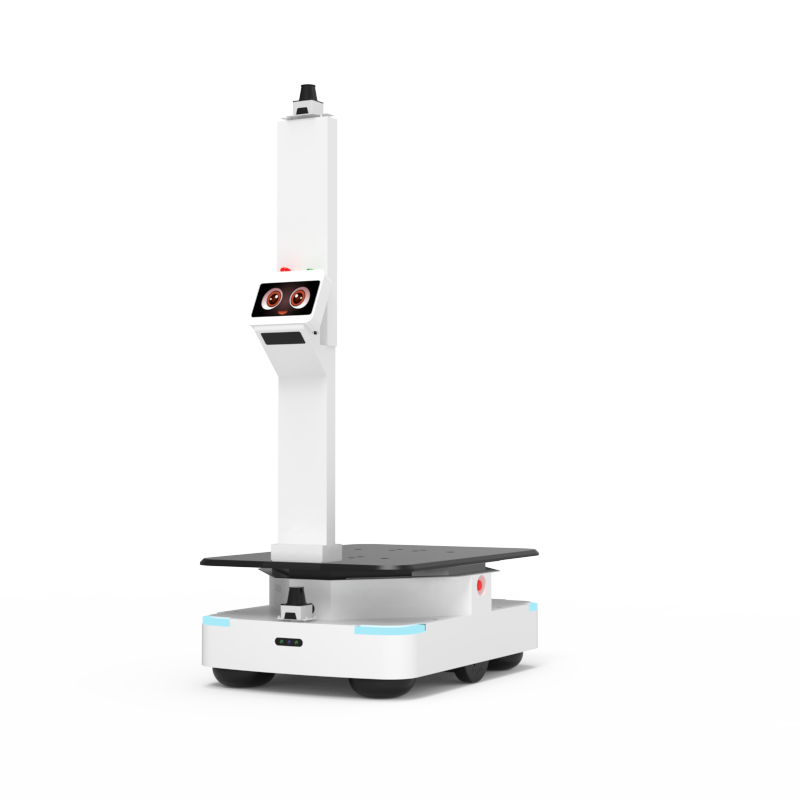
600kg Payload Laser Navigation AMR Robot Autonomous Lifting Warehouse Transfer Equipment
600 kg payload class with laser navigation and autonomous lifting for warehouse transfer workflows.
View product →
Reeman BBOT30F 1500kg Laser SLAM Autonomous Pallet Stacker AGV Single Line Lidar Obstacle Avoidance Warehouse Transport
1500 kg pallet stacker AGV with laser SLAM, single-line LiDAR obstacle avoidance and warehouse transport.
View product →
2 Ton Autonomous 4WD AGV Forklift Laser SLAM Navigation Multi-Line LiDAR 10mm Position Accuracy 6-8H Warehouse Handling
2 ton load, 4WD traction, multi-line LiDAR, 10 mm position accuracy and 6–8 hour warehouse handling.
View product →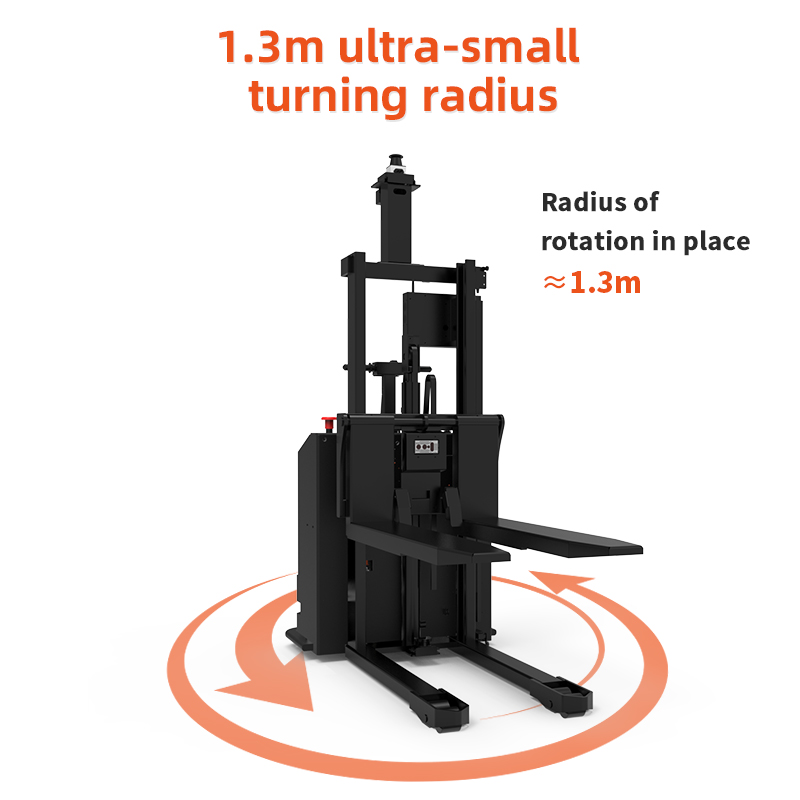
1000kg Forklift AGV Laser SLAM Navigation Pallet Transport Robot 1.3m Turning Radius Auto Charging for Factory Logistics
1000 kg pallet transport, laser SLAM, 1.3 m turning radius and auto-charging for factory logistics.
View product →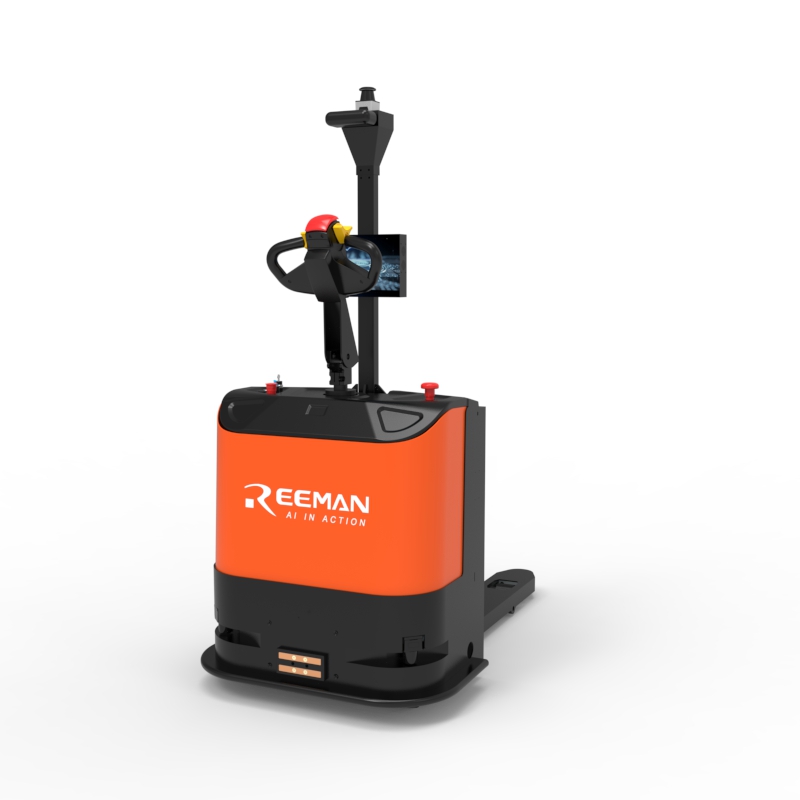
CE Certified 1500kg Driverless AGV Forklift Laser SLAM Navigation Automatic Pallet Loading Unloading Robot 1-2H Working Time
CE certified 1500 kg driverless AGV forklift with laser SLAM, automatic loading/unloading and 1–2 hour working time.
View product →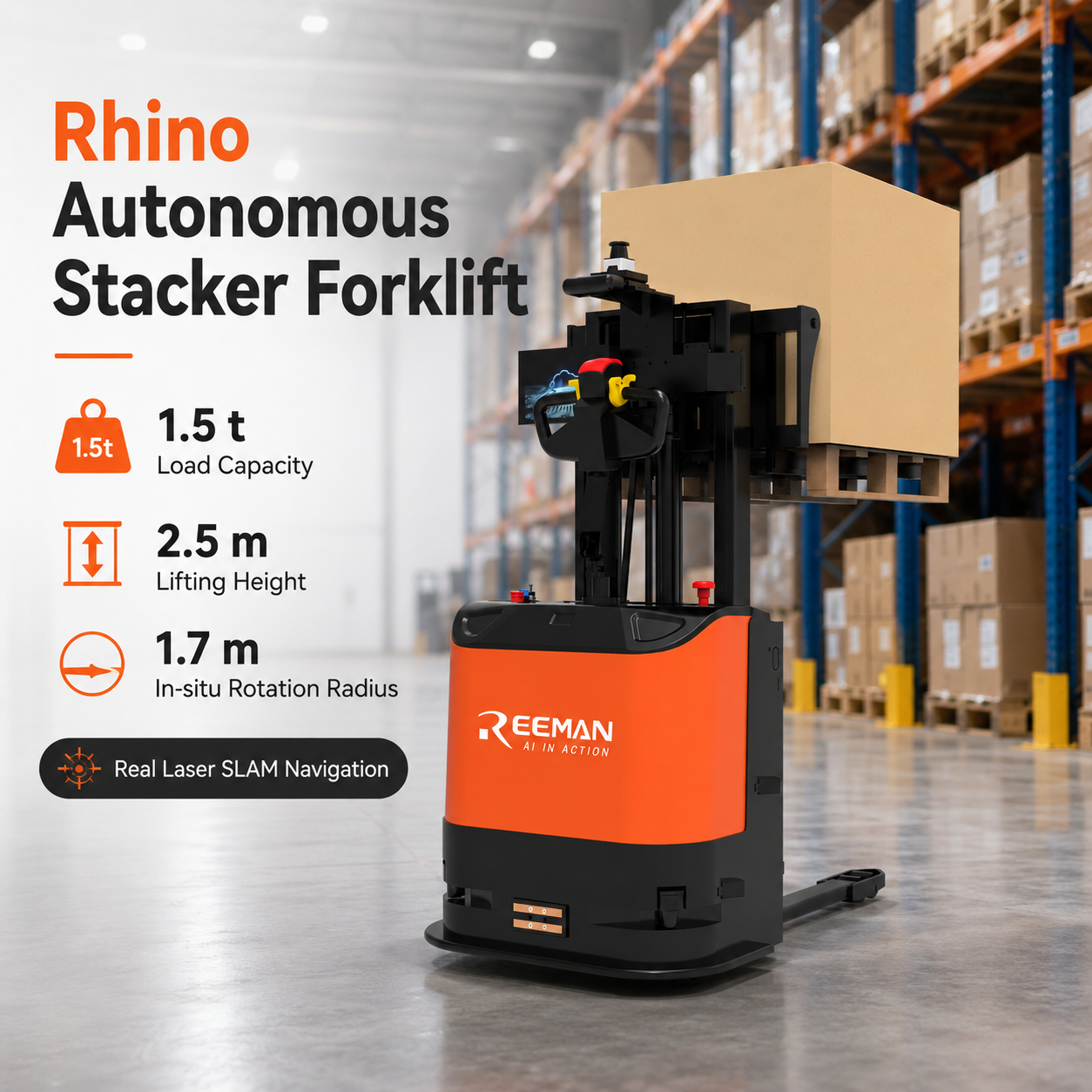
Laser SLAM Autonomous Stacker Forklift 1500 kg Load AGV Pallet Handling Robot Laser Obstacle Avoidance Warehouse
1500 kg stacker forklift AGV with laser SLAM, obstacle avoidance and warehouse pallet handling.
View product →Need a custom top module, transparent OLED display mast, AI voice package or buyer-label chassis? Contact Us
Factory data verified onsite by independent inspector SGS Group.
What Global Buyers Really Mean by “Top 10 Interactive Advertising Robot Manufacturers”
The search phrase “Top 10 Interactive Advertising Robot Manufacturers & Factory” contains several different buying intents. One buyer may need a turnkey mobile digital signage robot for a shopping mall; another may want an OEM/ODM factory to build a branded transparent OLED advertising robot; a third may need only a reliable SLAM robot chassis and software layer for a self-service or wayfinding product. A useful Top 10 evaluation therefore cannot stop at screen size or marketing photographs. It must examine the factory behind the display.
Interactive advertising robots combine autonomous mobile robot technology, digital signage, AI voice interaction, edge computing, battery systems and fleet management. The robot must move safely in crowds, avoid glass walls and unexpected obstacles, deliver content at the right location and time, and integrate with a content management system or customer data platform. If the manufacturer only assembles a screen onto a purchased chassis, customization and long-term service usually become slower and more expensive.
This whitepaper treats “Top 10” as a procurement scorecard rather than a static promotional ranking. The framework below reflects what engineering and purchasing teams should verify in 2026: factory evidence, in-house navigation capability, display integration, safety architecture, open API access, certifications and global service. Elvorn’s published factory data, product families and export capabilities are used as a reference point because they illustrate the operational depth required by this category.
Top 10 Manufacturer & Factory Benchmarks for Interactive Advertising Robots
Use these ten benchmarks to compare suppliers on evidence, not brochure claims. Each benchmark can be scored during an RFI, factory audit or paid pilot.
Verified Factory & Production Depth
Ask for plant address, production area, assembly lines, incoming inspection and third-party audit evidence. Elvorn’s 5,200㎡ footprint and two production bases in Shenzhen and Ningbo provide a tangible capacity baseline.
In-House SLAM Navigation
A robot that advertises in public must navigate crowds, glass walls, lifts and changing displays. Confirm whether the factory owns laser SLAM, motion control, obstacle avoidance and fleet scheduling rather than buying a third-party kit.
Chassis & Payload Engineering
The same chassis should accept a transparent OLED, high-brightness LCD, shelf or delivery box. Load distribution, braking, ramp stability and ground clearance determine whether a tall display mast remains stable.
Display, Audio & Sensor Integration
Check brightness, transparent OLED availability, speaker output, microphone array, camera privacy and content scheduling. The supplier should provide mechanical and electrical interfaces for your screen or build a complete unit.
Safety Architecture
Look for multi-line LiDAR, ultrasonic or 3D sensors, emergency stop, speed zoning, pedestrian detection and safety logic. Documented risk assessment plus CE, FCC or PSE support reduces deployment friction.
Battery, Charging & Uptime
Battery capacity, charge time, opportunity charging and route planning must match a ten-hour retail day. A 48V Li-ion pack and auto-charging strategy should be defined before comparing quotations.
Open SDK, API & Fleet Management
An advertising robot is valuable when it can pull tasks from a CMS, CRM or event calendar. Open SDK/API access, WMS/MES/ERP connectors and multi-robot scheduling prevent vendor lock-in.
OEM/ODM & Buyer Label
Custom color, logo, top module, packaging, UI and app branding turn a platform into a product. Confirm engineering change control, sample approval and spare-part availability before signing an OEM agreement.
Certification & Export Readiness
Request CE, FCC or PSE evidence according to your market, plus ISO 9001 and ISO 14001 management certificates. Export documents, FOB terms, T/T payment and English manuals should be routine.
Global Service & Spare Parts
The factory should provide remote commissioning, firmware updates, spare parts lists and response-time commitments. Elvorn’s stated 98.76% response rate is a useful reference during supplier scoring, but always replace it with contract SLAs.
Product Recommendations: From Transparent OLED to Autonomous Service
Start with the conversion goal and the venue environment. The best interactive advertising robot is the one that can operate safely, update content easily and share service infrastructure with the rest of your robot fleet.
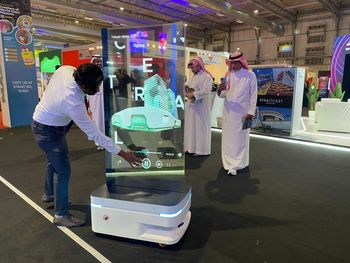
Spotlight: 55-inch Transparent OLED Mobile Advertising Robot
Elvorn’s 55-inch transparent OLED mobile advertising robot combines AI voice interaction, autonomous navigation and programmable content. The important buying insight is not only the display: it is the SLAM chassis, battery strategy and integration layer that keep the robot moving in a live venue with shoppers, visitors and staff.
The same factory engineering stack appears across the company’s service, cleaning, delivery, AMR and autonomous forklift families. That matters when a retail group wants advertising robots today, but may later add wayfinding, delivery or back-of-house material handling.
- AI voice interaction and multilingual content
- Transparent OLED for see-through retail displays
- Autonomous route planning and obstacle avoidance
- Retail, hotel, airport and exhibition signage
- Remote content scheduling and fleet visibility
- Expandable to delivery, cleaning and AMR fleets
Retail & Mall Promotions
Use a transparent OLED or high-brightness mobile advertising robot to promote seasonal offers, guide shoppers and capture opt-ins. Measure dwell time, scan rate and route completion—not only impressions.
Airports, Museums & Exhibitions
Deploy multilingual interactive advertising robots for wayfinding, gate announcements, ticket upsell and sponsor content. Require lift integration, Wi-Fi roaming and zone-based content updates.
Hotels, Clinics & Showrooms
Pair a service robot with a smaller ad display or tablet. The robot can escort guests, deliver amenities or present product information. Prioritize quiet operation, privacy controls and telepresence support.
Smart Factory Experience Centers
If your facility demonstrates automation, connect advertising robots to the same fleet concept used by 600 kg AMRs, 1.5 ton stacker AGVs and cleaning robots. This creates a coherent automation story for visitors.
Procurement Trends Reshaping Interactive Advertising Robot Projects (2026–2030)
The buying conversation has shifted from “Can a robot display content?” to “Can this fleet lower cost per visit, comply with site safety and integrate with our content and data stack?”
TCO Replaces Sticker Price
Buyers now compare five-year total cost of ownership: battery replacement, spare parts, software subscription, service labor and uptime. A lower purchase price can cost more if the display or LiDAR fails in a high-traffic venue.
Robotics-as-a-Service & Leasing
Retail groups and event organizers increasingly prefer monthly fees, performance SLAs and flexible fleet size. Manufacturers that support RaaS billing, remote monitoring and refurbishment are better positioned for multi-site contracts.
Safety Evidence Becomes a Gate
Public-space deployments face fire, electrical, EMC and pedestrian-safety reviews. CE, FCC or PSE claims should be matched by test reports, risk assessments and clear emergency-stop procedures.
Modular Display & Payload
One chassis should accept a transparent OLED, a bright LCD, a delivery box or a shelf. Modularity reduces engineering cost and allows the same fleet to be redeployed as campaign and venue needs change.
Open API & Content Ecosystem
CMS, CRM, ticketing and analytics connectors determine ROI. Open SDK/API access and documented task protocols avoid lock-in and shorten integration time with marketing stacks.
Local Service & Spare Parts
Response time matters more than marketing copy. Ask for regional service partners, spare-part lead times, firmware update policy and remote diagnostics. At scale, a two-day downtime event can erase a campaign’s value.
2026 Procurement Weighting Example
A practical scorecard for comparing Top 10 candidates. Adjust weights to your venue, but always score evidence, not promises.
Product Development Trends: What the Next Factory Generation Will Ship
The next 24–36 months will separate display integrators from true robot manufacturers. These engineering directions are visible in Elvorn’s platform approach and in buyer requests across retail, logistics and service robotics.
SLAM + Vision Fusion
Single-line LiDAR is no longer enough for crowded malls. Multi-sensor fusion with 3D cameras, ultrasonic sensors and AI classification improves obstacle avoidance around children, luggage and glass.
Transparent OLED & High-Brightness LCD
Display hardware will be specified like a robot component: brightness, transparency, bonding, impact protection and thermal management. The chassis must support weight, power and viewing angles without instability.
Edge AI & Multilingual Voice
Local speech recognition, translation and intent detection enable real-time wayfinding and product recommendations without sending every interaction to the cloud. Privacy and latency both improve.
Fast Charging & Battery Swapping
Retail and event schedules leave little downtime. Opportunity charging, swappable packs and battery health dashboards will become normal procurement questions rather than engineering extras.
Cloud Fleet Orchestration & Digital Twin
Operators want a single view of robots across stores, floors and cities. Digital twin simulation helps validate routes, campaign zones and safety rules before deployment.
Privacy-by-Design & Content Security
Cameras and microphones in public spaces require clear data policies. Signed content updates, access control and on-device processing reduce legal and brand risk while protecting customer trust.
Inside the Elvorn Factory: Advantages That Reduce Procurement Risk
Elvorn—Shenzhen Elvorn Intelligent Equipment Co., Ltd.—was founded in 2015 as a national high-tech enterprise focused on robotic platform technology and autonomous driving. The company designs, builds and supports autonomous forklifts, industrial AMRs, robot chassis, delivery robots, cleaning robots and disinfection robots. Its product stack spans 60 kg service robots to 2-ton autonomous forklifts.
The 5,200㎡ footprint across Shenzhen and Ningbo, 200+ team members and 39 patents provide a useful scale reference. The R&D team owns laser SLAM navigation, motion control, fleet scheduling and hardware. For an advertising robot program, that means fewer hand-offs between the display vendor, chassis supplier and software integrator.
Quality and export readiness are visible: SGS onsite verification, ISO 9001 and ISO 14001 management systems, and CE, FCC or PSE marks depending on model. OEM, design and buyer-label services include custom top modules, payload structures, branding and packaging. Open SDK/API access supports WMS, MES, ERP and custom content or task systems.
Elvorn ships worldwide on FOB terms and accepts T/T payment in USD or CNY. Main export markets include North America, Western Europe, Eastern Asia, Southeast Asia and the Middle East. English documentation, remote commissioning and long-term spare-part supply help overseas buyers maintain uptime. The published 98.76% response rate is a reference point for inquiry handling, not a substitute for contract SLAs.
- Founded in 2015; national high-tech enterprise
- Two production bases: Shenzhen & Ningbo
- 5,200㎡ total floorspace
- 200+ team members and 39 patents
- SGS verified onsite supplier
- ISO 9001 & ISO 14001 systems
- CE, FCC or PSE models
- OEM, ODM and buyer-label service
- Open SDK/API for custom integration
- FOB terms; T/T in USD or CNY
- 98.76% published response rate
- Global markets across four regions



A Practical Shortlisting Workflow: From RFI to Factory Pilot
Use a staged process to reduce deployment risk. The objective is not to collect the most quotations; it is to find the factory that can prove capability under your real operating conditions.
Define the Interaction Map
List the venue, routes, dwell points, content types, languages, peak footfall and the KPI: impressions, leads, wayfinding success, product sampling or staff relief.
Collect Site & Safety Data
Share floor plans, Wi-Fi coverage, lift access, floor transitions, charging locations and safety rules. Ask each candidate to confirm navigation limits in writing.
Score the Factory
Request audit evidence, patent list, certification scope, test reports and reference projects. Use the ten-point scorecard above and score evidence, not brochures.
Run a Paid Pilot
Test a robot in the real venue for two to four weeks. Measure uptime, route completion, content stability, interference and staff acceptance. Include spare-parts and response-time commitments.
Scale with Service SLAs
Roll out in phases by site cluster. Standardize spare parts, firmware versions, content templates and training. Add quarterly performance reviews and refresh cycles for displays and batteries.
Frequently Asked Questions: Interactive Advertising Robot Procurement
These are the questions international buyers most often ask when comparing interactive advertising robot manufacturers and factories.
What is an interactive advertising robot?
An interactive advertising robot is a mobile robot that combines autonomous navigation with a display, audio, AI voice, camera or touch interaction. It can promote products, guide visitors, collect leads or deliver information. Unlike a fixed kiosk, it moves to high-traffic zones and can support multiple campaign routes.
How is it different from an AMR or AGV forklift?
An AMR or AGV forklift moves pallets, totes or material; an interactive advertising robot focuses on public communication and engagement. Both rely on navigation, safety and fleet management. Elvorn’s portfolio includes both categories, which helps buyers test a shared fleet and service model.
What should I verify in a factory audit?
Check the factory address, production area, assembly process, incoming inspection, test records, patent list, certification scope and spare-parts warehouse. Ask for SGS or equivalent audit evidence and a sample inspection report. For public deployment, review risk assessment and emergency-stop procedures.
Can the robot’s content and software be customized?
Yes. A manufacturer should provide an open SDK/API or documented task interface for CMS, CRM, ticketing, WMS, MES or ERP integration. Confirm who owns the content, where data is processed, and whether updates are signed and auditable.
Do you offer OEM/ODM and buyer-label service?
Yes. Elvorn offers OEM service, design service and buyer-label options, including custom top modules, payload structures, branding and packaging. Typical steps include specification freeze, 3D design review, sample approval, pilot build and mass production.
Which certifications should I request?
Request the certificate scope that matches your market: CE, FCC or PSE for the model, plus ISO 9001 and ISO 14001 for the management system. Elvorn has been verified onsite by SGS Group. Always match a certificate to the exact robot configuration and bill of materials.
What are the typical trade terms and payment methods?
Elvorn ships worldwide on FOB terms and accepts T/T payment in USD or CNY. Main export markets include North America, Western Europe, Eastern Asia, Southeast Asia and the Middle East. Final Incoterm, warranty, lead time and payment schedule should be confirmed in the sales contract.
How should I evaluate ROI?
Build a five-year total cost of ownership model: robot purchase, display, software, integration, battery replacement, spare parts, service and staff training. Compare that with measurable gains such as higher dwell time, lead capture, reduced wayfinding labor or additional advertising inventory. Run a pilot before scaling.
Plan a Factory Review or Request a Custom Interactive Robot Quote
Share your venue layout, display requirement, load data, integration scope and target market. The Elvorn team can recommend a platform, confirm certification scope and outline an OEM/ODM pathway for your interactive advertising robot project.