Factory-Direct Shortlist: 8 Intelligent Robots to Evaluate Before You Request a Wholesale Quote
This shortlist combines the transparent OLED advertising robot with the autonomous logistics platforms most often requested alongside it by factories, wholesalers, system integrators, and smart-site operators. Each product URL is retained for direct technical review.
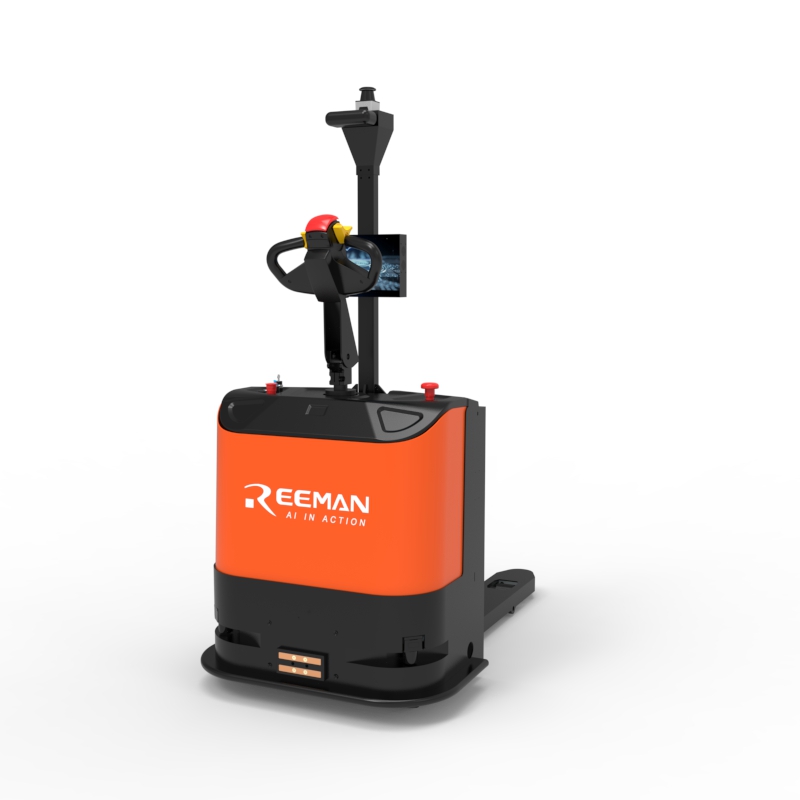
Reeman BBOT30F 1500kg Laser SLAM Autonomous Pallet Stacker AGV Single Line Lidar Obstacle Avoidance Warehouse Transport
- 1,500 kg pallet handling with single-line lidar obstacle avoidance
- Laser SLAM transport for warehouse receiving and line feeding
- Factory-direct configuration for OEM branding or fleet integration
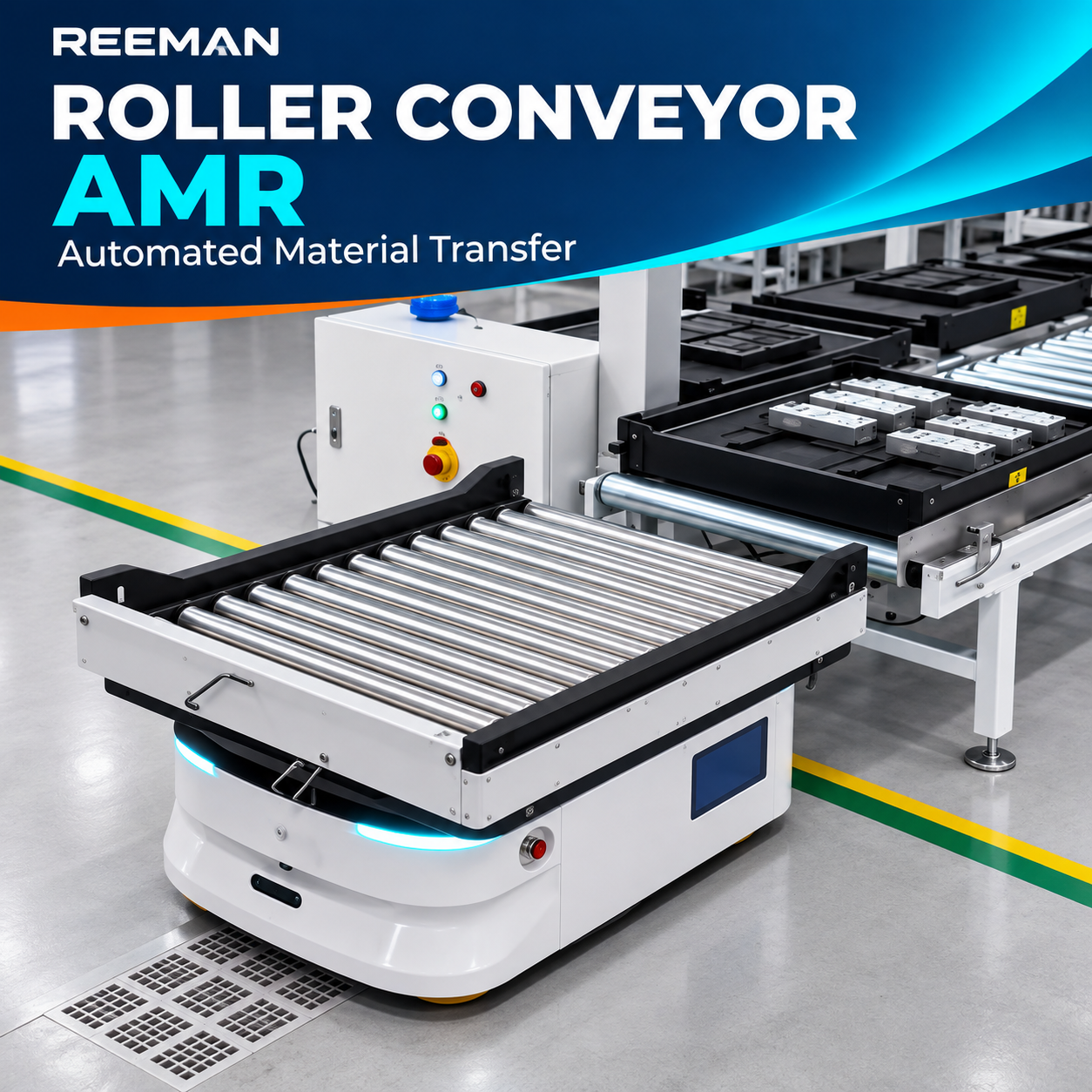
Roller Conveyor AMR Robot with SDK and API for Custom Development and System Integration
- SDK and API access for WMS, MES, and custom orchestration
- Roller conveyor top module for automated loading and transfer
- Well suited to system integrators building repeatable robot cells
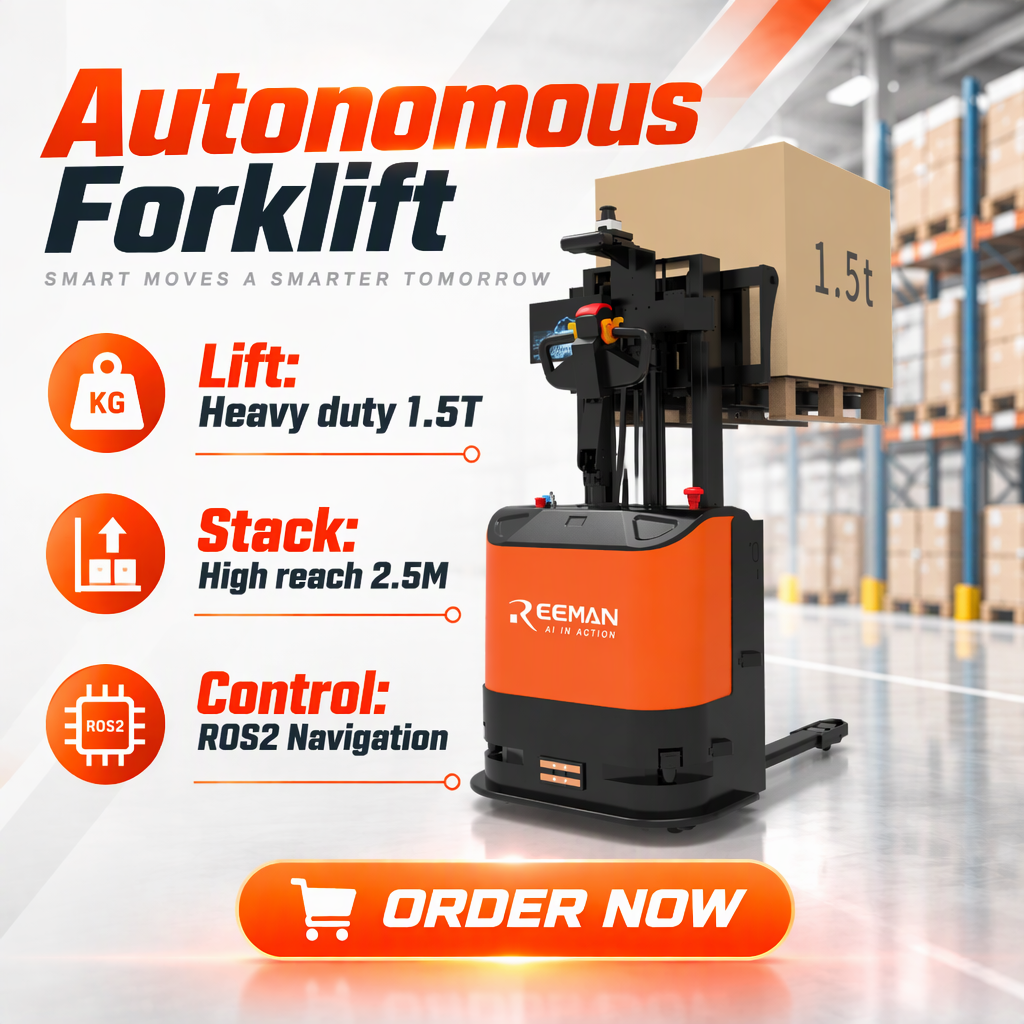
Autonomous Electric Forklift AGV 1500kg Load Capacity 2.5M Lift ROS2 Navigation 4WD Lithium-Ion Battery Indoor Material Handling
- 1,500 kg load capacity with 2.5 m lift for indoor material flow
- ROS2 navigation and 4WD drive for demanding factory layouts
- Lithium-ion power with autonomous charging workflow options
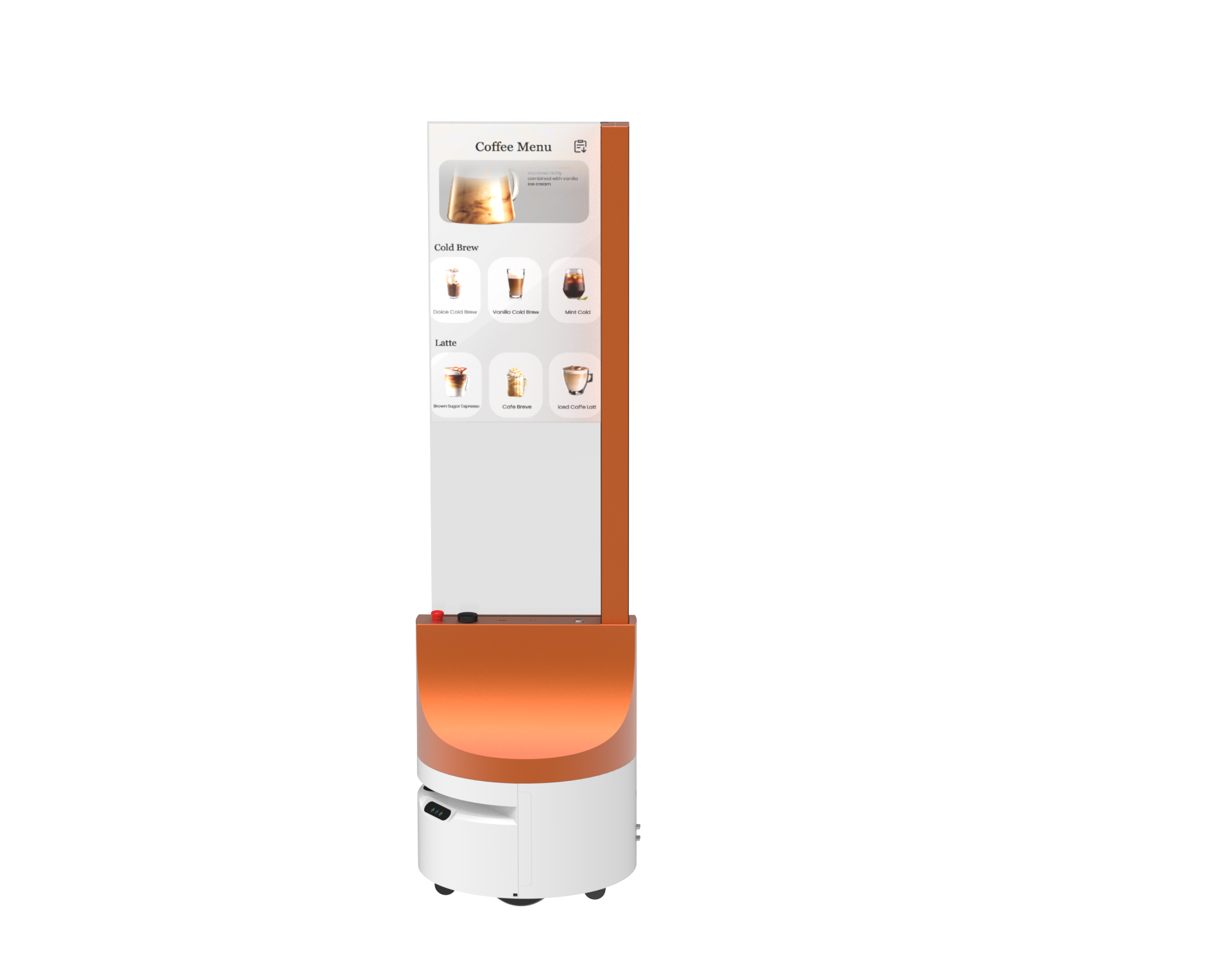
REEMAN 30 Inch OLED Transparent Screen Mobile Advertising Robot 1080 x 1920 FHD 9:16 Wi-Fi App Remote Control
- 30-inch transparent OLED display with 1080 x 1920 FHD 9:16 format
- Wi-Fi app remote control for content scheduling and route tasks
- Ideal for retail, hotel lobbies, exhibitions, and brand experiences
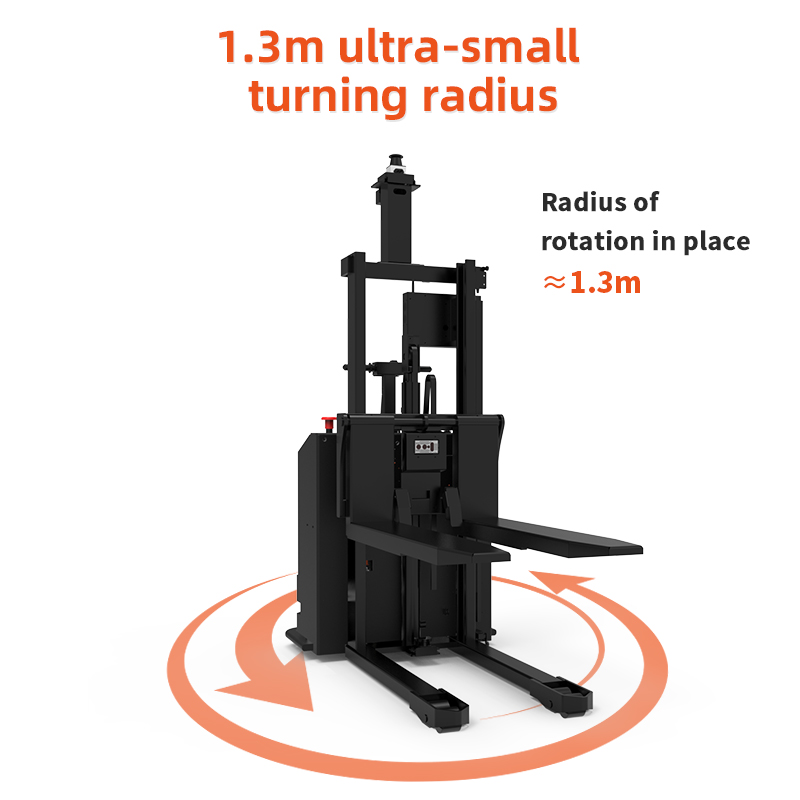
1000kg Forklift AGV Laser SLAM Navigation Pallet Transport Robot 1.3m Turning Radius Auto Charging for Factory Logistics
- 1,000 kg pallet transport with a compact 1.3 m turning radius
- Auto charging support for multi-shift factory logistics
- Good fit for narrow aisles and repetitive pallet shuttling
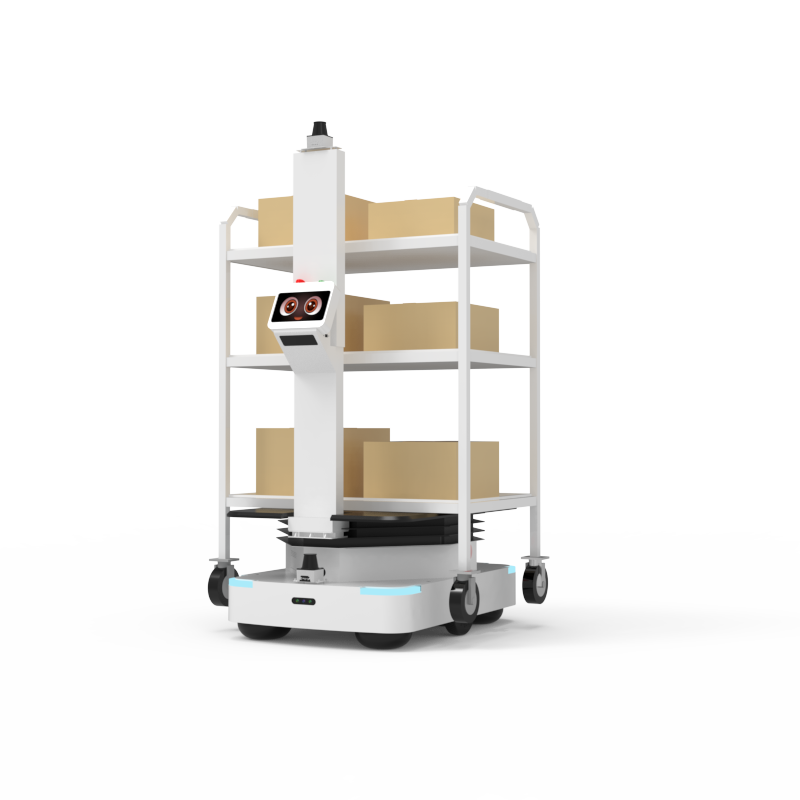
600KG Industrial Heavy Load AMR Robot Laser SLAM Auto Lifting Mobile Platform for in Plant Material Handling
- 600 kg heavy-load AMR with auto lifting mobile platform
- Laser SLAM navigation for in-plant material handling
- Custom top modules available for specialized transfer tasks
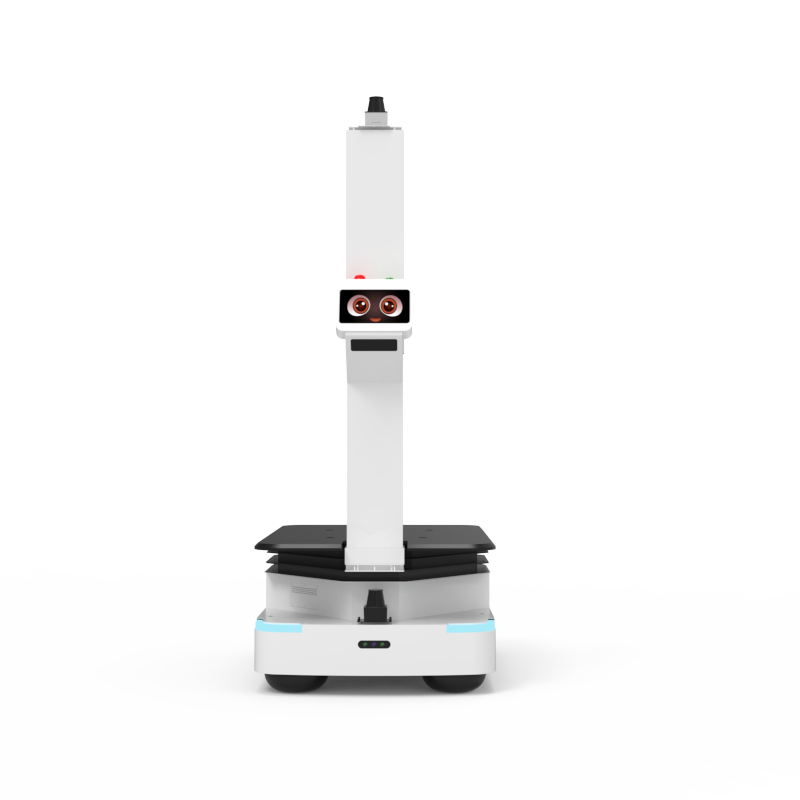
600kg Industrial AMR AGV Robot Laser SLAM Navigation QR Code-Free Factory Logistics
- 600 kg payload without QR-code-dependent guide paths
- Laser SLAM navigation that adapts to changing factory layouts
- Designed for repetitive material movement and line-side supply
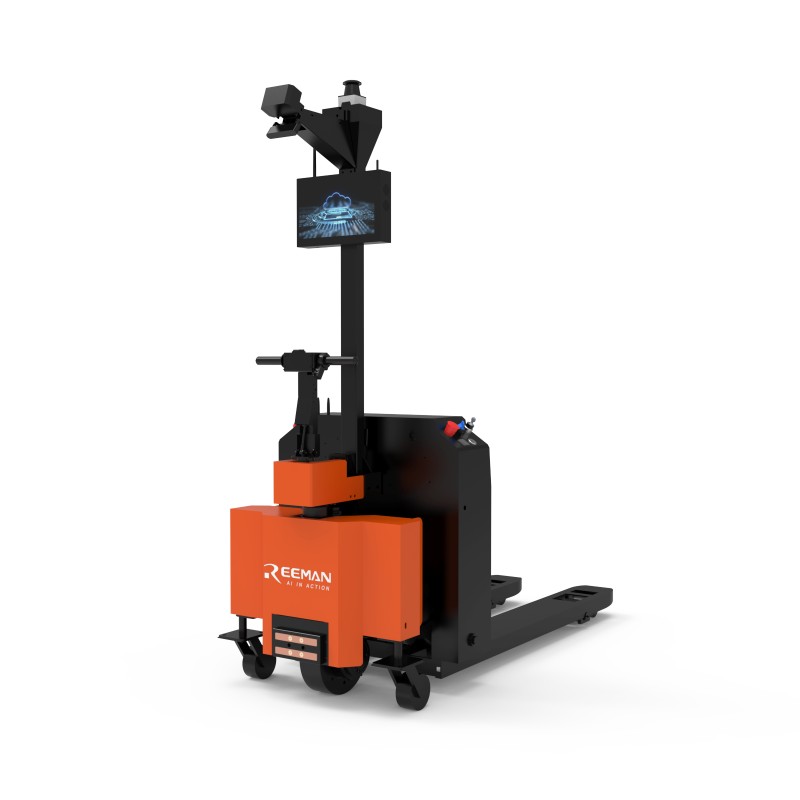
Reeman 2 Ton Autonomous Forklift AGV Laser SLAM Unmanned Pallet Truck 1085mm Fork 10mm Position Accuracy
- 2-ton class unmanned pallet truck with laser SLAM navigation
- 1085 mm fork and 10 mm position accuracy for repeatable pallet handling
- Suitable for high-throughput warehouse and production logistics
What a Top 10 LCD Advertising Robot Factory & Wholesaler Must Prove Before You Sign
Supplier selection is not a beauty contest for hardware. It is a five-to-seven-year operating decision covering display quality, navigation reliability, content workflow, safety, spare parts, and software support.
The phrase “Top 10 LCD Advertising Robot Factory & Wholesaler” is useful only when it becomes a repeatable due-diligence standard. LCD advertising robots are hybrid machines: they combine a moving chassis, a display module, content management software, obstacle sensing, and service access. A low unit price can hide integration cost, downtime risk, content-training workload, and spare-part delays. Buyers should therefore compare suppliers against the same evidence set, not simply accept an unverified ranking list.
A credible factory or wholesaler should demonstrate four forms of proof. First, engineering proof: the supplier owns or deeply understands chassis design, laser SLAM navigation, battery management, display integration, and remote content control. Second, manufacturing proof: production floor space, assembly process, testing records, patent portfolio, quality management systems, and third-party factory verification. Third, compliance proof: model-specific CE, FCC, or PSE documentation as applicable, plus ISO 9001 and ISO 14001 management systems. Fourth, lifecycle proof: spare parts, remote commissioning, English-language documentation, warranty terms, and a clear customization path.
As a reference point for what auditable capacity looks like, Shenzhen Elvorn Intelligent Equipment Co., Ltd. was founded in 2015 and operates two production bases in Shenzhen and Ningbo. The company reports 39 patents, 5,200㎡ of total floor space, a 200+ team, a 98.76% response rate, and an SGS-verified factory. Its management systems are certified to ISO 9001 and ISO 14001, and individual robot configurations can carry CE, FCC, or PSE marks. These facts matter because buyers can ask for documents, inspect the factory, and compare the evidence against other LCD advertising robot factory and wholesaler candidates.
Information Gain: Indicative Five-Year Cost Distribution for an Advertising Robot Project
Use this model to normalize quotations. The percentages are planning indicators, not a fixed quote; they help procurement teams reveal costs that a sticker price usually hides.
Top 10 Criteria for Comparing an LCD Advertising Robot Factory & Wholesaler
Score each candidate from 1 to 5 on every criterion. A supplier that wins on price but loses on integration, safety, or spare parts is rarely the lowest-cost choice over the deployment lifecycle.
Display and optical performance
Check brightness, contrast, viewing angle, color consistency, bezel design, and whether LCD, LED, or transparent OLED is suitable for the lighting and content conditions.
Chassis and payload engineering
Review frame rigidity, wheel configuration, braking, battery placement, floor clearance, and service access. A stable chassis protects the display and reduces vibration damage.
Autonomous navigation
Confirm laser SLAM performance, map size, dynamic obstacle handling, routing logic, elevator integration, and recovery behavior when people or carts block the path.
Content management
Ask for scheduling, offline playback, remote publishing, role-based access, analytics, and API options. Content workflow determines daily usability long after installation.
Safety and compliance
Request model-specific CE, FCC, or PSE documents where applicable, emergency stops, speed zoning, obstacle sensors, battery transport information, and ISO management evidence.
OEM and ODM customization
A capable wholesaler should support buyer labels, custom display sizes, branded software shells, top modules, packaging, and written customization specifications.
Factory scale and QC
Verify floorspace, assembly lines, testing stations, incoming-material inspection, traceability, and third-party factory assessment. Production evidence beats brochure claims.
Integration openness
Look for SDK and API access, protocol documentation, WMS or MES connectivity, fleet scheduling support, and a clear boundary between standard software and custom development.
After-sales and spares
Ask about response times, remote diagnostics, spare-part lists, warranty exclusions, training materials, and whether critical components are stocked for export markets.
Total cost and ROI
Normalize hardware, freight, duties, integration, CMS, training, spare batteries, maintenance, downtime, and residual value before approving a wholesale order.
What the Next Generation of LCD Advertising Robots Will Include
The category is converging with autonomous mobile robot engineering. Future buyers will treat display, navigation, content, and service as one integrated system.
Hybrid LCD, LED, and OLED displays
High-brightness LCD remains cost-effective for many retail and wayfinding tasks, while transparent OLED creates premium visual impact for luxury, exhibitions, and lobby deployments. Factories will offer modular display options rather than a single fixed format.
Multimodal AI interaction
Voice, touch, cameras, and proximity sensing will make advertising robots more responsive to visitors. The key procurement question will be whether data processing stays on-device and how privacy rules are documented for each market.
Stronger autonomous navigation
Laser SLAM, 3D sensing, and fleet scheduling will improve navigation in crowded venues. Buyers should ask for map scale, re-localization behavior, elevator and door integration, and recovery logic after unexpected obstruction.
Edge content management
Wi-Fi 6, 5G, and edge computing will allow scheduled campaigns, offline playback, remote troubleshooting, and local cache updates. Content teams will expect a CMS that feels like digital signage, not robot software.
Modular platform design
Swappable display modules, battery packs, top plates, and sensor kits will extend service life and reduce spare-part complexity. Modular design also helps wholesalers localize configurations without redesigning the whole robot.
Energy efficiency and sustainability
Lithium batteries, auto-charging docks, low-power display modes, recyclable packaging, and remote maintenance will become standard procurement criteria as operators measure energy use and total environmental impact.
How Wholesalers and Buyers Will Source Advertising Robots from 2026 Onward
Purchasing is shifting from one-off hardware buying to lifecycle partnership. The strongest factory and wholesaler relationships will be built on evidence, open interfaces, and service coverage.
Outcome-based purchasing
Procurement teams will compare advertising reach, labor savings, uptime, and customer engagement instead of unit price alone. Suppliers must help buyers model ROI with realistic operating assumptions and measurable pilot targets.
Open API and software contracts
Buyers will demand clear SDK and API terms, content ownership, data export, and exit clauses. A wholesaler that locks content or fleet data into a closed platform creates avoidable long-term risk.
Market-specific compliance
CE, FCC, PSE, battery documentation, and local safety expectations will be part of every RFQ. Smart buyers will require certificates for the exact display size, battery configuration, and wireless module being purchased.
Regional service and spares
Overseas buyers increasingly ask who stocks spare parts, who performs remote diagnostics, and how quickly a replacement display or drive module can arrive. Service coverage will influence supplier shortlists as much as product features.
Pilot-first, scale-later buying
Wholesale orders will follow measurable pilots in real venues. Suppliers should support sample deployment, route validation, content testing, operator training, and a documented scale-up plan before mass production.
Privacy and content security
Camera-based interaction and visitor analytics require clear privacy rules. Buyers should ask where data is processed, how long it is stored, whether personal data is transmitted, and what security controls are built into the CMS.
Why the Factory Behind the Wholesaler Matters
A factory advantage is credible only when a buyer can audit it. Shenzhen Elvorn Intelligent Equipment Co., Ltd. is a national high-tech enterprise focused on robotic platform technology and autonomous driving. Its portfolio covers autonomous forklifts, industrial AMRs, robot chassis, delivery robots, cleaning robots, and mobile advertising robots.
In-house R&D owns laser SLAM navigation, motion control, fleet scheduling, and hardware integration. For an LCD advertising robot wholesaler, this matters because the display, chassis, navigation system, content software, and after-sales process must work as one system — not as disconnected components sourced from different vendors.
- Verified custom manufacturer
- ISO 9001 & ISO 14001
- CE / FCC / PSE models
- OEM, design & buyer label

Laser SLAM navigation
Maps a venue without magnetic tape, QR codes, or reflectors. Layout changes can be handled through mapping updates instead of disruptive floor works.
Open SDK and API
AMRs and robot chassis support secondary development, allowing integrators to connect robots to WMS, MES, elevators, doors, dashboards, and custom content systems.
Modular payload platforms
From commercial service robots to 2-ton autonomous forklifts, shared control architecture simplifies fleet training, maintenance planning, and multi-product sourcing.
Multi-layer safety
Lidar, obstacle sensors, emergency stops, and speed zoning help protect pedestrians, forklifts, and racking in mixed-traffic environments.
Own production capacity
Two production bases in Shenzhen and Ningbo support assembly, testing, material inspection, and supplier assessment procedures for export orders.
Export-ready support
English documentation, remote commissioning, and spare-part planning support buyers in North America, Western Europe, Asia, Southeast Asia, and the Middle East.
Where LCD Advertising Robots and Autonomous Platforms Create ROI
The strongest projects combine a clear communication objective with a repeatable route, a measurable service task, or a material-flow bottleneck.
Retail and brand experience
Mobile advertising robots greet shoppers, present campaigns, guide visitors, and move between promotion zones without fixed signage installation.
Hospitality and public venues
Hotels, exhibition centers, airports, and hospitals can use advertising robots for wayfinding, service promotion, and multilingual visitor communication.
Warehousing and manufacturing
When the project expands beyond display, autonomous forklifts and AMRs can automate pallet transport, line-side supply, and repetitive material movement.
Integrators and OEM buyers
System integrators can use open SDK/API platforms, modular chassis, and buyer-label customization to launch vertical solutions faster.
From Inquiry to Stable Operation: A Practical Buying Sequence
A disciplined process reduces deployment risk and makes supplier quotations comparable across regions, configurations, and service models.
Define the use case
Share venue layout, lighting, route length, display size, content plan, visitor flow, and success metrics. Decide whether the first phase is a pilot or a rollout.
Request evidence, not claims
Ask for model-level specifications, certification files, factory audit reports, SDK/API documentation, spare-part lists, and references for comparable deployments.
Customize and factory-test
Confirm branding, display configuration, content workflow, battery strategy, safety settings, and test criteria. Require test records before shipment.
Deploy with lifecycle support
Plan mapping, operator training, remote support, spare parts, warranty terms, and scale-up milestones. Measure uptime and content performance after go-live.
Frequently Asked Questions About LCD Advertising Robot Procurement
These are the questions most often raised during supplier comparison, sample review, and wholesale-order planning.
What is an LCD advertising robot?
It is an autonomous mobile platform that carries an LCD, LED, or OLED display, moves along programmed routes, and can interact with visitors through touch, voice, or sensors. It combines digital signage with robot navigation and remote content management.
Should I choose LCD or transparent OLED?
LCD is cost-effective, bright, and widely available for many retail and wayfinding tasks. Transparent OLED creates a premium visual effect for luxury retail, exhibitions, and hotel lobbies. The right choice depends on ambient light, viewing distance, content design, budget, and serviceability.
Can an advertising robot navigate around people?
Yes, when it uses laser SLAM with obstacle sensors, emergency stops, and speed zoning. Buyers should test dynamic obstacle handling, recovery behavior, crowded-venue navigation, and map re-localization before approving a fleet order.
How is content managed across multiple robots?
Most systems use Wi-Fi or cellular connectivity with a CMS, mobile app, or API. Ask about scheduled playback, offline caching, role-based access, remote troubleshooting, and integration with your existing digital signage platform.
Which certifications should I request?
Request CE, FCC, or PSE documents as applicable to your market, plus ISO 9001 and ISO 14001 evidence, battery transport information, and a third-party factory audit report. Certificates must match the exact display size, battery, and wireless configuration.
Can the factory customize display size, branding, and software?
Yes, a capable OEM/ODM supplier can support buyer labels, display configuration, top modules, branded software shells, content apps, and API integration. Insist on a written customization specification and a factory acceptance test plan.
What is the typical MOQ and lead time?
MOQ and lead time depend on display size, chassis type, battery configuration, software scope, and whether the order is a pilot or a mass-production batch. Avoid generic promises; request a configuration-specific quotation and production schedule.
How do I compare wholesale quotations fairly?
Normalize display specifications, battery capacity, navigation package, CMS licenses, integration support, training, warranty, spare parts, freight, and installation. Use the 10-point evaluation matrix and five-year cost model to compare total value rather than sticker price.
Request a Factory-Direct Proposal
Send your venue layout, display size, route requirements, content workflow, target market, and expected order volume. Our engineering team will help you compare LCD, transparent OLED, and autonomous logistics options with a configuration-specific quotation.