2025 buyer white paper · semantic procurement guide

Top 10 Mobile Advertising Robot Factories & Wholesalers

A practical, factory-level guide for procurement teams comparing transparent OLED advertising robots, SLAM navigation platforms, OEM/ODM capability, safety certification, spare-parts depth and total cost of ownership.

Product-backed factory evidence

8 Reference Robots From a Mobile Robot Factory

The most reliable way to compare mobile advertising robot factories and wholesalers is to inspect what they actually build. A trading company may source a finished OLED robot; a true factory usually demonstrates a wider engineering stack — autonomous navigation, drive-by-wire chassis, payload integration, fleet scheduling, safety control and after-sales spares.

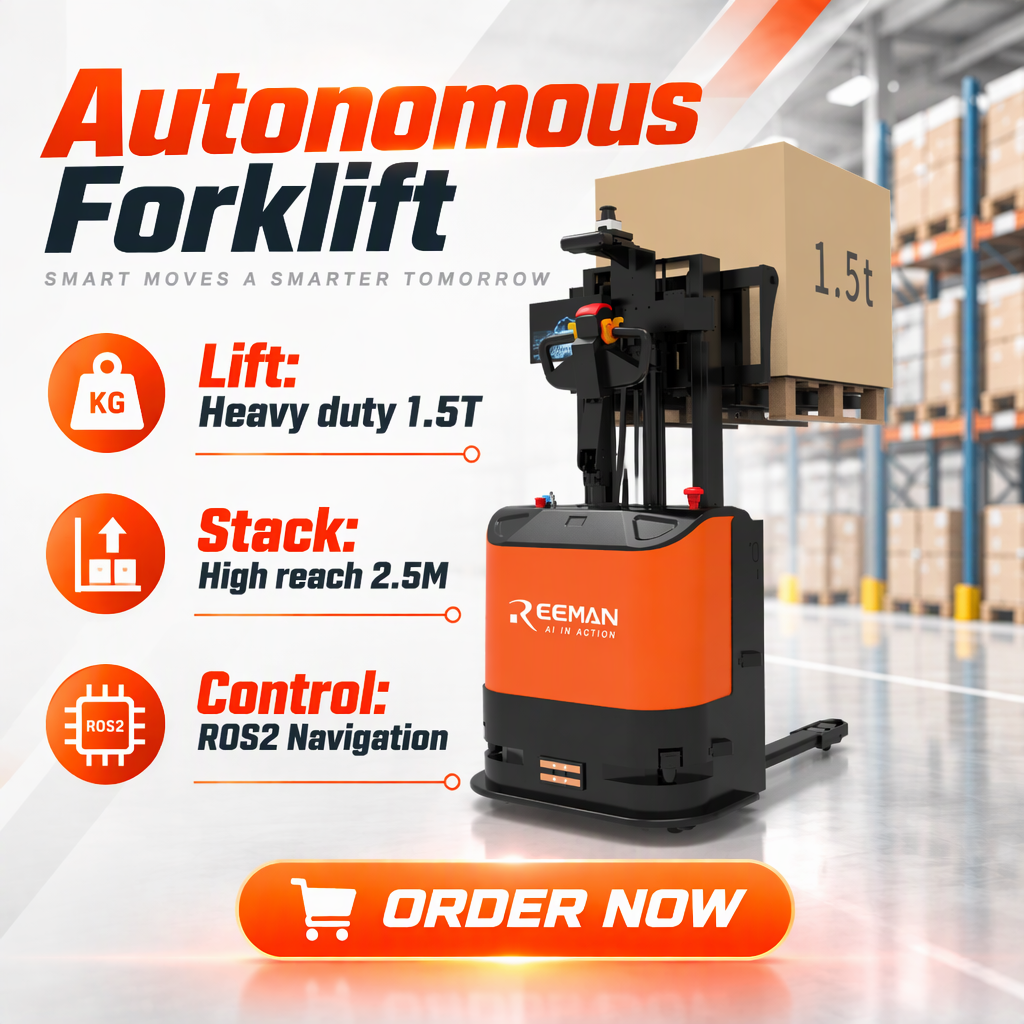
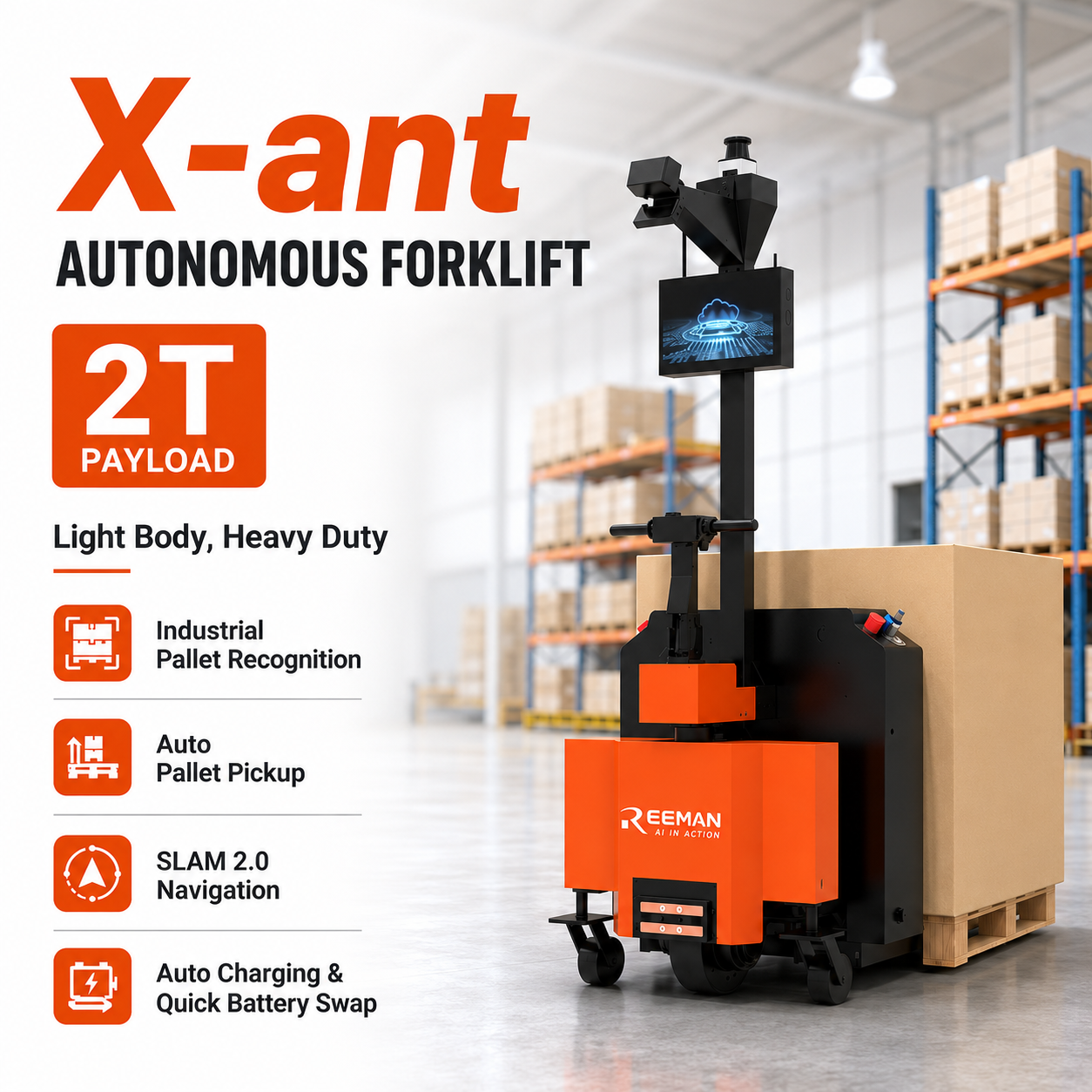
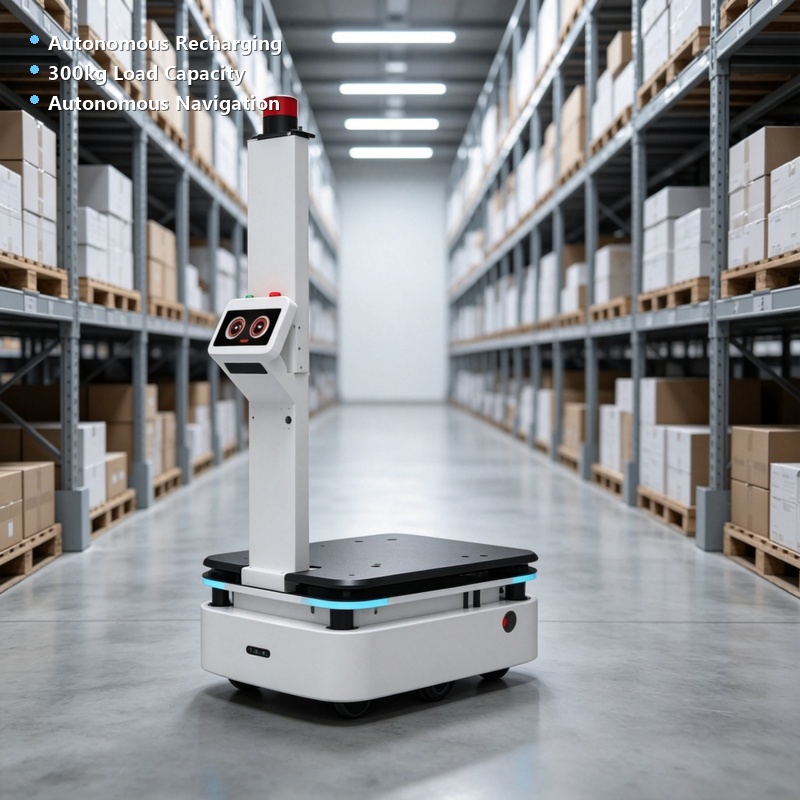
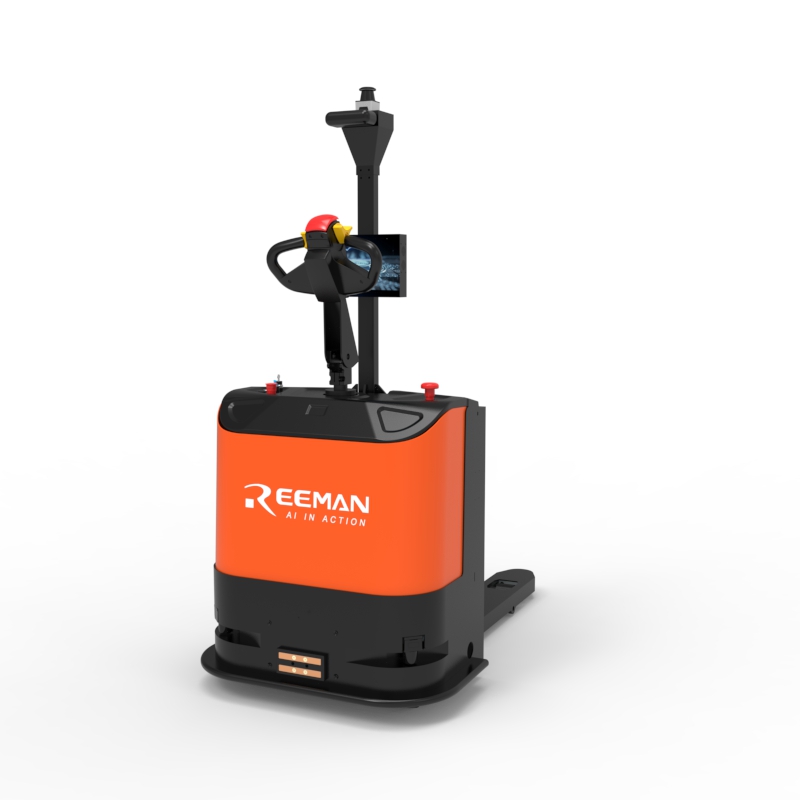
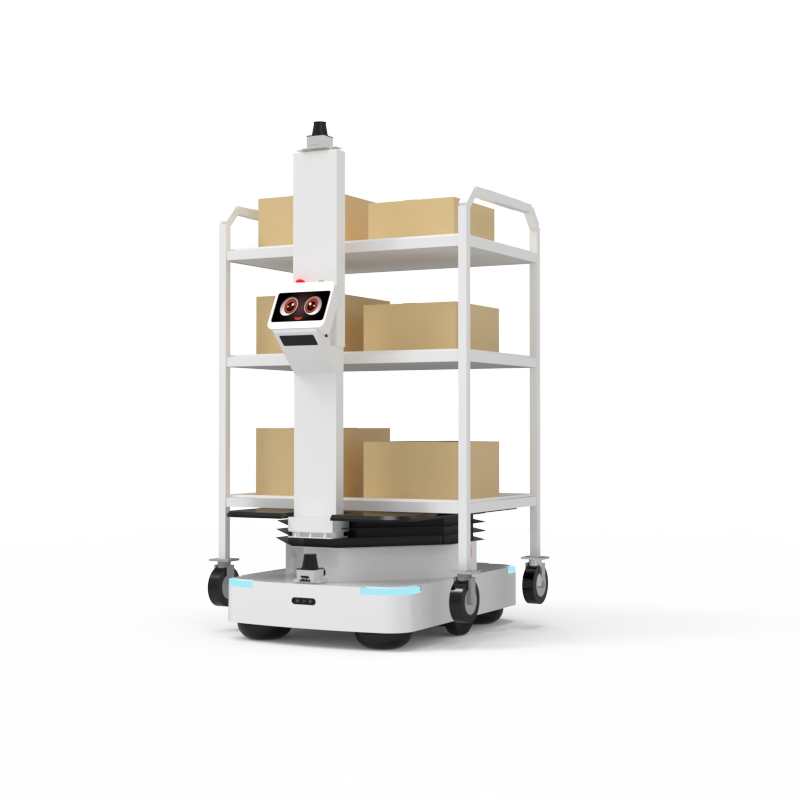
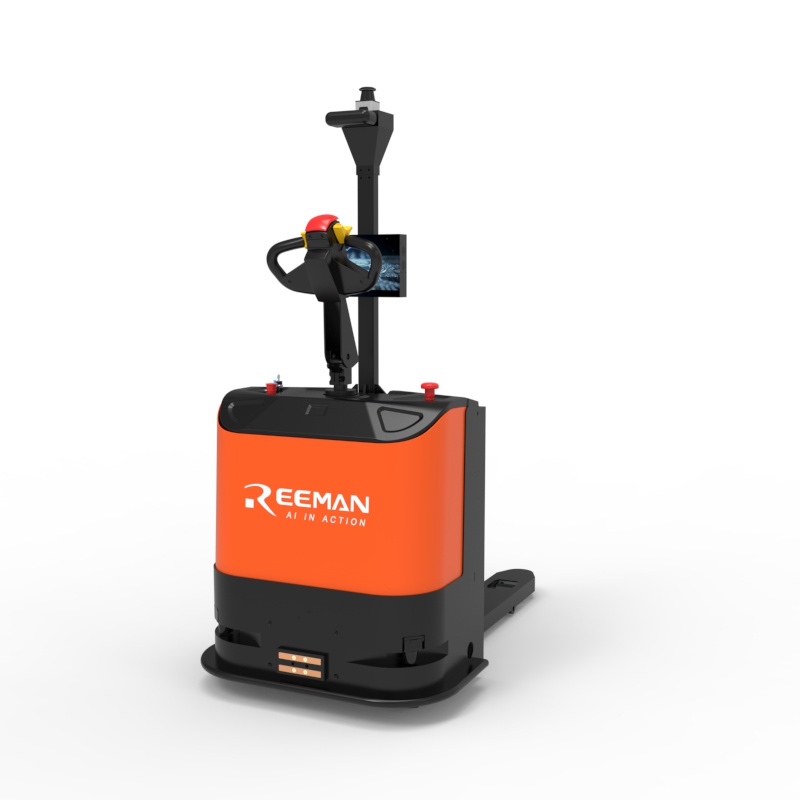
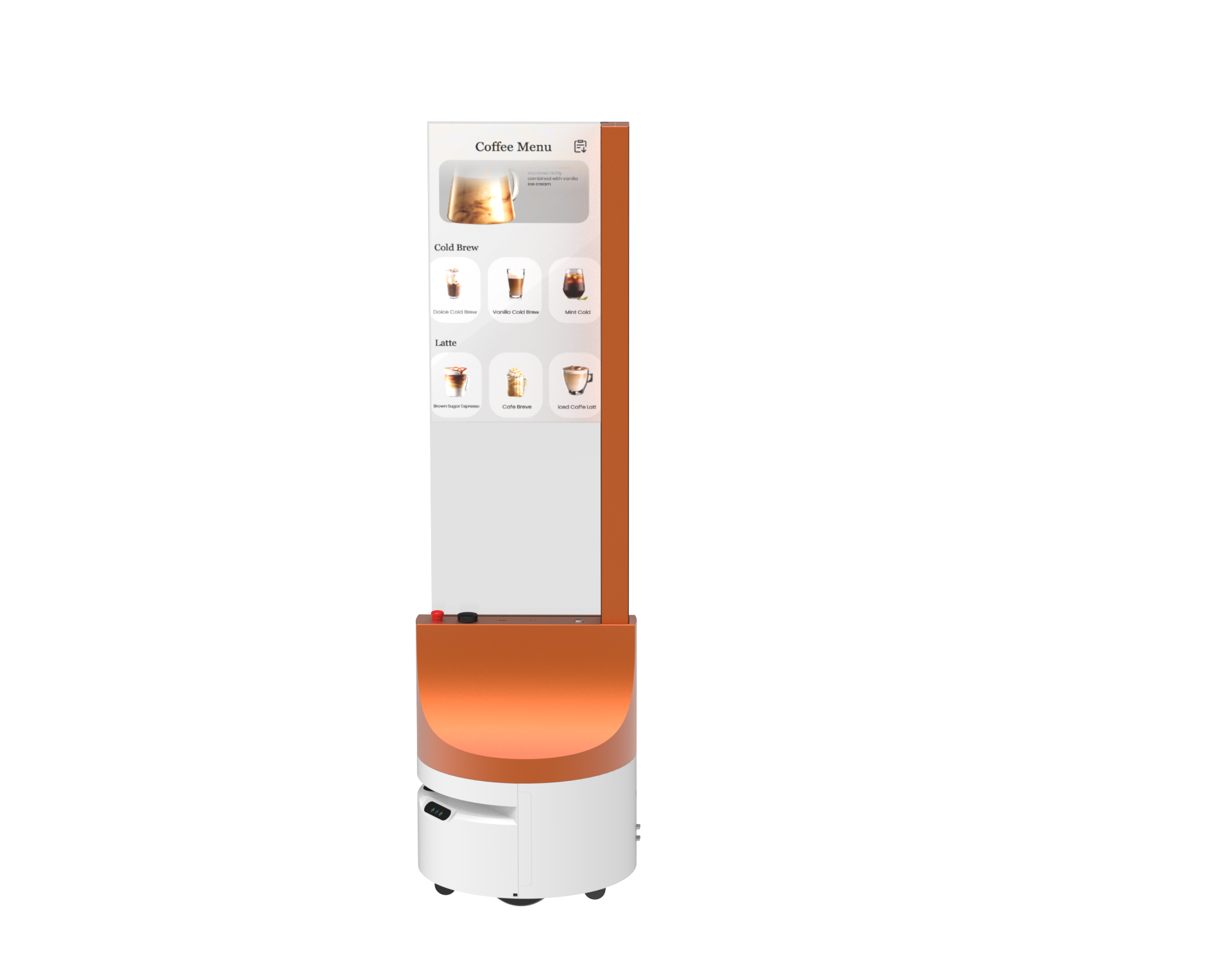
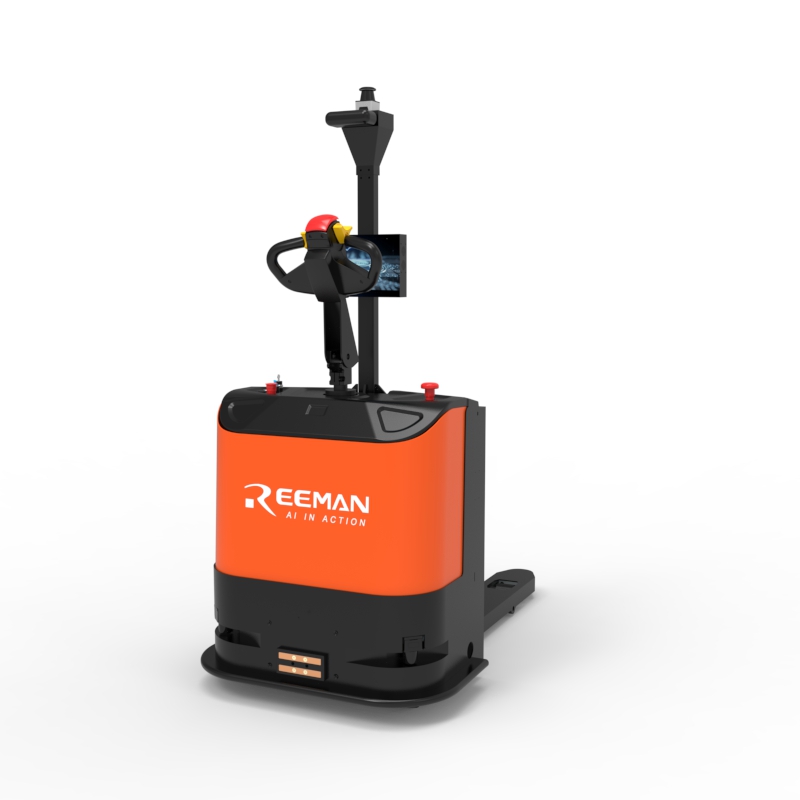
The eight products below come from Shenzhen Elvorn Intelligent Equipment Co., Ltd., a Shenzhen-based manufacturer founded in 2015. One is the direct 30-inch transparent OLED mobile advertising robot; the others show the laser SLAM forklifts, AMRs and delivery platforms that support custom advertising-robot development.

Factory proof, not catalogue theatre

Numbers Procurement Teams Can Verify

Supplier selection should separate marketing claims from production indicators. The company profile behind this product range states the following operating facts, which buyers can use as a due-diligence baseline.

2015Year founded
39Patents awarded
5,200 ㎡Total floorspace
200+Team members
98.76%Response rate
2Production bases: Shenzhen & Ningbo

Factory data is supported by onsite verification from SGS Group; management systems are certified to ISO 9001 and ISO 14001; selected models carry CE, FCC or PSE marks. Always request certificates and test reports for the exact model and destination market.

Factory vs wholesaler

Why the Manufacturing Model Changes Your Risk

For mobile advertising robots, the display is only one part of the purchase. Navigation reliability, chassis safety, content integration and spare-parts continuity determine whether the robot earns attention or creates operational friction.

Engineering ownership

A factory with in-house laser SLAM, motion control, fleet scheduling and hardware can answer interface, safety-zone and customization questions directly. Ask for API documents, chassis drawings, test records and the boundary of source-code access.

Customization velocity

OEM/ODM capability is more than a private label. It should include custom top modules, payload structures, display integration, branding and packaging. A wholesaler may change the logo, but a factory can change the mobile platform.

Safety and compliance

Public venues require predictable stop distance, speed zoning, emergency stop logic and obstacle avoidance. Verify CE, FCC or PSE marks against the exact model, and request EMC/radio documentation when OLED, Wi-Fi and moving chassis are combined.

Lifecycle support

Spare batteries, displays, LiDAR units, drive modules and remote commissioning matter because downtime affects brand experience. Ask for English documentation, training, response-time commitments and spare-part supply plans.

Top 10 supplier evaluation framework

Score the Factory Before You Negotiate the Price

Use a 100-point scorecard before comparing quotations. The weighting below is an illustrative buyer model for projects that combine a transparent OLED display with a moving autonomous chassis; it is not a third-party product rating.

Illustrative buyer weighting for mobile advertising robot projects

High-attention venues punish unreliable navigation and poor display integration faster than they punish a higher unit price. Score the supplier on the five drivers below before comparing total cost.

Navigation reliability96%
Safety architecture98%
Display & content92%
OEM/ODM flexibility94%
Service & spares95%
01

Manufacturing depth

Own production, incoming inspection, assembly and testing — not assembly-only sourcing.

02

SLAM performance

Mapping speed, dynamic obstacle avoidance, route changes and recovery after human interference.

03

Display integration

Transparent OLED brightness, aspect ratio, glass protection, content loop and remote control.

04

Safety logic

LiDAR fields, bumpers, emergency stops, speed zones, slope limits and pedestrian interaction.

05

SDK and API

CMS, WMS, MES or ERP integration, task dispatch, status feedback, logs and remote updates.

06

Certification fit

CE, FCC or PSE as required, plus ISO 9001 and ISO 14001 process evidence for export buyers.

07

OEM/ODM scope

Custom housing, top module, screen size, brand identity, packaging and buyer-label documentation.

08

Spare-part plan

Batteries, displays, LiDAR, drive modules and service kits with realistic lead-time commitments.

09

Deployment support

English manuals, remote commissioning, operator training, site mapping and escalation paths.

10

Total cost of ownership

Hardware + integration + content operations + energy + service + downtime risk, not unit price alone.

Product recommendation

Choose by Job, Not by Catalogue Page

A transparent OLED mobile advertising robot, an industrial AMR and a pallet-handling AGV solve different problems. The best supplier shortlist is built around the venue, the content workflow and the load case.

Retail, exhibitions and hospitality

Start with the REEMAN 30-inch OLED transparent screen mobile advertising robot. Confirm screen brightness, content format, app control, route planning and crowd safety. The value comes from combining motion with a visible message, not from replacing a fixed digital sign.

Factory and warehouse material flow

Compare the 600 kg AMR, 1.5 ton laser SLAM forklift and 2-ton AGV forklift as production platforms. If advertising or guidance is secondary, choose a supplier with open API, fleet scheduling and proven integration with WMS, MES or ERP.

OEM and integrator programs

Use a proven SLAM chassis or dual-laser delivery platform and add your display, camera, voice, payment or branding module. This reduces development risk because navigation, drive control and safety logic are already engineered.

Procurement trends 2025–2030

What Will Change in Mobile Advertising Robot Buying

Expect procurement to move away from one-off hardware purchases and toward measurable service outcomes, integration quality and lifecycle cost.

Robotics-as-a-Service

Subscription and leased fleet models will shift capex to opex. Buyers will ask for usage data, remote updates, battery health reporting and clear exit terms.

Fleet interoperability

Robots will be judged by their ability to accept tasks from CMS, WMS, MES or ERP systems. Open APIs and documented status feedback become procurement requirements.

Safety and privacy proof

Public-space robots carry cameras and map data. Buyers will request data-retention policies, access control, on-device processing options and safety validation records.

TCO and ESG scoring

Energy use, battery replacement, packaging, spare-part logistics and local service response will be scored alongside price, especially for multi-site rollouts.

Product development trends

Where Mobile Advertising Robots Are Heading

The next generation of mobile advertising robots will compete less on “having a screen” and more on attention quality, navigation reliability, content operations and platform flexibility.

Transparent OLED and high brightness

Transparent OLED creates a premium visual effect in retail and exhibitions, but it must work under real lighting. Buyers should compare nits, contrast, viewing angle, glass protection and content design.

AI voice and edge perception

Voice interaction, face-free audience counting and edge AI can make the robot more engaging. Procurement teams should insist on clear data boundaries and opt-in behavior where local rules require it.

Sensor fusion and 3D safety

Multi-line LiDAR, depth cameras, ultrasonic and bumper systems are converging into layered safety. Dynamic venues need reliable obstacle avoidance around people, carts and temporary displays.

Modular chassis platforms

Factories that already build AMRs, delivery robots and AGV forklifts can adapt a proven chassis for advertising, guidance, disinfection or logistics. Modularity lowers customization risk.

Cloud content operations

Campaign scheduling, remote screen control, device status, play logs and proof-of-play reporting will become standard buyer questions, especially for chain retail and exhibitions.

Battery and charging optimization

Opportunity charging, battery health visibility and route-aware energy planning determine uptime. For multi-shift deployments, battery strategy matters as much as payload.

Enterprise advantages

Why Elvorn Is a Factory to Benchmark

For buyers shortlisting mobile advertising robot factories and wholesalers, the strongest signal is a supplier that can explain the robot from display to drive module — and support it after shipment.

Shenzhen Elvorn Intelligent Equipment headquarters and R&D center Elvorn robot assembly line Elvorn engineering and quality testing team

Full-stack robotics built by Shenzhen Elvorn

Shenzhen Elvorn Intelligent Equipment Co., Ltd. was founded in 2015 as a national high-tech enterprise focused on robotic platform technology and autonomous driving. The in-house R&D team covers laser SLAM navigation, motion control, fleet scheduling and hardware, which enables faster customization and clearer engineering answers for distributors and integrators.

The company operates two production bases in Shenzhen and Ningbo, with supplier assessment and on-site material inspection procedures. As a verified custom manufacturer, Elvorn offers OEM service, design service and buyer-label options, including custom top modules, payload structures, branding and packaging.

Founded 2015ISO 9001ISO 14001SGS onsite verifiedCE / FCC / PSE modelsOEM / ODM
Laser SLAM navigation

Maps a site in hours and navigates without magnetic tape, QR codes or reflectors, so layout changes do not require floor work.

Open SDK and API

Secondary development on AMRs and chassis lets integrators connect robots to WMS, MES, elevators, doors and custom dashboards.

Modular payload platforms

From 60 kg delivery robots to 2-ton autonomous forklifts on shared control architecture, simplifying fleet training and maintenance.

Multi-layer safety

LiDAR, obstacle sensors, emergency stops and speed zoning keep robots safer around pedestrians, forklifts and racking.

Own production capacity

Two production bases in Shenzhen and Ningbo with on-site material inspection and supplier assessment procedures.

Export-ready support

English documentation, remote commissioning and spare-part supply for buyers across North America, Europe, Asia and the Middle East.

Project delivery

From Site Survey to Stable Operation

A disciplined five-step workflow reduces deployment risk for overseas buyers and makes responsibilities clear before the purchase order is issued.

Requirement review

Share layout drawings, load data, display size, content format, venue traffic and target throughput.

Solution design

Engineers recommend models, fleet size, charging plan, navigation constraints and integration scope.

Customization and build

OEM branding, top modules and software interfaces are built to the agreed specification.

Factory testing

Function, load and safety tests are completed before shipment, with test records available.

Deploy and support

Remote mapping, operator training and long-term spare-parts supply support stable operation.

Procurement FAQ

Mobile Advertising Robot Buying Questions

These are the questions most often raised by distributors, integrators and venue operators during first-round supplier evaluation.

How do I identify a real mobile advertising robot factory?
Ask for the production boundary: who designs the chassis, navigation board, motion-control firmware, battery system and display integration? A factory can usually provide assembly-line photos, test records, API documentation and model-specific certificates. A wholesaler may only provide a finished product catalogue and a third-party brand. Verify the company name, factory address and certificate holder match.
What is the difference between transparent OLED and LED advertising robots?
Transparent OLED creates a premium see-through effect and can suit luxury retail, exhibitions, museums and brand experiences. LED signage may offer higher brightness and lower cost for high-ambient-light spaces, but it is often heavier and less transparent. Compare nits, contrast, viewing angle, power draw, service access and content design before choosing.
Can a mobile advertising robot navigate crowded retail venues?
Yes, if the robot has suitable sensor fusion and safety logic. Look for LiDAR, depth cameras or ultrasonic sensors, dynamic obstacle avoidance, adjustable speed zones, emergency stops and recovery behavior. Buyers should also require a site survey or remote mapping test because glass walls, reflective floors, crowds and temporary displays can challenge navigation.
What content-management integration should I ask for?
Ask whether the robot supports app remote control, scheduled playlists, local or cloud content updates, play logs, screen status monitoring and API access. For chains or exhibitions, proof-of-play reporting and multi-device management are valuable. Confirm supported video formats, aspect ratios, Wi-Fi requirements and whether offline playback is available.
Which certifications should be requested?
Request certificates that match the exact model and destination market: CE for Europe, FCC for the United States, or PSE for Japan where applicable. For factory due diligence, ISO 9001 and ISO 14001 are useful process indicators. If the robot combines a moving chassis, OLED screen and Wi-Fi radio, ask for the relevant EMC, radio and safety documentation.
Can we order OEM/ODM units with our brand and custom display?
A factory with OEM/ODM capability can typically customize housing color, branding, top modules, screen size, packaging and interface options. Provide a clear specification covering display resolution, brightness, content player, navigation area, safety requirements, language, documentation and target certification. Prototype and tooling lead times should be confirmed in writing.
What are common trade terms and payment options?
Export orders are often quoted on FOB terms, with T/T payment in USD or CNY and inspection before shipment. Confirm Incoterm, packaging, warranty, spare-parts list, shipping documentation and after-sales responsibility. For first orders, buyers should also request a factory test video and packing checklist before balance payment.
How should I calculate ROI or total cost of ownership?
Use TCO = hardware + integration + content production + electricity + service and spares + downtime risk. Then compare that cost with measurable benefits: paid brand exposure, staff time saved, fewer printed materials, higher dwell time or improved customer guidance. For multi-site projects, include training, connectivity and spare-parts logistics in the calculation.
Next step

Request a Factory-Backed Recommendation

Send your venue size, ceiling height, audience flow, screen size, content format, navigation constraints and target budget. The engineering team can compare the 30-inch transparent OLED advertising robot with custom SLAM platforms and reply with a practical configuration.

Email: info@elvornbot.com

Get a Quote