8 Products Buyers Shortlist from China AMR & Autonomous Forklift Factories
These models reflect the search intent behind “China autonomous mobile robot factories and wholesalers”: buyers need proven payloads, SLAM navigation, integration readiness and export documentation — not only a low unit price.
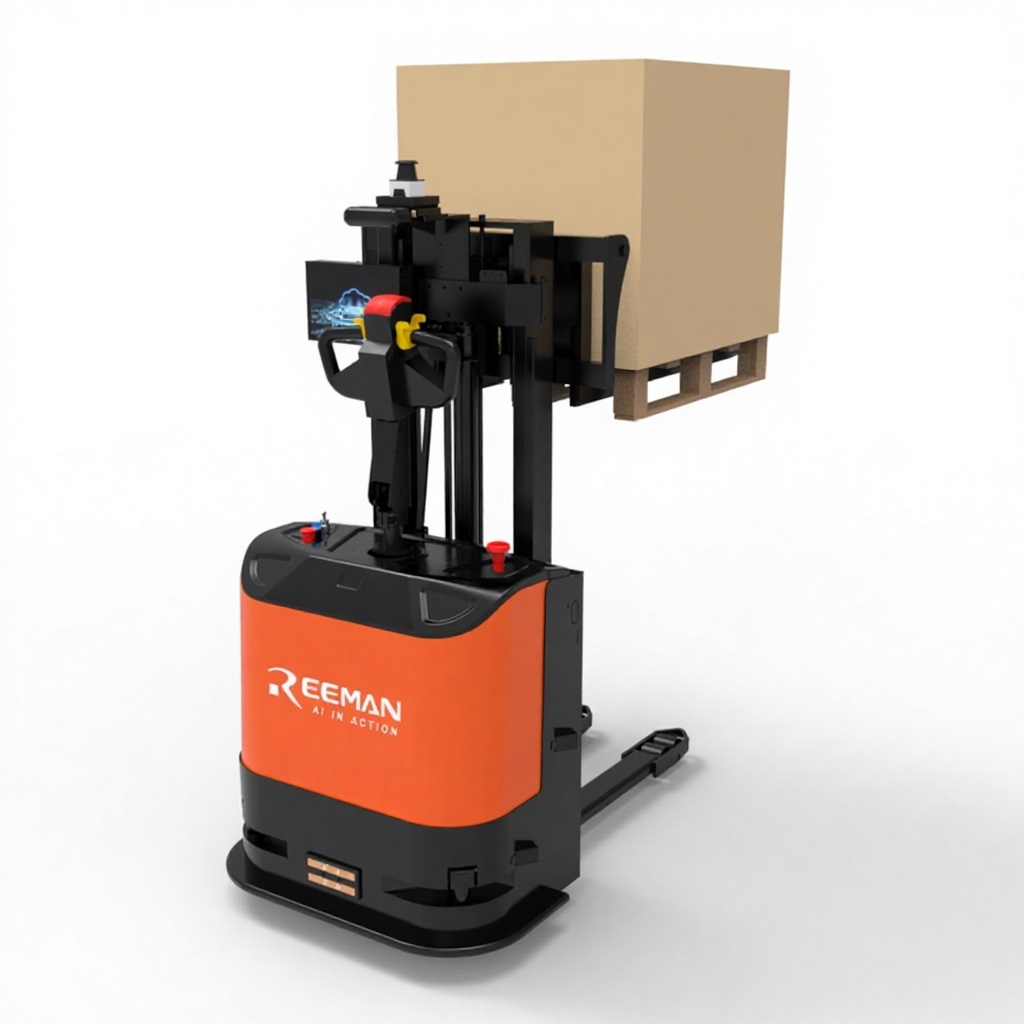
REEMAN Rhino RBOT30F Autonomous Stacker Forklift 3D Vision Obstacle Avoidance Warehouse AGV Robot
3D vision obstacle avoidance and autonomous stacking make this model suitable for warehouses that need repeatable pallet movement without floor tape or reflectors.
View product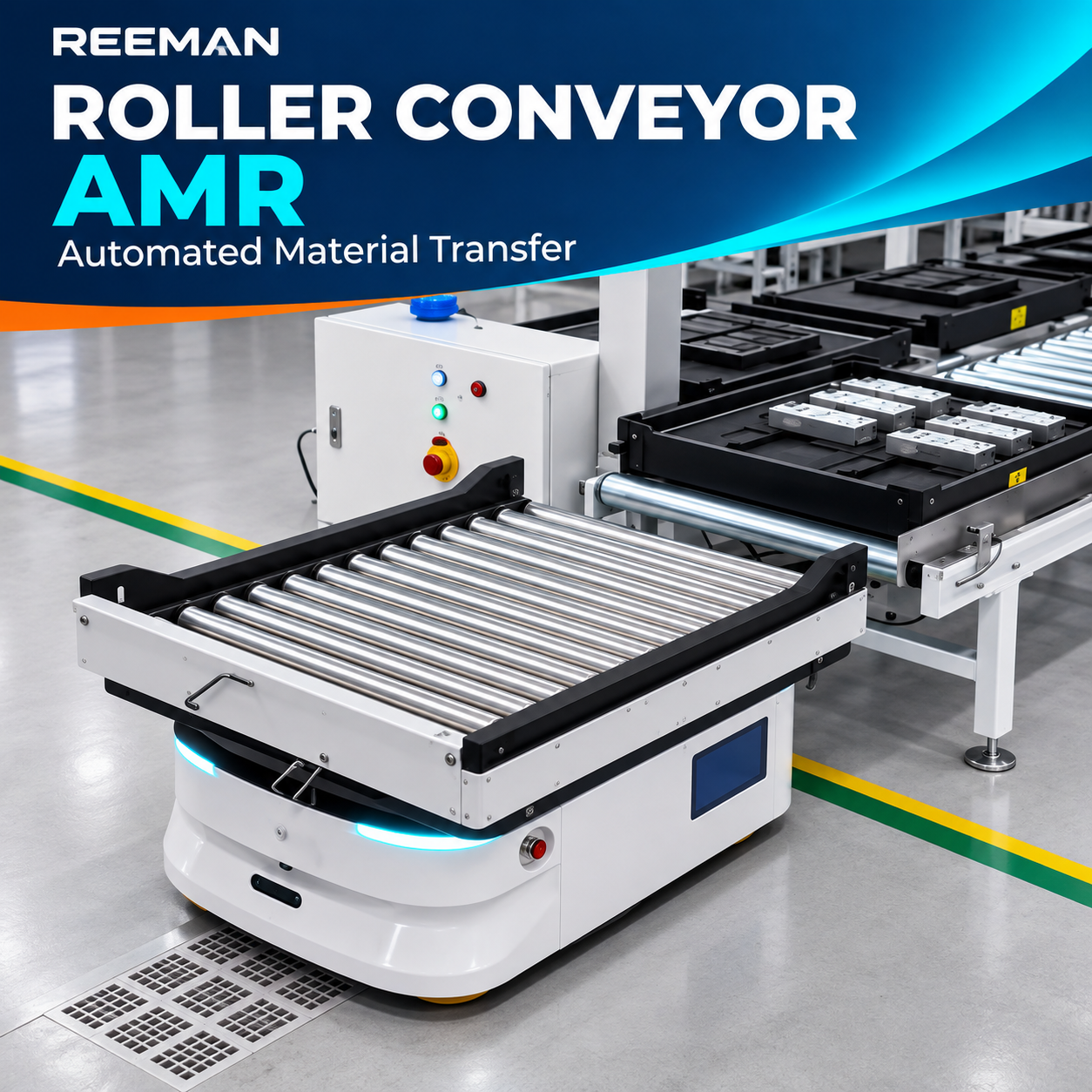
Roller Conveyor AMR Robot with SDK and API for Custom Development and System Integration
An integration-friendly AMR platform for automated transfers between conveyors, production cells and buffer stations, with SDK and API access for custom software development.
View product
REEMAN X-ant JBOT20F 2 Ton Autonomous Forklift AGV Laser SLAM Pallet Handling Robot for Warehouse Logistics
Laser SLAM navigation and 2-ton pallet handling capacity for dock-to-storage, production feeding and warehouse logistics where heavy loads must move reliably.
View product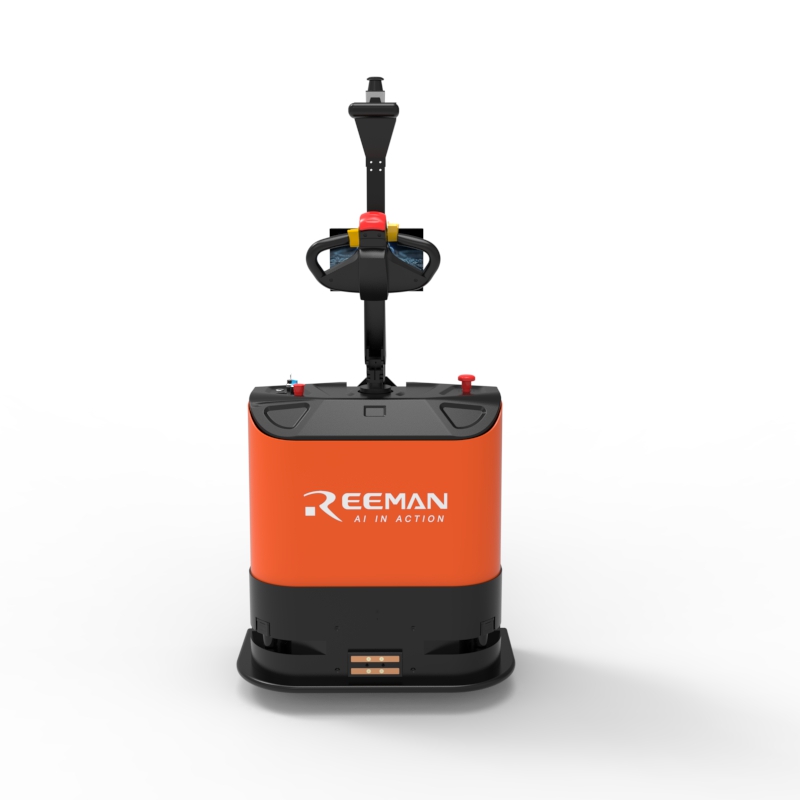
1500kg Laser SLAM Autonomous Forklift AGV Reflector-Free Point-to-Point Warehouse Material Handling
Point-to-point material handling without reflector installation, helping buyers reduce site preparation time and keep aisle layouts flexible.
View product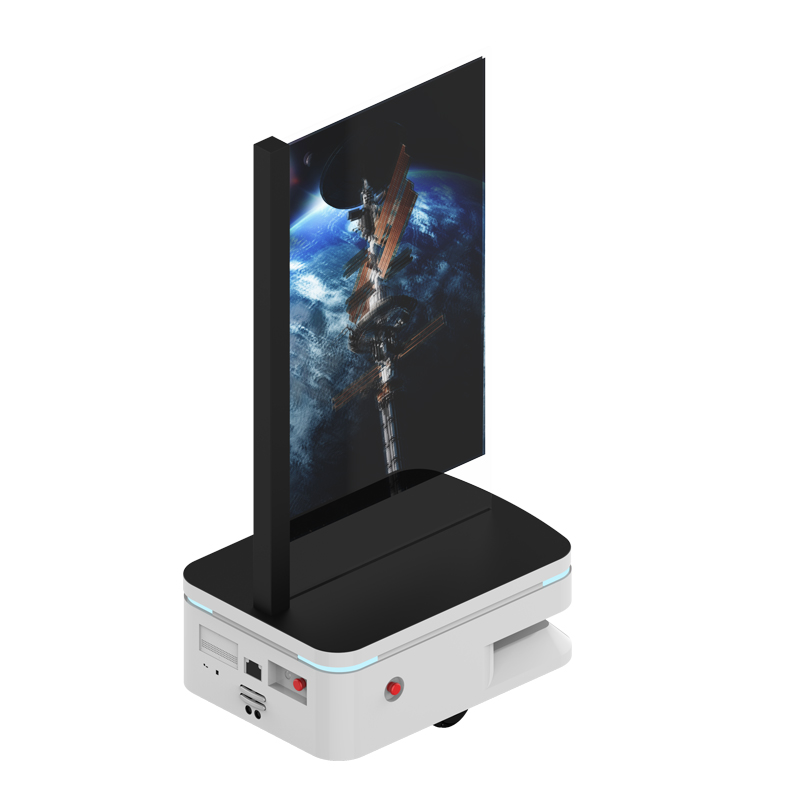
75 Inch Indoor LED Digital Poster Touch Screen Display SDK OEM ODM Black Signage for Retail Store Elevator Airport
An adjacent smart-facility product for buyers who bundle mobile robots with interactive retail, elevator, airport and exhibition signage.
View product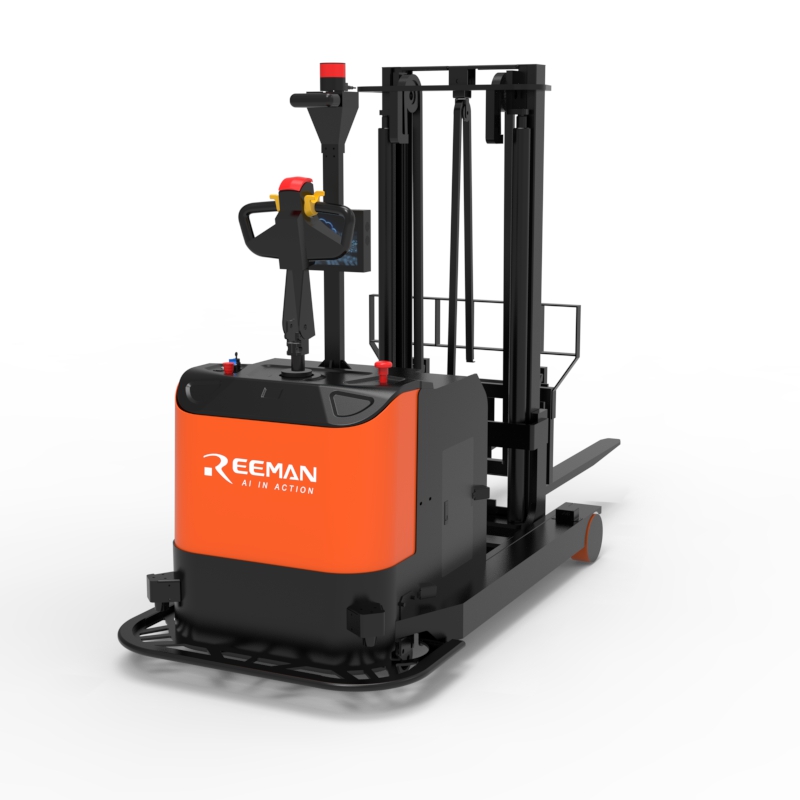
Reeman Autonomous Electric Stacker Forklift 1.2 Ton Li-Ion 48V 30Ah 2500mm Lift Laser Navigation 3m Aisle
A compact autonomous stacker for low-rack storage and narrow-aisle work, with lithium-ion power, 2,500 mm lift and laser navigation.
View product
Reeman Autonomous Mobile Robot Slam Navigation PLC Core Components Warehouse Logistics
A robust AMR platform for warehouse logistics, built around SLAM navigation and PLC core components for reliable task execution and integration.
View product
2 Ton Autonomous 4WD AGV Forklift Laser SLAM Navigation Multi-Line LiDAR 10mm Position Accuracy 6-8H Warehouse Handling
Multi-line LiDAR, 10 mm positioning accuracy and 6–8 hours of handling make this 4WD AGV forklift a strong fit for demanding warehouse handling.
View productWhat Buyers Really Mean by “China AMR Factories & Wholesalers”
Queries around top China autonomous mobile robot factories and wholesalers usually sit at three buying stages: discovery, engineering shortlisting and procurement verification. A buyer searching for an AMR factory is rarely looking for a simple directory. They want evidence that the supplier can deliver a stable robot, connect it to WMS, MES or ERP systems, meet safety expectations and support spare parts after installation. That is why serious suppliers publish factory data, patents, certifications, integration documentation and real deployment examples rather than only price lists.
For semantic search, the strongest pages answer the questions behind the keyword: Who actually manufactures the robot? Which models fit my payload and aisle? Can the factory customize the top module or software? What evidence proves quality control? A useful buyer guide must connect product recommendations with procurement trends, factory verification and after-sales capability.
Wholesalers can be useful for mixed orders, faster quotations or local stock, but factories provide deeper engineering accountability. For autonomous forklifts and SLAM AMRs, the real cost is not only the machine — it is commissioning, fleet scheduling, safety zoning, spare parts and uptime. Buyers should compare the factory’s ability to support the complete lifecycle, not just the unit price on the quotation.
Factory Verification Checklist
- Confirm whether the supplier owns production, R&D and quality control or only resells.
- Ask for SGS, ISO 9001, ISO 14001, CE, FCC or PSE evidence relevant to your market.
- Request real deployment videos, not only rendered product images.
- Review SDK/API documentation, WMS/MES integration experience and fleet management capability.
- Check spare-part supply, remote commissioning and operator training terms.
Inside a China AMR Factory Built for Real-World Logistics
Founded in 2015, Shenzhen Elvorn Intelligent Equipment Co., Ltd. is a national high-tech enterprise focused on robotic platform technology and autonomous driving. The company designs, builds and supports autonomous forklifts, industrial AMRs, robot chassis, delivery robots and cleaning robots for buyers across North America, Western Europe, Eastern Asia, Southeast Asia and the Middle East.
Its in-house R&D team owns the full stack — laser SLAM navigation, motion control, fleet scheduling and hardware — which means faster customization, transparent engineering answers and long-term spare-part support for distributors, integrators and private-label buyers. Two production bases in Shenzhen and Ningbo, a 5,200㎡ footprint and a 200+ team support both standard models and OEM/ODM projects.
Quality evidence matters for procurement. Elvorn operates under ISO 9001 and ISO 14001 management systems, carries CE, FCC or PSE marks on relevant models and has been verified onsite by SGS Group. Export terms include FOB, T/T payment in USD or CNY, design service and buyer-label options.



Laser SLAM Navigation
Maps your site in hours and navigates without magnetic tape, QR codes or reflectors, so layout changes do not require floor work.
Open SDK & API
Secondary development on AMRs and chassis lets integrators connect robots to WMS, MES, elevators, doors and custom dashboards.
Modular Payload Platforms
From 60 kg delivery robots to 2-ton autonomous forklifts on shared control architecture, simplifying fleet training and maintenance.
Multi-Layer Safety
LiDAR, obstacle sensors, emergency stops and speed zoning keep robots safe around pedestrians, forklifts and racking.
Own Production Capacity
Two production bases in Shenzhen and Ningbo with on-site material inspection and supplier assessment procedures.
Export-Ready Support
English documentation, remote commissioning and spare-part supply for buyers across North America, Europe, Asia and the Middle East.
How China AMR Procurement Is Changing for 2026 and Beyond
The buying conversation is shifting from “Which AGV can move a pallet?” to “Which supplier can deliver a measurable, safe and scalable material-flow system?”
From Standalone Robots to Fleet Orchestration
Buyers now ask for fleet management, traffic control and mixed-fleet scheduling. A factory that can expose APIs and support task dispatch is more valuable than one that only sells isolated units.
Total Cost of Ownership over Unit Price
Procurement teams compare battery cycle life, spare-part lead time, commissioning support, uptime and maintenance training. The cheapest robot can become the most expensive decision if service is weak.
OEM, ODM and Private Label Demand
Distributors, system integrators and service-robot brands increasingly request custom top modules, branding, packaging and software interfaces from China factories.
Safety and Compliance Evidence
CE, FCC, PSE, risk assessment and ISO management systems are now part of the shortlist. Buyers need documentation that satisfies internal engineering, legal and import teams.
Remote Commissioning and Global Service
Overseas buyers expect remote mapping, video-based operator training and quick spare-part response. Suppliers with export experience reduce deployment friction.
More Transparent Information Gain
Semantic search rewards pages that answer questions deeply. Factories that publish specifications, integration guidance, deployment data and FAQ content earn trust earlier in the buying journey.
Autonomous Mobile Robot Development Trends Reshaping Factory Selection
A factory’s roadmap matters as much as its current price list. These are the capabilities that will define competitive AMR and autonomous forklift platforms.
Multi-Sensor SLAM Fusion
Laser SLAM is being strengthened with 3D LiDAR, vision and IMU fusion to improve stability in dynamic, high-traffic and wide-open environments.
3D Vision Obstacle Avoidance
Robots need to recognize pallets, forks, pedestrians and temporary obstacles. 3D vision helps autonomous forklifts handle real warehouse variance safely.
Higher Payload, Narrower Aisle
Warehouse economics push for fewer trips and tighter aisles. Factories are optimizing chassis, mast and steering to support higher loads with smaller footprints.
Open Integration Architecture
SDK, API and protocol documentation allow AMRs to become part of a larger automation stack, not a closed island. This is critical for integrators and OEM partners.
Lithium-Ion and Opportunity Charging
Fast charging, opportunity charging and battery health monitoring improve uptime for 24/7 logistics operations and reduce total energy management complexity.
Digital Twin and Cloud Fleet Data
Simulation, cloud dashboards and performance analytics help buyers plan routes, measure utilization and justify automation ROI before and after deployment.
How to Compare China AMR Factories beyond the Quotation
A weighted scorecard helps buying teams evaluate suppliers consistently and avoid over-focusing on one low price.
The strongest factory responses include model selection logic, installation assumptions, commissioning scope, acceptance criteria, operator training and warranty terms. Ask for these items in writing before comparing final prices.
Where Autonomous Mobile Robots Deliver Measurable ROI
Product recommendations only become useful when matched to the actual material flow. These six applications are common starting points for buyers sourcing from China.
Warehouse & 3PL Pallet Flow
Autonomous forklifts move pallets from receiving to storage, staging and dock loading while reducing repeated forklift travel.
Manufacturing Line-Side Logistics
AMRs feed workstations and collect finished goods, synchronized with MES tasks and production schedules.
Integrator & OEM Development
SLAM chassis platforms with open SDK shorten time-to-market for branded robots, service robots and custom automation.
Narrow-Aisle Stacking
Compact autonomous stackers support low-rack storage, pallet shuttling and 3-meter aisle operations.
Retail, Airport & Exhibition
Mobile service robots and interactive displays support guidance, promotion and customer engagement in public spaces.
Commercial Facility Service
Cleaning, delivery and guidance robots help facilities reduce walking time and repetitive labor while improving visitor experience.
Frequently Asked Questions about China AMR Factories & Wholesalers
What is the difference between an AGV forklift and an AMR?
Should I buy from a China AMR factory or a wholesaler?
Can autonomous robots be integrated with my WMS, MES or ERP?
Does Elvorn offer OEM and ODM customization?
Which certifications should I ask for?
What trade terms and payment methods are common?
What information should I send for an accurate robot recommendation?
How do factories support safety in mixed traffic?
Plan Your Next Automation Project with an Engineering-Led Quote
Send your layout, load data, aisle width and throughput target. A qualified China AMR factory should respond with model selection logic, integration questions, safety considerations and a realistic deployment plan — not just a price sheet.