2026 export buyer guide · laser SLAM robotics

Top China Commercial Service Robot Supplier & Exporters

A procurement-grade guide to autonomous forklifts, industrial AMRs, robot chassis and commercial service robots—built for overseas buyers who need verifiable factory capability, integration clarity and export-ready support.

SGS-verified factory No tape or QR code required OEM / ODM & buyer label Export support in 5 regions
2015
Founded in Shenzhen
11+
Years in robotics
39
Patents awarded
5,200㎡
Total floorspace
200+
Team members
98.76%
Response rate
Factory data published by Shenzhen Elvorn Intelligent Equipment Co., Ltd.; verify current figures during due diligence.
Product recommendations

8 Commercial Service Robot Platforms Built for Export Projects

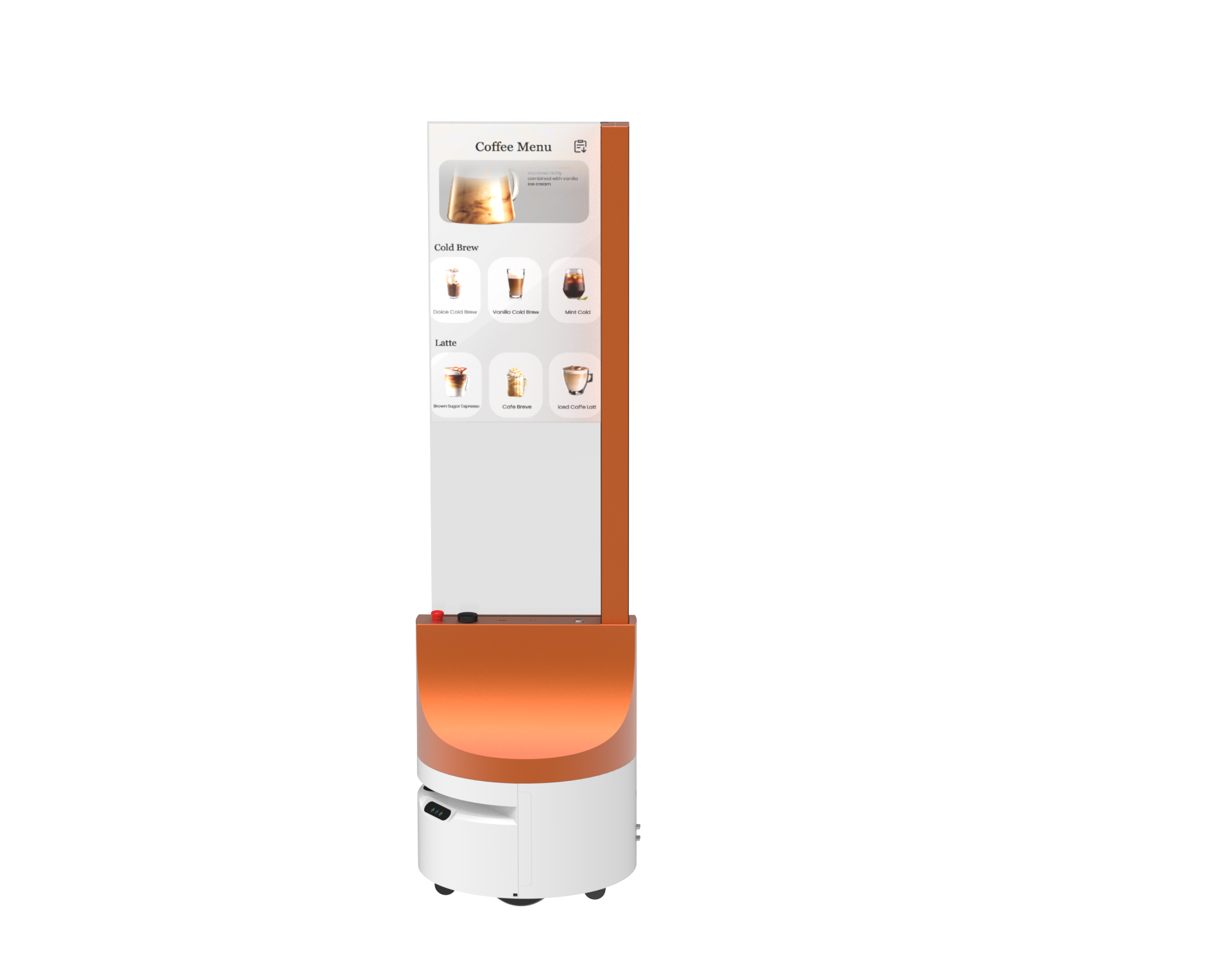
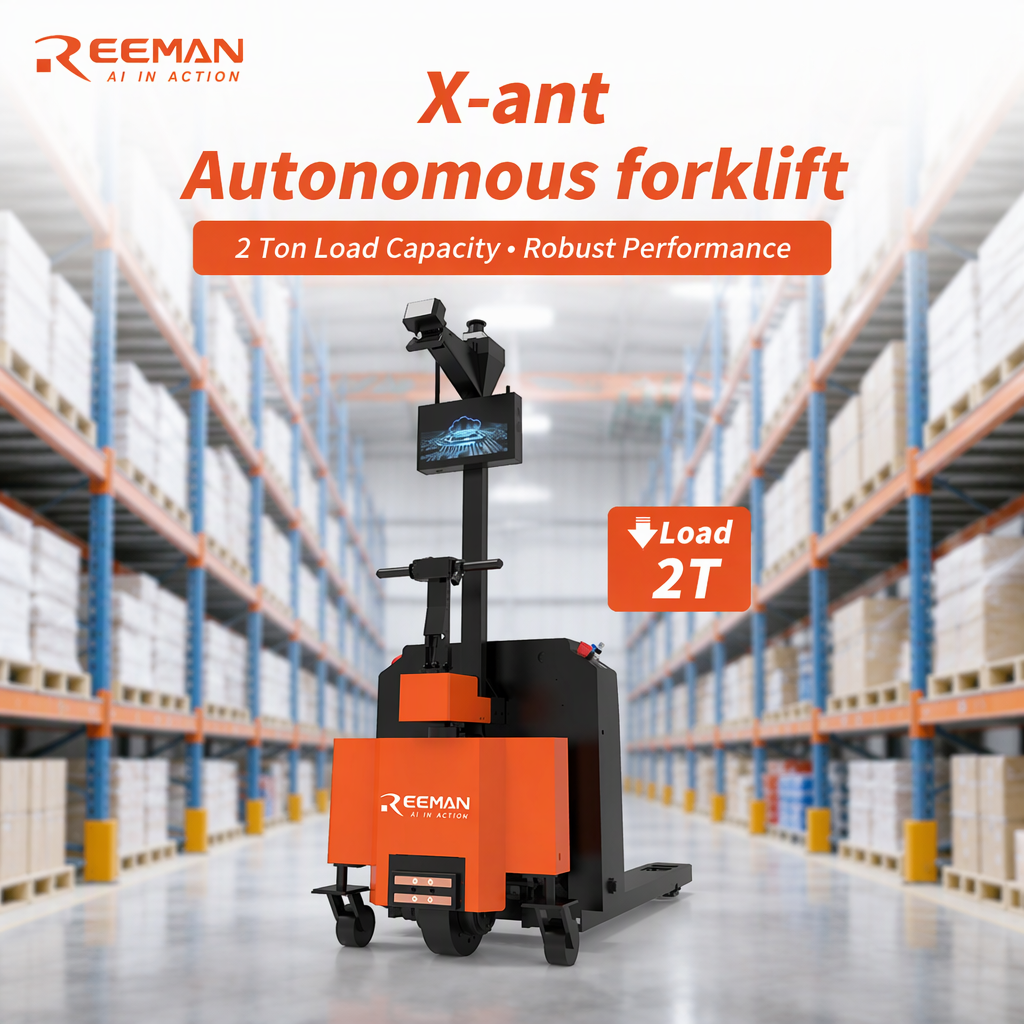
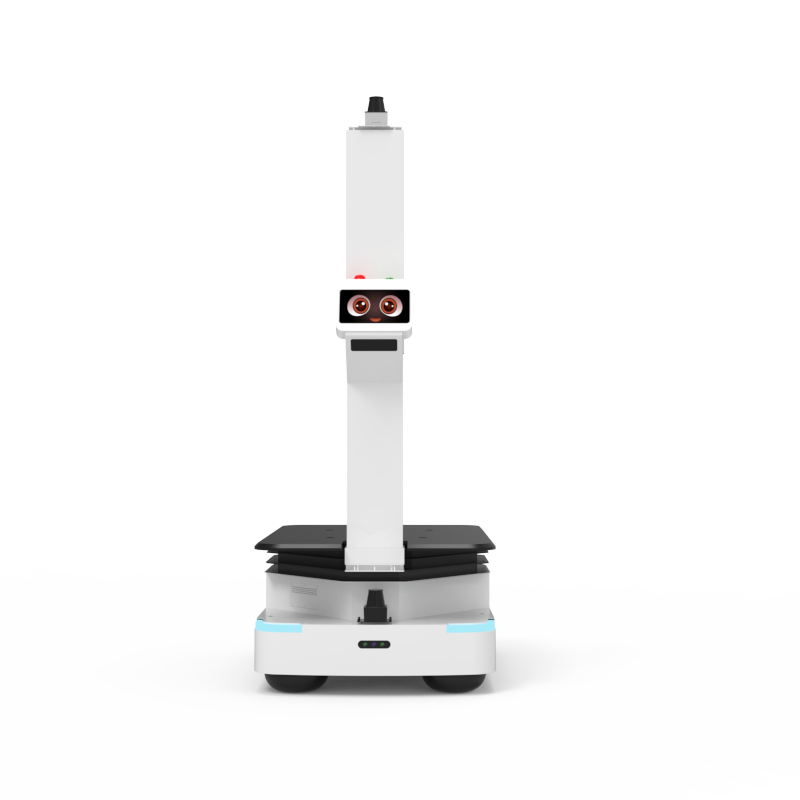
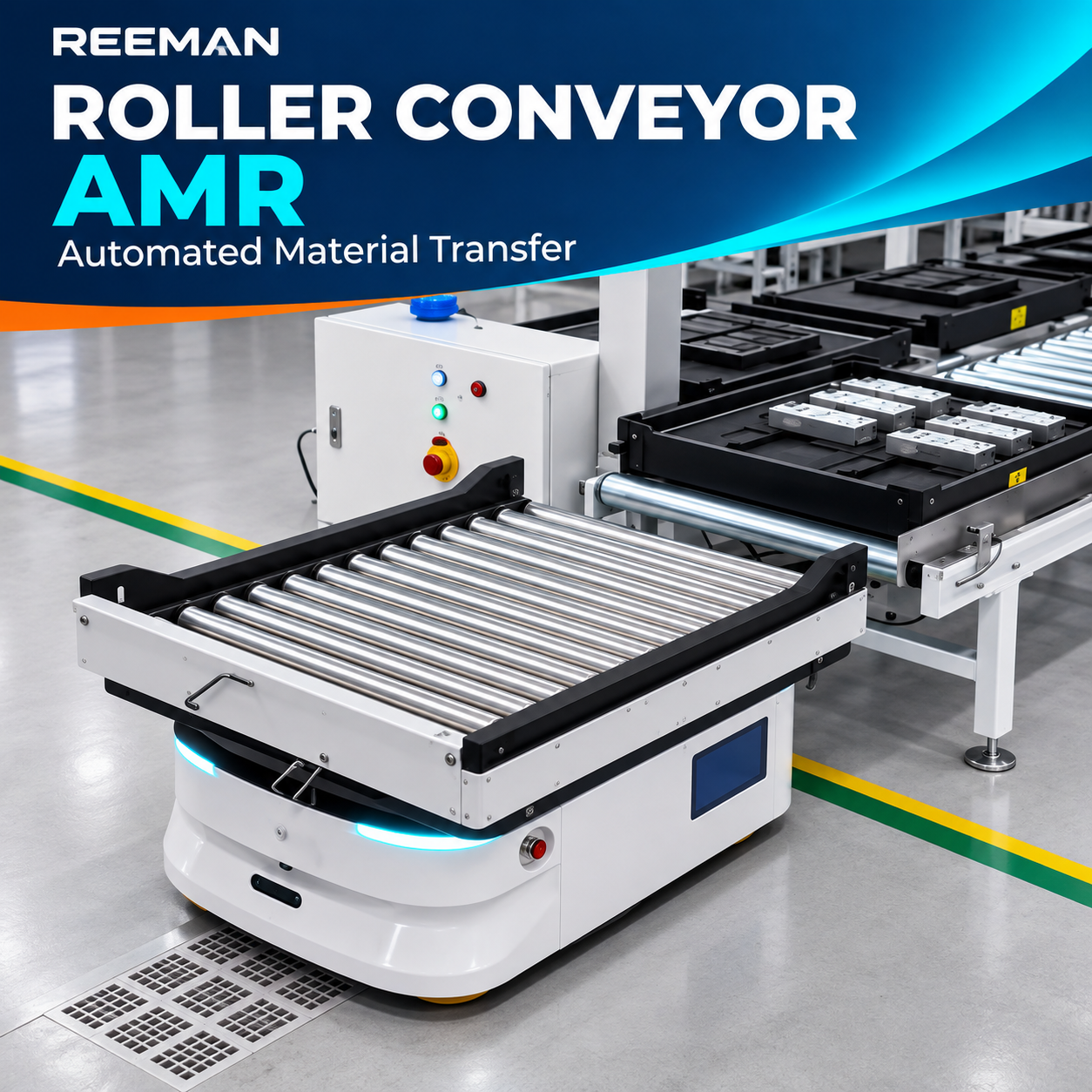
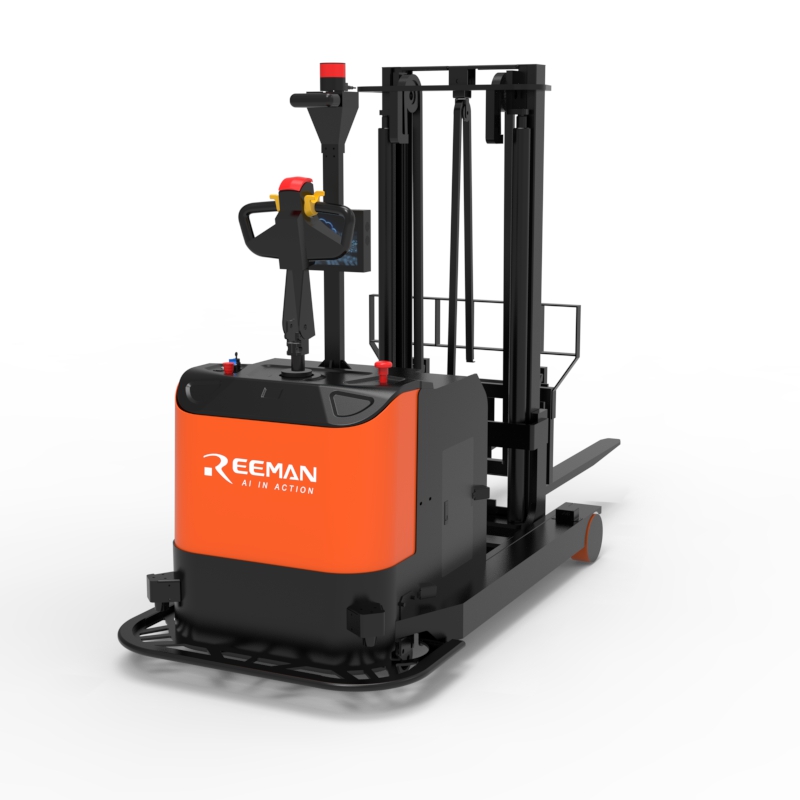
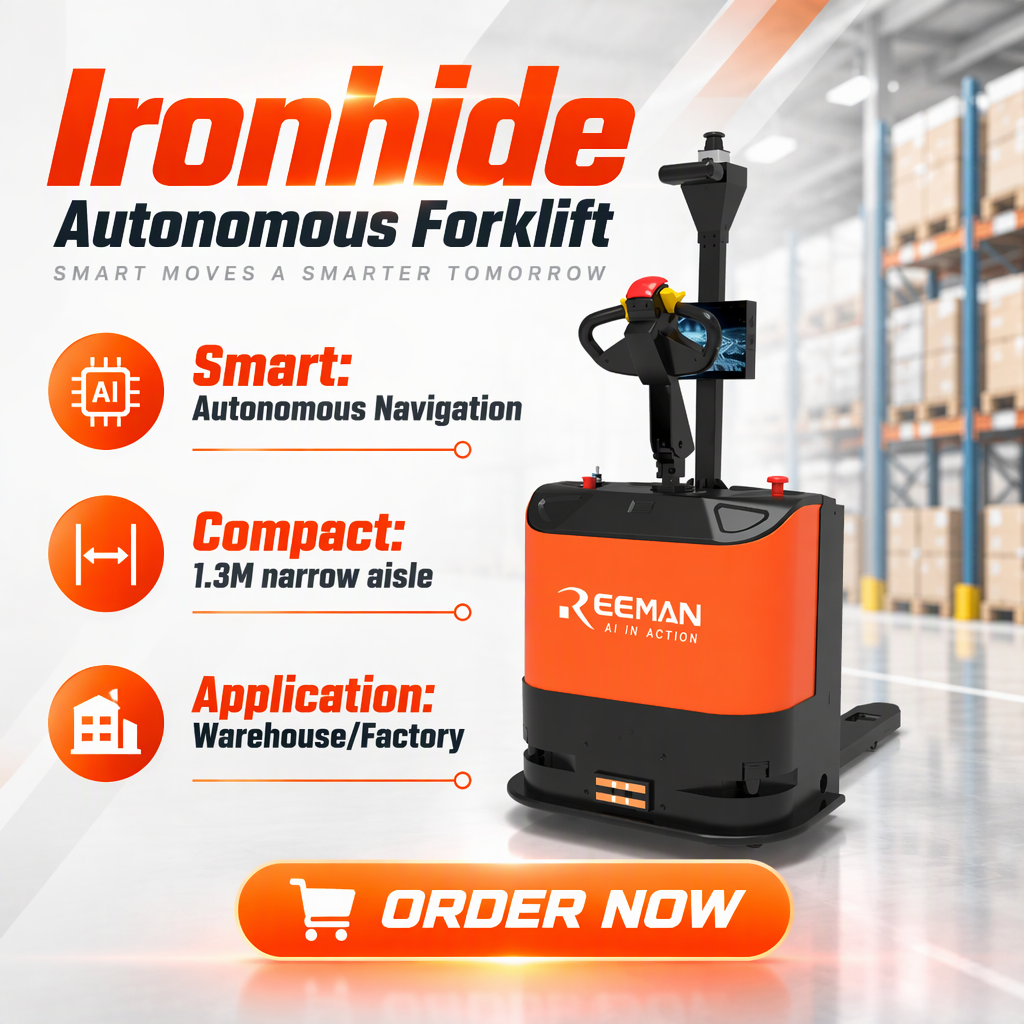
Start with the models buyers most often request for warehouse logistics, factory material flow and commercial spaces. Each card preserves the original product URL and image asset; final specifications should be confirmed against your site survey, pallet type and throughput target.

Supplier due diligence

What Overseas Buyers Should Verify Before Choosing a China Commercial Service Robot Supplier

China’s service robot supply chain is broad, but export projects fail for predictable reasons: unclear payload assumptions, weak WMS or MES integration, spare-part gaps, certification mismatches and layouts that change after the robot is delivered. A useful supplier page should therefore answer engineering questions, not only display a catalog.

Shenzhen Elvorn Intelligent Equipment Co., Ltd. is a relevant case study. Founded in 2015, the company designs and builds laser-SLAM autonomous forklifts, industrial AMRs, robot chassis, delivery robots, cleaning robots and commercial advertising robots in-house. Its published factory data reports two production bases in Shenzhen and Ningbo, 39 patents, about 5,200㎡ of floorspace, a 200+ team and a 98.76% response rate. Those facts matter because they indicate whether a supplier can support customization after the first container ships.

Use this page as a working checklist: shortlist the product class, compare the procurement trends, run the supplier scorecard, then send your layout, load and throughput data for a model recommendation.

An RFQ brief that gets a useful answer

  • Floor plan with aisle width, door, lift and charging positions
  • Load, pallet dimensions and top-module requirements
  • Required throughput per hour and shift pattern
  • WMS, MES or ERP interface and task-dispatch rules
  • Target-market certification and documentation scope
  • Spare parts, training and remote-support expectations

A supplier that asks for these inputs before quoting is usually better prepared to estimate fleet size, route clearance and integration effort.

Technology development

Product and Technology Trends Shaping Autonomous Service Robots

The next competitive frontier is not a single robot. It is a fleet that can be commissioned remotely, updated securely and integrated with building and production systems.

3D LiDAR and multi-sensor fusion

Combining 3D LiDAR, depth cameras, IMU and wheel feedback improves detection of overhanging loads, glass walls, pallet pockets and people crossing behind the robot. It also supports more stable docking in real warehouse light conditions.

10 mm positioning accuracy

Higher accuracy is achieved through multi-line LiDAR, closed-loop motion control and servo drive tuning. For repeatable pick-and-place, accuracy matters less as a catalog number and more as a verified result after load, floor and docking conditions are included.

Modular chassis and payload platforms

A shared control architecture from 60 kg service robots to 2-ton autonomous forklifts simplifies operator training and maintenance. Modular top plates, roller conveyors, shelves and advertising screens allow one base platform to serve multiple workflows.

48V lithium-ion and opportunity charging

Battery strategy is a fleet-design decision. A 48V 30Ah lithium-ion pack can support opportunity charging when routes, break times and charger locations are planned together. Buyers should ask for cycle-life assumptions, charging time and spare-battery policy.

Digital-twin commissioning

Site maps, racking layouts and traffic rules can be tested in simulation before deployment. This reduces travel for overseas projects and exposes route conflicts, narrow aisles and charging bottlenecks before the robot arrives on site.

Human-machine interface as a product feature

Transparent OLED, dual-screen LCD, voice interaction and remote content control turn service robots into customer-facing platforms. The winning products connect screen engagement, wayfinding and data reporting rather than treating advertising hardware as an add-on.

Enterprise advantages

Inside the Supplier: Why Elvorn Is Shortlisted for Export Projects

Elvorn is not a trading label. The company states that it owns R&D across laser SLAM navigation, motion control, fleet scheduling and hardware. That matters when a buyer needs a non-standard mast height, a conveyor top module, a custom SDK handshake or a buyer-label program.

Two production bases in Shenzhen and Ningbo, supported by supplier assessment procedures and on-site material inspection, give the company room to move from prototype to repeat order. For distributors and integrators, the practical benefit is faster customization, transparent engineering answers and long-term spare-part support.

Verification path: SGS onsite factory verification · ISO 9001 and ISO 14001 management systems · CE, FCC or PSE marks depending on model · English documentation and remote commissioning for overseas buyers.

Shenzhen Elvorn Intelligent Equipment headquarters and R&D center Elvorn robot assembly line Elvorn engineering and quality testing team

Two production bases, one engineering standard

Shenzhen and Ningbo facilities support assembly, testing and customization. The published footprint is about 5,200㎡ with a team of 200+ people, giving export buyers a clearer capacity signal than a one-line trading profile.

39 patents and full-stack control

Navigation, motion control, fleet scheduling and hardware are developed in-house. That reduces finger-pointing when a robot must connect to a conveyor, lift, door controller or WMS task queue.

SGS-verified and certification-ready

The factory reports onsite verification by SGS Group, with ISO 9001 and ISO 14001 systems. CE, FCC or PSE marks are available depending on model and target market; always request the certificate for the exact configuration.

OEM/ODM with application engineering

Buyer-label branding, packaging, top modules, payload structures and software interfaces can be customized. Early engineering review separates chassis-level changes from top-module changes and clarifies which modifications require new testing.

Export documentation and remote commissioning

English manuals, remote mapping, operator training and spare-part planning support buyers in North America, Western Europe, Eastern Asia, Southeast Asia and the Middle East. FOB and T/T terms are published for export quotation.

Response rate built for RFQ cycles

A published 98.76% response rate is not a technical specification, but it is a useful signal for overseas buyers who need drawings, lead times and integration answers across time zones.

A 100-point supplier scorecard you can use in RFQ evaluation

Weight the criteria before comparing quotations. The exact weights can change by project, but the discipline prevents a low purchase price from hiding integration, safety or service risk.

Safety, certification & risk assessment25%

Market certification, emergency stop, speed zoning, obstacle detection, pedestrian traffic plan and documented risk review.

Navigation fit & site survey20%

Laser SLAM performance in your aisle widths, floor conditions, glass walls, docking targets and charging locations.

Software integration & SDK20%

WMS, MES or ERP interface, task-state feedback, conveyor handshake, exception rules and support for custom development.

Service, spares & remote support15%

Spare-parts list, first-year stock recommendation, remote diagnostics, training materials and escalation path.

Five-year TCO10%

Energy, battery replacement, maintenance, integration labor, downtime risk and residual value.

Customization & delivery10%

OEM/ODM scope, prototype speed, testing records, packaging and shipment schedule.

Use a five-year TCO, not a unit-price comparison

TCO = unit price + integration + training + spare parts + energy + downtime risk − residual value. Ask for battery cycle life, preventive-maintenance intervals, spare-part lead times, remote diagnostic capability and the expected number of robots per supervisor. These inputs expose whether a low quotation is genuinely lower cost over the project life.

SGS Group onsite verificationOnsite Verified
CE certificationCE Marking
FCC certificationFCC
PSE certificationPSE
ISO 9001Quality Management
ISO 14001Environmental Management
Buyer FAQ

Frequently Asked Questions About Commercial Service Robot Procurement

Practical answers for distributors, integrators and end users comparing autonomous forklifts, AMRs, robot chassis and commercial advertising robots.

What is the difference between an autonomous forklift and an AMR?

+
An autonomous forklift is built to lift and move pallets between floor, dock and rack positions. An AMR is a mobile platform that carries totes, carts, shelves or a custom top module. The practical distinction is the end effector and load handling: forklifts need mast and fork design, while AMRs are chosen for integration flexibility. Both Elvorn lines use laser SLAM, so neither depends on tape or reflectors.

How do I choose between 600 kg, 1.2 t, 1.5 t and 2 t platforms?

+
Start with load and lift height, then verify aisle width and pallet condition. A 600 kg AMR is often enough for line-side totes; 1.2 t stackers fit low-rack put-away; 1.5 t and 2 t forklifts handle heavier pallet flows and dock work. Send a layout drawing with racking, doors and charging positions so the supplier can calculate fleet size and route clearance.

Can the robots work without magnetic tape, QR codes or reflectors?

+
Yes. The relevant platforms use laser SLAM and multi-sensor navigation. Some models add 3D obstacle avoidance or multi-line LiDAR. That means layout changes can be handled by remapping rather than re-taping the floor. For projects with glass walls, long corridors or mixed pedestrian traffic, ask for a site survey and a live mapping test before approving the configuration.

How do Elvorn robots integrate with WMS, MES or ERP systems?

+
The AMR and chassis lines provide an open SDK and API for secondary development. Integration can cover task dispatch, status feedback, conveyor handshakes and communication with WMS, MES or ERP systems. Provide interface documents, network architecture, exception rules and target data fields during the RFQ so the engineering team can scope the work rather than estimate it.

Which certifications should an export buyer require?

+
At minimum, match the certification to the destination market and the product class. Elvorn models can carry CE, FCC or PSE marks depending on configuration; the management system is certified to ISO 9001 and ISO 14001. The factory reports onsite verification by SGS Group. Buyers should still request the current certificate, test report and declaration of conformity for the exact model and voltage.

What does OEM and ODM customization include?

+
OEM/ODM can include buyer-label branding, packaging, top modules, payload structures, software interfaces and configuration changes. The earlier the customization is defined, the lower the re-engineering risk. Send drawings, load cases and user-workflow notes; a verified custom manufacturer should explain which changes affect the chassis, which affect only the top module, and which require recertification.

What is the typical project workflow from inquiry to operation?

+
A typical project moves through requirement review, solution design, customization and build, factory testing, then deployment. For export orders, remote mapping and commissioning are often used, followed by operator training and spare-parts planning. The key procurement discipline is to freeze the acceptance criteria—route, cycle time, uptime, safety scenario and integration handshake—before the build starts.

What trade terms and payment methods are available?

+
Elvorn ships worldwide on FOB terms and accepts T/T payment in USD or CNY, according to the published trade information. Export markets include North America, Western Europe, Eastern Asia, Southeast Asia and the Middle East. For first orders, confirm Incoterms, packaging, insurance, lead time, warranty scope and spare-parts list in the quotation rather than relying on a generic catalog statement.

How are spare parts, training and after-sales support handled?

+
Ask for a model-specific spare-parts list, recommended stock for the first year, preventive-maintenance intervals, training materials and a remote-support process. Laser SLAM robots still need LiDAR cleaning, wheel checks, battery care and safety-sensor verification. A supplier with export experience should provide English documentation and a named service escalation path.

How can I verify the factory before placing an order?

+
Use a combination of documents and direct evidence: business licence, ISO certificates, CE/FCC/PSE reports for the exact model, SGS or third-party inspection reports, factory video, transaction records and a live video walk-through. Prepare a checklist of production equipment, testing steps and quality records. If the order value is significant, an onsite visit or pre-shipment inspection is still the strongest verification.

Build a Robot Fleet That Survives the Next Layout Change

Send your floor plan, load data, pallet type, aisle width and target throughput. The application team can return a model recommendation, integration checklist and export quotation for autonomous forklifts, AMRs, robot chassis or commercial service robots.