What is the difference between an AGV forklift and an AMR?
+
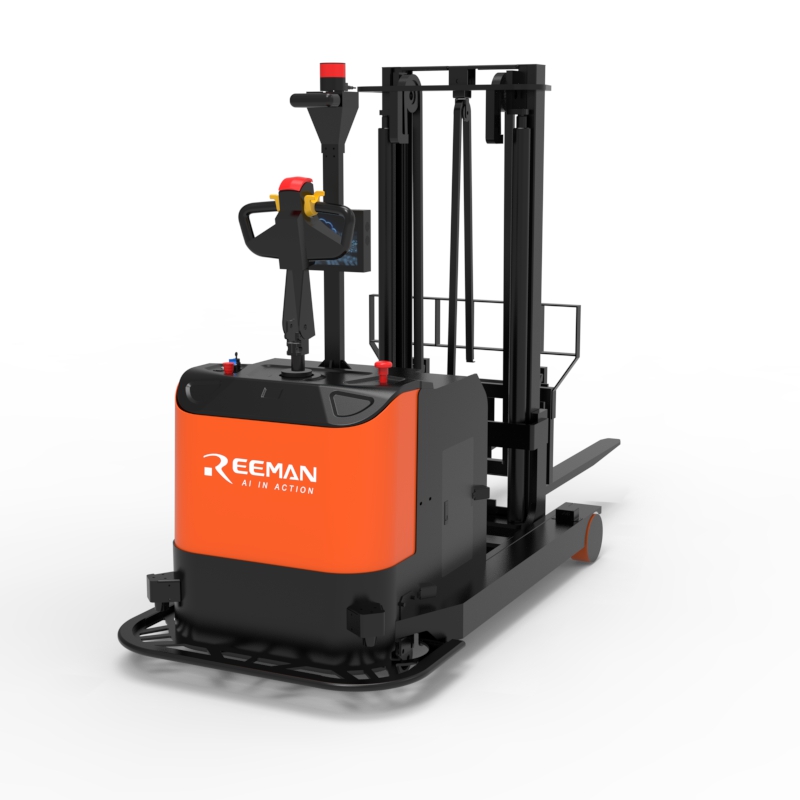
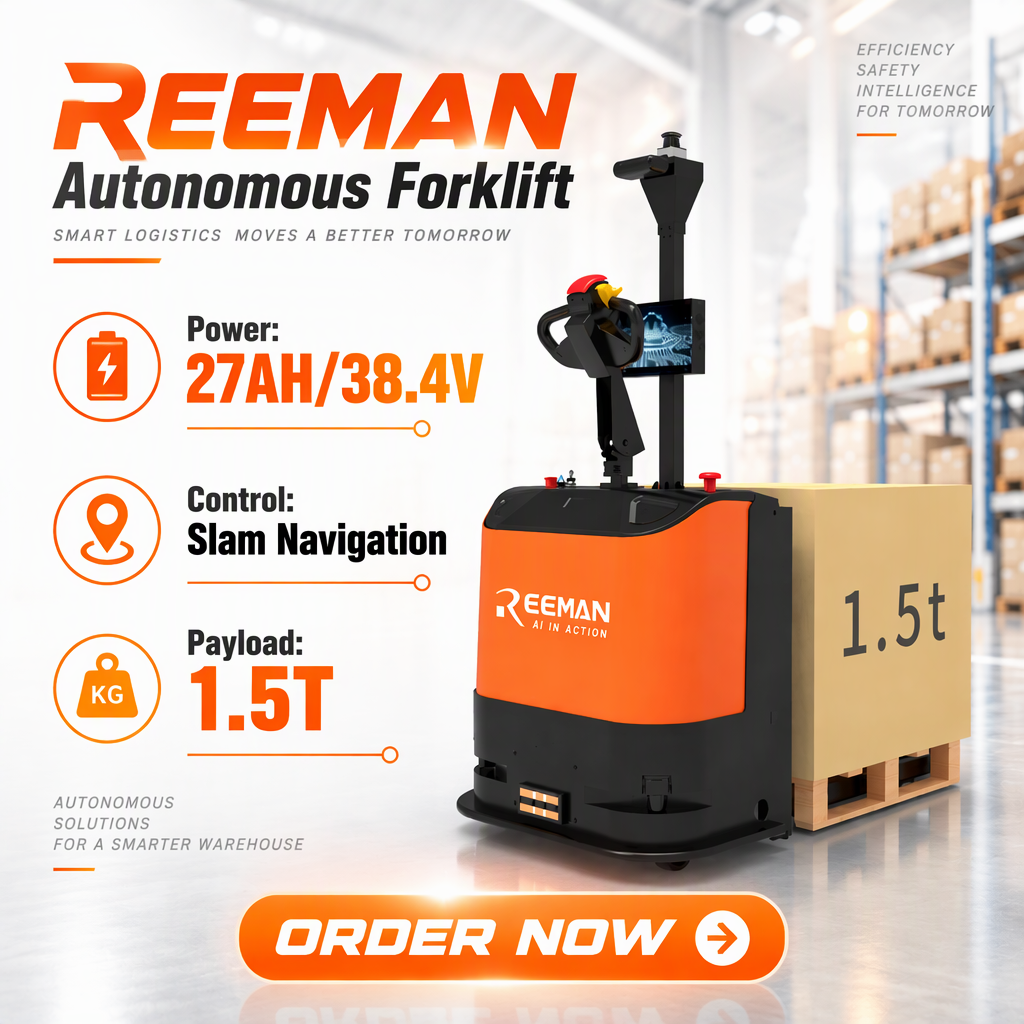
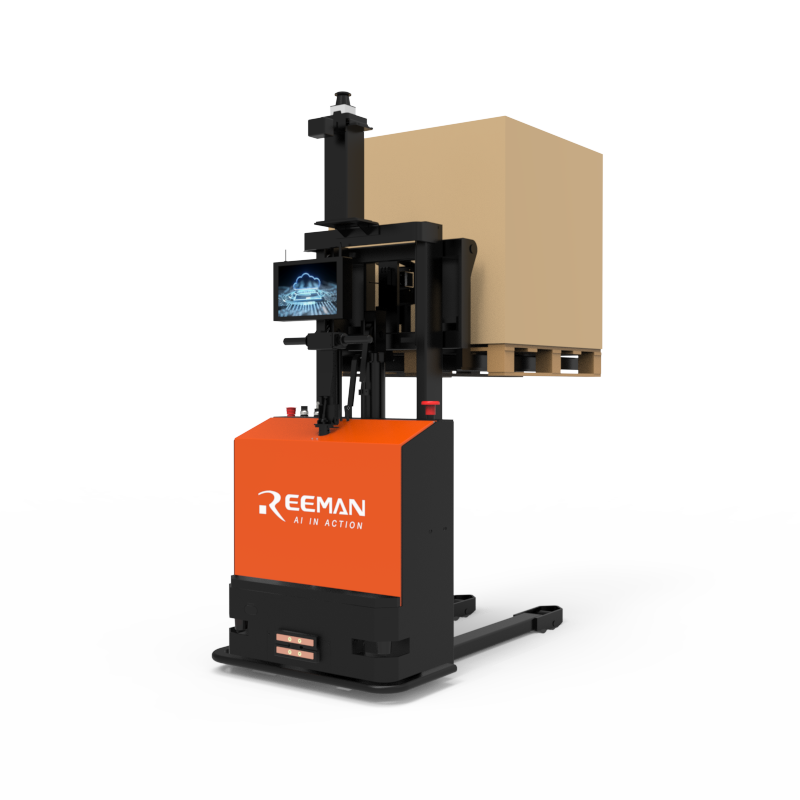
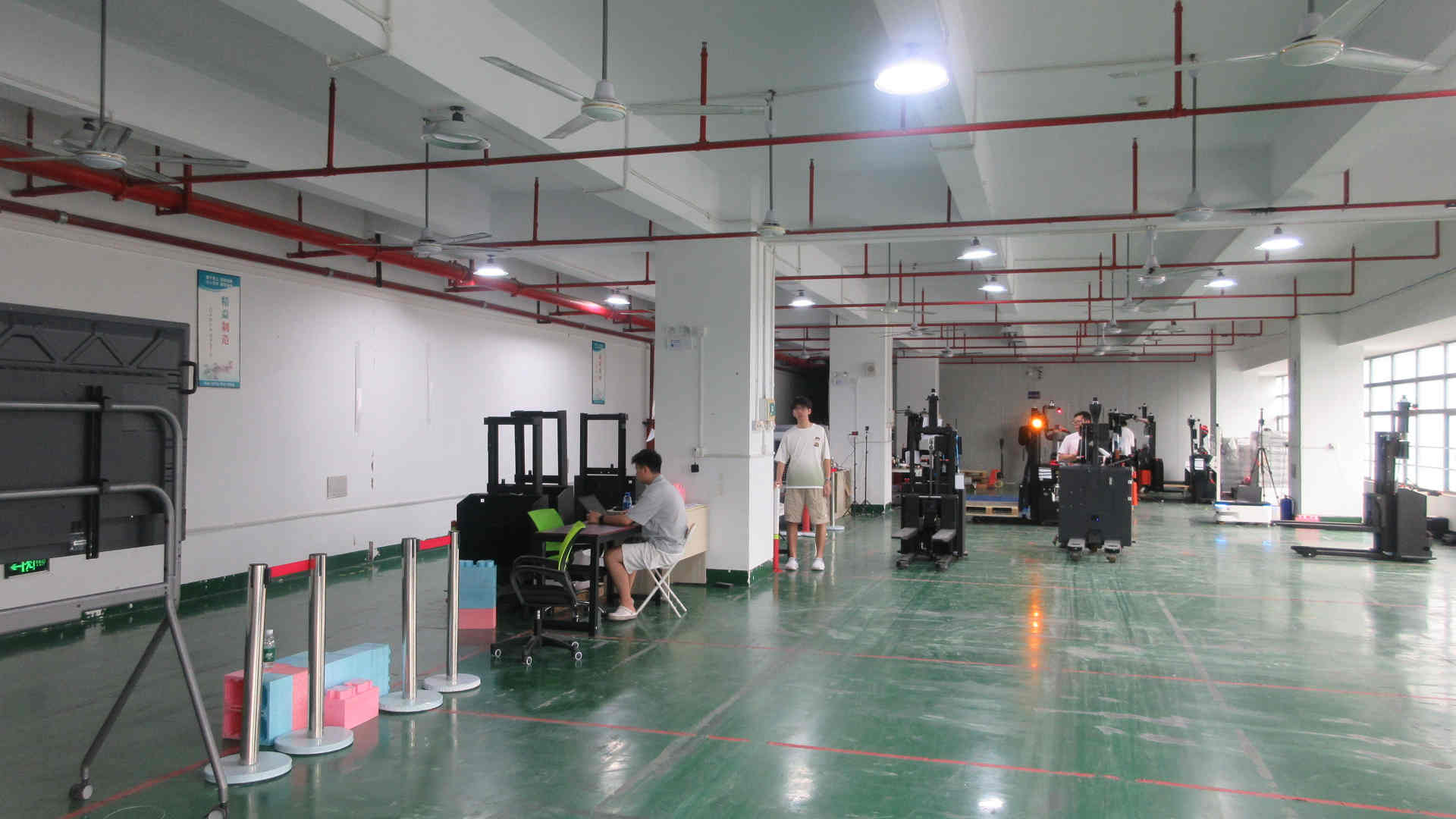
An autonomous forklift, often called an AGV forklift, lifts and moves pallets between floor, dock and rack positions. An AMR is a mobile platform that carries totes, carts or shelves. Modern products increasingly overlap because both can use laser SLAM. The practical difference is the load interface: forks and lift mast versus a top module or conveyor. Buyers should specify the load, lift height, docking tolerance and route type before choosing either category.
How can I verify a China intelligent mobile robot factory before placing an order?
+
Request a live video audit of the production line, test bay and software team. Ask for SGS or equivalent onsite verification, ISO certificates, model-level CE/FCC/PSE documents and a list of critical components. Then ask technical questions that require engineering depth, such as how the robot re-plans around a displaced pallet, how fleet traffic is controlled and how fault logs are analyzed. A credible factory will answer with evidence, not only sales language.
Can Elvorn robots integrate with WMS, MES or ERP systems?
+
Yes. Elvorn AMRs and robot chassis provide an open SDK and API for secondary development, allowing task dispatch and status feedback from warehouse management, manufacturing execution or custom software systems. Before the project starts, the buyer should provide interface documentation, network architecture and cybersecurity requirements so the integration scope can be defined in the contract.
What site data is needed for an accurate quotation?
+
Prepare a layout drawing, aisle widths, pallet type and weight, lift height, racking details, floor conditions, pedestrian and forklift traffic, throughput target and charging windows. If integration is required, share WMS/MES/ERP interface information and network constraints. These inputs let the factory recommend the correct model, fleet size and safety configuration instead of quoting a generic unit.
Which certifications and factory audits should I request?
+
Depending on the market, ask for CE, FCC or PSE documentation for the specific model. At factory level, ISO 9001 and ISO 14001 indicate management system discipline. SGS onsite verification provides independent evidence of business licensing, production capability and quality control. Also request test records for load, braking, emergency stop, navigation accuracy and docking repeatability.
What are the common trade terms and payment methods?
+
Elvorn supports export orders on FOB terms and accepts T/T payment in USD or CNY. The exact terms depend on destination, order value, customization scope and shipping method. Buyers should confirm Incoterms, packaging, warranty, spare-parts list, lead time and acceptance criteria in the sales contract before production begins.
How is after-sales support handled for overseas buyers?
+
Support typically includes English documentation, remote commissioning, operator training, fault diagnosis and spare-part supply. Before shipment, agree on response times, warranty coverage, recommended spare parts and whether remote software updates are available. For multi-site distributors, a structured training plan for local service engineers can reduce long-term downtime.
How should I calculate ROI for an autonomous forklift or AMR?
+
Model the full operating case: labor hours saved, pallet moves per hour, shifts per day, uptime, charging time, maintenance, spare parts, installation and integration. Compare the total cost per pallet moved rather than the purchase price alone. Also include safety and quality benefits, such as fewer collisions, more consistent docking and reduced damage to goods or racking. A pilot with clear baseline data is the most reliable way to validate ROI.