Top China Obstacle Avoidance Robot Factory & Wholesalers
An evidence-based buyer guide for overseas distributors, system integrators, and factory procurement teams comparing laser SLAM autonomous forklifts, industrial AMRs, mobile material-handling robots, and service-automation platforms from China.
Factory profile reference: Shenzhen Elvorn Intelligent Equipment Co., Ltd. Public company data states ISO 9001 / ISO 14001 systems, CE / FCC / PSE model certifications, and onsite verification by SGS Group.
Why "China Obstacle Avoidance Robot Factory & Wholesalers" Is a High-Intent Procurement Search
Buyers using this query are usually shortlisting suppliers, not reading a glossary. They want factory evidence, product fit, certification data, deployment risk, and export terms in one place.
They need a real factory
Wholesale buyers want proof of production capacity, testing procedures, patents, and quality systems. A supplier that can only show catalog pages increases delivery and after-sales risk. Verify production addresses, SGS reports, ISO management systems, and model-level certificates before shortlisting.
They compare navigation stacks
Laser SLAM, multi-line LiDAR, 3D obstacle avoidance, and multi-sensor fusion are now procurement keywords. The real question is whether the robot can map quickly, reroute around people and forklifts, and maintain stable localization in a changing factory layout.
They match payload to workflow
A 300 kg AMR, 600 kg material cart, 1-ton autonomous forklift, and 2-ton 4WD AGV forklift solve different problems. The correct choice depends on pallet type, aisle width, lift height, floor condition, throughput target, and charging window—not simply the biggest payload.
They evaluate integration cost
Open SDK/API access, WMS/MES/ERP compatibility, fleet scheduling, English documentation, spare-parts availability, and remote commissioning often decide whether a low-price robot becomes a productive asset or a maintenance burden.
Eight High-Intent Models from a China Obstacle Avoidance Robot Factory
The following models are drawn from the supplier's published catalog. Product URLs are preserved exactly so buyers can verify specifications, images, and configurations directly. Recommendation notes focus on procurement fit.
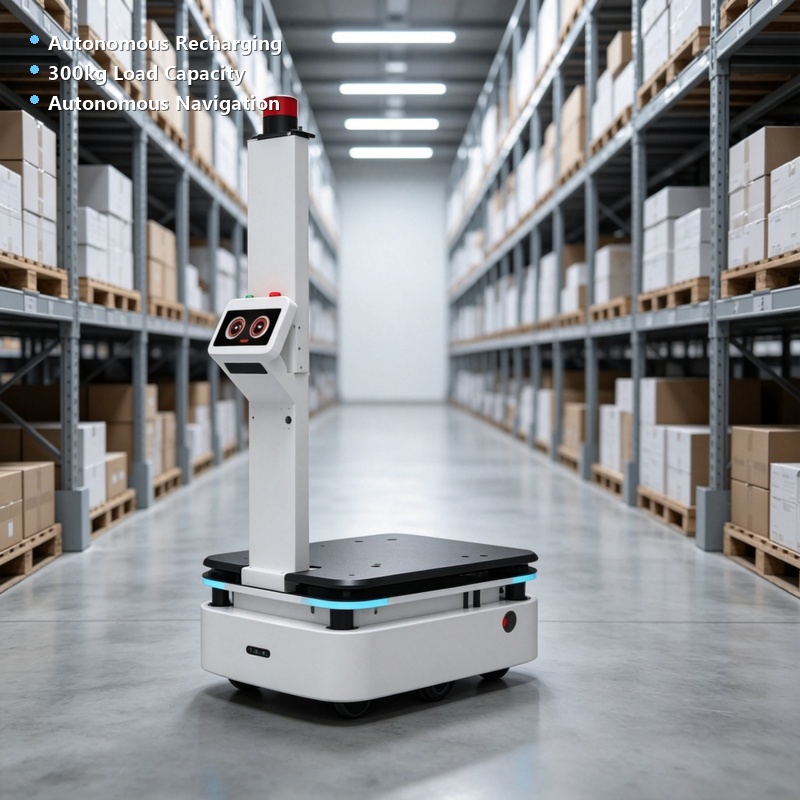
REEMAN Dual Laser Fly Boat MAX 300kg Industrial Delivery Robot for Manufacturing Plants and Factory Material Supply
A compact autonomous delivery platform for repetitive factory material supply. Suitable for line-side replenishment and warehouse-to-production transfers where dynamic obstacle avoidance and a small footprint matter.

REEMAN Autonomous Electric Forklift 1T Payload 48V 30Ah LiFePO4 Battery Indoor Material Handling AGV
An indoor pallet-handling option with 48V 30Ah LiFePO4 battery configuration. A practical shortlist candidate for plants replacing repetitive operator trips with a 1-ton autonomous forklift.
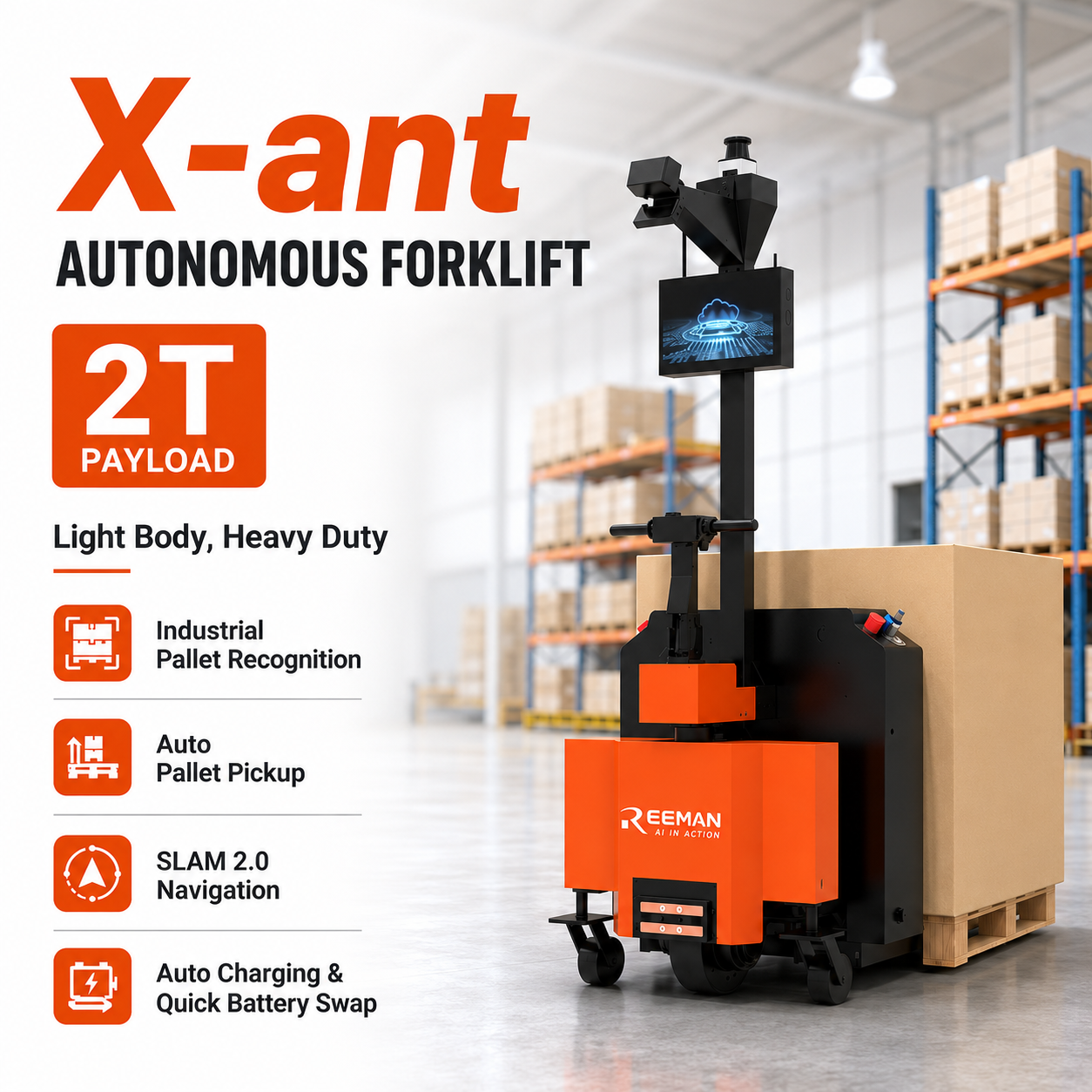
2 Ton Autonomous 4WD AGV Forklift Laser SLAM Navigation Multi-Line LiDAR 3D Obstacle Avoidance Warehouse Handling
A heavier-duty warehouse handling platform with laser SLAM, multi-line LiDAR, and 3D obstacle avoidance. Best for buyers who need stability, all-wheel drive, and repeatable 2-ton pallet movement.
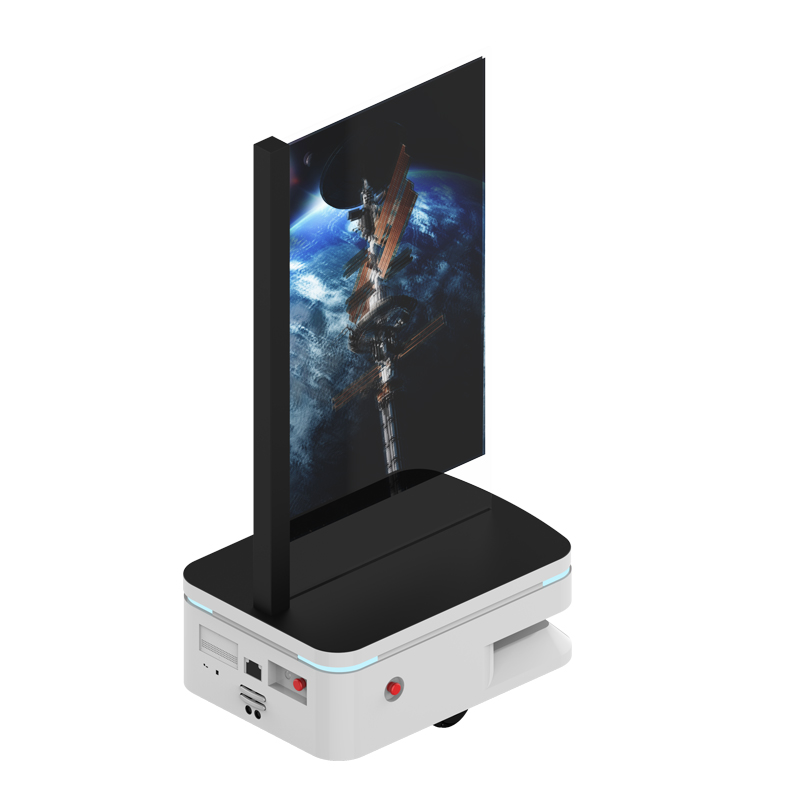
75 Inch Indoor LED Digital Poster Touch Screen Display SDK OEM ODM Black Signage for Retail Store Elevator Airport
A service-automation display for retail, elevator lobbies, airports, and brand environments. In robot projects, it supports digital wayfinding, interactive promotion, and OEM/ODM branding alongside mobile service robots.

REEMAN X-ant JBOT20F 2 Ton Autonomous Forklift AGV Laser SLAM Pallet Handling Robot for Warehouse Logistics
A 2-ton autonomous forklift platform for warehouse logistics and pallet handling. A strong candidate for distributors seeking a repeatable laser SLAM forklift model with clear application boundaries.
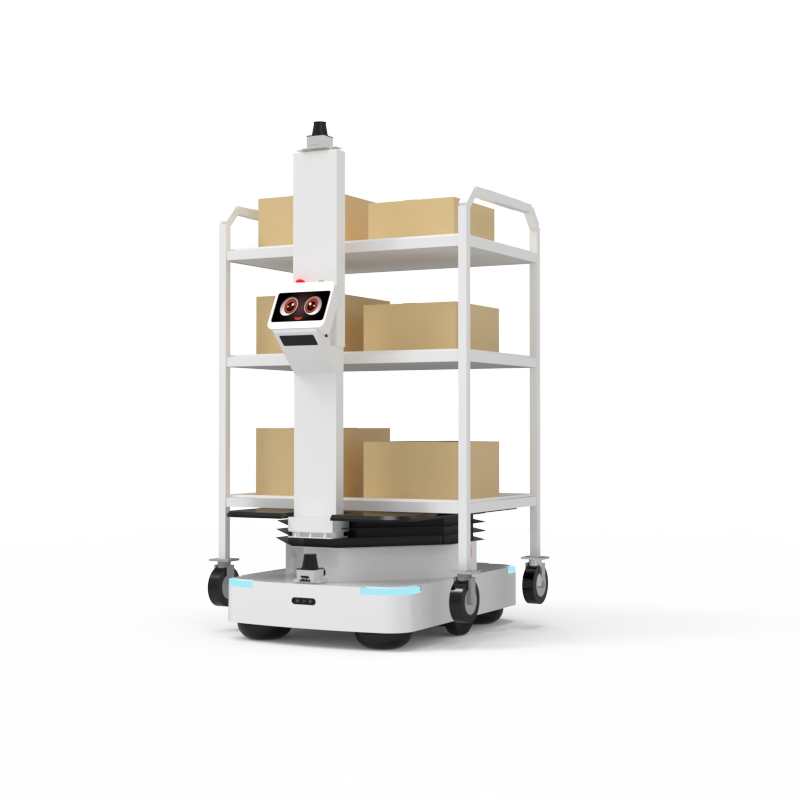
600kg Payload Autonomous AMR Robot Multi Sensor Mobile Material Handling Cart for Production Line
A multi-sensor AMR cart for production-line material flow. Ideal for moving totes, fixtures, and components between stations without rebuilding floor infrastructure.
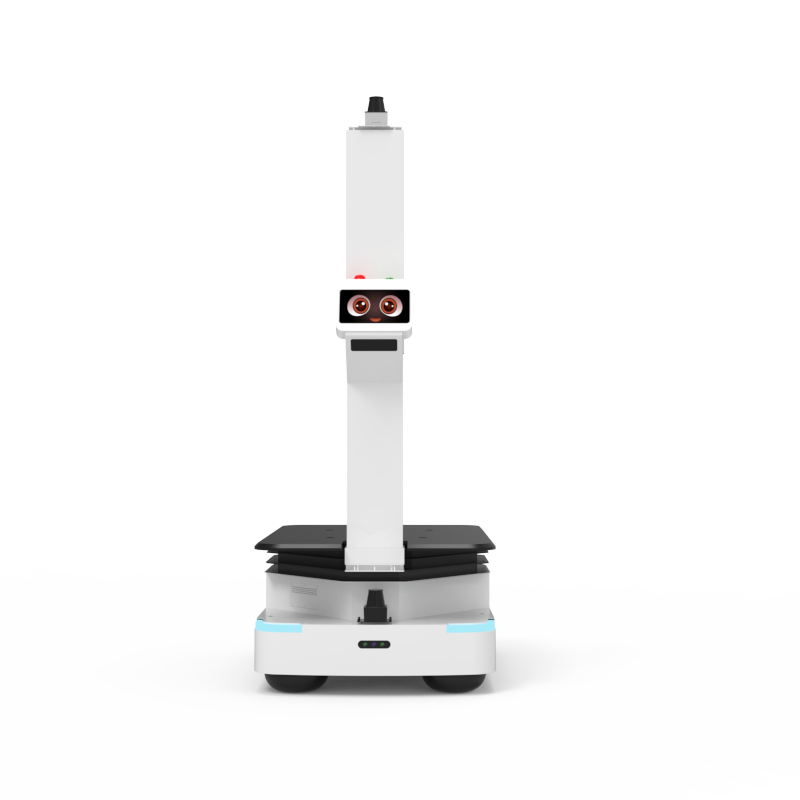
600kg Industrial AMR AGV Robot Laser SLAM Navigation QR Code-Free Factory Logistics
A QR code-free laser SLAM platform for factory logistics. Good fit where floor markings are undesirable, layouts change, and stable navigation must be maintained without fixed guidance infrastructure.

Dual Laser AMR 300KG AGV Lifting Mobile Robot with Slam LiDAR Navigation for Manufacturing Plants
A dual-laser AMR with lifting module for manufacturing plants. Suitable for mobile pick-and-place tasks where a standard cart cannot provide the required lift or docking position.
Why Shenzhen Elvorn Is a Credible China Obstacle Avoidance Robot Manufacturer
A credible factory should explain the navigation stack, vehicle platform, production process, and export support without handoffs. The following evidence points reflect Elvorn's published company profile and product capabilities.
Full-stack laser SLAM capability
Elvorn's public profile states in-house work across laser SLAM navigation, motion control, fleet scheduling, and hardware. For buyers, this means clearer engineering answers on mapping time, sensor placement, dynamic rerouting, and customization feasibility.
Two production bases, Shenzhen & Ningbo
The company reports two production bases and 5,200㎡ of total floor space. Supplier assessment procedures and on-site material inspection are supported by an SGS-verified factory profile—an important filter for wholesale buyers and first-time importers.
Modular platforms from 60 kg to 2 tons
Product families cover commercial delivery robots, 300 kg and 600 kg AMRs, 1-ton and 2-ton autonomous forklifts, robot chassis, cleaning robots, and service displays. Shared architecture can simplify fleet training, spare-parts planning, and multi-model sourcing.
Open SDK & API for secondary development
AMRs and robot chassis provide open SDK/API access for integration with WMS, MES, ERP, elevators, doors, and custom dashboards. For integrators, this reduces time-to-market for branded robots and industry-specific top modules.
Multi-layer safety architecture
LiDAR, obstacle sensors, emergency stops, and speed zoning are essential in mixed-traffic environments. Procurement teams should request a site-specific risk review, dynamic obstacle test, and operator training plan before full deployment.
Export-ready support for wholesalers
Published trade terms include FOB shipment and T/T payment in USD or CNY. Main markets include North America, Western Europe, Eastern Asia, Southeast Asia, and the Middle East. English documentation, remote commissioning, and spare-part supply support overseas buyers.
View the full Elvorn company profile · Review supplier assessment information
What Wholesalers and Factory Buyers Will Demand by 2027
The buying criteria for obstacle avoidance robots are shifting from hardware specifications to deployment speed, uptime, software integration, and total cost of ownership.
Reconfigurable fleets over fixed automation
Buyers prefer robots that map a site without magnetic tape, QR codes, or floor reflectors. The procurement question changes from "how much guide tape is needed?" to "how fast can the fleet be redeployed after a line change?" This favors laser SLAM AMRs and forklifts with stable dynamic obstacle avoidance.
Total cost of ownership becomes the decision metric
Battery chemistry, opportunity charging, spare-part lead time, remote diagnostics, and local service capability now matter more than sticker price. Ask for factory test records, recommended spare-parts kits, training scope, and response commitments before placing a wholesale order.
Software-defined material flow
WMS, MES, and ERP integration is moving from a nice-to-have to a supplier qualification item. Open API/SDK access, fleet scheduling, task dispatch, and status feedback determine whether robots become part of the operating system of the factory.
Mixed-fleet safety and compliance
As AMRs and autonomous forklifts share aisles with people and manual equipment, buyers will request documented risk assessments, speed zoning, and model-level CE/FCC/PSE evidence. SGS verification and ISO management systems become procurement filters, not marketing badges.
How the Selection Criteria Have Changed
This matrix helps wholesale buyers and factory procurement teams translate market trends into specific supplier questions.
| Procurement Area | Earlier Buying Pattern | 2025–2027 Expectation | What to Verify |
|---|---|---|---|
| Navigation | Tape, QR codes, or fixed paths | Laser SLAM and multi-sensor obstacle avoidance | Mapping time, dynamic rerouting, 3D obstacle detection, no-infrastructure operation |
| Payload strategy | One model for many tasks | Modular AMR, cart, and forklift platforms | Load stability, aisle width, lift height, pallet type, charging window |
| Software integration | Stand-alone robot operation | Open SDK/API and WMS/MES/ERP dispatch | API documentation, task status feedback, elevator/door integration, fleet scheduling |
| Service model | Email-based after-sales support | Remote commissioning plus spare-parts planning | English manuals, test records, recommended spares, training scope, response rate |
| Supplier verification | Catalog and price list | SGS/ISO/certification and export evidence | Onsite verification report, ISO 9001/14001, CE/FCC/PSE model evidence, trade terms |
The Next Generation of Obstacle Avoidance Robots
Hardware improvements will continue, but the bigger shift is toward perception, modularity, energy management, and fleet software.
Multi-sensor fusion and semantic perception
Future robots will combine LiDAR, vision, ultrasonic, and other sensors to distinguish people, forklifts, pallets, glass doors, and overhanging loads. The goal is fewer false stops and smoother rerouting in dynamic environments.
Higher payload-to-weight ratio and modular chassis
Distributors want one platform that can become a cart, lifting robot, towing unit, or custom top-module robot. Modular chassis and payload interfaces reduce development cost and shorten the path from prototype to wholesale-ready product.
LiFePO4 batteries and opportunity charging
Battery strategy affects uptime and site planning. LiFePO4 packs, opportunity charging, and automatic charging docking are becoming standard expectations for 24/7 material flow, especially in factories with limited charging space.
Cloud fleet management and digital twins
Fleet dashboards, utilization reports, remote diagnostics, and digital-twin simulation will support multi-site deployments. Buyers should ask whether robot data can be exported and reviewed without vendor lock-in.
Match the Robot to the Real Workflow
Use this matrix for first-round scoping. Final configuration should be confirmed after reviewing layout drawings, pallet type, load center, floor condition, and throughput data.
| Workflow | Recommended Model Family | Rated Load | Why It Fits |
|---|---|---|---|
| Factory material supply | REEMAN Dual Laser Fly Boat MAX | 300 kg | Compact delivery platform with dual-laser obstacle avoidance for repetitive line-side supply. |
| Indoor pallet handling | REEMAN 1T Autonomous Electric Forklift | 1,000 kg | 48V LiFePO4 configuration for repetitive indoor pallet moves with reduced operator trips. |
| Heavy warehouse handling | 2 Ton Autonomous 4WD AGV Forklift | 2,000 kg | Laser SLAM, multi-line LiDAR, 3D avoidance, and 4WD stability for demanding warehouse routes. |
| Production-line cart transport | 600kg Autonomous AMR Material Cart | 600 kg | Multi-sensor navigation for totes, fixtures, and components between workstations. |
| QR-free factory logistics | 600kg Industrial Laser SLAM AMR | 600 kg | No floor QR codes or fixed paths; suits layout changes and cleaner factory floors. |
| Mobile pick-and-place | Dual Laser AMR 300KG Lifting Robot | 300 kg | Lifting module and dual-laser SLAM support docking tasks beyond standard cart transport. |
China Obstacle Avoidance Robot Procurement FAQ
These are the questions procurement teams, distributors, and integrators most often ask when comparing Chinese robot factories and wholesalers.
What should I verify before buying from a China obstacle avoidance robot factory?
How does laser SLAM obstacle avoidance work in a real factory?
Are autonomous forklifts safer than manual forklifts?
What payload should I choose: 300 kg AMR, 600 kg cart, 1T or 2T forklift?
Can these robots integrate with WMS, MES, or ERP systems?
What OEM and ODM options are available for wholesalers?
Which certificates and trade terms should I expect?
How long does deployment take, and what support is available?
Why is a 75-inch touch display included in an obstacle-avoidance robot catalog?
Request a Factory-Tested Solution, Not a Generic Quotation
Share your layout drawing, load data, pallet type, aisle width, charging window, target throughput, and destination market. The factory can then recommend a realistic AMR or autonomous forklift configuration with the right navigation, safety, and service scope.