Top Trusted Guide Robot Factories & Supplier
A 2025 buyer’s whitepaper for autonomous forklifts, industrial AMRs, robot chassis, and service robots — built around verifiable E-E-A-T signals, procurement risk, and factory-level information gain.
Why Robot Factory Selection Is Now a Due-Diligence Exercise
The autonomous robot market has moved from concept validation to operational procurement. Buyers are no longer asking only “Can a robot move a pallet?” They are asking whether the factory can prove safety, integration capability, spare-part continuity, customization discipline, and long-term service readiness.
That shift is especially visible in warehouse automation, manufacturing logistics, and commercial service robotics. An autonomous forklift AGV may run 16 to 24 hours per day beside pedestrians, racking, dock doors, and manually operated trucks. An AMR may need to exchange tasks with a WMS, MES, or ERP system. A delivery or advertising robot may operate in public spaces where uptime and user experience are visible to customers. In each case, the supplier’s engineering depth matters as much as the headline payload.
This guide is prepared from the perspective of Shenzhen Elvorn Intelligent Equipment Co., Ltd., a national high-tech enterprise founded in 2015 that designs and manufactures autonomous forklifts, industrial AMRs, robot chassis, delivery robots, cleaning robots, and disinfection robots. Elvorn’s factory has been verified onsite by SGS Group, its management systems are certified to ISO 9001 and ISO 14001, and selected models carry CE, FCC, or PSE marks. These are exactly the signals a serious buyer should look for in a top trusted robot factory and supplier.
For procurement teams, the most useful information gain is not another list of specifications. It is a repeatable way to compare factories, validate claims, and map robot platforms to real workflows. The sections below combine an eight-point supplier scorecard, eight product recommendations, procurement trends, product development trends, factory evidence, and buyer FAQs. Every recommendation is framed around total cost of ownership, safety, integration, and service continuity.
The 8-Point Framework for a Top Trusted Robot Factory
Use this framework during RFQ review, factory audit, sample evaluation, and contract negotiation. A top supplier should provide evidence — not only claims — for each point below.
Laser SLAM Navigation
Laser SLAM maps a site in hours and reduces dependence on magnetic tape, QR codes, or floor reflectors. This matters when racking, aisles, or production lines change.
Open SDK & API
AMRs and robot chassis should support secondary development, task dispatch, status feedback, and integration with WMS, MES, ERP, elevators, doors, or custom dashboards.
Modular Payload Platforms
From 60 kg delivery robots to 2-ton autonomous forklifts, modular control architecture simplifies fleet training, maintenance planning, and future expansion.
Multi-Layer Safety
Lidar, obstacle sensors, emergency stops, and speed zoning protect pedestrians, racking, and mixed traffic. Ask for test records and site-specific risk assessment.
Own Production Capacity
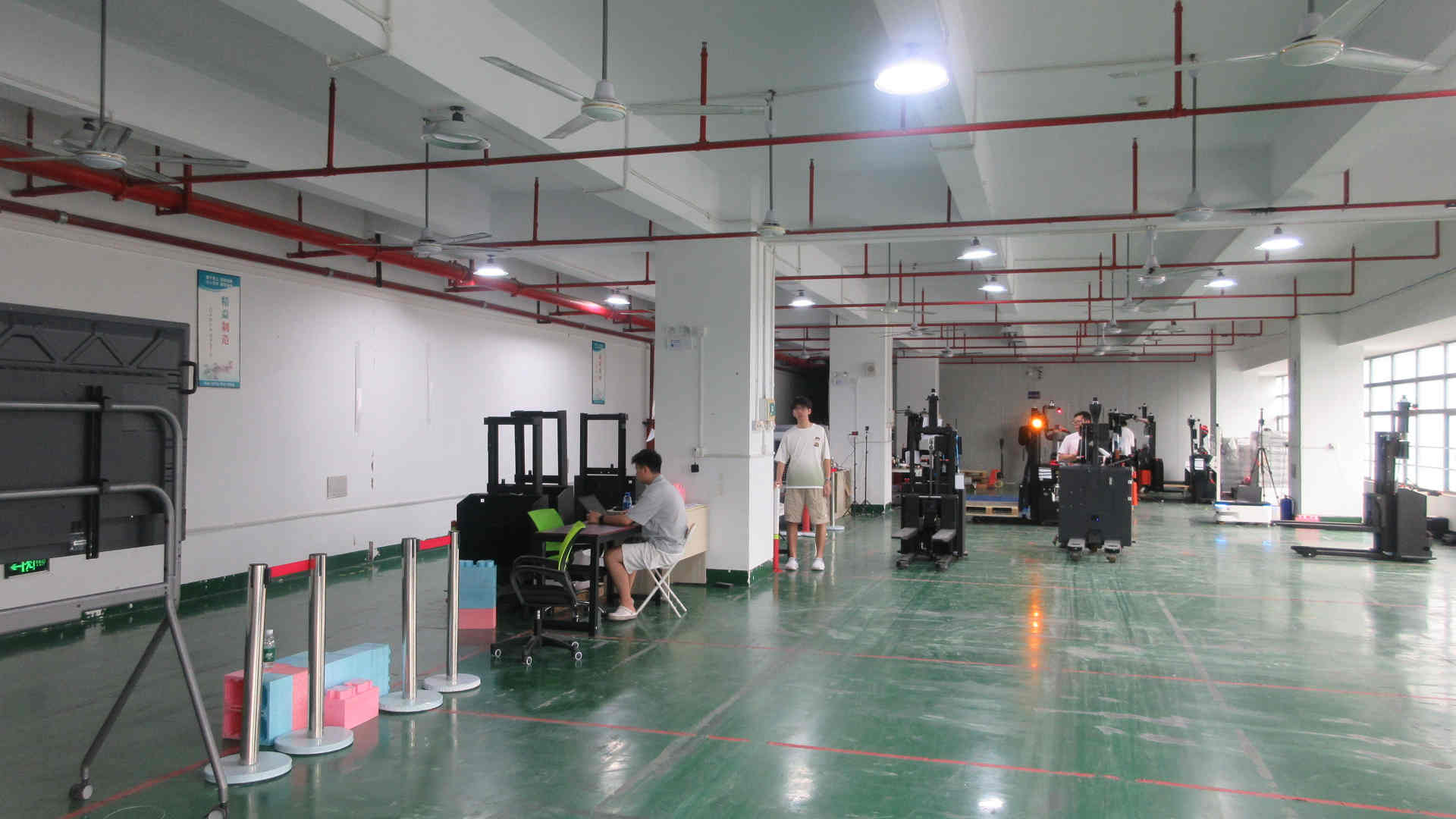
Two production bases in Shenzhen and Ningbo, with on-site material inspection and supplier assessment procedures, reduce dependence on outsourced assembly.
Verified Quality & Compliance
SGS onsite verification, ISO 9001, ISO 14001, and model-level CE, FCC, or PSE marks provide independent evidence for buyer due diligence.
OEM / ODM Customization
OEM service, design service, and buyer-label options should cover top modules, payload structures, branding, packaging, and software interfaces.
Export-Ready Support
English documentation, remote commissioning, spare-part supply, and distributor support matter as much as FOB price when robots operate overseas.
Recommended Autonomous Robot Series from a Trusted Factory
The following eight configurations are relevant when buyers compare autonomous forklifts, AMRs, robotic chassis, and service robots. Keep the original product URLs for specification review and RFQ follow-up.
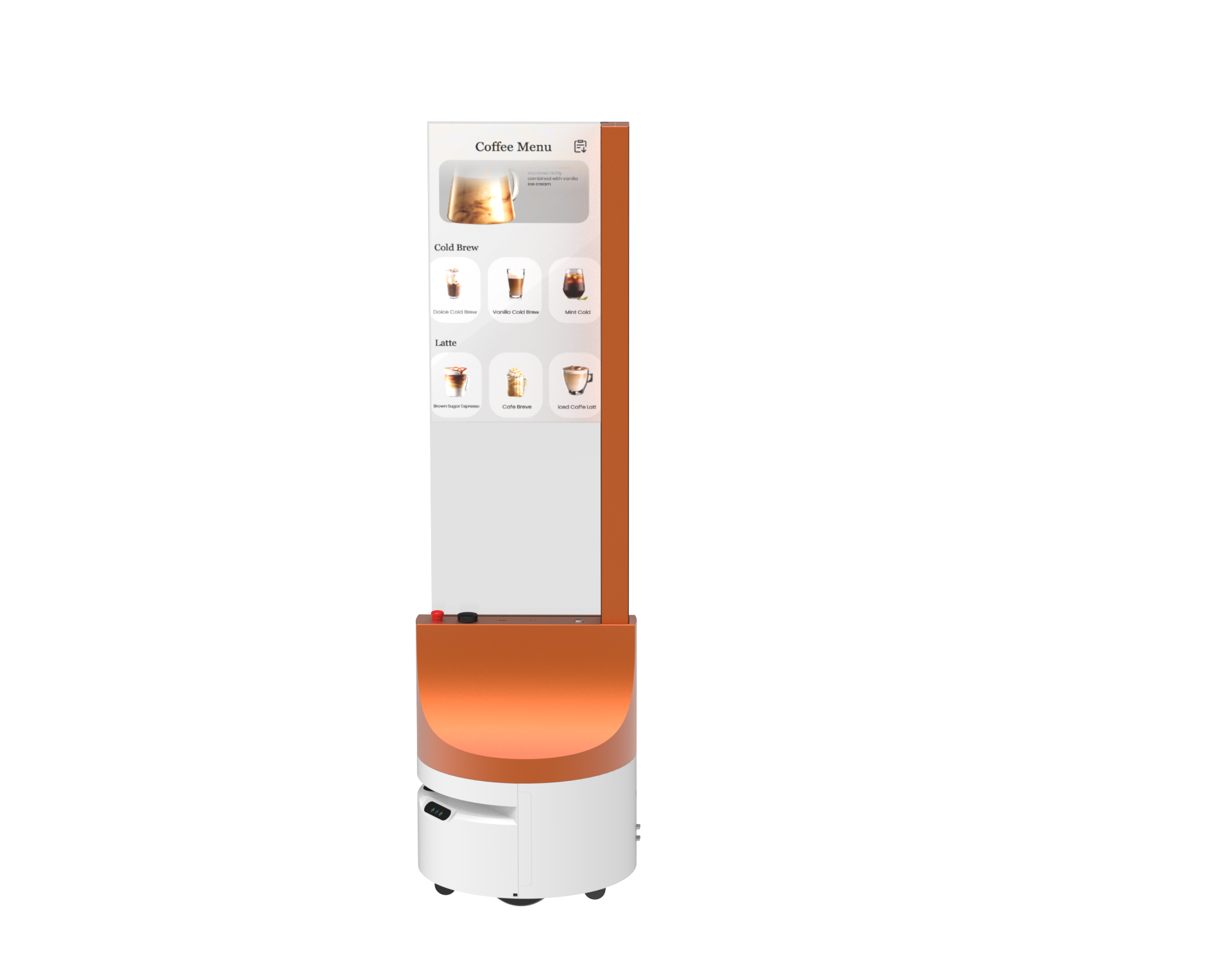
REEMAN 30 Inch OLED Transparent Screen Mobile Advertising Robot 1080 x 1920 FHD 9:16 Wi-Fi App Remote Control
A mobile advertising platform for retail, exhibitions, hospitality, and brand experience zones.
- 30-inch transparent OLED mobile display
- 1080 x 1920 FHD, 9:16 portrait format
- Wi-Fi and app remote control
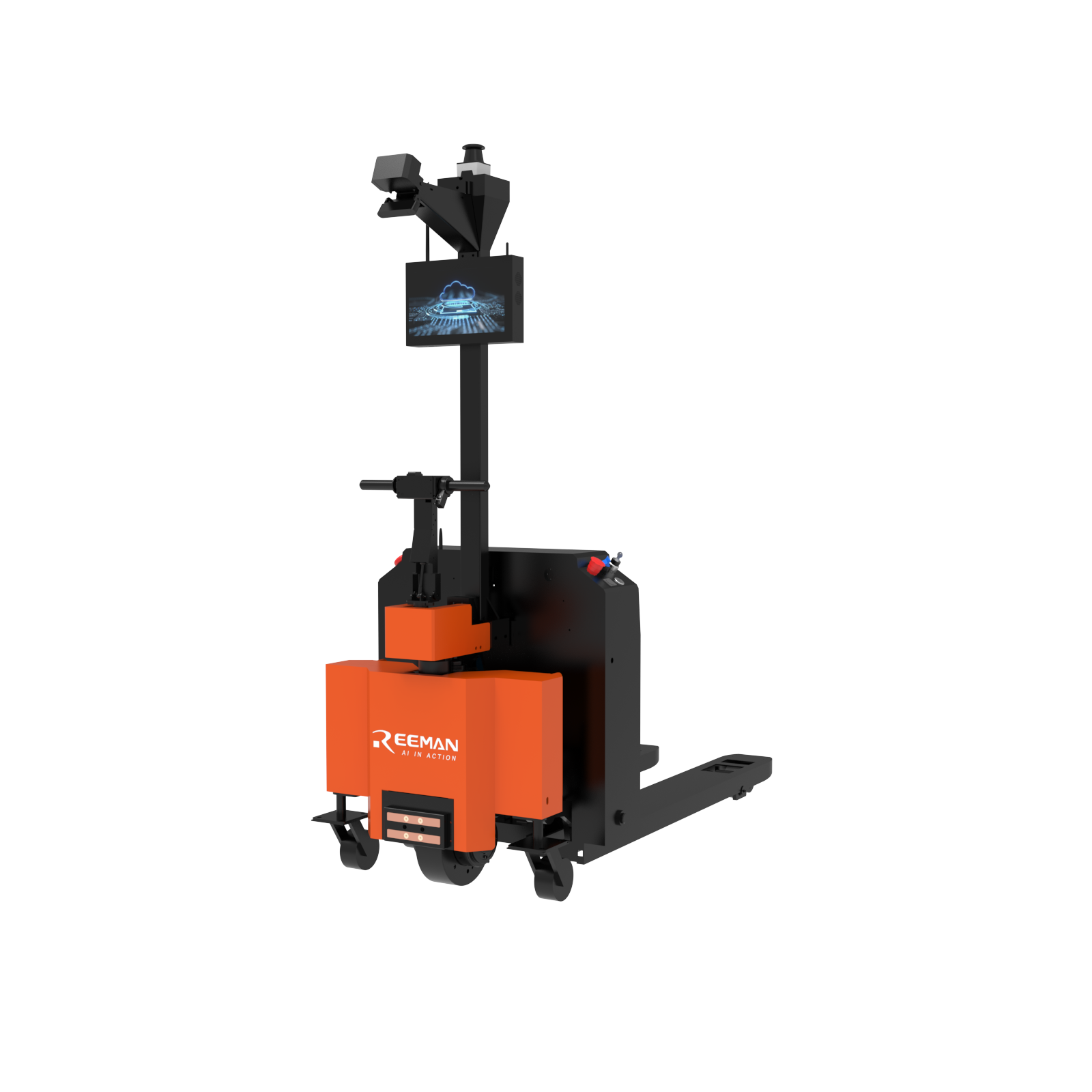
REEMAN X-ant JBOT20F 2 Ton Autonomous Forklift AGV Laser SLAM Pallet Handling Robot for Warehouse Logistics
A heavy-duty pallet handling option for warehouse logistics and repetitive dock-to-storage movement.
- 2-ton autonomous forklift AGV
- Laser SLAM pallet handling
- Designed for warehouse logistics
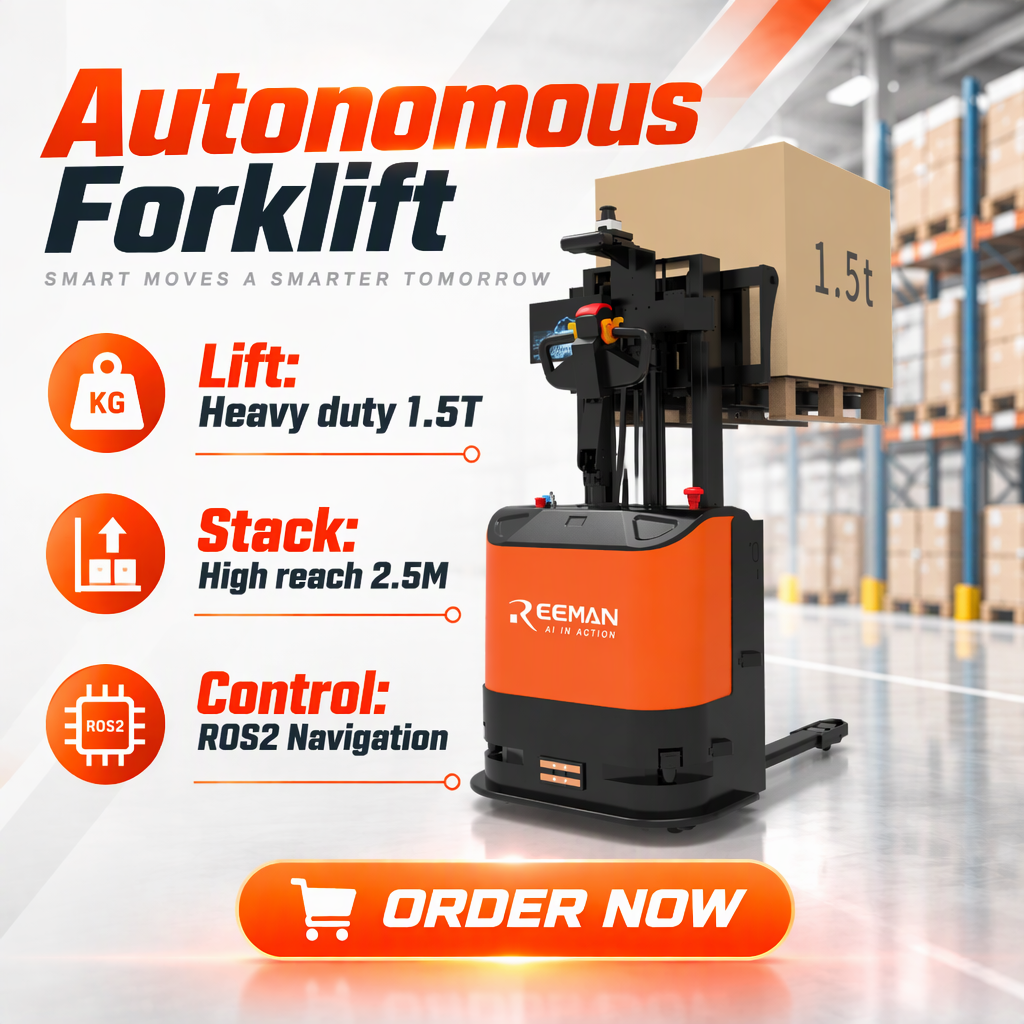
Autonomous Electric Forklift AGV 1500kg Load Capacity 2.5M Lift ROS2 Navigation 4WD Lithium-Ion Battery Indoor Material Handling
A ROS2-navigation platform for indoor material handling, lifting, and route flexibility.
- 1,500 kg load capacity
- 2.5 m lift height
- ROS2 navigation and 4WD
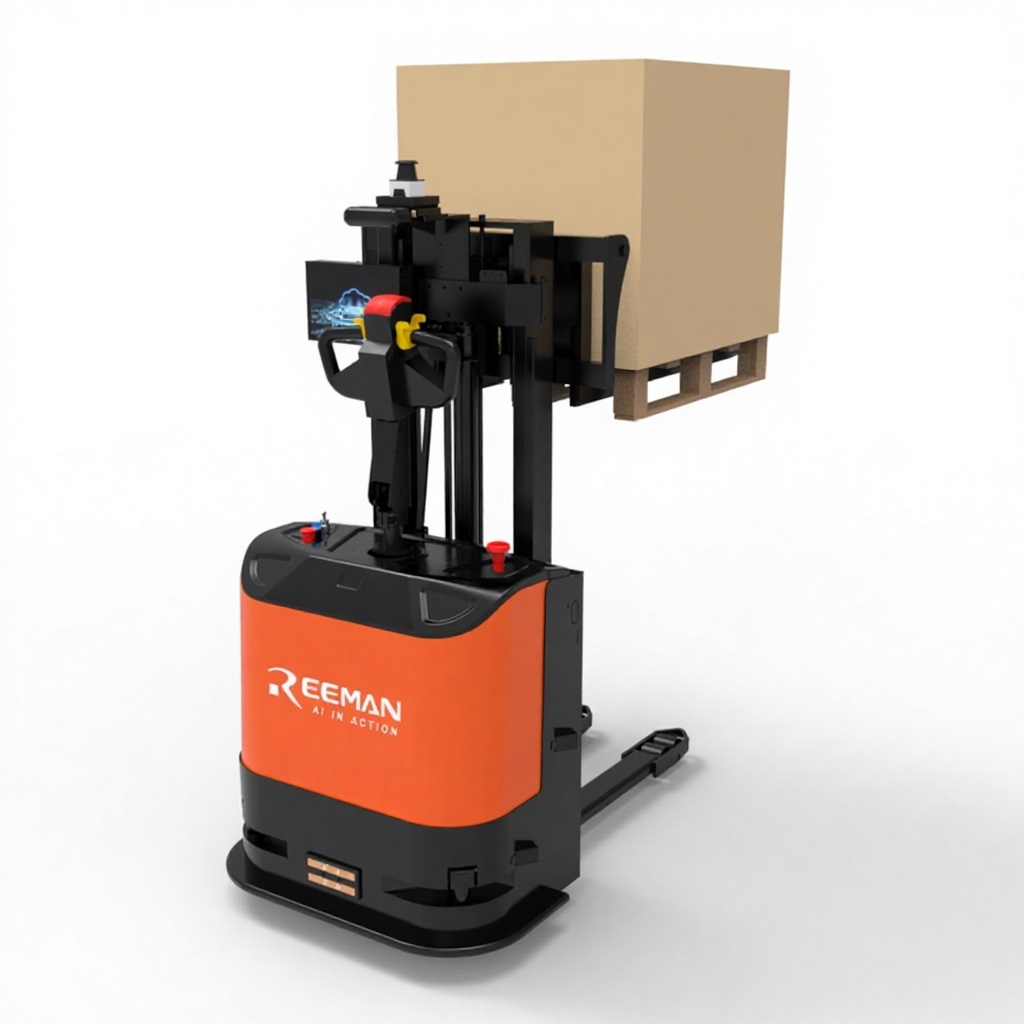
REEMAN Rhino RBOT30F Autonomous Stacker Forklift 3D Vision Obstacle Avoidance Warehouse AGV Robot
A stacker-focused configuration for warehouses that need 3D vision-based obstacle avoidance.
- Rhino RBOT30F autonomous stacker
- 3D vision obstacle avoidance
- Warehouse AGV application
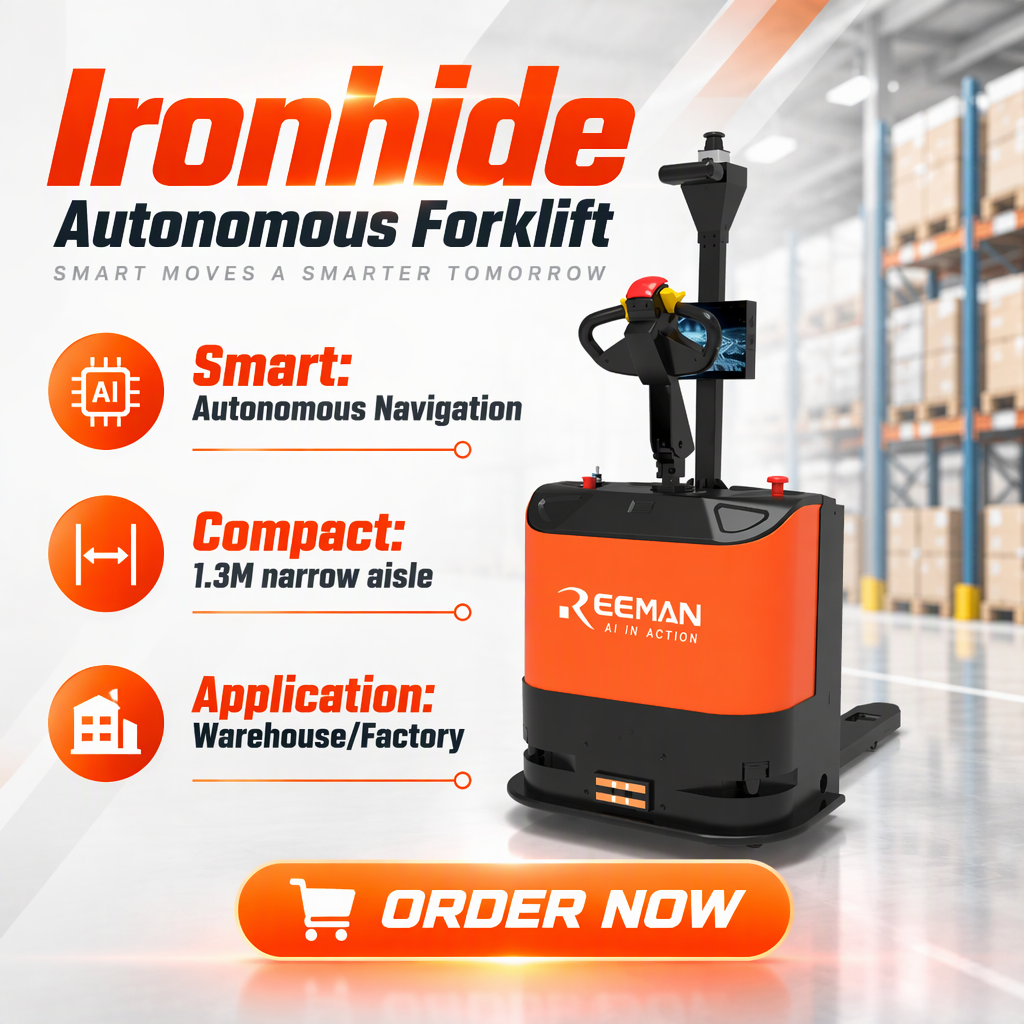
Reeman 1.5 Ton Autonomous Forklift AGV 3D Obstacle Avoidance Bidirectional Driving 48V 30AH Lithium-Ion Battery
A flexible AGV forklift for mixed warehouse routes and bidirectional driving tasks.
- 1.5-ton payload class
- 3D obstacle avoidance
- Bidirectional driving
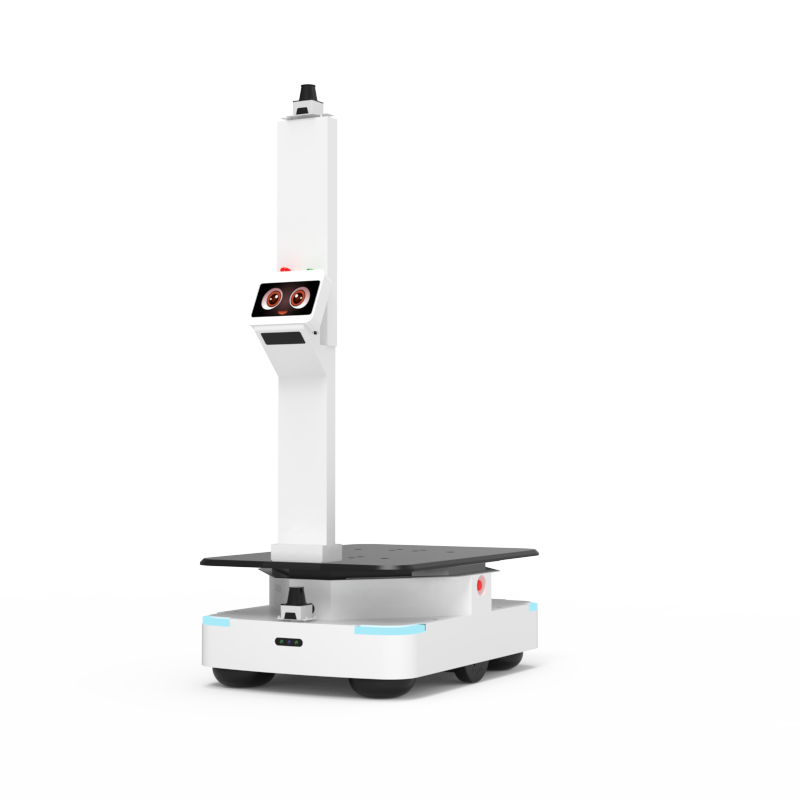
600kg Payload Laser Navigation AMR Robot Autonomous Lifting Warehouse Transfer Equipment
A lifting AMR for warehouse transfer, cart movement, and flexible logistics center tasks.
- 600 kg payload class
- Laser navigation AMR
- Lifting warehouse transfer design
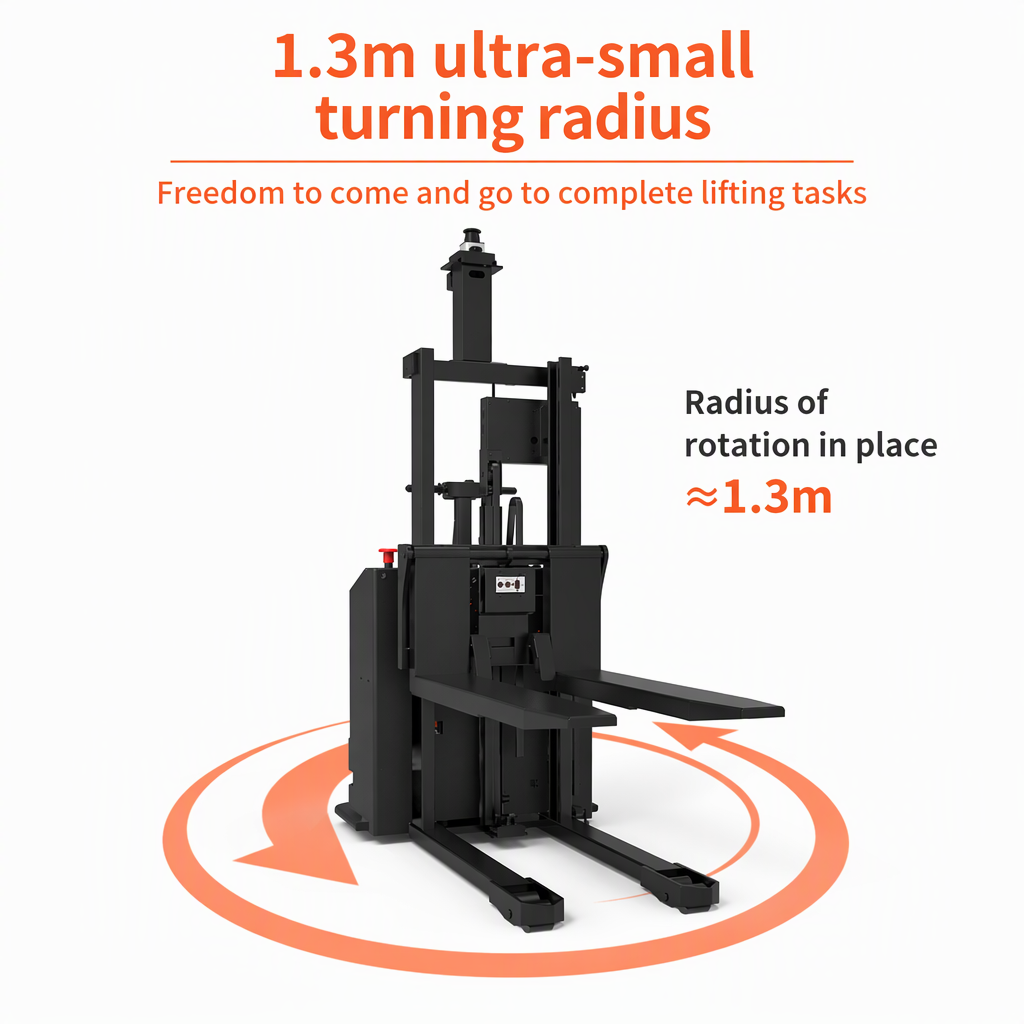
REEMAN Autonomous Electric Forklift 1T Payload 48V 30Ah LiFePO4 Battery Indoor Material Handling AGV
A compact electric forklift AGV for indoor material handling and lighter pallet flows.
- 1-ton payload class
- 48V 30Ah LiFePO4 battery
- Indoor material handling AGV
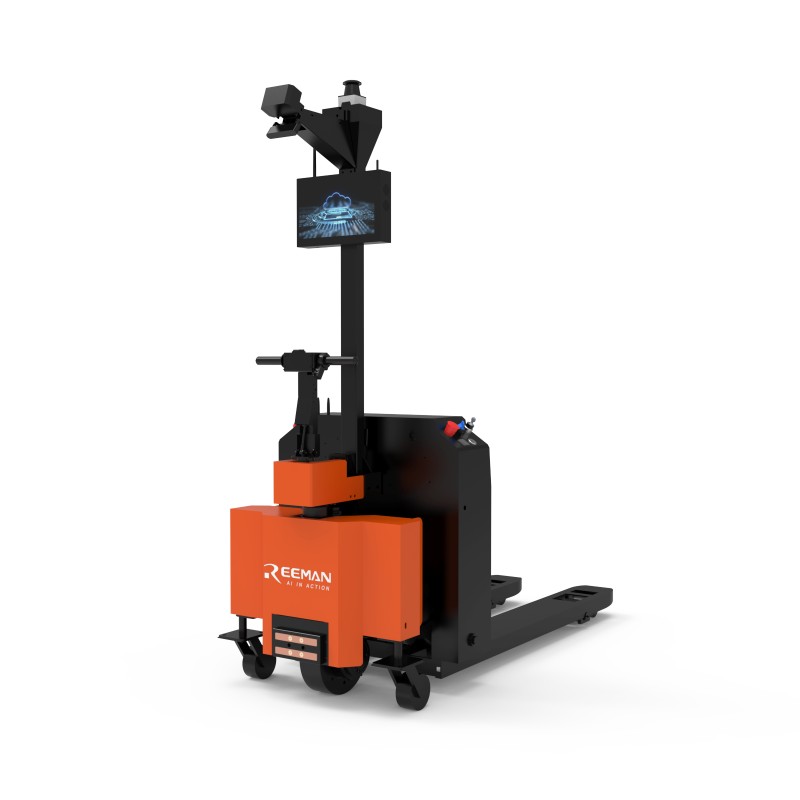
Reeman 2 Ton Autonomous Forklift AGV Laser SLAM Unmanned Pallet Truck 1085mm Fork 10mm Position Accuracy
A high-accuracy pallet truck configuration for repeatable warehouse and production logistics.
- 2-ton autonomous forklift AGV
- 1085 mm fork and 10 mm accuracy
- Laser SLAM unmanned pallet truck
2025–2028 Product Procurement Trends Buyers Should Plan For
Autonomous robot procurement is becoming more financial, more safety-driven, and more integration-heavy. The strongest suppliers will be able to document these capabilities before the purchase order is issued.
Total Cost of Ownership Replaces Sticker Price
Buyers increasingly compare battery cycle life, charging strategy, spare-part cost, operator training time, integration effort, and expected uptime. A lower-price robot that requires frequent manual intervention can cost more over three years than a better-integrated platform.
Safety Evidence Becomes a Tender Requirement
Procurement teams now request obstacle-detection logic, emergency-stop behavior, speed-zone configuration, risk assessments, and site acceptance tests. In mixed traffic environments, safety documentation is no longer optional.
Interoperability and Fleet Orchestration
Buyers often prefer suppliers with open SDK and API access, because robots must exchange tasks with WMS, MES, ERP, doors, elevators, and charging systems. Integration risk should be evaluated before a pilot expands to multiple aisles.
Phased Automation and Mixed Fleets
Rather than replacing an entire logistics process at once, buyers deploy forklift AGVs, AMRs, and manual equipment in phases. The supplier should support mixed-fleet coordination, clear handover points, and future capacity expansion.
Energy Strategy and Opportunity Charging
Lithium-ion and LiFePO4 battery options, automatic charging docking, and opportunity charging strategy are now part of procurement calculations. Uptime planning must account for shift patterns, charging location, and battery maintenance.
Local Service, Training, and Spare Parts
Overseas buyers increasingly weight English documentation, remote commissioning, operator training, and spare-part lead time. A top trusted robot supplier should provide service continuity after shipment, not only equipment delivery.
How Robot Factories Are Evolving Their Product Platforms
The next generation of autonomous robots is being shaped by sensor fusion, modularity, open integration, and human-centered service design. These trends affect both product selection and long-term upgrade planning.
3D Vision and Multi-Sensor Fusion
Forklift AGVs and stacking robots increasingly combine lidar, 3D vision, and obstacle sensors to handle pallets, overhangs, and dynamic traffic. Improved perception reduces manual intervention and supports more demanding warehouse layouts.
Infrastructure-Free SLAM Navigation
Laser SLAM reduces dependence on magnetic tape, QR codes, and reflectors. This allows faster site changes and lower maintenance, especially where racking, work cells, or production lines are frequently reconfigured.
Modular Chassis and Payload Architecture
Shared control architecture across 60 kg delivery robots, 300 kg AMRs, 600 kg lifting AMRs, and 2-ton autonomous forklifts simplifies training, maintenance, and spare-part planning. Integrators can also build custom top modules on proven chassis platforms.
Open Software and Secondary Development
Open SDK and API support lets distributors, integrators, and software partners connect robots to warehouse and factory systems. Procurement should ask whether the API covers task dispatch, status feedback, exceptions, and charging events.
Edge AI and Cloud Fleet Visibility
Robots are becoming more capable at the edge while fleet dashboards provide utilization, fault, and task-completion visibility. For buyers, this means acceptance testing should include both onboard performance and fleet-level reporting.
Human-Centered Service Robotics
Advertising robots, delivery robots, cleaning robots, and disinfection robots are designed for public interaction, quiet operation, simple UI, and safe navigation. In service environments, the product experience is part of the ROI.
Match the Robot Platform to Your Workflow Before You Issue an RFQ
A top trusted robot factory should help buyers separate pallet handling, line-side logistics, service tasks, and OEM development. The following readiness view supports early project scoping.
Procurement Readiness Indicators
Use these indicators as a discussion framework with engineering teams. The percentages are illustrative of evaluation weighting, not a promise of performance. Final sizing depends on load, aisle width, pallet type, throughput, and integration scope.
Warehousing & 3PL
Use autonomous forklifts and AMRs for receiving, put-away, dock loading, and pallet flow. Validate aisle width, pallet condition, and charging location before pilot expansion.
Manufacturing Logistics
Line-side AMRs feed workstations and collect finished goods. Integration with MES tasks, call buttons, conveyors, and safety zones should be tested during acceptance.
Integrators & OEM
Robot chassis platforms with open SDK shorten development time. Confirm payload, center of gravity, top-module requirements, and software access before committing to a branded robot.
Commercial Service
Delivery, cleaning, disinfection, and advertising robots must operate safely around guests. Evaluate public-space navigation, voice/UI experience, and daily maintenance workflow.
Inside a Trusted Robot Factory: Elvorn’s Engineering and Production Advantages



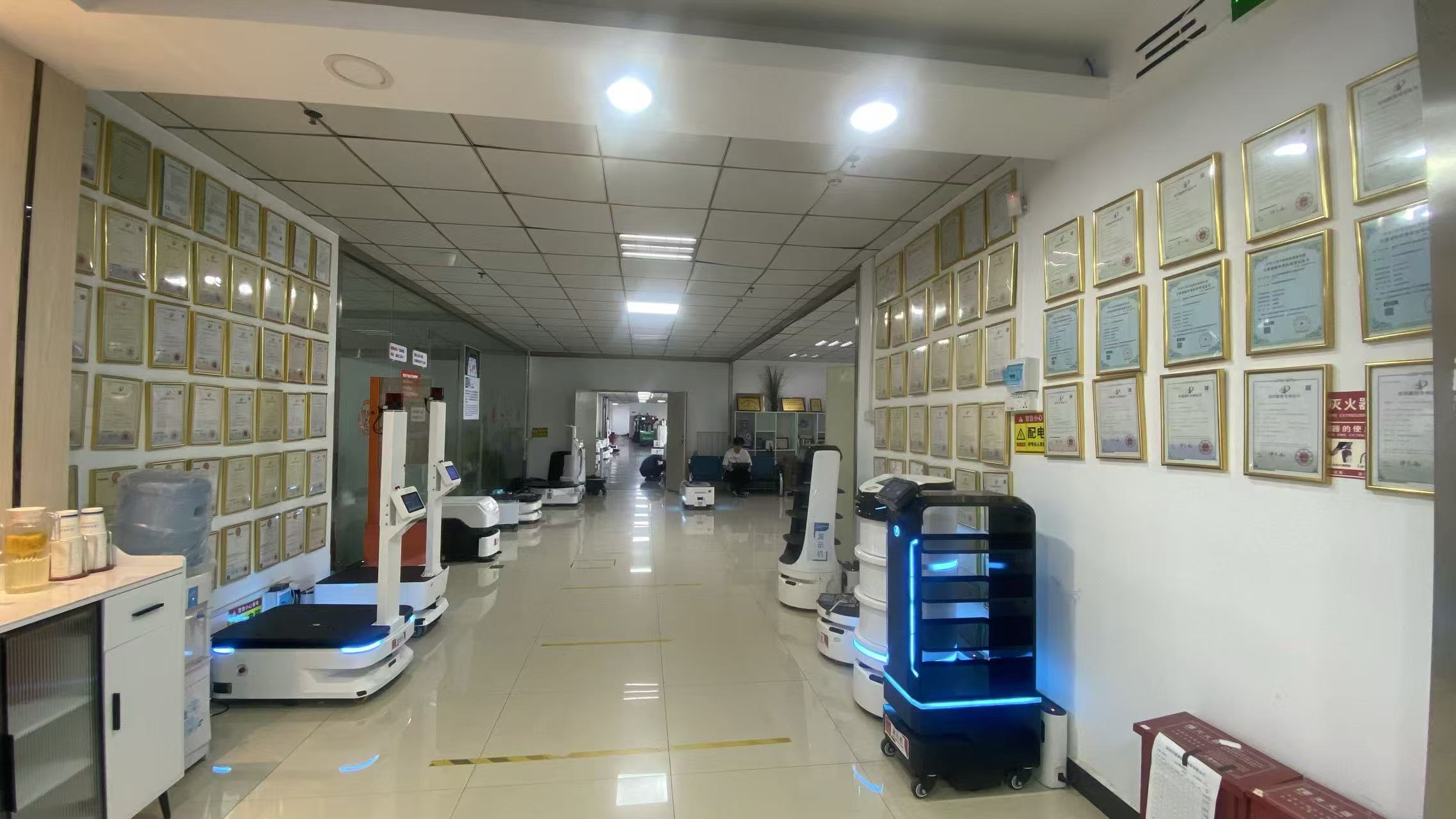
Founded in 2015, Shenzhen Elvorn Intelligent Equipment Co., Ltd. is a national high-tech enterprise focused on robotic platform technology and autonomous driving. The company designs, builds, and supports autonomous forklifts, industrial AMRs, robot chassis, delivery robots, cleaning robots, and disinfection robots for buyers across North America, Western Europe, Eastern Asia, Southeast Asia, and the Middle East.
The in-house R&D team covers laser SLAM navigation, motion control, fleet scheduling, and hardware. That full-stack ownership enables faster customization, clearer engineering answers, and long-term spare-part support for distributors and integrators. With two production bases in Shenzhen and Ningbo, Elvorn can support both standard models and buyer-specific robot programs.
- Verified Custom Manufacturer
- ISO 9001 & ISO 14001
- CE / FCC / PSE certified models
- OEM, design & buyer-label service
- SGS onsite verified factory
- English documentation and remote support
 Factory workshop and production planning
 Robot production and assembly workflow
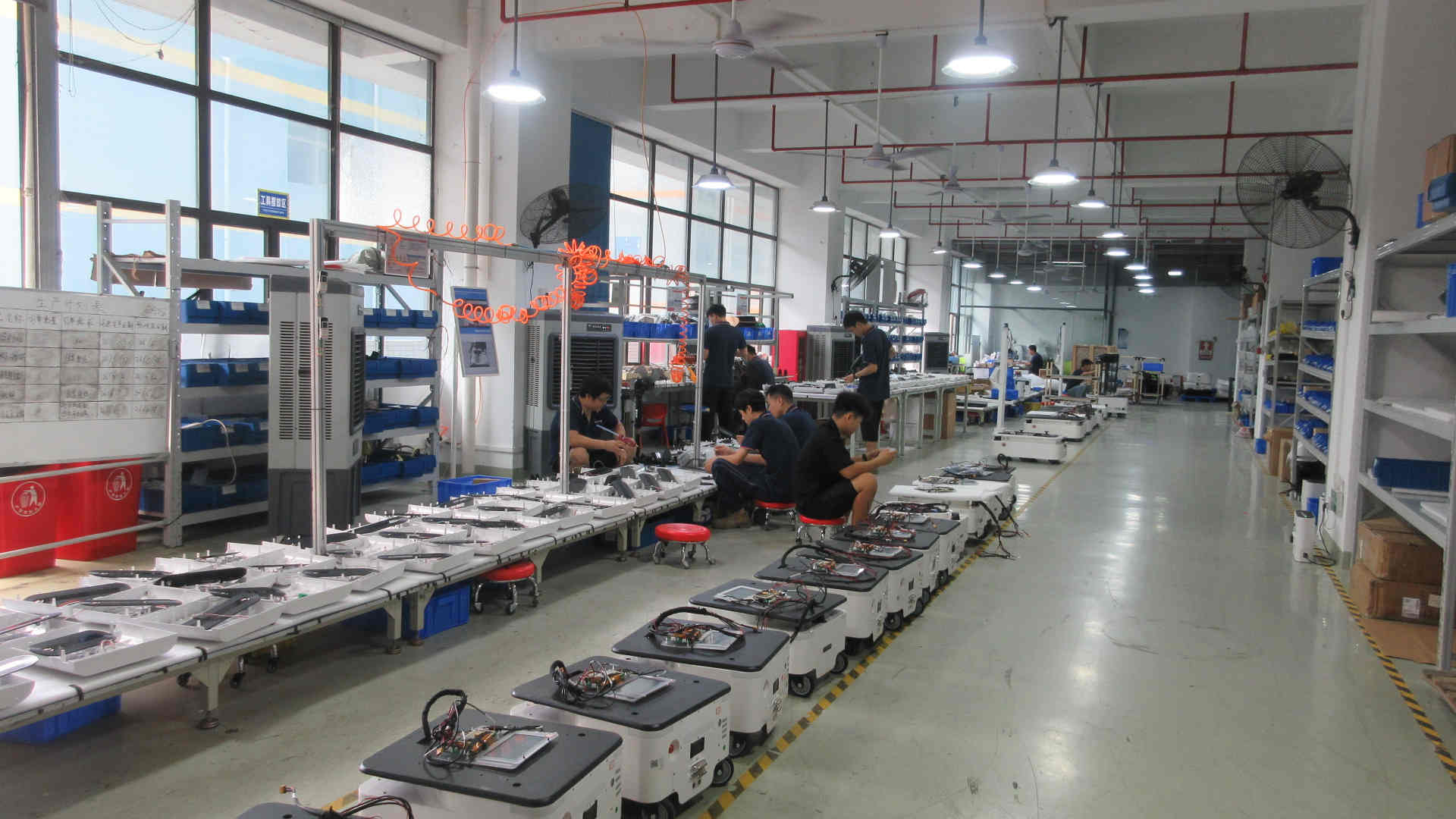
 Quality inspection and function testing
 R&D laboratory and engineering validation
Certified, Audited, and Export-Proven Robot Manufacturing
For E-E-A-T due diligence, combine factory verification, management-system certification, product-level compliance, and public transaction evidence. The following credentials support supplier shortlisting.
 SGS Verified
Onsite Assessment
 CE Marking
Selected Models
 FCC
Selected Models
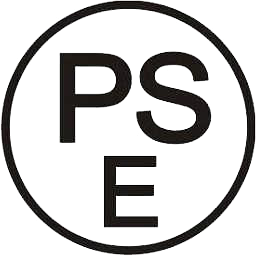 PSE
Selected Models
Frequently Asked Questions About Robot Factories and Supplier Selection
These answers address the commercial and technical questions that appear most often during RFQ review, factory audit, and pilot planning.
What is the difference between an AGV forklift and an AMR?
An autonomous forklift, often called an AGV forklift, lifts and moves pallets between floor, dock, and rack positions. An AMR is a mobile platform that usually carries totes, carts, shelves, or custom top modules. Both Elvorn product lines can use laser SLAM navigation, so magnetic tape or floor reflectors are not required.
Can the robots integrate with my WMS, MES, or ERP?
Yes, integration should be discussed during solution design. Elvorn AMRs and robot chassis provide an open SDK and API for secondary development, allowing task dispatch and status feedback from warehouse management, manufacturing execution, or custom software systems.
Does the factory offer OEM and ODM customization?
Yes. As a verified custom manufacturer, Elvorn offers OEM service, design service, and buyer-label options. Customization can include top modules, payload structures, branding, packaging, and project-specific software interfaces.
Which certifications should buyers verify?
Depending on the model and destination market, verify CE, FCC, or PSE marks. Also confirm factory-level evidence such as ISO 9001, ISO 14001, and SGS onsite verification. Certification scope should match the exact robot configuration being purchased.
What trade terms and payment methods are accepted?
Elvorn ships worldwide on FOB terms and accepts T/T payment in USD or CNY. Main export markets include North America, Western Europe, Eastern Asia, Southeast Asia, and the Middle East. Final terms should be confirmed in the quotation and sales contract.
How should we evaluate deployment risk before scaling?
Start with a site survey covering layout, aisle width, pallet type, load weight, throughput, charging location, and safety zones. Then require factory testing records, a pilot acceptance checklist, operator training, and a spare-part plan. Scaling should follow measurable uptime and task-completion results.
Request a Factory-Certified Robot Recommendation
Share your layout, load, pallet type, throughput target, and integration requirements. The engineering team can recommend a suitable autonomous forklift, AMR, robot chassis, or service robot configuration and clarify the next steps for sampling, customization, and deployment.
Inquire Now