Top Trusted Tray Delivery Robot Factories & Suppliers
A deeper buyer guide to autonomous tray delivery robots, SLAM AMRs and service robot platforms — with factory verification criteria, procurement trends, product development signals, and a practical supplier shortlist.
8 Recommended Autonomous Platforms for Tray Delivery & Material Flow Projects
The eight products below are placed first because serious tray delivery robot buyers evaluate the manufacturing platform behind the brochure. For dedicated restaurant, hotel, hospital or lab tray-delivery configurations, request the latest catalog; the platforms below show the engineering depth available across SLAM navigation, payload design, safety control and fleet integration.
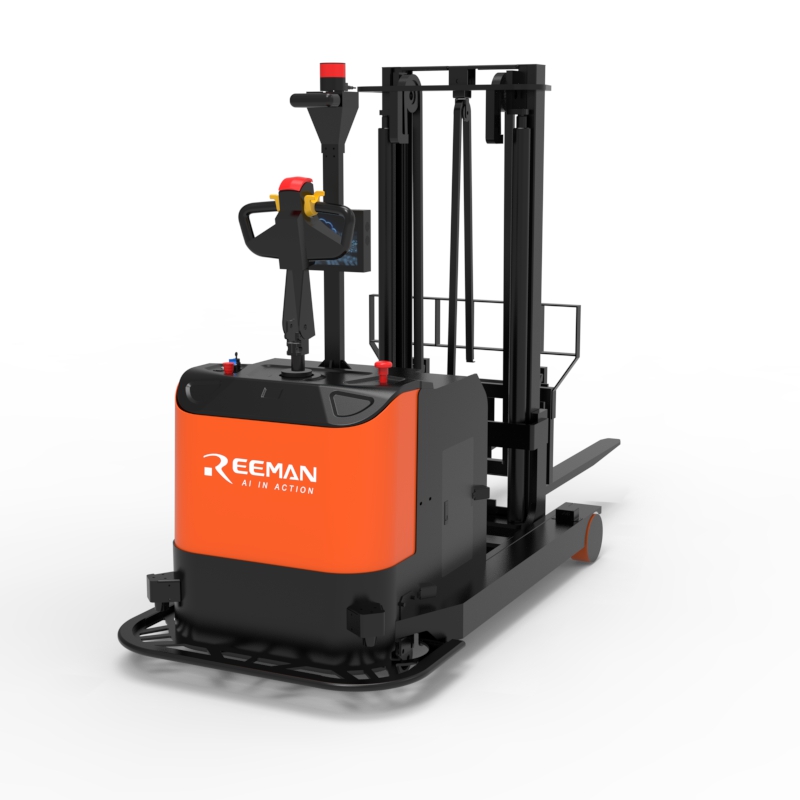
Reeman Autonomous Electric Stacker Forklift 1.2 Ton Li-Ion 48V 30Ah 2500mm Lift Laser Navigation 3m Aisle
- 1.2 t Li-ion stacker platform
- Laser navigation, 3 m aisle planning
- Useful for tray/pallet hybrid flows
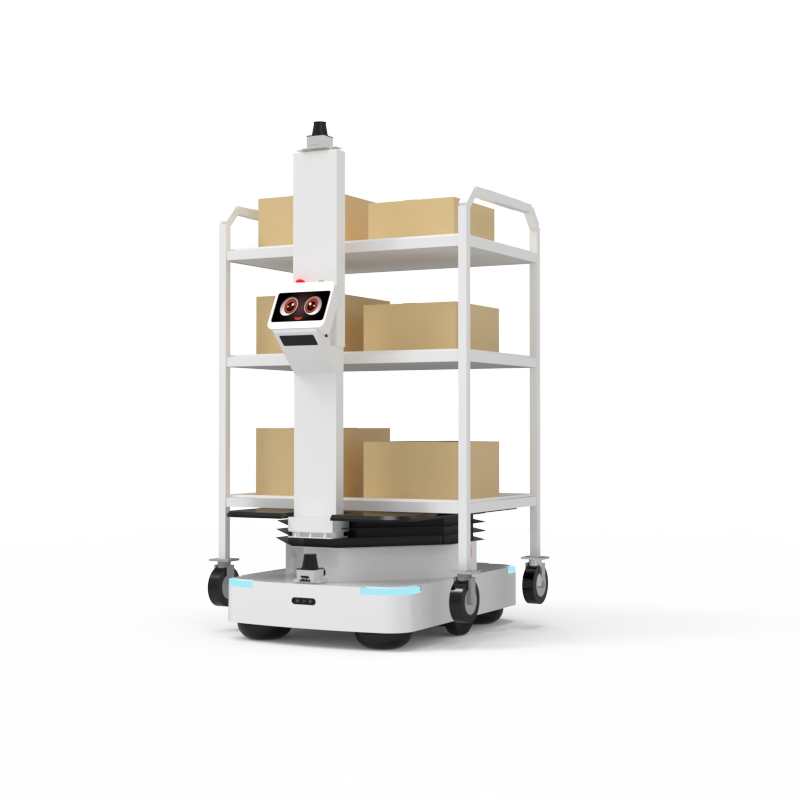
600kg Payload Autonomous AMR Robot Multi Sensor Mobile Material Handling Cart for Production Line
- 600 kg payload AMR cart
- Multi-sensor safety architecture
- Production-line and warehouse transfer
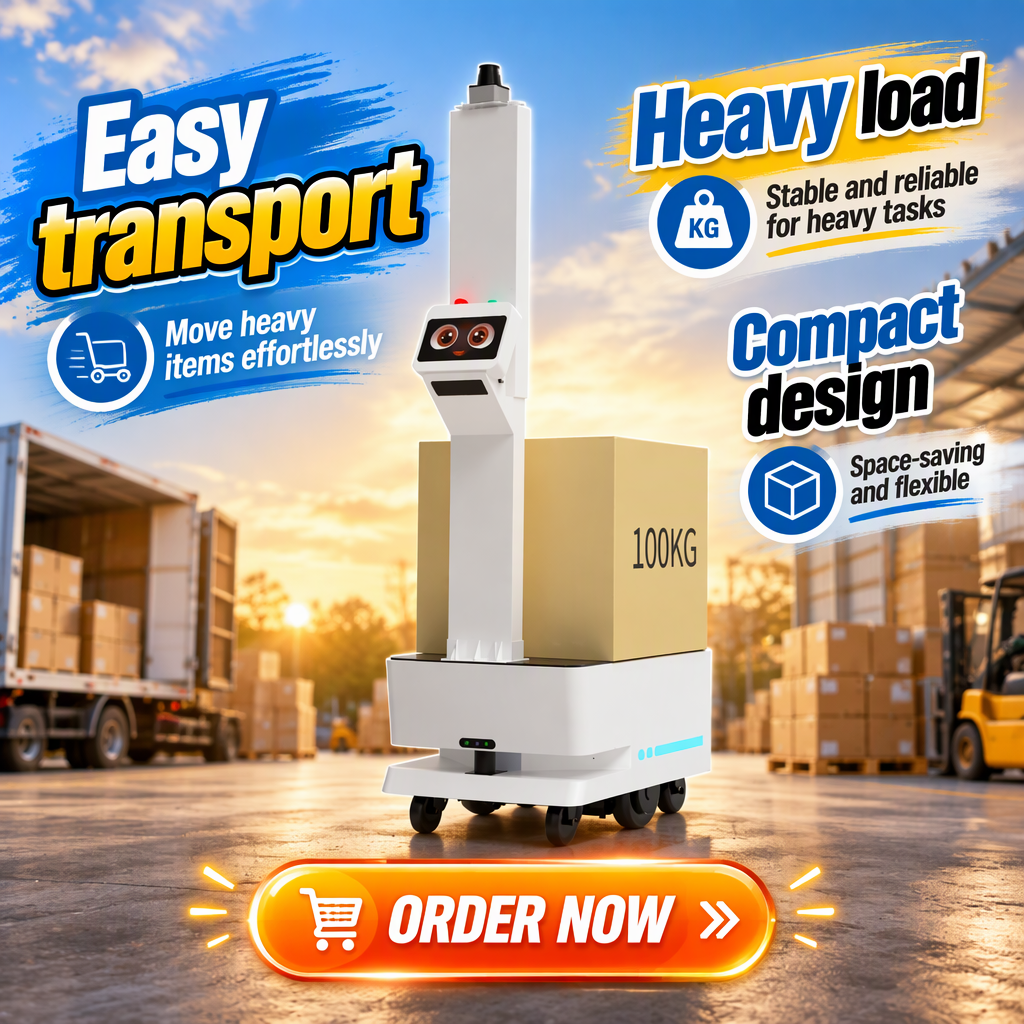
Reeman Autonomous Mobile Robot Slam Navigation PLC Core Components Warehouse Logistics
- SLAM navigation with PLC integration
- Warehouse logistics core platform
- Suitable for tray cart adaptation
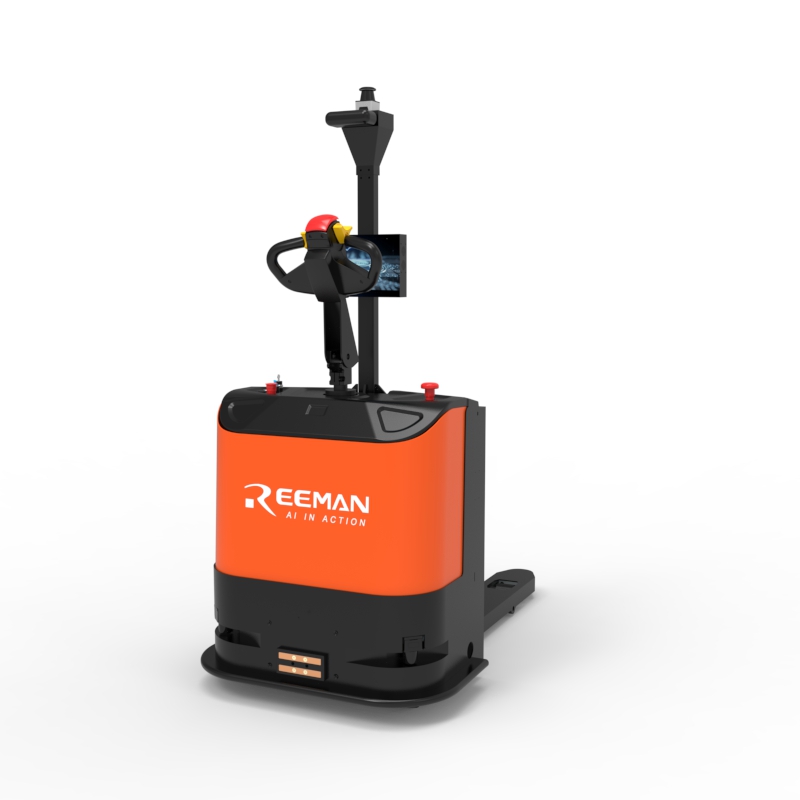
CE Certified 1500kg Driverless AGV Forklift Laser SLAM Navigation Automatic Pallet Loading Unloading Robot 1-2H Working Time
- 1,500 kg driverless pallet handling
- Laser SLAM automatic loading/unloading
- CE-oriented export configuration
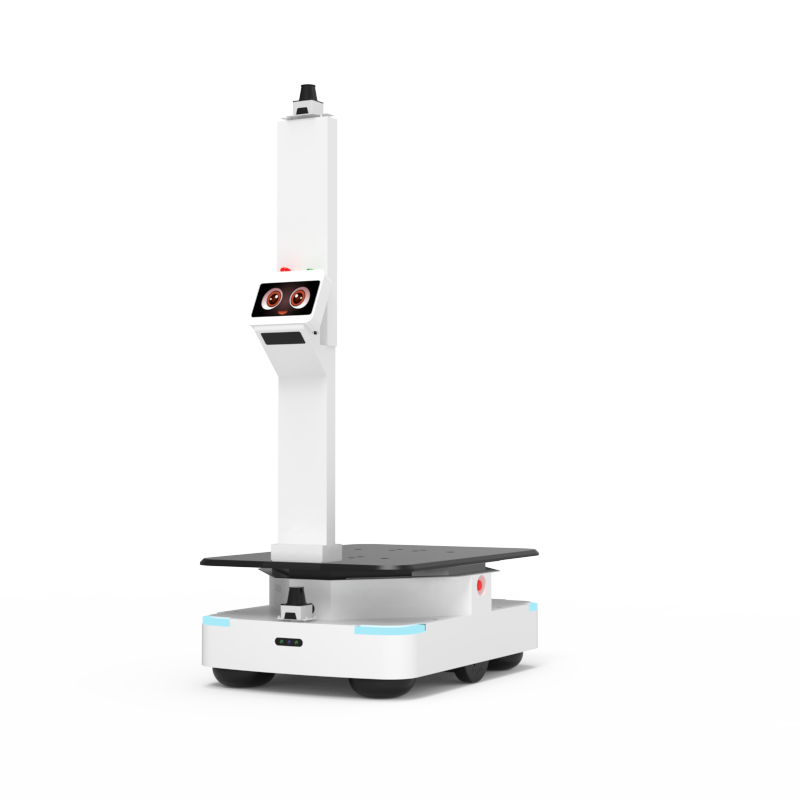
600kg Payload Laser Navigation AMR Robot Autonomous Lifting Warehouse Transfer Equipment
- 600 kg lifting AMR platform
- Laser navigation for warehouse transfer
- Flexible top-module potential
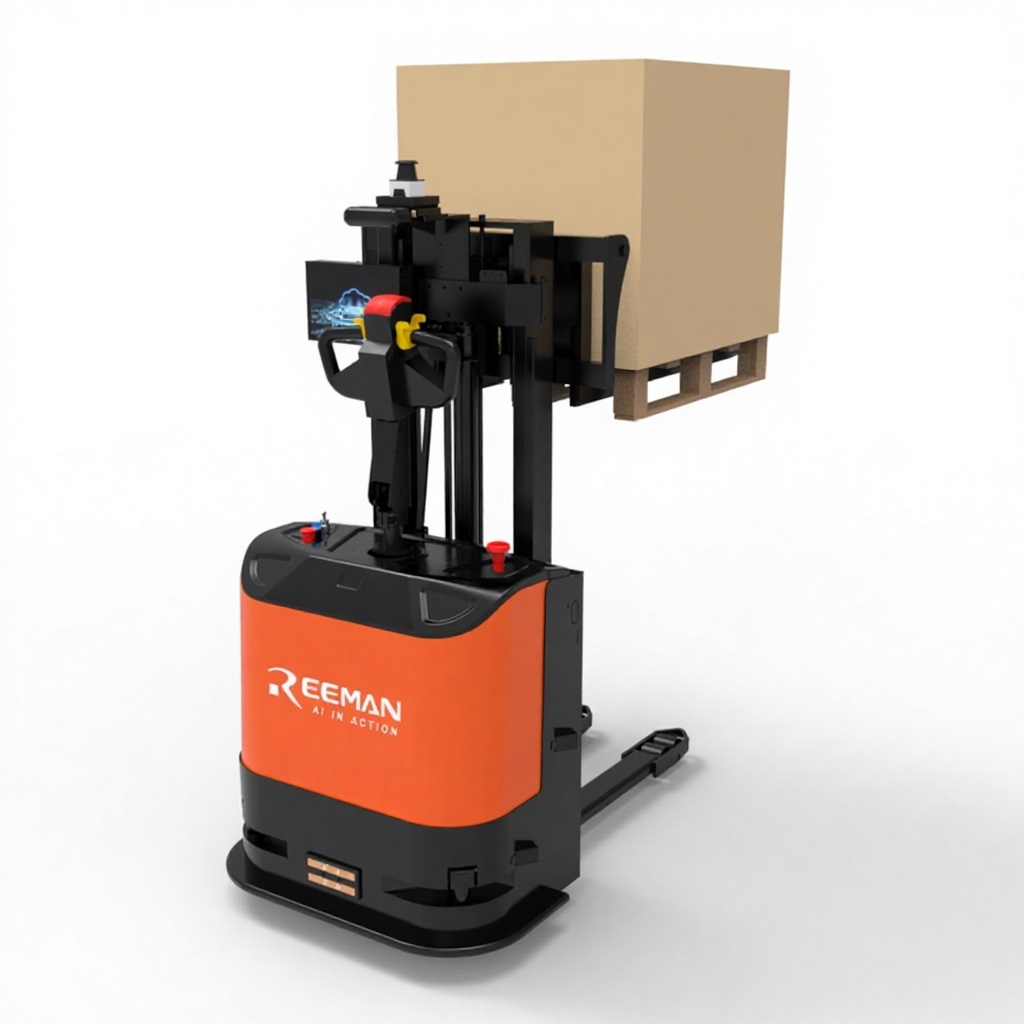
REEMAN Rhino RBOT30F Autonomous Stacker Forklift 3D Vision Obstacle Avoidance Warehouse AGV Robot
- 3D vision obstacle avoidance
- Autonomous stacker forklift format
- Warehouse AGV deployment
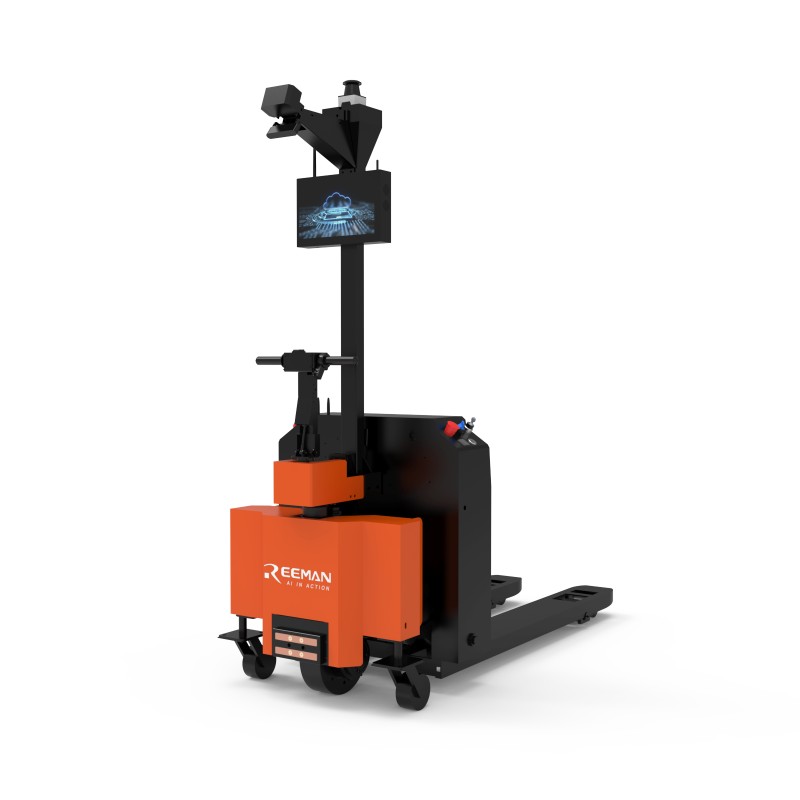
Reeman 2 Ton Autonomous Forklift AGV Laser SLAM Unmanned Pallet Truck 1085mm Fork 10mm Position Accuracy
- 2 t autonomous pallet truck
- Laser SLAM, 10 mm positioning accuracy
- 1,085 mm fork configuration
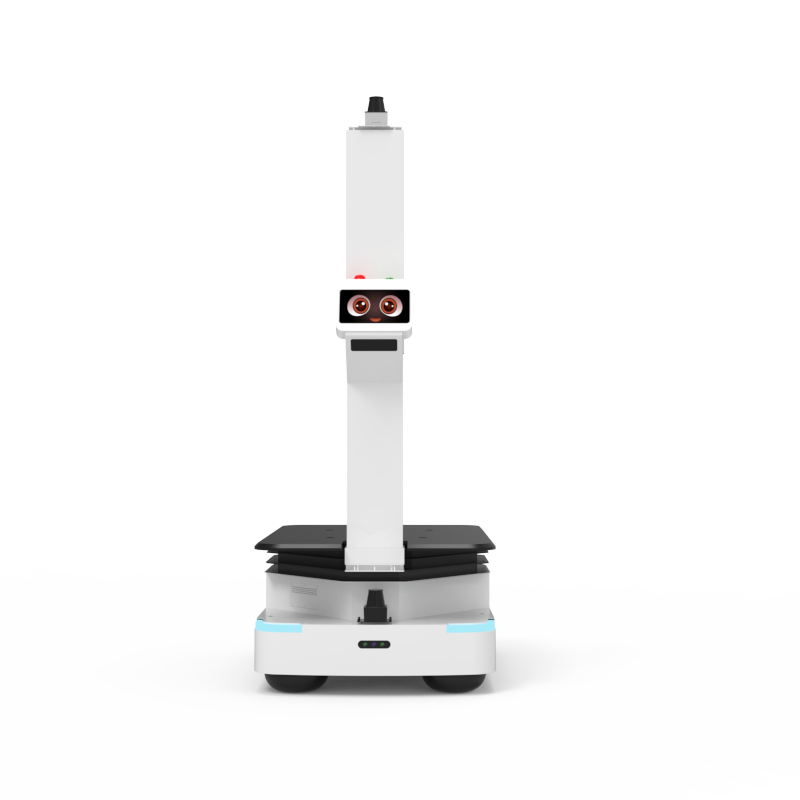
600kg Industrial AMR AGV Robot Laser SLAM Navigation QR Code-Free Factory Logistics
- 600 kg industrial AMR
- Laser SLAM without QR-code dependency
- Factory logistics and line feeding
Need a tray-specific service robot deck, elevator interface, voice interaction or branded fleet program? The fastest route is to send your tray dimensions, route map, floor type, daily cycle target and integration requirements to the engineering team.
Get CatalogWhy Tray Delivery Robots Are Becoming a Procurement Priority
Tray delivery robots are moving from demonstration projects into structured procurement. The buying question is no longer simply “Can the robot carry a tray?” It is now “Can this supplier deliver a reliable, certifiable, serviceable autonomous platform that fits our building, workflow and brand?”
A tray delivery robot is a public-facing service asset. It may operate in restaurants, hotels, hospitals, laboratories, corporate cafeterias, exhibition halls or factory canteens. That environment creates a different risk profile from a standard warehouse AMR. Downtime is visible to guests and staff. Poor tray stability can damage food, medical supplies or samples. Unsafe navigation around children, trolleys, elevators and glass doors becomes a brand and liability issue. A closed software stack can also turn a fleet into an isolated island that cannot receive orders from POS, WMS, MES, elevator controllers or property-management systems.
The most credible tray delivery robot factories therefore combine three capabilities: autonomous navigation engineering, product manufacturing discipline, and long-term integration support. Buyers should look for a supplier that owns or deeply controls the SLAM stack, motion control, safety logic, fleet scheduling and hardware integration. They should also verify production capacity, certification evidence, test records and export support, not just review a rendered product image or a short demo video.
Shenzhen Elvorn Intelligent Equipment Co., Ltd. is relevant in this context because its portfolio extends beyond one product line. Founded in 2015, Elvorn manufactures SLAM autonomous forklifts, industrial AMRs, robot chassis, delivery robots, cleaning robots and disinfection robots. That breadth matters to tray delivery robot buyers: a service robot can share navigation, battery management, safety architecture and fleet-control logic with proven material-handling platforms. The same engineering organization that supports a 2-ton autonomous forklift can also support a lighter, human-facing tray delivery platform.
For procurement teams, the practical conclusion is simple: treat the tray delivery robot as part of an automation platform decision. Compare total cost of ownership, route reliability, integration depth, spare-parts accessibility and supplier documentation. A low unit price is not a strategic advantage if the robot cannot reach the elevator, cannot be updated remotely, or cannot be serviced without long downtime. The suppliers worth trusting are those that make verification easy.
Information Gain for Buyers
Most supplier pages describe payload and speed. A higher-confidence RFQ should also ask for:
- Tray stack height, tray weight and retention method
- Elevator, door and gate integration protocol
- Minimum turn radius in real corridors
- Wi-Fi roaming and fleet scheduling behavior
- Safety response around pedestrians and glass walls
- Remote diagnostic, spare-parts and training plan
How to Identify a Trustworthy Tray Delivery Robot Factory
A trust signal is only valuable when a buyer can verify it. The framework below is the same logic used by serious procurement teams when auditing an autonomous delivery robot supplier.
Audited Manufacturing Footprint
Elvorn was founded in 2015 and operates two production bases in Shenzhen and Ningbo, with 5,200㎡ of floorspace, a 200+ team and 39 awarded patents. For a tray delivery robot buyer, this is evidence that the supplier can move from prototype discussions to repeat production, custom fixtures and batch quality control.
In-House SLAM & Control Stack
The company describes in-house development across laser SLAM navigation, motion control, fleet scheduling and hardware. This matters because tray delivery robots often operate in dynamic indoor spaces where QR-code-only navigation is fragile and retrofitting third-party navigation can delay deployment.
Open SDK & API Integration
Elvorn AMRs and robot chassis provide an open SDK and API for secondary development, supporting task dispatch and status feedback from WMS, MES, ERP or custom software. For tray delivery workflows, the same integration discipline can support elevator control, door access, POS ordering and fleet dashboards.
Certification & Onsite Audit Evidence
Depending on the model, Elvorn robots carry CE, FCC or PSE marks. Management systems are certified to ISO 9001 and ISO 14001, and the factory has been verified onsite by SGS Group. These are not decoration; they are filters that reduce compliance and deployment risk in export markets.
OEM, ODM & Buyer Label Capability
As a verified custom manufacturer, Elvorn offers OEM service, design service and buyer-label options, including custom top modules, payload structures, branding and packaging. That flexibility is useful when a tray delivery robot must match a hotel group, hospital group or distributor brand.
Export & Lifecycle Support
Elvorn ships worldwide on FOB terms and accepts T/T payment in USD or CNY, serving North America, Western Europe, Eastern Asia, Southeast Asia and the Middle East. English documentation, remote commissioning, operator training and spare-part supply are the practical commitments that make an overseas robotics project sustainable.
Facts Buyers Can Put Into a Due-Diligence File
The numbers below summarize the corporate profile presented by Elvorn and are the type of evidence a tray delivery robot supplier should be able to support with documents, site access or third-party verification.
Due-diligence note: ask for the current certificate scope, model-specific test reports, lead-time assumptions and spare-parts list before comparing quotations. The strongest suppliers welcome this level of scrutiny.
Tray Delivery Robot Procurement Trends for 2025-2030
Buyer behavior is changing. The winning suppliers will be those that can prove uptime, integration and lifecycle support — not only autonomous movement.
Total Cost of Ownership Over Sticker Price
Procurement teams increasingly evaluate battery cycles, preventive maintenance, spare-part logistics, uptime penalties and staff training. A tray delivery robot that saves labor but requires frequent expert intervention will lose to a slightly higher-priced platform with stronger service support.
API and Interoperability as a Competitive Moat
Robots must talk to elevators, doors, POS, WMS, MES, ERP, access control and property systems. Suppliers with documented APIs and secondary-development support will be easier to deploy across multi-floor hotels, hospitals and mixed-use buildings.
Safety and Certification as a Gate
Human-facing delivery robots require a clear safety narrative: speed zoning, obstacle avoidance, emergency stop logic, edge-case handling and market-specific certification. CE, FCC, PSE and ISO evidence will be requested earlier in the buying cycle.
Modular Tray and Payload Design
Buyers want one navigation platform with different top modules: tray decks, closed cabinets, advertisement screens, disinfecting units or material carts. Modularity reduces spare-part complexity and lets distributors serve multiple verticals with fewer base platforms.
Data Governance and Remote Diagnostics
Robots generate location, task, battery and fault data. Buyers increasingly ask where data is stored, how remote support is permissioned and whether fleet analytics can be exported. Clear data policies will become part of supplier qualification.
Service-Level Agreements and Local Spares
Overseas buyers are moving from “Can you ship?” to “How fast can you restore uptime?” Remote commissioning, English documentation, predictable spare-part kits and distributor training are becoming evaluation criteria alongside price and payload.
Product Development Trends Reshaping Tray Delivery Robots
The next generation of tray delivery robots will look less like standalone novelties and more like connected, serviceable robotic infrastructure.
Multimodal Sensing and SLAM
Laser SLAM remains the backbone for reliable indoor navigation, but cameras, depth sensors and ultrasonic sensing improve performance around glass, mirrors, crowds and irregular loads. The strongest platforms will combine multiple sensing modes without making deployment overly complex.
Human-Aware Interaction
Tray delivery robots operate around guests, patients and staff. Voice prompts, intuitive screen flows, polite avoidance behavior and clear status indicators will matter as much as route accuracy. Human-aware navigation is becoming a product feature, not a software afterthought.
Battery and Opportunity Charging
Li-ion packs, automatic charging and opportunity charging reduce idle time. For multi-floor service environments, buyers should compare real cycle time, charging window, battery replacement cost and whether the robot can continue a task after a partial charge.
Hygiene-by-Design Tray Decks
Food service and healthcare buyers need tray surfaces that are easy to clean, stable during turns and compatible with standard tray sizes. Removable trays, rounded edges, sealed electronics and easy-access maintenance panels will become practical differentiators.
Fleet Orchestration Across Floors
Elevators, doors and security gates are the hidden bottlenecks in tray delivery projects. Future procurement will favor suppliers that can demonstrate multi-floor dispatch, peak-hour task prioritization and clear fallback behavior when network or elevator integration fails.
Digital Twin and Remote Commissioning
Site mapping, simulation and remote acceptance testing reduce deployment travel. Buyers will increasingly ask for pre-shipment mapping reviews, test records and remote support sessions before the robot leaves the factory.
A Practical Scorecard for Tray Delivery Robot Buyers
Use these weights as a starting point, then adapt them to your environment. A hotel with crowded corridors and a factory with high hygiene demands should not use the same weighting model.
Safety & Compliance
Obstacle avoidance, emergency stops, speed zoning, risk assessment and market-specific certification evidence.
Integration Fit
SDK/API access, elevator and door integration, WMS/MES/POS connectivity and fleet scheduling capability.
TCO & Uptime
Purchase price, battery life, spare parts, preventive maintenance, labor savings and service response assumptions.
Lifecycle Support
English documentation, remote commissioning, operator training, spare-part availability and OEM/ODM flexibility.
Where Tray Delivery and Autonomous Handling Deliver Measurable ROI
Autonomous platforms create value where movement is repetitive, labor availability is uncertain and consistency matters to the customer experience.
Restaurants & Cafeterias
Tray delivery robots can move food, tableware and collected items between kitchen, counter and dining zones, reducing repetitive walking during peak hours while keeping staff focused on guest service.
Hotels & Service Apartments
Room service, amenities, laundry and minibar replenishment can be scheduled through a fleet platform. Elevator integration and quiet navigation become key buying criteria in guest-facing environments.
Hospitals & Clinics
Meal trays, sterile supplies and internal documents may require controlled routes and hygiene-friendly surfaces. Buyers should verify cleaning protocols, traceability and staff override procedures.
Factories & Production Lines
Elvorn AMRs and autonomous forklifts support line-side logistics, finished-goods transfer and pallet movement. Shared navigation architecture can reduce training burden when a tray delivery fleet is added.
Labs & Electronics Workshops
Small-payload AMRs and chassis platforms can move trays, samples, fixtures or light components. Open SDK support is valuable when the robot must exchange task status with lab or MES software.
Retail, Exhibitions & Public Venues
Mobile service robots can combine tray delivery, guidance, advertising screens and AI voice interaction. Fleet scheduling and remote content updates matter for multi-site operators.
Engineering, Production and Quality Control Behind the Product
A tray delivery robot supplier should be able to show more than a sales office. The images below reflect the type of R&D, assembly and inspection environment buyers should expect to review during supplier qualification.

Headquarters and R&D center in Shenzhen, Guangdong, China

Robot assembly and production workflow with in-house process control

Engineering, testing and quality inspection support for custom projects
Export Terms and Global Buyer Support
For overseas distributors, integrators and end users, commercial clarity is part of product quality.
Export Markets
North America, Western Europe, Eastern Asia, Southeast Asia and the Middle East are listed as main export markets for Elvorn robots.
Trade Terms
FOB terms are accepted, with T/T payment in USD or CNY. Project-specific terms can be discussed during quotation.
Quality Systems
ISO 9001 and ISO 14001 management systems, with CE, FCC or PSE marks depending on model and target market.
Custom Programs
OEM service, design service and buyer-label options, including custom top modules, payload structures, branding and packaging.
Tray Delivery Robot Procurement FAQ
These are the questions that usually decide whether a tray delivery robot project moves from interest to purchase order.
What is a tray delivery robot, and how is it different from a standard AMR?
What should buyers compare beyond payload capacity?
How can I verify that a tray delivery robot factory is trustworthy?
Can a tray delivery robot integrate with elevators, doors, WMS, MES or POS systems?
Which certifications should a tray delivery robot supplier provide?
What trade terms and payment methods are accepted?
Does Elvorn offer OEM, ODM or buyer-label customization?
What is the typical lead time or MOQ?
How should I calculate ROI for a tray delivery robot?
What support should be included after delivery?
Build a Higher-Confidence Tray Delivery Robot Shortlist
Send your tray dimensions, route map, floor plan, elevator interface, daily cycle target and branding requirements. The engineering team can match the right autonomous platform or configure a tray-delivery solution around the production platforms shown above.