Eight Autonomous Platforms from the Same Manufacturing Stack
New York advertising robot projects require more than a display: they need a stable mobile base, safe obstacle detection, reliable charging and an integration-ready control layer. The eight production platforms below demonstrate the autonomous drive, payload engineering and customization depth available from our factory. They are also suitable for OEM conversion into advertising, guidance, inspection or material-flow robots.
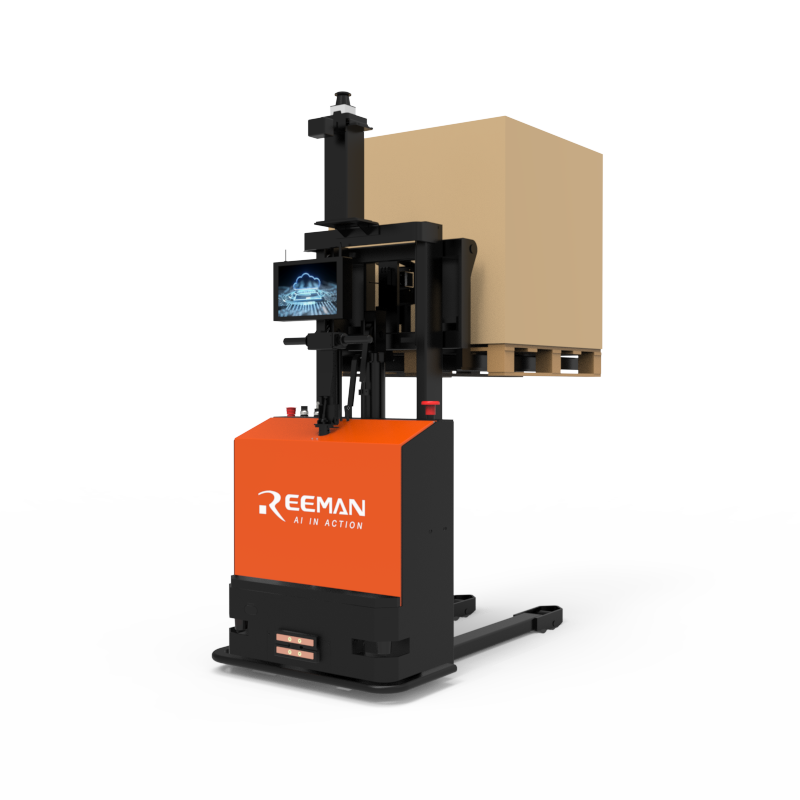
1000 kg Laser SLAM Forklift AGV Unmanned Pallet Stacker Single Line Lidar Obstacle Avoidance Factory Logistics
A heavy-duty SLAM platform for pallet stacks, production logistics and OEM base-platform evaluation.
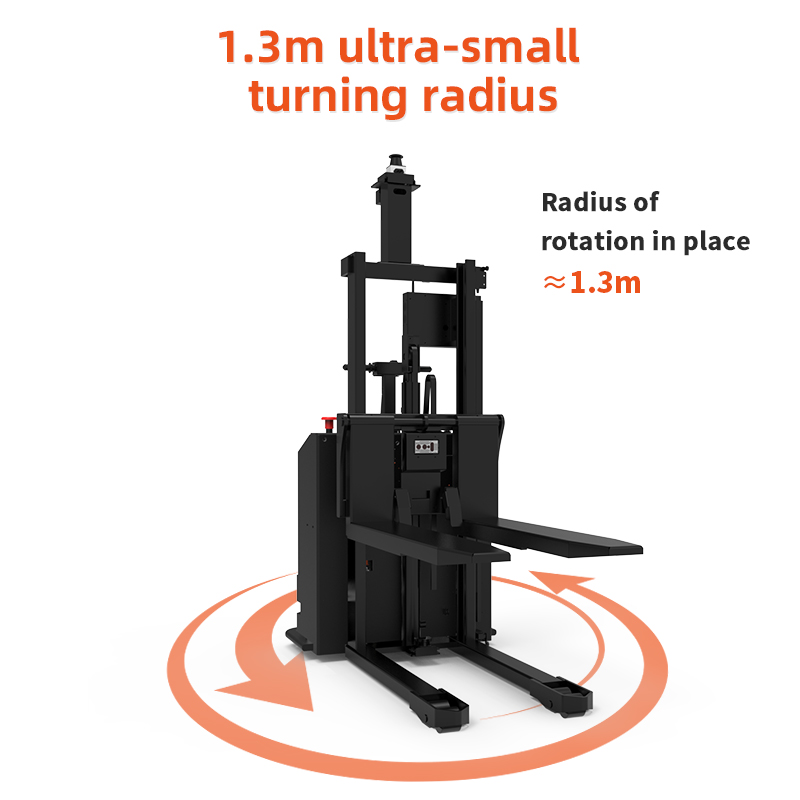
1000kg Forklift AGV Laser SLAM Navigation Pallet Transport Robot 1.3m Turning Radius Auto Charging for Factory Logistics
A compact turning radius and auto charging make this platform useful for dense factory and back-of-house flows.
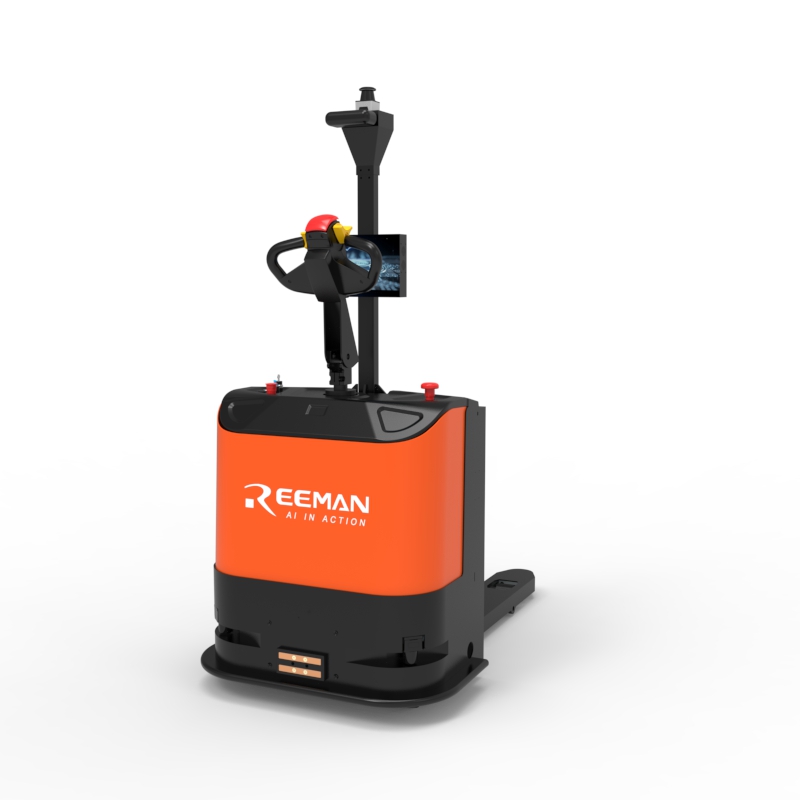
1500kg Laser SLAM AGV Forklift Single Line Lidar 30mm Navigation Accuracy 1019mm Forks 570mm Width Industrial Handling
High-accuracy navigation and industrial handling for New Jersey warehouses and metro-area distribution centers.
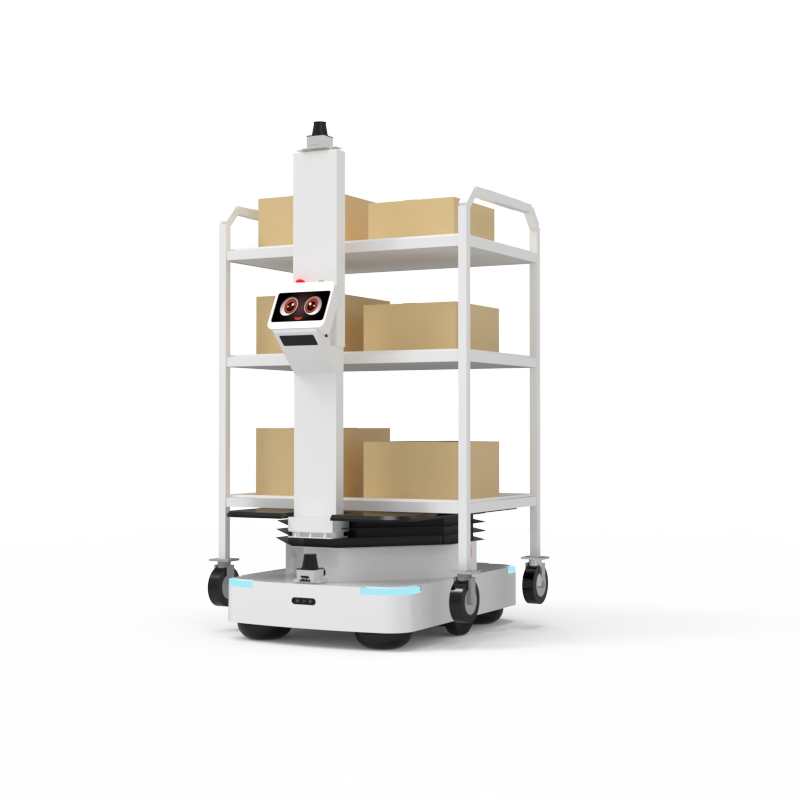
600kg Payload Autonomous AMR Robot Multi Sensor Mobile Material Handling Cart for Production Line
A modular AMR platform that can support custom top modules for advertising, guidance or material transport.
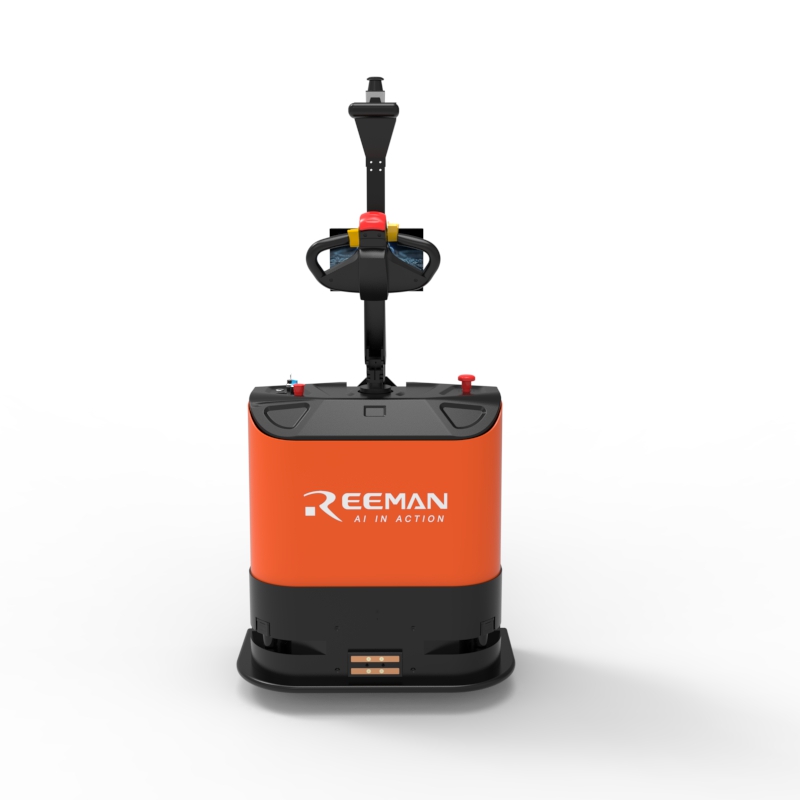
1500kg Laser SLAM Autonomous Forklift AGV Reflector-Free Point-to-Point Warehouse Material Handling
Reflector-free point-to-point navigation reduces floor infrastructure work during site changes.
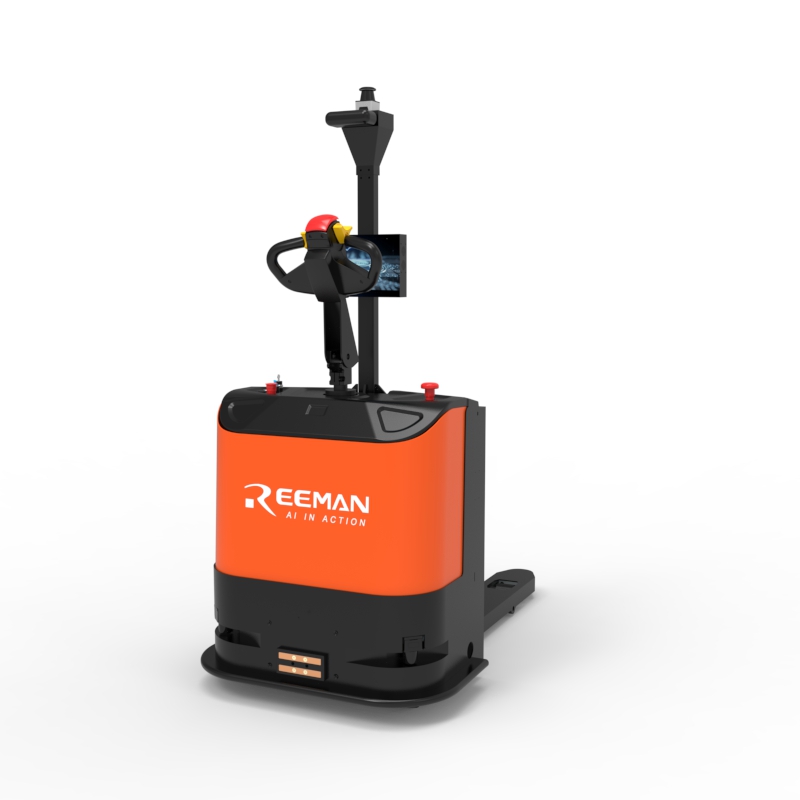
CE Certified 1500kg Driverless AGV Forklift Laser SLAM Navigation Automatic Pallet Loading Unloading Robot 1-2H Working Time
CE-ready engineering and automatic pallet loading for buyers preparing U.S. pilot deployments.
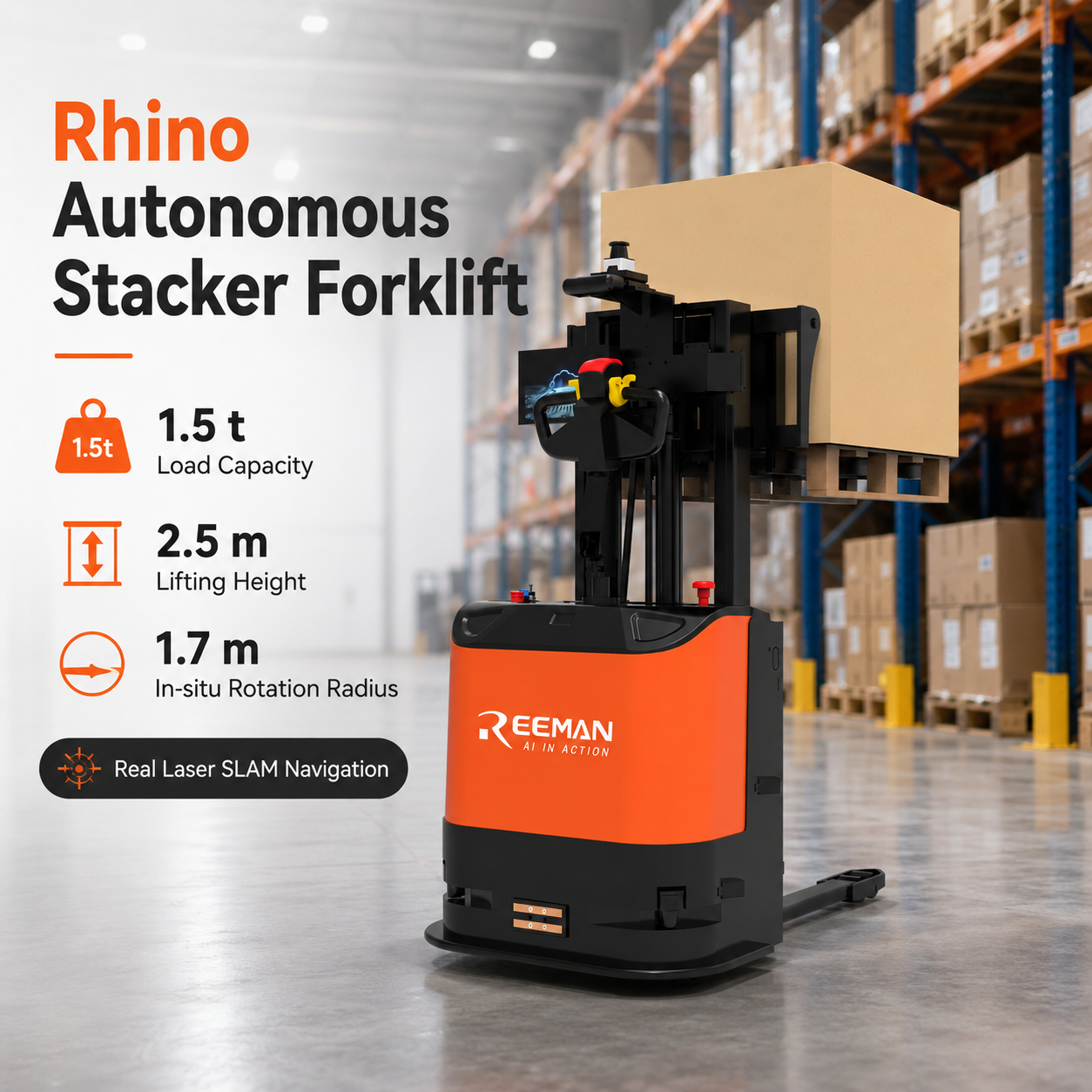
Laser SLAM Autonomous Stacker Forklift 1500 kg Load AGV Pallet Handling Robot Laser Obstacle Avoidance Warehouse
Stacking capability with laser obstacle avoidance for warehouse automation and high-density storage.
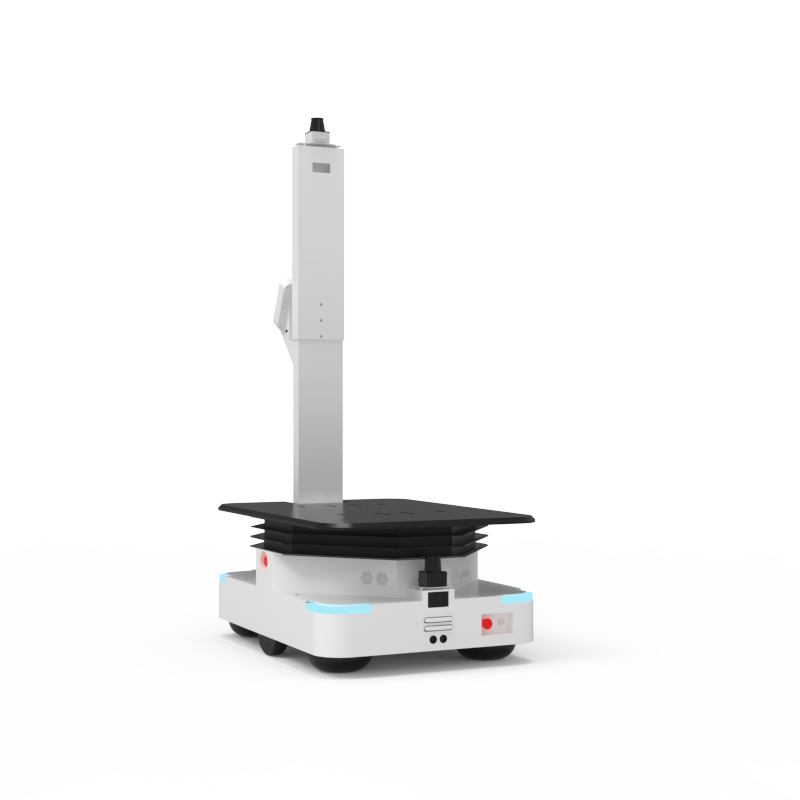
REEMAN Autonomous Mobile Robot AGV AMR 600kg Payload Sheet Metal Material Handling for Production Line
A production-line AMR for sheet metal and heavy components, also suitable as a robust custom top-module base.
What New York Buyers Should Expect from an Advertising Robot Manufacturer
The New York market rewards suppliers who understand dense foot traffic, premium brand standards, ADA-conscious public spaces and fast deployment timelines.
In New York, an advertising robot is rarely just a moving screen. It is a brand ambassador in Manhattan retail, a multilingual wayfinding assistant in a Queens hospital, a lead-capture station at a Javits Center trade show, a room-service or amenity delivery platform in Brooklyn hospitality, or a mobile promotion unit in Times Square-adjacent venues where visual impact and pedestrian safety must coexist. That is why serious buyers evaluate the manufacturer across six layers: the mobile base, the perception stack, the interaction layer, the content-management workflow, the safety architecture and the after-sales support model.
Elvorn approaches advertising robot manufacturing from the autonomous platform side. Since 2015, our engineering team has developed laser SLAM navigation, motion control, fleet scheduling, obstacle avoidance and modular payload design in-house. For New York integrators, this means you can source a proven mobile base and customize the display, voice interaction, camera array, thermal printer, card reader or other top module without rebuilding the core drive and safety system. For corporate buyers, it means fewer engineering unknowns and a clearer path from pilot to multi-site rollout.
Why local context matters: New York sites often combine reflective glass, polished stone floors, narrow aisles, freight elevators, union labor procedures, mixed pedestrian traffic and strict building-management approvals. A robot that performs well in a clean exhibition hall may struggle in a crowded Manhattan lobby without proper sensor fusion and route planning. We therefore recommend a site survey before finalizing the bill of materials. Your layout drawings, floor materials, Wi-Fi coverage, elevator interface requirements, charging location and peak-hour traffic pattern are as important as the display brightness or screen resolution.
For procurement teams comparing suppliers, the strongest information gain comes from asking for evidence, not adjectives. Ask for the factory's verification report, the robot's CE/FCC documentation where applicable, the safety-stop response time, the map-recovery procedure after a network interruption, the spare-part list, the remote-support workflow and the integration method for your content management or fleet-management system. Elvorn's SGS onsite verification, ISO 9001 and ISO 14001 management systems, and public transaction records help New York buyers conduct that due diligence with less friction.
Where Advertising and Service Robots Fit in New York Operations
From Fifth Avenue retail to New Jersey logistics, the same autonomous platform can serve customer experience and operational efficiency.
Mobile Brand Media
Deploy transparent OLED or high-brightness displays to greet shoppers, promote seasonal launches and capture opt-in leads in Manhattan flagships, Brooklyn pop-ups and Hudson Yards showrooms.
Guest Engagement
Support hotel lobbies, wedding venues, restaurants and rooftop event spaces with multilingual greetings, wayfinding, promotions and optional delivery functions during peak hours.
Wayfinding at Scale
Guide visitors through airports, stadiums, hospitals, universities and exhibition centers while delivering sponsored content, emergency messages and accessible navigation prompts.
Dual-Use Automation
Use an AMR-based platform for backroom replenishment, then swap the top module for an advertising or guidance unit during customer-facing hours in New Jersey and Long Island facilities.
Three Forces Shaping New York Robot Procurement
Buyers are moving from novelty pilots to measurable deployments. The winning business case connects labor pressure, brand experience and compliance.
Labor Pressure and Service Consistency
High operating costs and staff turnover make repetitive greeting, wayfinding and promotion tasks attractive to automate. New York buyers increasingly ask for a clear ROI model: hours redeployed, leads captured, dwell-time lift and service-response consistency.
Experience Economy and Ad-Tech Integration
Brands want more than a screen on wheels. They want content scheduling, audience analytics, multilingual interaction, CRM handoff and proof that the robot improves engagement. Open APIs and privacy-conscious data design are now shortlisting criteria.
Safety, Accessibility and Insurance Review
Public-facing robots in New York must respect ADA pathways, fire egress, elevator protocols and building security rules. Procurement teams are adding safety validation, incident reporting and insurance documentation to the pilot checklist.
Recommended Advertising Robot Builds for New York Buyers
These configurations use the same autonomous platform engineering shown above, adapted to local brand, venue and compliance requirements.
Transparent OLED Mobile Advertising Robot
A 55-inch transparent OLED display, AI voice interaction and autonomous navigation create a premium mobile media surface for flagship stores, showrooms and exhibition booths.
- High-visibility product storytelling
- Remote content scheduling
- Optional lead-capture module
Interactive Wayfinding & Brand Ambassador Robot
Multilingual touch interaction, directional guidance and sponsored content make this platform suitable for hotels, hospitals, campuses, airports and public venues.
- ADA-conscious route prompts
- Visitor analytics dashboard
- Emergency message override
Dual-Use AMR Advertising Platform
Use the platform for customer-facing promotion during peak hours and material movement in back-of-house areas, using swappable top modules and task scheduling.
- 600 kg-class platform options
- Open SDK and API integration
- Fleet-ready architecture



An SGS-Verified Factory Behind Your New York Robot Program
Shenzhen Elvorn Intelligent Equipment Co., Ltd. was founded in 2015 and has grown into a national high-tech enterprise focused on robotic platform technology and autonomous driving. We design, build and support autonomous forklifts, industrial AMRs, robot chassis, delivery robots, cleaning robots and disinfection robots for buyers across North America, Western Europe, Eastern Asia, Southeast Asia and the Middle East.
Our advantage is ownership of the full stack: laser SLAM navigation, motion control, fleet scheduling and hardware design are handled in-house. For advertising robot buyers, that means faster customization, transparent engineering answers and long-term spare-part support. For distributors and integrators, it means you can source a stable platform and focus your resources on branding, user experience and local sales.
- 2 production bases: Shenzhen & Ningbo
- ISO 9001 & ISO 14001 systems
- CE, FCC and PSE models
- OEM, ODM and buyer-label service
- SGS onsite verification
- 39 patents and 200+ team members
What Procurement Teams Verify Before Shortlisting a Robot Factory
The right supplier reduces technical risk before the first pilot robot reaches New York.
Laser SLAM Navigation
Maps complex sites without magnetic tape, QR codes or floor reflectors. Layout changes can be handled through software mapping rather than floor construction.
Open SDK & API
Integrators can connect robots to WMS, MES, ERP, content-management platforms, elevator systems, doors and custom dashboards for task dispatch and status feedback.
Modular Payload Platforms
From 60 kg service robots to heavy autonomous forklifts, shared control architecture simplifies fleet training, maintenance planning and spare-part management.
Multi-Layer Safety Architecture
Lidar, obstacle sensors, emergency stops, speed zoning and route rules help protect pedestrians, forklifts, shelving and public pathways during live operation.
Own Production Capacity
Two production bases in Shenzhen and Ningbo support assembly, inspection and customization. Supplier assessment and on-site material inspection procedures are in place.
Export-Ready Support
English documentation, remote commissioning, operator training and spare-part supply support buyers in New York, New Jersey, Connecticut and across North America.
From New York Site Survey to Stable Operation
A disciplined four-stage process reduces pilot risk and improves the business case for advertising, guidance or dual-use robots.
Requirement & Site Review
Share floor plans, traffic flow, display requirements, charging locations, network coverage, elevator interfaces and target KPIs.
Solution & Safety Design
Engineers recommend platform size, sensor package, top module, route strategy, speed zones and integration scope.
Customization & Factory Testing
OEM branding, content modules, payload structures and software interfaces are built and tested before shipment.
Remote Deployment & Support
Mapping support, operator training, maintenance planning and long-term spare-part supply help your New York team launch with confidence.
New York Buyer Frequently Asked Questions
Practical answers for retail brands, venue operators, systems integrators and logistics teams comparing advertising robot suppliers.
How long does it take to deliver an advertising robot to New York?
+
Which certifications matter for a New York deployment?
+
Can the robot navigate crowded Manhattan spaces and reflective lobbies?
+
Does Elvorn offer OEM and ODM customization for New York integrators?
+
What support is available after the robot arrives in New York?
+
Should we choose an advertising robot or a standard AMR platform?
+
Procurement note: Request a configuration comparison before issuing a purchase order. A New York advertising robot project should define the site layout, target audience, content ownership, data privacy rules, charging plan, operator roles and escalation process. This information allows the factory to recommend the right platform rather than over-specifying a robot that is difficult to operate. It also creates the documentation needed for building management, insurance review and internal stakeholder approval.
Plan Your New York Advertising Robot Project
Send your site layout, display requirement, target use case and timeline. Our application engineers will recommend a platform, top-module configuration, safety scope and deployment path for the New York market.