Autonomous Delivery Robot Suppliers & Wholesalers Serving the Charlotte Market
Compare SLAM AMRs, autonomous forklifts, lifting robots and service-delivery platforms from a SGS-verified, ISO 9001 / ISO 14001 manufacturer. Built for Charlotte medical campuses, Uptown hospitality, South End retail, 3PL warehouses and advanced manufacturing operations — with OEM/ODM, open API integration and export-ready support.
8 Autonomous Delivery & Material-Handling Products for Charlotte Buyers
This shortlist is organized for Charlotte distributors, integrators, warehouse operators and facility teams comparing a wholesale supply path with direct factory customization. Product URLs are preserved from the catalog; each model can be reviewed for OEM branding, top modules, fleet software and spare-part planning.
Dual Laser AMR 300KG AGV Lifting Mobile Robot with Slam LiDAR Navigation for Manufacturing Plants
A focused choice for Charlotte manufacturers and lab campuses that need repeatable small-load delivery between cells, staging areas and QA rooms. Dual-laser SLAM supports changing production layouts without magnetic tape.
- 300 kg lifting mobile platform
- Dual LiDAR SLAM navigation
- Manufacturing plant and line-side use
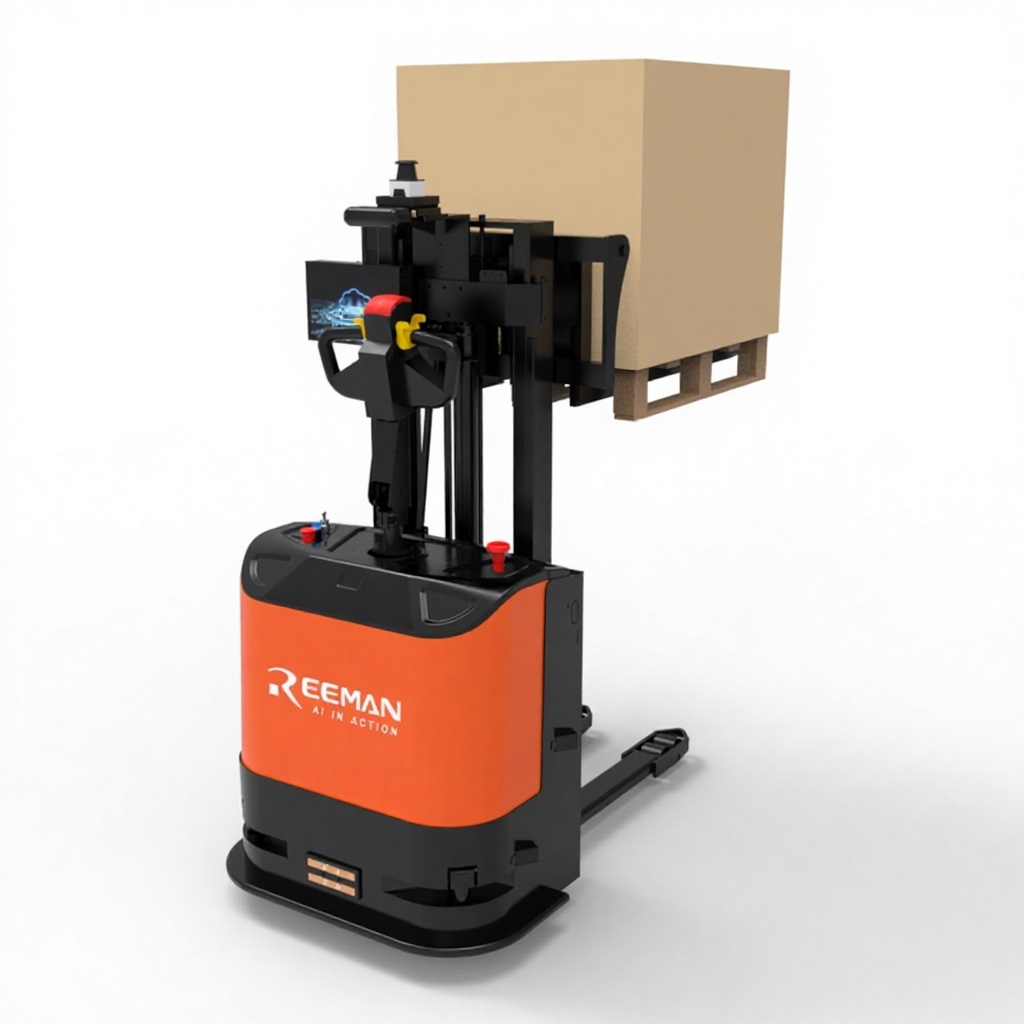
REEMAN Rhino RBOT30F Autonomous Stacker Forklift 3D Vision Obstacle Avoidance Warehouse AGV Robot
For 3PLs and warehouse operators in the I-85 and airport logistics corridors, this stacker platform addresses pallet stacking and replenishment. 3D vision obstacle avoidance helps manage mixed forklift and pedestrian zones.
- Autonomous stacker forklift platform
- 3D vision obstacle avoidance
- Warehouse AGV deployment
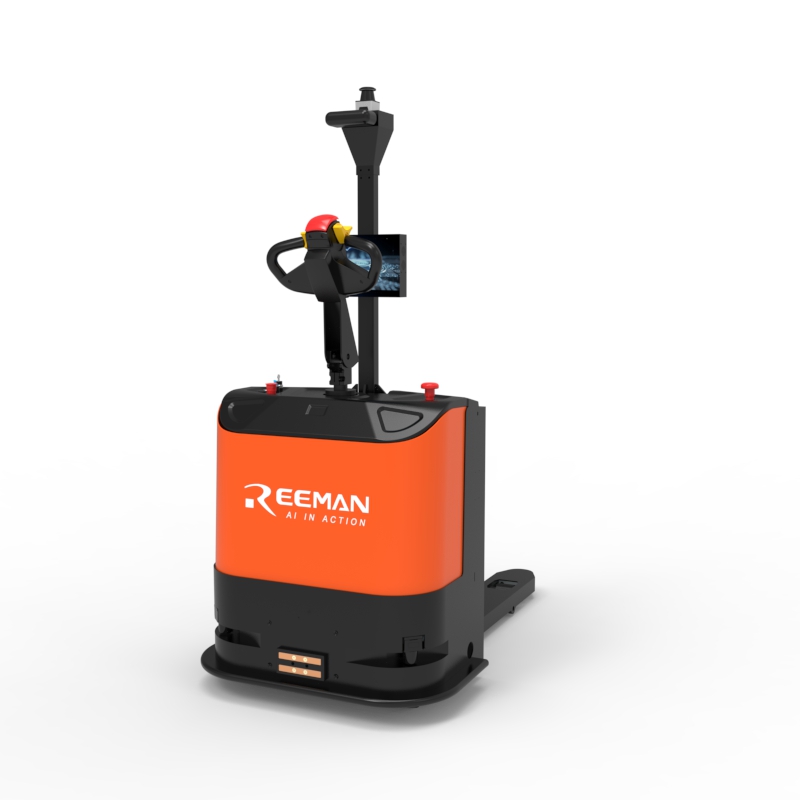
1500kg Laser SLAM AGV Forklift Single Line Lidar 30mm Navigation Accuracy 1019mm Forks 570mm Width Industrial Handling
A heavy-duty AGV forklift for dock-to-rack moves where repeatable fork alignment matters. The published 30 mm navigation accuracy and 1019 mm fork length make it a candidate for industrial handling routes in Charlotte warehouses and production facilities.
- 1,500 kg handling class
- Single-line LiDAR SLAM, 30 mm navigation accuracy
- 1019 mm forks / 570 mm width
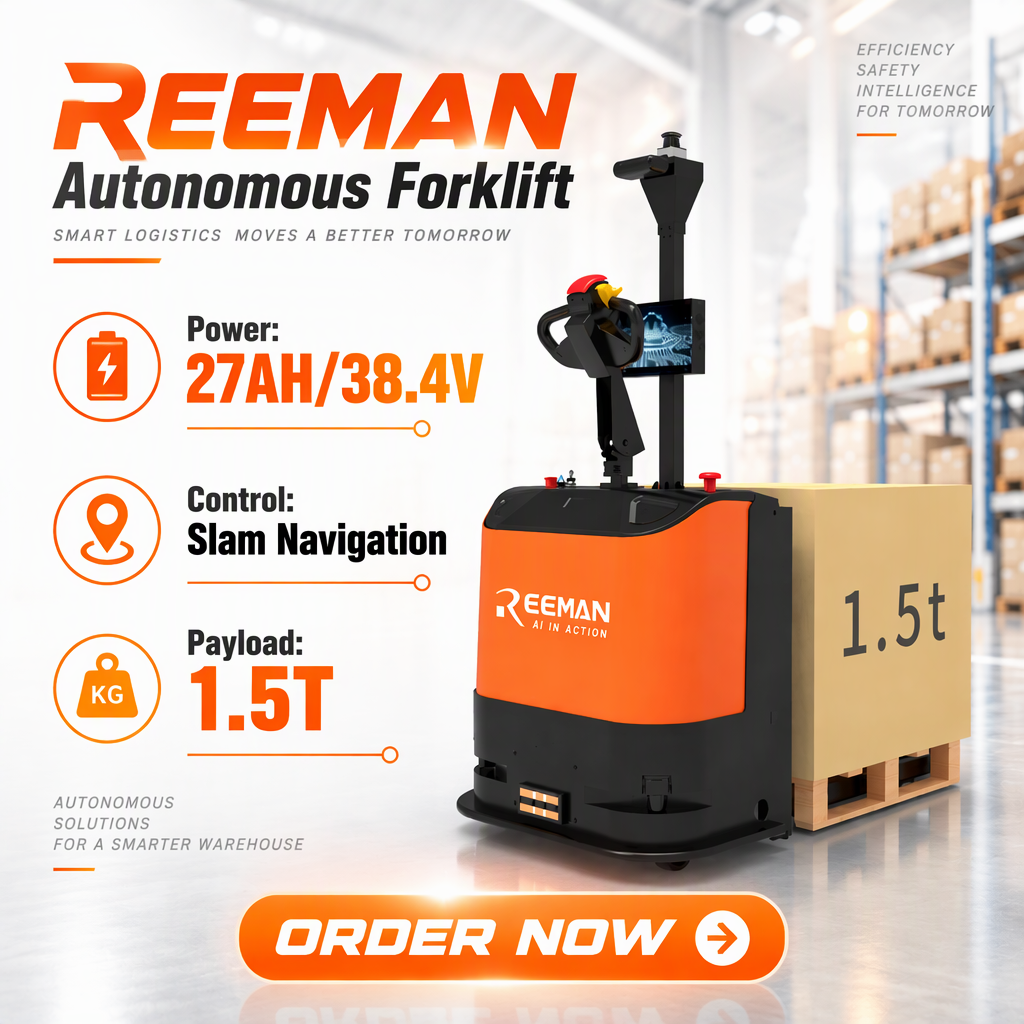
Reeman 1.5 Ton Autonomous Forklift AGV SLAM Navigation 3D Obstacle Avoidance Bidirectional Driving Indoor Warehouse
This indoor autonomous forklift is designed for warehouse teams that need familiar pallet handling with bidirectional travel. SLAM navigation and 3D obstacle avoidance suit repetitive put-away and line-feeding routes where floor tape is undesirable.
- 1.5 ton load class
- SLAM navigation + 3D obstacle avoidance
- Bidirectional indoor warehouse driving
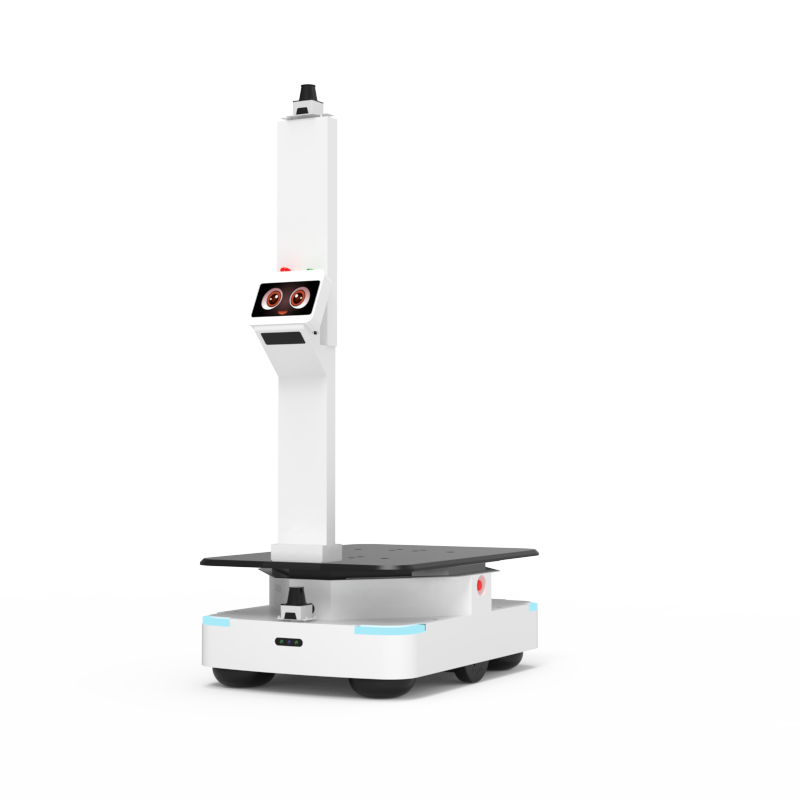
600kg Payload Laser Navigation AMR Robot Autonomous Lifting Warehouse Transfer Equipment
A practical AMR for cross-docking, tote transfer and shelf movement inside distribution centers. For Charlotte e-commerce operations, it can bridge receiving, packing and outbound staging without rebuilding the floor.
- 600 kg payload class
- Laser navigation for autonomous transfer
- Warehouse lifting and material movement
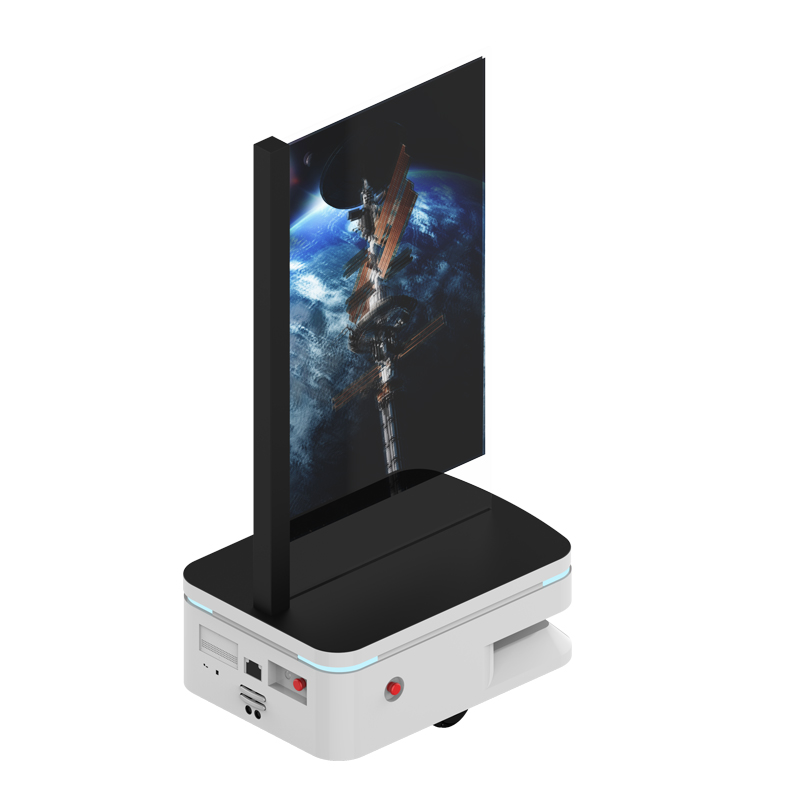
75 Inch Indoor LED Digital Poster Touch Screen Display SDK OEM ODM Black Signage for Retail Store Elevator Airport
Not every guest-facing automation task requires a mobile base. This 75-inch touch display can be paired with delivery robots at hotels, airport concessions and retail service counters to provide wayfinding, menus, product information and queue guidance.
- 75-inch indoor LED touch display
- SDK / OEM / ODM project support
- Retail, elevator lobby and airport signage
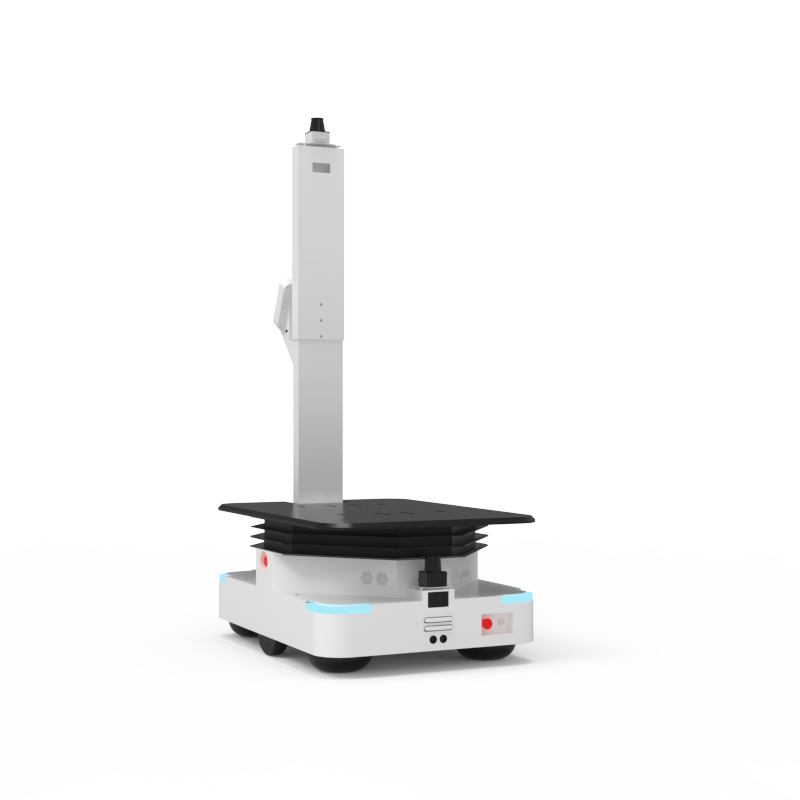
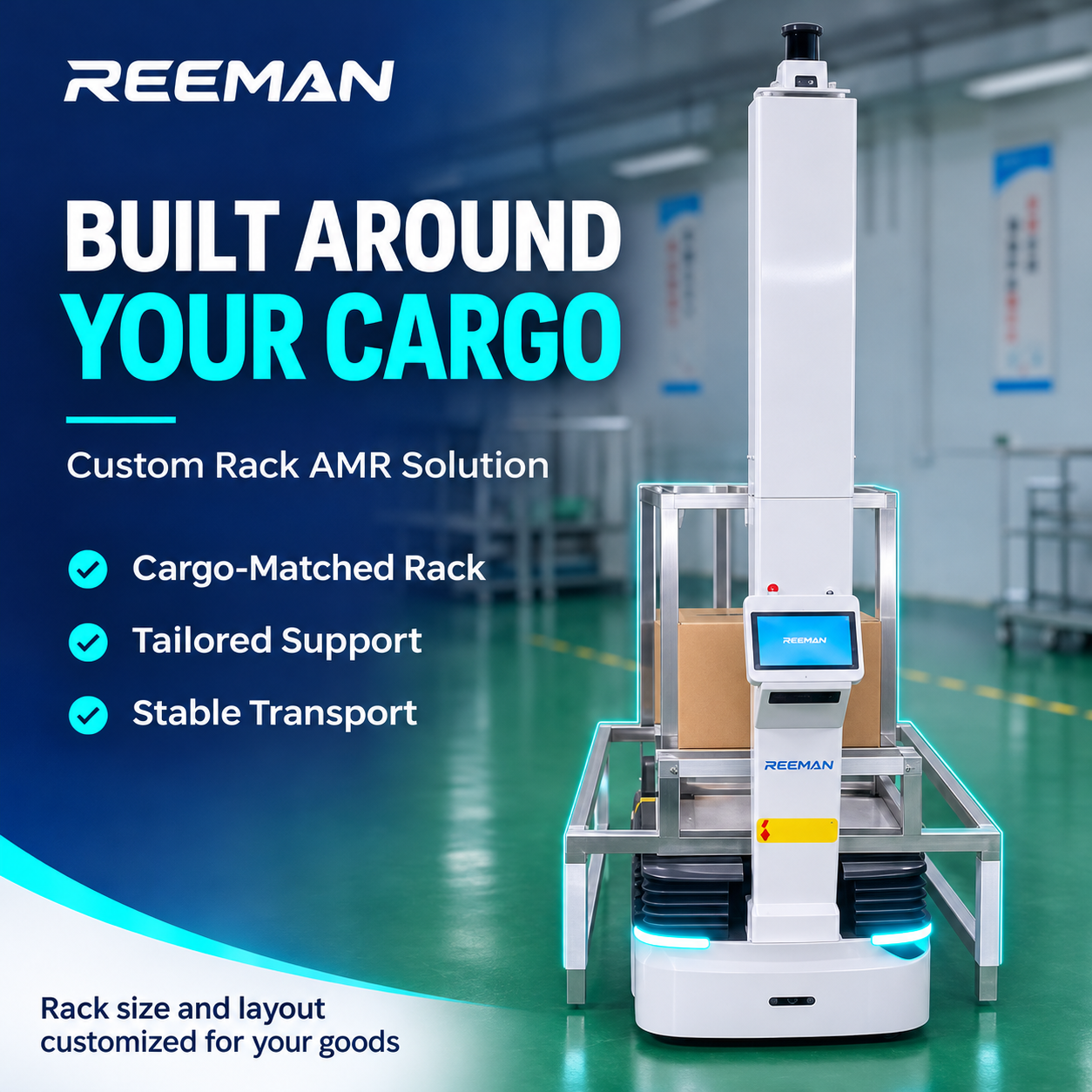
REEMAN Autonomous Mobile Robot AGV AMR 600kg Payload Sheet Metal Material Handling for Production Line
Sheet-metal shops and production lines need controlled handling of flat, heavy materials. This REEMAN AMR is positioned for production-line material handling and can be scoped with top modules around your cart, rack or fixture strategy.
- 600 kg payload class
- Sheet-metal material handling
- Production-line transfer and WIP movement
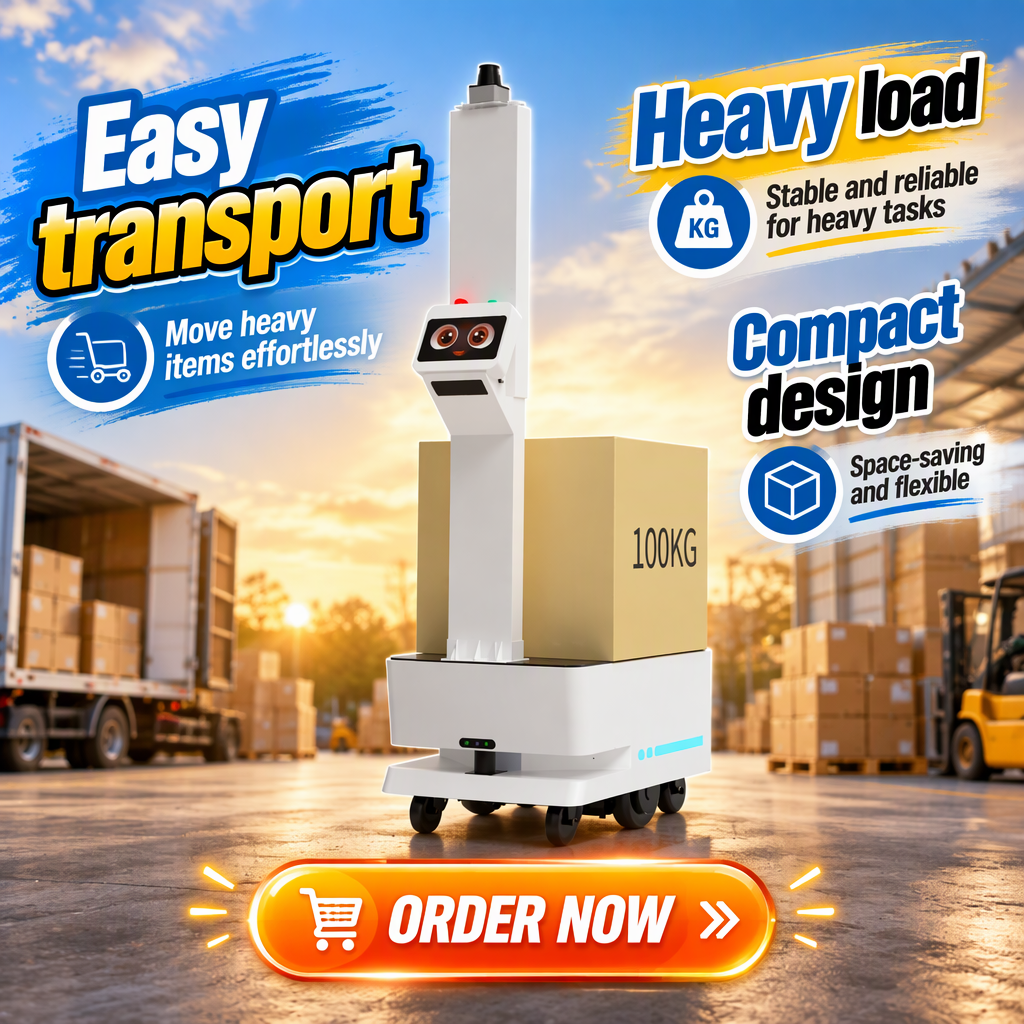
Reeman Autonomous Mobile Robot Slam Navigation PLC Core Components Warehouse Logistics
For integrators building a Charlotte fleet, this SLAM navigation platform uses PLC core components and is suited to warehouse logistics tasks. It can become a wholesale or OEM building block for systems that require repeatable navigation and task integration.
- SLAM navigation
- PLC core components
- Warehouse logistics and fleet integration
Factory Data Charlotte Buyers Can Audit
Wholesale relationships become stronger when factory facts are visible. The figures below summarize the manufacturing, engineering and response profile behind the product line.
What Charlotte Buyers Should Evaluate Before Shortlisting a Supplier or Wholesaler
Charlotte is a high-growth, mixed-use market. A supplier that only quotes payload and price can miss the real constraints: narrow service corridors, managed freight elevators, loading-dock scheduling, fire-door integrations, and the need for a route to remain usable during events or peak delivery windows.
1. Define public vs. private routes
Private warehouses, hospital corridors, hotel back-of-house areas and corporate campuses can often move faster than public sidewalks or street crossings. A serious wholesale partner will separate the operational route from the regulatory route, document property boundaries and identify where facility management, the City of Charlotte or NCDOT may need to review public right-of-way questions.
2. Audit elevator, door and dock handoffs
Uptown and South End buildings often have managed elevators, access-controlled service doors and shared loading zones. The site survey should confirm door interfaces, Wi-Fi coverage, floor thresholds, elevator dispatch behavior, fire-alarm logic and emergency response. These handoffs often determine whether a delivery robot pilot feels reliable or fragile under daily pressure.
3. Price the full work cycle
Compare suppliers on pickup time, drop time, charging windows, queueing at elevators, exception recovery and spare-part response. A low-cost robot that blocks a hospital corridor during shift change is more expensive than a well-scoped fleet. Ask for the assumptions behind throughput estimates, and require a factory test record before shipment.
Where Autonomous Delivery Robots Fit in Charlotte
The strongest first projects use repeatable routes, clear ownership and a measurable labor or service problem. These Charlotte-specific scenarios help buyers move from general curiosity to a defensible business case.
Uptown, South End & NoDa hospitality
Hotels, restaurants and entertainment venues can use delivery robots for back-of-house supply runs, amenity delivery and guest-facing guidance. Private service corridors and staff-only elevators should be mapped first; public sidewalk use requires separate regulatory review and stakeholder coordination.
Hospital and medical campuses
Charlotte medical districts require quiet, safe and predictable material movement. Robots can move non-clinical supplies, linens, meal trays and administrative items after infection-control, elevator and emergency-response protocols are reviewed with facilities and EHS teams. Clinical use should be validated separately.
3PL, e-commerce and airport logistics
The I-85 and airport logistics corridor depends on dock velocity and labor flexibility. AMRs and autonomous forklifts can support replenishment, cross-docking and outbound staging, with fleet dispatch tied to WMS tasks, charging schedules and peak-season labor plans.
Advanced manufacturing & sheet metal
Line-side delivery, WIP transfer and finished-goods movement are natural first projects because routes are repeatable. A 300 kg to 1,500 kg mixed fleet can share mapping and task logic while payload modules match carts, racks or fixtures used in Charlotte production plants.
University City, Ballantyne & campuses
Corporate and education campuses often start with mail, parcels, lab supplies and cafeteria replenishment. Private roads and building interiors reduce policy friction, while open APIs let facilities teams connect robot tasks to access control, service desks and custom dashboards.
Retail, airports and exhibition spaces
Guest-facing robots and interactive displays can support wayfinding, promotions and multilingual service. The strongest projects pair a mobile delivery base with a fixed 75-inch touch display rather than expecting one form factor to cover every interaction. This matters in SouthPark retail, airport hospitality and event venues.
Local Trends Shaping Autonomous Delivery Adoption
Charlotte buyers are not adopting robots in isolation. They are responding to labor availability, building complexity, customer expectations and the need for auditable safety documentation.
Private-property-first adoption
Many Charlotte projects begin inside warehouses, hospitals, hotels and campuses because the operating boundary is clearer. Private-property pilots create data on route reliability, battery use and exception handling before a team considers public-facing delivery or sidewalk use.
Mixed traffic and elevator orchestration
Uptown, South End and medical campuses combine pedestrians, carts, service elevators and scheduled deliveries. Buyers increasingly ask for speed zoning, obstacle avoidance, elevator dispatch logic and exception alerts rather than simple point-to-point navigation claims.
Warehouse labor flexibility
3PL and e-commerce operators in the airport and I-85 corridors need to flex labor during peaks. Autonomous forklifts and AMRs can absorb repeatable transfer work while associates focus on exceptions, quality checks and customer-specific handling.
Healthcare internal logistics
Healthcare systems continue to look for reliable movement of supplies, linens and meals without adding pressure to clinical teams. The procurement conversation now includes infection control, elevator priority, quiet operation and documented emergency procedures — not only payload.
OEM and wholesale demand from integrators
Local integrators want proven robot chassis and AMR platforms they can brand, customize and support. Open SDK/API access, modular top plates and buyer-label options let a Charlotte distributor build a repeatable offer without starting hardware development from zero.
Safety documentation and auditability
Facilities, EHS and insurance stakeholders expect more than a demo video. They ask for risk assessments, emergency-stop behavior, speed limits, obstacle-avoidance evidence and spare-part plans. Suppliers that can answer these questions shorten the path from pilot to repeat order.
Why Elvorn Supports Charlotte Distribution and Integration
A wholesale partner should reduce technical risk for the buyer. These advantages are built around that requirement: navigation without floor infrastructure, open integration, modular payloads, safety layers, owned production capacity and export-ready support.
Laser SLAM without floor infrastructure
Elvorn robots map a site in hours and navigate without magnetic tape, QR codes or reflectors, so layout changes do not require floor work. This is especially valuable in leased Charlotte facilities where permanent floor modification may be restricted.
Open SDK and API integration
AMRs and robot chassis provide an open SDK and API for secondary development. Integrators can connect robots to WMS, MES, ERP, custom dashboards, doors, elevators and access-control systems, with task dispatch and status feedback built into the project scope.
Modular payload platforms
From 60 kg delivery robots to 2-ton autonomous forklifts on shared control architecture, Elvorn uses modular platforms that simplify fleet training and maintenance. For wholesalers, this creates a product family rather than a one-off machine catalogue.
Multi-layer safety engineering
LiDAR, obstacle sensors, emergency stops and speed zoning help keep robots safe around pedestrians, forklifts and racking. Project scoping should still include site-specific risk assessment and operating rules, because safety is a system property, not only a robot feature.
Own production capacity
Shenzhen Elvorn Intelligent Equipment Co., Ltd. operates two production bases in Shenzhen and Ningbo, with on-site material inspection and supplier assessment procedures. The factory has been verified onsite by SGS Group, and management systems are certified to ISO 9001 and ISO 14001.
Export-ready wholesaler support
English documentation, remote commissioning, operator training materials and spare-part planning support buyers across North America, Europe, Asia and the Middle East. Export terms include FOB and T/T payment in USD or CNY, with OEM, design service and buyer-label options available.
 R&D and headquarters · Shenzhen
 Assembly & production workflow
 Certificates, patents & partner wall
Inside Elvorn: Manufacturing Evidence Charlotte Buyers Can Audit
Founded in 2015, Shenzhen Elvorn Intelligent Equipment Co., Ltd. is a national high-tech enterprise focused on robotic platform technology and autonomous driving. The company designs, builds and supports autonomous forklifts, industrial AMRs, robot chassis, delivery robots and cleaning robots for buyers in multiple regional markets.
The in-house R&D team owns the full stack — laser SLAM navigation, motion control, fleet scheduling and hardware — which shortens customization cycles and gives distributors and integrators direct engineering answers. Two production bases in Shenzhen and Ningbo support production and long-term spare-part supply.
For Charlotte buyers, this matters because a wholesaler must answer questions about integration, safety, documentation and after-sales support — not only provide a product photo. The factory has been verified onsite by SGS Group, management systems are certified to ISO 9001 and ISO 14001, and individual models carry CE, FCC or PSE marks depending on configuration and market.
- Verified custom manufacturer
- ISO 9001 & ISO 14001
- CE / FCC / PSE models
- OEM, design & buyer-label service
Match the Robot to the Load & Workflow
This matrix helps Charlotte buyers compare product families before a detailed site survey. Final configuration depends on route width, pallet type, pickup and drop heights, battery strategy and integration scope.
| Product family | Load / format | Navigation | Typical Charlotte fit |
|---|---|---|---|
| Dual Laser AMR 300 kg | 300 kg | Dual LiDAR SLAM | Manufacturing cells, lab supply delivery, line-side transfer |
| Rhino RBOT30F Stacker | Stacker | 3D vision obstacle avoidance | Pallet stacking, warehouse replenishment, 3PL operations |
| 1500 kg Laser SLAM AGV Forklift | 1,500 kg | Single-line LiDAR | Dock-to-rack handling, industrial routes, heavy pallet movement |
| 1.5 Ton Autonomous Forklift AGV | 1.5 ton | SLAM + 3D obstacle avoidance | Bidirectional indoor warehouse travel, put-away, line feeding |
| 600 kg Laser Navigation Lifting AMR | 600 kg | Laser navigation | Tote transfer, shelf movement, cross-docking support |
| 75-Inch Indoor Touch Display | 75 inch | Fixed / mobile signage | Hotel lobbies, airport areas, retail wayfinding, event guidance |
| 600 kg Sheet-Metal AMR | 600 kg | SLAM navigation | Production-line WIP, sheet-metal handling, manufacturing logistics |
| Reeman SLAM AMR with PLC Core | Configurable | SLAM navigation | Warehouse logistics, fleet integration, OEM / wholesale platform |
Note: final configuration such as mast height, fork size, battery, top module and software interface is confirmed after reviewing the Charlotte site layout, load data and throughput target.
From Site Survey to Stable Operation
A robot order is only one part of a deployment. This five-step process reduces integration risk for Charlotte buyers, distributors and integrators.
Requirement review
Share layout drawings, route photos, load weight, pallet or cart type, pickup and drop heights, shift pattern and target throughput.
Solution design
Engineers recommend models, fleet size, charging plan, safety rules and integration scope for WMS, MES, doors or elevators.
OEM / customization
Buyer-label options, top modules, payload structures, software interfaces and packaging are configured around the wholesale or end-user program.
Factory validation
Function and load tests are performed before shipment, with test records available for buyer due diligence and site planning.
Charlotte launch support
Remote mapping guidance, operator training materials, English documentation and spare-part planning help the local team stabilize operations.
Frequently Asked Questions by Charlotte Buyers
These answers address common procurement, integration, local policy and wholesale questions raised by facility teams, 3PL operators, integrators and distributors serving the Charlotte market.
Are you a Charlotte-based robot manufacturer or a supplier/wholesaler serving Charlotte?
+
What is the difference between an autonomous forklift and a delivery AMR?
+
Can these robots work in Uptown Charlotte buildings with elevators and managed doors?
+
Do I need a permit to operate a delivery robot in Charlotte?
+
Can you integrate with our WMS, MES, ERP or building systems?
+
Do you offer OEM, ODM and buyer-label programs for Charlotte distributors?
+
Which certifications and audits apply to Elvorn robots?
+
What are the trade terms and support model for Charlotte orders?
+
How should a Charlotte buyer prepare for an inquiry?
+
Plan Your Charlotte Autonomous Delivery Project
Share your floor plan, load data and throughput target. We will respond with a shortlist, integration questions and an OEM/wholesale path if you are building a local distribution offer.