8 Autonomous Transport Robots for Fort Worth Material Flow
Fort Worth buyers rarely need a generic robot catalogue. They need a platform that matches pallet condition, aisle width, lift height, WMS or MES integration, charging strategy, and local service expectations. The eight models below are practical starting points for Dallas-Fort Worth distribution centers, fabrication shops, food facilities, and integrator-led automation projects.
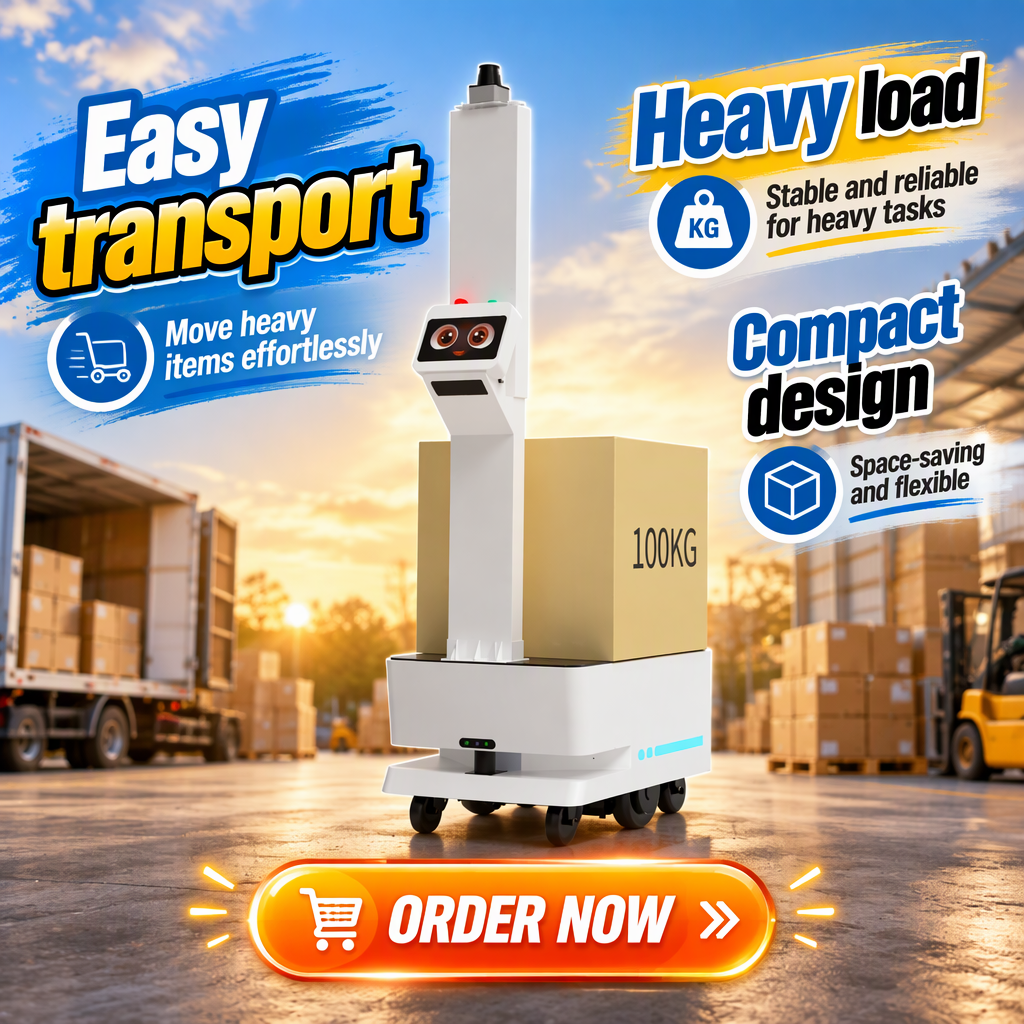
Reeman Autonomous Mobile Robot Slam Navigation PLC Core Components Warehouse Logistics
A PLC-oriented AMR platform for Fort Worth warehouse logistics where maintenance teams prefer familiar industrial controls and clear service access. It is suited to repeatable transport between receiving, staging, and production buffers.
- Laser SLAM navigation without fixed tape
- Warehouse logistics task routing
- PLC core for maintainable deployment
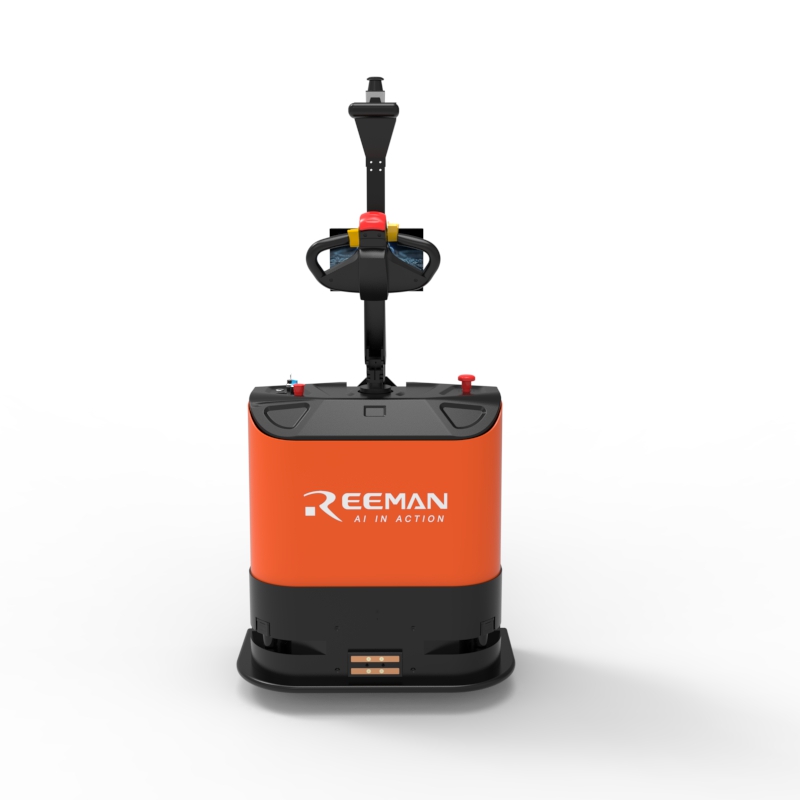
1500kg Laser SLAM Autonomous Forklift AGV Reflector-Free Point-to-Point Warehouse Material Handling
Reflector-free point-to-point pallet handling is valuable in leased Fort Worth facilities because layout changes do not require floor marker work. This platform fits dock-to-staging, put-away, and inter-zone transfer routines.
- 1500 kg rated handling class
- No reflectors or magnetic tape
- Pallet movement in warehouse zones
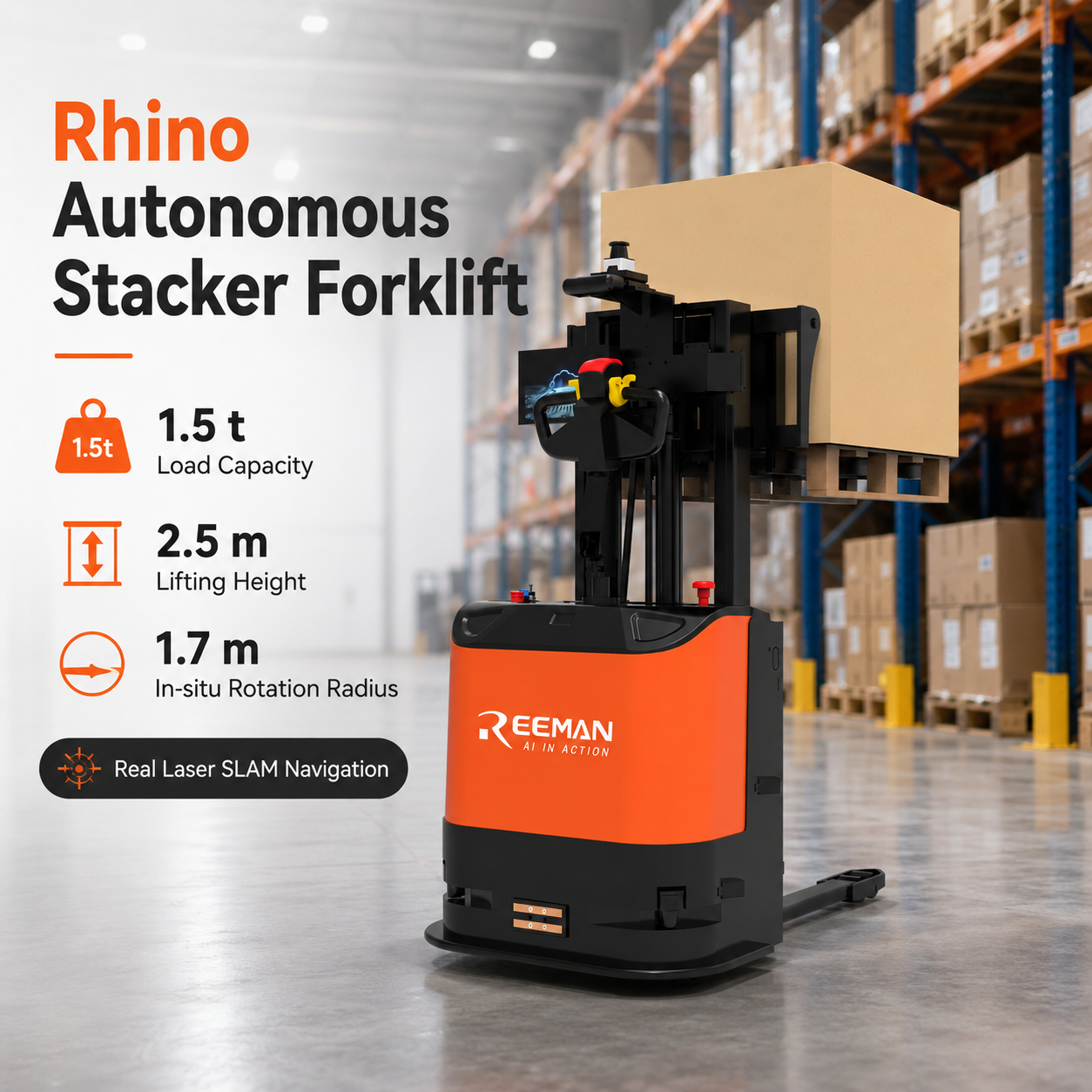
Laser SLAM Autonomous Stacker Forklift 1500 kg Load AGV Pallet Handling Robot Laser Obstacle Avoidance Warehouse
For Fort Worth operations that need low-rack stacking or pallet repositioning, this stacker combines laser obstacle avoidance with a compact handling format. It is useful where a full forklift is oversized for the route.
- Stacker configuration for pallet handling
- Laser obstacle avoidance
- Warehouse stacking and transfer
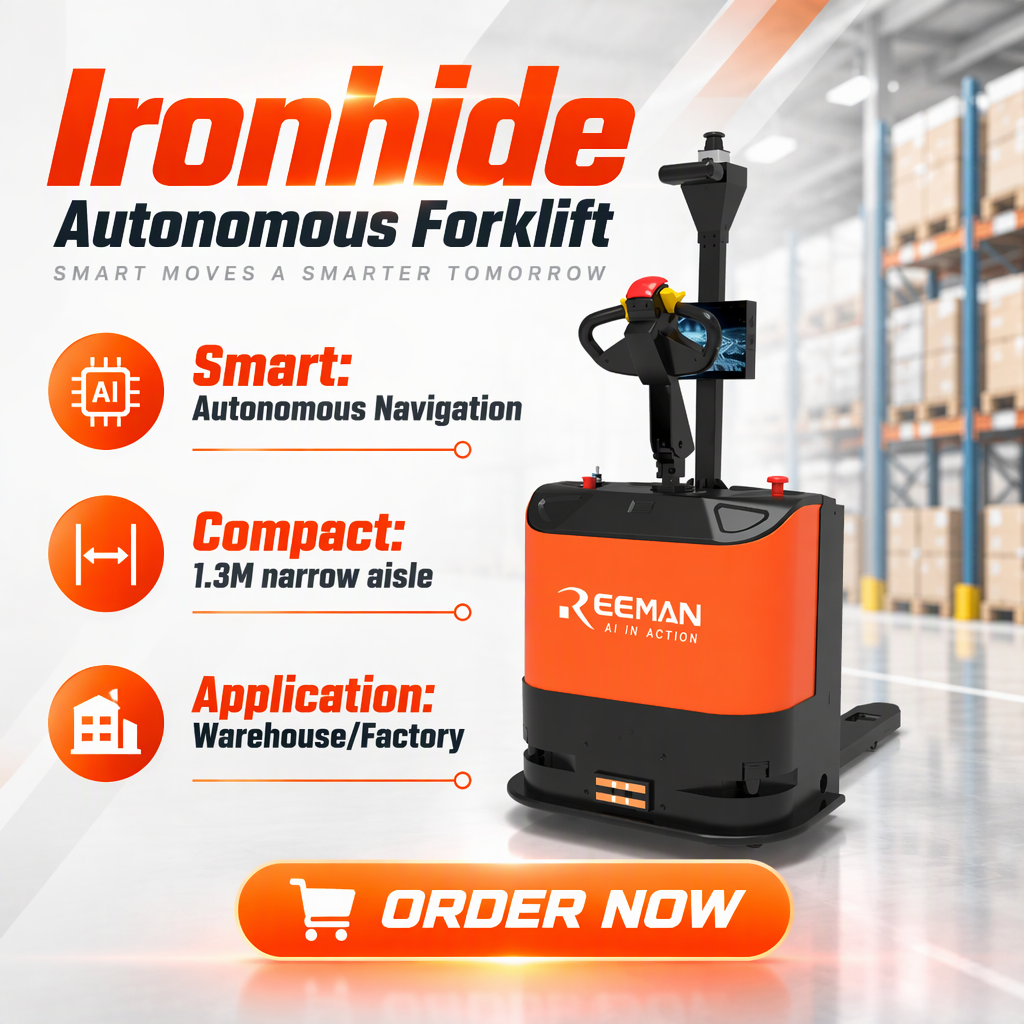
Reeman 1.5 Ton Autonomous Forklift AGV 3D Obstacle Avoidance Bidirectional Driving 48V 30AH Lithium-Ion Battery
Bidirectional driving and 3D obstacle avoidance make this 1.5-ton platform relevant for Fort Worth facilities with high pallet turnover and mixed pedestrian traffic. The 48V lithium-ion battery strategy supports multi-shift planning.
- 1.5-ton autonomous forklift platform
- 3D obstacle avoidance and bidirectional drive
- 48V 30AH lithium-ion battery
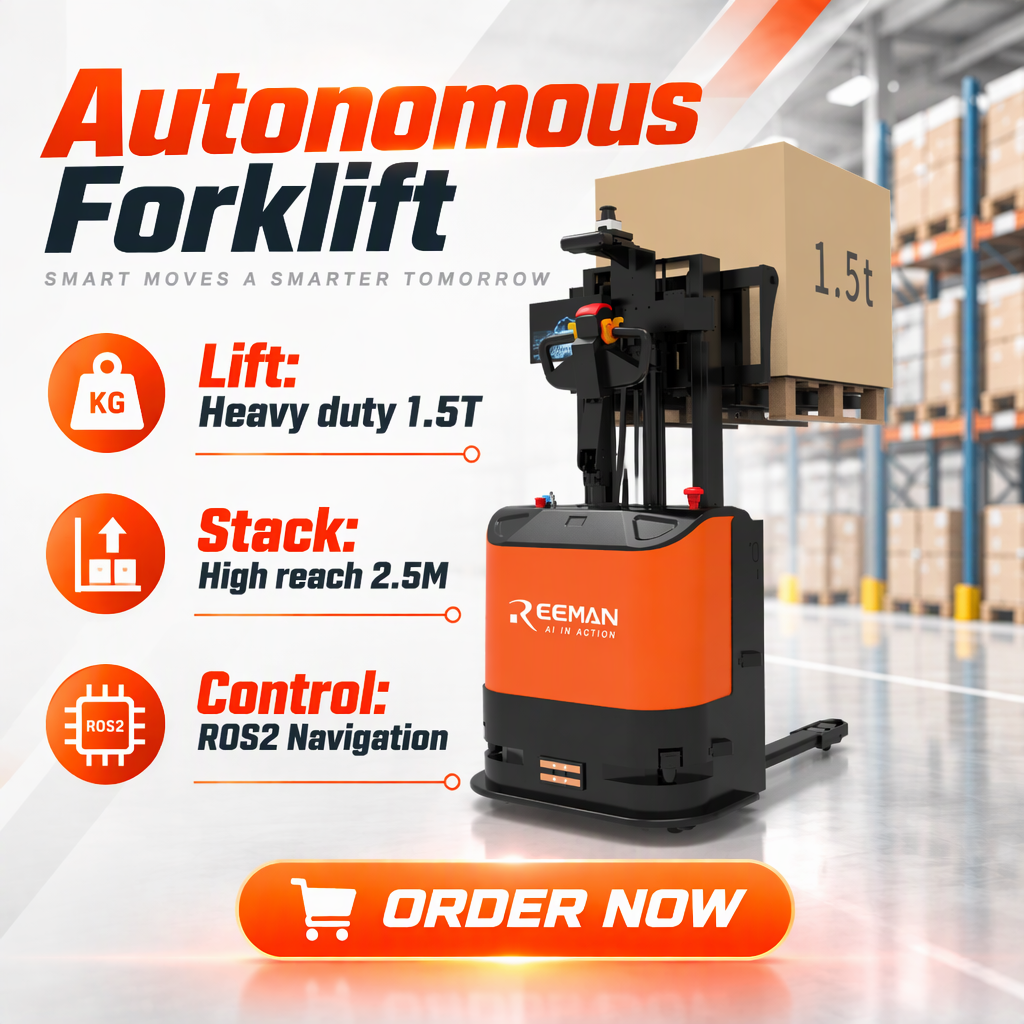
Autonomous Electric Forklift AGV 1500kg Load Capacity 2.5M Lift ROS2 Navigation 4WD Lithium-Ion Battery Indoor Material Handling
ROS2 navigation, 4WD traction, and 2.5 m lift capacity make this model a strong fit for indoor material handling in Fort Worth manufacturing and distribution. It is built for projects that expect software integration beyond basic route following.
- 1500 kg load capacity and 2.5 m lift
- ROS2 navigation architecture
- 4WD lithium-ion indoor handling
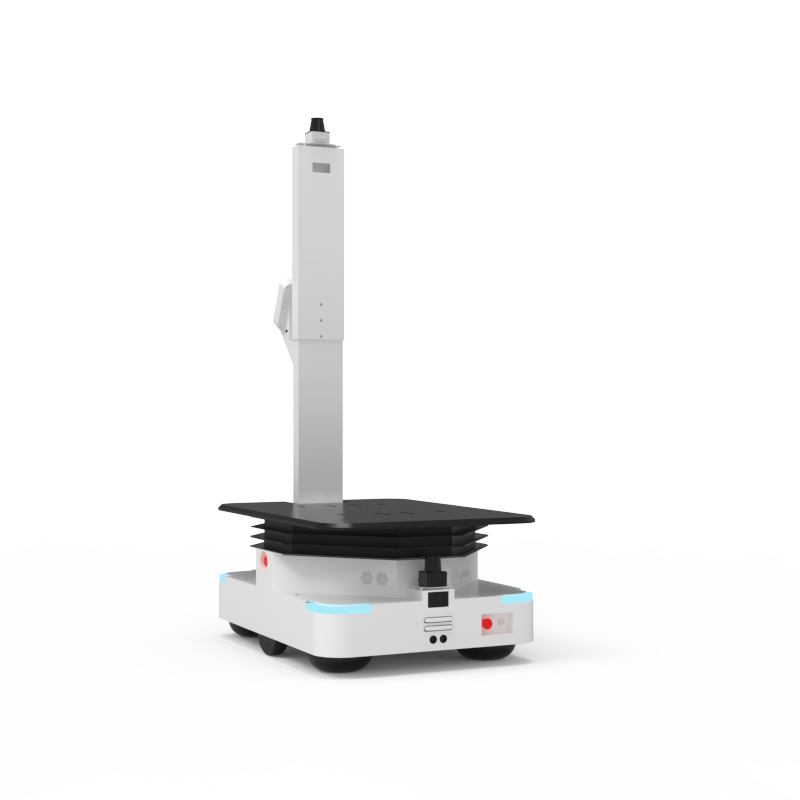
REEMAN Autonomous Mobile Robot AGV AMR 600kg Payload Sheet Metal Material Handling for Production Line
Sheet metal handling demands stable load control and repeatable line-side delivery. This 600 kg AMR is suited to Fort Worth fabrication, metal products, and production-line replenishment where manual cart moves create variability.
- 600 kg payload for production logistics
- Sheet metal and WIP transfer
- Line-side material handling
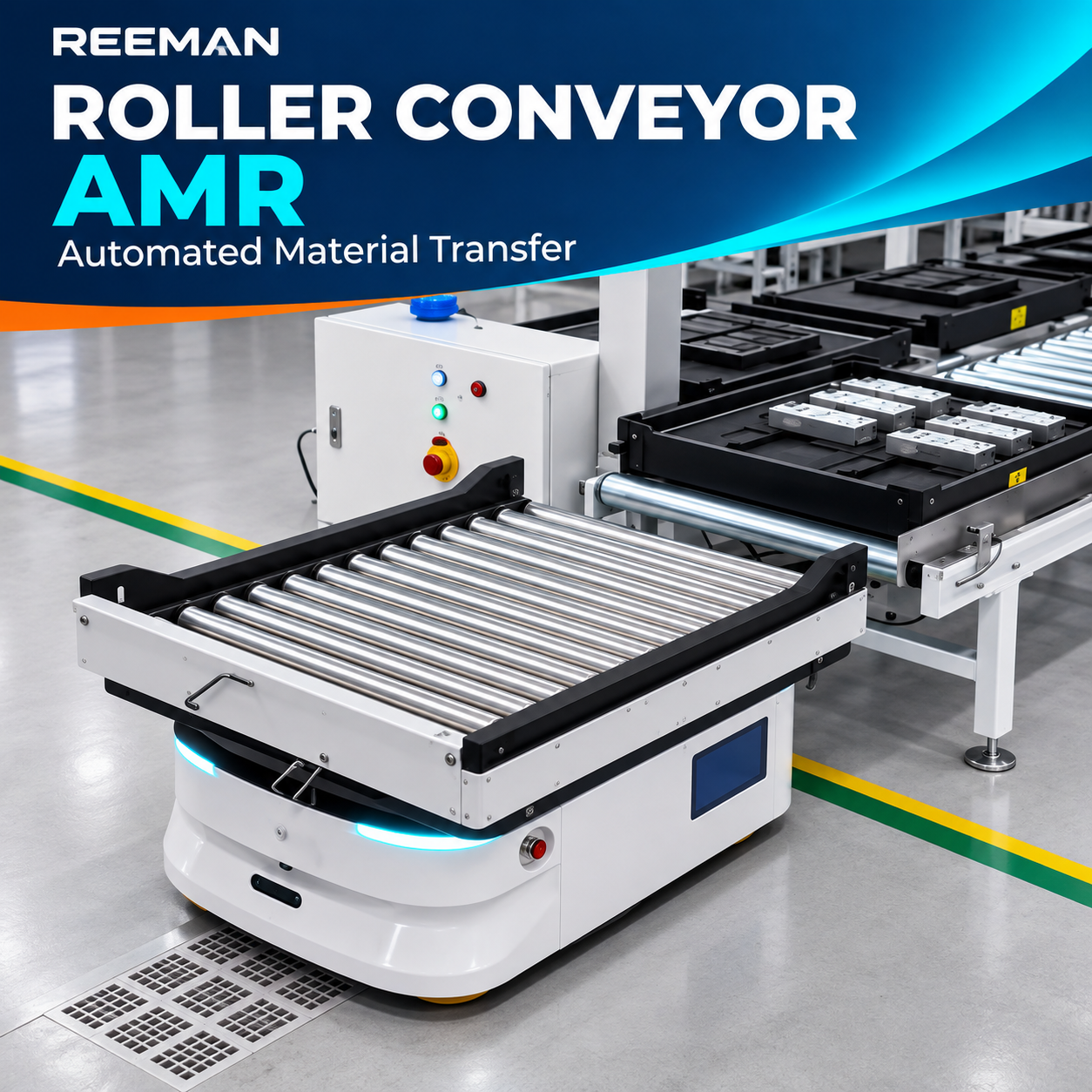
Roller Conveyor AMR Robot with SDK and API for Custom Development and System Integration
This platform is designed for integrators and OEM teams that need a conveyor interface plus open software access. Fort Worth system integrators can use the SDK and API to connect robot tasks with existing warehouse or production software.
- Roller conveyor top module
- Open SDK and API access
- Custom development and integration
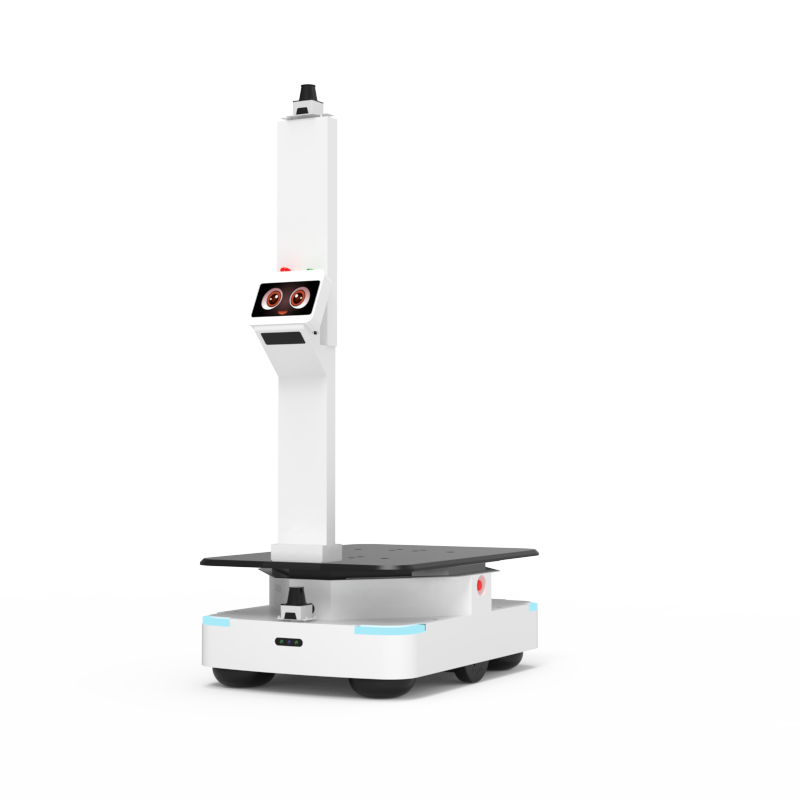
600kg Payload Laser Navigation AMR Robot Autonomous Lifting Warehouse Transfer Equipment
A flexible lifting AMR for warehouse transfer where carts, totes, or shelf-based loads must move without fixed conveyor lines. It is relevant to Fort Worth e-commerce, assembly, and mixed-carton fulfillment operations.
- 600 kg payload and lifting transfer
- Laser navigation for warehouse routes
- Flexible material flow without fixed lines
Not sure which model fits your Fort Worth aisle, pallet profile, lift height, and throughput target? Share your layout and load data with our application engineers.
Contact UsKey Metrics Behind the Supplier Recommendation
For Fort Worth procurement teams, a robot supplier is only credible when factory capability, engineering ownership, and export support are visible. These are the core facts behind Shenzhen Elvorn Intelligent Equipment Co., Ltd.
Why Fort Worth Buyers Shortlist a CE Certified Factory, Not Just a Robot Catalogue
Fort Worth sits inside one of the fastest-moving industrial and logistics regions in Texas. From AllianceTexas distribution campuses to metal fabrication, aerospace suppliers, food processors, and e-commerce fulfillment centers, local buyers face the same core problem: material movement must become more predictable without creating new operational risk. A robot that works in a demonstration video is not enough. The supplier must show navigation stability, safety logic, integration options, spare-parts planning, and a realistic commissioning path.
Shenzhen Elvorn Intelligent Equipment Co., Ltd. was founded in 2015 as a national high-tech enterprise focused on robotic platform technology and autonomous driving. The company designs and builds autonomous forklifts, industrial AMRs, robot chassis, delivery robots, cleaning robots, and disinfection robots. Its in-house R&D team covers laser SLAM navigation, motion control, fleet scheduling, and hardware — the full stack required to answer engineering questions instead of forwarding generic catalogues.
The information gain for Fort Worth procurement teams is practical: two production bases in Shenzhen and Ningbo, a verified custom-manufacturing workflow, open SDK/API access for AMR and chassis platforms, and export experience across North America, Western Europe, Eastern Asia, Southeast Asia, and the Middle East. Elvorn supports OEM service, design service, buyer-label customization, custom top modules, and packaging adaptation. For projects that need CE-related documentation, model-level CE, FCC, or PSE marks are available depending on configuration.
- Verified custom manufacturer with SGS onsite assessment
- ISO 9001 and ISO 14001 management systems
- CE, FCC, or PSE marks by model and target market
- Open SDK/API and OEM/ODM customization



Six Advantages That Reduce Fort Worth Deployment Risk
When local buyers compare autonomous transport robot suppliers, the decisive factors are usually navigation flexibility, integration depth, safety review readiness, and long-term support — not headline payload alone.
Laser SLAM Without Fixed Infrastructure
Maps a Fort Worth facility in hours and navigates without magnetic tape, QR codes, or floor reflectors. That matters in leased warehouses, growing 3PL sites, and production areas where layouts change more often than capital budgets allow.
Open SDK and API Integration
AMRs and robot chassis support secondary development, enabling task dispatch and status feedback from WMS, MES, ERP, elevator controls, doors, and custom dashboards. Integrators can build a repeatable Fort Worth deployment model instead of one-off islands.
Modular Payload Platforms
From 60 kg service robots to 2-ton autonomous forklifts, shared control architecture simplifies fleet training and maintenance. A Fort Worth operation can phase automation instead of replacing every material flow at once.
Multi-Layer Safety Logic
Lidar, obstacle sensors, emergency stops, and speed zoning help robots operate around pedestrians, forklifts, and racking. Final safety configuration is still site-specific, so buyers should complete a risk assessment and define traffic rules before deployment.
Own Production Capacity
Two production bases, in-house material inspection, and supplier assessment procedures support customization and repeat orders. Factory testing before shipment helps Fort Worth buyers review function and load performance before equipment reaches the site.
Export-Ready Support
English documentation, remote commissioning, and spare-part supply support buyers outside China. Standard trade terms include FOB and T/T payment in USD or CNY, with service coverage for North America, Europe, Asia, and the Middle East.
Localized Scenarios Where Autonomous Transport Robots Pay Back
The Dallas-Fort Worth metroplex combines distribution, manufacturing, food logistics, and integrator activity. These scenarios reflect the questions local buyers ask during model selection and site review.
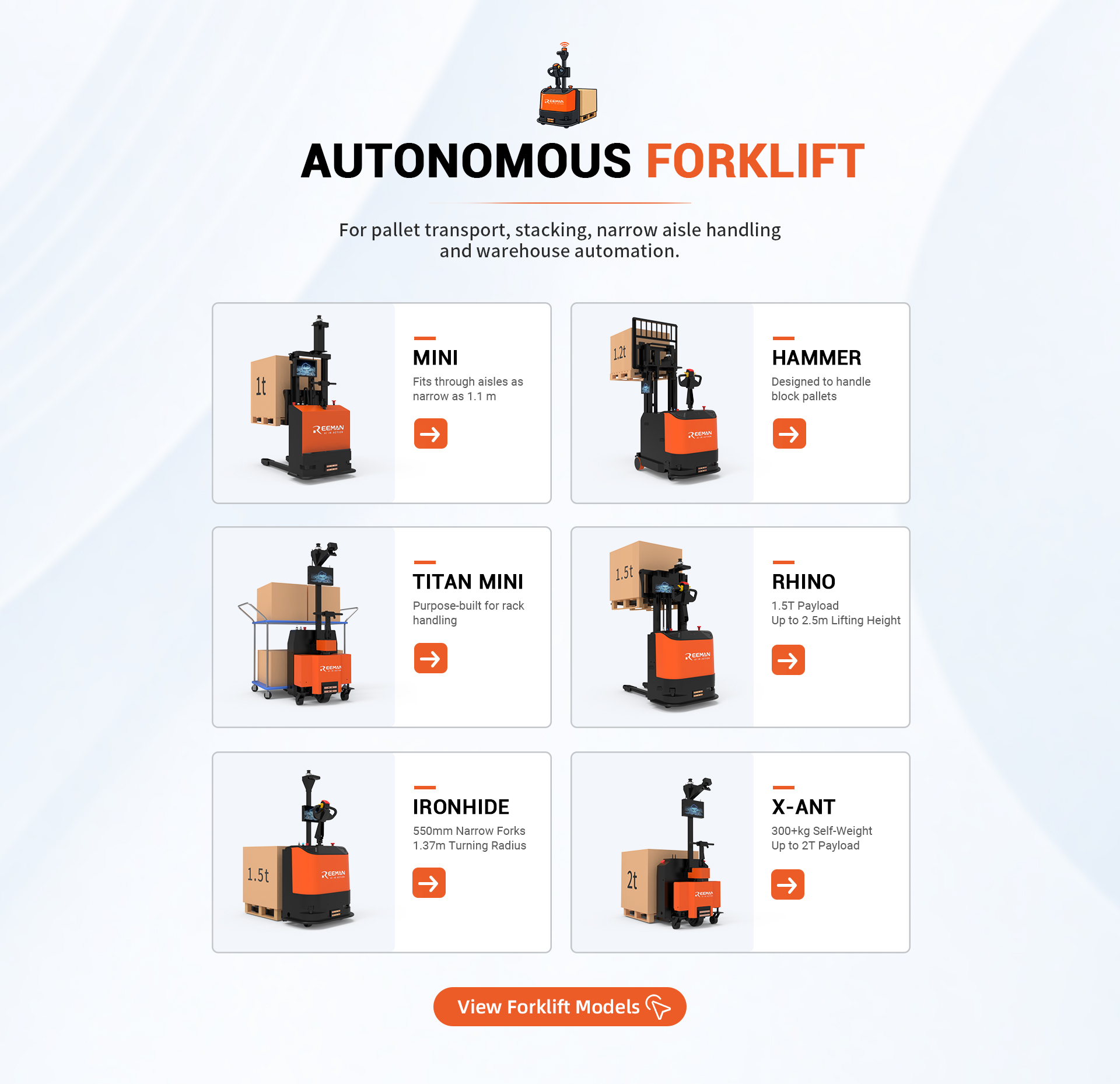
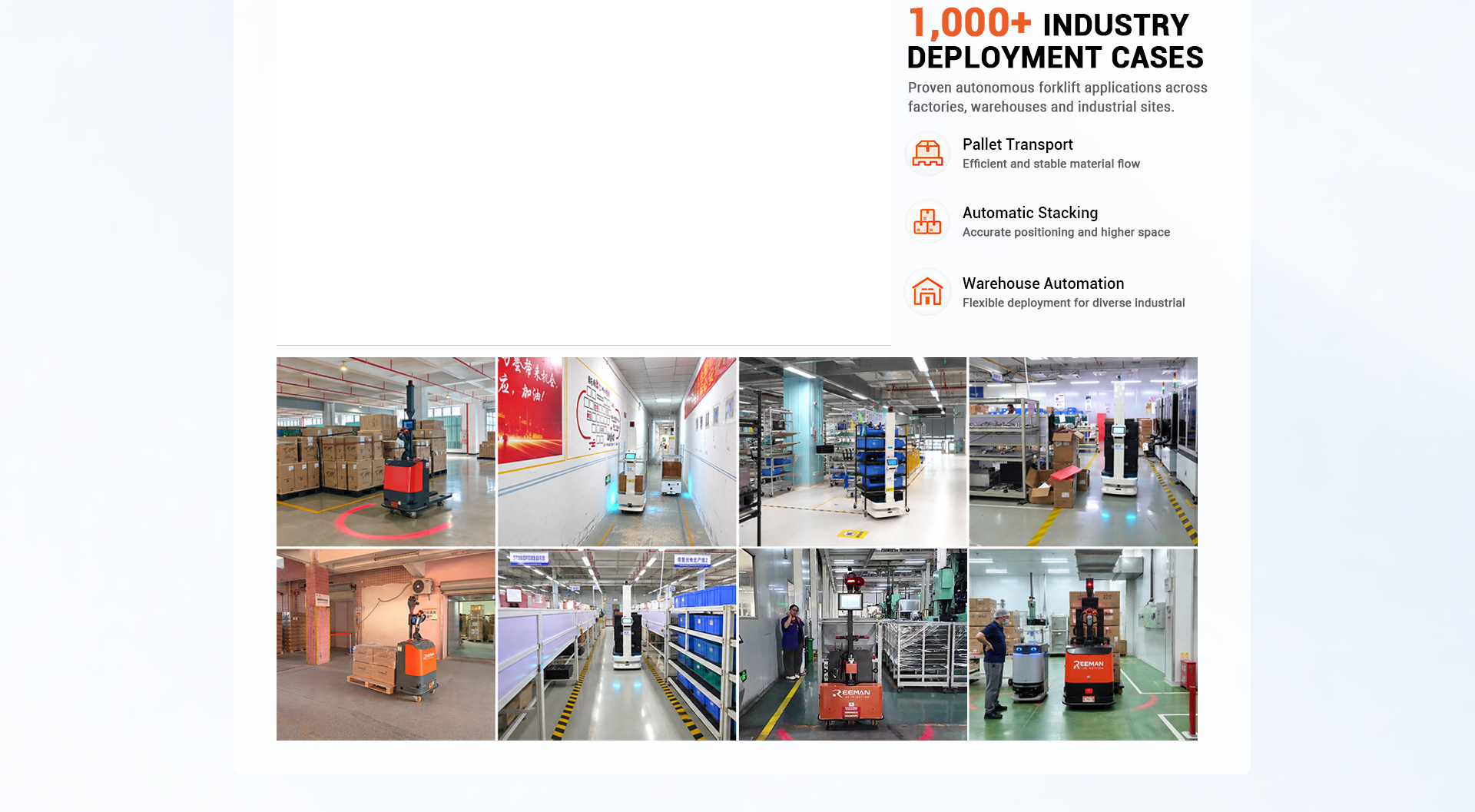
Pallet Flow Automation
Fort Worth distribution centers around AllianceTexas and the I-35W corridor depend on repeatable dock-to-staging moves. Laser SLAM forklifts reduce empty travel and support night-shift coverage without fixed floor markers.
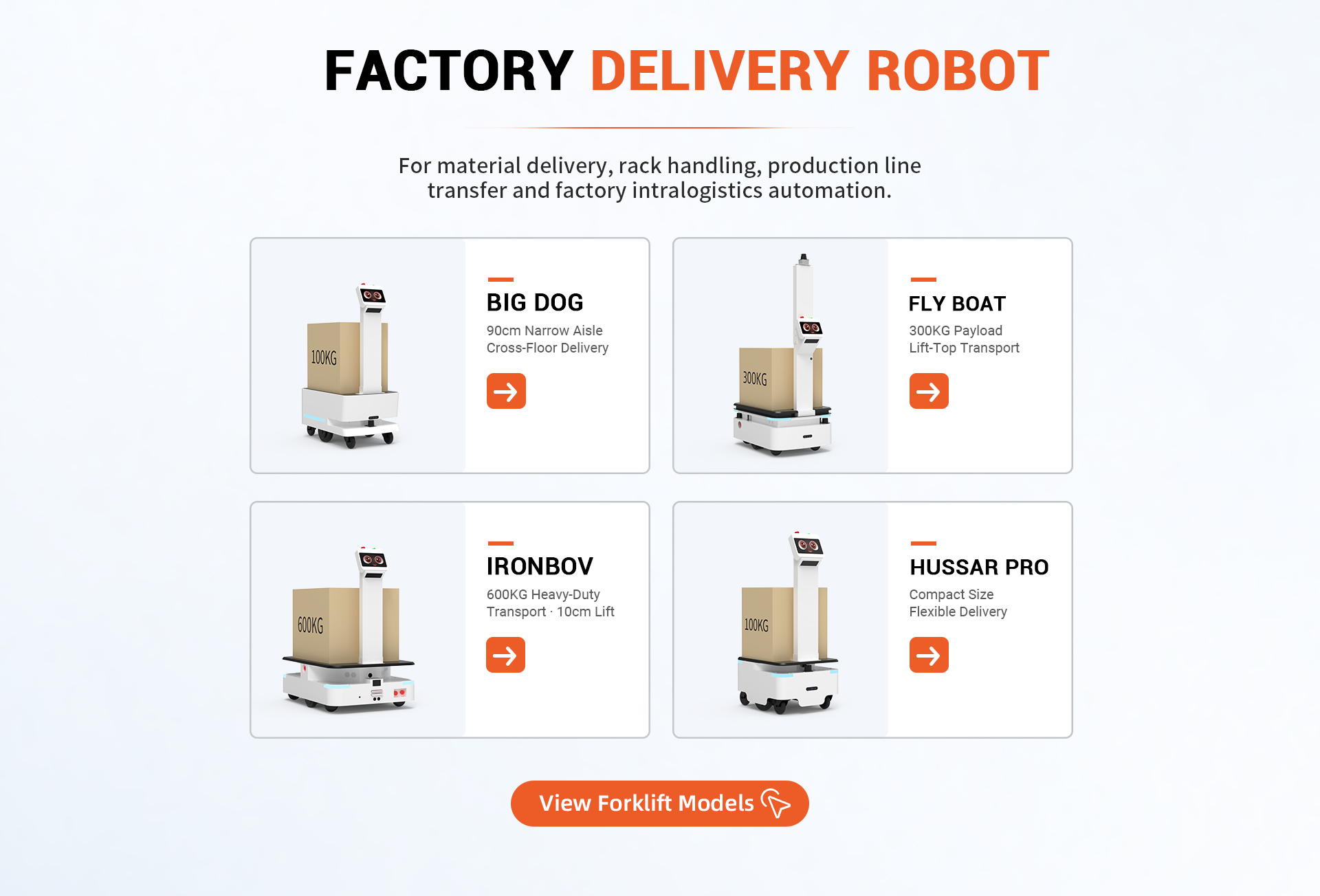
Line-Side Logistics
Metal fabrication, machinery, aerospace suppliers, and assembly operations need consistent WIP movement. A 600 kg AMR can feed workstations and collect finished goods while WMS or MES tasks define the route.
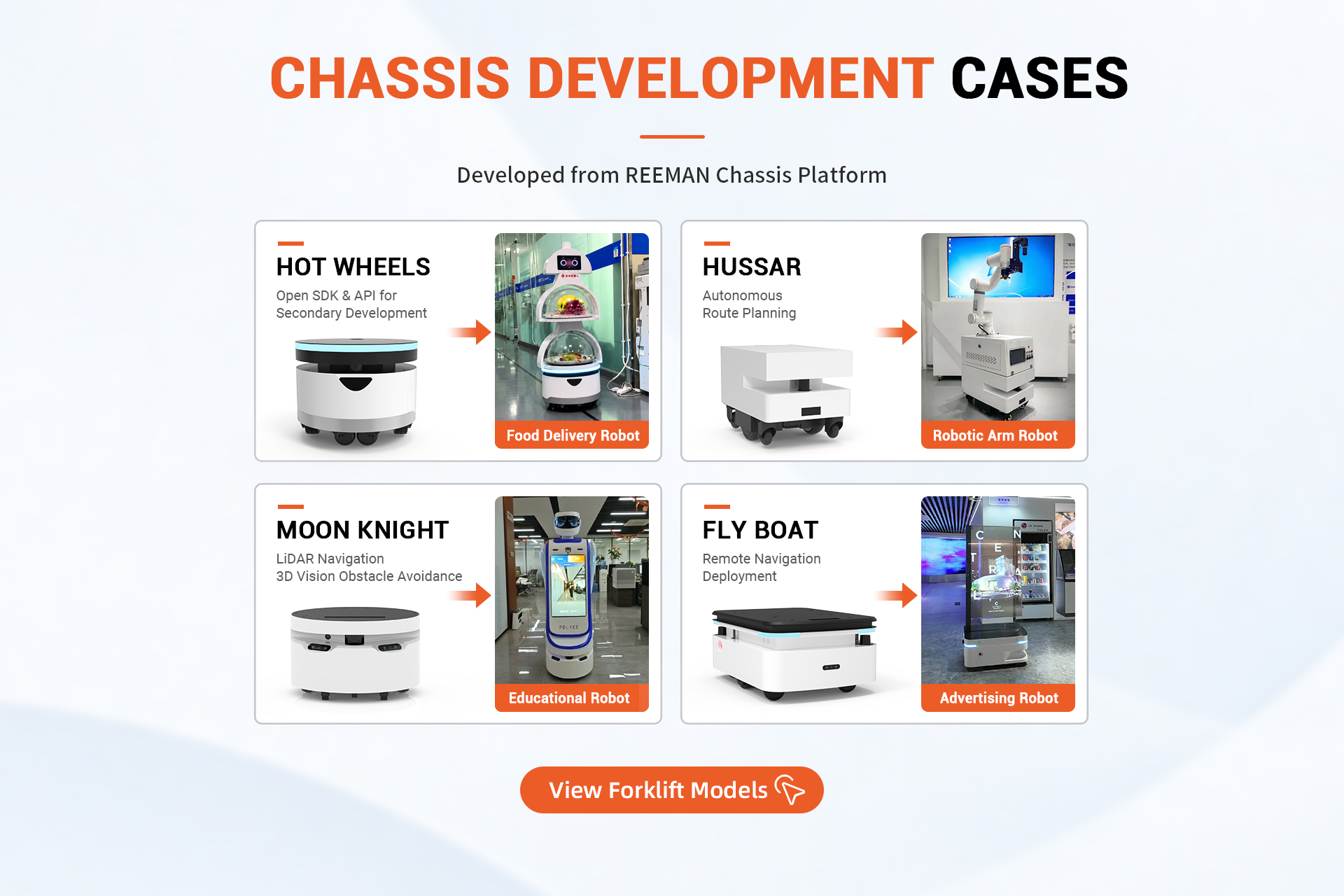
Custom Robot Development
Fort Worth integrators often need a robot chassis with open software access, not a closed appliance. SLAM chassis platforms with SDK/API shorten time-to-market for branded robots and specialized top modules.
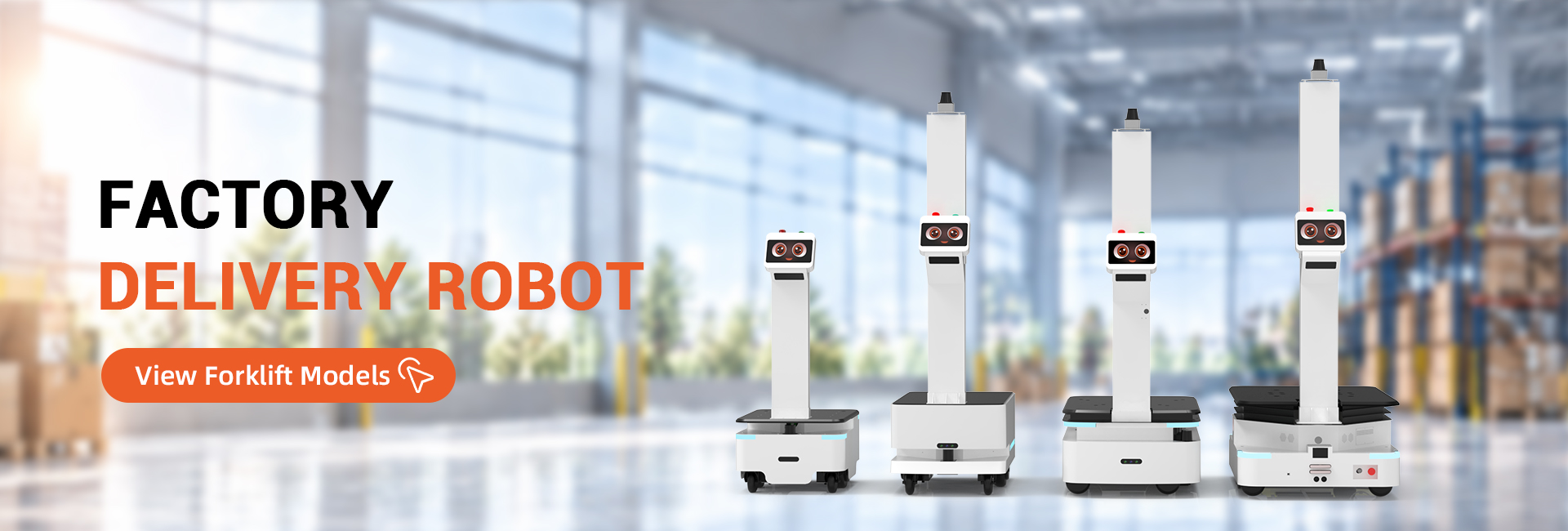
Restaurant and Hotel Delivery
Fort Worth hospitality operators use service robots to handle food runs, room delivery, and repetitive staff walking. Reliable obstacle avoidance and simple route updates matter more than maximum speed.

Cleaning and Disinfection
Malls, airports, hospitals, and offices in the metroplex use autonomous floor care to stabilize cleaning quality. Scheduled route execution and obstacle handling reduce the variability of manual cleaning coverage.
Smart Guidance and Signage
Mobile advertising and reception robots engage visitors while moving through retail or exhibition spaces. AI voice interaction and autonomous navigation create a more flexible signage platform than fixed displays.
What Fort Worth Buyers Are Asking for in 2025 Automation Projects
Semantic search intent in Fort Worth is shifting from “robot price” toward “deployment evidence.” The local procurement conversation now includes integration, safety review, battery planning, and multi-site scalability.
Labor Resilience Over Headcount Cuts
Fort Worth warehouse and manufacturing operators are treating automation as a coverage strategy for turnover, training time, and shift gaps. Robots take repetitive travel so skilled staff can focus on exceptions, quality, and equipment uptime.
Integration-First Purchasing
Buyers no longer accept isolated robot cells. They ask whether an AMR can receive tasks from WMS, MES, or ERP, report status, and coexist with existing workflows. Open SDK and API capability has become a qualification item, not a bonus.
Safety Documentation Under Scrutiny
Safety reviews, insurance questions, and internal engineering sign-off now demand clearer evidence. Fort Worth buyers ask for site risk assessments, obstacle-avoidance details, emergency-stop logic, speed zones, and operator training plans.
Heat-Aware Battery and Charging Planning
Texas summers make charging-room ventilation, battery temperature management, and schedule design more important. Fort Worth facilities should plan charger placement, opportunity charging, and backup power around actual shift patterns.
Leased-Facility Flexibility
Many Fort Worth sites are leased or reconfigured often. Tape, reflectors, and fixed conveyors create sunk costs and change-control friction. Laser SLAM robots support re-mapping and route changes without major floor infrastructure.
Multi-Site Rollout and Fleet Data
Regional operators in Dallas-Fort Worth want a repeatable deployment template. Standardized models, shared charging strategy, fleet scheduling, and documented spare-parts lists help teams scale from one site to several without redesigning the program.
A Practical Procurement Model for Fort Worth Operations
Use a five-gate process before comparing prices: site data, route design, integration, safety, and lifecycle support. This approach is especially important in Fort Worth, where a single facility may combine dock traffic, narrow aisles, production cells, and pedestrian walkways.
1. Load and Route Audit
Record pallet condition, load weight, aisle width, floor flatness, dock plates, lift height, and peak throughput. A robot that performs well on a clean demo floor may need different sensors or route logic in a working warehouse.
2. Integration Map
Define how tasks are created and confirmed. Identify the WMS, MES, ERP, Wi-Fi coverage, charger locations, doors, elevators, and priority rules. Open SDK/API support can reduce custom middleware risk.
3. Safety and Traffic Review
Map blind corners, pedestrian crossings, forklift traffic, speed zones, and emergency-stop requirements. The final configuration should be validated by site stakeholders and reflected in operator training.
4. Lifecycle Support Plan
Agree on spare-parts packages, remote troubleshooting, operator training, battery strategy, and expansion path before purchase. This is where a verified factory and export support matter more than a low initial quote.
Illustrative Planning Targets to Validate
Use these as business-case discussion ranges, then confirm with a Fort Worth site survey and model proposal.
Due-Diligence Evidence for Fort Worth Procurement Teams
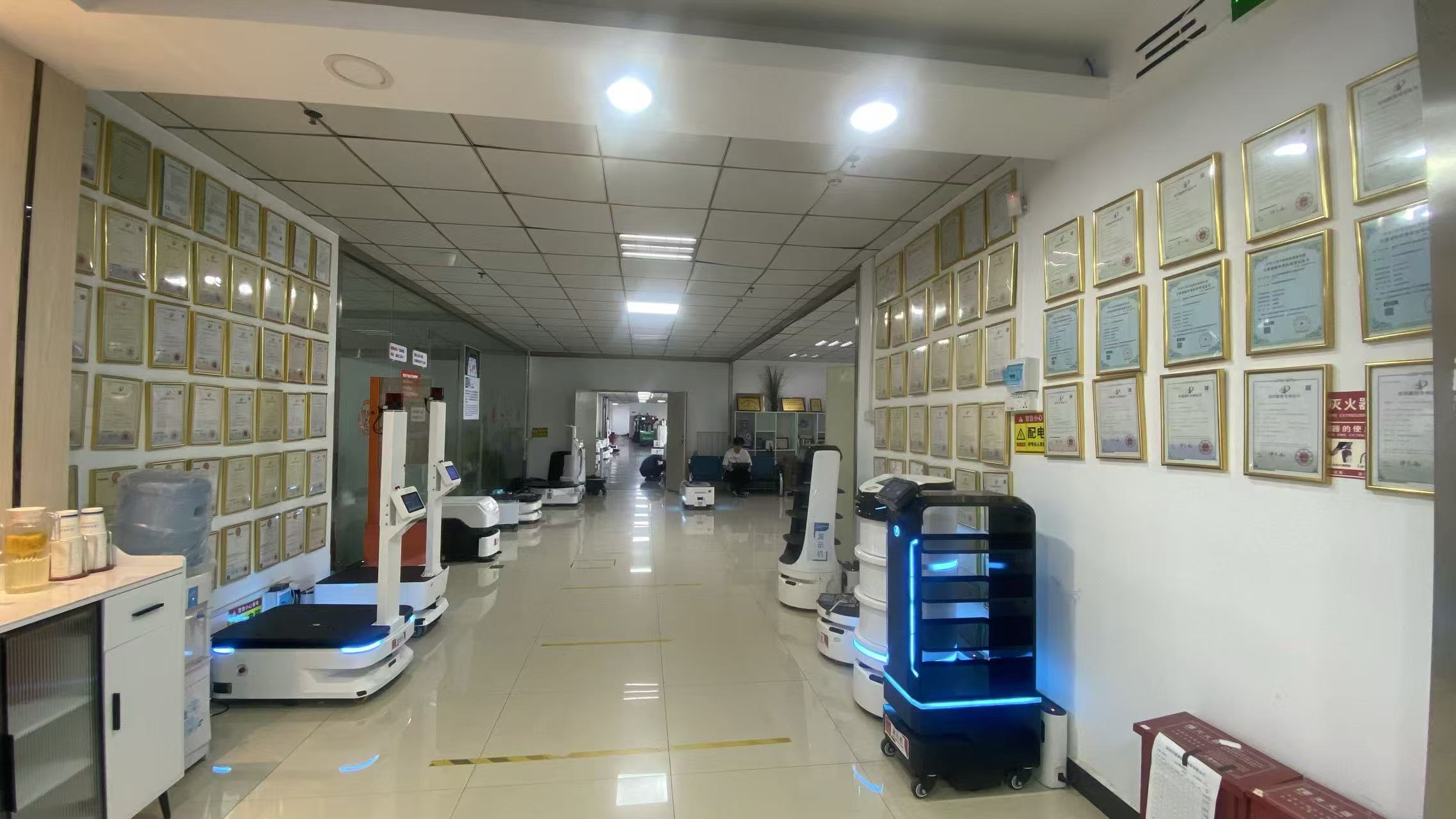
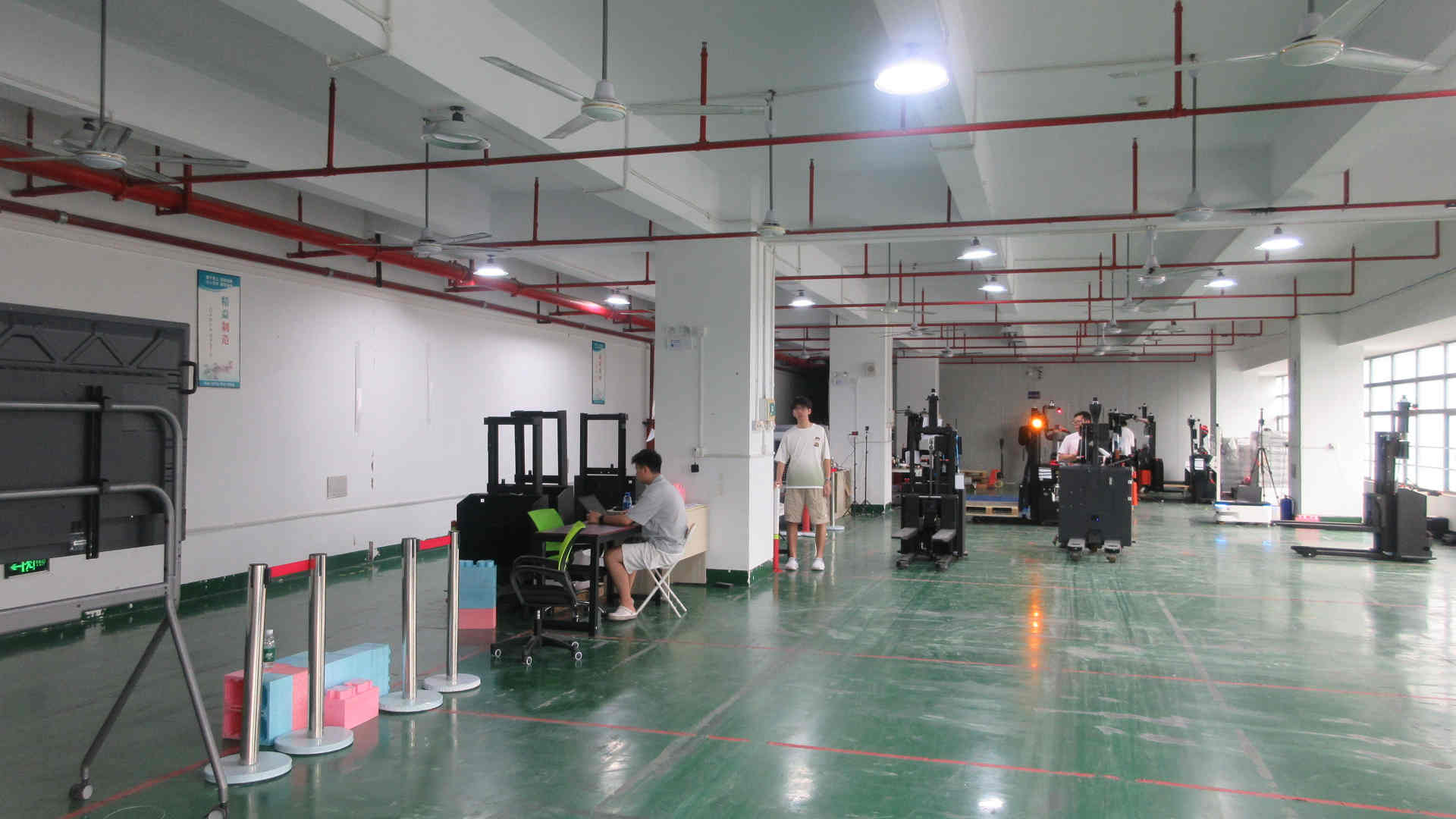
A credible autonomous transport robot supplier should make factory evidence easy to review. Elvorn’s advantage is not only the robot model range; it is the combination of in-house R&D, custom-manufacturing experience, export documentation, and an open integration approach.

What a Fort Worth Buyer Can Review
Elvorn’s factory evidence is designed to shorten procurement review. The company operates two production bases, uses supplier assessment and material inspection procedures, and has been verified onsite by SGS Group. Its management system is certified to ISO 9001 and ISO 14001, while individual robot models carry CE, FCC, or PSE marks depending on the destination market and configuration.
For OEM and ODM projects, engineering can customize top modules, payload structures, branding, and packaging. Buyers can request model datasheets, interface documents, factory test records, packing details, and spare-parts recommendations. This is not a catalogue-only offer; it is a customization workflow built around real material handling requirements.
- SGS onsite verified supplier assessment
- ISO 9001 and ISO 14001 management
- CE, FCC, and PSE model options
- OEM, ODM, and buyer-label service
- Open SDK/API for system integrators
- FOB, T/T, USD or CNY export terms



Fort Worth Buyer FAQ: Certification, Integration, Shipping, and Service
These are common procurement questions from Fort Worth manufacturers, warehouse operators, and integrators evaluating a CE certified autonomous transport robot supplier.
What does CE certification mean for a Fort Worth robot project?
CE marking is primarily an European Economic Area market requirement, but it is also a useful signal that a model has been designed with formal documentation and conformity processes. For Fort Worth deployment, buyers should still complete a site-specific safety review and verify applicable local electrical, safety, and workplace requirements. Elvorn offers CE, FCC, or PSE marked models depending on configuration and target market.
Can Elvorn robots integrate with a Fort Worth WMS, MES, or ERP?
Yes, for supported AMR and robot chassis platforms. Elvorn provides an open SDK and API for secondary development, allowing task dispatch and status feedback from warehouse management, manufacturing execution, or custom software systems. Integrators should define interface ownership, task priorities, error handling, and network coverage before deployment.
What project information should Fort Worth buyers prepare before a quote?
Prepare CAD layout or marked drawings, aisle widths, pallet type and condition, load weight, lift height, throughput target, shift schedule, charging location, Wi-Fi coverage, floor conditions, and dock interfaces. Photos of blind corners, pedestrian routes, and existing forklift traffic are also valuable. This allows engineers to recommend a model, fleet size, and integration scope instead of quoting a generic unit.
How are robots shipped and supported for a Fort Worth deployment?
Elvorn ships worldwide on FOB terms and accepts T/T payment in USD or CNY. Typical support includes English documentation, remote commissioning guidance, operator training materials, and spare-parts recommendations. For larger Fort Worth projects, buyers should agree on inspection records, packaging, shipping milestones, and a lifecycle support plan before the order is confirmed.
Do you offer OEM, ODM, and custom top modules for integrators?
Yes. As a verified custom manufacturer, Elvorn offers OEM service, design service, and buyer-label options. Customization can include top modules, payload structures, branding, and packaging. Fort Worth integrators can use the robot chassis or roller conveyor AMR platform as a base for application-specific solutions, subject to engineering review and project scope.
What battery, floor, and safety planning is needed in Texas facilities?
Fort Worth facilities should review charging-room ventilation, battery temperature management, opportunity charging windows, floor flatness, expansion joints, dock transitions, and network coverage. Safety planning should cover pedestrian zones, forklift traffic, blind corners, speed limits, emergency stops, and operator training. These items should be validated during the site survey, not after the robot arrives.
Ready to Specify a CE Certified Autonomous Transport Robot for Fort Worth?
Send your layout, load data, pallet profile, throughput target, and integration requirements. Our application engineers will help you shortlist the right autonomous forklift, AMR, or robot chassis platform for your Fort Worth facility.