CE Certified Autonomous Transport Robot Manufacturer & Exporter in Kyoto
A procurement-grade guide for Kyoto warehouses, factories, hotels, hospitals and cultural venues comparing laser SLAM autonomous forklifts, AMRs, delivery robots and commercial robots. Engineered by Shenzhen Elvorn—ISO 9001 / ISO 14001, SGS-verified factory data, CE / FCC / PSE model options and OEM/ODM support—and exported to Kansai with safety documentation, remote commissioning and long-term spare-parts planning.
Eight Autonomous Transport Robots for Kyoto Material Flow
These eight models cover pallet handling, narrow-aisle transport, factory logistics, outdoor delivery and guest-facing commercial use. Each product card states the most relevant Kyoto application so procurement teams can shortlist by task rather than by brochure language. Product URLs are preserved for specification review.
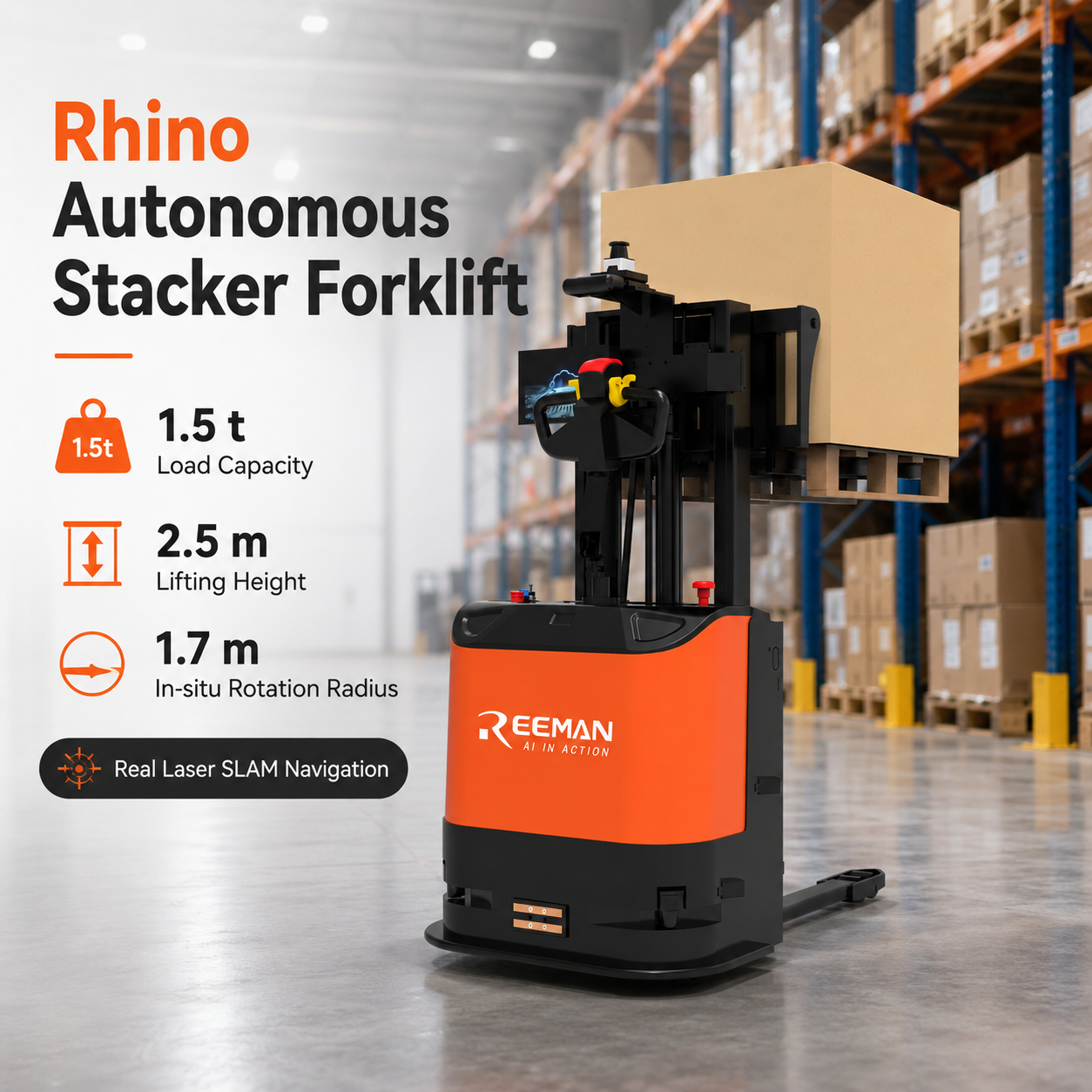
Laser SLAM Autonomous Stacker Forklift 1500 kg Load AGV Pallet Handling Robot Laser Obstacle Avoidance Warehouse
Best for 1.5 t pallet flows in Fushimi and Minami-ku warehouses, cross-dock transfer and stacker work where laser obstacle avoidance reduces floor modification.
View specifications →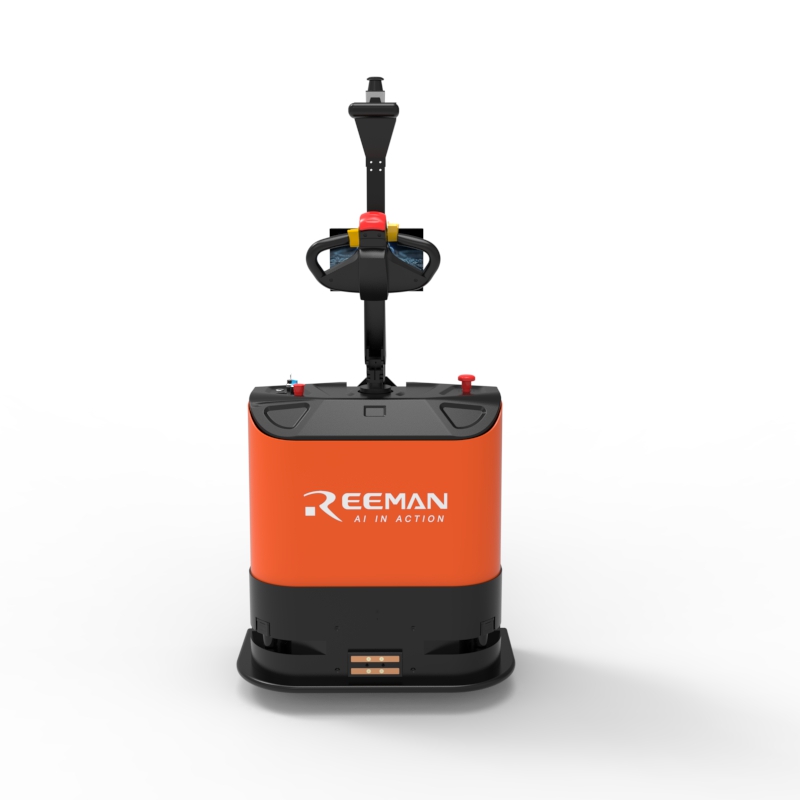
1500kg Laser SLAM Autonomous Forklift AGV Reflector-Free Point-to-Point Warehouse Material Handling
Reflector-free point-to-point transport for 1.5 t loads; suitable for existing Kyoto facilities where adding reflectors, tape or QR codes is impractical.
View specifications →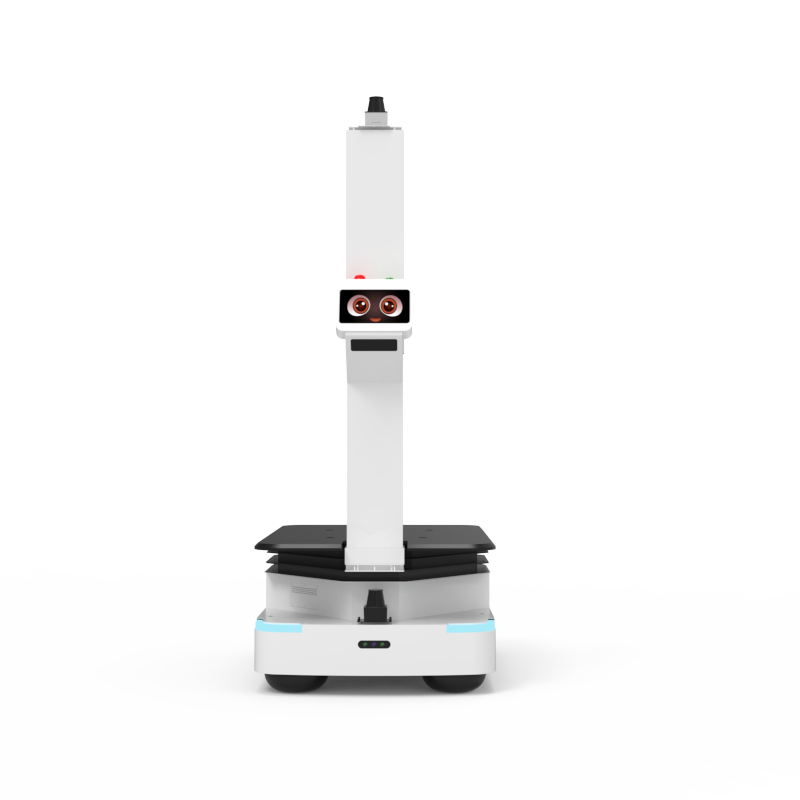
600kg Industrial AMR AGV Robot Laser SLAM Navigation QR Code-Free Factory Logistics
600 kg QR-code-free AMR for factory logistics; recommended for electronics, components and line-side replenishment in Keihanna or Kyoto Research Park.
View specifications →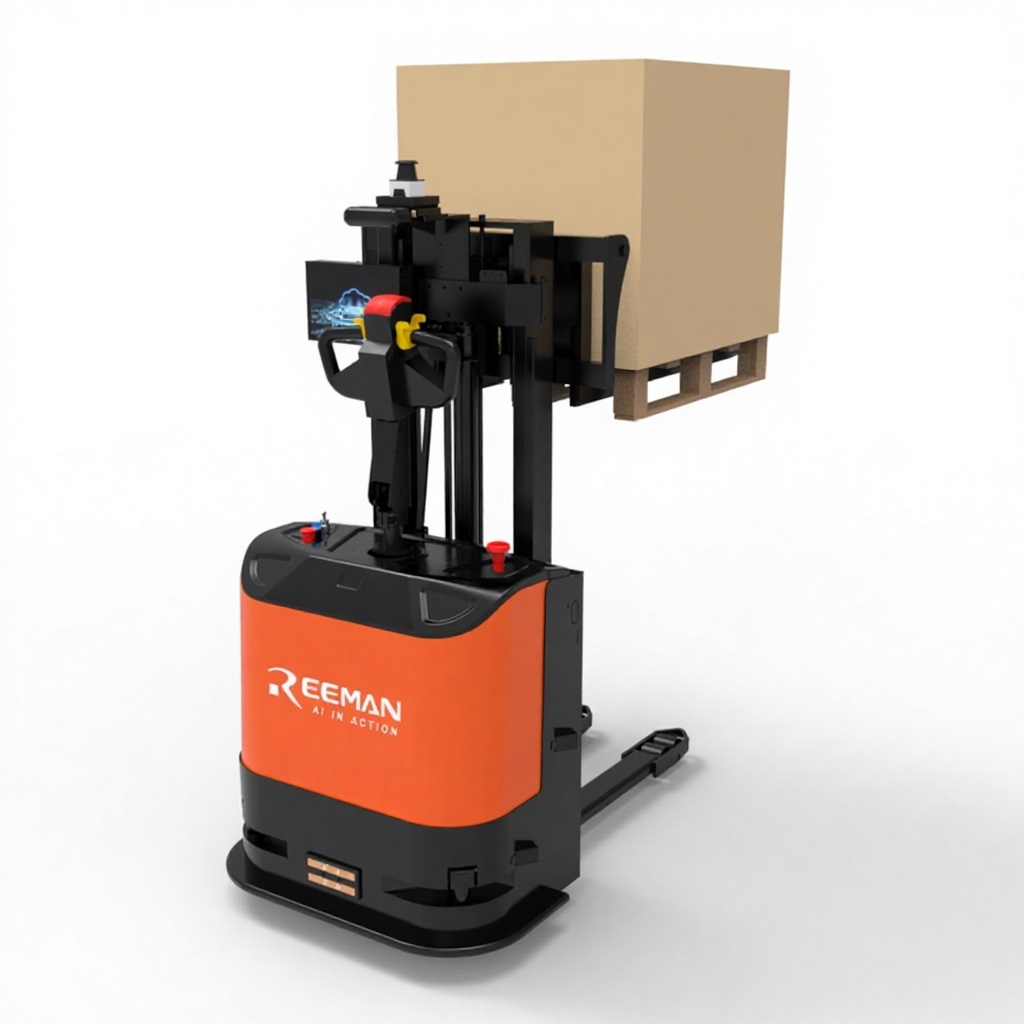
REEMAN Rhino RBOT30F Autonomous Stacker Forklift 3D Vision Obstacle Avoidance Warehouse AGV Robot
Rhino RBOT30F with 3D vision obstacle avoidance; suited to mixed pedestrian and forklift traffic in compact logistics buildings.
View specifications →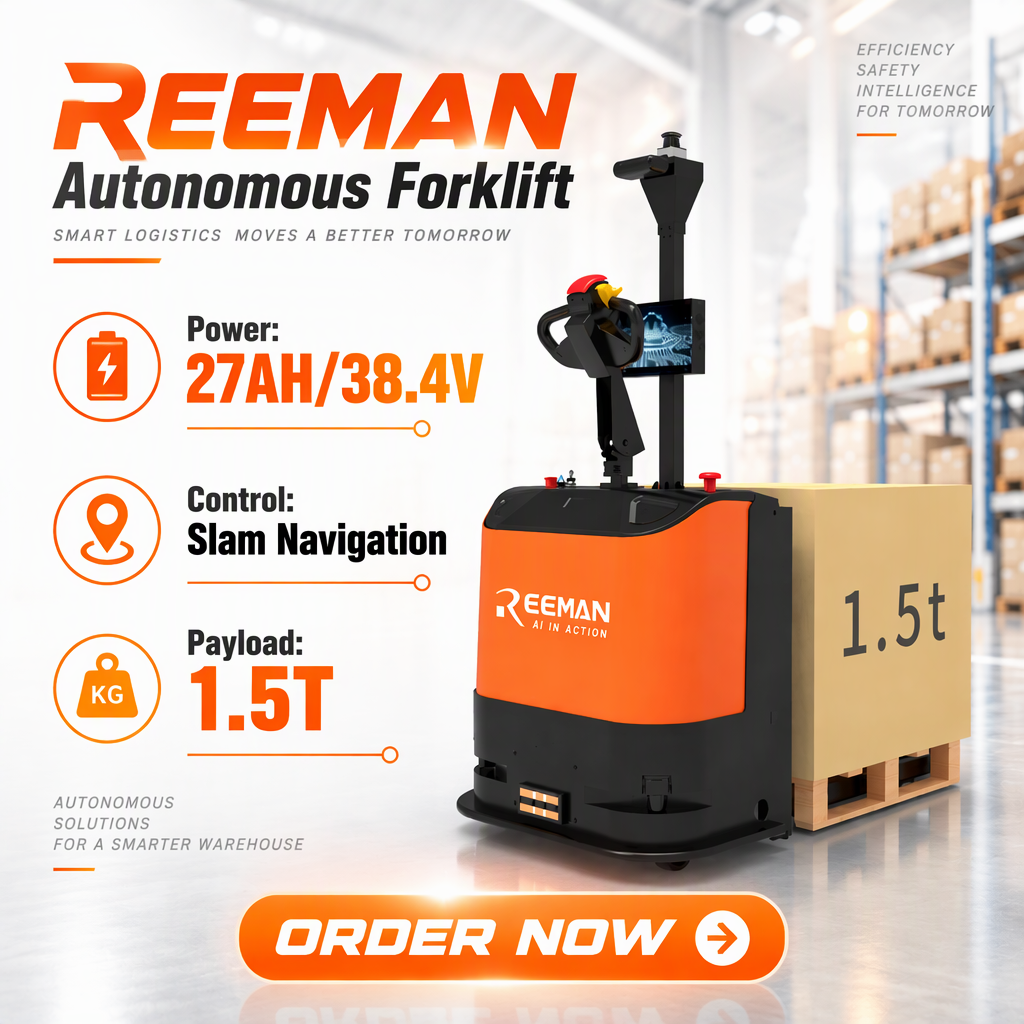
Reeman 1.5 Ton Autonomous Forklift AGV SLAM Navigation 3D Obstacle Avoidance Bidirectional Driving Indoor Warehouse
1.5 t bidirectional indoor forklift AGV; useful for narrow aisle transfer and production feeding where reversing space is limited.
View specifications →
Reeman BBOT30F 1500kg Laser SLAM Autonomous Pallet Stacker AGV Single Line Lidar Obstacle Avoidance Warehouse Transport
Single-line lidar pallet stacker AGV for repetitive pallet transport and low-rack stacking with minimized infrastructure change.
View specifications →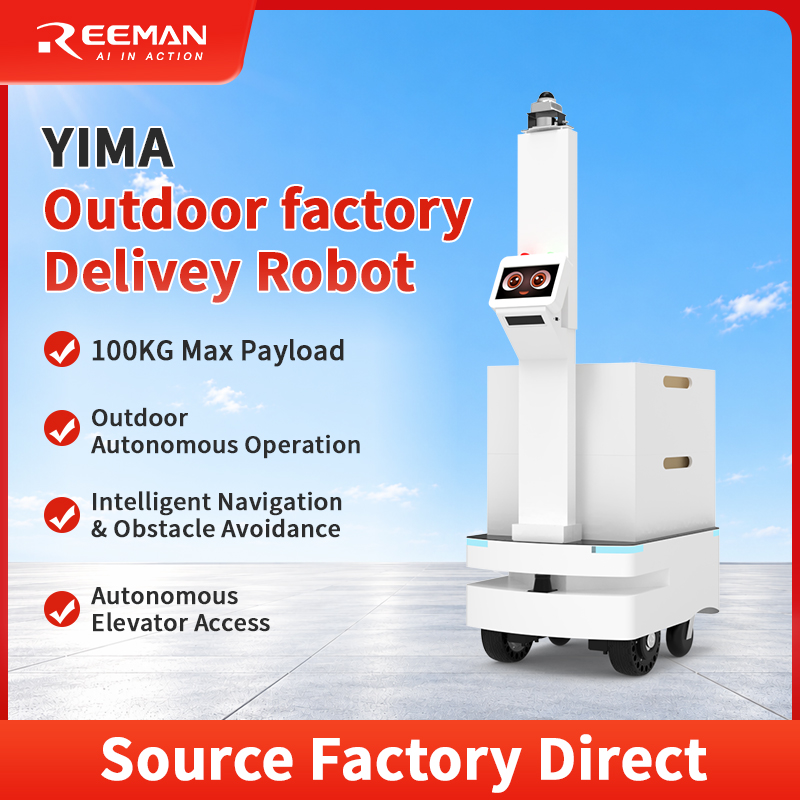
REEMAN Outdoor Delivery Robot 100kg Payload Autonomous Navigation Obstacle Avoidance Elevator Access Warehouse Logistics
100 kg outdoor delivery robot with elevator access; appropriate for campus, warehouse-to-office and healthcare logistics around Kyoto.
View specifications →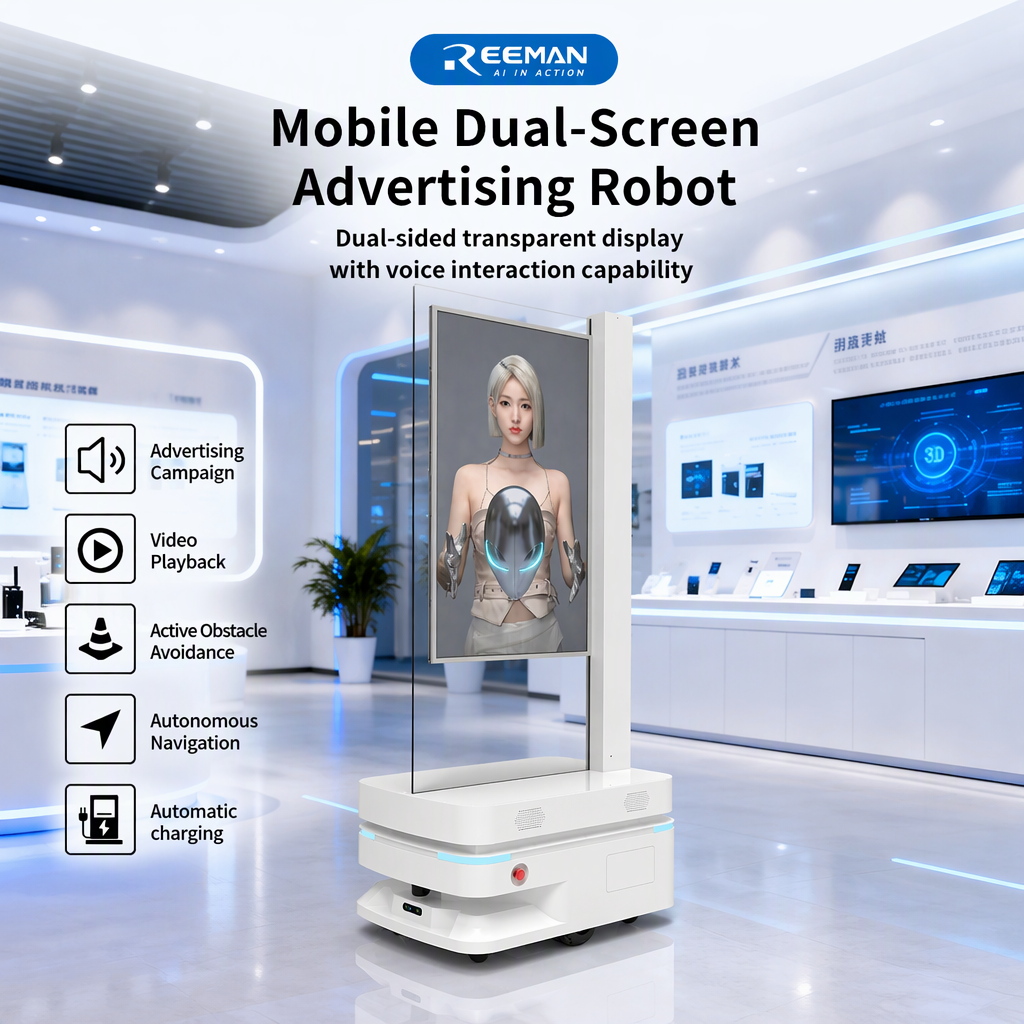
Reeman Mobile Dual Screen Advertising Robot LCD Display Voice Interaction Autonomous Navigation Indoor Commercial Use
Dual-screen advertising robot with voice interaction; for retail, exhibitions and hospitality guidance where quiet, controlled navigation is required.
View specifications →Factory data verified onsite by independent inspector SGS Group · ISO 9001 & ISO 14001 management systems · CE / FCC / PSE model options
How Kyoto Buyers Should Read “CE Certified” Before an Autonomous Transport Robot Purchase
For autonomous transport robots, “CE certified” should be treated as a documentation question, not a decorative badge. A serious Kyoto procurement team should ask for the model-specific declaration of conformity, applicable EMC and safety test evidence, risk assessment, user manual and a clear list of options covered by the assessment. This is especially important when a robot will be imported into Japan, trialled in a Kyoto facility and later re-exported or deployed by an EU-headquartered group.
Elvorn is a manufacturer and exporter based in Shenzhen. For Kyoto, the practical question is not whether a robot can move a pallet, but whether it can do so inside the floor plans, fire-safety routines, delivery docks, elevator access and staffing patterns common in Kansai. The strongest supplier is the one that can document what changed, what was tested and what support continues after shipment.
- Model-specific CE and test documents
- Safety-zone and obstacle-avoidance review
- WMS / MES / ERP interface feasibility
- Japanese voltage and charger compatibility
- Spare-part and remote commissioning plan
- OEM / buyer-label and export packaging

Why Elvorn Is a Practical Export Partner for Kyoto Automation Projects
The following advantages come from Elvorn’s actual production and export profile—2015 founding, 39 patents, 5,200㎡ floor space, 200+ team members, two production bases and SGS-verified factory data—not from generic supplier claims.
Laser SLAM Navigation
Maps a Kyoto site in hours and navigates without magnetic tape, QR codes or reflectors, so re-layouts in rented or historic buildings do not require floor work.
Open SDK & API
Secondary development on AMRs and chassis supports integration with WMS, MES, ERP, elevators, doors and custom dashboards.
Modular Payload Platforms
From 100 kg delivery robots to 1.5 t autonomous forklifts on shared control architecture, simplifying fleet training and maintenance.
Multi-Layer Safety
Lidar, obstacle sensors, emergency stops and speed zoning keep robots safe around pedestrians, forklifts and racking in mixed-use sites.
Own Production Capacity
Two production bases in Shenzhen and Ningbo support faster customization, factory testing, export packaging and long-term spare-part supply.
Export-Ready Support
English documentation, remote commissioning and spare-part planning for buyers across North America, Europe, Asia and the Middle East.
Localized Application Scenarios in Kyoto
Kyoto is not a generic warehouse market. Narrow frontages, heritage-sensitive streets, mixed pedestrian traffic, limited truck yards and high service expectations change the robot specification. These scenarios show where the eight models fit best.
Fushimi & Minami-ku Warehouses
Compact warehouses often have tighter aisles and limited dock space. The 1500 kg stacker and reflector-free forklift AGV reduce dependence on floor markers while supporting pallet flow between receiving, storage and dispatch.
Nishijin Workshops & Small-Batch Production
Narrow corridors and delicate materials call for low-speed AMRs, programmable safety zones and gentle acceleration. The 600 kg industrial AMR can move bins and components without rebuilding the workshop floor.
Fushimi Sake Breweries & Food Plants
Repeated pallet movement, floor transitions and cleaning routines make the 1.5 t pallet stacker useful for non-public logistics areas. Buyers should confirm floor flatness, drainage, wet-zone protocol and CE risk-assessment boundaries before deployment.
Gion, Higashiyama & Ryokan Service
Guest safety and quiet operation matter. Delivery and dual-screen advertising robots can assist with room-service logistics, guest guidance and multilingual announcements while respecting pedestrian priority zones.
Kyoto Research Park & Keihanna Science City
Laboratories and advanced factories need traceable material flow. The 600 kg AMR and outdoor delivery robot support WMS/MES integration, task dispatch and controlled building access for R&D campuses.
Regional Cross-Docks & Warehouse Networks
With the 2024 Japanese logistics overtime rules reshaping schedules, Kansai operators are testing autonomous pallet transport to stabilise night shifts. Fleet scheduling and spare-part planning should be part of the first quotation.
Kyoto-Specific Trends Shaping 2025–2026 Automation Decisions
Commercial investigation in Kyoto is moving from “Can a robot work?” to “Which robot can be documented, integrated and supported inside our building?” These four trends explain the shift.
Labor Shortage & Overtime Caps
Warehouse and factory managers are using autonomous transport to protect shift stability while reallocating staff to quality, service and exception handling.
Retrofit-Friendly Automation
Kyoto’s compact buildings and heritage districts reward reflector-free SLAM, low-speed safety zoning and compact turning radii over infrastructure-heavy AGV systems.
Green Procurement & Energy Accountability
Route optimisation, lithium-ion power and efficient fleet scheduling help buyers discuss energy use credibly with internal sustainability teams.
CE Documentation as an Export Gateway
Japanese integrators serving EU-linked customers increasingly ask for CE files, model lists and English manuals before shortlisting a robot supplier.
Match the Robot to Kyoto Load, Aisle and Workflow
Use this matrix for first-round project scoping. Final configuration—mast height, fork size, battery, top module, charger voltage and safety zones—must be confirmed after reviewing your Kyoto floor plan.
| Robot Model | Rated Load | Navigation / Safety | Recommended Kyoto Task |
|---|---|---|---|
| Laser SLAM Autonomous Stacker Forklift 1500 kg | 1,500 kg | Laser SLAM, obstacle avoidance | Pallet stacking, low-rack storage and dock-to-storage transfer |
| 1500kg Laser SLAM Autonomous Forklift AGV | 1,500 kg | Reflector-free point-to-point | Existing facilities where floor reflectors or tape are difficult to add |
| 600kg Industrial AMR AGV Robot | 600 kg | Laser SLAM, QR-free | Factory line-side replenishment, WIP transfer and component delivery |
| REEMAN Rhino RBOT30F | 1,500 kg class | 3D vision obstacle avoidance | Mixed pedestrian and forklift traffic in compact warehouses |
| Reeman 1.5 Ton Autonomous Forklift AGV | 1,500 kg | SLAM, 3D obstacle avoidance, bidirectional | Narrow aisle transfer and production feeding with limited reversing space |
| Reeman BBOT30F 1500kg Pallet Stacker AGV | 1,500 kg | Single-line lidar obstacle avoidance | Repetitive pallet transport and low-rack stacking with minimal retrofit |
| REEMAN Outdoor Delivery Robot 100kg | 100 kg | Autonomous navigation, elevator access | Campus delivery, warehouse-to-office transport and healthcare logistics |
| Reeman Mobile Dual Screen Advertising Robot | Commercial | Autonomous navigation, voice interaction | Retail, exhibition and hospitality guidance with controlled indoor movement |
A Low-Risk Path from Kyoto Site Survey to Stable Operation
Overseas deployment succeeds when engineering evidence is collected early. This six-step workflow reduces rework for warehouses, factories, hotels and research campuses.
Requirement Review
Share aisle widths, pallet type, load weight, floor transitions, elevator access and target throughput.
Site & Safety Scoping
Define pedestrian zones, forklift crossings, charging position, emergency-stop access and speed limits.
Solution Design
Engineers recommend model mix, fleet size, charger plan, top module and WMS/MES integration scope.
Customization & Build
OEM branding, payload structure, software interface and export packaging are confirmed before production.
Factory Testing
Function and load tests are performed before shipment, with test records available for buyer review.
Export & Remote Support
English documentation, remote mapping guidance, operator training and long-term spare-part planning.
Frequently Asked Questions from Kyoto Procurement Teams
These answers address the commercial and technical questions most often raised by local buyers, integrators and facility managers.
Do you ship autonomous transport robots to Kyoto and the Kansai region?
Can these robots operate in narrow or historic Kyoto buildings?
What CE documents should a Kyoto buyer request?
Are Japanese voltage and PSE requirements supported?
Can the robots integrate with WMS, MES, ERP, elevators and doors?
How are robots commissioned if the buyer is in Kyoto?
What about spare parts and long-term maintenance?
Do you offer OEM, ODM and buyer-label customization?
Send Your Kyoto Floor Plan. Get a Robot Shortlist.
Share aisle width, pallet type, load weight, floor transitions, elevator access, throughput target and WMS/MES interface needs. Our engineers will map the requirement to the right CE-ready model and export configuration.
info@elvornbot.com