China Best Warehouse Robot Manufacturers & Manufacturer for Seattle
Factory-direct autonomous forklifts, industrial AMRs, robot chassis and commercial service robots for Seattle warehouses, Kent Valley 3PLs, Puget Sound manufacturers and Pacific Northwest operations.
8 Warehouse Robot Platforms for Seattle-Area Operations
These eight production platforms cover pallet stacking, line-side material handling, sheet metal movement, internal delivery and public-facing commercial use. Every product image and specification link is kept in its original product page path for straightforward factory verification.
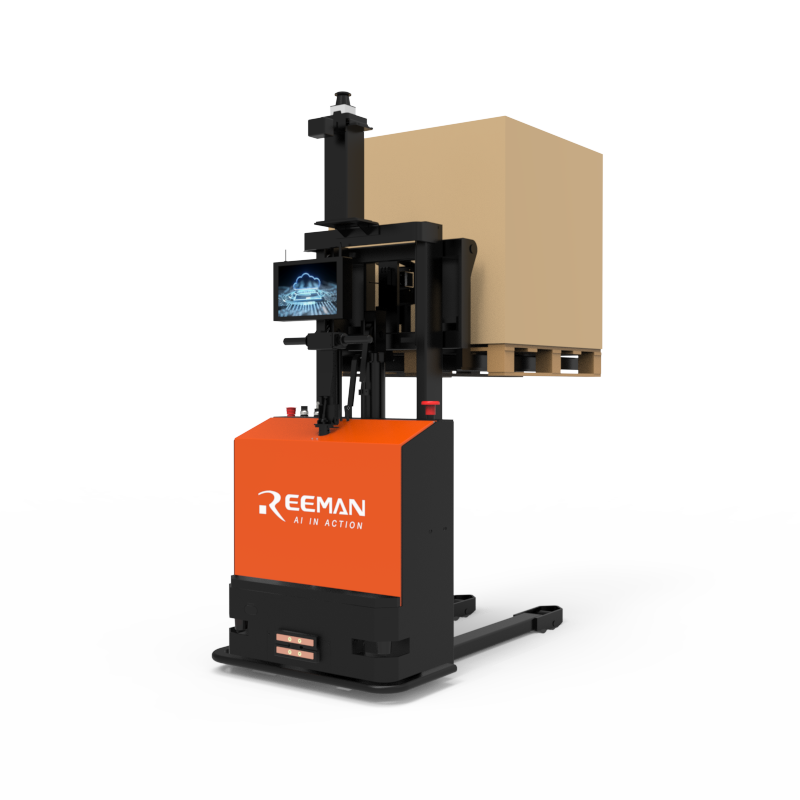
1000 kg Laser SLAM Forklift AGV Unmanned Pallet Stacker Single Line Lidar Obstacle Avoidance Factory Logistics
- Laser SLAM pallet stacker for repetitive put-away
- Single-line lidar obstacle avoidance
- Factory logistics and dock-to-rack flow
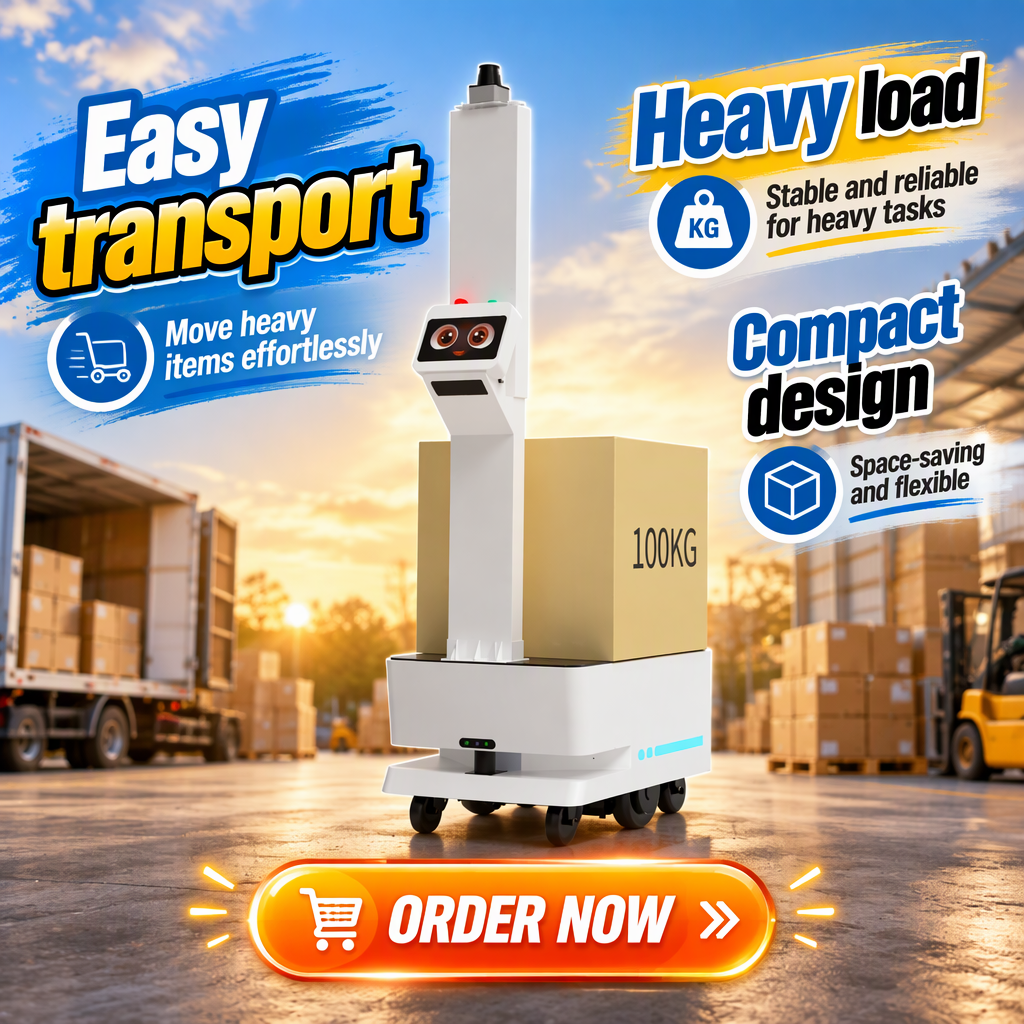
Reeman Autonomous Mobile Robot Slam Navigation PLC Core Components Warehouse Logistics
- SLAM navigation for warehouse logistics
- PLC core components and stable control architecture
- Flexible AMR platform for secondary development
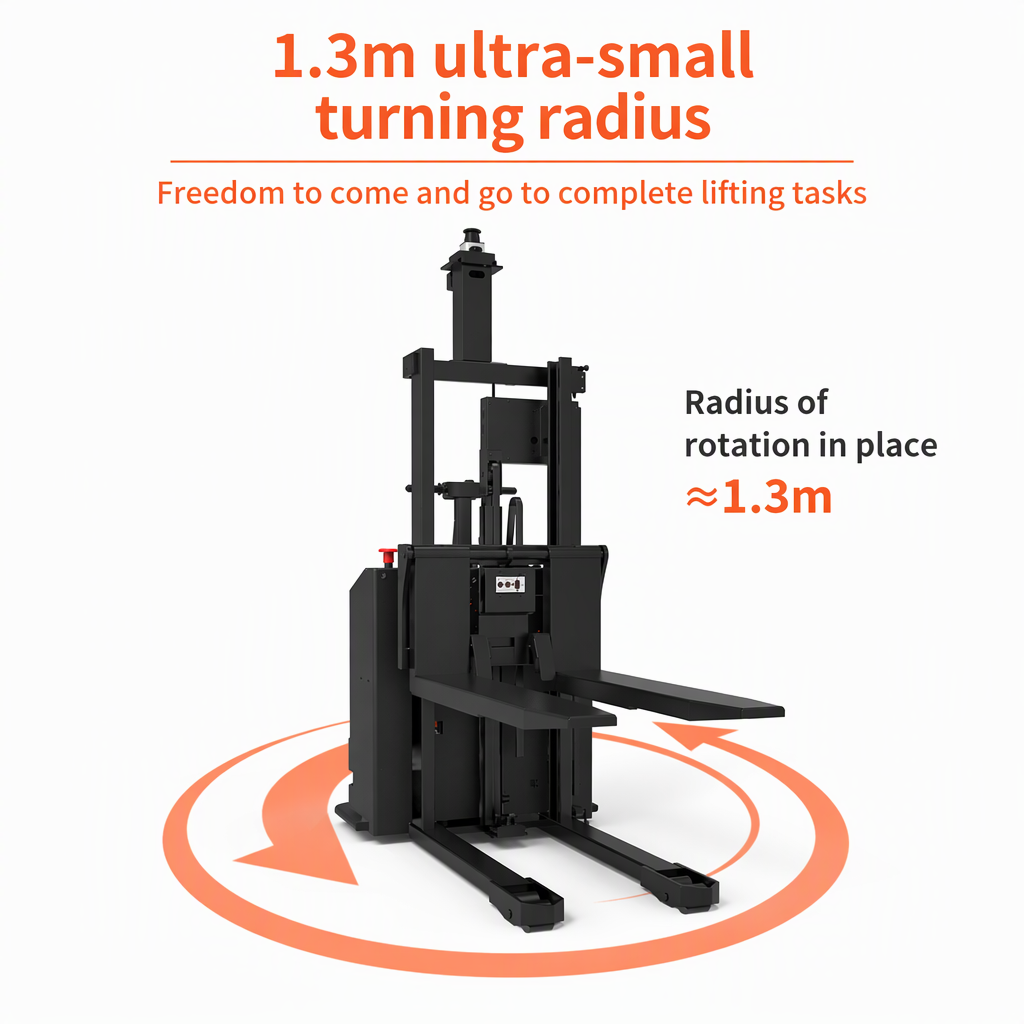
REEMAN Autonomous Electric Forklift 1T Payload 48V 30Ah LiFePO4 Battery Indoor Material Handling AGV
- 1T payload for indoor material handling
- 48V 30Ah LiFePO4 battery configuration
- Autonomous electric forklift AGV workflow
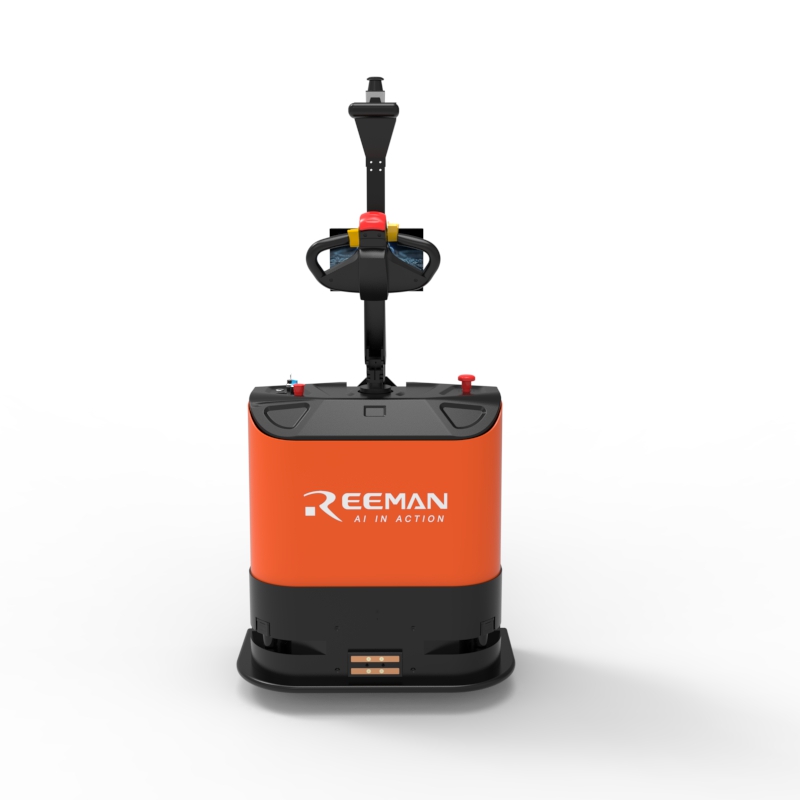
1500kg Laser SLAM Autonomous Forklift AGV Reflector-Free Point-to-Point Warehouse Material Handling
- Reflector-free laser SLAM navigation
- Point-to-point warehouse material handling
- High-throughput pallet transfer configuration
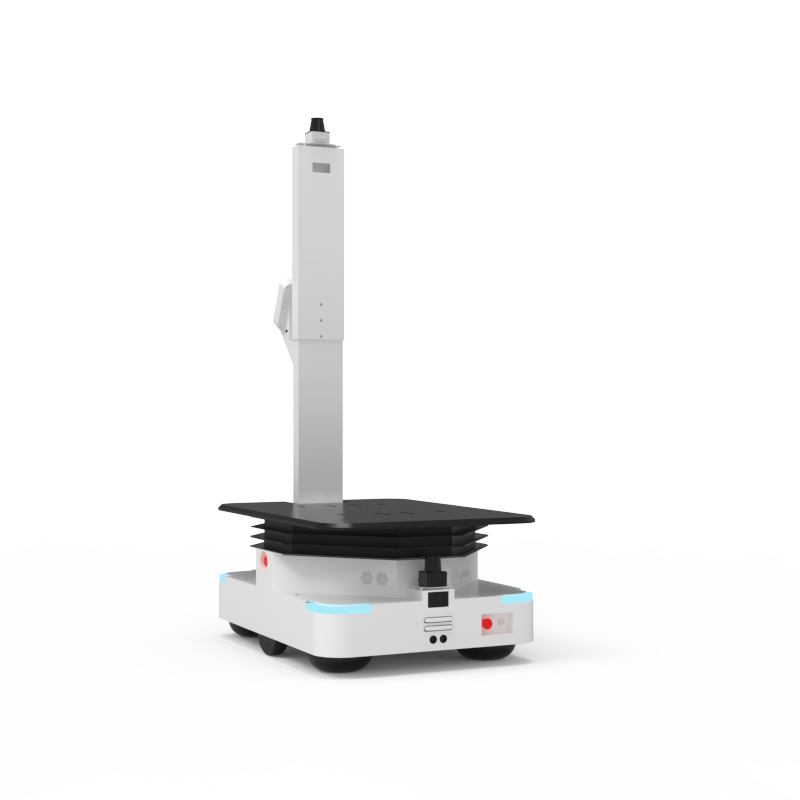
REEMAN Autonomous Mobile Robot AGV AMR 600kg Payload Sheet Metal Material Handling for Production Line
- 600kg payload for production-line logistics
- Designed for sheet metal material handling
- AMR flexibility for changing work zones
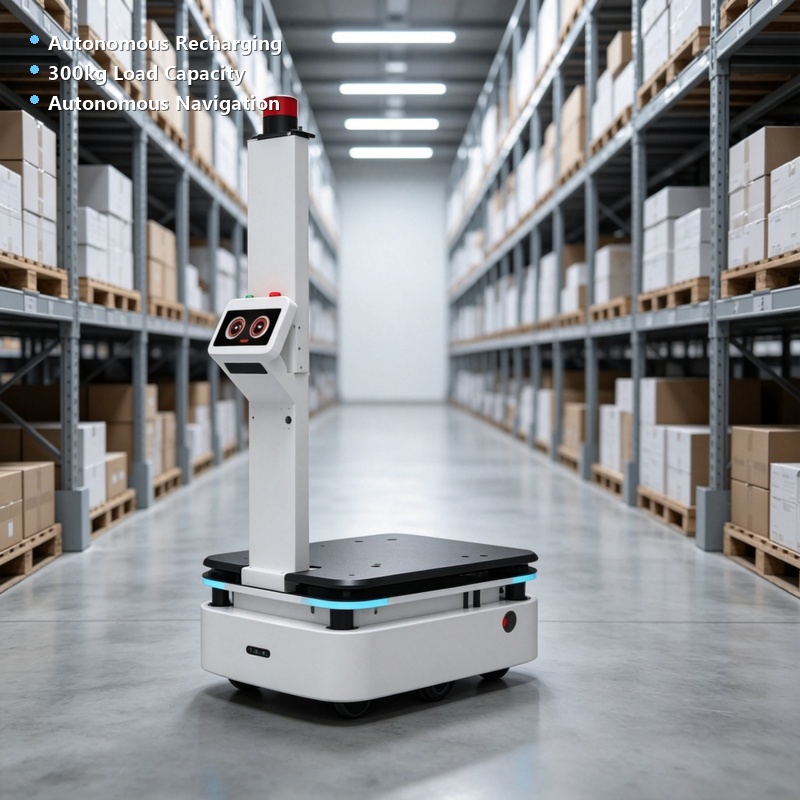
REEMAN Dual Laser Fly Boat MAX 300kg Industrial Delivery Robot for Manufacturing Plants and Factory Material Supply
- Dual-laser perception for dynamic corridors
- Manufacturing plant material supply
- 300kg industrial delivery platform
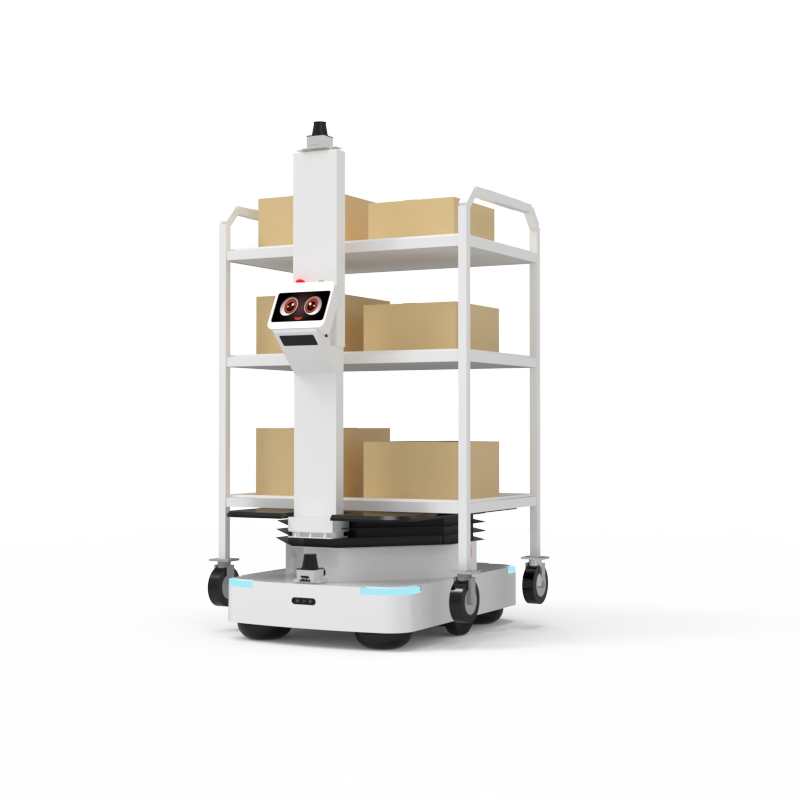
600kg Payload Autonomous AMR Robot Multi Sensor Mobile Material Handling Cart for Production Line
- Multi-sensor autonomous mobile handling cart
- 600kg payload for production-line support
- Reusable platform for carts and WIP transfer
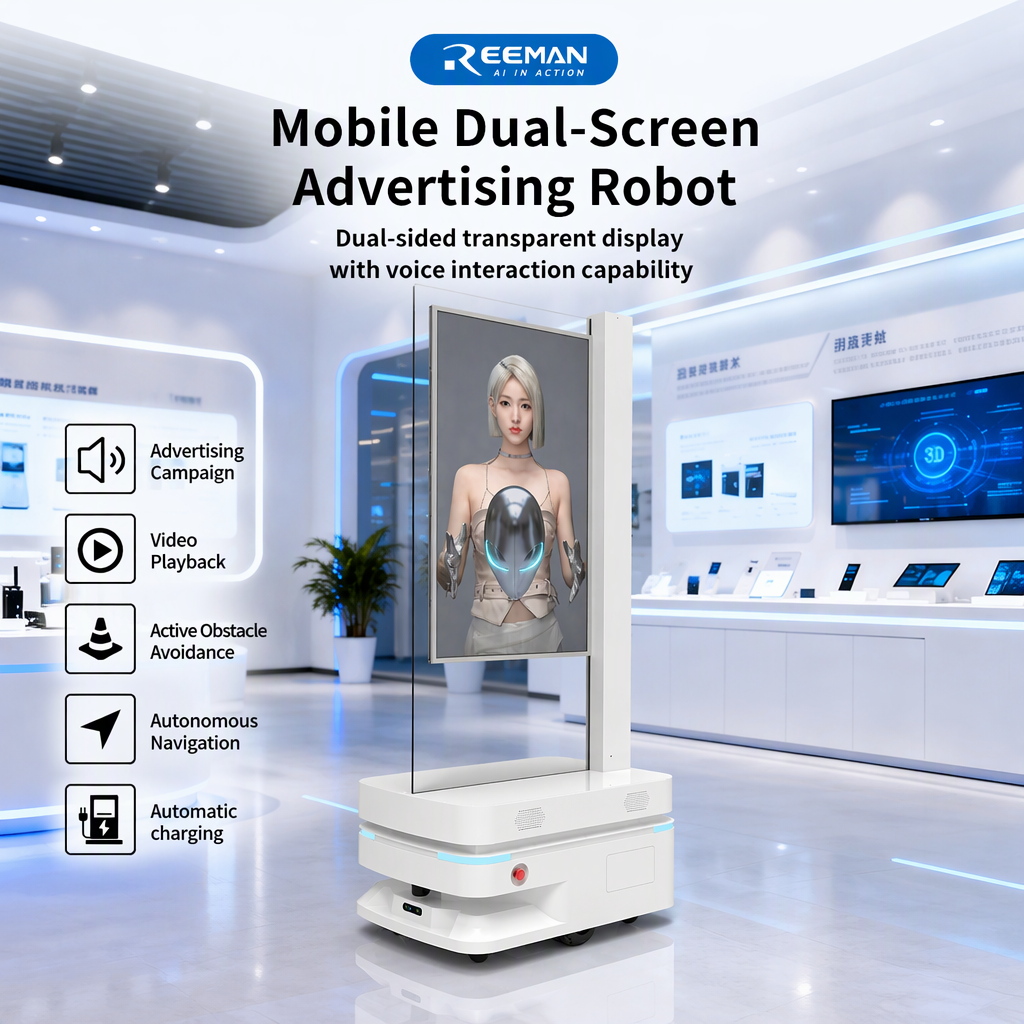
Reeman Mobile Dual Screen Advertising Robot LCD Display Voice Interaction Autonomous Navigation Indoor Commercial Use
- Dual-screen LCD display and voice interaction
- Autonomous indoor navigation
- Retail, showroom and visitor engagement
Verified Capacity Behind the Product List
For Seattle procurement teams, supplier risk is rarely only about headline payload. The real questions are design control, production consistency, export documentation, software integration and long-term spare-part support.
Why Seattle Buyers Compare China Best Warehouse Robot Manufacturers
Seattle is not a generic U.S. warehouse market. The Kent Valley distribution cluster, the Port of Seattle and Sea-Tac air cargo corridor, high industrial land costs and a competitive labor market create a very specific automation case. Warehouse operators need robots that can be deployed without extensive floor modification, that can work safely around people and forklifts, and that can connect to warehouse management, manufacturing execution or ERP systems without a long software project.
That is where a factory-direct Chinese manufacturer can be useful — not because distance disappears, but because engineering access, configuration control and cost structure can be more transparent. Shenzhen Elvorn Intelligent Equipment Co., Ltd. was founded in 2015 and focuses on robotic platform technology and autonomous driving. Its product range spans laser SLAM autonomous forklifts, industrial AMRs, robot chassis, commercial delivery robots, cleaning robots and disinfection robots. For a Seattle project, the most practical approach is to pair factory engineering with a local integrator or internal facilities team for site survey, electrical work, network validation and safety review.
Elvorn does not pretend to be a Seattle local company. The value is factory-direct engineering plus export-ready documentation. Buyers can review the product URL, image, model family and application fit before requesting a quotation. That is a healthier buying process than comparing brochure claims without a clear path to engineering answers.
Procurement Takeaway
- Start with the workflow: receiving, put-away, line-side supply, cross-dock or public-facing service.
- Confirm aisle width, floor flatness, pallet type, Wi-Fi coverage and charger placement.
- Ask for model-specific certificates, battery documentation and pre-shipment test records.
- Define WMS, MES or ERP integration scope before comparing robot prices.
- Plan spare parts, remote support and operator training as part of the total cost of ownership.
Which Warehouse Robot Family Matches Your Seattle Workflow?
A robot should be selected by workflow, load interface, safety environment and software scope — not by payload alone. These four families cover most first-stage evaluations.
Pallet-Flow Autonomous Forklifts
Use for receiving, put-away, dock loading, staging and point-to-point pallet moves. Compare the 1,000 kg pallet stacker and the 1,500 kg reflector-free forklift AGV when the main goal is replacing repeated forklift cycles.
Industrial AMRs for Line-Side Supply
Use for sheet metal, WIP carts, finished-goods transfer and production-line replenishment. The 600 kg sheet metal AMR and multi-sensor AMR cart are natural candidates when the load interface changes frequently.
Compact Dual-Laser Delivery Robots
Use for dynamic corridors, internal factory delivery and material supply where pedestrians, pallet trucks and changing obstacles are common. Dual-laser perception is valuable when the route cannot be isolated from people.
Public-Facing Commercial Robots
Use for showrooms, retail environments, visitor centers and exhibitions. The dual-screen advertising robot is not a pallet-handling machine; it is an indoor commercial navigation platform for messaging, voice interaction and brand presentation.
Payload Fit Map
Use this as a first-stage visual filter only. Final configuration depends on load center, fork dimensions, top module, floor condition, route risk and required throughput.
Seattle and Puget Sound Application Scenarios
Seattle-area buyers usually operate in a mix of high-cost real estate, mixed pedestrian traffic, port-driven inbound peaks and specialized manufacturing. These six scenarios show where the product list becomes practical.
Pallet Flow in Distribution Centers
Use the 1,000 kg Laser SLAM pallet stacker or the 1,500 kg reflector-free forklift AGV for repetitive put-away and dock-to-rack movement. Compare turning radius, fork reach, charger placement and route conflict points before selecting the model.
Sheet Metal and Precision WIP
Puget Sound manufacturers often need protected, repeatable movement of sheet metal and fabricated parts. The 600 kg sheet metal AMR is a starting point, but the top module must be designed around edge protection, load stability and inspection access.
Electronics, Labs and Internal Delivery
For mixed corridors and sensitive internal logistics, the 300 kg dual-laser delivery robot offers a compact platform. Validate voice/light signaling, obstacle detection, elevator or door integration and route separation from high-speed equipment.
Inbound Peak and Trailer-to-Rack Flow
Port-driven peaks near Seattle and Sea-Tac create pressure on staging, trailer unloading and pallet buffering. The 1T autonomous electric forklift AGV can support repeatable cycles, but fleet charging and battery strategy must match the shift pattern.
Space-Constrained Seattle Facilities
Laser SLAM navigation avoids magnetic tape and floor reflectors, which is useful when lease terms restrict floor modification. The 600 kg multi-sensor AMR cart can fit narrow routes, provided Wi-Fi coverage and pedestrian zones are mapped correctly.
Customer-Facing Brand Engagement
The Reeman dual-screen advertising robot is designed for indoor commercial use, LCD display and voice interaction. It can support showroom messaging and visitor guidance, but it should not be evaluated as a warehouse pallet-handling asset.
Localized Development Trends Shaping Seattle Warehouse Automation
Seattle buyers are not only comparing robot hardware. They are comparing deployment speed, safety confidence, software fit and the ability to keep equipment productive over multiple years.
Labor Cost and Retention Pressure
High labor costs and turnover make repeatable pallet moves, night shifts and line-side replenishment strong automation targets. Buyers increasingly evaluate total cycle reliability, not just purchase price.
Dense Facilities and Layout Agility
Expensive industrial space pushes operators toward narrower aisles and flexible layouts. Laser SLAM without tape or reflectors reduces floor work, but aisle clearance and traffic rules still need engineering review.
Safety in Mixed Human-Robot Traffic
Seattle facilities often combine pedestrians, forklifts, pallet jacks and AMRs. Speed zoning, obstacle sensors, emergency stops and clear operating procedures are now part of the buying decision, not an afterthought.
Software-First Integration
An open SDK and API can make the difference between a standalone robot and a useful fleet asset. Seattle buyers should ask how task dispatch, status feedback and exception handling connect with WMS, MES or ERP systems.
A Seattle Buyer’s 5-Step Robot Selection Process
A disciplined selection process protects budget and improves deployment speed. The goal is not to collect the most quotations; it is to compare the same operating assumptions across suppliers.
Define the Material Flow
Document start point, end point, load type, pallet or cart interface, daily moves, shift pattern and peak throughput.
Survey the Site and Power
Check aisle width, floor flatness, ramps, door thresholds, Wi-Fi coverage, charging area and local electrical requirements.
Validate Safety and Compliance
Confirm sensor layout, speed limits, emergency stops, pedestrian zones and model-specific certification documents.
Model the Software Integration
Define how tasks are created, how status is returned and what happens when the robot cannot complete a route.
Lock Spare Parts and Service
Agree on consumables, critical spares, remote support escalation, operator training and long-term maintenance responsibility.
| Robot Family | Typical Payload | Best-Fit Seattle Workflow | Evidence to Request |
|---|---|---|---|
| Autonomous forklift AGV | 1,000–1,500 kg | Dock-to-rack pallet flow, Kent Valley 3PL, cross-dock staging and repetitive put-away. | Load chart, fork dimensions, aisle test, obstacle-stop distance, battery and charger specification. |
| Industrial AMR | 300–600 kg | Line-side WIP, sheet metal movement, cart transport and urban micro-fulfillment support. | Top-module drawing, SDK/API scope, route simulation, Wi-Fi survey assumptions and safety configuration. |
| Dual-laser delivery robot | Up to 300 kg | Dynamic factory corridors, internal material supply and mixed pedestrian environments. | Sensor layout, turning radius, obstacle test record and operating speed configuration. |
| Commercial advertising robot | Not for pallet loads | Showroom, retail, visitor guidance and exhibition engagement in Seattle or Bellevue. | Display specification, voice interaction scope, navigation map requirement and indoor use conditions. |
| Robot chassis platform | Project-specific | OEM or ODM development for integrators building a branded robot around a proven SLAM base. | SDK documentation, charging interface, payload mounting drawing and certification scope by configuration. |
What Elvorn Adds to a Seattle Project
The company’s advantage is not a single component. It is the combination of full-stack engineering, modular platforms, open software access, factory production and export support.
Full-Stack SLAM R&D
In-house development covers laser SLAM navigation, motion control, fleet scheduling and hardware. This supports faster customization and clearer engineering answers when a Seattle route has non-standard constraints.
Modular Payload Platforms
From commercial delivery robots to industrial AMRs and autonomous forklifts, the shared platform logic simplifies fleet training, maintenance planning and future expansion across multiple departments.
Open SDK and API
AMRs and chassis platforms support secondary development. Integrators can connect task dispatch and status feedback to WMS, MES, ERP or custom dashboards instead of treating the robot as an isolated island.
Multi-Layer Safety Design
Lidar, obstacle sensors, emergency stops and speed zoning support safe operation around pedestrians, forklifts and racking. Final configuration should always be reviewed against the actual Seattle site risk assessment.
Own Production Capacity
Two production bases in Shenzhen and Ningbo, approximately 5,200㎡ of floorspace and a team of more than 200 people support production, inspection and customization. The factory has been verified onsite by SGS Group.
Export-Ready Support
English documentation, remote commissioning support and spare-part supply help overseas buyers. Export terms include FOB with T/T payment in USD or CNY; main markets include North America, Western Europe, Eastern Asia, Southeast Asia and the Middle East.
Certified, Audited and Export-Proven
For a Seattle purchase, compliance is not a sticker exercise. Ask for the certificate scope, charger configuration, battery transport documentation and model-specific declaration before placing an order.
Certification depends on model and configuration. Confirm the exact product, charger input, plug type and declaration scope at quotation. Elvorn’s management system is certified to ISO 9001 and ISO 14001, and the factory has been verified onsite by SGS Group.
Frequently Asked Questions from Seattle Buyers
These questions reflect the practical due-diligence points that come up when a Pacific Northwest buyer evaluates Chinese warehouse robot manufacturers.
What is the difference between an AGV forklift and an AMR?
Can Elvorn robots be integrated with WMS, MES or ERP systems?
Does Elvorn offer OEM and ODM customization for warehouse robot projects?
Which certifications should a Seattle buyer request?
What trade terms and payment methods apply to export orders?
How should Seattle rain, humidity and wet floors be handled?
What about North American electrical requirements and charging?
How can a Seattle buyer evaluate ROI without overstating savings?
What after-sales support is available for Seattle and the Pacific Northwest?
Build a Seattle-Specific Warehouse Robot Shortlist
Send your layout, pallet type, load weight, aisle width, throughput target, Wi-Fi conditions and target go-live date. Elvorn’s application engineers will use that information to recommend a model, charger plan, integration notes and quotation path for your Seattle or Pacific Northwest project.