Eight Proven Autonomous Platforms for Osaka Automation Projects
Every platform below is supplied by Shenzhen Elvorn Intelligent Equipment Co., Ltd. and supported by the same in-house navigation, control and fleet software stack. For Osaka buyers, this means one supplier can cover light 100 kg AMR transport, 300–600 kg mobile lifting, 1–2 ton pallet handling, and visitor-facing digital signage without fragmenting service responsibility.

Reeman BBOT30F 1500kg Laser SLAM Autonomous Pallet Stacker AGV
1,500 kg handling class · single-line LiDAR obstacle avoidance · warehouse transport and pallet stacking.
View product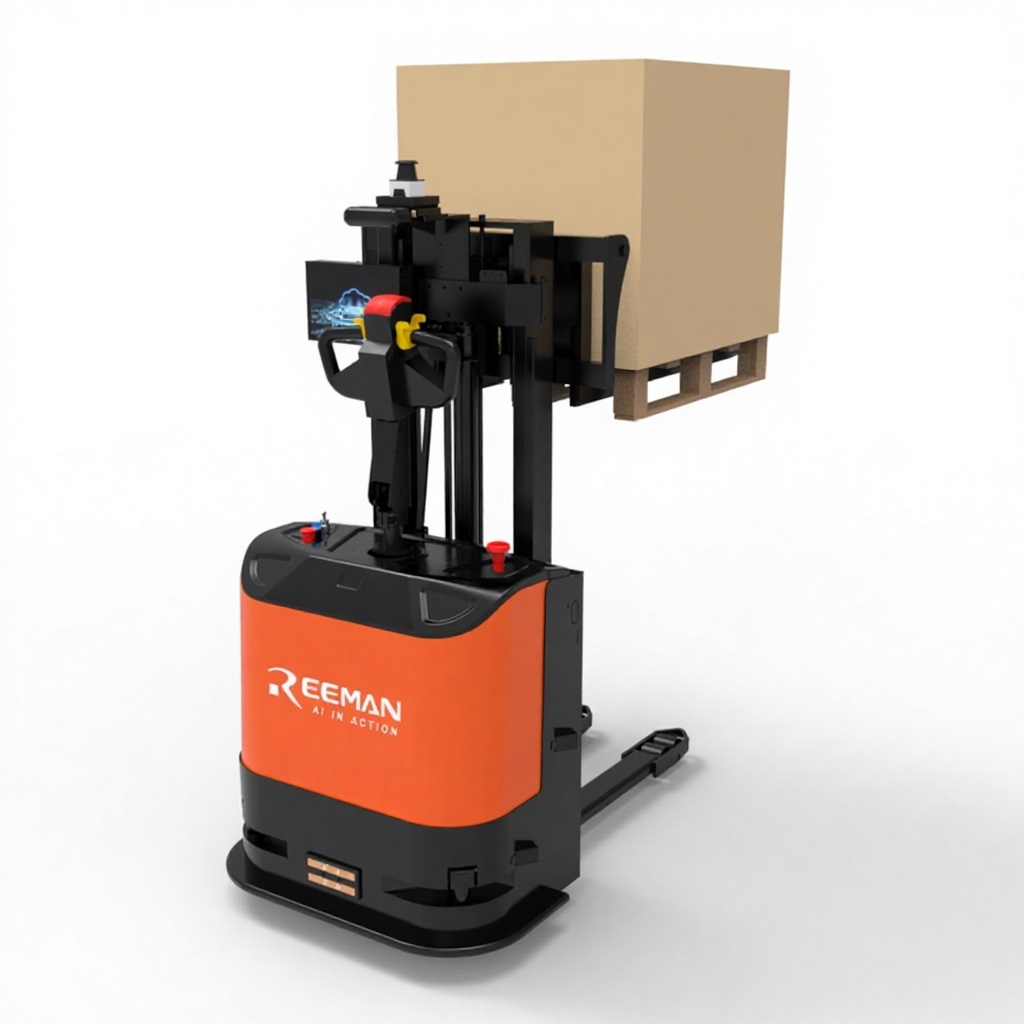
REEMAN Rhino RBOT30F Autonomous Stacker Forklift 3D Vision
3D vision obstacle avoidance · autonomous stacking · designed for warehouse AGV material flow.
View product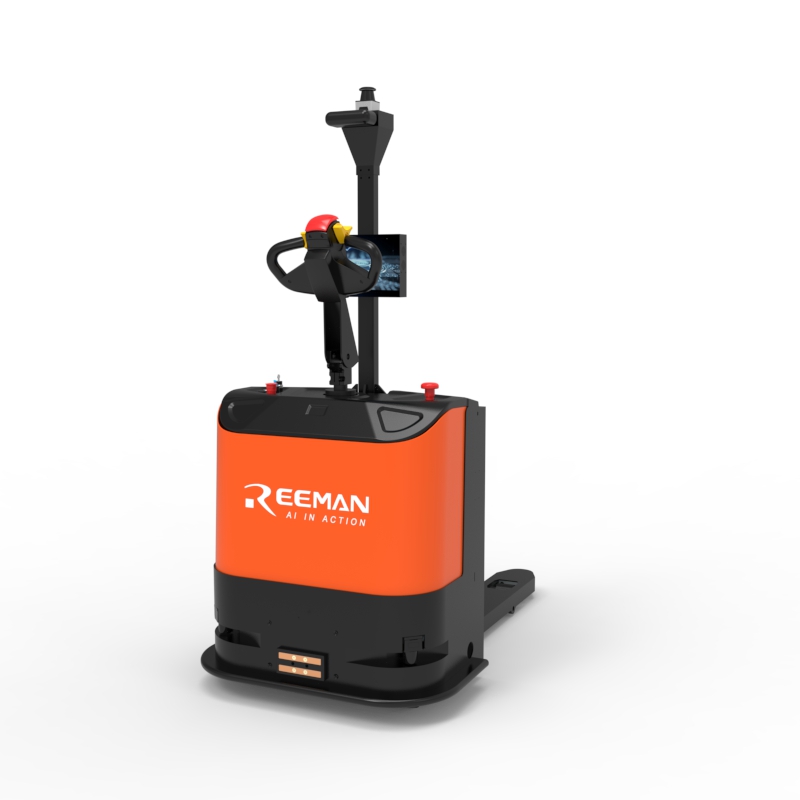
CE Certified 1500kg Driverless AGV Forklift Laser SLAM
CE-marked model · automatic pallet loading and unloading · laser SLAM navigation for warehouse handling.
View product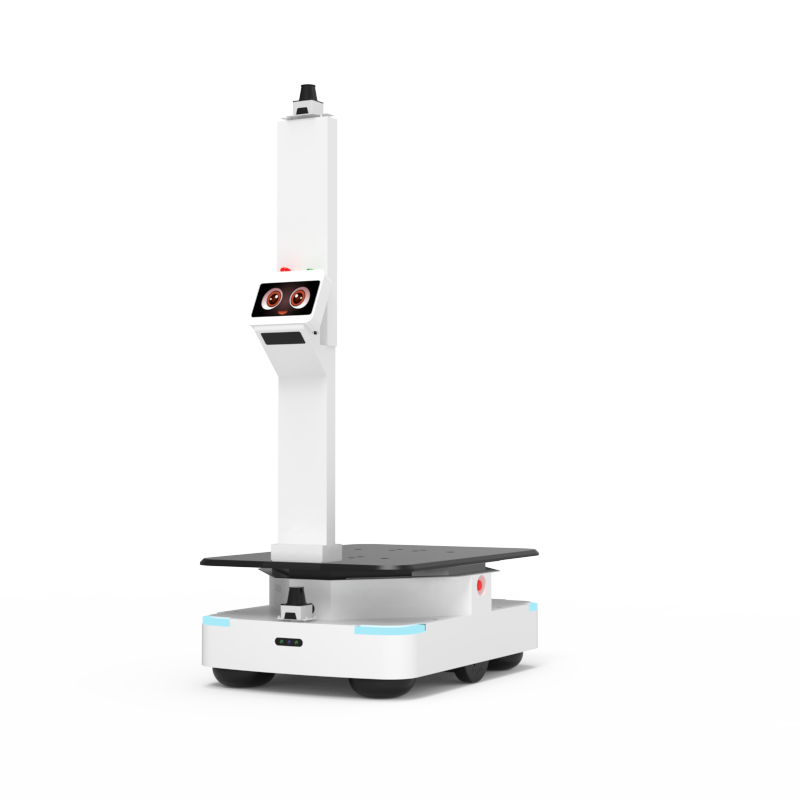
600kg Payload Laser Navigation AMR Lifting Robot
600 kg payload class · autonomous lifting transfer · logistics-center and warehouse material movement.
View product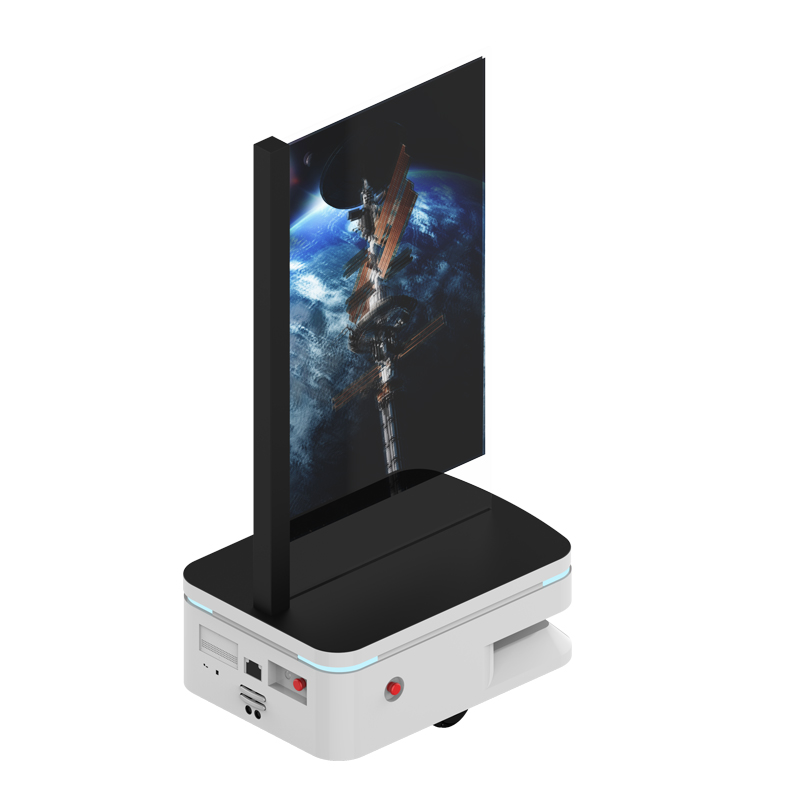
75 Inch Indoor LED Digital Poster Touch Screen
SDK/OEM/ODM support · retail, elevator and airport signage · interactive digital communication platform.
View product
Dual Laser AMR 300KG AGV Lifting Mobile Robot
Dual laser SLAM LiDAR · 300 kg lifting platform · manufacturing-plant and line-side transfer.
View product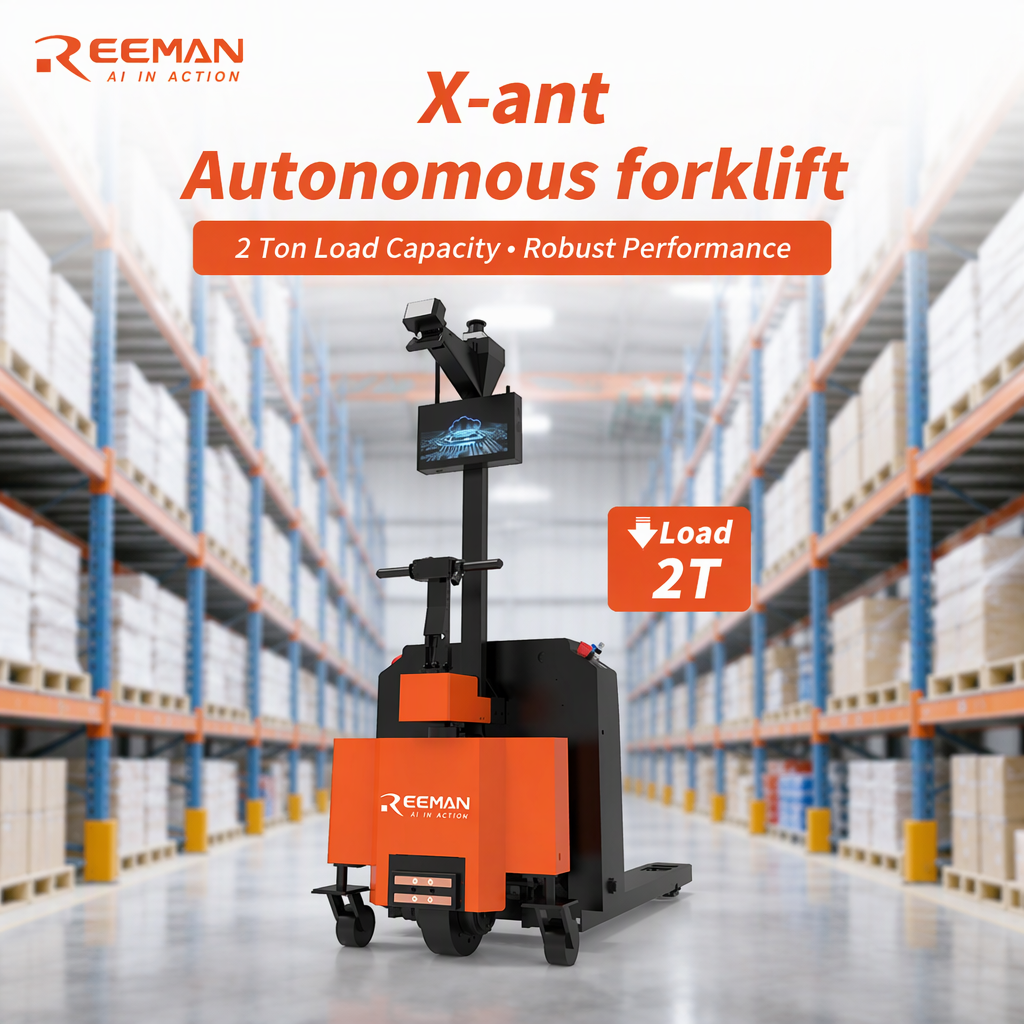
2 Ton Autonomous 4WD AGV Forklift Laser SLAM
2,000 kg class · 4WD · multi-line LiDAR · high-accuracy warehouse pallet handling.
View product
REEMAN Autonomous Electric Forklift 1T 48V
1,000 kg payload · 48V 30Ah LiFePO4 battery · indoor material handling AGV configuration.
View productWhy the Hussar PRO 100 kg AMR Makes Sense in Dense Osaka Operations
Osaka is not a clean-sheet industrial market. Many facilities combine older buildings, narrow service corridors, shared pedestrian zones, tight loading bays and compact production cells. A 100 kg-class autonomous mobile robot has to be more than a moving platform; it must map quickly, avoid people and carts reliably, fit through existing doors, and hand over data to warehouse or production systems without forcing a facility shutdown.
As a China-based manufacturer and exporter serving Osaka buyers, Elvorn engineers the Hussar PRO around practical constraints: compact light-load transport, laser SLAM navigation without magnetic tape or floor reflectors, open SDK/API integration for WMS, MES or ERP task dispatch, and modular top modules for totes, trays, fixtures or small carts. For electronics, precision parts, food ingredients, pharmaceuticals, laboratory consumables and retail backroom replenishment, the 100 kg payload class often delivers the fastest return because it replaces repeated walking and pushing without disrupting the main pallet flow.
For payloads beyond 100 kg, the same supplier portfolio extends naturally to 300 kg and 600 kg AMRs, 1-ton electric forklifts, 1.5-ton stacker AGVs and 2-ton autonomous forklifts. Osaka procurement teams can therefore evaluate the Hussar PRO as an entry point while retaining a clear migration path to heavier automation.
- Laser SLAM mapping without floor tape
- 100 kg-class light-load material transfer
- Open SDK and API integration support
- OEM/ODM top-module customization

Where a 100 kg Autonomous Mobile Robot Delivers Value in Osaka and Kansai
The Hussar PRO is most valuable where loads are too heavy for manual pushing, too small for a forklift, and too frequent for staff to keep walking. These are the localized scenarios we discuss most often with Osaka and Kansai buyers.
Higashiosaka and Suita Production Cells
Transport trays, small parts, inspection samples and kitting materials between assembly islands. Compact AMR routing reduces operator walking while keeping the route flexible when production layouts change. ESD-safe top modules can be discussed during configuration.
Osaka Bay Area Food and Packaging Lines
Move ingredients, packaging consumables and finished cartons in repetitive short cycles. The robot can be zoned for production hours and cleaning hours, with safe speed control around shared walkways. Hygiene and washdown requirements should be reviewed early.
Sakai, Osaka Port and Urban Distribution Hubs
Support cart transfer, tote movement and cross-docking assistance where full pallet forklifts are not efficient. AMRs can be added incrementally, then integrated with WMS or MES task queues for clearer status visibility.
Umeda, Namba and Tennoji Backroom Replenishment
Replace repeated stockroom-to-shelf walking with scheduled tote transport. In customer-facing stores, safety zoning, low speed and route planning matter more than headline speed. The project should define operating windows and staff handover rules.
Osaka City Sample and Material Movement
Provide quiet, repeatable movement of samples, consumables, sterile packs or administrative materials. Access control, lift integration and emergency-stop behavior should be confirmed with facility teams before deployment.
Exhibition, Hospitality and Guest-Service Zones
Use temporary mapping for exhibition logistics, guest guidance support or back-of-house delivery. For public spaces, clear responsibility boundaries, warning indicators and staff escort procedures are essential to a smooth trial.
What Osaka Buyers Are Watching in AMR Procurement
Demand is shifting from “one demo robot” to measurable operational reliability, integration depth and lifecycle support. These trends shape how Chinese manufacturers and exporters must support Osaka projects.
Labor Shortage and Aging Workforce
Osaka warehouses, factories and retail backrooms face continued pressure on repetitive walking and pushing tasks. A 100 kg AMR is attractive because it augments existing staff instead of requiring a full facility redesign.
High-Mix, Low-Volume Production
Kansai manufacturers increasingly need flexible route changes. SLAM navigation is favored because mapping and task updates can follow layout changes without pulling up floors or installing tape.
Safety in Mixed Pedestrian Zones
Robots must coexist with people, carts and forklifts. Procurement teams now ask about speed zoning, obstacle detection, emergency stops, warning indicators and clear operating rules, not only payload and price.
Data Integration and Lifecycle Support
Osaka buyers want task status, error reporting, spare-part planning and remote commissioning support. Open APIs and English documentation reduce integration risk when local IT teams connect robots to WMS, MES or ERP systems.
Why Elvorn Is a Credible China Manufacturer and Exporter for Osaka Projects
Shenzhen Elvorn Intelligent Equipment Co., Ltd. is a national high-tech enterprise founded in 2015. The company designs and manufactures autonomous forklifts, industrial AMRs, robot chassis, delivery robots, cleaning robots and disinfection robots, and supports OEM, design and buyer-label projects for export markets.


Factory Data, Engineering Depth and Export Discipline
For first-time China sourcing, the most useful reassurance is not a slogan but verifiable operating facts: two production bases in Shenzhen and Ningbo, in-house R&D covering laser SLAM navigation, motion control, fleet scheduling and hardware, ISO 9001 and ISO 14001 management systems, and model-level CE, FCC or PSE marks depending on configuration. Elvorn’s factory has also been verified onsite by SGS Group, with supplier assessment and transaction records available for buyer due diligence.
Osaka buyers can use this portfolio advantage to avoid coordinating several small vendors. The same engineering team can discuss a 100 kg Hussar PRO AMR, a 600 kg lifting platform, a 1.5-ton stacker AGV and a 2-ton autonomous forklift, then align safety logic, battery strategy and data interfaces across the fleet.
- Founded in 2015 with 11+ years in robotics
- 39 patents and 5,200 ㎡ total floorspace
- 200+ team members and 98.76% response rate
- OEM, ODM, design service and buyer label
Export evidence: main markets include North America, Western Europe, Eastern Asia, Southeast Asia and the Middle East; trade terms include FOB with T/T payment in USD or CNY.
From Osaka Inquiry to Stable Operation: A Practical Deployment Workflow
A successful AMR purchase is usually decided by site data quality, not by a brochure. Here is the sequence our application engineers recommend for Osaka buyers evaluating the Hussar PRO or any forklift/AMR platform.
Share Site Constraints
Provide layout drawings, aisle widths, door sizes, floor conditions, lift behavior, charging location, pedestrian traffic, pallet or tote type, load weight and required throughput.
Match the Platform
Choose Hussar PRO 100 kg AMR for light loads; 300 kg or 600 kg AMRs for carts and shelves; 1-ton, 1.5-ton or 2-ton autonomous forklifts for pallet operations.
Confirm Interface & Safety
Agree on WMS/MES/ERP integration scope, fleet scheduling, emergency-stop rules, speed zones, warning lights, operator training and spare-part recommendations.
Build, Test, Deploy
Custom top modules or fork dimensions are built to specification, tested before shipment, then supported through remote commissioning, mapping guidance and lifecycle service.
Common Purchasing Questions from Osaka and Kansai Buyers
These are the practical questions that usually appear during first-round supplier screening and internal approval.
What can the Hussar PRO 100 kg autonomous mobile robot move?
It is positioned for light-load material transfer: totes, trays, small fixtures, cartons, consumables, inspection samples, laboratory items, retail stock and sub-assembly containers. The final top module, fixture and route must be reviewed against your actual load center and floor conditions.
Does the robot require magnetic tape or QR codes on the floor?
Hussar PRO and Elvorn’s AMR platforms use laser SLAM navigation, so the normal approach does not require magnetic tape or floor reflectors. This matters in Osaka buildings where drilling, floor marking or production shutdowns are expensive or restricted.
Can it work safely around people, carts and forklifts in Osaka?
Safety configuration must be defined for the site. Typical project discussions include LiDAR obstacle avoidance, speed zoning, emergency stops, warning indicators and operating rules for mixed traffic. A trial zone is recommended before broader deployment.
How do you handle Japanese power, PSE and compliance requirements?
Voltage, plug type, charger specification and Japan-specific compliance should be confirmed before order. Different products may carry CE, FCC or PSE marks depending on model and configuration, while company management is certified to ISO 9001 and ISO 14001. Please state PSE-related requirements during quotation.
Can Elvorn integrate with our WMS, MES, ERP or local software?
Yes, integration scope should be agreed in the project phase. Elvorn AMRs and robot chassis provide an open SDK and API for secondary development, allowing task dispatch and status feedback with warehouse, manufacturing or custom software systems.
What is the usual commercial and shipping arrangement for Osaka?
Typical export terms are FOB, with T/T payment in USD or CNY. Shipping method depends on robot size, battery configuration, order quantity and destination port. Elvorn exports to North America, Western Europe, Eastern Asia, Southeast Asia and the Middle East, and can provide export documentation for buyer review.
Can we order OEM or ODM customization for our Osaka brand?
Yes. As a verified custom manufacturer, Elvorn offers OEM service, design service and buyer-label options. Custom top modules, payload structures, branding, packaging and software interface scope can be discussed during quotation, subject to engineering review.
What information is needed to receive a useful quote?
Send your facility layout, aisle width, door width, load weight, load dimensions, tote or pallet type, required throughput, working hours, charging location, integration targets and preferred delivery port. For Osaka projects, please also note any building rules, lift restrictions or on-site safety requirements.
Request a Hussar PRO 100 kg AMR Configuration for Your Osaka Project
Share your layout, load data and throughput target. Our engineers will recommend the right Hussar PRO configuration or a heavier Elvorn AMR / autonomous forklift where the duty cycle requires it, then outline customization, export and support options.
Shenzhen Elvorn Intelligent Equipment Co., Ltd. · OEM/ODM · CE/FCC/PSE model options · SGS-verified factory · Export support for Osaka and Kansai buyers
Choose the Hussar PRO for 100 kg Loads, Then Scale the Fleet with Confidence
The strongest automation program is not always the one with the largest robot. In Osaka’s dense facilities, a 100 kg autonomous mobile robot can remove thousands of low-value walking steps while leaving forklifts free for pallet work. Elvorn’s advantage is that the same manufacturer can support that entry-level Hussar PRO project and then extend it to 300 kg and 600 kg AMRs, 1-ton electric forklifts, 1.5-ton stacker AGVs and 2-ton autonomous forklifts as volume grows.
For procurement teams comparing Chinese manufacturers and exporters for Osaka deployment, focus your due diligence on three questions: can the supplier map and support the actual site, can the robot integrate with your software and safety procedures, and can the factory provide verifiable production, certification and spare-part support over the lifecycle? Elvorn’s public company profile, SGS onsite verification, ISO management systems, patent portfolio and multi-category product line are designed to answer those questions directly.