Eight autonomous systems Boston buyers should compare first
These product lines cover the practical range of a Boston automation project: autonomous sweepers and cleaning robots, pallet-moving forklifts, flexible AMRs, commercial advertising robots and indoor digital signage. Product links are preserved for direct technical review; each model should be confirmed against your floor plan, load data, aisle width and service model.
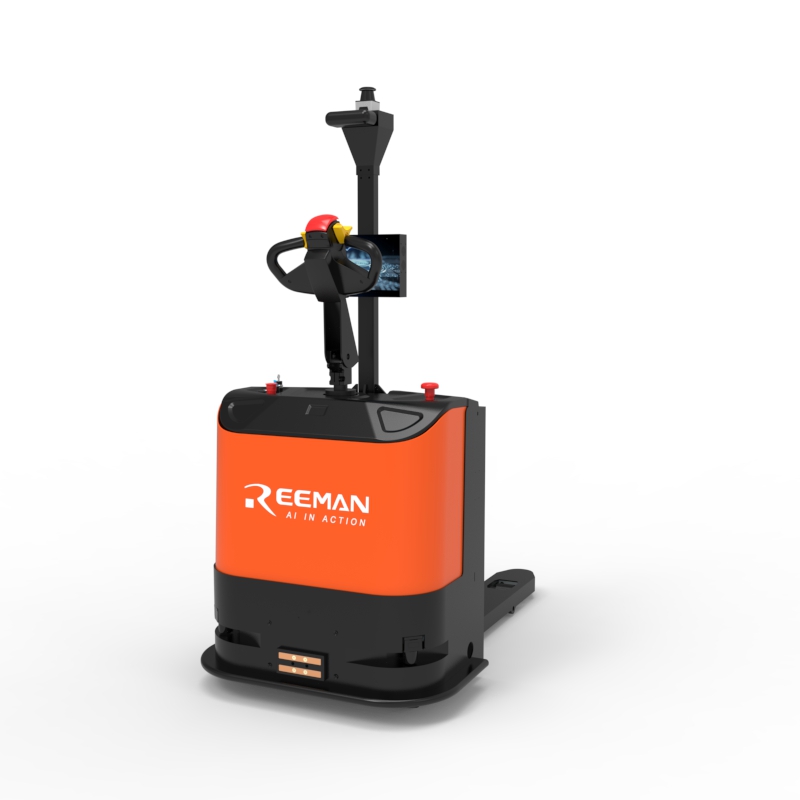
Reeman BBOT30F 1500kg Laser SLAM Autonomous Pallet Stacker AGV Single Line Lidar Obstacle Avoidance Warehouse Transport
- 1,500 kg pallet handling platform
- Laser SLAM with single-line LiDAR
- Obstacle avoidance for repeat warehouse routes
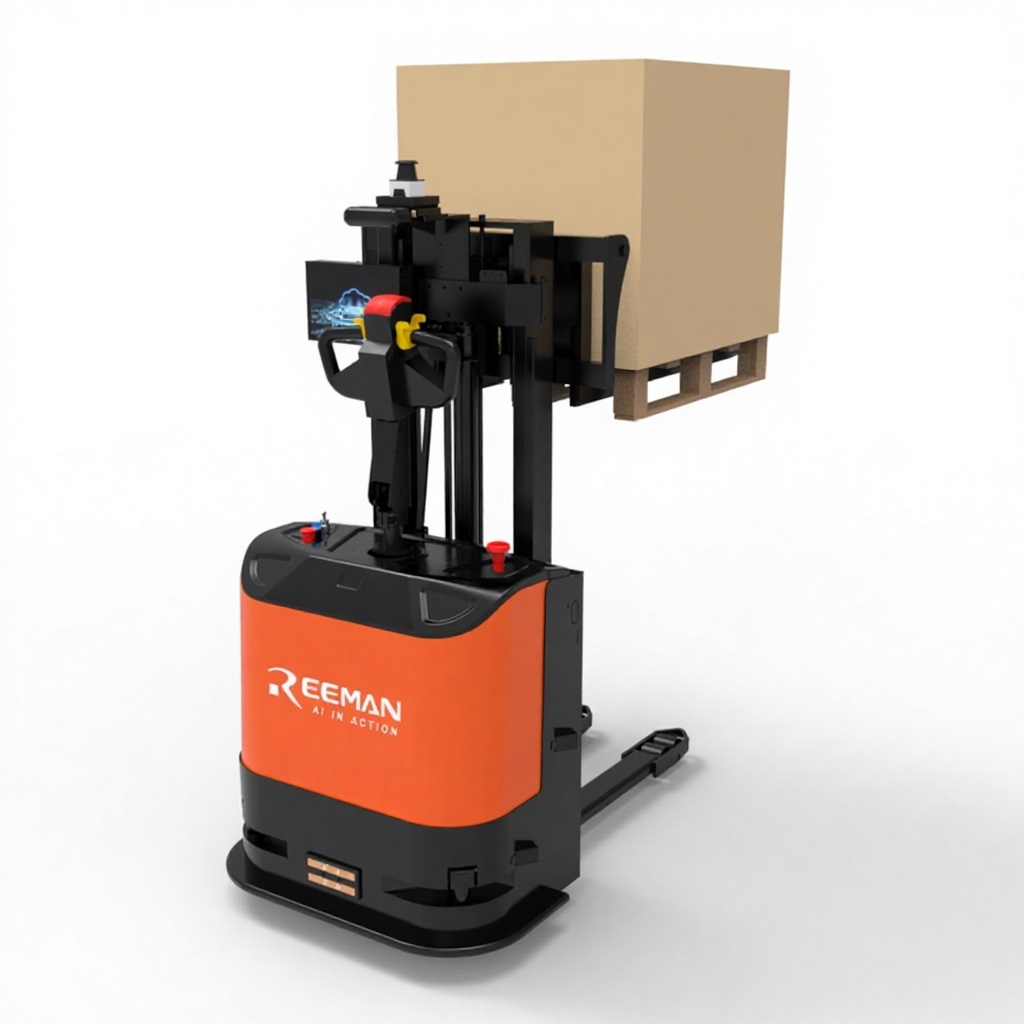
REEMAN Rhino RBOT30F Autonomous Stacker Forklift 3D Vision Obstacle Avoidance Warehouse AGV Robot
- Stacker forklift format for pallet flow
- 3D vision obstacle avoidance
- Suitable for warehouse AGV deployments
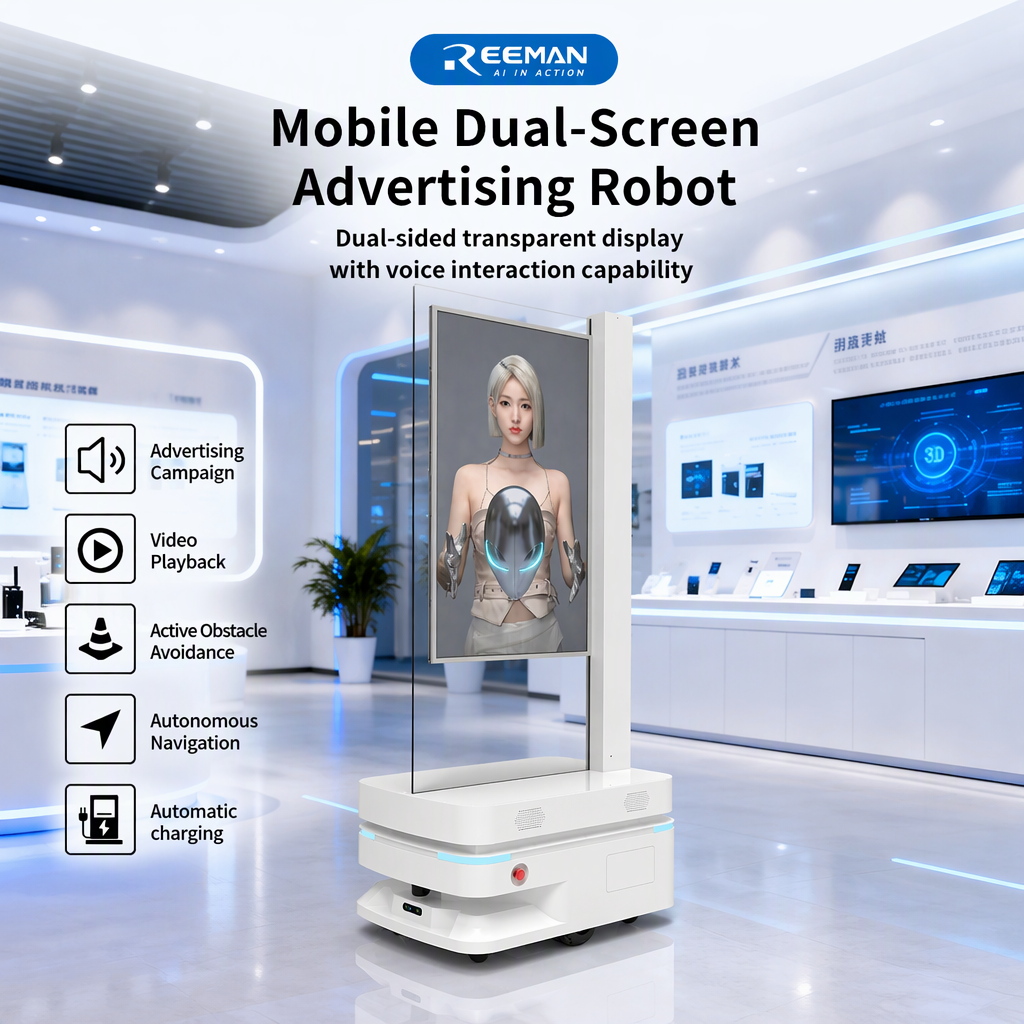
Reeman Mobile Dual Screen Advertising Robot LCD Display Voice Interaction Autonomous Navigation Indoor Commercial Use
- Dual-screen mobile advertising platform
- Voice interaction and autonomous navigation
- For retail, venues and indoor commercial spaces
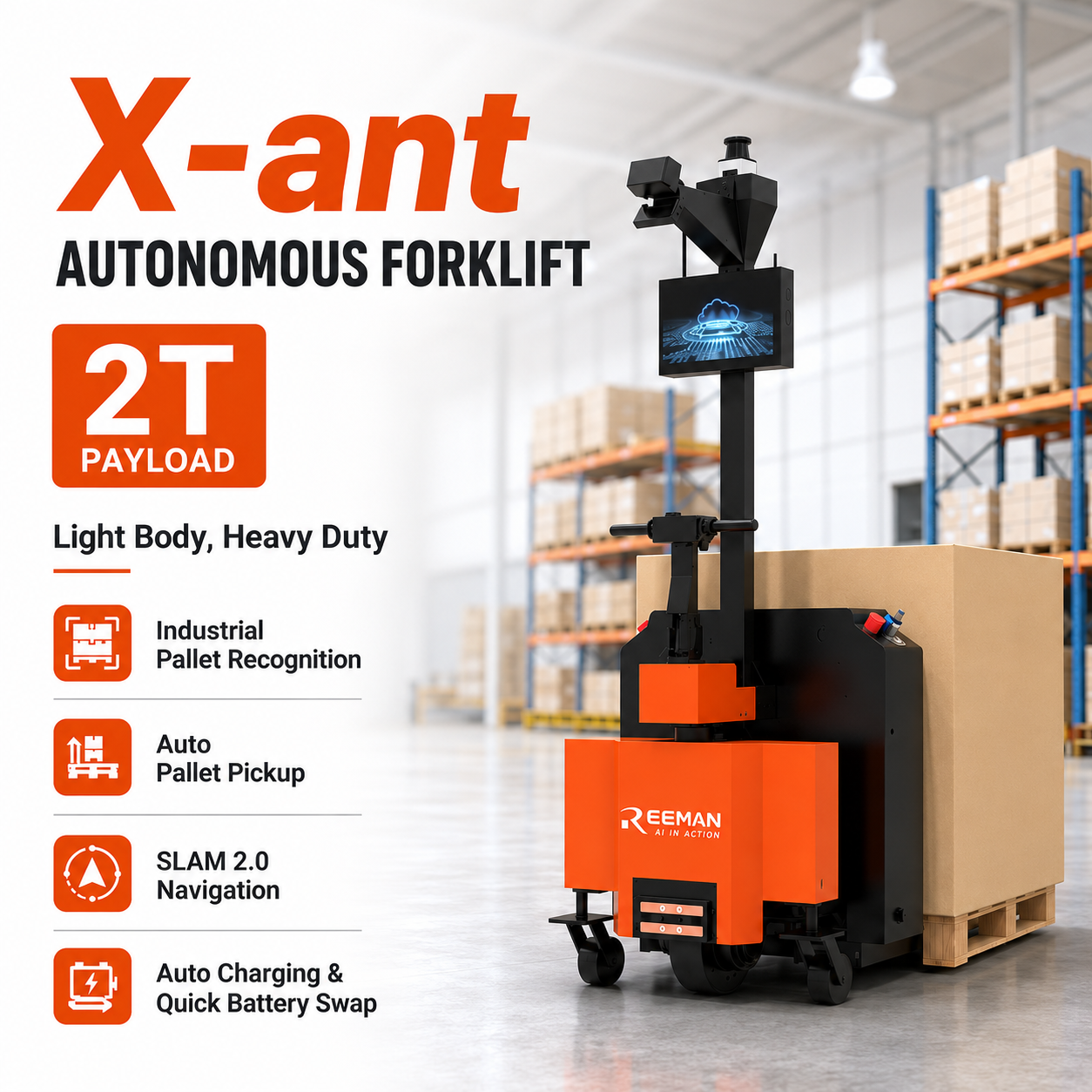
2 Ton Autonomous 4WD AGV Forklift Laser SLAM Navigation Multi-Line LiDAR 3D Obstacle Avoidance Warehouse Handling
- 2-ton rated handling class
- 4WD platform for demanding warehouse routes
- Multi-line LiDAR and 3D obstacle avoidance
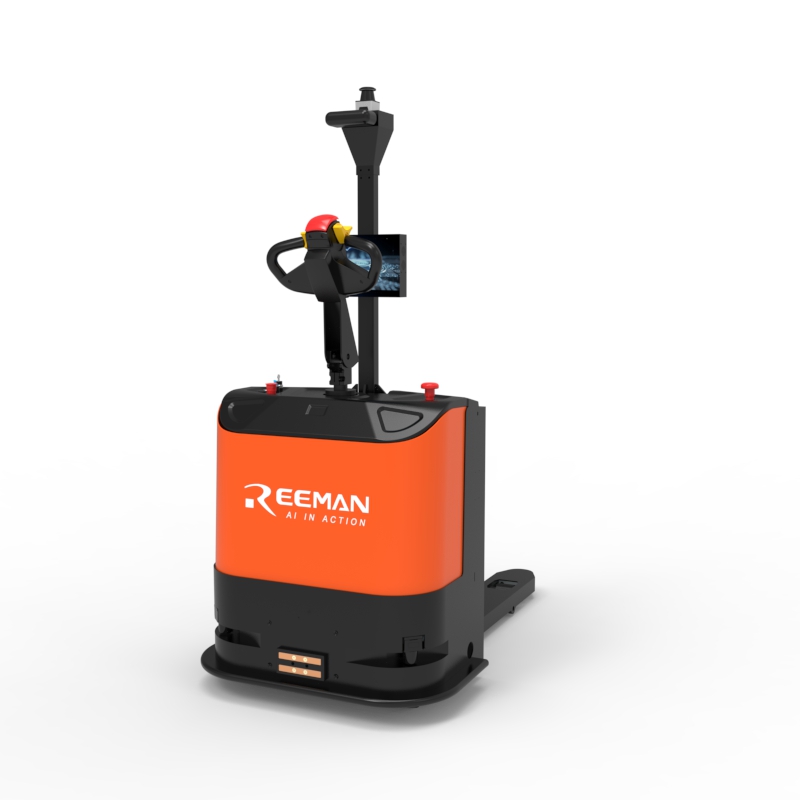
1500kg Laser SLAM AGV Forklift Single Line Lidar 30mm Navigation Accuracy 1019mm Forks 570mm Width Industrial Handling
- 1,500 kg industrial handling class
- Single-line LiDAR navigation
- 1,019 mm forks with 570 mm width
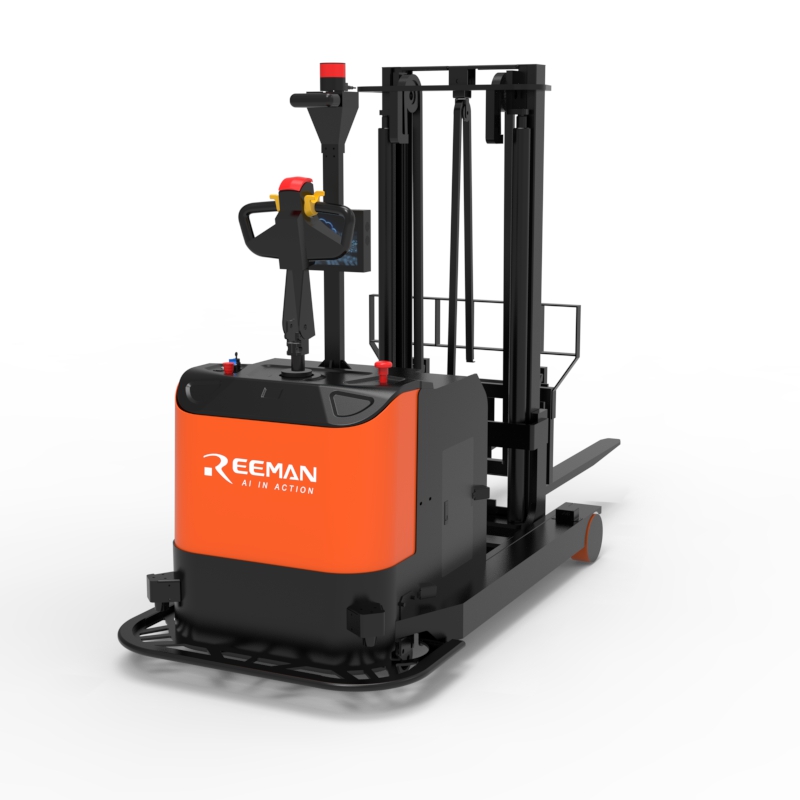
Reeman Autonomous Electric Stacker Forklift 1.2 Ton Li-Ion 48V 30Ah 2500mm Lift Laser Navigation 3m Aisle
- 1.2-ton electric stacker format
- 48V 30Ah Li-ion power system
- 2,500 mm lift and 3 m aisle navigation
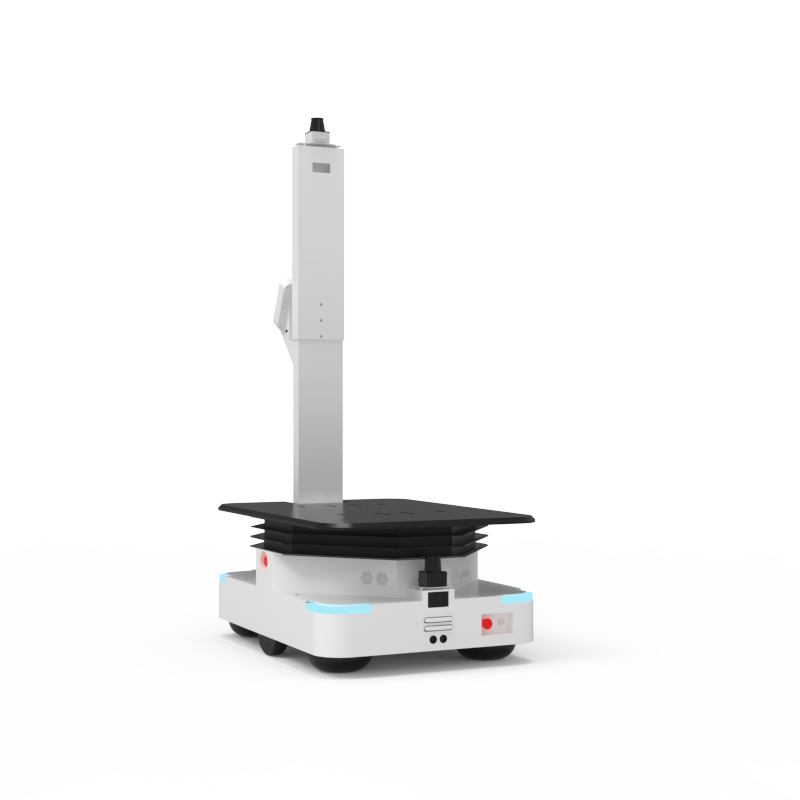
REEMAN Autonomous Mobile Robot AGV AMR 600kg Payload Sheet Metal Material Handling for Production Line
- 600 kg payload AMR platform
- Sheet-metal and production-line transfer
- Open for integration with production workflows
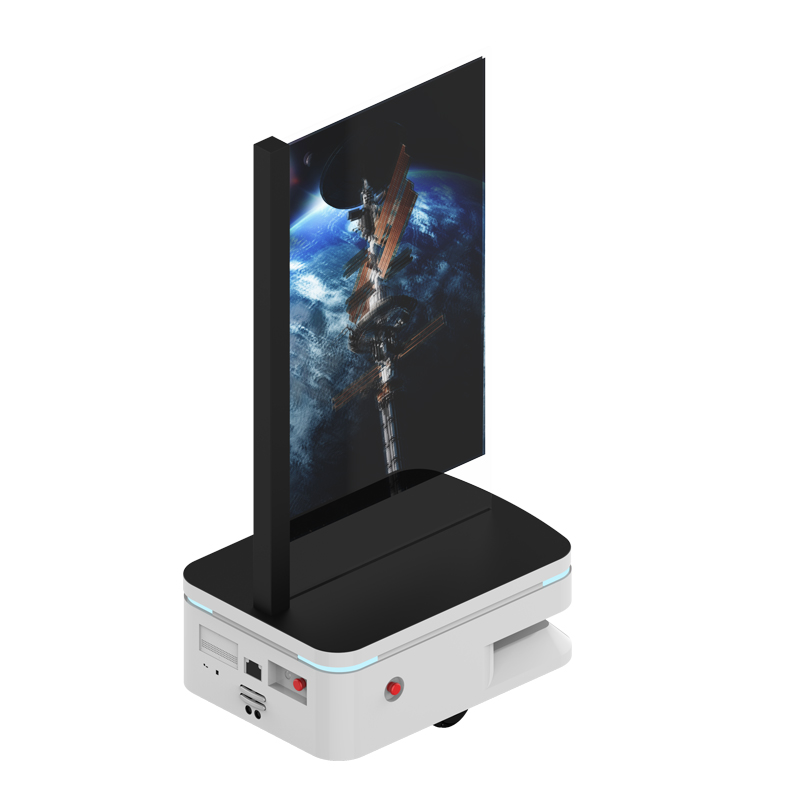
75 Inch Indoor LED Digital Poster Touch Screen Display SDK OEM ODM Black Signage for Retail Store Elevator Airport
- 75-inch indoor touch display
- SDK support with OEM and ODM options
- Retail, elevator lobby and airport signage
Comparing an autonomous sweeper robot with a mixed fleet of AMRs and forklifts? Share your Boston site layout, floor types, elevator dimensions and cleaning window, and the application team can return a configuration path instead of a generic price list.
Get a QuoteFactory profile data referenced from the company’s public profile; onsite verification by SGS Group; management systems certified to ISO 9001 and ISO 14001.
Why Boston is moving from manual cleaning checks to autonomous sweeper fleets
Boston is not a generic “large city” use case. The market combines dense commercial real estate, high-cost labor, narrow service windows, mixed floor materials, winter salt and slush at entrances, hospital and university schedules, life-science protocols and a growing warehouse automation cluster. Those conditions reward buyers who define the route, floor transition and safety envelope before comparing quotations.
Seaport & Financial District
Class A lobbies, mixed-use retail, garages and after-hours service windows favor programmable sweepers with quiet operation, mapped routes and clear reporting for property managers.
Longwood & Cambridge
Hospitals, universities and life-science campuses need predictable cleaning support, quiet navigation and careful coordination with staff, patients, researchers and freight elevators.
Logan, hotels & venues
High pedestrian traffic, luggage, food service and event schedules put a premium on obstacle avoidance, route recovery, battery planning and service access during short maintenance windows.
South Boston & logistics edges
Warehouse and production sites around South Boston, Chelsea, Everett, Quincy and Revere need pallet transport, line-side AMRs and cleaning robots that can work around forklift traffic.
What Boston buyers actually ask for
The strongest requirements are practical: “Can it clean the lobby route without a staff member?”, “Will it stop for a visitor?”, “Can it use the freight elevator?”, “Does it leave a cleaning record we can show the client?”, and “Who supports the unit after installation?” A factory that can answer those questions with drawings, test records and integration documentation is more valuable than a brochure with a low headline price.
Semantic search signals behind the query
Boston buyers search with different intents: autonomous sweeper robot supplier Boston, industrial floor cleaning robot Massachusetts, China autonomous forklift factory, warehouse AMR wholesaler and OEM cleaning robot manufacturer. A serious supplier page should connect product capability, local application fit, procurement risk, service model and measurable proof — not simply repeat factory slogans.
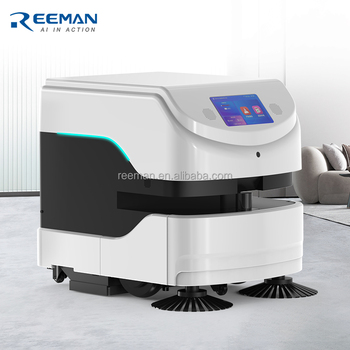
A practical sweeper specification for Boston facilities
An autonomous sweeper robot is most effective when the building has a repeatable hard-floor route, a defined cleaning window and a responsible operator who can check debris bins, brushes and sensors. For Boston properties, the value is not “a robot that moves”; it is a documented floor-care process that reduces the number of manual touches while preserving safety and appearance standards.
For large hard-floor areas, the autonomous sweep-and-mop format can combine sweeping, vacuuming and mopping in scheduled unattended routes. For industrial floors, a dedicated sweeping robot with a larger dust box may be better suited to coarse debris. For hospitals, labs and mixed-use towers, the right question is how the route is verified, how exceptions are handled and how the robot interacts with people, carts and doors.
Before a sweep robot is deployed in a Boston building, validate the entrance mats, floor transitions, elevator waiting areas, restroom corridors, food-service zones, dock edges and any area where pedestrians may appear unexpectedly. A winter entrance with salt residue should not be treated as a standard dry-sweeping lane; it needs a pre-clean, matting plan and a check on the robot’s component protection.
Get a QuoteSix Boston trends shaping autonomous sweeper and robot procurement
These are practical buying signals, not abstract forecasts. They explain why a Boston property manager, distributor or integrator may need a different robot mix in 2025 than in a previous cleaning contract cycle.
Compressed night windows
Boston buildings often need public areas ready before early commuters arrive. Autonomous sweepers can run a repeatable route at the same time each night, with exceptions logged for daytime follow-up.
Proof over promises
Property managers want route coverage, exception reports, battery status and service records. A robot fleet that produces usable reporting is easier to defend to tenants and clients.
Hybrid robot fleets
One building may need a sweeper in the lobby, a scrubber in the garage, an AMR in the loading area and a signage robot in the retail arcade. A modular supplier reduces training and spare-part complexity.
Green cleaning pressure
Dust control, water use, noise and chemical handling matter in hospitals, schools and labs. Robots should be configured for the cleaning process, not just sold as a substitute for every manual task.
Building-system integration
Doors, elevators, WMS/MES tasks and service dashboards are part of the buying decision. An open SDK/API can shorten integration work for Boston integrators and OEM distributors.
Safety and insurance review
Operators increasingly ask for risk assessments, emergency-stop behavior, speed zoning, pedestrian detection and clear responsibility for route changes and incident reporting.
Where autonomous sweepers and robot fleets fit in Boston operations
Use these scenarios to brief internal stakeholders, compare quotations and define the minimum site data required before a factory recommendation.
Class A office towers
Sweep lobby stone, elevator waiting areas and corridor hard floors overnight; reserve manual attention for glass, furniture edges and entrance mats during peak hours.
Warehouses and 3PLs
Pair sweepers with pallet-moving forklifts and AMRs to control dust, improve aisle appearance and reduce manual material-handling touches in high-traffic zones.
Hospitals and clinics
Clean scheduled corridors and waiting areas with quiet, mapped routes while preserving clear pedestrian paths and coordinating with clinical cleaning protocols.
Life-science campuses
Support routine floor care in public areas and selected production zones where route controls, access permissions and documentation match facility procedures.
Hotels and venues
Run cleaning robots during low-traffic windows and deploy mobile advertising robots or touch displays for event wayfinding and retail promotion.
Airport and transit-adjacent sites
Large hard floors and long service hours favor route recovery, robust obstacle handling and fleet scheduling with clear operator escalation rules.
Boston facility fit snapshot: what to weigh before you buy
The bars below are an indicative application-fit visual for early planning, not a market statistic. They help a buying team discuss route complexity, integration and operational readiness in one view.
| Solution | Best Boston use | Procurement note |
|---|---|---|
| Autonomous sweeper robot | Office towers, retail concourses, warehouse aisles, public-facing hard floors | Confirm debris type, floor transitions, mats, elevator access and cleaning window. |
| Sweep & mop robot | Mixed-use lobbies, hospitality areas, healthcare corridors | Validate water/chemical process, floor sensitivity and pedestrian safety behavior. |
| Autonomous forklift / stacker | Pallet flow, dock-to-storage, production feeding | Check load center, fork dimensions, aisle width, rack height and WMS task logic. |
| AMR 600 kg class | Sheet-metal handling, production-line transfer, line-side logistics | Define top module, load interface, call buttons and MES/ERP integration. |
| Advertising and signage robots | Retail, airports, hotels, exhibitions and wayfinding | Review content management, data privacy, voice interaction and venue rules. |
For a real quotation, the factory should confirm the robot model, battery plan, charging location, safety configuration, spare-parts package and commissioning responsibilities in writing.
Why Shenzhen Elvorn is a credible China partner for Boston wholesalers
Elvorn is presented here as the manufacturer behind the referenced product lines: Shenzhen Elvorn Intelligent Equipment Co., Ltd., founded in 2015 and focused on robotic platform technology and autonomous driving. The buying case is not a single specification — it is the combination of engineering depth, production capacity, testing, documentation and export support.
Laser SLAM navigation
Map-based autonomy reduces dependence on magnetic tape, QR codes or floor reflectors. That matters in Boston buildings where layouts evolve, entrances change with seasons and tenants rework space.
Open SDK and API
AMRs and robot chassis support secondary development so integrators can connect task dispatch and status feedback to WMS, MES, ERP, elevators, doors and custom dashboards.
Modular payload platforms
The range spans commercial service robots, robot chassis, AMRs, stacker forklifts and handling platforms. A shared control and service approach can simplify mixed-fleet training.
Multi-layer safety design
LiDAR, obstacle sensors, emergency stops and speed zoning are part of the deployment discussion. Boston buyers should require a site-specific risk review for pedestrian areas.
Two production bases
Shenzhen and Ningbo production bases, 5,200㎡ of total floorspace, 200+ team members and 39 patents support OEM, ODM, buyer-label and custom top-module projects.
Export-ready support
English documentation, remote commissioning, FOB shipping and T/T payment in USD or CNY are part of the export model. Third-party assessment records support buyer due diligence.


From Boston site survey to stable autonomous operation
A robot quotation becomes useful only when it maps to a delivery process. This six-step workflow reduces surprises for distributors, property managers and integrators.
Requirement review
Share the site plan, floor types, cleaning or handling routes, load data, pallet type, elevator dimensions, charging location and target operating hours.
Application scoping
Clarify whether the project needs a sweeper, scrubber, AMR, stacker forklift, signage robot or a mixed fleet, plus the safety envelope for each area.
Solution design
Engineers recommend model, battery plan, fleet size, route logic, top module, integration scope and the spare-parts package for the first year.
Customization and build
OEM branding, buyer-label packaging, custom top modules and software interfaces are built to the agreed specification, not assumed after order.
Factory testing
Function and load tests are completed before shipment. Request test records, packing details and the recommended commissioning checklist.
Deploy and support
Remote mapping support, operator training, documentation and long-term spare-part supply help Boston buyers protect uptime after installation.
Boston procurement checklist for autonomous sweeper wholesalers
Use this checklist during distributor evaluation, property-manager review or integrator due diligence. It is deliberately practical and written around the questions that decide whether a pilot becomes a fleet.
Floor and route evidence
Provide a marked-up floor plan, photographs of transitions, entrance mats, elevator thresholds, ramps, glass doors and any area where the robot must reverse or wait.
Safety responsibility
Agree who controls speed zones, route changes, pedestrian training, emergency-stop checks and incident reporting. Safety should be documented, not implied.
Integration scope
List the systems the robot must talk to: WMS, MES, ERP, elevator controls, door access, building-management dashboards or content-management platforms.
Service model
Confirm spare parts, remote support hours, firmware update policy, consumables, brush and battery replacement, and who performs first-line troubleshooting.
Certification and due diligence
Request model-level CE, FCC or PSE information where applicable, ISO 9001 and ISO 14001 evidence, SGS verification details and testing records.
Commercial terms
Clarify FOB terms, packaging, T/T currency, lead time, warranty exclusions, spare-parts list, OEM/ODM rights and buyer-label requirements before deposit.
Common procurement questions from Boston and New England buyers
These answers are written for facilities teams, distributors and integrators comparing China factory options. Final suitability must be confirmed with a site survey and written quotation.
What should a Boston buyer compare when choosing a China autonomous sweeper factory?
Can an autonomous sweeper handle Boston winter salt, slush and wet entrances?
Do Boston sites need Wi-Fi for autonomous sweepers and AMRs?
How can a multi-floor Boston building use a cleaning robot?
Are these robots safe around pedestrians in hospitals, universities and offices?
Which certifications matter for Massachusetts procurement?
Can Elvorn support Boston wholesalers, distributors and property managers?
What information should I send to receive a useful autonomous sweeper quotation?
How this Boston market guide was prepared
This guide was structured for procurement and technical evaluation by the application engineering team behind Shenzhen Elvorn Intelligent Equipment Co., Ltd., using the factory’s public company profile, product series information, certification references and deployment considerations for North American buyers. Elvorn’s stated capabilities include laser SLAM autonomous forklifts, industrial AMRs, robot chassis, commercial service robots, OEM/ODM customization and export support. Images and product URLs are retained from the supplied product media so that Boston buyers can verify specifications directly. Every project should still be validated through a site survey, written configuration and model-specific compliance review.
Turn a Boston cleaning or material-handling bottleneck into a measurable automation plan
Send your building layout, floor types, cleaning window, pallet data or production-line flow. The application team can help you shortlist an autonomous sweeper robot, AMR or forklift configuration and identify the information still needed before a responsible quotation.
Get a Quote