8 Robot Platforms for Chiang Mai Wholesale & Project Integration
For sanitizing robot buyers, the procurement decision rarely stands alone. Hygiene workflows often connect to guest service, material movement, cleaning schedules and facilities management. The eight platforms below are supplied directly from the manufacturer and can be discussed together with sanitizing and disinfection configurations for Chiang Mai sites.
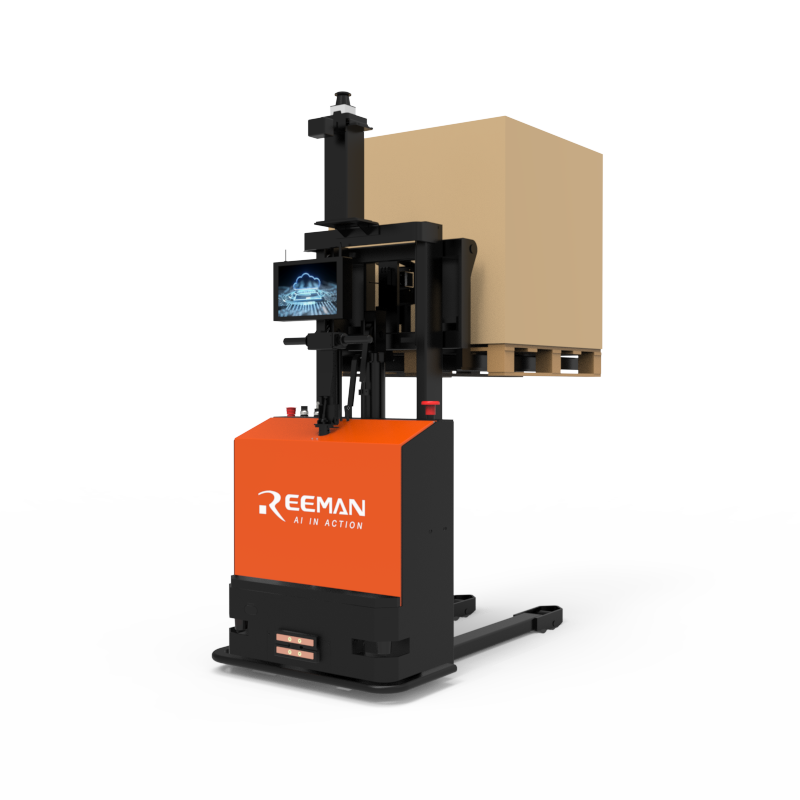
1000 kg Laser SLAM Forklift AGV Unmanned Pallet Stacker Single Line Lidar Obstacle Avoidance Factory Logistics
Heavy-duty pallet handling for factory logistics, with laser SLAM navigation and obstacle avoidance for repeatable warehouse routes.
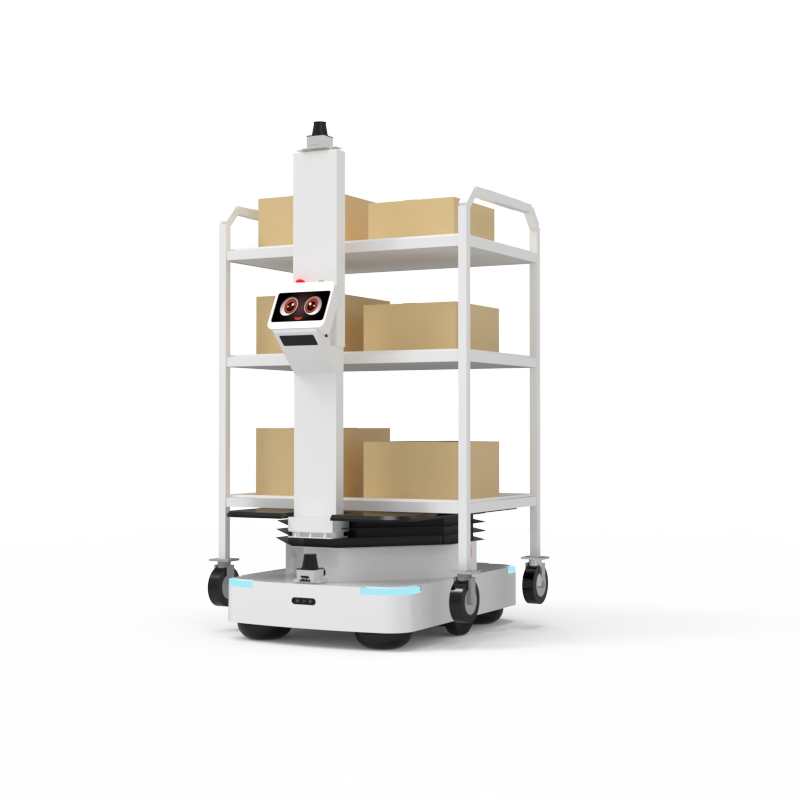
600kg Payload Autonomous AMR Robot Multi Sensor Mobile Material Handling Cart for Production Line
Flexible material handling for production lines, with multi-sensor navigation that supports changing routes and line-side supply.
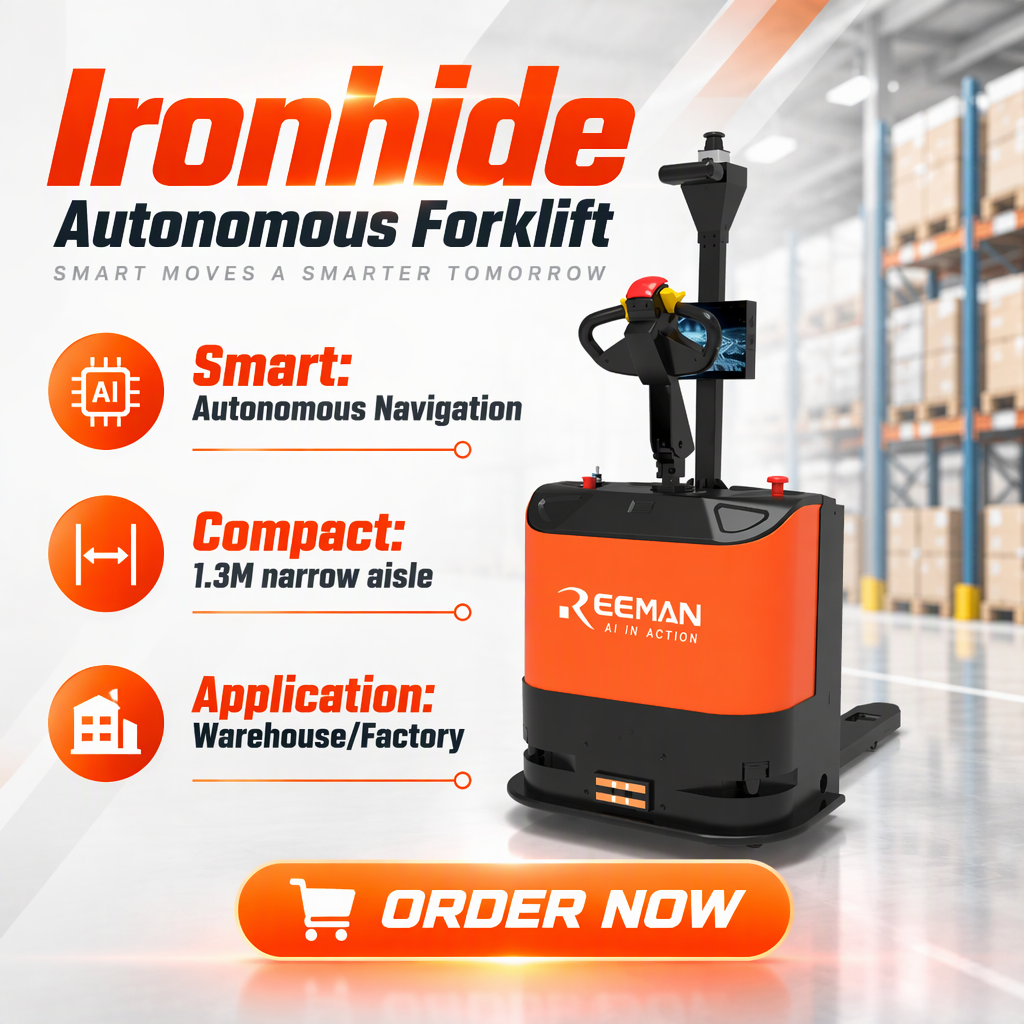
Reeman 1.5 Ton Autonomous Forklift AGV 3D Obstacle Avoidance Bidirectional Driving 48V 30AH Lithium-Ion Battery
Bidirectional autonomous forklift for pallet transfer, designed around 3D obstacle avoidance and lithium-ion battery operation.
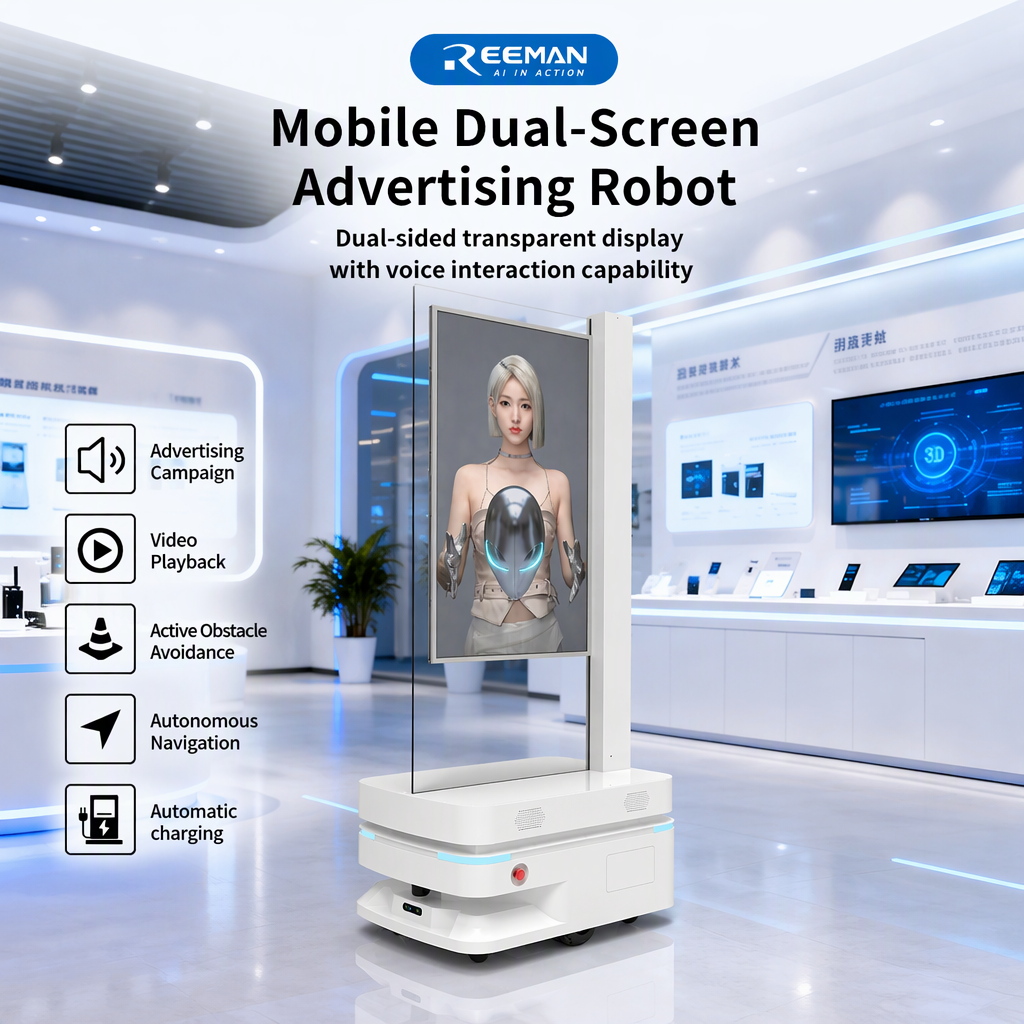
Reeman Mobile Dual Screen Advertising Robot LCD Display Voice Interaction Autonomous Navigation Indoor Commercial Use
Indoor advertising and guidance robot that can combine hygiene messaging, wayfinding and guest communication in public venues.
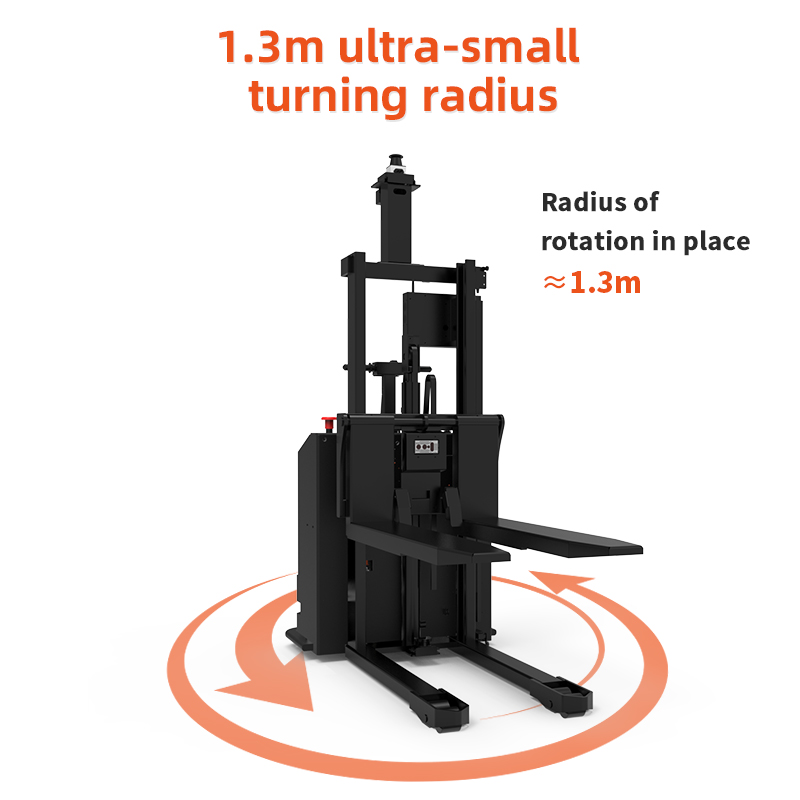
1000kg Forklift AGV Laser SLAM Navigation Pallet Transport Robot 1.3m Turning Radius Auto Charging for Factory Logistics
Compact turning radius and automatic charging make this pallet transport robot suitable for constrained factory logistics areas.
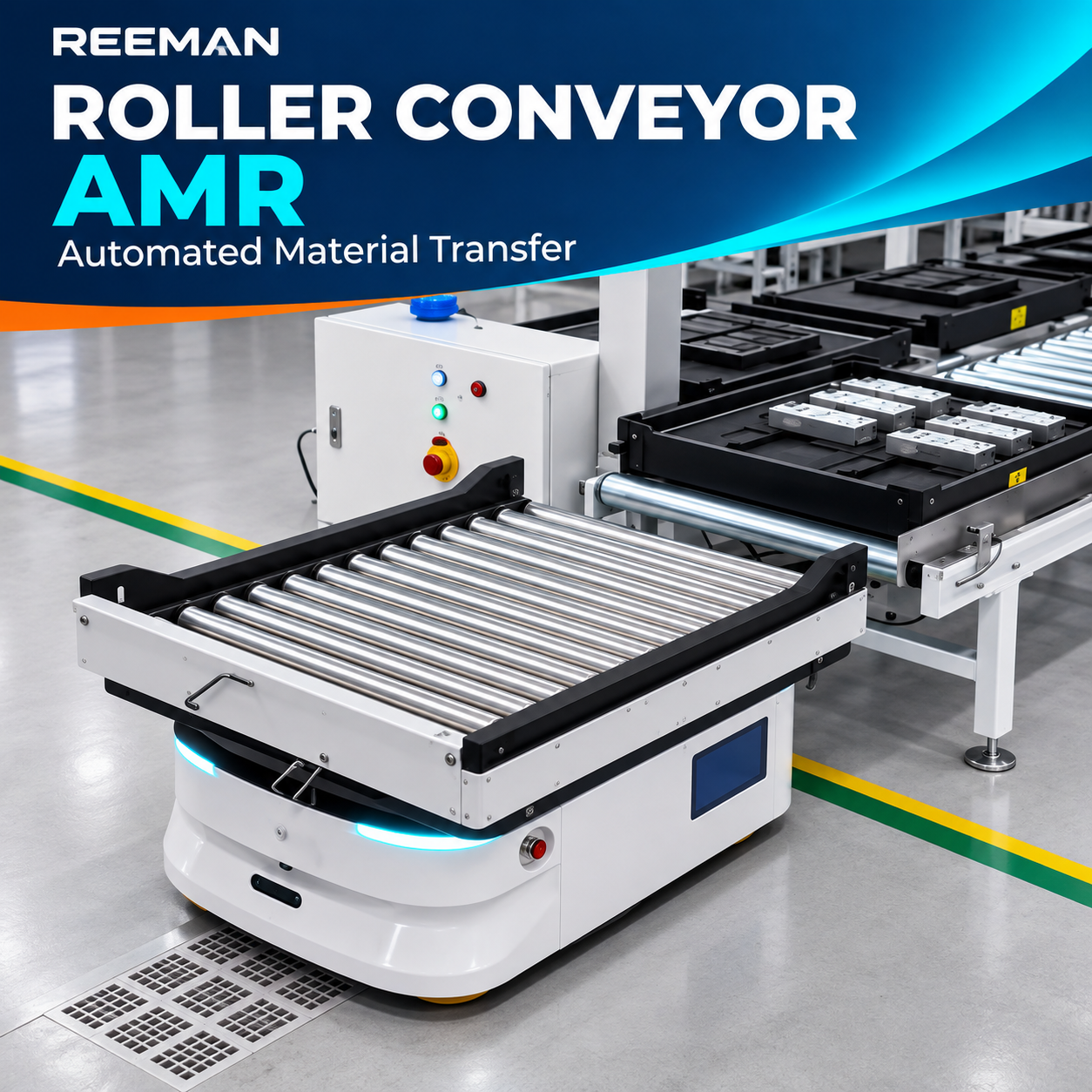
Roller Conveyor AMR Robot with SDK and API for Custom Development and System Integration
Open SDK and API support custom development for integrators, conveyors, MES/WMS interfaces and production-line automation.
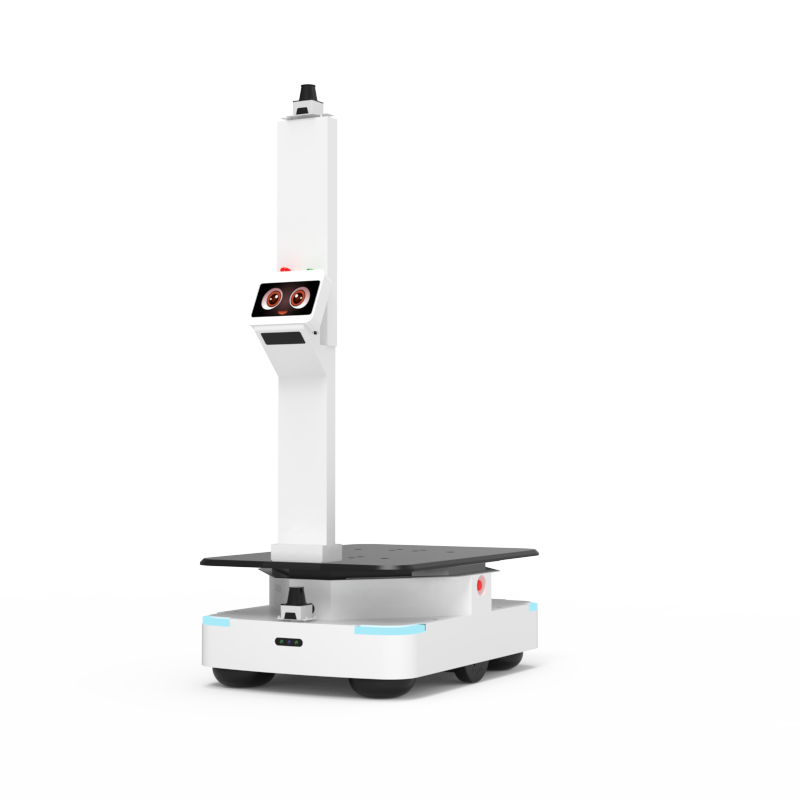
600kg Payload Laser Navigation AMR Robot Autonomous Lifting Warehouse Transfer Equipment
Autonomous lifting platform for warehouse transfer, designed for repetitive movement between storage, staging and dispatch areas.
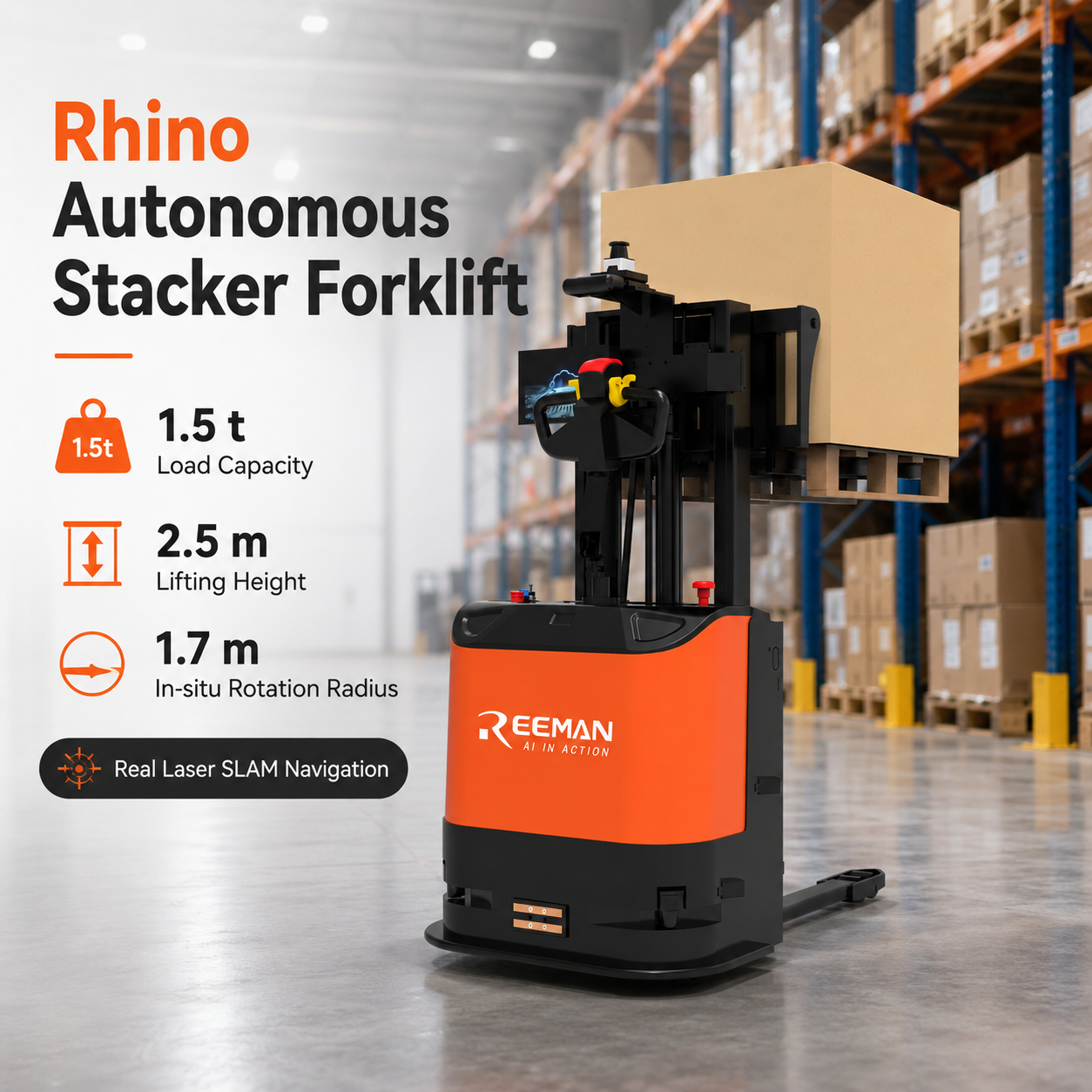
Laser SLAM Autonomous Stacker Forklift 1500 kg Load AGV Pallet Handling Robot Laser Obstacle Avoidance Warehouse
Stacker forklift AGV for pallet handling, racking support and warehouse routes where laser obstacle avoidance is required.
Factory Facts Buyers Can Check Before Ordering
For wholesale sanitizing robot procurement, supplier verification is not a formality. It affects lead time, spare-part continuity, customisation quality and the credibility of after-sales commitments.
SGS onsite verification: management systems certified to ISO 9001 and ISO 14001, with model-level CE, FCC or PSE marks available depending on configuration.
Wholesale Sanitizing Robots for Chiang Mai: A Practical Buyer’s Guide
This guide is prepared from Elvorn’s product engineering, export documentation and project-scoping experience for autonomous robots, cleaning and disinfection platforms, and industrial material handling. It is designed for procurement teams that need more than a catalogue price.
Safety & Compliance First
A sanitizing robot is not only a cleaning device. It is a mobile machine operating around guests, patients, students and staff. Confirm emergency stop logic, obstacle detection, speed zoning, charging safety and the sanitizing method’s operating instructions.
Total Cost of Deployment
Compare the robot, spare parts, shipping, customs clearance, training and integration together. A lower unit price can become expensive if consumables, documentation or remote diagnostics are weak.
Integration & Training
Chiang Mai sites vary widely: heritage hotels, modern malls, hospitals, university buildings and factories. Ask how the robot maps the site, avoids glass walls, uses elevators and hands tasks to staff in daily workflows.
Where Sanitizing & Autonomous Service Robots Fit in Chiang Mai
Chiang Mai is not a single market. The Old City, Nimman, riverside hotels, university campuses, medical facilities, shopping centres and industrial zones each create different robot requirements.
Hotels, Resorts & Guesthouses
Public-area hygiene is visible to guests. Robots can support scheduled cleaning and disinfection of lobbies, breakfast areas, corridors, conference rooms and spa waiting areas outside peak guest flow.
- Route planning around luggage and check-in peaks
- Quiet operation for guest floors
- Coordination with housekeeping and F&B teams
Hospitals, Clinics & Wellness Centres
Healthcare teams need repeatable hygiene routines and clear safety controls. A mobile sanitizing platform can be evaluated for waiting areas, corridors and non-clinical zones after a risk assessment.
- Staff-first safety protocol and training
- Audit-friendly task records where available
- Low-noise scheduling near patient areas
Shopping Malls & Retail
Malls and retail centres in Chiang Mai combine high footfall with brand-sensitive environments. Robots can handle after-hours floor care while dual-screen service robots support wayfinding and hygiene reminders.
- After-hours cleaning windows
- High-touch zone scheduling
- Guest-facing hygiene communication
Airports, Stations & Event Venues
Transport hubs and exhibition spaces need route discipline and rapid exception handling. Robot deployment should define charging zones, operator escalation and crowd-avoidance rules.
- Dynamic obstacle avoidance
- Defined charging and parking areas
- Event-day route reconfiguration
Universities & International Schools
Campuses in and around Chiang Mai can use robots in canteens, libraries, administration buildings and common areas. Child and student safety must be evaluated before any automated cleaning cycle.
- Operating-hours control
- Staff supervision and lockout procedures
- Multilingual signage and training
Factories, Packing Houses & Warehouses
Industrial sites often combine hygiene and material flow. Autonomous forklifts and AMRs move pallets and carts, while sanitizing platforms support welfare areas, change rooms and dispatch zones.
- Forklift-AMR traffic separation
- Floor condition and slope review
- Integration with WMS or MES where needed
Chiang Mai Market Trends Shaping Wholesale Demand
Buyers in Chiang Mai are not simply replacing manual cleaning tools. They are responding to changing guest expectations, labour availability, digital operations and cross-border procurement patterns.
Hygiene Visibility in Tourism
Hotels, resorts and restaurants increasingly treat cleaning transparency as part of guest experience. Robots and documented cleaning schedules can support brand confidence.
Labour Cost & Workforce Shift
Facilities teams face pressure to redeploy staff from repetitive movement and cleaning tasks to guest service, clinical support and maintenance work.
Smart Campus & Digital Integration
Universities, hospitals and commercial buildings are investing in connected operations. Open SDK and API support can help robots fit into building workflows instead of standing alone.
Cross-Border Procurement
China-based manufacturing remains attractive for wholesale pricing and customisation. Buyers should still verify certificates, spare parts, packaging and local import requirements before ordering.
Illustrative Deployment Fit by Site Type
This planning view is based on route complexity, operating hours, floor conditions and public safety requirements. It is not a product performance rating or a guarantee of results.
Recommended Sanitizing & Hygiene Robot Configurations
For a wholesale quotation, define the sanitizing method, operating area, human-presence policy and maintenance plan. Final configuration should be confirmed by a site survey and safety review.
Autonomous Sanitizing Mobile Platform
For lobbies, corridors and public areas. Discuss UV-C, spray or combined modules with safety controls, signage and access restrictions according to the selected method.
Review disinfection robot optionsCleaning + Hygiene Combination
For malls, hotels and large facilities that need floor care and high-touch area routines. Plan the robot’s cleaning window, water/detergent handling and staff handover process.
Review cleaning robot optionsPublic-Area Guidance & Hygiene Messaging
Use dual-screen service robots for wayfinding, hand-hygiene reminders and guest communication while reducing repetitive questions at reception or event entrances.
View dual-screen service robotCustom Sanitizing Top Module
For integrators and distributors, an AMR chassis with open SDK and API can be adapted to a branded sanitizing module, subject to safety validation and project scope.
Explore robot chassis platformsWhat Chiang Mai Buyers Should Confirm Before Ordering
Use this checklist to structure the inquiry. A complete brief reduces miscommunication, speeds quotation and improves deployment quality.
Sanitizing Method
Define whether the site needs surface wiping, spray, UV-C or another approach, plus operating restrictions and staff training.
Floor & Route Survey
Check floor material, slopes, thresholds, glass walls, narrow corridors, lifts and peak-hour pedestrian flow.
Power & Charging
Confirm 220V/50Hz supply, charging location, socket type, cable management and charging safety procedures.
Fleet Size & Shift Plan
Estimate area, cleaning cycles, travel distance, elevator use and peak restrictions. More robots are not always better than a well-designed route.
Export Documents
Request invoice, packing list, certificate copies, test records and model-level declarations needed by your customs broker.
After-Sales Plan
Clarify remote diagnostics, spare-parts list, warranty terms, operator training and whether local coordination is required.


Why Elvorn Is a Verifiable China Wholesale Manufacturer
Shenzhen Elvorn Intelligent Equipment Co., Ltd. was founded in 2015 as a national high-tech enterprise focused on robotic platform technology and autonomous driving. The company designs, builds and supports autonomous forklifts, industrial AMRs, robot chassis, delivery robots, cleaning robots and disinfection robots.
In-house engineering covers laser SLAM navigation, motion control, fleet scheduling and hardware integration. For distributors and integrators, this full-stack ownership matters because customisation questions, interface planning and spare-part decisions can be answered by the same technical team.
Two production bases in Shenzhen and Ningbo support build capacity, while supplier assessment procedures and on-site material inspection support quality control. Export terms include FOB and T/T payment in USD or CNY, with service support for buyers in North America, Western Europe, Eastern Asia, Southeast Asia and the Middle East.
For Chiang Mai projects, Elvorn does not claim a local office. Support is delivered through remote engineering, English documentation and project-based local coordination where agreed. This distinction helps buyers set realistic expectations for commissioning, training and maintenance.
Contact UsFrom Shenzhen Factory to a Working Chiang Mai Site
A controlled deployment process reduces surprises for overseas buyers. The exact schedule and scope are confirmed in the quotation after reviewing the site brief.
Site Brief
Share floor plans, operating hours, area, floor type, lifts, network coverage, power supply and hygiene objective.
Selection & Safety Review
Application engineers recommend robot type, sanitizing module, route assumptions and operator safety controls.
OEM / ODM Build
Top modules, branding, packaging, interface requirements and documentation are aligned to the project scope.
Factory Testing & Export
Functional checks, load or cleaning tests where applicable, packing and export documents are prepared for shipment.
Logistics to Chiang Mai
Typical options include sea freight to Laem Chabang or Bangkok followed by truck to Chiang Mai, or air freight to CNX. Import duties, VAT and local requirements should be verified with your customs broker.
Commissioning & Support
Remote mapping guidance, operator training, spare-parts recommendations and long-term technical support are planned before handover.
Common Wholesale Procurement Questions
These are the questions most often raised by overseas buyers evaluating China wholesale sanitizing robot manufacturers and autonomous equipment suppliers.
Yes. Elvorn supports wholesale and project orders from Shenzhen, with export packing and documentation. Sanitizing or disinfection configurations should be discussed in detail because the selected method affects safety procedures, operating rules and maintenance.
MOQ depends on the robot platform, customisation level and whether the order mixes models. A single unit for evaluation and a multi-unit wholesale project are different quotations. Share your target application and annual volume for a practical answer.
Depending on the model, Elvorn robots can carry CE, FCC or PSE marks. The company management system is certified to ISO 9001 and ISO 14001, and the factory has been verified onsite by SGS Group. Always confirm the exact model certificate and any Thai import requirement with your customs broker before shipment.
Thai-language interface localisation can be discussed as part of project scope. Standard documentation and engineering communication are available in English, and third-party integrators can support local user training where required.
Delivery time depends on configuration, production queue, testing, export packing and the selected freight route. Sea freight to Laem Chabang or Bangkok plus trucking to Chiang Mai and air freight to CNX have different schedules. The confirmed lead time is stated in the quotation.
Elvorn ships worldwide on FOB terms and accepts T/T payment in USD or CNY. Main export markets include North America, Western Europe, Eastern Asia, Southeast Asia and the Middle East. Final terms are confirmed in the proforma invoice.
AMRs and robot chassis provide an open SDK and API for secondary development. Integration possibilities depend on the third-party systems and site infrastructure. Elevator, door, WMS, MES and custom dashboard requirements should be reviewed during technical scoping.
Request a recommended wear-parts list, remote diagnostics process, warranty terms and operator training plan. For Chiang Mai projects, consider keeping critical spare parts on site or with a local service partner so routine maintenance does not depend on long international shipments.
Send Your Chiang Mai Site Brief for a Wholesale Recommendation
Share your building layout, cleaning area, operating hours, floor type, lift availability, target hygiene routine and required quantity. Our engineering and export team will help match the right sanitizing or autonomous robot platform, confirm the configuration route and prepare a quotation for your project.
Contact Us Wholesale inquiry · OEM / ODM discussion · Export documentation · Remote engineering support