8 Autonomous Systems Portland Distributors Can Bundle
These platforms are frequently requested by wholesale partners, systems integrators and facility-service companies building automation packages for warehouses, production lines, retail venues and public spaces. Sweeping and mopping robots can be bundled with the material-handling, AMR and digital-signage systems below.
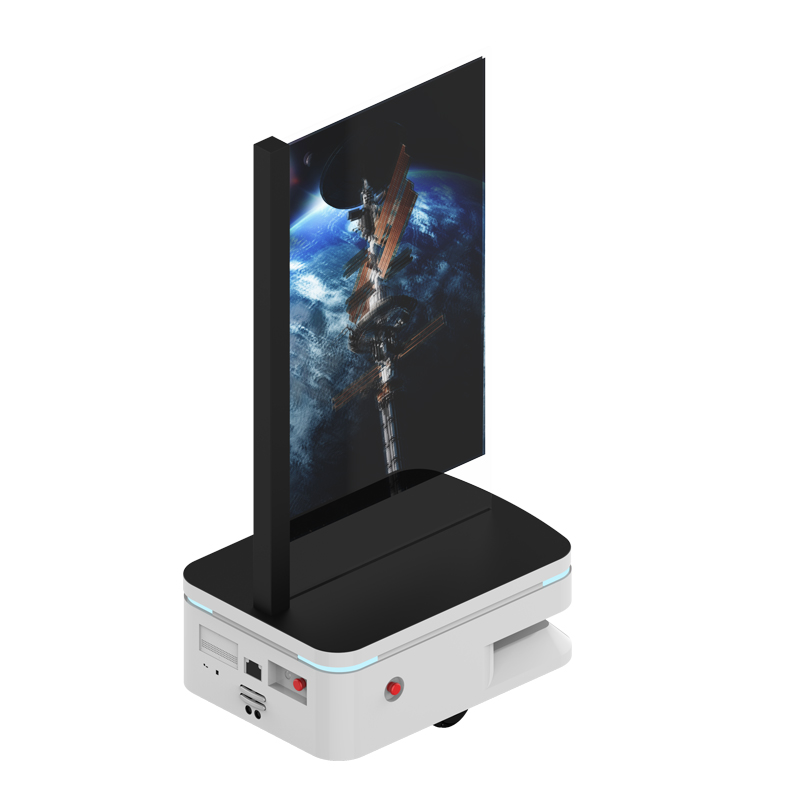
75 Inch Indoor LED Digital Poster Touch Screen Display
SDK, OEM and ODM options for retail stores, elevator lobbies, airports and wayfinding.
View product details →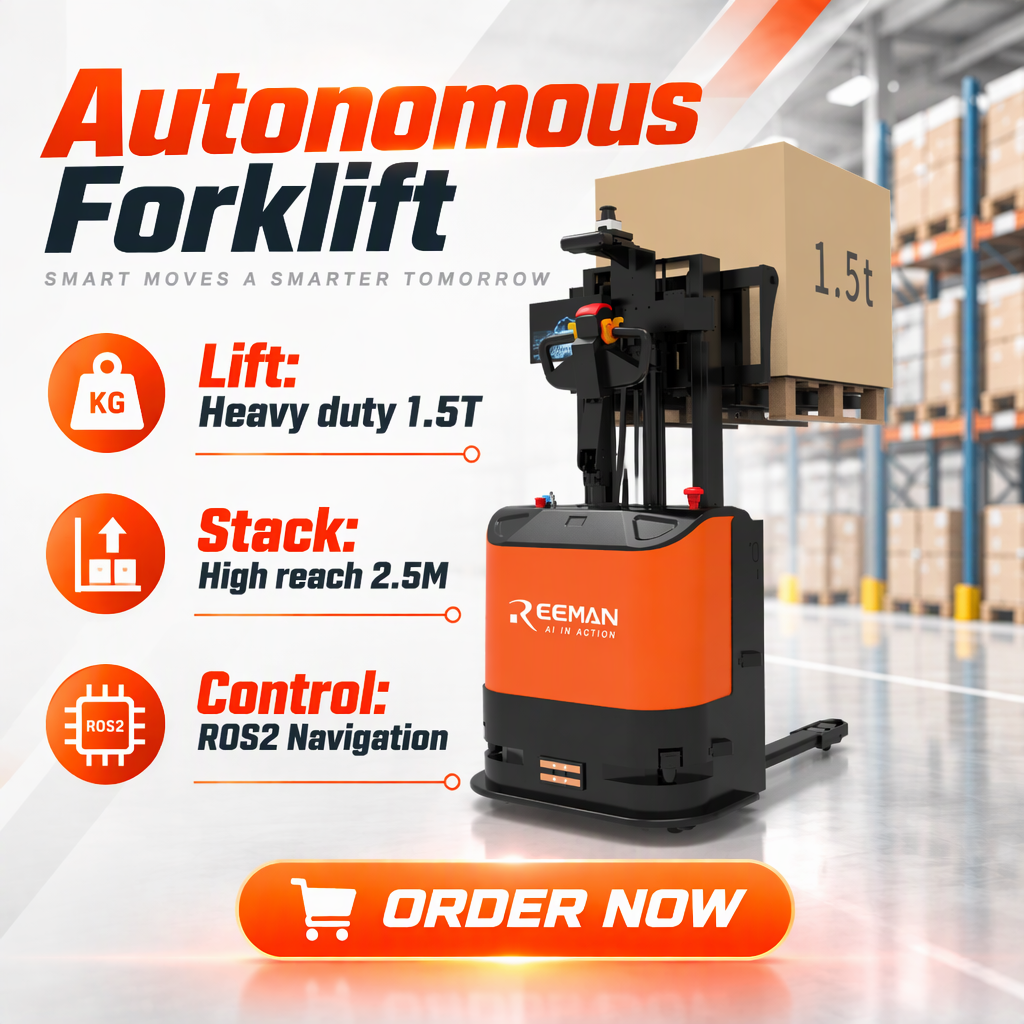
Autonomous Electric Forklift AGV 1500 kg
2.5 m lift, ROS2 navigation, 4WD and lithium-ion battery for indoor material handling.
View product details →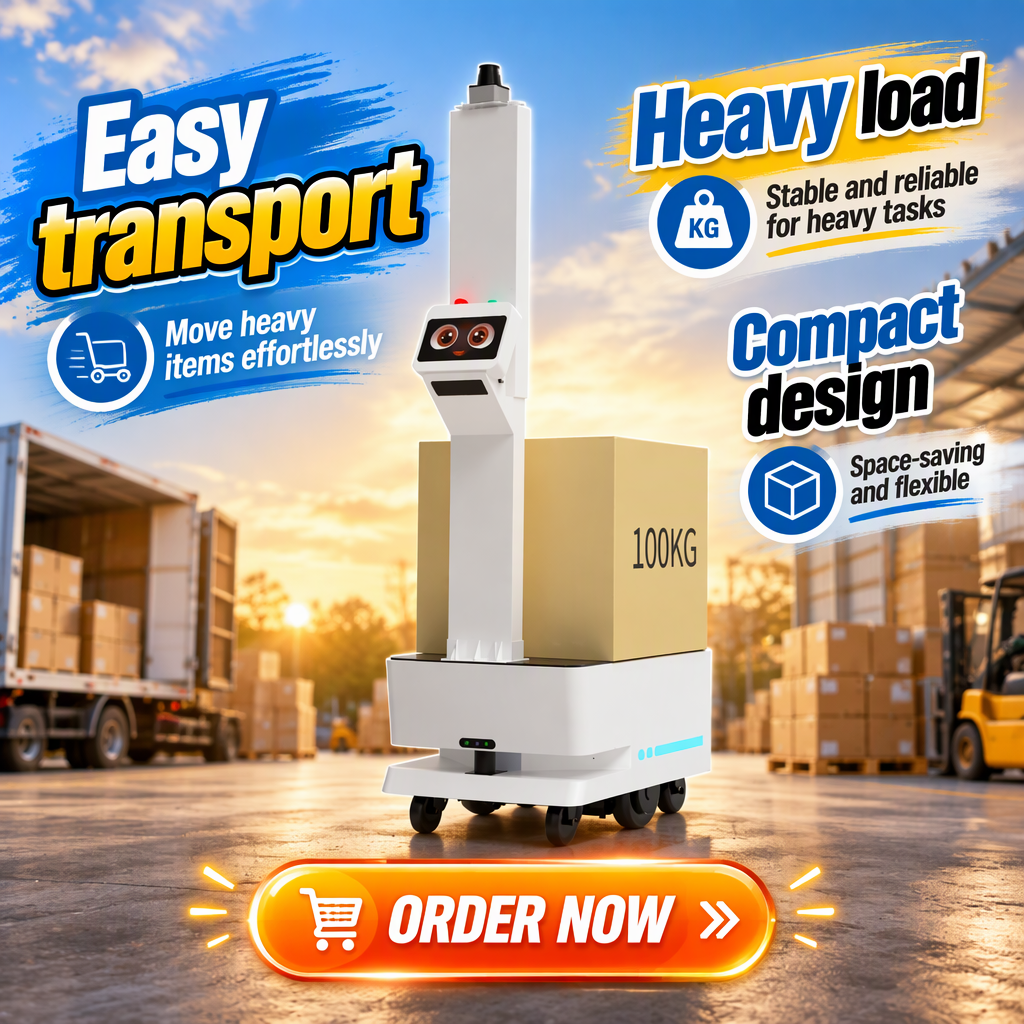
Reeman Autonomous Mobile Robot SLAM Navigation
PLC core components and SLAM navigation for warehouse logistics and internal transport.
View product details →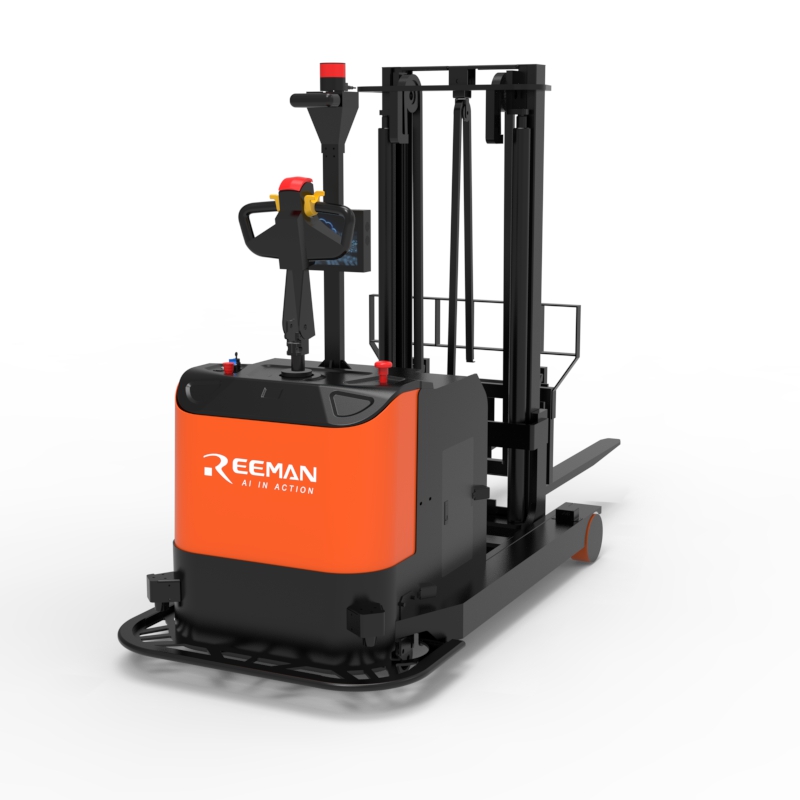
Reeman Autonomous Electric Stacker Forklift 1.2 Ton
48V 30Ah lithium-ion power, 2500 mm lift and laser navigation for 3 m aisles.
View product details →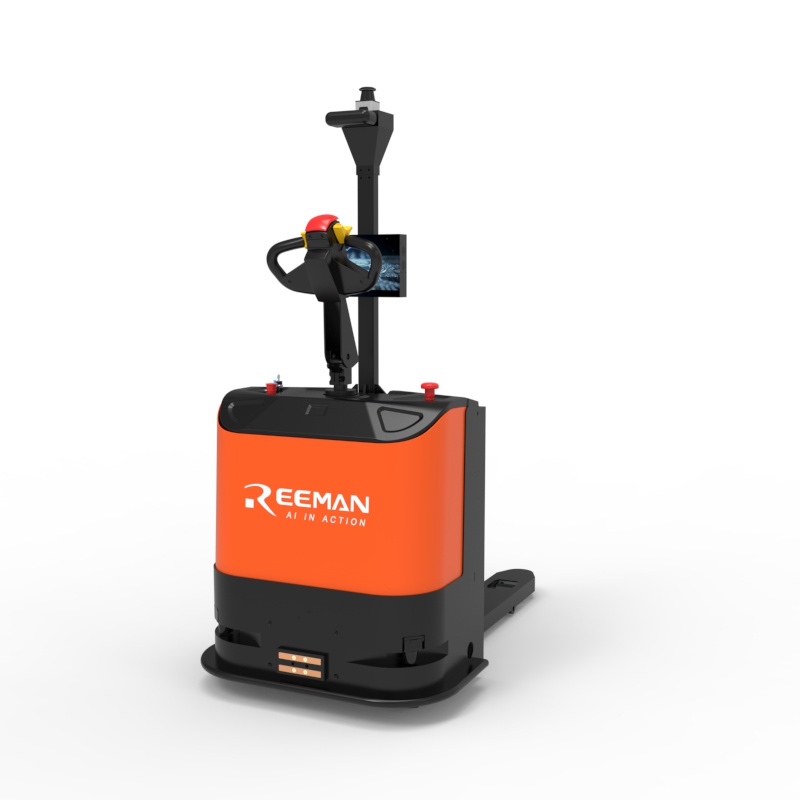
Reeman BBOT30F 1500 kg Laser SLAM Forklift AGV
LiDAR navigation and pallet handling for warehouses, production lines and distribution centers.
View product details →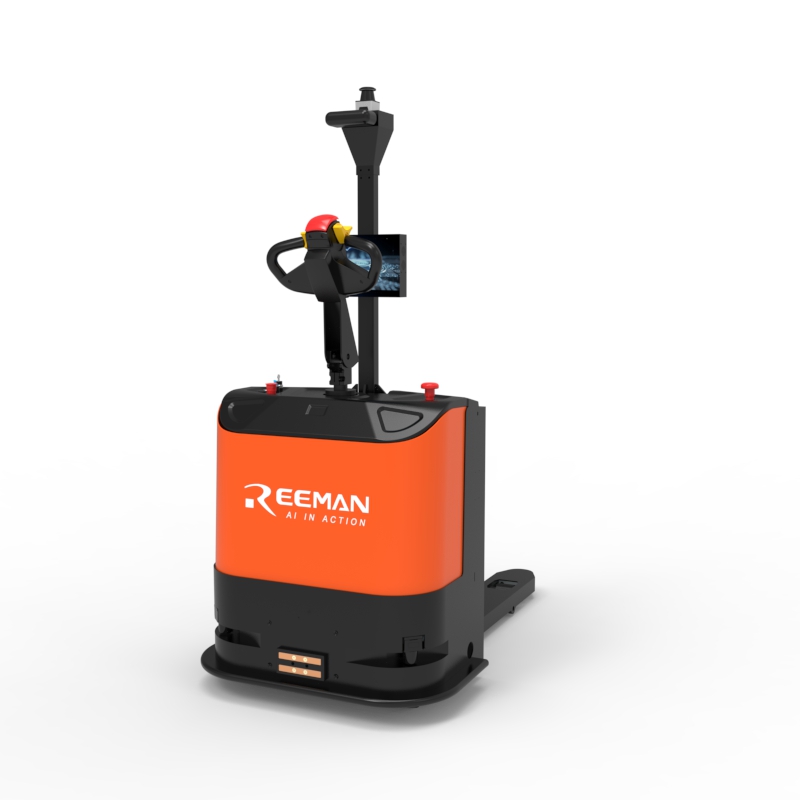
1500 kg Laser SLAM AGV Forklift
Single-line LiDAR, 30 mm navigation accuracy, 1019 mm forks and 570 mm fork width.
View product details →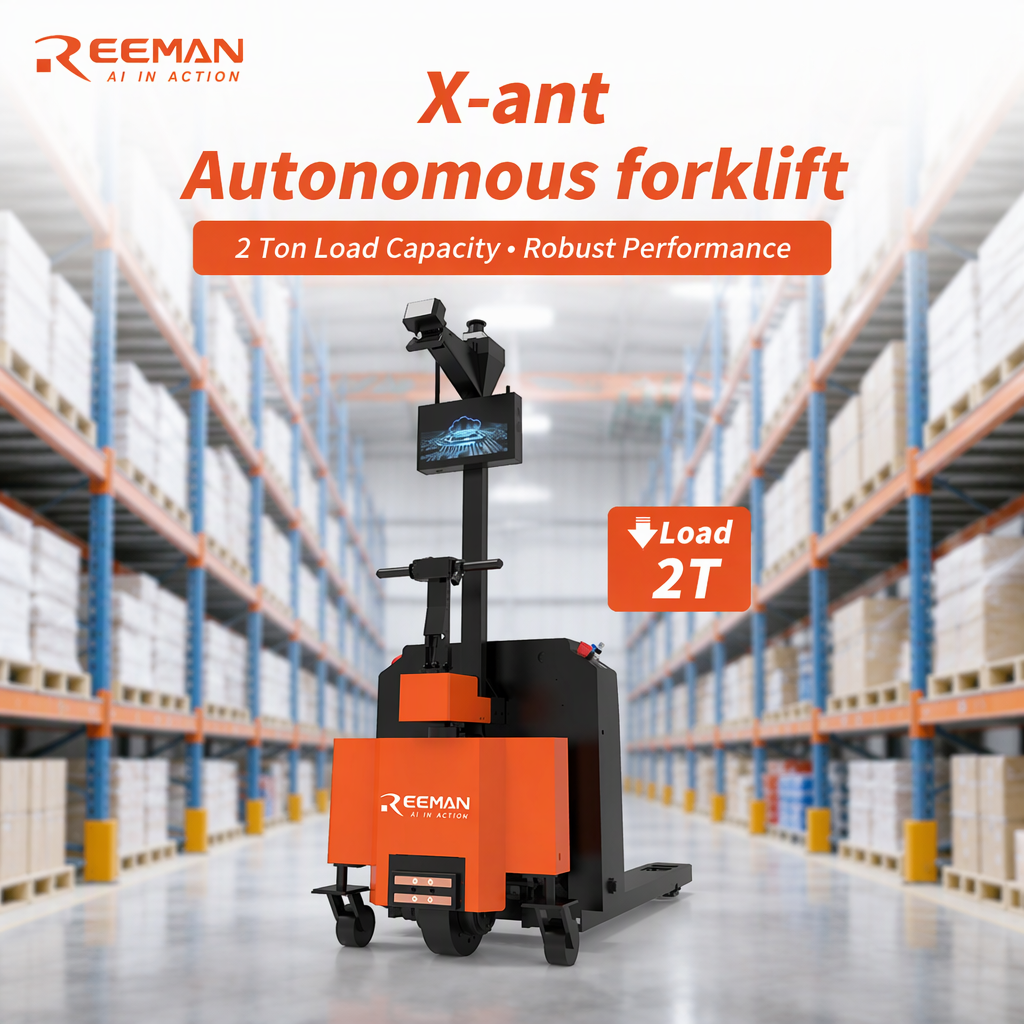
2 Ton Autonomous 4WD AGV Forklift
Multi-line LiDAR and 10 mm position accuracy for demanding warehouse handling.
View product details →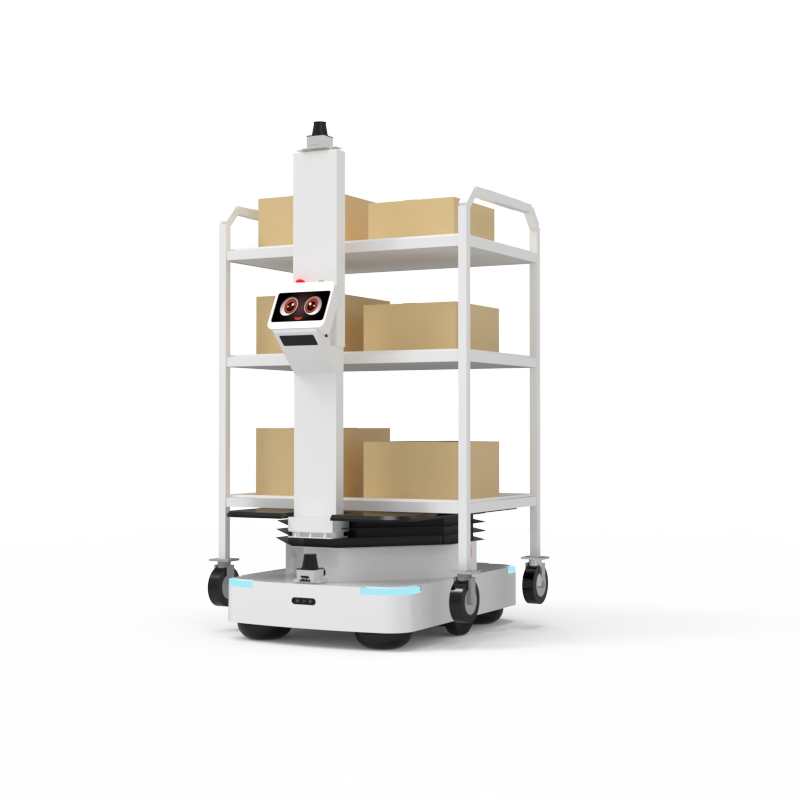
600 kg Payload Autonomous AMR Material Handling Cart
Multi-sensor mobile platform for production-line feeding, tote transfer and internal logistics.
View product details →Need a Portland-specific wholesale quotation for sweeping/mopping robots or an adjacent automation bundle?
Send an InquiryWhy Portland Buyers Need a Localized Sweep-Mop Robot Strategy
Portland is not a generic “clean floor” market. Rain, road grit, mixed flooring, labor pressure and sustainability expectations all shape the business case for a commercial sweeping and mopping robot.
A sweeping mopping robot purchased for a Phoenix warehouse may not be the right machine for a Portland facility. The Portland metro area has a distinct operating profile: long wet seasons, leaf and moss debris, tracked-in road grit, diverse floor finishes and a strong preference for measurable environmental performance. For a China wholesale sweeping mopping robot factory, that means the winning offer is not simply a lower price. It is a machine configuration, documentation package and wholesale support model that helps wholesalers serving the Portland market answer local customer questions with confidence.
Facility teams in Portland, Beaverton, Hillsboro, Gresham, Tigard, Tualatin, Lake Oswego, Oregon City and Vancouver, Washington, are under pressure to maintain clean public spaces with fewer open positions and tighter response times. A floor-cleaning robot can support that goal, but only when the application is scoped correctly. The robot must handle the actual floor mix, the actual soil load and the actual traffic pattern. It must also be safe around pedestrians, forklifts, pallet jacks, delivery carts and visitors who may not expect a machine to be moving through a lobby or aisle.
This guide is written for wholesale distributors, janitorial-service groups, systems integrators and procurement teams that need more than a product photo. It explains where sweep-mop robots fit in Portland facilities, what local trends are reshaping wholesale demand, how to verify a China factory, and which questions to ask before committing to a pilot. The goal is to create information gain for buyers: practical, verifiable guidance that helps a Portland-serving wholesaler build a stronger automation offer instead of competing only on unit price.
Rain, grit and mixed flooring create a different duty cycle
Portland entries can move from wet sidewalk to polished lobby, from exposed aggregate to sealed concrete, and from tile to vinyl composition tile within a few meters. That transition affects brush selection, squeegee pressure, water flow and debris handling. A machine that performs well on dry warehouse dust may need a different brush or cleaning mode for wet, gritty entries. Buyers should ask for a site survey that records floor type, slope, expansion joints, elevators, thresholds and high-traffic zones. A serious wholesale partner will also ask how often the floor is wet, what kind of de-icing or cleaning chemicals are used, and whether the robot will operate during business hours or after close.
In warehouses and 3PL sites near the Port of Portland, the challenge is often dry dust, stretch wrap, paperboard fragments and pallet debris. In food-processing and manufacturing environments, the soil may include powders, oils or process residue. In hospitals, universities and public venues, noise, safety and cleaning verification matter as much as scrubbing power. The same sweeping mopping robot platform may be appropriate across these sites only if the brushes, filters, water system, sensors and route logic are configured correctly. That is why a wholesale relationship should begin with an application conversation, not an online cart checkout.
Labor pressure is real, but the robot must fit the workflow
Portland facility managers rarely ask for a robot because they want novelty. They ask because coverage is difficult, turnover is expensive and night shifts are hard to staff. A robot can absorb repetitive floor care while redeploying people to restrooms, waste, detail work, security, customer service and equipment checks. The strongest ROI cases usually combine a robot with a redesigned cleaning schedule, a clear escalation process and a local technician who can respond to alerts. Buyers should be cautious about any supplier that promises headcount reduction without studying the site. The right conversation is about coverage hours, quality verification, safety and total cost of ownership.
Where Sweeping and Mopping Robots Fit in Portland Facilities
A wholesale offer becomes easier to sell when it is attached to a recognizable local application. These are the project types Portland distributors and integrators most often encounter.
Warehouses and 3PL near the Port of Portland
Large distribution floors collect dust, packaging fragments and pallet debris around the clock. Autonomous sweepers can run in defined zones outside active forklift lanes, while connected data logs help supervisors verify coverage and shift handover.
Hospitals, clinics and senior-care campuses
Quiet operation and consistent route completion support infection-prevention routines without disrupting patients. Buyers should confirm cleaning protocols, filtration options and safe operating speeds before a pilot in patient-adjacent areas.
Universities, corporate campuses and public venues
Lobbies, cafeterias, corridors and event spaces generate fluctuating soil loads. Scheduled autonomous cleaning after hours can stabilize appearance levels while staff focus on restrooms, glass, waste and event turnaround.
Food, beverage and light manufacturing
Powders, packaging dust and process debris require a scoped cleaning plan. The robot should be matched to the floor finish, spill profile and traffic pattern, with clear exclusions for washdown or hazardous-material zones.
Retail, hotels, airports and transit spaces
High-visibility floors need frequent attention and fast response to wet entryways. Robots can run repeatable routes during low-traffic windows, while staff handle spills, restrooms, entrances and customer-facing details.
Property management and parking structures
Rain, exhaust and road grit create stubborn soil in parking areas and service corridors. Confirm slope limits, lighting conditions, sensor performance and safety zoning before deploying any autonomous machine in a mixed-traffic garage.
Illustrative Portland application fit profile
These indicators illustrate common planning priorities for Portland-area projects; they are not performance guarantees. Final fit depends on site survey, floor conditions, safety assessment and local regulations.
Portland Market Trends Reshaping Wholesale Demand
Distributors that understand the buying logic behind Portland automation projects can position sweep-mop robots as a business solution, not a catalog item.
Labor resilience and schedule stability
Portland facility teams are designing cleaning coverage around absenteeism and turnover. A robot that completes a defined route every night can stabilize baseline cleanliness, even when staffing fluctuates. Wholesalers should present the robot as part of a coverage plan, with clear roles for people and machines.
Robotics-as-a-service and leasing
Some Portland buyers prefer subscription, lease or managed-service models over a large capital purchase. Wholesalers can explore bundled pricing that includes training, consumables, connectivity and service. The key is to model battery life, brush wear, parts and response time honestly, rather than hiding costs in a low monthly rate.
Water, chemical and energy efficiency
Sustainability goals are influencing procurement across Oregon. Buyers want variable water flow, eco modes, route optimization and data that shows resource use. A sweep-mop robot with intelligent route planning can reduce overlapping passes and unnecessary chemical consumption when configured correctly.
Data integration and proof of service
Facility managers increasingly ask for cleaning reports, completion rates, alerts and integration with CMMS or building-management workflows. An open SDK or API is valuable here, but it must be backed by real documentation and integration support. Wholesalers should test what data can be exported before promising client dashboards.
Safety in mixed-traffic environments
Portland sites often mix pedestrians, cyclists, carts, forklifts and delivery vehicles. LiDAR, obstacle sensors, emergency stops, speed zones and audible alerts all matter. Buyers should request a site-specific risk assessment and operator training plan, not just a declaration that the robot is “safe.”
Local spares and technical response
The strongest wholesale offer includes a plan for brushes, squeegees, batteries, sensors, chargers and firmware support. Portland customers value predictable response times and clear escalation paths. A China factory with export experience can support this through English documentation, remote diagnostics and a recommended spare-parts kit.
What a Reliable China Wholesale Sweeping Mopping Robot Factory Must Prove
E-E-A-T for B2B buyers is not a slogan. It is the ability to verify experience, engineering depth, production control, certifications, export terms and long-term support.
Full-stack robotics experience since 2015
Shenzhen Elvorn Intelligent Equipment Co., Ltd. is a national high-tech enterprise focused on robotic platform technology and autonomous driving. Founded in 2015, the company has grown to more than 200 team members, 39 patents and 5,200㎡ of total floorspace across two production bases in Shenzhen and Ningbo.
Laser SLAM navigation without floor tape
Elvorn autonomous forklifts, AMRs and robot chassis use laser SLAM navigation, so projects do not depend on magnetic tape, QR codes or reflectors. That matters in Portland facilities with changing layouts, leased spaces and multi-shift operations.
Open SDK, API and secondary development
AMRs and chassis platforms support open SDK and API development for integration with WMS, MES, ERP, elevator controls, doors and custom dashboards. For wholesalers, this creates a path to higher-value integration projects instead of one-off equipment sales.
SGS verification, ISO 9001 and ISO 14001
The factory has been verified onsite by SGS Group, covering business licensing, production capability and quality control. Management systems are certified to ISO 9001 and ISO 14001, giving wholesale buyers independent checkpoints for due diligence.
Model-specific CE, FCC and PSE marks
Depending on the model, Elvorn robots carry CE, FCC or PSE marks. Portland buyers should request the exact declaration for the model being quoted, confirm any local electrical or safety requirements, and verify whether UL or other marks are required by their insurer or authority having jurisdiction.
OEM, ODM and export-ready support
Elvorn offers OEM service, design service and buyer-label options, including custom top modules, payload structures, branding and packaging. Export support includes FOB terms, T/T payment in USD or CNY, English documentation and remote commissioning for buyers in North America, Europe, Asia and the Middle East.



Six-Step Deployment Path for Portland Wholesalers
A structured process reduces pilot risk and helps wholesale partners quote with confidence.
Site and load audit
Document floor types, square footage, soil load, aisle widths, slopes, thresholds, elevators, charging locations and operating hours. For warehouse projects, map pedestrian and forklift traffic separately.
Application fit and ROI model
Define which routes the robot will own, which tasks remain with staff, and how success will be measured. Model labor coverage, consumables, power, maintenance and the cost of downtime.
OEM / ODM configuration
Select brush type, squeegee, water system, filtration, sensors, battery strategy, branding, language and reporting. Confirm which customizations are engineering changes and which are simple buyer-label options.
Factory acceptance and documentation
Request function tests, load tests, safety checks and photos or video before shipment. Confirm the model-specific certificate package, manual language, spare-parts list and warranty terms.
Export and Portland delivery planning
Agree Incoterms, packaging, freight mode and customs documentation. Confirm charging voltage, plug type and site power. Duty and tariff treatment depends on HS code, so Portland buyers should verify with a licensed customs broker.
Training, spares and remote support
Plan operator training, map updates, firmware support and a recommended spare-parts kit. Establish response expectations and a clear escalation path before the first production shift.
Common Questions from Portland Wholesale Buyers
Practical answers for distributors, facility managers and integrators evaluating a China wholesale sweeping mopping robot program.
What is a sweeping mopping robot, and how is it different from a traditional floor scrubber?+
A sweeping mopping robot combines autonomous navigation with debris collection and floor washing. A traditional walk-behind scrubber depends on an operator and is usually limited to scrubbing. The robot can run scheduled routes, avoid obstacles, report completion and work during low-traffic hours. The right configuration still depends on floor type, soil load and safety requirements.
Can a China wholesale factory support Portland distributors with private labeling?+
Yes, for qualified projects. Elvorn offers OEM service, design service and buyer-label options. Customization can include branding, packaging, language settings, top modules and selected interface changes. Distributors should confirm minimum order quantities, engineering review time, approval drawings and branding placement before quoting to end customers.
How do you handle shipping from Shenzhen to Portland?+
Elvorn ships worldwide on FOB terms and accepts T/T payment in USD or CNY. Depending on size and urgency, Portland buyers can evaluate sea freight to a West Coast port, rail or truck onward delivery, or air freight for urgent pilot units. The buyer’s freight forwarder and customs broker should confirm routing, insurance, duties and final delivery requirements.
Which certifications and documents should Portland buyers request?+
Ask for the model-specific certificate package, including CE, FCC or PSE declarations where applicable, ISO 9001 and ISO 14001 evidence, the SGS onsite verification report, product manuals, wiring diagrams, spare-parts lists and warranty terms. Confirm whether local authorities, insurers or customers require UL, ETL or other marks for the intended installation.
Are these robots safe around people, forklifts and pallet traffic?+
Safety depends on the model, sensor package, site layout and operating rules. Look for LiDAR, obstacle sensors, emergency stops, speed zoning, audible alerts and clear exclusion zones. A Portland deployment should include a site-specific risk assessment, operator training and a written traffic-management plan. Do not deploy a robot in mixed forklift traffic without confirming the safety concept with qualified site personnel.
Can the robot integrate with building management, CMMS or warehouse software?+
Elvorn AMRs and robot chassis provide open SDK and API options for secondary development. Integration scope should be defined in writing: task dispatch, status feedback, alerts, cleaning reports, map management and user permissions. Wholesalers should validate the actual API documentation and test data export before promising a client-facing dashboard.
What maintenance and spare-parts program is realistic for Portland?+
A practical program covers brushes, squeegees, filters, sensors, chargers, batteries and routine firmware updates. Portland-serving wholesalers should consider holding a small critical-spares kit and defining response times for remote diagnostics. The factory can provide English documentation, recommended spare-parts lists and remote commissioning support.
What ROI should a Portland facility expect from a sweep-mop robot?+
ROI varies with labor rates, square footage, shift patterns, floor conditions and the amount of work that can be safely automated. A credible model includes coverage hours, reduced overtime, chemicals and water, maintenance, battery wear, training and downtime. Buyers should run a limited pilot with clear metrics rather than relying on a generic payback claim.
Does Elvorn work only with large wholesale orders?+
Project scope matters more than a single order size. A pilot or first wholesale order can be small, but the application must be clear enough to configure safely and support properly. For Portland-market distributors, the best starting point is usually a documented application review followed by a pilot plan, spare-parts recommendation and a pathway to repeat orders.
How do I request a wholesale quote for a Portland market deployment?+
Share floor type, square footage, shift pattern, aisle widths, charging voltage, target deployment date and whether you need OEM branding or software integration. If you are a distributor, include your estimated first-order quantity and target customer profile. The application team can then recommend a model, configuration and export plan.
Built for Wholesale Partners Serving Portland, Oregon
Supporting distributors, integrators and facility-service teams across Portland, Beaverton, Hillsboro, Gresham, Tigard, Tualatin, Lake Oswego, Oregon City and Vancouver, Washington.
Portland-area buyers often compare the cost of a local dealer against the engineering depth of a China factory. The most effective model is usually a partnership: the factory provides platform technology, customization, documentation and export support; the local wholesaler or integrator provides site surveys, installation coordination, operator training and first-line service. That structure gives Portland customers a responsive local relationship without losing access to factory-level engineering and pricing.
For distributors, the opportunity extends beyond the sweeping and mopping robot itself. A facility may also need autonomous forklifts, AMRs, material-handling carts, digital signage or service robots. A wholesale partner that can coordinate multiple product categories from a verified manufacturer is better positioned to win larger automation projects and to support customers after installation. The eight systems above show the breadth of the platform portfolio; sweeping and mopping robots can be positioned as the facility-care layer within a broader automation roadmap.
Due diligence is essential. Before placing a wholesale order, request the SGS verification report, model-specific certificates, warranty terms, spare-parts list, packing specification and a sample acceptance-test procedure. Confirm that the product is suitable for the floor conditions and safety environment in Portland. For public-facing spaces, review privacy, data logging and connectivity requirements. For warehouse applications, review traffic management and integration with existing workflows.
This guide is provided for B2B sourcing and planning purposes. It does not replace site-specific engineering, safety, legal, customs or insurance advice. Final specifications, certifications and trade terms should be confirmed in the quotation and contract.
Request a Portland Wholesale Sweeping Mopping Robot Quote
Share your floor type, square footage, shift pattern, aisle widths, charging voltage, target deployment date and OEM requirements. Our application team will respond with model recommendations, configuration options and an export plan for the Portland market.
Email: info@elvornbot.com · FOB terms · T/T in USD or CNY · English documentation · OEM / ODM support