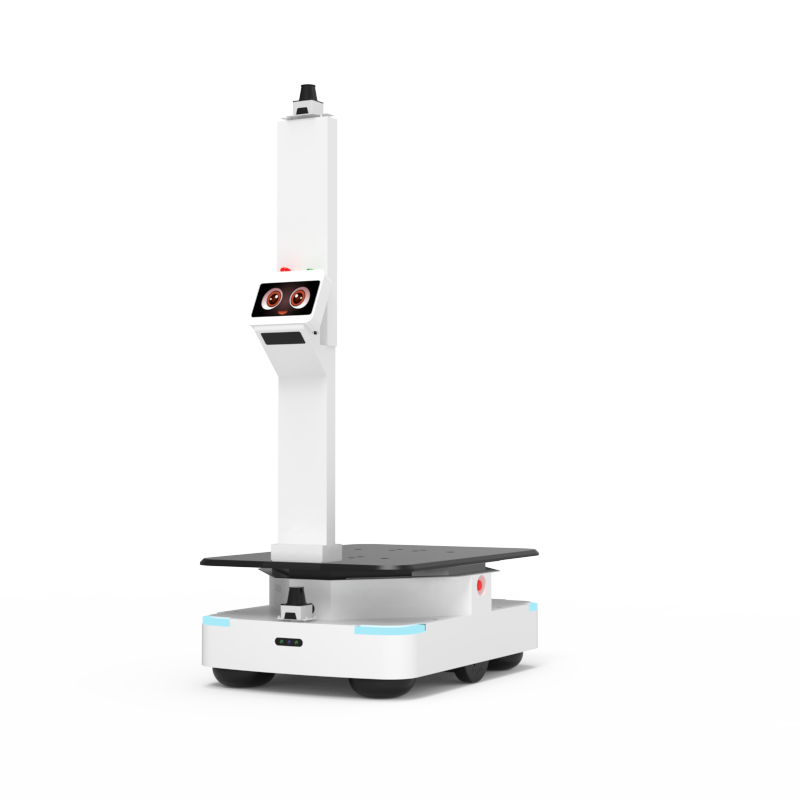
U.S. Market · Laser SLAM Floor Care · OEM / ODM

Commercial Cleaning Robot Manufacturers & Suppliers for the United States Market

An evidence-based sourcing guide for US facility-service contractors, distributors and building operators evaluating autonomous floor-care robots from a verified, SGS-audited manufacturer with in-house SLAM navigation, motion control and fleet software.

Contact Us
Product Portfolio · United States Supply

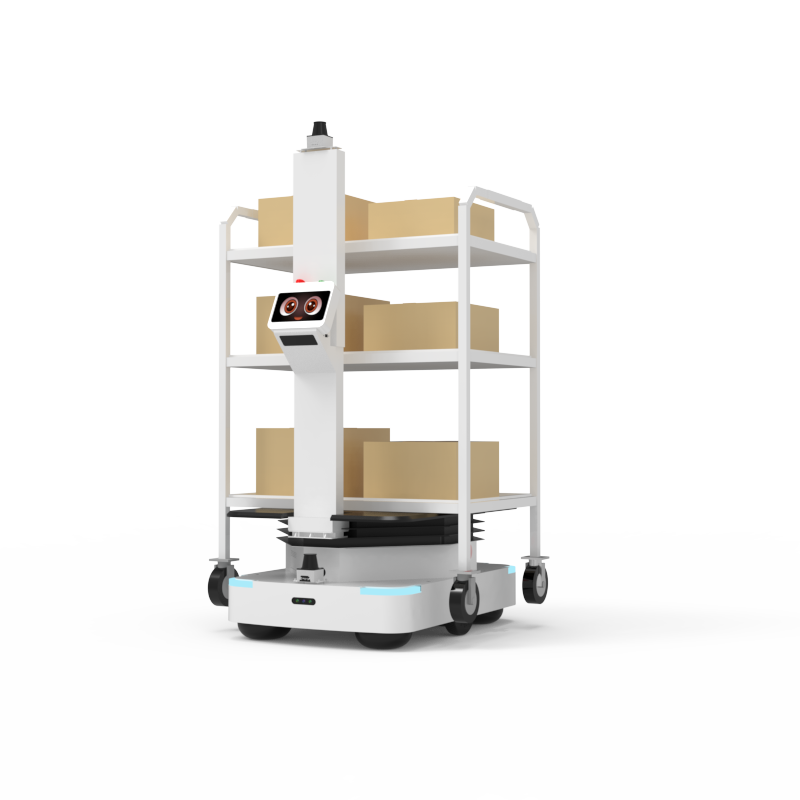
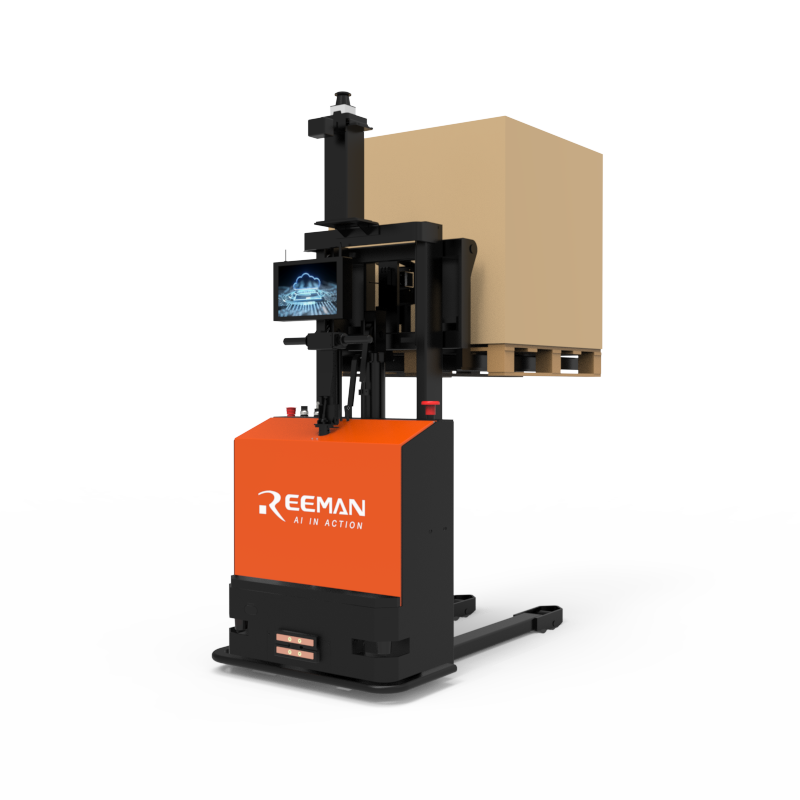
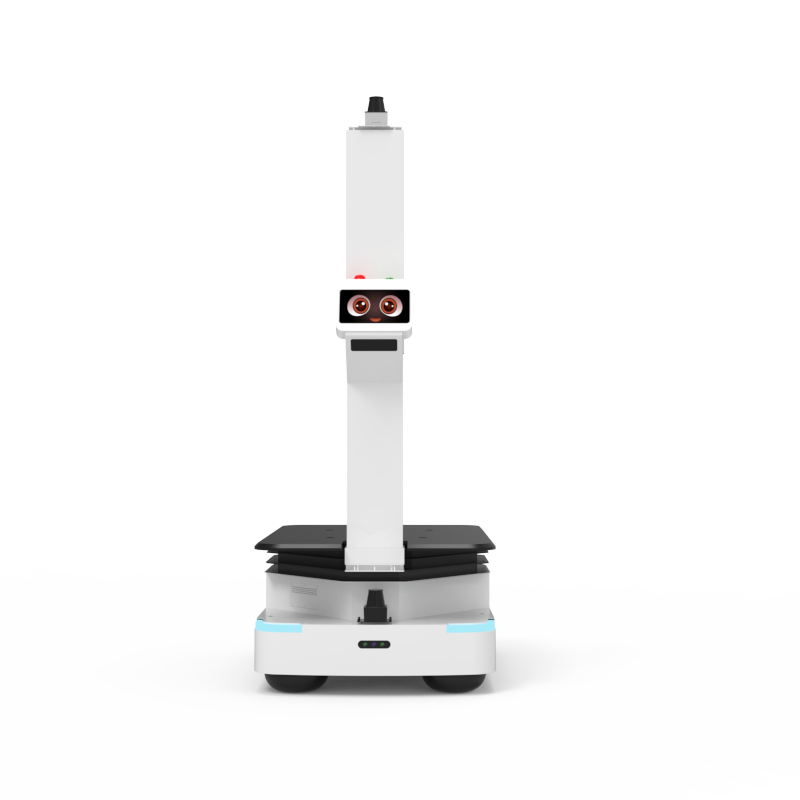
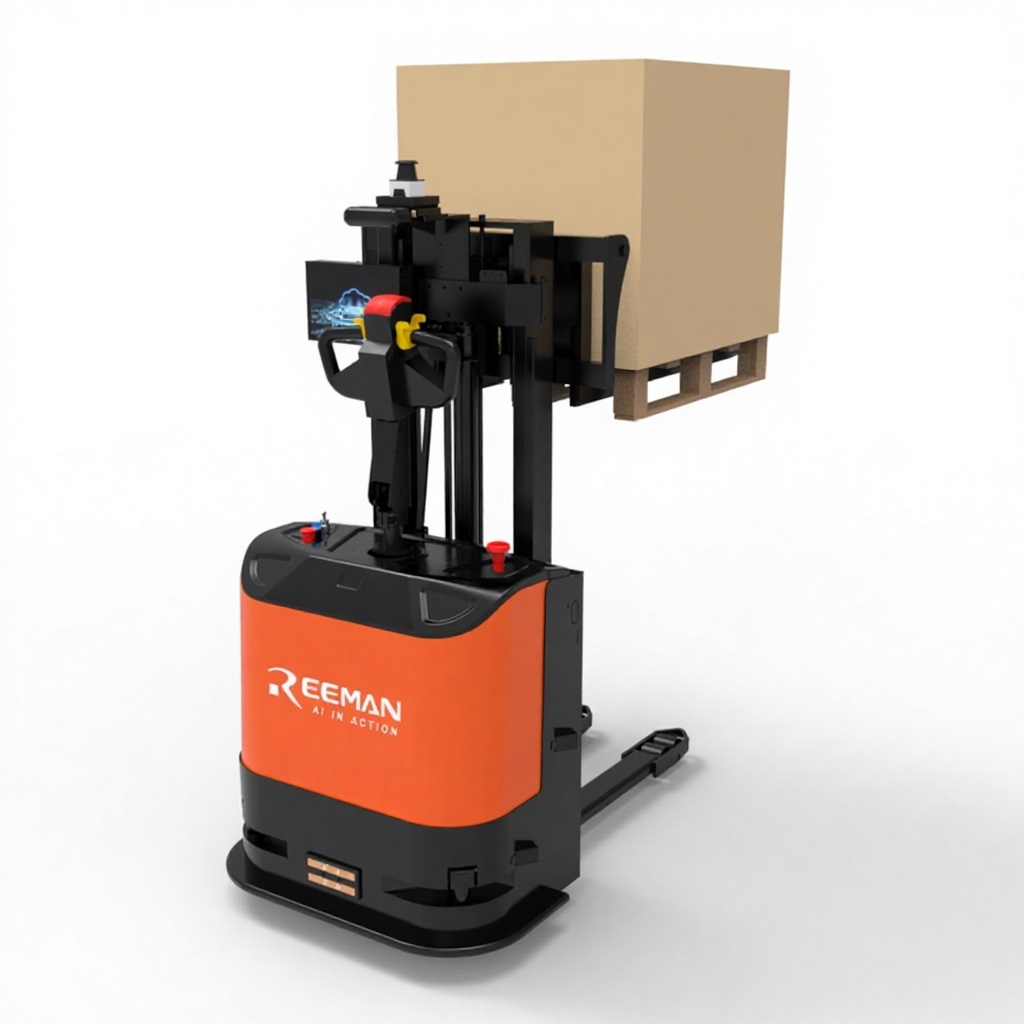
Commercial Cleaning Robots and the Autonomous Platforms Behind Them

Elvorn builds commercial cleaning robots on the same laser-SLAM navigation stack, motion controller and fleet-scheduling layer that drive the eight industrial platforms below. For a US buyer this is the practical difference between a demonstration unit and a maintainable asset: navigation behaviour, battery architecture and the safety envelope are already exercised in material-handling deployments before they reach a cleaning contract.

2015
Year Founded
11+
Years in Robotics
39
Patents Awarded
5,200㎡
Total Floorspace
200+
Team Members
98.76%
Response Rate

Shenzhen and Ningbo production bases, verified onsite by the independent inspector SGS Group.

Procurement Brief

How US Buyers Should Evaluate a Commercial Cleaning Robot Supplier

Floor care in the United States has moved out of the pilot phase. Multi-site contractors now bid cleaning contracts that assume a defined number of autonomous hours per night, and building owners increasingly ask for machine-generated route logs as evidence that a scope of work was completed. That shift changes what a supplier has to prove.

The first question is no longer "how fast does it clean". It is "how predictable is the asset over a three-year service contract". A robot that maps reliably but cannot be diagnosed without an engineer flying in from overseas is a liability, not a saving. Buyers should therefore separate a supplier's product claim from its manufacturing evidence, and ask for both in the same document pack.

Shenzhen Elvorn Intelligent Equipment Co., Ltd. is a national high-tech enterprise founded in 2015 that designs and manufactures autonomous forklifts, industrial AMRs, robot chassis and service robots — including cleaning robots and disinfection robots. In-house ownership of laser SLAM, motion control, fleet scheduling and hardware assembly is what allows a US buyer to specify a navigation behaviour, a spare-part list and an integration interface in one commercial conversation rather than three.

For US distributors, the practical advantage is configuration ownership. Because Elvorn controls the controller firmware and the chassis design, changes such as tank capacity, brush pressure, deck width, charging behaviour or a private-label control panel are engineering decisions rather than third-party negotiations. That distinction usually decides whether a distributor can hold a defensible position in a regional tender.

Verified manufacturer, not a trading layerFactory onsite assessment by SGS covering licensing, production capability and quality control.
Two production basesAssembly and test capacity in Shenzhen and Ningbo, reducing single-site delivery risk.
Navigation without floor infrastructureLaser SLAM means no magnetic tape, no reflectors and no QR codes to maintain.
Open SDK and APIIntegration with WMS, MES, BMS or a contractor's own work-order platform.
Evaluation CriterionWhat to Ask the SupplierWhy It Matters in the US
Navigation stabilityDoes the robot localise without tape, reflectors or QR codes, and how is re-mapping handled after a layout change?Retail and warehouse interiors change without notice; floor infrastructure cannot be re-installed every quarter.
Model-level documentationWhich FCC or CE test reports exist for this exact configuration, not the product family?Compliance files are requested during tenders, insurance reviews and building onboarding.
Uptime and consumablesWhich components are wear items, and what stocking level is recommended for a multi-unit fleet?Downtime, not purchase price, is the dominant cost in a contracted cleaning scope.
Integration surfaceIs there a documented SDK or API for elevator, door and building-management control?Multi-floor coverage is usually the deciding factor for a campus-wide rollout.
Factory verificationHas the production site been audited onsite by an independent inspector?Separates an actual manufacturer from an intermediary with a catalogue.
United States Applications

Where Autonomous Floor Care Fits in American Facilities

Deployment patterns differ from market to market. These are the six environments where US buyers most often specify an Elvorn platform, and the operational constraint that shapes each one.

Hospitals & Outpatient Clinics

Floor care runs inside narrow night windows around occupied patient areas. Low-noise drive modes, predictable route timing and exportable route logs support infection-control committees that want evidence, not assurances.

Grocers & Big-Box Retail

Large hard-floor footprints, weekly merchandising changes and overnight labour shortages. Marker-free SLAM removes the cost of re-taping aisles after every reset, which is the single most common reason US retailers abandon an AGV programme.

Class A Offices & Campuses

Lobbies, cafeteria floors and multi-floor restroom corridors. Elevator and door integration through the open API is what turns a single-floor machine into a building-wide asset for property managers.

Universities & K-12 Districts

Seasonal peaks around semester start, athletics events and summer deep-clean programmes. A robot fleet absorbs the peak without expanding a facilities payroll that districts find difficult to justify politically.

Airports, Rail & Transit Hubs

High pedestrian density and fragmented cleaning windows. Configurable protection zones allow speed limits to drop automatically in gate areas while the same machine runs at higher throughput in concourses overnight.

Distribution & Light Manufacturing

Shared traffic with forklifts and AMRs. Because Elvorn builds both material-handling and floor-care platforms on one control architecture, mixed fleets can be governed by a single scheduling layer rather than two incompatible systems.

Why Elvorn

Manufacturer Evidence Behind the Supplier Claim

Six verifiable capabilities that a US procurement team can check before a purchase order is raised.

SGS-Verified Production

Factory onsite assessment covers business licensing, production capability and quality control procedures. Assessment records are available for buyer due diligence before a supplier is shortlisted.

ISO 9001 & ISO 14001

Management systems certified for quality and environmental performance. For public-sector and healthcare buyers, this shortens the supplier onboarding review considerably.

Model-Level CE, FCC & PSE

Certification is attached to specific configurations rather than the product family. Buyers receive the documentation set that matches the unit being shipped, which matters during customs and site acceptance.

OEM, ODM & Buyer Label

Custom top modules, payload structures, branding, documentation and packaging. As a verified custom manufacturer, Elvorn supports distributors building a private-label floor-care line without owning tooling.

Open SDK & API

Secondary development access for AMRs and chassis platforms, enabling task dispatch and status feedback from warehouse management, manufacturing execution or a contractor's own scheduling software.

Export-Ready Support Model

English documentation, remote commissioning, and a spare-part continuity plan agreed at order stage. Orders ship FOB with T/T payment in USD or CNY, matching standard US import practice.

Buyer FAQ

What US Buyers Ask Before Placing an Order

Direct answers to the questions that appear most often in North American enquiries. Where a topic depends on site data, we say so rather than quoting a generic figure.

Which certifications matter for a commercial cleaning robot sold in the United States?

Two separate questions are usually mixed together. The first is regulatory: wireless modules require FCC Part 15 authorisation, and lithium batteries need UN 38.3 transport documentation. The second is contractual: many US facilities, insurers and public buyers ask for a UL or ETL evaluation of the electrical system, which is a site-level requirement rather than a federal one. Elvorn models carry CE, FCC or PSE marks depending on configuration; if a UL or ETL listing is required for a specific installation, raise it during the project brief so the electrical configuration and documentation scope can be reviewed before the order is fixed.

What power configuration is supplied for US facilities?

US-bound units are configured for 110–120 V / 60 Hz charging with a NEMA 5-15 compatible plug. For larger fleets with dedicated charging rooms, higher-voltage charging stations can be specified. Charging behaviour — opportunity charging between shifts versus a full overnight cycle — is agreed at configuration freeze because it determines battery sizing and the number of docking stations per site.

How much floor area can one robot cover per hour?

Coverage rate is a function of deck width, surface type, obstacle density, route overlap and the number of elevator transitions, so a single headline figure is misleading. During scoping, Elvorn engineers model coverage from your floor plans, shift windows and surface mix, then return an estimated productive hours per shift figure together with the number of units required. This is the number that should appear in a cleaning contract, not a laboratory maximum.

Can the robots integrate with a BMS, CMMS or work-order platform?

Yes. Elvorn AMR, chassis and service robot platforms expose an open SDK and API for secondary development, allowing task dispatch, status feedback and completion records to be exchanged with warehouse management, manufacturing execution, building management or a contractor's own scheduling software. Elevator and automatic door control can be handled through the same integration layer where the building supports it.

Does the robot stop working if the building network goes down?

Navigation and cleaning execution run onboard. A network outage does not stop a mapped route or a scheduled cleaning task. The cloud layer is used for fleet reporting, remote diagnostics and multi-site visibility; if a buyer prefers to keep route data on premises, that deployment model can be discussed during the project brief. Data residency questions are best answered in writing before the order, not after.

How are spare parts and after-sales support handled from China?

Wear items and high-turnover components are identified at order stage and a recommended stocking level is agreed with the buyer or distributor. Support runs through English-language documentation, remote diagnostics and commissioning assistance. Distributors who intend to service a region typically hold a local stock of agreed consumables; this is negotiated as part of the distribution agreement rather than assumed.

What are the trade terms and how long does delivery take?

Elvorn ships on FOB terms from Shenzhen or Ningbo and accepts T/T payment in USD or CNY, which aligns with standard US import practice. Lead time is confirmed in the contract after the configuration is frozen, because custom top modules, private-label panels and non-standard battery options change the production slot. Buyers should plan customs clearance with their own broker; Elvorn supplies the commercial invoice, packing list and shipping documentation set required for the chosen mode.

Do you support private-label programmes for US distributors?

Yes. As a verified custom manufacturer, Elvorn offers OEM service, design service and buyer-label options covering custom top modules, payload structures, branding, documentation and packaging. For a distributor, the practical question is how much of the machine identity you want to control — from a badge on a standard platform through to a distinct body and control interface. That scope is defined in a written specification before tooling or production is scheduled.

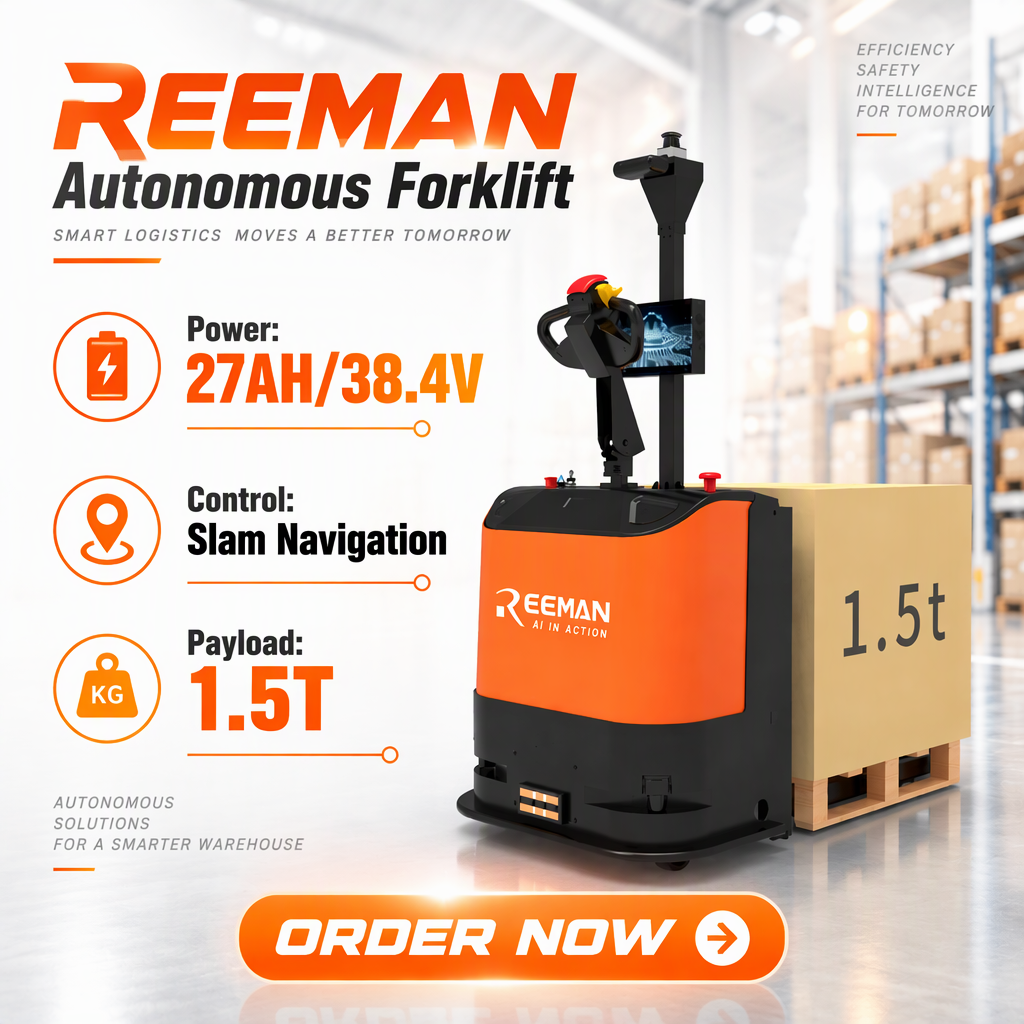
Send Your Site Data. Get a Deployment Model, Not a Brochure.

Share floor plans, cleanable square footage, shift windows and surface mix. Our engineers will return a platform recommendation, an estimated coverage plan and a spare-part list, in English, with a documented response timeline.

Contact Us